(Last Updated on May 30, 2026 by Henry)
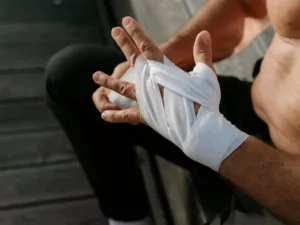
Hand injuries can throw a wrench in anyone’s lifting routine. Blisters, calluses, or small tears not only mess with your hands but can also mess with your overall performance and motivation. Athletic tape offers a different, often better solution than gloves when it comes to addressing these issues.
From a grip performance standpoint, even minor skin damage can become a limiting factor.
Pain or uneven pressure across the palm and fingers often causes lifters to unconsciously reduce grip force, shorten sets, or avoid heavier pulls altogether. Over time, this affects grip endurance, bar control, and confidence under load, especially in movements like deadlifts, pull-ups, rows, and Olympic lifts, where sustained hand contact is essential. Protecting the skin isn’t just about comfort; it directly supports consistent grip strength and training progression.
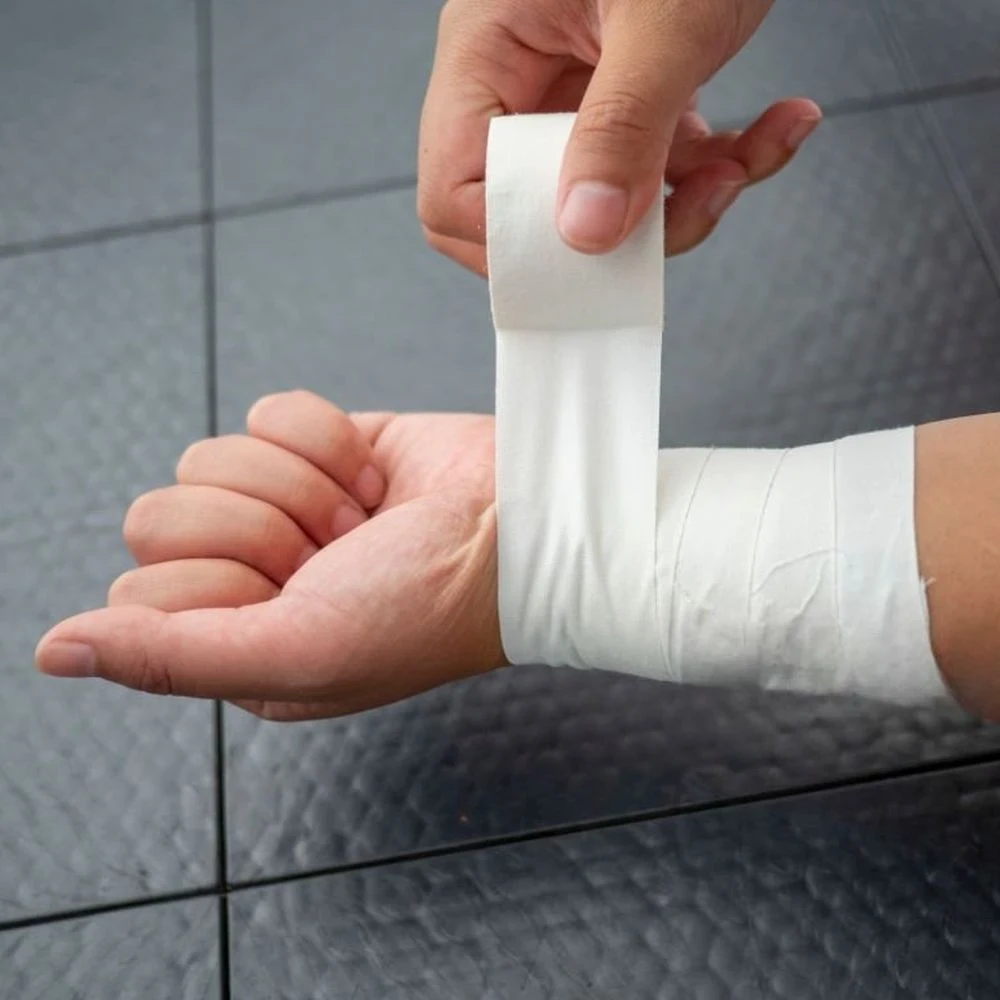
A lot of lifters prefer tape because it provides a layer of protection without taking away the feeling of the bar or weights, which is something gloves can’t guarantee.
Gloves can sometimes block important sensations or cues you get straight from the bar.
Tape, when used correctly, can balance protecting your skin and leaving your grip feel almost untouched.
Maintaining tactile feedback is critical for developing a strong, responsive grip.
The hands rely on sensory input to regulate pressure, adjust finger positioning, and stabilize the wrist during loaded movements.
When gloves dull that feedback, lifters may grip too hard or too loosely, both of which can increase fatigue and strain the finger tendons, wrist flexors, and elbow joints. Athletic tape allows for targeted skin protection while preserving the natural hand-to-bar connection that supports efficient grip mechanics and long-term hand health. The trick lies in using tape smartly.
Too much tape or taping the wrong way can actually get in the way of your grip strength rather than help it.
That’s why this guide is all about helping you find that sweet spot where your hands are protected, but your grip remains just as strong and responsive. When tape is overused or applied in ways that restrict finger movement, it can reduce friction, interfere with finger flexion, or create pressure points that disrupt normal grip patterns.
Poor taping habits may also shift stress to other areas of the hand, increasing the risk of tendon irritation or wrist discomfort. Using tape strategically, focusing on high-friction zones like callus edges or healing tears, helps preserve grip strength, bar control, and confidence while allowing the skin to recover and adapt over time.
Used thoughtfully, athletic tape becomes a tool for supporting both performance and durability.
The goal isn’t to eliminate sensation or replace proper hand conditioning, but to manage stress on the skin so the hands can continue to function efficiently. When protection and feedback are balanced correctly, lifters can train harder, maintain consistent grip strength, and reduce unnecessary setbacks caused by preventable hand injuries.
What Athletic Tape Is and How It Protects Your Hands
Athletic tape is the lifter’s silent partner, often overlooked but essential. It’s a cotton or synthetic fabric strip designed to stick closely to the skin. But it’s not just about sticking; it’s about protection and support that doesn’t interfere when you’re gripping onto a barbell.
From a grip-development standpoint, this balance is what makes athletic tape so valuable. The hands need freedom to conform around the bar, adjust pressure, and respond instantly to load changes.
Unlike rigid protective gear that can blunt sensation, tape adheres directly to the skin, moving with it rather than against it. This allows the hand to maintain natural contact patterns while still reducing stress on vulnerable areas.
There are two main types: rigid tape and elastic wraps.
Rigid tape is all about stability, keeping areas in place without giving much stretch, making it great for joints and areas needing firm support. Elastic wraps are a bit more forgiving, moving with your skin while still providing a barrier against friction.

Latex-Free Pre-Wrap Tape for Grip & Wrist Training
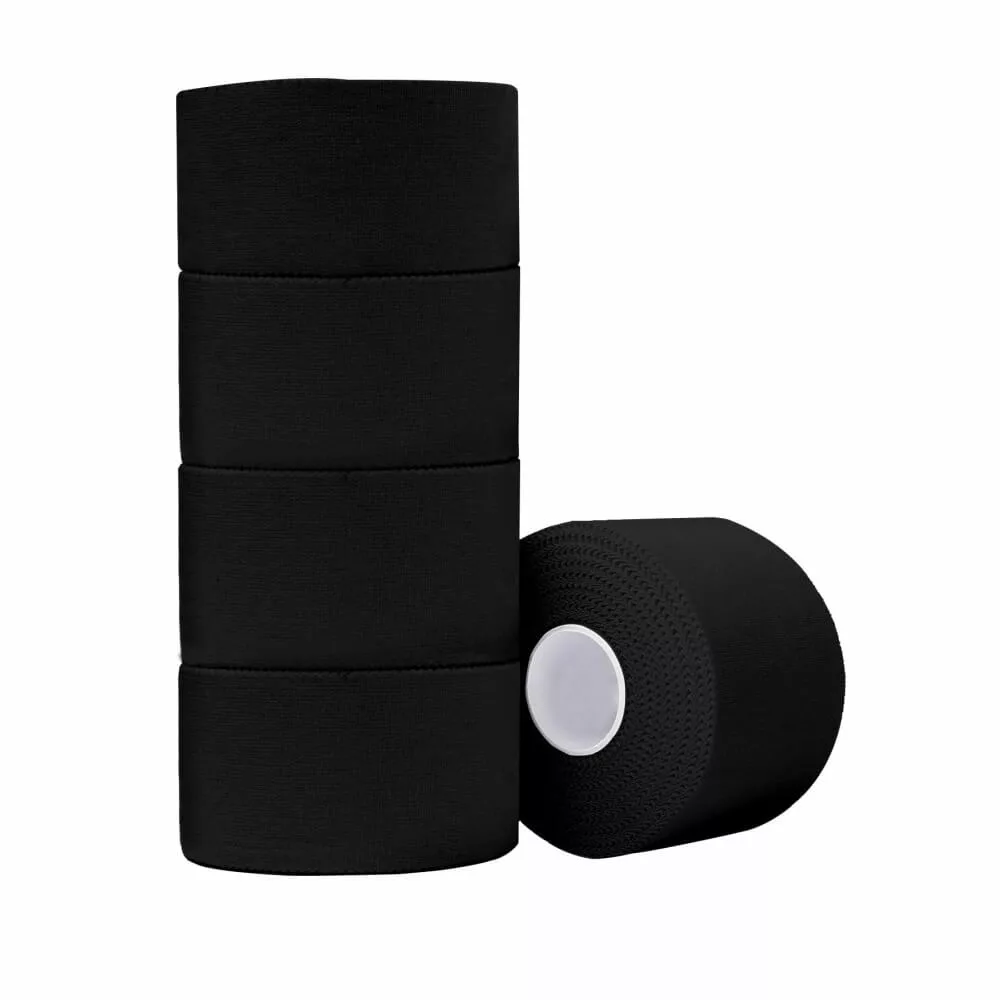
Simple & Practical: Number 1 Athletic Tape in the World?
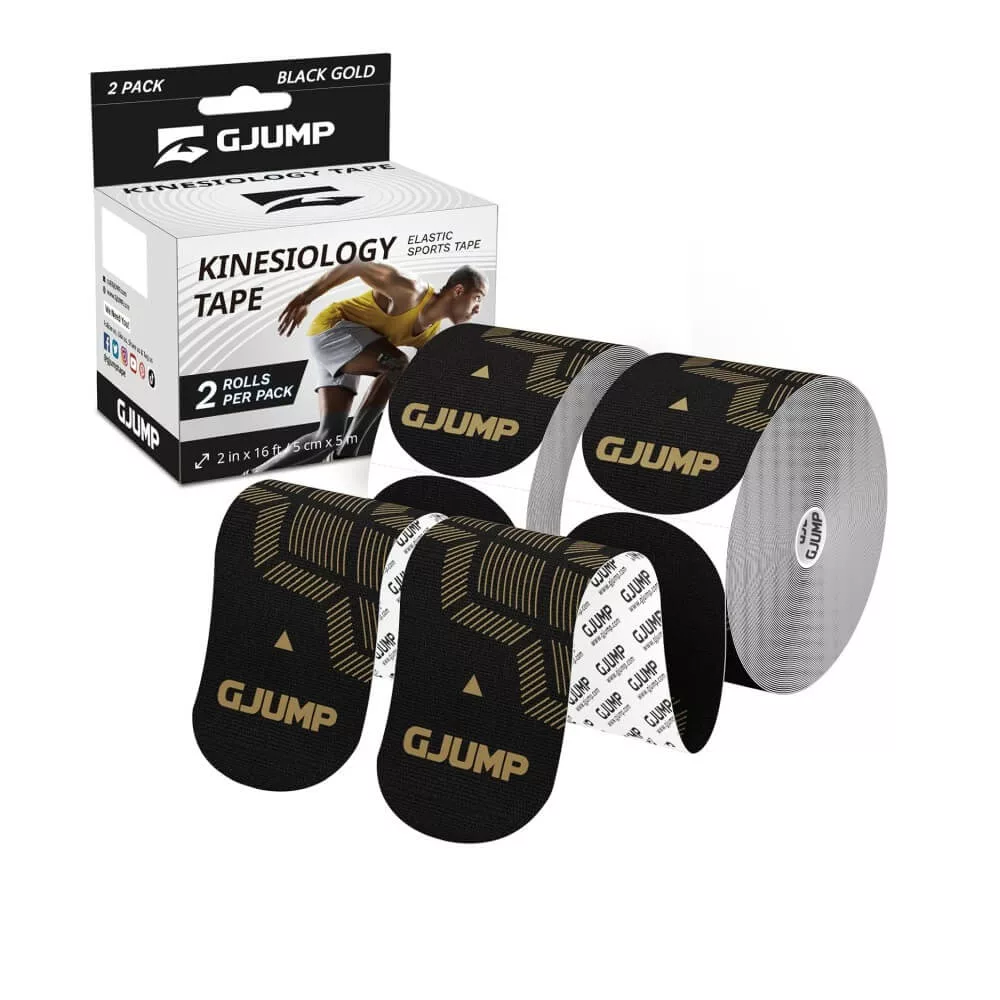
Precut Kinesiology Tape: No Measuring, Just Peel & Apply
Each type plays a different role in grip and hand health. Rigid tape is often useful for stabilizing thumbs, wrists, or finger joints when joint integrity is the priority.
Elastic tape, on the other hand, is typically better suited for skin protection during pulling movements, where the hand must flex, extend, and rotate freely around the bar. Choosing the right type helps prevent unnecessary restriction that could interfere with grip strength or increase strain on tendons and connective tissue.
When you use athletic tape, it’s like giving your skin a shield. Whether you’re lifting heavy or doing high-volume training, tape steps in to take the friction off your skin, preventing those nasty tears and blisters. Unlike gloves that can sometimes make you feel disconnected from the bar, tape enhances your skin’s natural movement, keeping your grip feedback sharp.
Reducing friction at the skin level has ripple effects throughout the hand and forearm.
Less skin trauma means less inflammation, fewer compensatory grip patterns, and a lower chance of overloading specific fingers or tendons. This is especially important during high-rep sessions or long training blocks, where repeated friction can quietly erode grip endurance and recovery if left unmanaged.
While gloves can feel bulky and reduce sensitivity, tape offers a more seamless experience. It’s the difference between feeling every knurl of the bar and having your grip altered by an extra layer of fabric.
That direct contact with the bar is more than a preference; it supports neuromuscular control.
Feeling the knurling helps lifters modulate grip pressure, maintain consistent hand placement, and stabilize the wrist under load. Over time, this sensory feedback contributes to stronger, more coordinated grip mechanics and better long-term hand resilience.
Why Lifters Tape Their Hands: Protection, Recovery, and Grip Support
Taping your hands isn’t just a prevention tactic; it’s a proactive choice for many who want to keep their lifting game strong, even when their skin might have other ideas.
Calluses and blisters are the number one enemies here. These can sneak up on you during intense bar work or high-rep sessions, causing discomfort that breaks concentration and disrupts your flow.
From a grip performance perspective, skin damage often becomes the weakest link long before muscles or cardiovascular capacity do. Once pain enters the picture, the nervous system instinctively reduces grip force to protect the hands, even if the rest of the body is capable of more work. This leads to shortened sets, altered grip positions, and inconsistent loading patterns that quietly undermine grip strength development over time.
Sometimes, you’re dealing with healing skin or those annoying little injuries that aren’t serious enough to take you out of the game but can still hurt like hell if left unprotected during a workout. Athletic tape lets you keep pushing without worrying about worsening those minor wounds.
Protecting healing skin is especially important because partially healed calluses and small tears are more vulnerable to reopening under load.
Without protection, lifters often compensate by shifting pressure to other fingers or changing hand placement, which can increase strain on finger tendons, the wrist, and even the elbow. Taping creates a controlled surface that allows normal grip mechanics to continue while the skin finishes recovering.
Another big reason to tape is during high-volume pulling sessions.
Imagine doing countless deadlifts or pull-ups: yeah, your skin can only take so much. Taping adds that necessary barrier so your skin stays intact throughout vigorous sets.
High-repetition pulling places repeated shear stress on the same areas of the hand, especially at the base of the fingers and across established calluses. Over time, this friction builds faster than the skin can adapt, particularly during volume-focused training blocks. By reducing that friction, tape helps preserve grip endurance and allows lifters to complete planned workloads without skin becoming the limiting factor.
Even with these benefits, consistency is key. Taping ensures you don’t fall off your training schedule just because of some predictable hand issues. It’s about staying on track and maintaining progress without interruptions. If you’re smart about it, taping helps you avoid taking unwanted breaks, keeps you in the gym, and keeps your goals in sight. From a long-term perspective, consistent training is what drives grip strength, tissue adaptation, and resilience.
Small, preventable hand injuries are one of the most common reasons lifters miss sessions or dial back intensity unnecessarily.
Strategic taping supports continuity, allowing the hands to stay healthy enough to train regularly while still adapting naturally to the demands of lifting.
How Taping Changes Grip Feel and Boosts Lifting Performance
Taping can subtly change how your grip feels during a lift. When you place your hands on the bar, the tape introduces a different texture, which affects friction and how the bar rolls in your palms. This shift can be beneficial or problematic, depending on how well the tape is applied.
Grip strength isn’t just about muscle force; it’s also about friction management and sensory awareness. The way the bar interacts with the skin influences how evenly pressure is distributed across the fingers and palm. Well-applied tape can smooth out high-stress contact points, but poorly applied tape can disrupt how the bar settles in the hand, making the grip feel less predictable under load.
The tactile sensations from your hands are important in lifting.
Proper feedback helps you know how much pressure to apply, ensuring the bar doesn’t slip. With tape, this feedback can feel a bit muted if not done right, potentially leading to less control over the weight.
This sensory feedback plays a major role in grip coordination. The nervous system relies on touch receptors in the skin to fine-tune grip pressure in real time. When that input is dulled by excessive tape, lifters may squeeze harder than necessary or hesitate during pulls, which can increase fatigue in the forearms and reduce overall lifting efficiency.
If tape is applied incorrectly, you might end up with bulky layers that interfere significantly with your grip. This not only alters grip strength but can also influence your confidence with the bar when lifting heavier weights.
Bulkier taping can also change joint positioning. Excess material around the fingers can limit full flexion or alter thumb placement, subtly affecting wrist alignment during pulls. Over time, these small changes can contribute to unnecessary strain on finger tendons, the wrist, or the elbow, especially when lifting heavy or training frequently.
It’s best to aim for minimal taping.
A thin, precisely placed strip can offer protection without cutting down on the natural bar feel. The goal is not to let the tape take over but rather to act as an invisible, protective layer so you can still get a sense of the bar and perform at your peak.
When tape functions as a supportive aid rather than a crutch, it helps preserve natural grip mechanics. Minimal, strategic application allows the skin to stay protected while maintaining the feedback needed for confident, controlled lifting. This approach supports both immediate performance and long-term grip strength development.
How to Tape Hands Without Killing Grip Strength
Taping hands requires a bit of finesse. The aim is to protect your hands without turning the bar into a slippery mystery. Start by placing the tape strategically; focus on the areas most prone to blisters or tears, like those that rub against the barbell.
These high-friction zones are typically where calluses form and where skin breakdown is most likely to occur under repeated loading.
By targeting only these areas, tape reduces unnecessary shear stress without altering how the rest of the hand interacts with the bar. This selective approach helps maintain consistent grip mechanics while protecting vulnerable skin.
Avoid wrapping the tape too thickly.
Thick layers can reduce the connection between your hands and the bar, diminishing your grip power. Keeping it thin allows you to maintain that vital bar feel, which is crucial for successful lifts.
Grip strength depends heavily on friction and sensory feedback. Excessive tape can smooth out the contact surface too much, forcing the hands to work harder to maintain control. Thin application preserves the texture of the bar and allows the fingers to apply pressure efficiently, supporting both maximal lifts and endurance-focused sets.
Positioning matters. Leave your fingers and palms as free as possible.
They need to move naturally to grip well. The tape should act more like a flexible companion rather than a stifling wrap.
Natural finger movement is essential for proper bar positioning and wrist alignment. When fingers can flex and adjust freely, pressure is distributed more evenly across the hand, reducing localized strain on tendons and joints. Tape that restricts motion can subtly alter grip patterns, increasing fatigue and the risk of overuse issues over time.
Before diving into your full workout, always test your grip with a few lighter lifts.
This quick check ensures that the tape’s placement and feel are optimal so you don’t face any unexpected issues mid-set. Adjust if needed to ensure your hands are both protected and functional.
This brief test phase allows the nervous system to recalibrate to the taped surface and confirms that grip feedback remains intact. Making small adjustments early helps prevent distractions later, allowing you to train confidently with a grip that feels secure, responsive, and ready for heavier loads.
Taping to Protect Calluses and Prevent Hand Tears
Calluses can be a serious pain, literally. They develop as a natural protective layer, but when they tear, they can sideline a session quickly. Taping can step in as a real lifesaver by covering those specific high-friction zones that take the brunt during lifting.
Calluses form where the skin repeatedly experiences pressure and shear, especially at the base of the fingers during barbell work. While they serve a protective purpose, uneven or overly thick calluses are more prone to catching and tearing under load. Strategic taping smooths out these high-risk areas, reducing abrupt friction changes that often cause callus rips mid-set.
When you tape properly around calluses, you reduce the risk of further tearing. It’s not just about slapping tape on the spot but positioning it to minimize movement and friction directly over these vulnerable areas.
Effective taping stabilizes the skin so it doesn’t shift or fold when gripping the bar. Reducing micro-movement over calluses helps prevent shear forces that stress the skin’s edges, which are typically where tears begin. This allows lifters to maintain consistent grip pressure without subconsciously guarding the injured area or altering hand placement.
Taping often comes out on top compared to gloves.
Gloves can bunch up and cause more friction, whereas tape moves with your skin, letting you lift more naturally. In high-intensity workouts, taping can be your best method to keep those calluses intact and happy.
Because tape adheres directly to the skin, it preserves natural hand mechanics and bar feel. Gloves, by contrast, can create folds or pressure points that increase friction exactly where lifters are trying to reduce it. For heavy pulls or high-rep sessions, tape provides a cleaner interface between hand and bar, supporting both grip strength and confidence.
Even if you’re taping up, hand maintenance shouldn’t fall by the wayside. Keeping calluses in check with regular filing and moisturizing ensures that they don’t build up excessively and cause splits.
Taping is about preserving what’s there, and good hand care complements this by preventing issues from escalating.
Long-term grip health depends on a balance between protection and adaptation. Filing keeps calluses even and less prone to catching, while moisturizing maintains skin elasticity so it can tolerate load without cracking. When combined with smart taping, these habits help lifters maintain resilient hands that support consistent training and progressive grip strength development.
When Not to Tape Your Hands: Build Natural Grip Strength
Taping isn’t always the go-to solution, especially during grip-focused training sessions.
In these scenarios, you want your hands to experience and adapt to the full challenge of the grip. Relying too much on tape might actually hold back your progress in building natural grip strength and endurance over time.
Grip strength develops through progressive exposure to load, friction, and pressure.
When the skin, tendons, and supporting structures of the hand are consistently shielded, they may not receive enough stimulus to adapt fully. For sessions specifically designed to improve grip endurance or finger strength, allowing direct contact with the bar can encourage tougher skin, stronger connective tissue, and better sensory awareness.
If the goal is to enhance raw grip strength, it might be better to tough it out without any added support. Letting your hands build that resilience naturally is key, as its strength that translates directly into real-world performance.
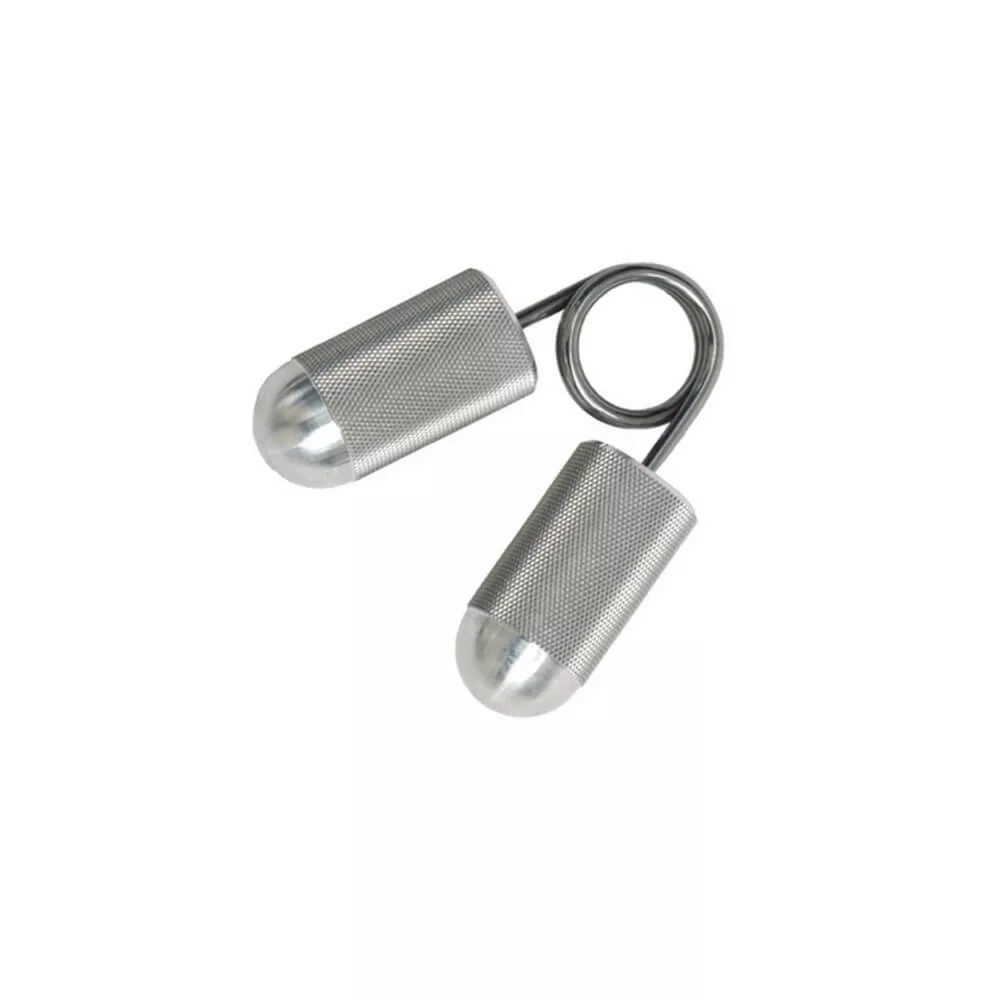
Specialized Spring Gripper to Skyrocket Your Thumb Strength
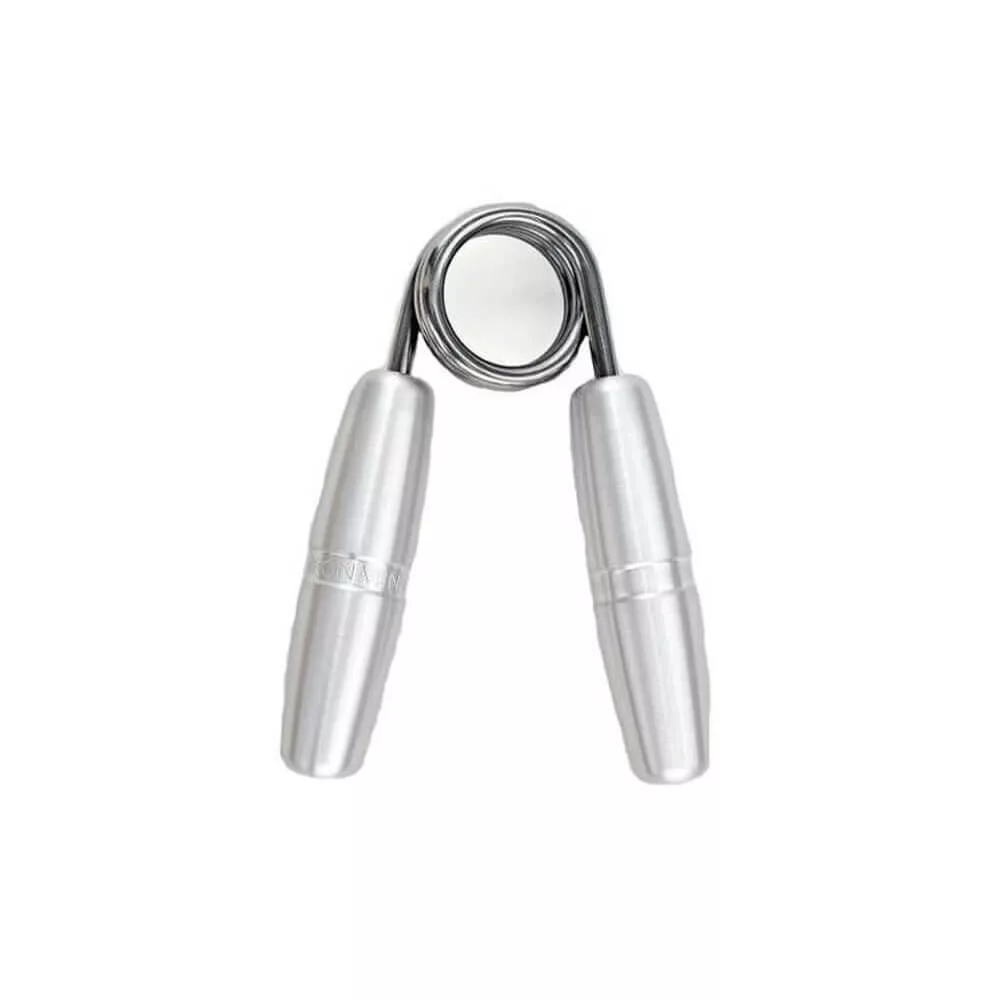
Smooth-Handle Gripper: Ideal For Rehab & Gentle Training

The Iconic Grip Workhorse for Serious Strength?
This kind of unassisted grip work is especially valuable for athletes who rely on hand strength outside the gym, such as climbers, grapplers, or manual laborers. Developing tolerance to friction and load without external aids helps ensure that grip strength carries over beyond controlled training environments.
There’s also the risk of masking poor technique by over-relying on tape. If taping is compensating for a poor grip or form, it might be time to reassess and correct those technical issues first. It’s important to address and fix foundational problems rather than patching them up temporarily.
Improper hand placement, excessive bar movement, or gripping too deeply into the palm can all increase friction and skin stress unnecessarily.
Tape may reduce discomfort in the short term, but it won’t correct inefficient mechanics.
Identifying and refining grip technique often reduces the need for taping altogether and supports healthier movement patterns. Notice when taping becomes more habit than necessity.
If you find yourself reaching for tape purely out of routine rather than real need, it might be worth skipping it for a session or two. See how your grip holds up and use it as a chance to assess whether taping is genuinely necessary or if it’s becoming a crutch.
Periodically training without tape offers valuable feedback. It highlights areas where skin conditioning, technique, or workload management could improve. Used selectively rather than automatically, tape remains a helpful tool: one that supports grip training without replacing the adaptation process that builds lasting strength.
Tape vs Gloves vs Bare Hands: Choosing the Right Hand Protection
When considering hand protection, it’s key to weigh tape against alternatives like gloves and bare hands. Each option brings its own set of perks and downsides, influencing your training experience differently.
Understanding these trade-offs is crucial for long-term grip health. Different approaches affect skin conditioning, tactile feedback, and load distribution, all of which influence how effectively your hands adapt to lifting stresses.
Gloves offer a more cushioned feel, which can be a bonus for beginners.
However, they can reduce your tactile contact with the bar, making it harder to perfect your grip. Over time, this might limit your grip strength development, since your hands aren’t fully experiencing the lift.
While gloves protect the skin, they can dull the subtle cues your nervous system uses to optimize pressure and finger placement. Beginners may benefit from comfort, but advanced lifters often find that gloves interfere with bar control and the ability to develop finger and wrist strength effectively.
Bare hands offer the most straightforward connection to the bar, improving grip and technique naturally. This approach builds raw strength over time but does expose you to greater wear and tear: think calluses and blisters, which you’ll definitely need to manage.
Training bare-handed maximizes sensory feedback, which is key for neuromuscular coordination, bar path control, and overall grip adaptation.
However, it demands consistent skin care, proper workload management, and recovery practices to avoid hand injuries that could interrupt training progress.
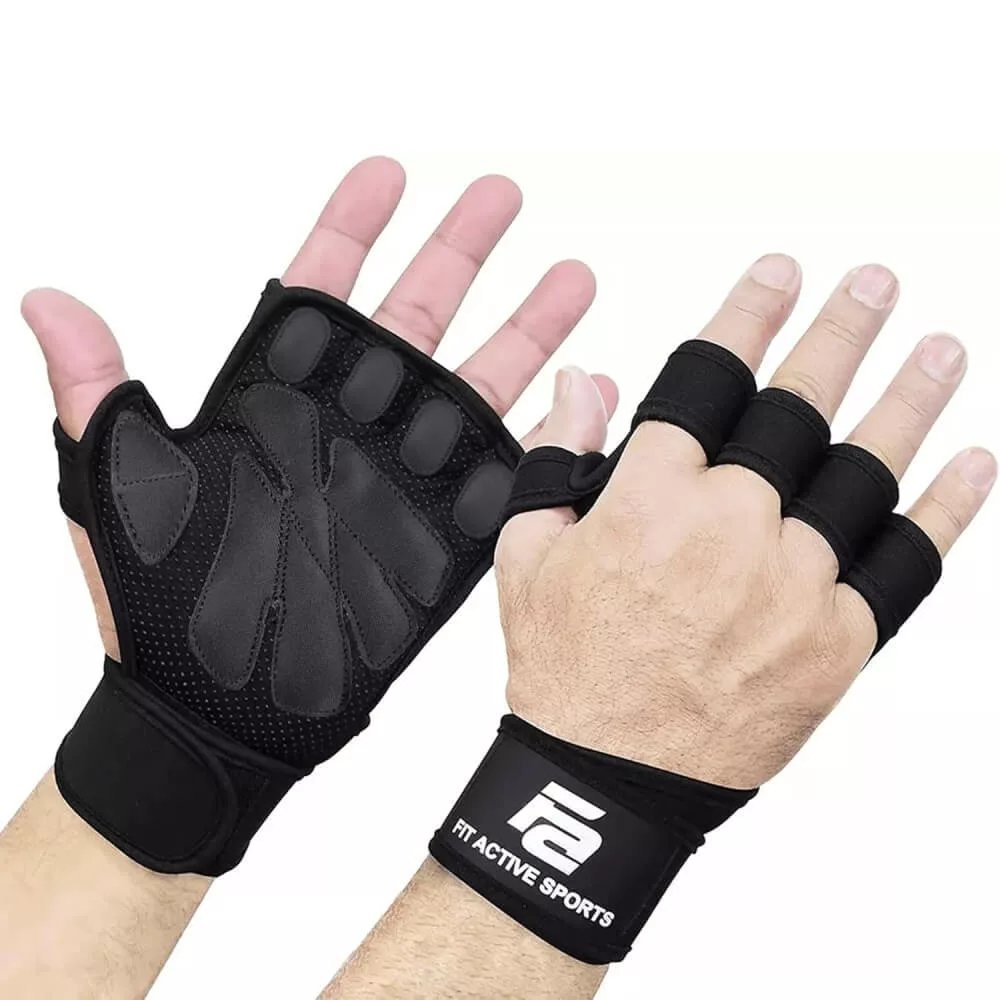
Ventilated Fitness Gloves: No More Heavily Sweating Hands?

Breathable Wristwrap Gloves with Durable Leather Palm
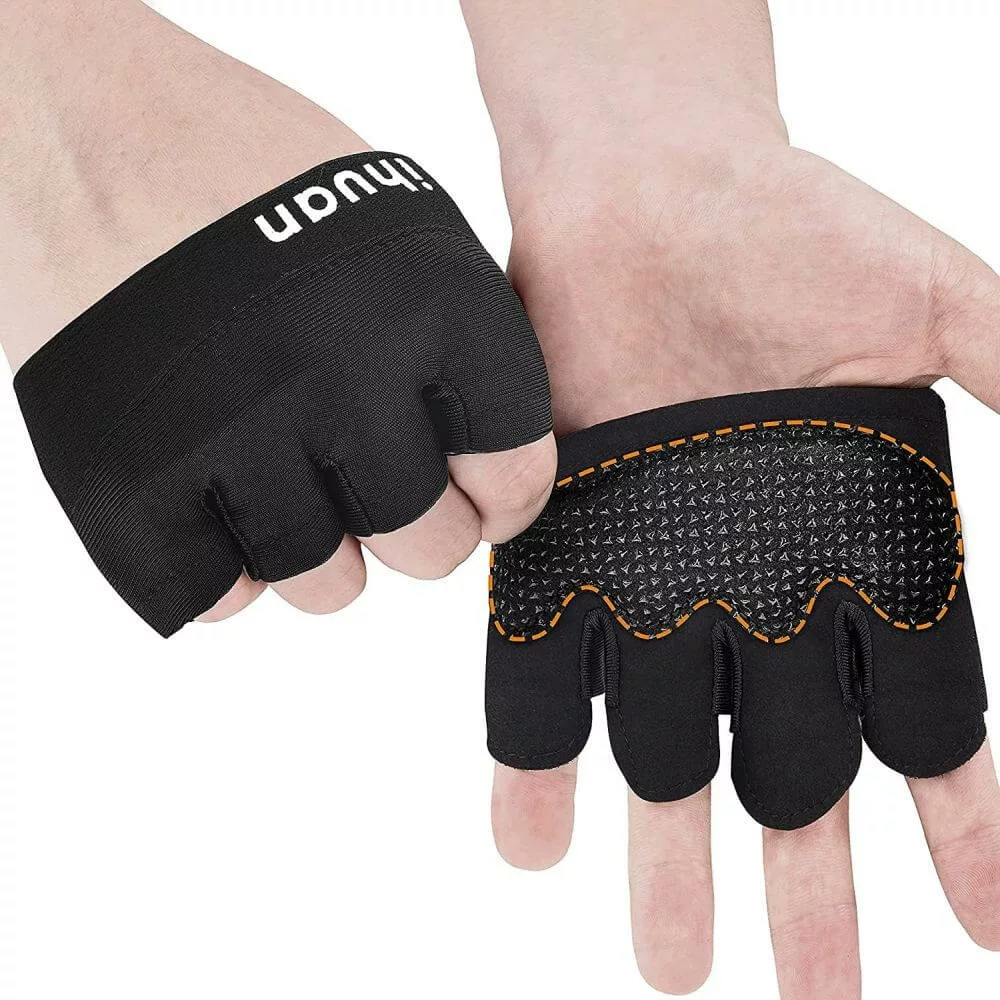
Minimal Grip Protection with Partial Fitness Gloves?
In contrast, tape strikes a balance by offering protection without totally disconnecting you from the bar’s feel. It’s a temporary tool, providing protection precisely when your skin needs it the most, without becoming a permanent training aid.
Tape allows for selective shielding, covering high-friction zones or healing areas, while leaving the rest of the hand free. This approach helps maintain natural bar feedback, supports grip mechanics, and preserves long-term hand resilience without compromising strength adaptation.
Choosing between tape, gloves, or bare hands often depends on your current training goals and the specific demands of your workouts.
Consider your personal comfort, the volume of your sessions, and whether enhancing grip strength is a priority. Making a mindful choice ensures that you not only protect your hands but also develop them effectively.
By aligning your hand protection strategy with your training objectives, you can optimize grip performance, prevent unnecessary setbacks, and foster long-term hand and skin durability. Thoughtful choices today lead to stronger, healthier hands that keep pace with your lifting ambitions.
Conclusion: Smart Taping and Hand Care for a Stronger Grip
Using tape as part of your lifting gear is about finding a smart balance. It offers clear benefits by protecting your skin when it matters, but it’s no substitute for developing genuine grip strength and technique.
Tape is a tool, not a crutch. While it shields the skin from friction and reduces minor injuries, it cannot replace the adaptations that come from consistently challenging your grip. Integrating tape thoughtfully ensures you stay protected without compromising the neuromuscular feedback and connective tissue strengthening that build lasting hand resilience.
While tape provides essential protection, it’s best used intentionally and with minimalism in mind.
Overuse could mask important feedback from the bar and ultimately slow down your progress toward achieving raw grip strength.
A measured approach, applying thin, strategically placed strips only where needed, maintains tactile awareness while supporting the skin. This encourages your hands to adapt naturally, strengthening calluses, tendons, and ligaments over time while still reducing the risk of disruptive injuries.
Investing time in grip development, learning proper technique, and maintaining hand care are crucial alongside using tape. This integrated approach fosters a stronger, more versatile grip that won’t falter when it counts.
Grip training, hand maintenance, and strategic taping work together synergistically.
Regular hand conditioning, careful technique refinement, and selective tape use create a foundation for consistent strength gains and injury prevention across all lifting disciplines.
Remember, hand care should remain a central aspect of your training routine: by conditioning calluses, maintaining skin health, and evaluating your taping needs, you’ll ensure your hands are always ready for the next challenge.
By committing to both protection and adaptation, lifters can train confidently, minimize unnecessary downtime, and maximize grip strength potential.
Healthy, resilient hands are the unsung heroes of every lift, and smart taping supports them without taking over.
Thanks for Stopping By!
Which Taping Methods Have Made a Difference for You?
Share Your Experience in the Comments!