(Last Updated on May 30, 2026 by Henry)
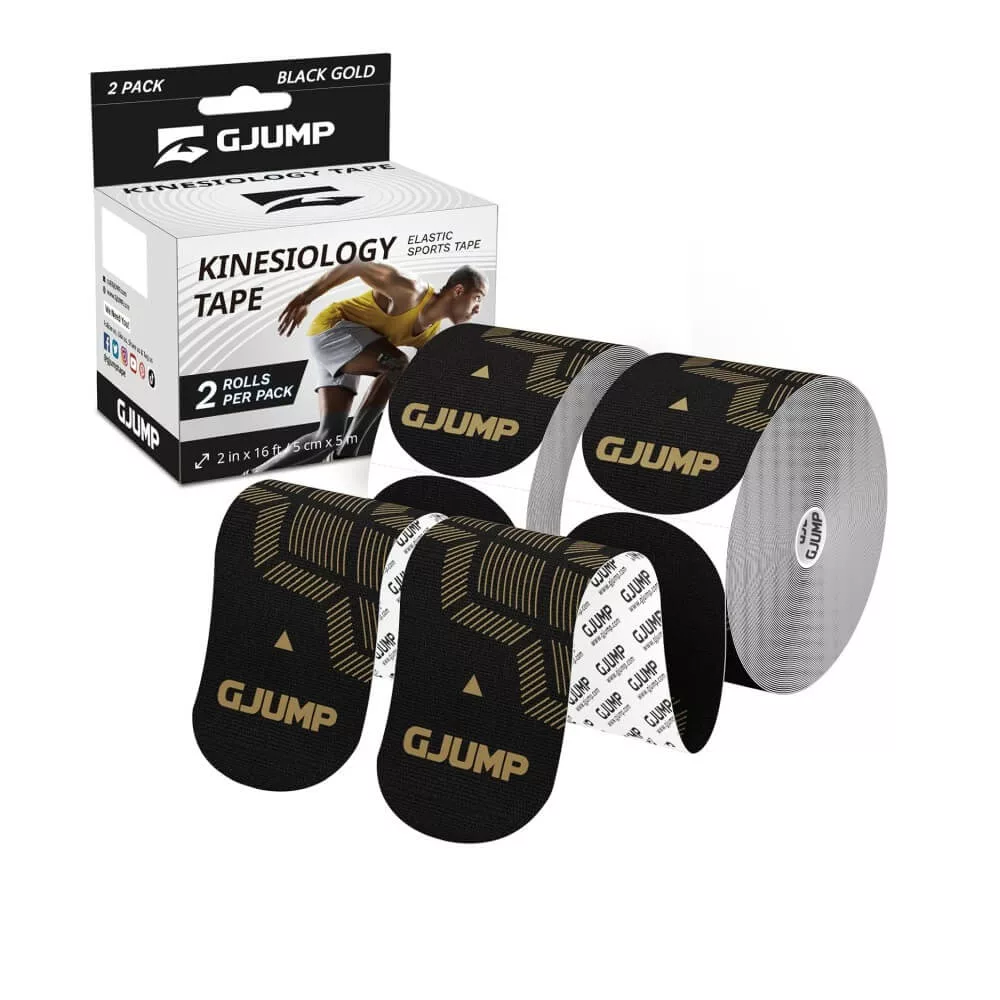
- Name: GJUMP Kinesiology Tape
- Category: Protection, Support & Rehab
- Purpose: Dynamic wrist and forearm support
- Rating: 4.5 / 5 ⭐ (1,000 reviews)
- Availability: Amazon (Prime Delivery)
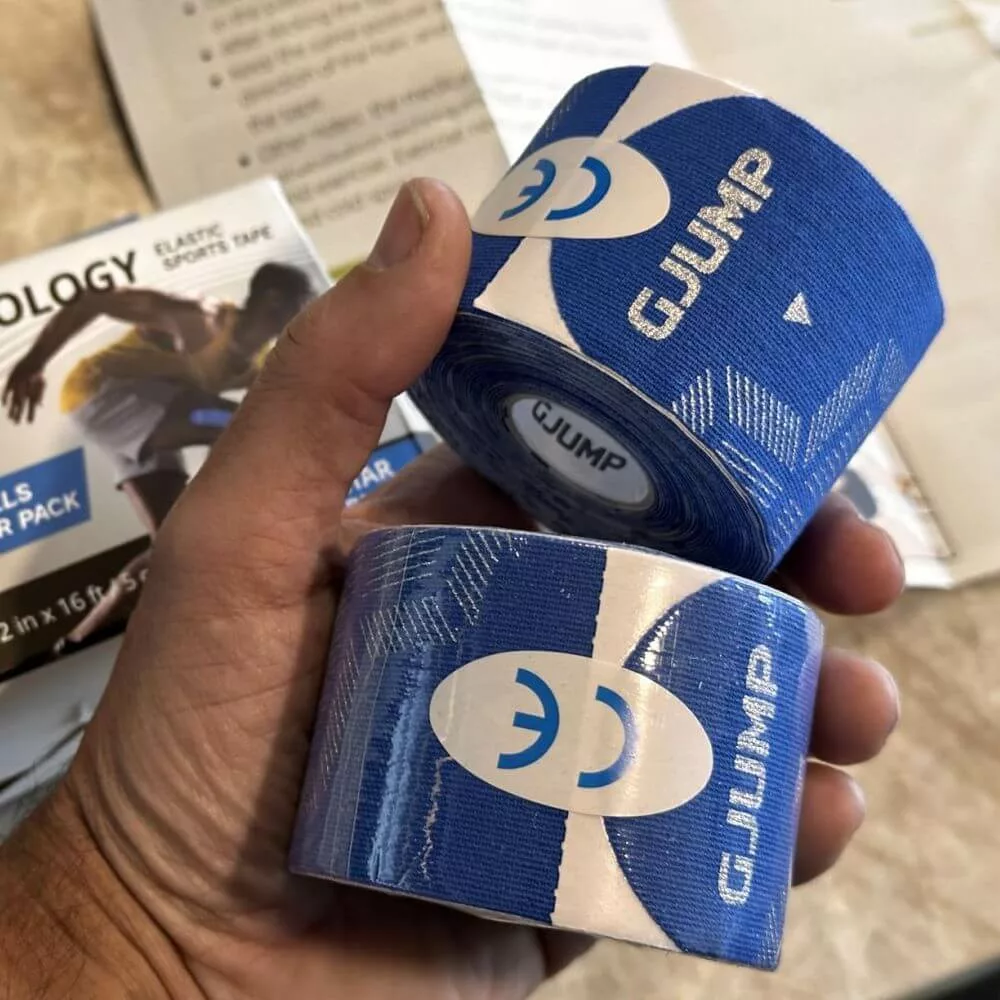
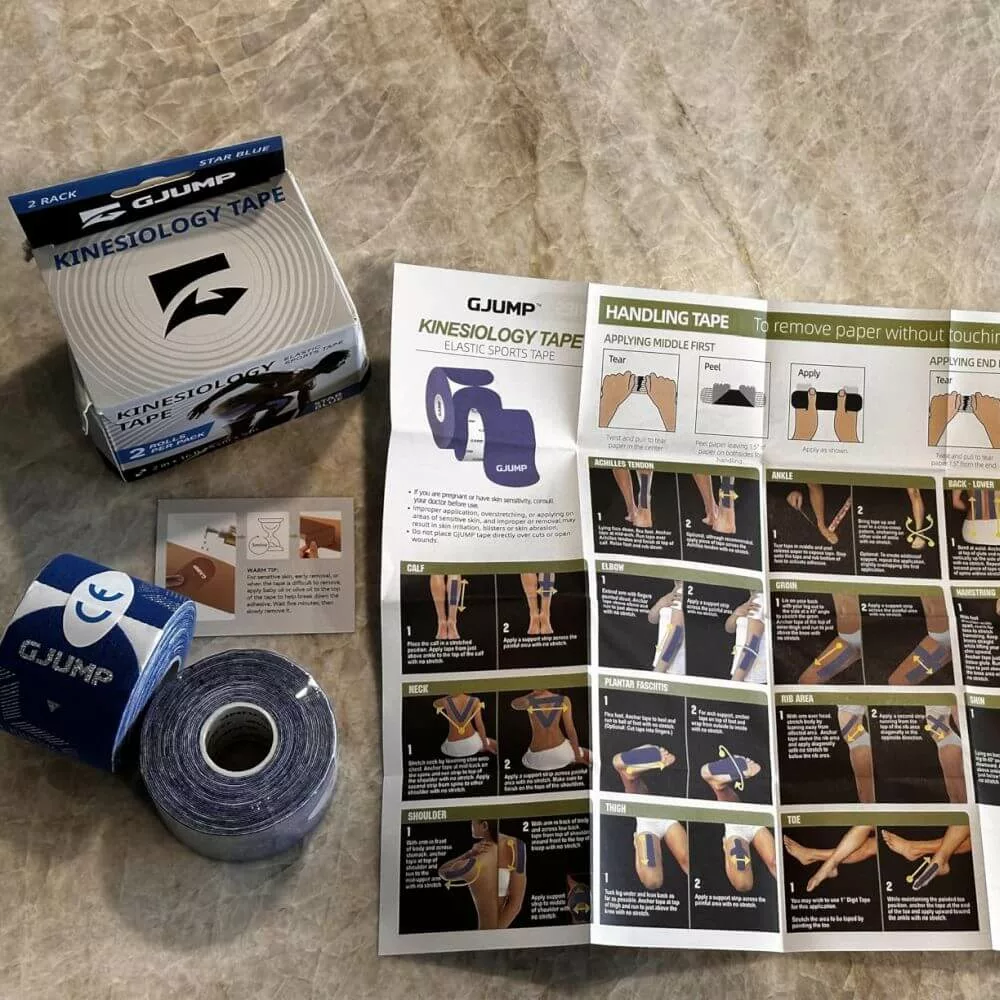
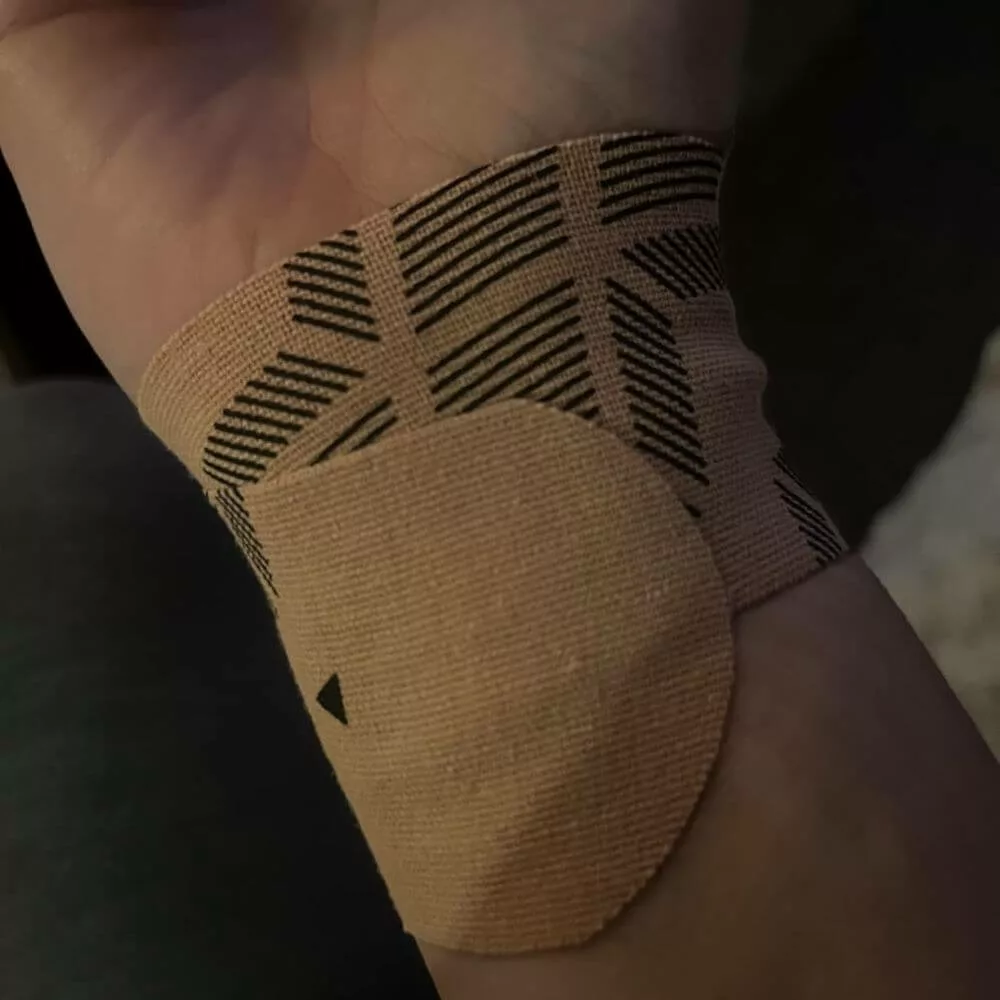
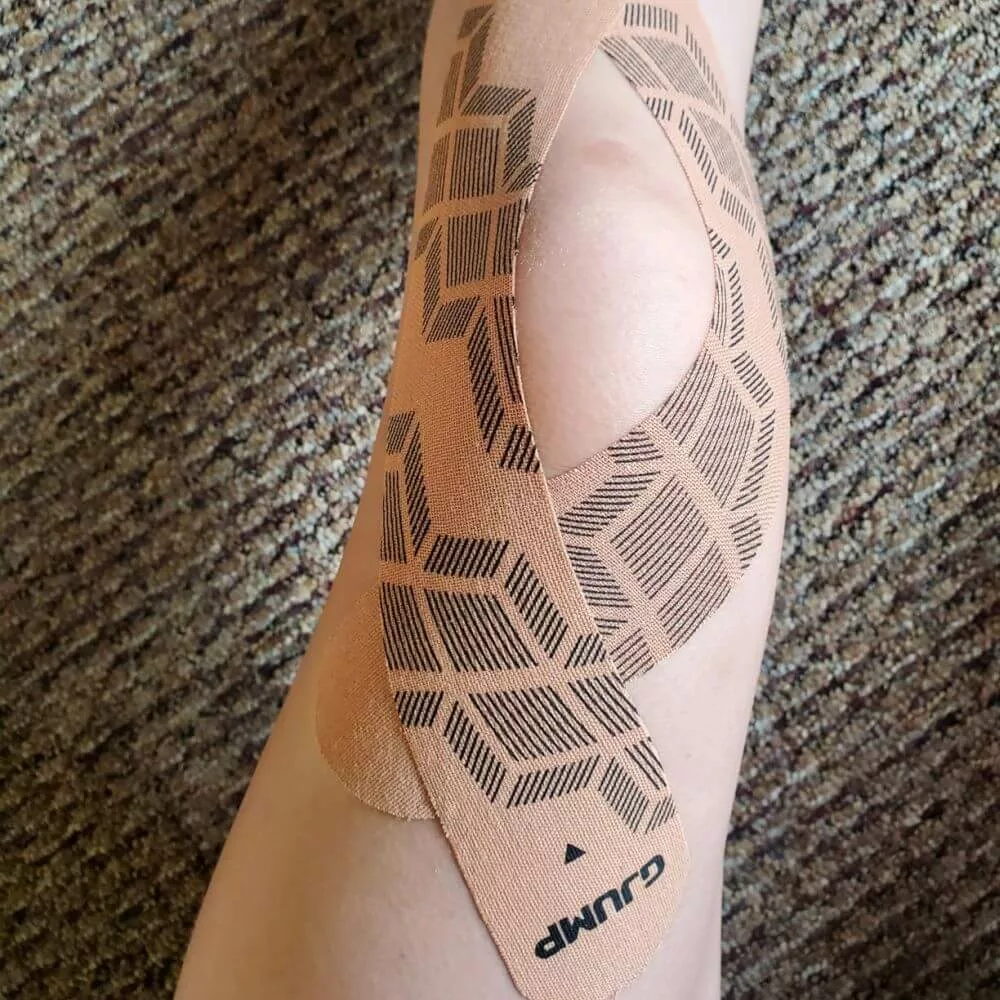
- 40 Precut Rounded Strips: 10” x 2” strips save time and improve application precision for wrists and forearms
- Elastic Cotton Fabric: Provides flexible muscle support without restricting grip mechanics
- Waterproof & Breathable Adhesive: Stays in place 3–5 days during sweat, showers, and intense training

Looking to Rehab Your Hands?
Check Out My Guide on How to Tape a Callus Rip
✋ Overview: GJUMP Kinesiology Tape
Elastic Support With Full Range of Motion
The first thing I noticed when applying this tape was how easy the precut strips made everything. No measuring, no trimming, just peel, anchor, stretch, and apply. For wrist and forearm work, especially, that convenience matters because precision influences how well kinesiology tape actually performs.
What stood out most was the elastic rebound and skin-lift effect once applied. Unlike rigid athletic tape, this doesn’t lock the joint down. Instead, it provides dynamic support that moves with you. During grip training sessions, particularly forearm endurance work and crush-grip sets, I could still fully flex and extend my wrist without restriction. That’s critical if your goal is to improve your grip rather than rely on external bracing.
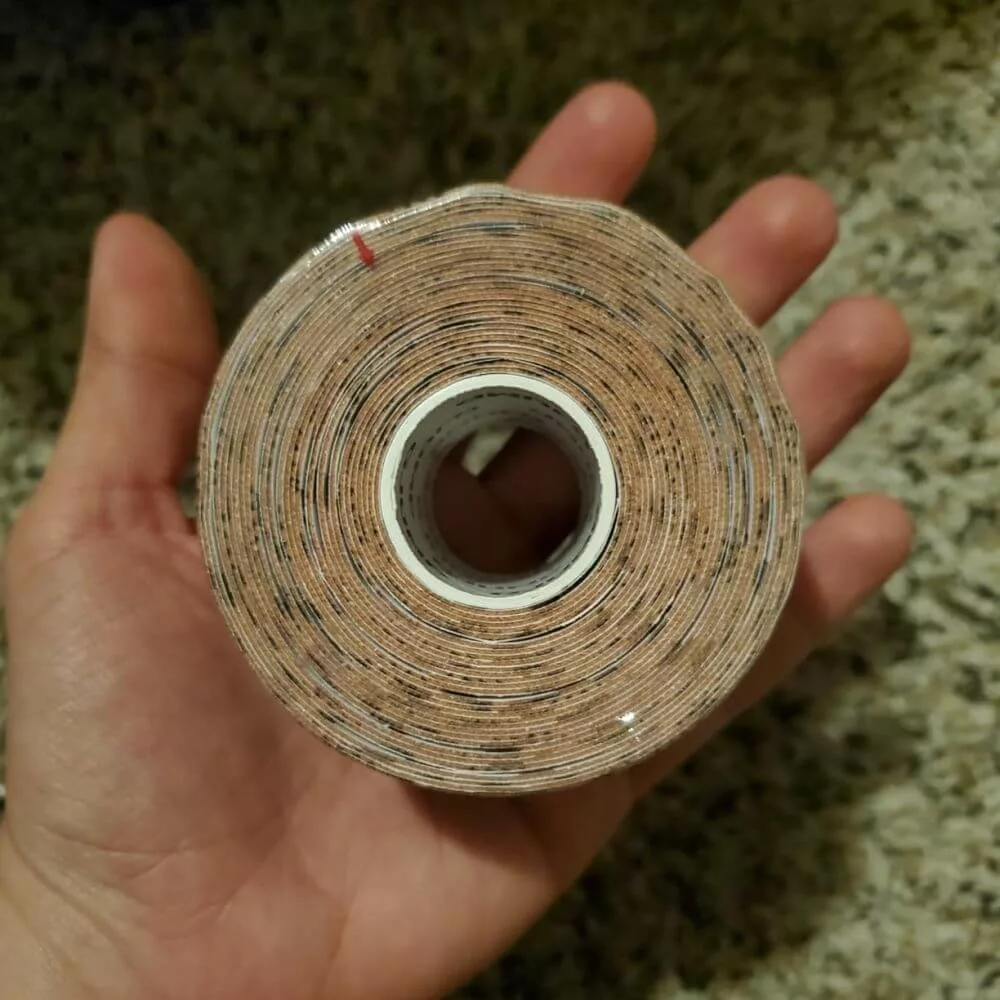
The cotton material feels breathable and surprisingly lightweight. Once it’s on, you almost forget about it. I tested it through a sweaty session, and even after showering, adhesion held up extremely well. For extended use (2–3 days), it maintains tension without peeling excessively, provided the skin is clean and dry during application.
From a grip-training perspective, this tape supports recovery and joint awareness while still allowing natural forearm activation. That balance is exactly what makes kinesiology tape different from traditional athletic wrap.
⚖️ Pros & Cons: GJUMP Kinesiology Tape
Adhesion, Flexibility & Skin Response
- Precut strips save time and reduce waste
- Strong adhesion lasting up to 3–5 days
- Supports wrist stability without immobilizing movement
- Waterproof and sweat-resistant
- Latex-free and generally skin-friendly
- Some users with sensitive skin report irritation
- The adhesive may feel too strong if removed immediately
- Edges can curl slightly after extended wear
Still Deciding?
Compare it With Other Protective Gear
GJUMP Kinesiology Tape: Ranking 90 out of 100
Circulation & Active Recovery Support
🎯 Who Should Use GJUMP Kinesiology Tape?
Active Users Seeking Flexible Support
- Athletes, climbers, and strength trainers
- Rehabilitation and physical therapy users
- Musicians or professionals with repetitive wrist strain
- Seniors managing joint sensitivity
- Home fitness enthusiasts and desk workers
My Rating Summary
- Build Quality: 9.0 / 10
- Ease of Use: 9.4 / 10
- Comfort: 8.8 / 10
- Resistance Variety: 8.5 / 10
- Value for Money: 9.2 / 10
Technical Details
- Weight: 6.38 ounces (package)
- Dimensions: 10” x 2” per strip (40 strips total)
- Material: Elastic cotton fabric, latex-free
- Use Case: Grip, wrist, and forearm rehab
- Manufacturer: GJUMP


🧠 Performance & Feel During Training
Dynamic Support Without Stiffness
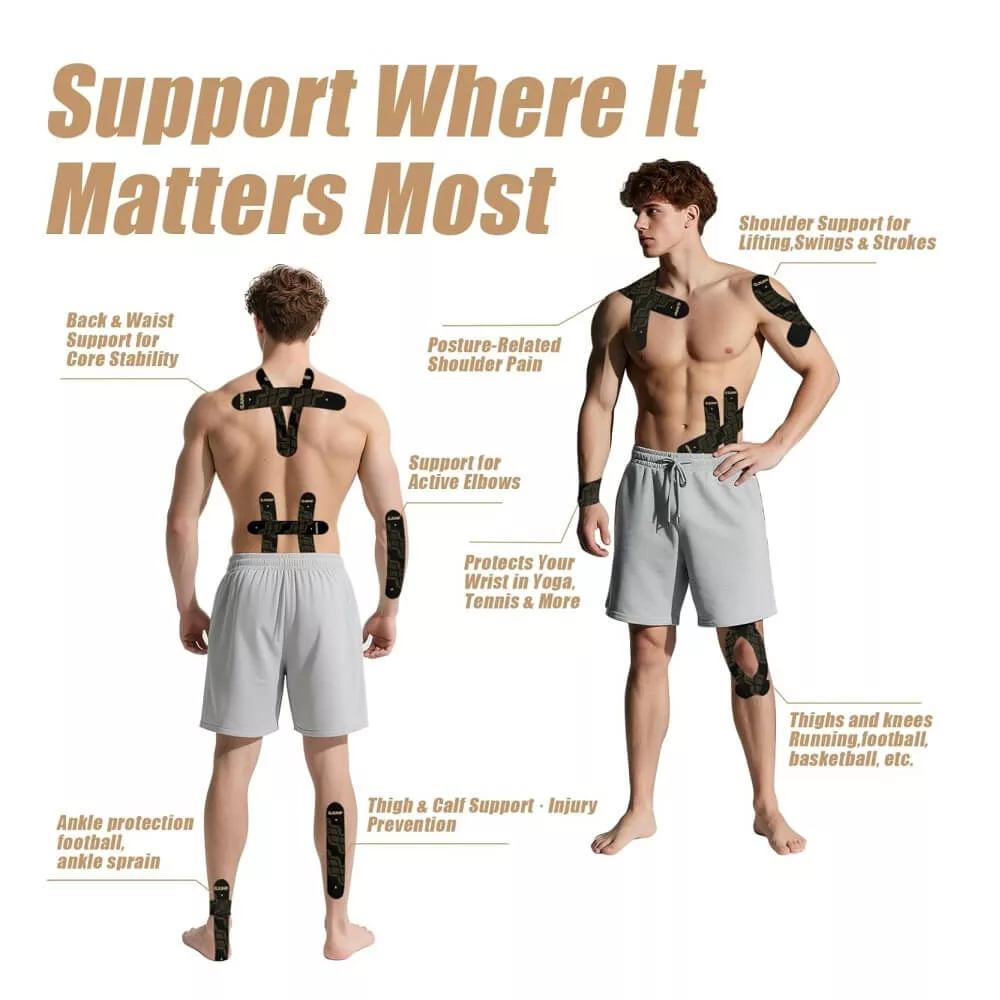
During grip-intensive sessions, the tape provides a subtle lifting sensation that enhances awareness of wrist positioning. When applied along the forearm extensors, from near the elbow down toward the wrist, I noticed reduced post-session tightness and better endurance during lighter accessory work.
The elasticity allows approximately 30–40% stretch during primary application and up to 50% for shorter support strips over pain points. That stretch provides tension without stiffness. Unlike rigid wraps, it doesn’t interfere with bar path or wrist articulation during presses or curls.
For thumb and radial wrist pain (common in overuse scenarios), proper application direction matters. Following tendon lines, as recommended in instructional methods, significantly improves effectiveness. When applied correctly, the tape feels supportive but never restrictive, which is essential for long-term grip progression.
Athletic Tape Conditions & Rehabs Your Gripping Ability to Perform:
The 5 Primary Hand Movements.
🏥 Rehabilitation & Injury Prevention Potential
Tendon Support & Controlled Loading
Kinesiology tape is especially useful for conditions like wrist tendonitis, De Quervain’s irritation, and forearm strain. By reducing tissue stress while preserving mobility, it allows gradual reintroduction of load, a key principle in tendon rehabilitation.
For example, applying one long strip from below the thumb toward the lateral elbow with a light stretch, followed by a shorter support strip across the pain point, can significantly reduce discomfort during daily activity. This technique supports the extensor pollicis brevis and abductor pollicis longus pathways without immobilizing the joint.
Because the adhesive is latex-free, it’s generally safe for most users. However, anyone with sensitive skin should perform a patch test first. Proper removal, ideally with warm water or baby oil, reduces irritation risk.
Used correctly, this tape can serve as a bridge between rest and full training, helping prevent setbacks while rebuilding strength.
🏠 Everyday Usability & Practicality
Multi-Day Wear & Active Lifestyle Ready
One of the strongest practical advantages is its durability. This tape is designed to stay on through sweat, showers, and long days of movement. That makes it ideal for athletes who don’t want to reapply daily.
Application takes only minutes thanks to the precut strips and rounded edges. The arrow indicators guide proper stretch direction, reducing guesswork. Maintenance is simple, just apply to clean, dry skin at least 30–60 minutes before activity for best adhesion.
Because it’s lightweight and breathable, it works well for office workers, parents, or anyone who needs subtle joint support without bulky braces. It integrates seamlessly into daily life without drawing attention or limiting functionality.

✅ Final Verdict: Is GJUMP Kinesiology Tape Worth It?
Smart Support for Active Recovery
From a grip-development standpoint, this kinesiology tape earns its place in a serious training setup. I wouldn’t use it as a substitute for strengthening, and that’s important. It’s a recovery and support tool, not a performance shortcut.
What I appreciate most is that it allows continued movement while managing irritation. That’s critical for anyone trying to improve grip strength, forearm endurance, or wrist resilience without cycling through constant flare-ups.
If you deal with tendon discomfort, high training volume, or repetitive wrist strain, this is a worthwhile investment. If you’re expecting rigid stabilization, look toward athletic tape instead. But for dynamic support that respects natural biomechanics, this tape delivers solid value at a fair price.
Thanks for Stopping By!
Do You Have Experience with using Kinesiology Tape?
Share Your Thoughts Below!
Not Sure How to Recover from Hand Pain?
Here’s My Guide on How to Treat RSI or Grip Training FAQ for Quick Answers.