(Last Updated on May 30, 2026 by Henry)
Torn calluses are a frequent nuisance in the weightlifting world, but let’s break down what they actually are. A torn callus is when the skin hardening on your hands, from repetitive contact and pressure, tears away, usually during a lifting session.
This might sound minor, but it can seriously slow you down if not addressed properly.
For anyone focused on improving grip strength, torn calluses are more than just uncomfortable; they can directly limit your ability to train consistently and apply force through the hands.

So, why are they so common during lifting? The routine friction and pressure from gripping weights or bars build up layers of skin, forming calluses.
They act as a bit of a protective shield, but over time, without proper maintenance, these calluses can become your worst enemy.
In grip-heavy training like deadlifts, pull-ups, rows, and carries, excessive callus buildup increases the chances of the skin catching on the bar.
Add in high reps, heavy loads, sweat, or a slightly off technique, and you’ve set yourself up for a tear that can compromise both grip performance and hand health.
It’s important to note the difference between a torn callus and a blister.
While both involve skin damage, a blister is essentially a fluid-filled pocket under the skin, often due to heat and friction, whereas a torn callus is more like a flap of excess rough skin being ripped partially away from the underlying flesh. Normal calluses are those thickened areas that haven’t yet split. For grip training purposes, calluses are useful only when they remain smooth, even, and well-managed: once they tear, they stop protecting your hands and start working against your progress.
Proper care right after a tear is key. It helps avoid infecting the area and can reduce that frustrating downtime when you’d rather be lifting. Infections aren’t just a headache; they can turn a simple tear into a serious issue that forces extended breaks from grip training altogether.
Paying a bit more attention from the start does wonders for keeping you in the game, allowing you to maintain hand strength, grip endurance, and training momentum without unnecessary setbacks.
Root Causes: What Leads to Torn Calluses?
Torn calluses don’t come out of nowhere. A lot of the time, it boils down to excess skin buildup. When calluses get too thick, they start to form uneven edges, making them more prone to catching and tearing. Regular maintenance, like filing them down, can be a simple yet effective prevention tactic.
For anyone serious about improving their grip, keeping calluses smooth is just as important as building hand strength itself.
A sudden jump in training intensity or load can also be a major factor. If your body isn’t accustomed to the new stress, the likelihood of tears increases significantly.
High-rep barbell work, heavy deadlifts, or extended hanging movements can overwhelm the skin before it has time to adapt. Gradual increases are key to adapting your skin to new pressures, allowing both your grip strength and hand tissue to toughen up together.
Grip technique and how the bar moves in your hand play a big role, too. If the bar isn’t sitting right or moves excessively, you’re inviting trouble. Sliding creates friction, and friction is the enemy of healthy calluses. Playing around with different grips until you find what feels secure and efficient might save your hands from unnecessary damage, while also improving control and force transfer during lifts.
Lastly, don’t overlook the condition of your skin. Overusing chalk can overly dry your hands, making them more susceptible to tears. Dry, brittle skin lacks elasticity, which increases the chance of a callus ripping under load.
Regularly moisturizing can counteract this, keeping your skin more resilient. It’s all about finding that balance between a good grip and healthy skin: so your hands support your training instead of limiting it.
Grading Tear Severity: Understanding the Discomfort
Not all torn calluses are created equal. You might have a minor tear, which could just be a slight nuisance, or you could be dealing with something deeper that demands more attention.
Figuring out which you’re dealing with can guide your approach to recovery and help you decide whether you can keep training or need to modify your grip work temporarily.
Minor tears usually manifest as the top layer of skin peeling away without much bleeding. These can often be managed with basic cleaning and covering, allowing you to continue light training once protected. For grip-focused athletes, addressing these early prevents them from worsening during pulling movements, barbell work, or high-volume grip exercises. Left unchecked, even small tears can grow under repeated friction.
However, deep tears might expose raw skin layers underneath, causing significant pain and requiring a more thorough care routine. These types of tears can directly interfere with grip strength and bar control, making heavy lifting unsafe or ineffective. Training through deep tears often delays healing and increases the risk of further skin damage or infection.
Keep an eye out for signs of infection. Redness, increased warmth, swelling, or pus can be early indicators, and it’s crucial to address these promptly to prevent further complications.
In grip training, infections can spread quickly due to repeated contact with bars, chalk, and shared equipment.
Your body’s way of telling you something’s wrong is through pain, so don’t push through severe discomfort in the name of toughness. If the damage limits your hand function to the point where everyday tasks become challenging, or the estimated recovery doesn’t progress, it might be time to get some medical advice.
A healthcare professional can offer solutions tailored to speed up the healing process and safeguard against infections or other setbacks. Seeking help early can mean the difference between a short break and a prolonged interruption to your grip training progress.
First-Aid Essentials: Immediate Steps After a Tear
When you first notice a torn callus, it’s crucial to clean the area immediately with soap and water.
Ensuring that any dirt or debris is removed reduces the risk of infection right from the get-go. A thorough, gentle cleanse helps prepare the skin for further treatment and is especially important for lifters and grip-focused athletes who regularly handle shared gym equipment.
Once clean, you’ll want to carefully trim any loose skin. Leaving those flaps hanging can irritate surrounding areas or catch on things, exacerbating the tear during everyday movements or future training sessions. Using a sterilized pair of scissors, snip away the dangling pieces to keep everything tidy and reduce discomfort. This step also helps prevent the callus from tearing further the next time you grip a bar, dumbbell, or pull-up handle.
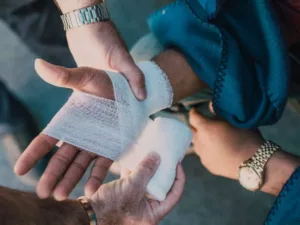
After trimming, protect your exposed skin to keep it safe from further harm. A breathable bandage or dressing can shield the area while letting it heal naturally.
This protection is essential while you’re moving around in your daily life, acting like a barrier against germs and further damage. For those continuing light grip work, proper coverage can also reduce friction and irritation during training.
There are a few things to avoid doing right after a tear. Avoid exposing the torn area to harsh chemicals or overly abrasive materials, as these can dry out or irritate healing skin. Steer clear of picking at the torn skin or peeling it forcefully, as this can slow down the healing process and may increase the chance of infection. Rushing recovery often leads to repeat tears, which can seriously disrupt consistent grip training.
Accelerating Recovery: Healing Faster and Safer
To speed up healing, regular cleaning is still vital. Keeping the wound free from dirt and bacteria supports quicker skin regeneration and lowers the risk of infection. This is especially important for lifters and grip athletes who frequently come into contact with bars, plates, and gym surfaces.
Along with cleanliness, moisturizing the area with a suitable ointment can help retain necessary skin hydration, preventing excessive dryness that can slow healing or lead to cracking.
Using protective coverings when engaging in day-to-day tasks protects the recovering skin from further irritation. Products like breathable bandages or gauze work well, as they let the skin breathe and allow moisture to flee, while still offering protection.
For those easing back into light training, proper coverage can also reduce friction and shield the area from reopening during grip-intensive movements.
Look into skin regeneration products available in pharmacies. These are lotions or creams with ingredients that encourage skin regrowth and soothe irritation. Check out options like aloe vera gels or creams containing vitamin E, which are commonly used to support skin repair and maintain elasticity. These products can be particularly helpful for maintaining long-term hand health in grip-focused training.
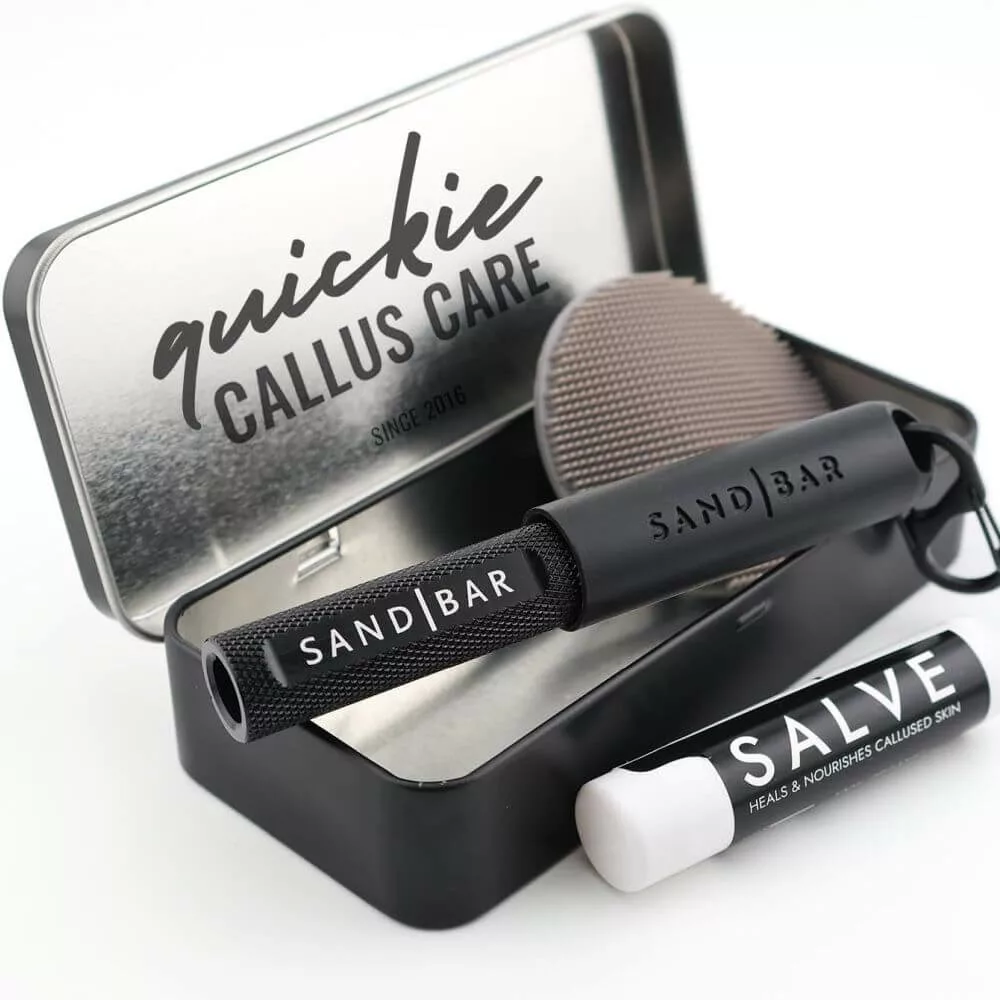
SandBar Callus Remover: Grip-Friendly Hand Care for Lifters

Razor Sharp Callus Shaver to Maintain Grip Health?

60% Urea Cream: An Aggressive Solution for Serious Skin Damage?
Don’t overlook the importance of taking a rest. Avoid activities or movements that might reopen the wound or cause additional tears. Rest is just as important as any other step in the healing process, allowing the skin to rebuild without repeated stress from gripping, pulling, or squeezing movements.
Ignoring the tear or rushing back to full activity too soon only sets back recovery.
By waiting until the initial soreness has faded and the skin looks better, you ensure that healing is solid and the risk of re-injury is minimized. This patient approach not only speeds up full recovery but also supports stronger, more resilient hands for future grip training sessions.
Continuing Training: The Smart Way With a Torn Callus
Returning to the gym with a torn callus needs careful consideration. Once the wound is past the critical healing stage and feels less sensitive, you might be able to ease back into some training. The key is ensuring the skin has sealed and no longer feels raw to the touch, as premature loading can undo days of healing in a single session.
Modifying exercises is key. Consider switching to exercises that put minimal strain on your hands.
Machines or equipment that involve less grip pressure can help maintain your fitness routine without stressing the injury. Lower-body machines, core work, or even light conditioning can keep you active while giving your hands the break they need. This approach allows you to preserve overall fitness without sacrificing hand recovery.
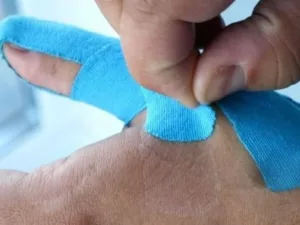
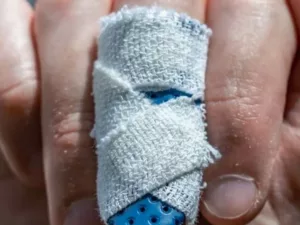
Using tape or specialized grips can offer extra protection. Wrapping the affected area snugly with adhesive athletic tape can shield it from direct contact, though care must be taken not to restrict movement or blood flow. Some lifters also use silicone grips or padded gloves temporarily to reduce friction, especially during pulling movements or bar work.

Latex-Free Pre-Wrap Tape for Grip & Wrist Training
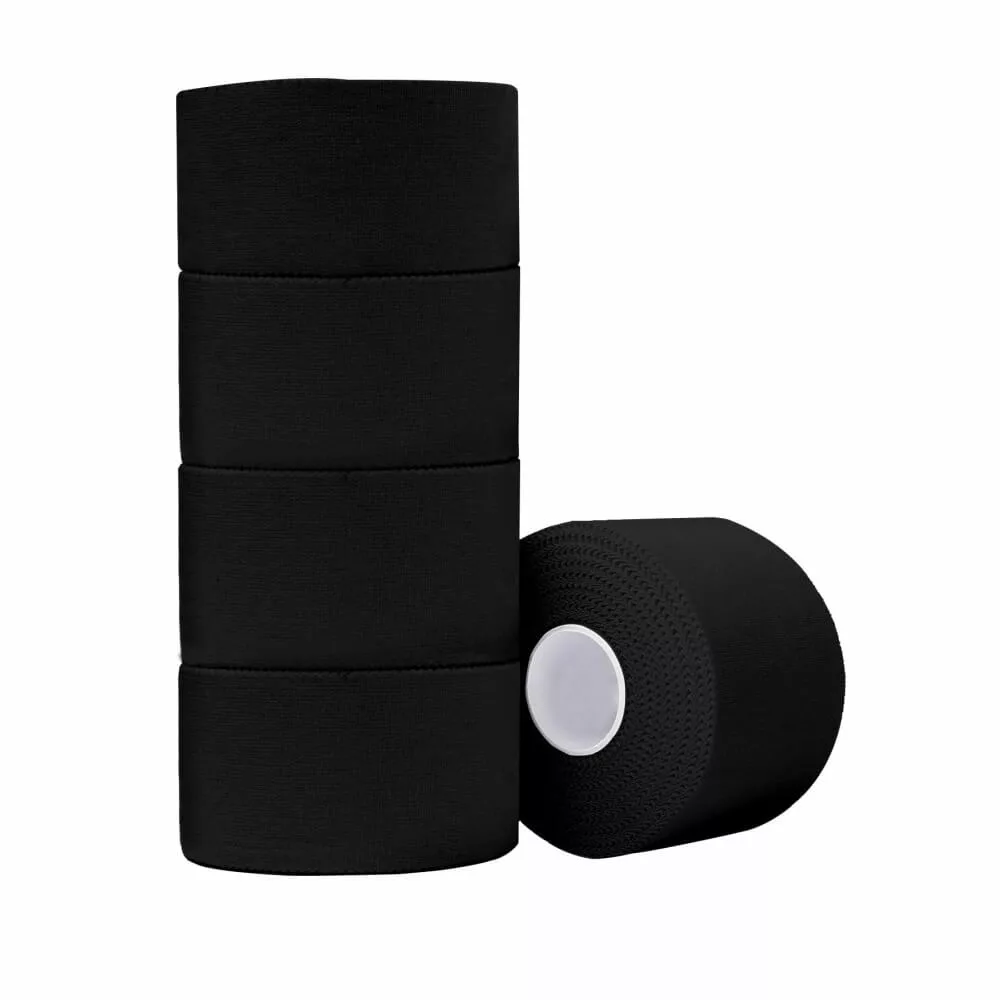
Simple & Practical: Number 1 Athletic Tape in the World?
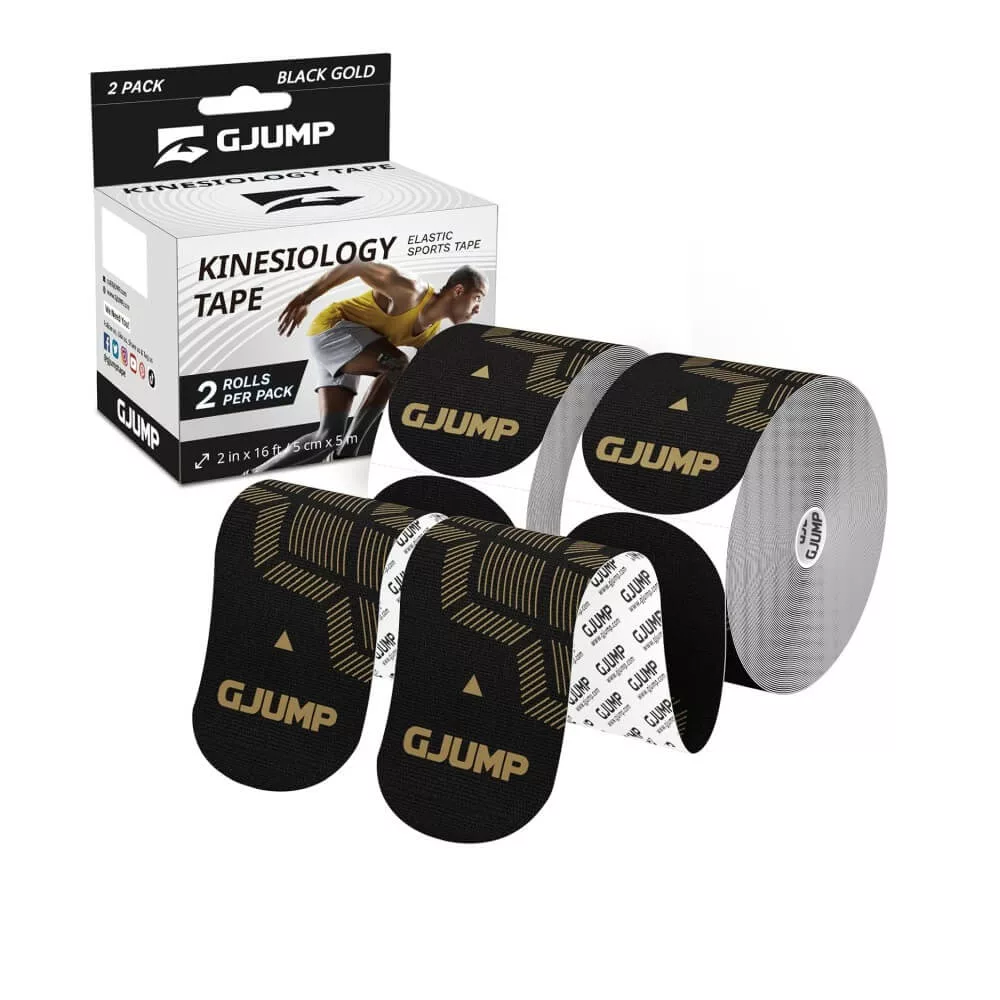
Precut Kinesiology Tape: No Measuring, Just Peel & Apply
It’s important to maintain the right mindset; patience is your friend here.
Pushing yourself too soon will delay recovery and multiply downtime. Torn calluses are one of those injuries where trying to “tough it out” often leads to repeat tears, infections, or prolonged sensitivity that interferes with grip training long-term.
Make gradual steps towards your full routine. Progressing carefully helps reduce the risk of reopening the wound, keeping you on track for a more sustainable recovery.
Slowly reintroducing grip-heavy lifts and monitoring how your hands respond ensures that when you return to full training, your grip strength and skin resilience are both ready for the demands ahead.
Infection Prevention: A Crucial Component
Solid hygiene practices are vital during recovery to stave off infections. Consistently cleaning and reapplying fresh dressings ensures the torn area stays free from harmful germs. Open or healing skin is far more vulnerable than intact calluses, so maintaining cleanliness becomes just as important as resting from heavy grip work.
Recognizing early signs of infection can prevent further complications.
Keep a lookout for increased redness, itching, or warmth around the tear, and address them as soon as they appear. These symptoms may seem minor at first, but ignoring them can quickly turn a manageable tear into a prolonged setback that interferes with grip strength training.
Keeping your gym equipment clean is part of this strategy.
Wipe down bars and handles before use, minimizing contact with bacteria or debris that can set healing back. Shared equipment often harbors sweat and microbes, and torn calluses provide an easy entry point if hygiene is overlooked.
If any concerning signs crop up, give yourself a break from training. Time away allows your body to focus resources on healing and prevents contamination risks associated with gym environments. Even a short pause can dramatically reduce the chances of infection while preserving long-term hand durability.
When things don’t seem right, it’s wise to step back temporarily. This small sacrifice helps avoid longer-term problems and ensures that recovery is steady and efficient.
Prioritizing proper hygiene and recovery not only protects your hands now but also supports stronger, more resilient grip performance when you return to full training.
Strategies to Prevent Future Tears
Keeping your calluses at a manageable thickness reduces the risk of future tears. Regularly filing them down ensures they remain protective rather than problematic. Smooth, even calluses act as a buffer during grip-heavy movements like deadlifts, pull-ups, and rows, whereas thick, uneven ones are far more likely to catch and rip under load.
Improving your grip mechanics can make a big difference. Proper hand placement and pressure distribution help minimize friction, which means less wear and tear on your skin.
Gripping the bar closer to the fingers rather than deep in the palm reduces skin folding and movement, lowering stress on callused areas during repetitive lifts.
Incorporate hand care into your training routine. Simple actions like moisturizing regularly and using grips appropriately can preserve your skin’s resilience. Hydrated skin stays flexible and less prone to cracking, while smart use of straps or grips during high-volume sessions can limit excessive friction without compromising overall grip strength development.
Gradually increasing your training intensity allows your hands to adapt to new stresses without overwhelming them. This progressive overload approach doesn’t just benefit your muscles; it supports your skin health, too. Giving your hands time to toughen naturally builds durable calluses instead of fragile ones that tear easily.
Building these practices into your regular routine is more than just about reducing tears.
It’s about creating a proactive approach to hand care that keeps you in the gym and away from unnecessary downtime. Strong grip performance depends on healthy skin, and consistent prevention habits ensure your hands can keep up with your training goals long-term.
Conclusion: Prioritizing Hand Health for Longevity
Navigating the world of lifting with torn calluses is more about smart strategy than enduring pain. Proper care and timely responses to skin tears play crucial roles in maintaining your performance and keeping your fitness goals on track.
By addressing injuries quickly and applying best practices, you minimize downtime and protect the integrity of your grip: essential for exercises like deadlifts, pull-ups, and kettlebell swings.
Preventive measures are your best allies.
Keeping calluses in check, refining grip techniques, and listening to your body’s signals integrate into a seamless routine that supports long-term hand health.
Regular monitoring, hand hygiene, and gradual training progression ensure your hands develop resilience without unnecessary setbacks, ultimately enhancing both strength and endurance.
Hand maintenance is part of your gear as much as your lifting belt or shoes.
When you prioritize prevention, you ensure that torn calluses remain an occasional hassle, not a routine setback. Using tools like pumice stones, moisturizing, or protective grips strategically can make a big difference, allowing you to lift harder while keeping your hands in top shape.
Ultimately, treating your skin with the same respect as your muscles results in a more sustainable and enjoyable training experience.
Staying committed to hand health keeps you connected to the progress and achievements that come with consistent practice. Healthy, resilient hands are not just about avoiding injury: they’re about maximizing your grip potential and improving overall performance in every lift.
Thanks for Stopping By!
Which Methods Do You Prefer to Handle Torn Calluses?
Share Your Experience in the Comments!