(Last Updated on May 30, 2026 by Henry)
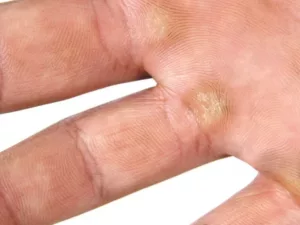
Calluses are thickened areas of skin that develop as a protective mechanism. When you hit the gym and grip those weights or bars, your skin takes on repeated friction and pressure.
This might sound like a nuisance, but calluses are really your body’s way of protecting the skin underneath and adapting to the demands of strength training and grip-intensive exercise.
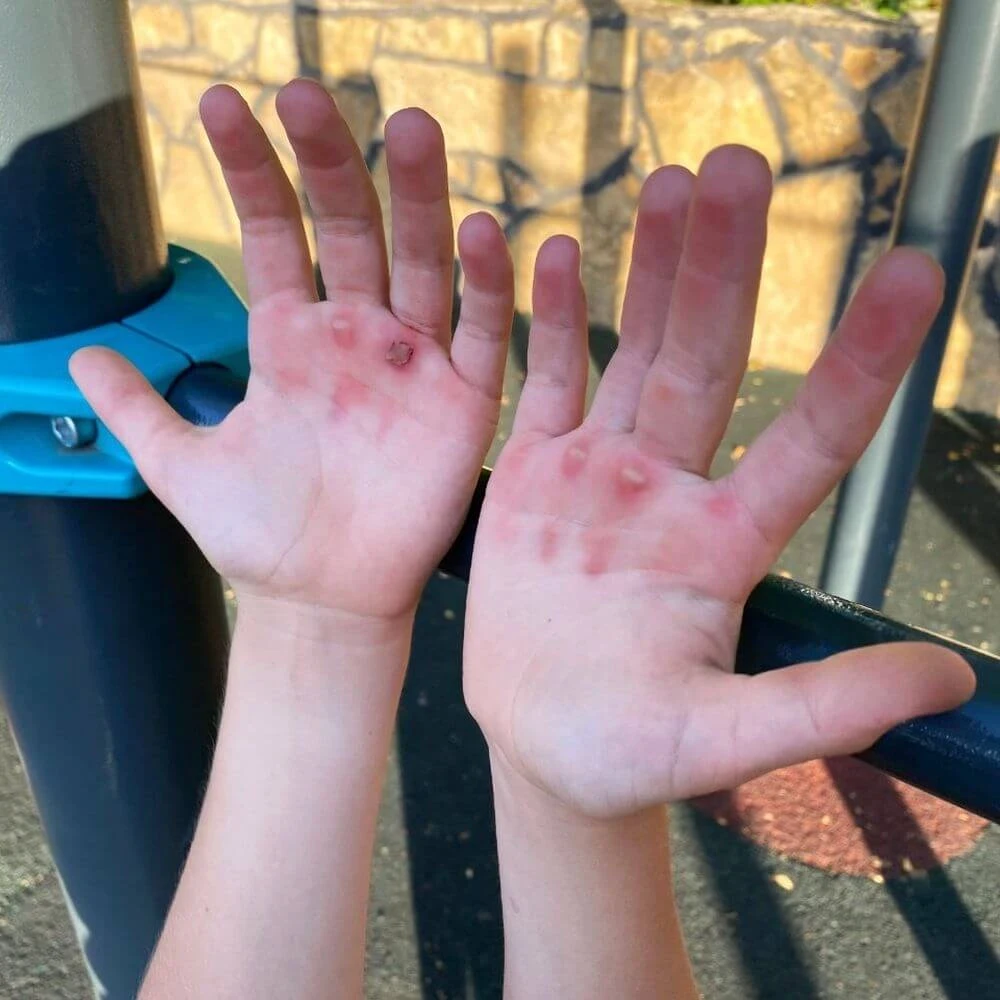
They often appear during exercises that involve significant grip strength like lifting, pull-ups, and grip training. These activities cause your skin to toughen up over time, fortifying those areas against future stress and repeated contact with rough surfaces.
However, not all calluses are created equal. Some grow a bit too much, turning from useful padding into problematic lumps that might tear or snag during workouts, especially during high-rep or heavy sets.
So, how do you tell the good from the bad? Healthy calluses are there to shield and cushion the hands, helping reduce friction and discomfort during training. But when they become overly thick, dry, or uneven, they can interfere with your grip and even be quite painful.
Left untreated, they might lead to blisters or skin tears: definitely not ideal when you’re trying to progress with your training or stay consistent week to week.
When it comes to gripping comfort and boosting performance, managing these calluses effectively is crucial. Proper care keeps your hands in top shape, supporting both grip strength and overall training quality. After all, balanced callus care is as important as any other part of your training routine, helping you lift with confidence, comfort, and fewer interruptions.
The Science of Hand Calluses:
Why Your Skin Toughens and How it Protects Your Grip
Hand calluses come down to a simple science: it’s your skin adapting to survive. Every time you create friction through exercises, you’re telling your skin to beef up and protect what lies underneath.
The skin thickens up because of continued pressure, almost like a call to armor. This adaptive response is especially common in grip-intensive training, where the hands are repeatedly challenged to hold, squeeze, and stabilize loads.
Certain spots, like the areas where your fingers meet your palm, are more prone to calluses. That’s where the bars or weights make the most contact, causing the skin to toughen.
These pressure points are especially active during deadlifts, pull-ups, rows, kettlebell work, and dedicated grip strength training. This adaptation is perfectly normal and even helpful when you’re working to improve your grip, but sometimes the callusing goes into overdrive if volume, intensity, or technique aren’t well balanced.
While calluses offer some protection, when they become excessive, they aren’t as helpful. That thick pad can shift from being a safeguard to a snag waiting to happen, especially on knurled barbells or rough pull-up bars.
Excess build-up could indicate you’re putting too much pressure on your hands, gripping too deeply into the palm, or repeating the same movement patterns without allowing the skin time to recover. Over time, this can interfere with comfort, grip security, and overall training performance.
It’s crucial to know the difference between calluses and other skin issues, such as blisters and tears.
Blisters happen when there’s friction without enough pressure, causing the layers of skin to separate and fill with fluid. Tears, on the other hand, often occur when your skin lacks flexibility due to overly thick or dry calluses that catch and rip under load.
Knowing these nuances helps you tailor your hand care approach effectively, ensuring that your skin stays resilient, flexible, and supportive of long-term grip strength development rather than working against it.
Identifying Problematic Calluses:
Spotting Thick, Painful, or Red Patches Before They Cause Tears
Not all calluses are friendly. When they start to overgrow, that’s when trouble can brew. The signs of a problematic callus usually include significant thickness, pain, or even redness. These could be your body’s red flags that care is overdue.
Over time, these warning signs tend to appear gradually, which is why they’re easy to overlook if you’re only focused on strength gains or workout numbers.
Ignoring these overgrown patches isn’t just about comfort. It could lead to tears, pain, or, in some cases, infections. Strains from nail-biting rips can interrupt your training, and nobody wants that kind of downtime. A torn callus doesn’t just affect one session: it can limit pulling movements, grip training, and even daily tasks until the skin fully heals.
Thick calluses might also mess with how well you grip. Instead of offering a smooth pad to hold onto, they can create bumps that might force your hold to be weaker or even slip. In workouts where precision grip is essential, this can be pretty disruptive.
For anyone trying to improve their grip strength, uneven calluses can interfere with bar control, reduce confidence during heavy lifts, and make grip fatigue set in sooner than it should.
Sometimes these excessive calluses might hint at deeper issues.
Maybe your technique isn’t as spot-on as it could be, or perhaps you’re jumping into more volume than your hands are ready for. It’s an opportunity to reassess how you’re handling your equipment and listen to what your hands are quietly trying to say.
Addressing these signals early allows you to refine grip placement, adjust training load, and implement better hand care, ensuring your hands support long-term grip progress instead of holding it back.
Immediate Post-Workout Callus Care:
Cleaning, Inspection, and Soothing
Taking care of your hands right after a workout sets you up for long-term comfort and performance.
Start by giving your hands a good wash to clear away any dirt or chalk. This is the first step toward keeping infections at bay. Chalk residue, sweat, and gym bacteria can all irritate the skin if left behind, especially when small cracks or micro-tears are present.
Make sure to dry your hands completely. Moisture can soften calluses a little too much, making them more prone to tearing. Once they’re dry, take a moment to inspect any areas that feel tender or seem rough; these might warrant attention before they turn into blisters.
This quick check helps you catch developing issues early, which is essential for maintaining healthy hands and consistent grip training.
When it comes to smoothing out calluses, it’s a fine balance. Light smoothing’s okay if you notice rough spots, but aggressive buffing could do more harm than good, leading to skin tears or excessive thinning. The goal isn’t to remove calluses entirely, but to keep them even and flexible so they continue protecting your grip without becoming a liability.
Be mindful of hot spots, those slightly red or irritated areas.
Applying a soothing balm or cream can help, but catching them early keeps you from transitioning into more painful blister territory.
Immediate care post-training is crucial, as it’s your chance to manage potential problems before they dig in deeper. Consistent post-workout hand care supports stronger grip performance, faster recovery, and fewer setbacks as you work to improve your grip strength over time.
Reducing and Maintaining Calluses Safely:
Filing, Smoothing, and Avoiding Over-Trimming
Keeping your calluses in check isn’t about eliminating them; it’s maintaining a balance. To safely reduce them, grab a callus file or pumice stone.
It’s a gentle method compared to other tools and helps prevent over-thinning your skin. For grip training, this balance is critical because well-managed calluses protect your hands while still allowing strong, confident contact with bars and handles.
Timing is everything when it comes to callus maintenance.
Do it post-shower when your skin is softer and more pliable, ensuring you don’t go overboard and sand away more than intended. Softened skin allows for smoother, controlled removal, which lowers the risk of accidental damage that could interfere with your training.
When using a pumice stone or file, be gentle. Stick to the thicker areas, and avoid pressing too hard. The aim is to smooth things out, not create new issues by damaging your skin. Even, flexible calluses are far less likely to snag, tear, or disrupt your grip during heavy lifts or high-rep grip work.
There’s always a temptation to trim down as far as possible, especially if those calluses seem persistent. Resist this.
Over-trimming can lead to raw spots or breaks in the skin, setting you up for infections or more discomfort. From a performance standpoint, removing too much protection can make gripping painful and limit your ability to train consistently.
Stick to a regular maintenance routine once a week or as needed, especially if your calluses start interfering with your daily grips. Keeping it consistent prevents them from getting out of hand and ensures your hands stay strong without pesky snags or tears.
Proper callus maintenance supports long-term hand health, allowing you to improve your grip strength safely and keep progressing without unnecessary setbacks.
Ensuring Skin Hydration and Recovery:
Moisturizing Routines to Keep Your Hands Supple
Keeping your skin hydrated is a game-changer when it comes to managing calluses and overall hand health.
Hydrated skin stays elastic and less prone to cracking, which means your calluses won’t turn into painful problems. For anyone focused on improving grip strength, this elasticity is essential because stiff, dry skin is far more likely to tear under heavy loads.
Using a good hand cream or balm is the way to go here. The key is consistency.
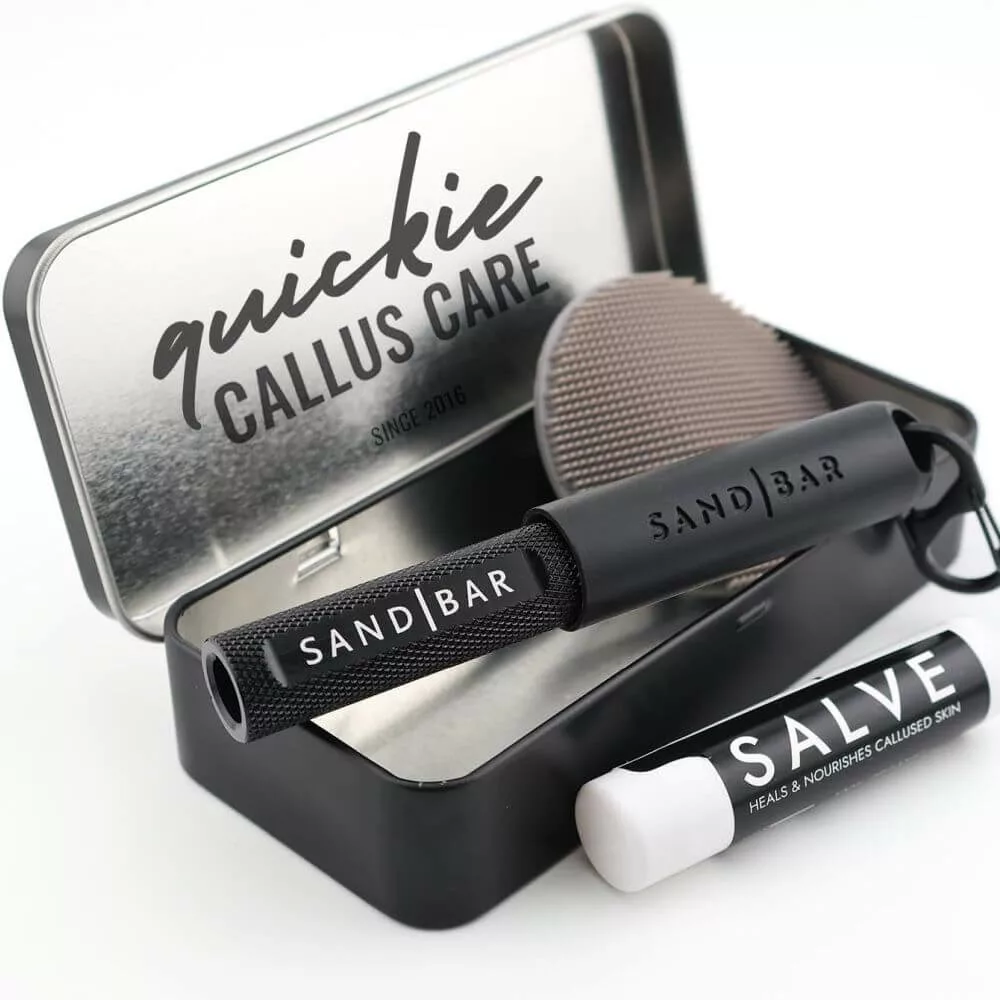
SandBar Callus Remover: Grip-Friendly Hand Care for Lifters

Razor Sharp Callus Shaver to Maintain Grip Health?

60% Urea Cream: An Aggressive Solution for Serious Skin Damage?
Applying it after you’ve finished treating your calluses or washing your hands can keep dryness at bay. Look for products that absorb well and don’t leave a greasy residue, especially if you train frequently and need your hands ready for the next session.
Nighttime is prime time for a little extra skin love. Slathering on some cream and popping on a pair of cotton gloves or socks on your hands can do wonders overnight. This routine helps soften calluses and boost skin recovery while you sleep, giving your hands a head start before the next day’s grip-heavy work.
Healthy, hydrated skin doesn’t just look better, it supports more comfortable grip training. When your skin is flexible and resilient, you’re less likely to run into issues with tears or excessive callus buildup. This means better bar contact, improved control, and fewer distractions during training.
Prioritizing hydration and recovery keeps your hands feeling good between workouts, allowing you to hold onto your training progress without pesky skin setbacks.
Over time, this simple habit plays a big role in long-term hand durability, helping you improve your grip safely while staying consistent with your training routine.
Preventing Excessive Calluses During Workouts:
Grip Placement & Volume Management
Callus prevention starts with your grip and how you handle your equipment. Try experimenting with grip position and where you place the bar.
A slight adjustment can reduce friction and minimize callus formation without affecting your performance. Often, gripping the bar slightly higher in the fingers instead of deep in the palm reduces pinching and uneven pressure, which are major contributors to excessive callus buildup.
Taking a look at your training volume and frequency might be necessary, too. Overdoing it without allowing your skin to adjust could lead to excessive calluses, so find a balance that pushes you while giving your hands time to toughen gradually. Just like muscles and tendons, skin adapts best with progressive exposure rather than sudden spikes in workload.
While chalk keeps things grippy, going overboard can dry out your skin and increase callus and blister risk. A light dusting usually does the trick, improving your hold without over-drying.
Used correctly, chalk supports grip performance while still allowing your skin to stay healthy and flexible between sessions.
Some exercises allow for using straps or alternative grips. These tools can give your hands a break while maintaining your workout intensity and protecting your skin. Strategic use of straps during heavy pulls or high-volume sessions helps preserve hand health without completely removing grip demands from your training.
Remember, small tweaks in how you train can make a big difference over time. If you’re proactive about hand care and aware of these adjustments, you’ll prevent calluses from getting in the way of your progress.
Smart grip habits not only protect your skin but also support long-term grip strength development, letting you train harder and more consistently without unnecessary setbacks.
Training Considerations with Calluses:
When to Push Through & When to Protect
When you’re dealing with calluses, knowing when to push through and when to ease up is vital. If your calluses feel manageable, you might continue training, but it’s essential to be aware of any discomfort. A callus that feels smooth and pain-free is usually doing its job, while one that feels tight, tender, or irritated deserves closer attention.
Keep an eye out for warning signs like pain or redness. These could mean it’s time for a break or a modification in your routine to prevent further damage. Persistent soreness, cracking, or a sensation of catching on the bar are indicators that your skin needs recovery just as much as your muscles do.
Protecting healing skin doesn’t mean you have to pause all exercise.
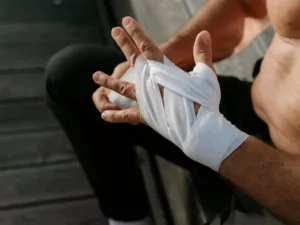
You can still engage in training by using protective gear, like gloves or tape, to shield vulnerable areas while they improve. Adjusting exercise selection, reducing grip volume, or temporarily relying on straps allows you to maintain training momentum without sacrificing hand health or grip progress.

Latex-Free Pre-Wrap Tape for Grip & Wrist Training
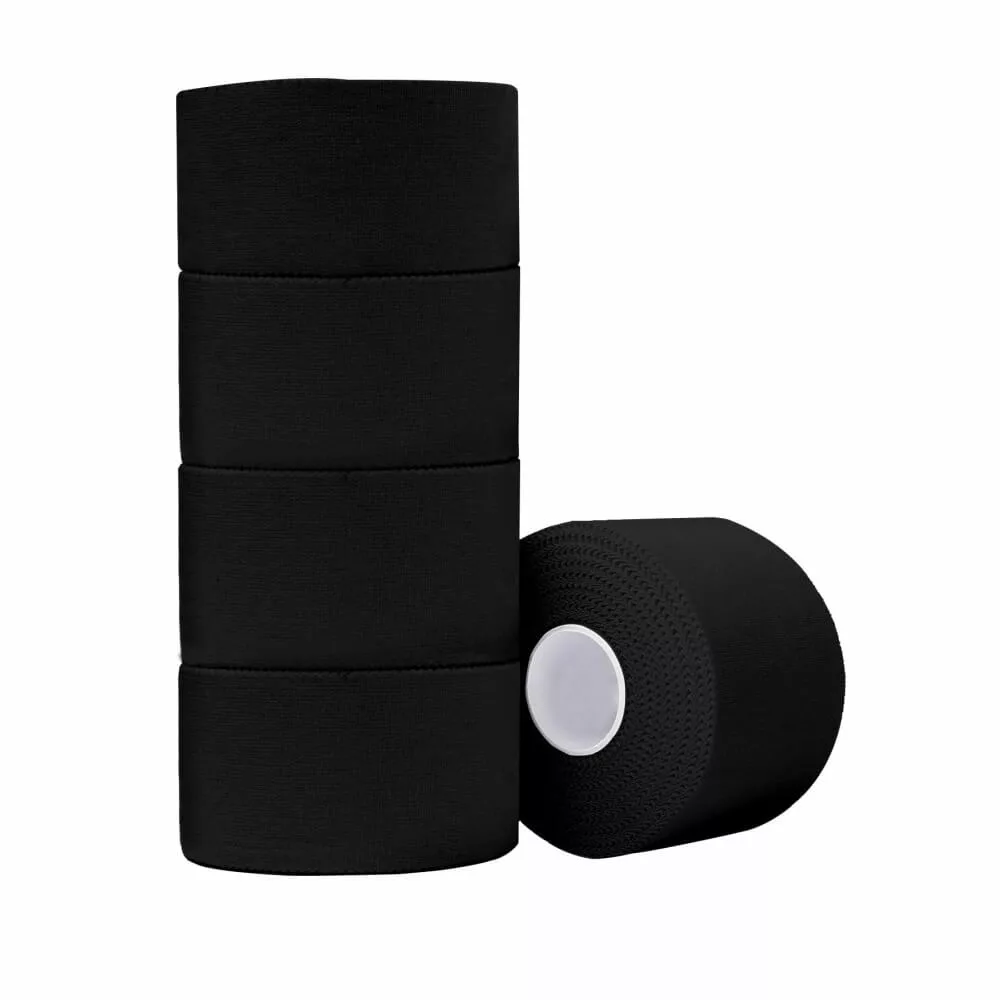
Simple & Practical: Number 1 Athletic Tape in the World?
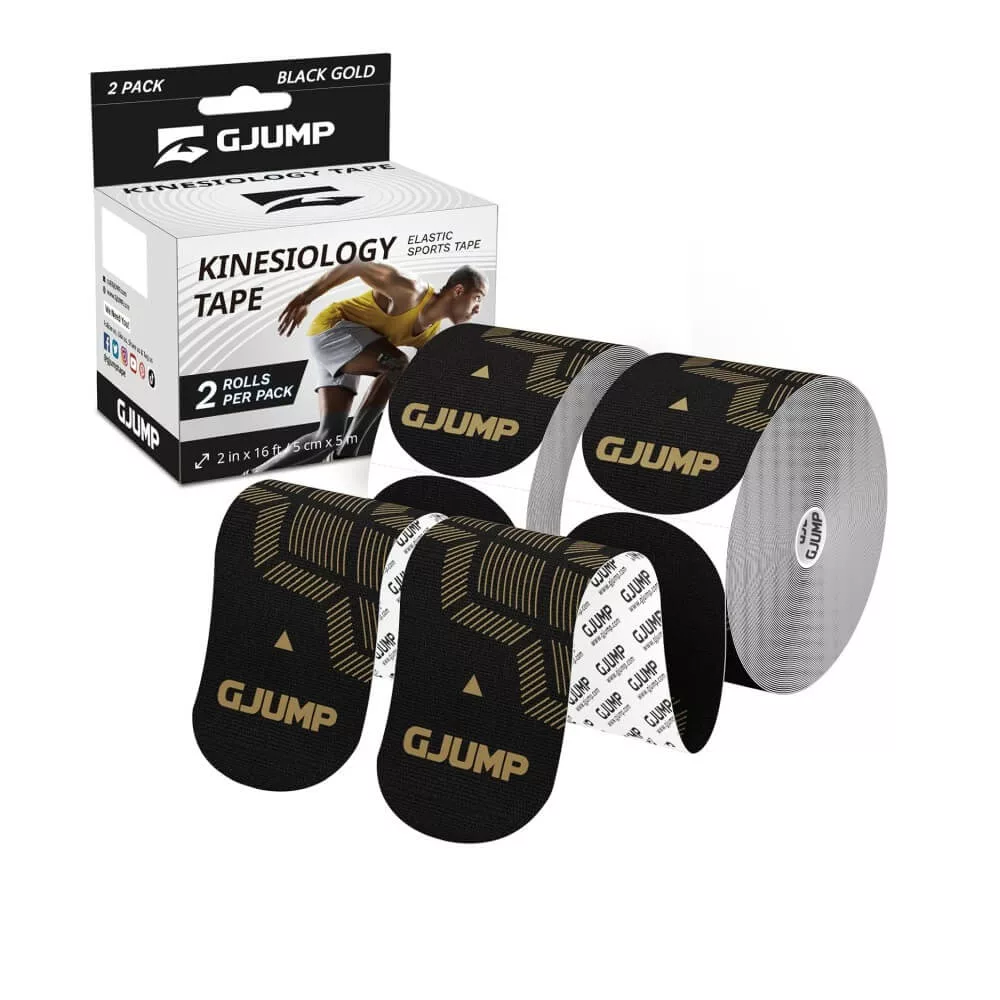
Precut Kinesiology Tape: No Measuring, Just Peel & Apply
Hygiene plays a crucial role when you have calluses. Ensuring your equipment is clean and that you’re washing your hands regularly keeps infection risks low, maintaining your overall hand health.
Small cuts or tears can quickly become bigger problems if bacteria are introduced, so keeping your hands clean is a simple but powerful preventive step.
Learning to balance training intensity with skin recovery is part of developing long-term grip strength. When you respect what your hands are telling you, you protect not only your skin but also your ability to train consistently and improve your grip over time.
Ongoing Callus Care for Athletes:
Building a Routine for Healthy Hands
Taking care of your calluses is an essential part of a smart training routine, just like warming up properly, focusing on form, or progressively overloading your muscles.
With regular attention, you can manage your calluses without letting them become a nuisance, ensuring that your hands remain strong, resilient, and ready for heavy lifts, pull-ups, or other grip-intensive exercises.
Consistency really is key. Instead of going for aggressive removal, maintain a routine that combines regular filing, gentle smoothing, moisturizing, and monitoring for signs of overgrowth or irritation. This balanced approach keeps your hands in peak condition, helping you maintain an optimal grip while minimizing the risk of tears, blisters, or discomfort that can interrupt training.
Building a simple hand-care routine isn’t time-consuming.
It fits easily into your post-gym rituals, after showers, workouts, or even at night, and pays off big time in comfort, grip performance, and long-term hand health. Over time, these small steps help your skin adapt while protecting your palms, giving you an edge in both everyday activities and serious grip training sessions.
Remember, calluses are a sign of hard work and dedication.
They’re manageable, perfectly normal for anyone committed to lifting or improving their grip, and can even enhance your performance if cared for properly.
With a little consistent attention, they won’t stand in your way of reaching your fitness goals or building a stronger, more reliable grip.
Thanks for Stopping By!
Which Tips & Tricks Keep Your Hands in Peak Condition?
Share Your Experience in the Comments!