(Last Updated on May 30, 2026 by Henry)
Kinesiology tape has gained popularity in the realms of sports and physical therapy. You spot it on athletes all the time, strips of colorful tape peeking out from uniforms. It’s not just for show; kinesiology tape promises benefits in rehabilitation and performance enhancement, especially for hand injuries.
KT was originally developed to support injured tissues without restricting natural movement.
Unlike rigid athletic tape, it is designed to stretch and move with the body, which makes it particularly appealing for areas requiring fine motor control, such as the hands and wrists.
In grip-related activities, where constant micro-adjustments are required, maintaining mobility while offering support is often more beneficial than immobilization. This balance is one reason kinesiology tape is frequently used by climbers, lifters, racket-sport athletes, and individuals recovering from hand strain.

Rehabbing hands, fingers, and wrists presents unique challenges. These areas involve a complex network of bones, tendons, and nerves, making them susceptible to a variety of issues, from repetitive strain injuries to trauma.
The intricate structure means healing can’t be rushed; every attempt needs precision and care.
The hand contains dozens of joints and tendons packed into a relatively small space, all of which contribute to grip strength and dexterity. Inflammation or dysfunction in even one structure can affect overall hand performance.
This is especially relevant for people who rely on sustained gripping, such as weightlifters, desk workers using a mouse or keyboard for long hours, and individuals managing arthritis.
Effective rehabilitation often requires reducing excess strain while still allowing controlled movement to prevent stiffness and loss of function. People often use kinesiology tape to manage common grip-related issues. You might deal with pain, experience a lack of strength, or feel instability in your grip. Taping can help manage these symptoms by providing support and alleviating discomfort, thereby creating a more favorable environment for healing.
In practice, kinesiology tape may help improve proprioception, or the body’s awareness of joint position and movement. This sensory feedback can encourage better movement patterns and reduce compensatory gripping behaviors that place extra stress on tendons. For individuals experiencing grip fatigue, mild instability, or post-injury discomfort, taping can serve as a reminder to move more intentionally while engaging the hands during daily tasks or training. However, it’s important to set realistic expectations.
While kinesiology tape can be a valuable tool in your recovery arsenal, it’s not a magic cure.
It supports and assists, rather than fixes or heals. Recognizing its role as a supplemental aid is crucial, enabling you to focus more on overall rehabilitation strategies for the best results.
Long-term improvement in hand health and grip strength typically depends on a combination of approaches. These may include targeted strengthening, mobility work, tendon-loading exercises, ergonomic adjustments, and adequate recovery. Kinesiology tape works best when integrated into a broader plan that addresses the underlying causes of pain or weakness rather than masking symptoms alone. Understanding this distinction helps prevent overreliance and encourages sustainable progress.
Grip & Hand Function: The Role of Tendons, Fascia, & Neural Input
Grip strength isn’t just about having strong muscles. Tendons and connective tissues play a big role in transferring the forces from your muscles to your grip. These tissues need to be in good working order to maintain proper force transmission and grip efficiency.
Tendons act as the mechanical link between muscle contraction and actual hand movement. If they are irritated, inflamed, or weakened, force transfer becomes inefficient, even if muscle strength itself is adequate.
This is why people can feel “weak” in their grip despite having strong forearm muscles.
Overuse, poor recovery, or age-related changes can all reduce tendon resilience, directly affecting how securely and powerfully the hand can grasp objects. Proprioception, which is your body’s ability to sense movement and position, is crucial for a strong grip. Nerve signaling ensures your hand and brain communicate effectively, which helps you grip confidently and with precision. When this signaling is disrupted, grip performance can suffer.
Effective grip relies on constant feedback between the hand and the nervous system. This feedback allows subtle adjustments in pressure, finger placement, and wrist position during gripping tasks. When proprioception is impaired due to pain, swelling, injury, or fatigue, the hand may overgrip or hesitate, both of which reduce efficiency and increase strain on tissues. Restoring accurate sensory input is therefore a key part of rebuilding functional grip strength.
Pain is a sneaky grip strength thief. It can inhibit muscle activation and make you grip more tentatively.
That’s why tackling pain is often a priority in grip rehabilitation, as reducing it can naturally improve grip strength. Pain triggers protective responses in the nervous system that limit force output, even when tissues are structurally capable of more. This phenomenon is common in conditions like tendon irritation, arthritis, and post-injury stiffness. Addressing pain early does not just improve comfort; it can restore normal movement patterns and allow the hand to engage more fully during rehabilitation exercises and daily activities.
Rehab strategies for grip strength often focus on restoring normal movement rather than restricting it. Encouraging natural movements and addressing the mechanics of grip can lead to better long-term outcomes. Taping can aid in this by stabilizing and supporting where necessary, while allowing restoration of natural function.
Modern hand rehabilitation emphasizes controlled mobility rather than prolonged immobilization.
When tissues are supported without being locked down, circulation improves, joints stay nourished, and neuromuscular coordination can recover more effectively. In this context, taping may serve as a supportive tool that assists movement quality while reducing excessive strain, especially during early or transitional stages of recovery.

Latex-Free Pre-Wrap Tape for Grip & Wrist Training
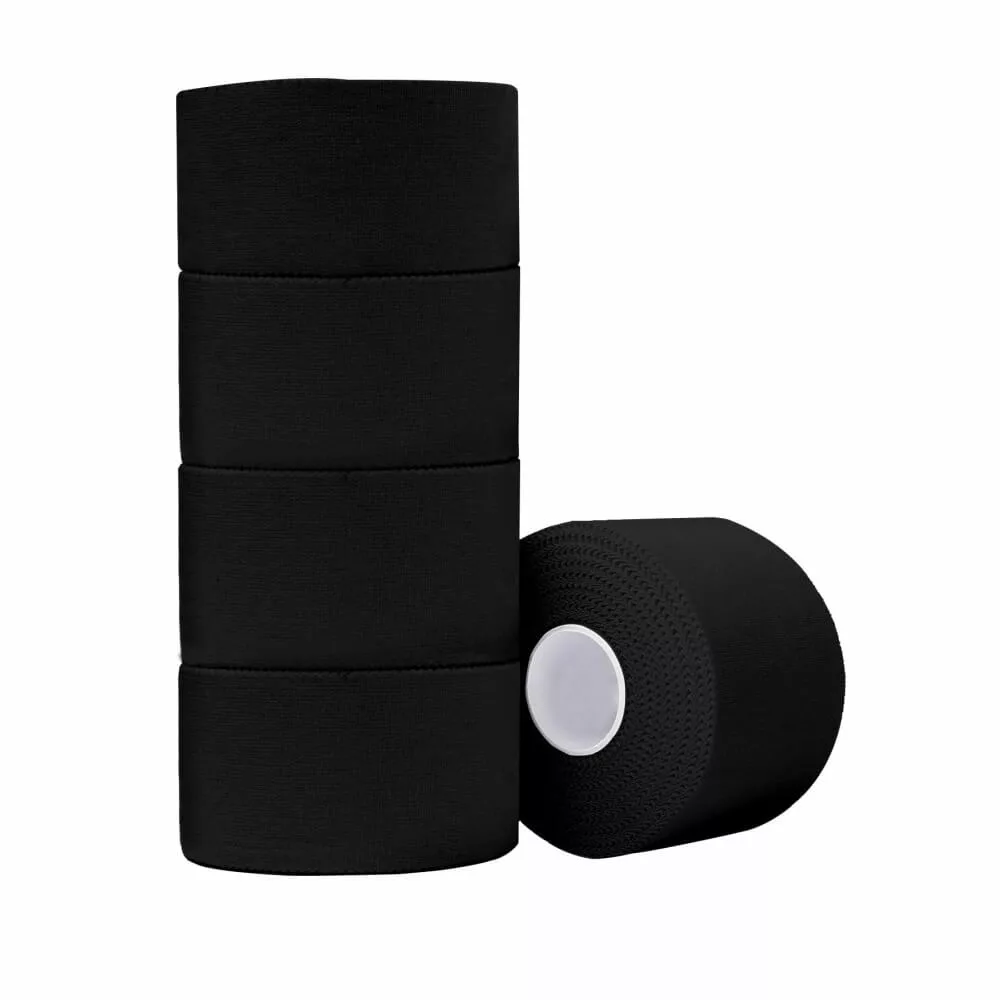
Simple & Practical: Number 1 Athletic Tape in the World?
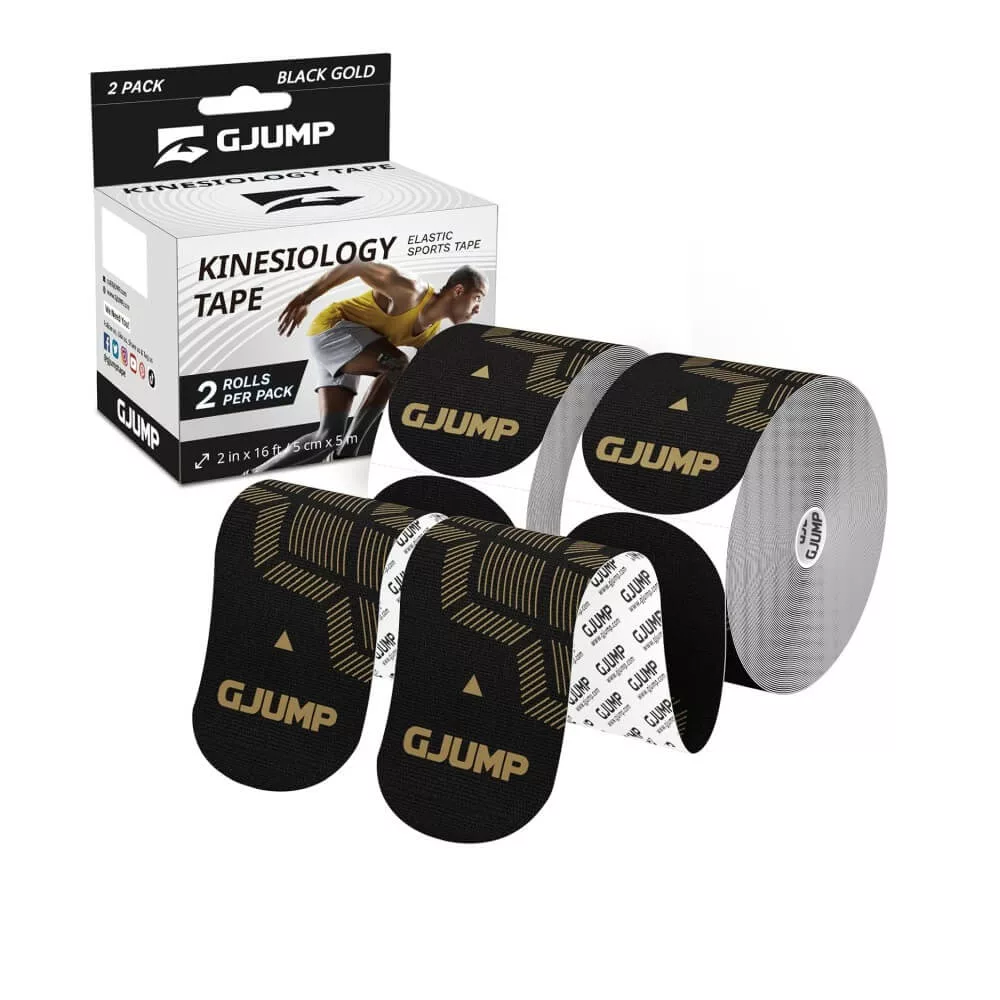
Precut Kinesiology Tape: No Measuring, Just Peel & Apply
Kinesiology Tape vs. Athletic Tape: Understanding the Differences
Kinesiology tape and athletic tape both serve supportive roles, but they do so in quite different ways. Kinesiology tape offers elastic support, allowing for movement while still providing a sense of stability. This elasticity differentiates it from the more rigid support that athletic tape provides, which often restricts movement more severely.
The difference in elasticity changes how each tape interacts with the body.
Rigid athletic tape is typically used to limit joint motion and protect structures during acute injury or high-risk activity. In contrast, elastic taping methods aim to work with the body’s natural mechanics. For hand and wrist rehabilitation, this distinction matters because excessive restriction can interfere with circulation, tendon gliding, and fine motor control needed for grip-related tasks.
What makes kinesiology tape special is its ability to assist movement without immobilization. It’s designed to facilitate motion and aid muscle function, rather than just keeping a joint stable. This can be especially beneficial in rehab scenarios where a balance of support and mobility is needed.
In grip rehabilitation, maintaining controlled movement is often essential for recovery. Tendons and small stabilizing muscles respond best to gradual loading rather than complete rest.
Kinesiology tape can provide a subtle assist that supports tissue function while still allowing the hand to move through functional ranges. This approach aligns with modern rehab principles that emphasize active participation rather than passive protection.
The sensory feedback provided by kinesiology tape can also be a game-changer.
By stimulating the skin, it enhances proprioception, helping you become more aware of your joint positions and movement. This heightened awareness can contribute to more effective rehabilitation. This sensory input may help correct unconscious movement habits that place extra strain on the hand or wrist. For people who overgrip due to pain or instability, improved proprioception can promote more efficient force distribution across the fingers and palm. Over time, this can reduce unnecessary tension and support more natural gripping patterns during daily activities or exercise.
Choosing when to use kinesiology tape over traditional athletic tape boils down to understanding your needs. If you’re dealing with an acute injury where immobilization is necessary, athletic tape might be the right choice. But if you’re in a phase where movement is key to recovery and you’re seeking pain relief without losing mobility, kinesiology tape could be the better option.
Matching the taping approach to the stage of injury is critical.
Early protection may require more rigid support, while later stages often benefit from techniques that encourage safe motion. For grip-related recovery, this transition toward mobility-focused support can help bridge the gap between rest and full function without overloading healing tissues.
How Kinesiology Tape Supports Grip Recovery: Key Mechanisms Explained
Kinesiology tape can play a pivotal role in supporting grip recovery due to its ability to manage pain perception. The gentle tension it applies may help reduce the discomfort experienced during gripping tasks, which in turn allows you to engage more actively in the rehabilitation process.
Pain reduction can have a direct impact on how willingly and effectively the hand participates in movement. When discomfort is lowered, the nervous system is less likely to inhibit muscle activation, allowing for smoother and more confident gripping. This can be particularly helpful during early rehabilitation phases when fear of pain often limits effort more than actual tissue damage.
By enhancing joint awareness, this type of tape can boost movement confidence.
It provides the feedback your body needs to fine-tune movements, helping you regain control and precision during grip-intensive activities. Improved movement awareness supports better coordination between the fingers, wrist, and forearm. This coordination is essential for distributing load evenly across the hand rather than concentrating stress in one area. Over time, this can help retrain more efficient gripping patterns, which is especially important for tasks requiring sustained or repetitive grip.
Supporting fatigued or strained tendons is another way kinesiology tape contributes to recovery.
It helps offload stress from overused tissues, giving them a chance to rest without halting activity altogether. Tendon tissues respond best to controlled loading rather than complete unloading. By slightly reducing strain during movement, kinesiology tape may help create a more favorable environment for recovery while still allowing functional use of the hand. This approach can be useful for managing overuse conditions where total rest would lead to stiffness or loss of strength.
The use of kinesiology tape can also help you maintain training consistency. When you’re in the throes of recovery, it can provide enough relief and support to keep you moving, which is crucial for maintaining progress and avoiding setbacks.
Maintaining consistent, pain-aware movement helps preserve neuromuscular coordination and prevents deconditioning.
Even reduced-intensity training can support circulation, joint health, and confidence during recovery. In this way, kinesiology tape may act as a temporary bridge that allows continued engagement while the hand gradually returns to full capacity.
Using Kinesiology Tape for Common Grip-Related Conditions
Kinesiology tape proves helpful in addressing several grip-related conditions that often disrupt daily life and athletic performance. Tennis elbow and golfer’s elbow are prime examples where taping can assist in reducing symptoms by providing support to the affected tendons and muscles, helping alleviate pain and promoting healing.
These conditions are commonly linked to repetitive gripping, wrist extension, or forearm loading. While kinesiology tape does not correct the underlying cause, it may help reduce excessive strain on irritated tissues during activity. By decreasing symptom severity, individuals may find it easier to participate in corrective exercises and modify movement patterns that contribute to long-term recovery.
Finger tendon irritation is another area where kinesiology tape can make a significant difference.
By offloading stress and offering gentle support to specific fingers, it can aid recovery and prevent further injury, allowing for a return to daily tasks without constant discomfort.
Finger tendons are particularly vulnerable because they are exposed to frequent, repetitive loading with limited opportunity for rest. Subtle support from taping may help manage swelling and discomfort while preserving dexterity. This can be valuable for tasks requiring fine motor control, such as typing, tool use, or sport-specific gripping, where full immobilization would be impractical.
Wrist overuse, often stemming from activities that require heavy gripping, can lead to inflammation and pain.
Kinesiology tape helps by stabilizing the wrist, reducing strain, and enabling continued movement, which is key for avoiding the negative effects of prolonged immobilization.
Maintaining wrist mobility is essential for healthy grip mechanics. Excessive restriction can shift stress into the fingers or forearm, potentially worsening symptoms elsewhere. Supportive taping can help guide the wrist toward more neutral positions during activity, reducing cumulative strain while still allowing functional use.
For those in the early stages of arthritis or dealing with joint stiffness, kinesiology tape can offer a reprieve.
It enhances mobility by providing support without restricting natural movement and assists in managing stiffness, making daily activities more manageable. In arthritic or stiff joints, maintaining gentle movement is often more beneficial than resting completely. Light support may help individuals stay active without exacerbating discomfort, supporting circulation and joint nourishment. While taping is not a treatment for arthritis itself, it can be a useful adjunct for managing day-to-day function and preserving hand use.
Can Kinesiology Tape Directly Improve Grip Strength?
The question of whether kinesiology tape can directly boost grip strength often comes up. In the short term, taping might enable a temporary boost by reducing pain and providing a sense of stability, allowing for more robust performance during exercises and rehab activities.
Short-term improvements in grip output are often linked to improved comfort rather than true strength gains. When pain is reduced and joint position feels more secure, the nervous system allows higher levels of muscle activation. This can make gripping tasks feel easier and more controlled, even though underlying tissue capacity has not yet changed.
The debate between placebo and mechanical assistance is worth noting.
While some benefits might stem from psychological comfort, the mechanical support provided by the tape certainly plays a role as well by subtly influencing muscle function and movement.
Psychological confidence can meaningfully affect performance, especially during rehabilitation. Feeling supported may reduce hesitation and protective movement patterns. At the same time, the elastic properties of kinesiology tape can influence movement cues and load distribution, suggesting that both perceptual and physical mechanisms likely contribute to its effects.
However, expecting long-term strength gains from tape alone isn’t realistic.
It’s a useful tool during certain phases of rehabilitation, primarily because it allows for increased output during specific activities when pain and instability might otherwise limit you.
Lasting improvements in grip strength depend on progressive loading and tissue adaptation. Kinesiology tape does not increase muscle cross-sectional area or tendon capacity on its own. Its value lies in facilitating participation during phases when symptoms would otherwise reduce training quality or volume.
Active strengthening exercises should always accompany the use of kinesiology tape. While taping offers support, the foundation of strength comes from the muscles themselves.
Engaging in a structured strengthening program ensures that muscle and tendon adaptation occur, leading to sustained grip improvements. Strengthening programs that target the fingers, wrist, and forearm help build resilience and reduce future injury risk. When combined thoughtfully with supportive tools like taping, these exercises can restore confidence, capacity, and long-term function rather than relying on passive support alone.
When Over-Reliance on Kinesiology Tape May Hinder Grip Progress
Excessive reliance on kinesiology tape can sometimes mask underlying weaknesses. While the added support feels helpful, it might lead you to overlook the necessary strengthening of muscles and tendons.
Supportive tools can reduce symptoms enough that underlying deficits go unnoticed. If grip tasks feel manageable only when taped, it may indicate unresolved issues in strength, endurance, or movement control. Addressing these limitations directly is essential for building long-term resilience rather than relying on external assistance.
Failing to incorporate progressive loading principles into your training can also be an issue.
Progressing gradually is essential for building strength and endurance, but over-taping might cause you to skip these critical steps.
Tendons and connective tissues adapt slowly and require consistent, incremental loading to become stronger. When taping allows you to perform activities without discomfort, it can be tempting to increase volume or intensity without proper progression. This mismatch between perceived capability and tissue readiness may stall progress or increase reinjury risk.
Tape shouldn’t become a substitute for adequate rest or a full rehab program. It’s tempting to use it as a quick fix, but proper recovery relies on a holistic approach that includes rest, physical therapy, and well-designed exercise routines.
Recovery from grip-related issues often depends on balancing stress and recovery.
Adequate sleep, nutrition, and rest days all play a role in tissue repair. Taping can support movement during recovery, but it cannot replace the physiological processes that occur when the body is given time and resources to heal.
Signs that it might be time to cut back on taping include persistent pain despite taping, no improvement in grip strength over time, or reliance on tape for all activities. In such cases, reevaluating your rehab strategy can be beneficial.
These signals suggest that taping is no longer serving as a helpful adjunct.
At this stage, reassessing exercise selection, training volume, technique, or seeking professional guidance may be more effective than adding additional layers of support.
Optimizing Kinesiology Tape Use for Effective Grip Training
Using kinesiology tape strategically during higher-risk or high-volume sessions can be effective. It’s about providing that extra layer of confidence when you know you’re pushing your limits, allowing you to perform without overthinking minor aches or instabilities.
Strategic use means applying tape selectively rather than automatically. High-volume training days, long work shifts involving repetitive hand use, or return-to-play scenarios are often when additional support is most helpful. In these situations, tape can reduce distraction from minor discomfort and help maintain focus on proper technique and movement quality.
Coupling tape use with light grip rehabilitation exercises can maximize its benefits.
While it provides support, you want to engage those muscles actively, ensuring that you’re fostering real, lasting improvements in strength and coordination.
Active engagement is critical for meaningful adaptation. Low-load exercises such as controlled squeezing, finger extension work, or gentle wrist movements can reinforce healthy motor patterns while the tape assists movement. This combination encourages neuromuscular retraining rather than passive reliance on external support.
As you progress, gradually reducing dependence on the tape is important. It helps you gauge actual improvements and ensures your body adapts to the increased demands without external aid.
Phasing out taping allows you to test tissue tolerance and movement confidence independently. This gradual reduction supports long-term self-sufficiency and ensures that improvements in grip strength and control are driven by physiological adaptation rather than continued external assistance.
Keeping track of your grip endurance and pain levels throughout the process helps in deciding when to adjust your tape usage.
Regular assessment lets you fine-tune your approach, ensuring you’re balancing support with the natural progression of your rehabilitation.
Monitoring changes over time provides valuable feedback. Improvements in endurance, reduced post-activity soreness, or greater confidence during gripping tasks often signal readiness to rely less on tape. Conversely, setbacks can indicate a need to reassess workload, recovery, or exercise selection.
Embracing Kinesiology Tape as a Temporary Ally in Grip Rehabilitation
Kinesiology tape acts as a helpful ally in grip rehabilitation. It’s a tool that supports recovery, providing assistance and alleviating discomfort temporarily to enhance performance during rehab exercises.
Using tape in this way can help maintain consistency in rehabilitation, allowing individuals to complete prescribed exercises without interruption from minor pain or instability. It serves as a bridge during the early or transitional stages of recovery, promoting participation and confidence while tissues adapt.
Long-term grip resilience, however, is about more than just taping.
It’s built through tissue adaptation and persistent, smart training strategies that focus on strengthening the muscles and tendons critical for grip.
Muscle hypertrophy, tendon loading, and neural coordination are the foundations of sustainable grip strength. By gradually challenging the hand through progressive resistance exercises, controlled movements, and task-specific practice, you enable the physiological adaptations needed for lasting function.
Combining thoughtful rehab exercises with progressive grip training ensures comprehensive recovery. That’s where sustained strength improvements come from, not from relying solely on tape.
Structured programs targeting the fingers, wrist, and forearm, alongside mobility and proprioception work, allow the hand to regain endurance and control. Tape supports this process but is secondary to active, targeted rehabilitation.
Recovery is a journey that requires time, effort, and patience.
Setting realistic expectations is crucial. Taping acts as a supportive partner in this journey, making the process more manageable and helping you stay on track to reach your performance goals. Understanding that progress occurs gradually helps prevent frustration and overreliance on temporary aids. When used appropriately, tape can be a valuable tool for adherence, confidence, and consistent participation, complementing the broader recovery strategy.
Thanks for Stopping By!
Has Kinesio Tape Made a Difference for You?
Share Your Experience in the Comments!