(Last Updated on October 21, 2026 by Henry)
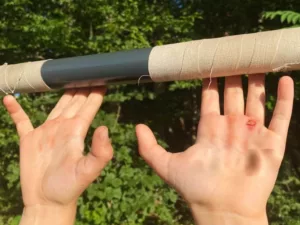
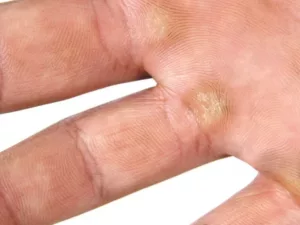
In any grip-heavy training, wear and tear on the skin is almost inevitable, but understanding how to prevent it can make all the difference. Calluses and blisters are common culprits because they arise where there’s repeated friction and pressure.
This is especially true during weightlifting, calisthenics, climbing, and other activities that demand consistent hand contact with bars, handles, or rings.
If you’ve ever picked up a barbell or hung from a pull-up bar, you know how quickly those telltale patches can start forming, particularly when training volume or frequency increases.
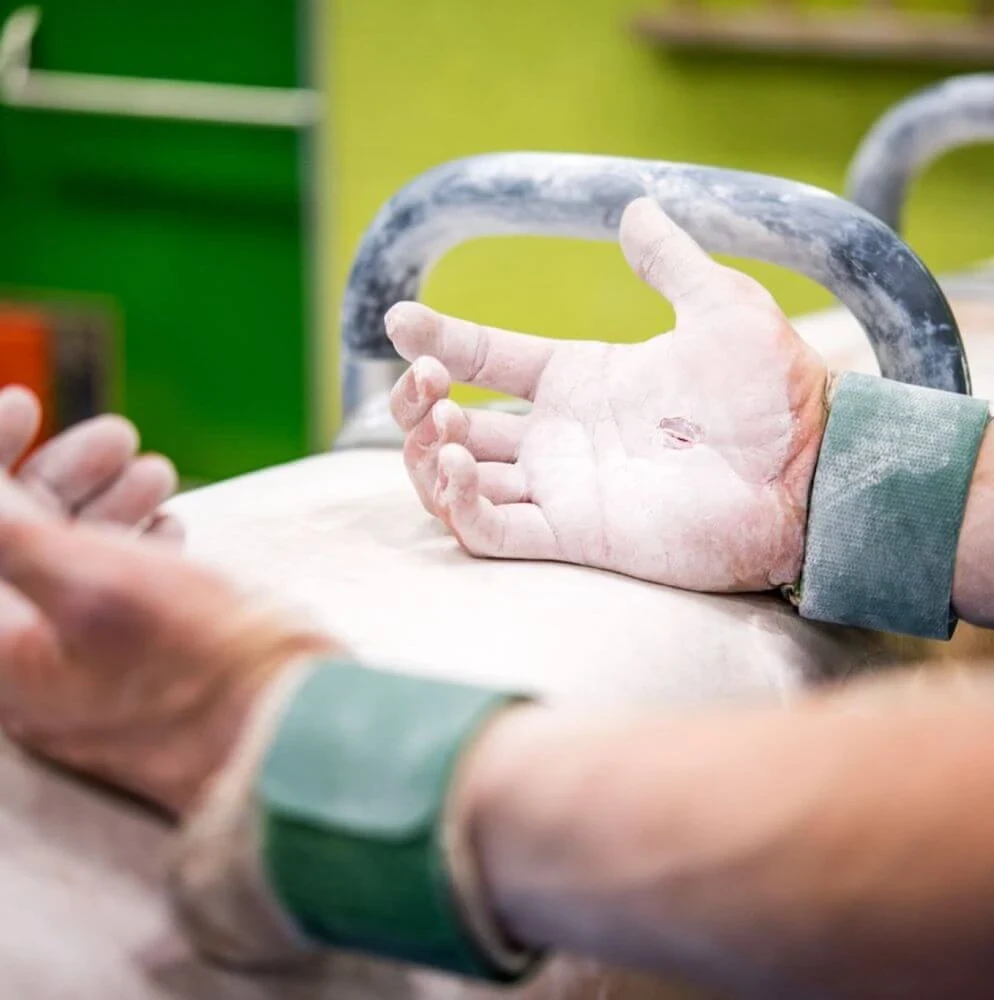
What often gets overlooked, though, is the distinction between building resilience and genuinely damaging your skin. Resilience is when the skin forms a protective barrier, becoming tougher over time without injury.
This adaptation allows the hands to tolerate repeated stress while remaining flexible and pain-free. Skin damage, on the other hand, often leads to pain, irritation, and even infection, disrupting your training routine.
When friction outpaces the skin’s ability to adapt, blisters, cracks, or torn calluses are more likely to occur.
Why bother with prevention? Simple, we’re talking about more comfort, consistent performance, and less downtime.
Healthy skin allows you to grip confidently without hesitation or discomfort, which directly supports better lifting technique and endurance.
Basically, save yourself the hassle of interrupted training sessions.
Addressing skin care early can prevent small issues from escalating into problems that force you to modify or pause your workouts altogether. In this guide, I’ll walk you through everything you need to know to protect your hands during training.
From mastering grip techniques and moderating training volume to understanding the best hand care routines, it’s about training smart and taking the right steps to safeguard your grip for the long haul. With the right approach, you can build both strength and skin resilience together, ensuring your hands remain reliable tools rather than limiting factors in your training.
Understanding How Calluses and Blisters Form
To protect your hands, it’s essential to understand what causes calluses and blisters to form in the first place. Friction and pressure are the main culprits. These forces are present in nearly all grip-intensive activities, from barbell training and pull-ups to kettlebells, rings, and machine handles.
When you repeatedly grip weights or hang from a bar, the skin experiences both of these forces. Over time, your skin tries to protect itself, and calluses develop as a natural defense mechanism.
However, not all hand damage is created equal. Calluses form gradually as the skin thickens in response to regular stress, allowing it to better tolerate repeated contact. This process is usually painless when adaptation keeps pace with training demands. Blisters, on the other hand, can appear suddenly.
Blisters are often the result of intense, localized pressure combined with friction, leading to fluid buildup under the skin. Essentially, they’re your skin’s way of screaming for help, signaling that stress has exceeded what the tissue can handle.
Ever notice the changes when you adjust your grip style or bar contact?
That’s because these factors significantly impact where and how much stress your skin endures. Small changes in hand placement can shift friction to entirely different areas of the palm or fingers.
A grip that’s too deep in the palm can pinch and increase pressure, which ups the risk for blisters. Excessive bar movement within the hand can further compound this issue, especially during high-repetition or dynamic lifts.
Beginners, take note: Your hands haven’t built up the same tolerance as experienced lifters.
The skin adapts over time, just like muscles and connective tissue, but it needs gradual exposure to stress. The same goes for anyone pushing high-volume training without allowing adequate recovery time. Both of these groups are at greater risk, but anyone can suffer skin woes if technique and care are neglected. Even seasoned lifters may experience issues when volume spikes or training variables change abruptly.
Knowledge is your first line of defense. By understanding how these skin issues form, you’re setting the groundwork for healthier hands and more effective training sessions.
This awareness allows you to make smarter decisions about grip technique, training volume, and recovery: helping your hands adapt in a way that supports progress rather than interrupting it.
Proper Grip Technique to Reduce Skin Stress
Getting your grip technique right is crucial for avoiding unnecessary skin stress and keeping blisters at bay. It’s all about how you position the bar in your hand. Grip mechanics directly influence how pressure and friction are distributed across the skin during lifting.
Many gym-goers make the mistake of letting the bar lie deep in their palms, but this ends up pinching the skin, a surefire way to get blisters. This pinching effect becomes even more pronounced during dynamic or high-repetition movements.
Instead, aim to keep the bar closer to your fingers. This position allows the bar to rest against the base of the fingers rather than folding the palm skin underneath it.
This placement might feel odd at first, especially if you’re used to a deep grip, but it significantly lessens the direct pressure and reduces the likelihood of pinching. Plus, it encourages a more secure hold, giving you better control and stability. Over time, this grip position often feels more natural and efficient as your hands adapt.
Poor grip mechanics can escalate blister risks without you even realizing. Small shifts in hand placement can dramatically increase friction in vulnerable areas. If the bar slides or shifts in your hand while lifting, that’s friction in action, leading straight to skin trouble.
Excessive bar movement can also accelerate callus buildup and increase the chance of sudden skin tears. Finding and maintaining a consistent hand position is key to minimizing these risks.
Whether deadlifting, doing pull-ups, or working with kettlebells, your hand positioning should remain stable throughout the movement. This consistency helps the skin adapt evenly rather than being overstressed in unpredictable spots.
Consistent grip not only protects your skin but also enhances your performance by allowing you to lift more confidently.
A stable grip improves force transfer and reduces unnecessary energy loss. Develop the habit of checking your hand placement before every set, and you’ll find both your strength and hand health improving over time.
Managing Training Volume and Frequency
The enthusiasm to push limits in grip training is real, but it’s crucial to manage how much and how often you train to prevent damaging your skin.
Motivation often leads people to add extra sets, longer hangs, or more frequent sessions without realizing how much additional stress this places on the hands.
Rapid increases in grip volume can leave your skin vulnerable since it takes time for the hands to adapt to new levels of pressure and friction. Unlike muscles, skin adaptation can lag behind sudden spikes in workload.
Balancing your training with enough recovery is not just about muscle health; your skin needs time to heal and adjust, too. During rest periods, the outer layers of skin repair micro-damage and gradually become more resilient. Listen to your body.
If your hands start to feel tender or you notice increased redness or hot spots, that’s your cue to take a break. These early warning signs often appear before blisters or tears develop.
Gradual progression is the name of the game. By slowly ramping up the intensity and duration of your grip exercises, you allow your skin the chance to develop resilience without the unnecessary risk of blisters or tears.
This might mean increasing load, time under tension, or session frequency in small increments rather than all at once. A steady increase, paired with recovery days, creates an environment where both strength and skin toughness can build together.
It’s important to remain observant. Skin fatigue can show up subtly before it becomes painful or disruptive.
Any signal that the skin on your hands is reaching its limit should be met with a pause in intensity. Adjusting your program to include less intense days with more comprehensive hand care can make all the difference in your training journey. These small adjustments help preserve consistency, allowing you to train hard over the long term without unnecessary setbacks.
Chalk Use: Benefits and Common Mistakes
Chalk can be a game-changer in grip training, helping reduce slipping and improving your hold on the bar. It’s commonly used in weightlifting, climbing, gymnastics, and strongman training, where grip security directly affects performance.
But like most things, it comes with a few cons. While it minimizes slippage, it also dries out your skin, making it more prone to cracking if overused.
Over time, excessive dryness can increase the risk of brittle calluses and skin tears.
The key is in finding that sweet spot. Chalk should enhance grip without stripping the skin of all its natural oils. Too little chalk, and you’re back to dealing with a slippery grip. Too much, and you could end up with desert-dry hands.
Start with a small amount, rubbing it over your palms and fingers, then add more if necessary. This helps maintain just enough moisture to keep your hands supple while providing plenty of traction.
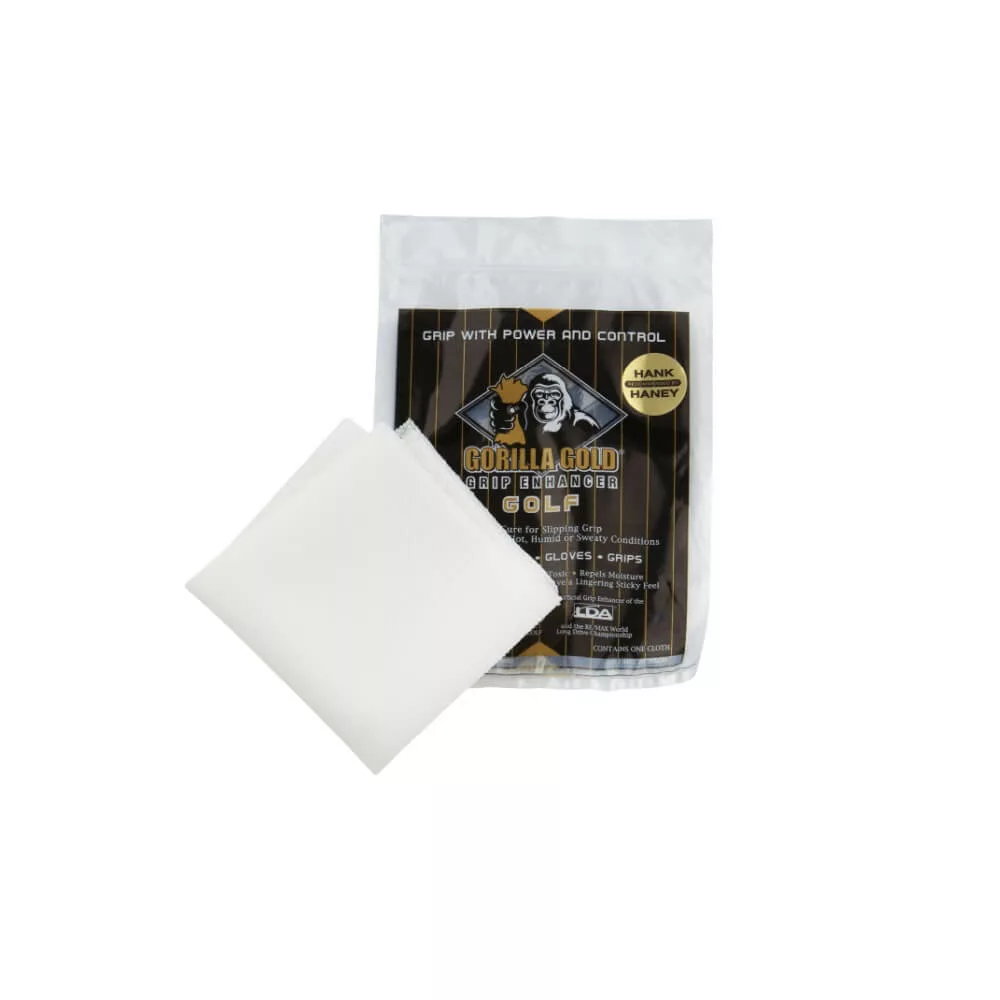
Grip Enhancing, Resin Towels: Easy To Apply In A Blink
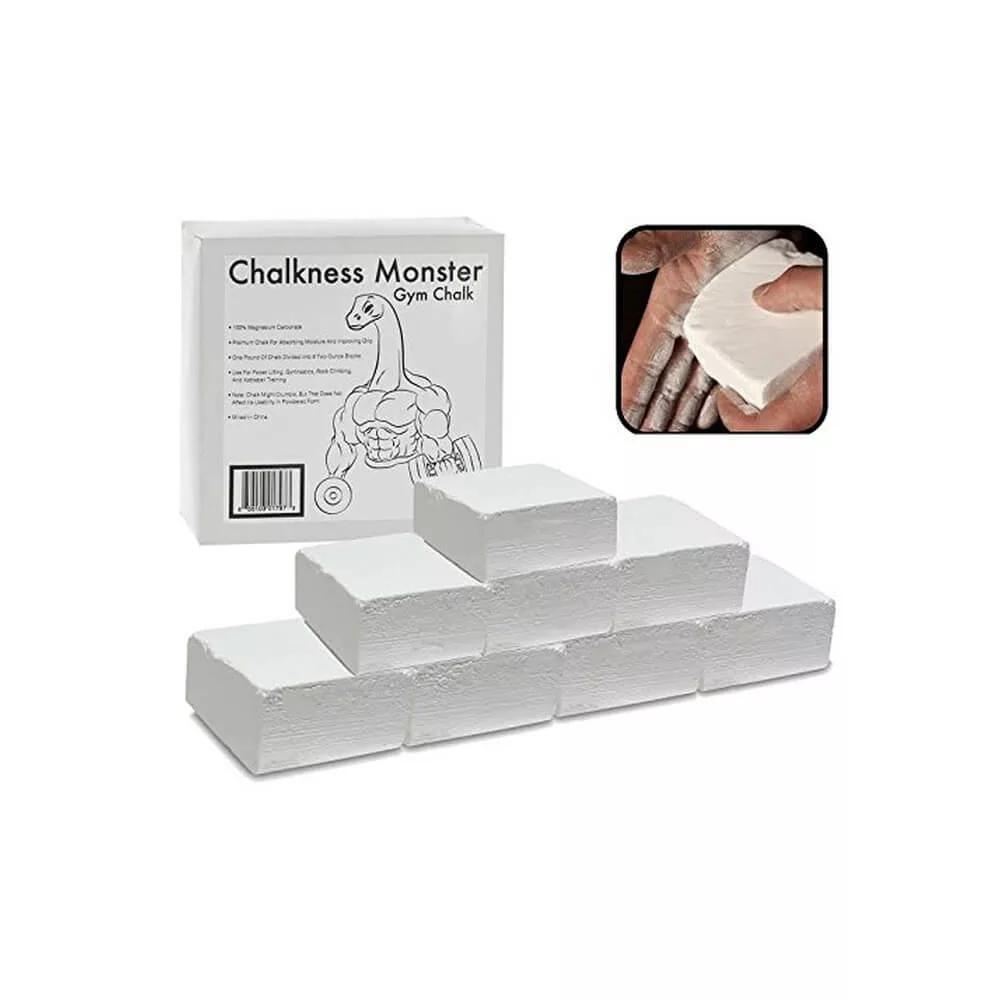
Budget Gym Chalk, Inexpensive and Quick to Crumble
When done with your workout, it’s crucial to clean your hands: no one needs a chalky mess on everything they touch.
Washing away residual chalk also helps restore the skin’s natural balance. Plus, leftover chalk can continue to dry out your hands even after training, so a good wash is in order. Following up with light moisturizing can further support skin recovery.
Avoid falling into the trap of relying solely on chalk for grip issues.
While it can make a significant difference, it’s also important to ensure your technique and equipment are on point. Proper grip positioning, bar placement, and training volume management all play roles in skin health. Maintain balance between having a reliable grip and keeping your skin healthy. When used thoughtfully, chalk becomes a helpful tool rather than a hidden contributor to hand problems.
Hand Maintenance Between Training Sessions
Your hands go through a lot during grip training. Repeated friction, pressure, and bar contact all take a toll over time. Keeping calluses smooth and even is essential to prevent them from ripping, which can quickly sideline your training.
A simple method is to use a pumice stone or file after a shower when the skin is softer.
This helps even out the callus without removing it completely, which is crucial for maintaining a protective layer while reducing snag points.
Moisturizing goes a long way in maintaining the elasticity of your skin. Dry, brittle skin is far more likely to crack or tear under load. After washing off chalk and sweat, apply a hand cream or lotion to keep your skin hydrated. Opt for products that are non-greasy and absorb quickly, so they don’t leave a residue that affects your next workout. Consistent hydration helps calluses stay flexible rather than rigid.
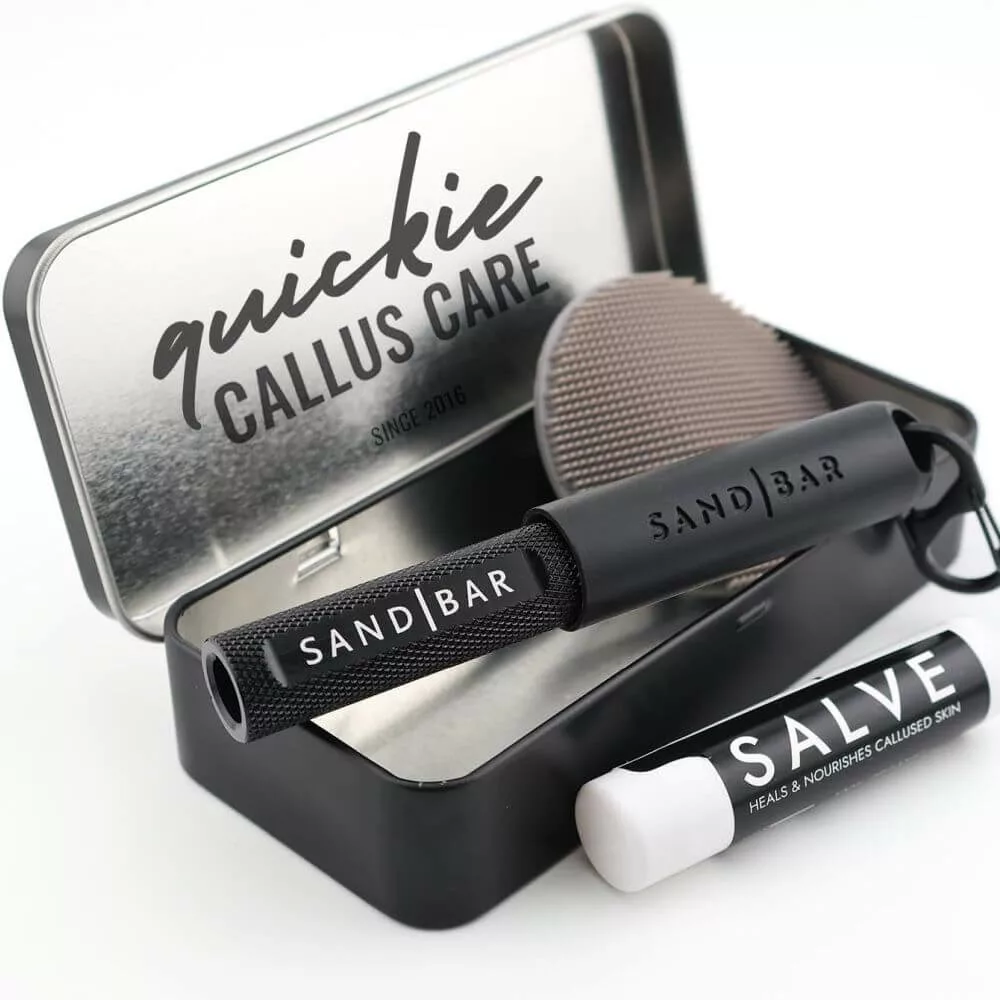
SandBar Callus Remover: Grip-Friendly Hand Care for Lifters

Razor Sharp Callus Shaver to Maintain Grip Health?

60% Urea Cream: An Aggressive Solution for Serious Skin Damage?
Develop a routine that incorporates simple, daily hand care habits.
This doesn’t need to be time-consuming: just a few minutes of attention can make a noticeable difference. This consistent attention prevents small problems from becoming bigger issues. Keeping your hands in top condition isn’t just about avoiding blisters: it’s about improving your grip and overall performance by ensuring comfort and control during lifts.
Neglecting hand maintenance can dramatically increase blister risks. Rough edges, cracks, or overly thick calluses are far more likely to catch on bars and tear.
Minor skin issues can escalate quickly if not addressed. Consider hand care as part of your training regimen, just like you would with muscle recovery and nutrition. It’s an investment in the long-term health of your hands and your ability to train effectively.
Equipment Choices: Bare Hands, Straps, and Grips
Choosing between bare hands, straps, or grips can significantly influence your training and skin health. Each option affects how much friction and pressure your hands experience, and knowing when to use them can save your skin and elevate your performance.
The key is understanding that these tools aren’t competitors, they’re complements when used correctly.
Training with bare hands strengthens your grip naturally and allows your skin to adapt over time. This is especially valuable for beginners, building foundational grip strength and resilience.
However, there are times when using protective gear is beneficial, particularly during heavy compound lifts, high-rep sets, or extended training sessions where fatigue increases the risk of skin damage. Straps and grips can help distribute the load and take some pressure off your skin when your grip becomes the limiting factor.
It’s crucial not to rely too heavily on these aids, though.
Over-dependence can result in weaker grip strength over time, as your hands aren’t exposed to enough stimulus to adapt. Straps and grips should support your training, not replace regular grip development. A smart approach is to perform warm-up sets or lighter work bare-handed, then use assistance only when intensity or volume demands it.

Fantastic General-Purpose Lifting Straps with Proven Results

Olympic-Style Lifting Straps: Hard to Use, Epic for Bail Out

The Easiest Lifting Straps To Use: Perfect for Casual Training
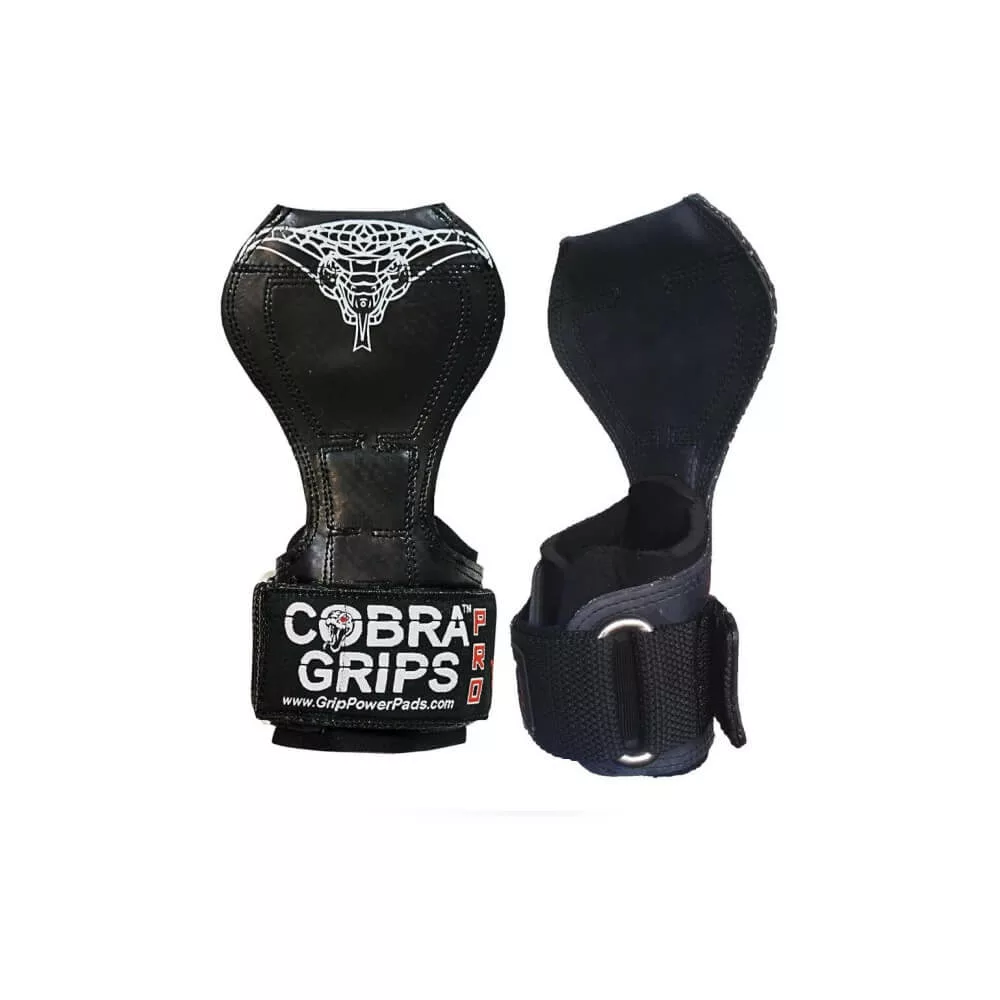
Can One Pair of Lifting Grips Replace Four Tools?
When selecting tools like straps or grips, consider what aligns best with your training objectives.
If your focus is lifting heavier weights, straps may help you push past grip fatigue safely. If endurance or high-rep work is the goal, grips can reduce excessive friction without fully removing hand involvement. Choose equipment that supports performance without eliminating the benefits of direct hand contact.
Balancing these choices ensures you protect your hands while still building the strength and resilience that bare-hand grip training offers. Used thoughtfully, straps and grips can extend training longevity while allowing your hands to recover, adapt, and stay healthy over the long term.
Preventing Blisters Before They Start
Spotting early signs of trouble, like redness, tenderness, or a slight burning sensation, is key to nipping blisters in the bud. These early hot spots are your body’s way of warning you that the skin is under stress and needs attention before damage occurs.
Ignoring these signals often leads to fluid-filled blisters that can derail training for days or weeks.
When you notice these warning signs, take immediate action. Taping the affected area, using finger tape, or adjusting your grip position can significantly reduce friction on sensitive spots.
Even small changes, such as repositioning the bar slightly higher on the fingers, can prevent a minor irritation from turning into a painful, full-blown blister.

Latex-Free Pre-Wrap Tape for Grip & Wrist Training
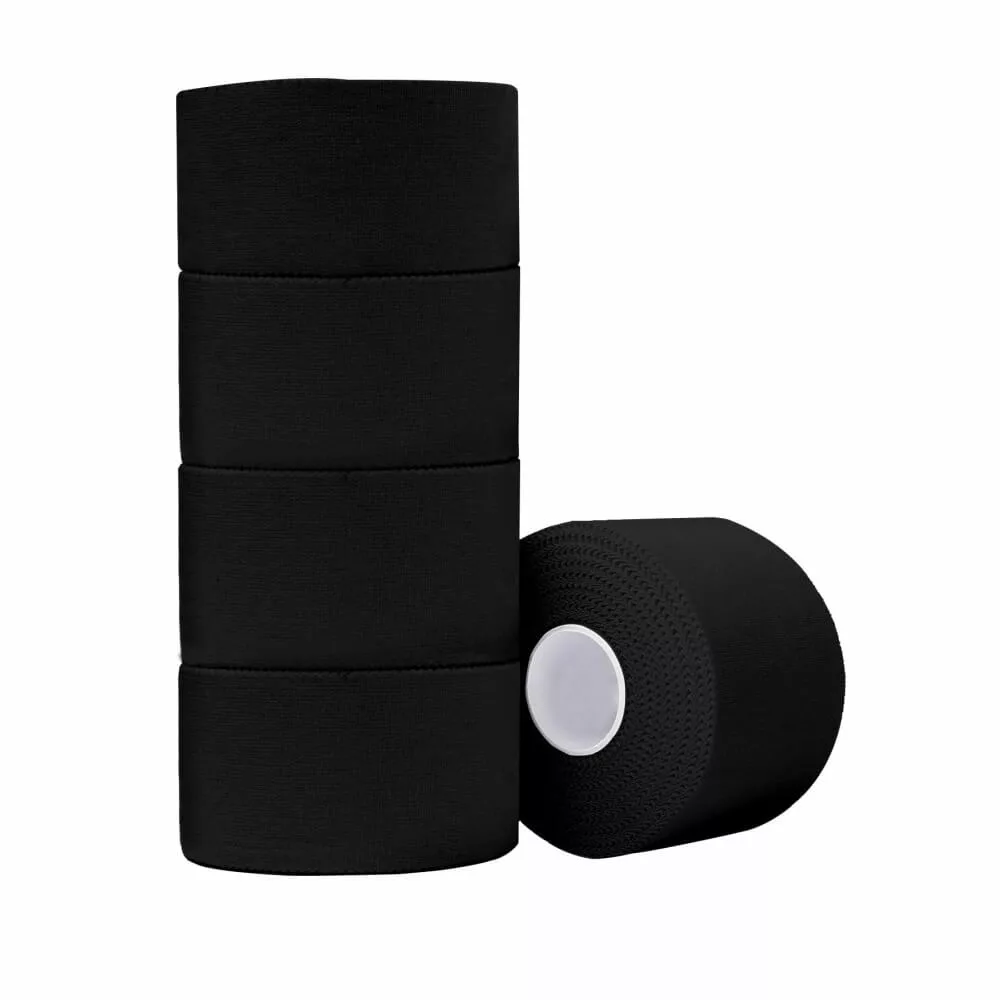
Simple & Practical: Number 1 Athletic Tape in the World?
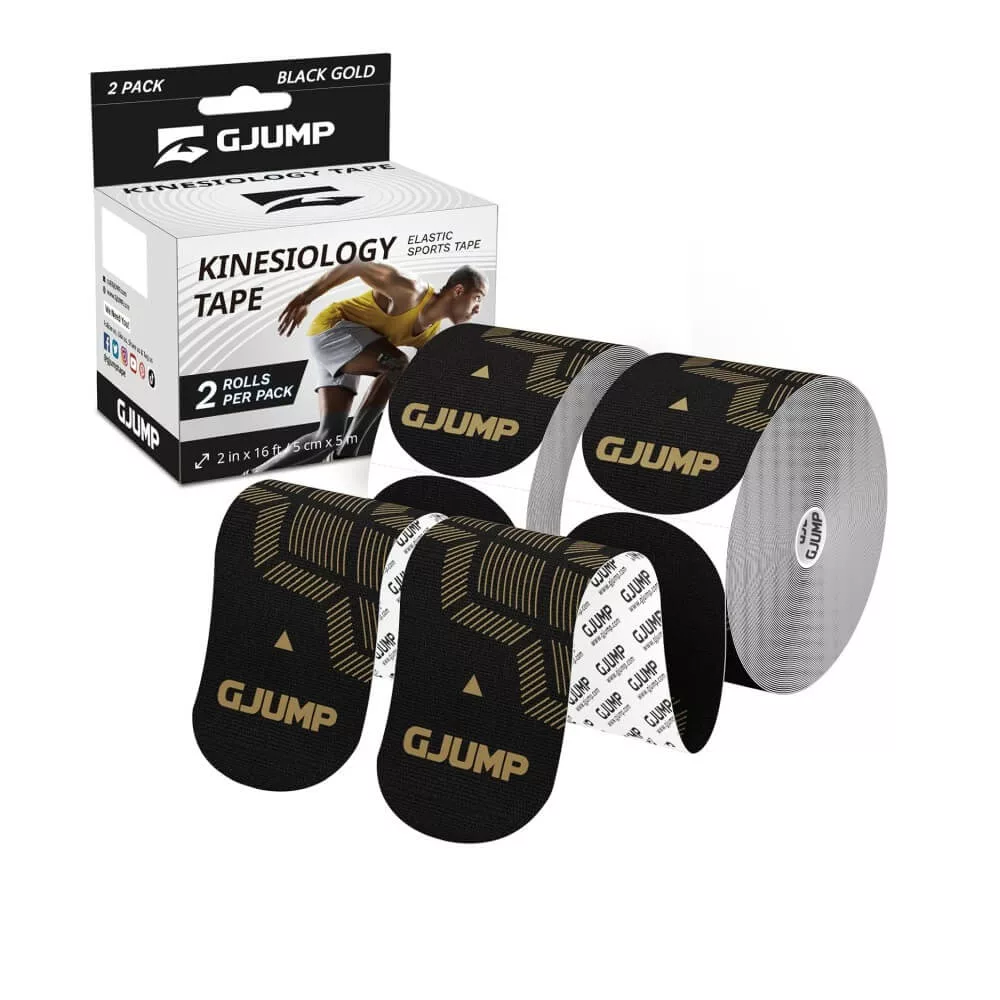
Precut Kinesiology Tape: No Measuring, Just Peel & Apply
Don’t hesitate to tweak your workouts when your skin feels compromised. This doesn’t mean stopping altogether.
Swapping out grip-heavy movements, reducing volume, lowering intensity, or spacing out sessions gives your skin time to recover while still allowing you to stay consistent with training. Smart modifications protect progress rather than slow it down.
Hygiene also plays a critical role in blister prevention.
Make it a habit to clean your hands thoroughly after training, especially if you use chalk or shared equipment. Keeping your skin free from dirt, sweat, and bacteria lowers the risk of infection if the skin does break.
Staying proactive with hand care and regularly monitoring changes in your grip and skin condition helps you stay one step ahead of problems. This kind of awareness keeps blisters at bay, supports long-term grip strength, and ensures your hands stay healthy enough to handle consistent, demanding training over time.
Conclusion: Train Hard Without Destroying Your Hands
Recapping the essential techniques and strategies for preventing hand injuries highlights the importance of keeping your grip strong while protecting your skin.
Smart techniques, like proper grip positioning, bar placement, and mindful volume management, set the foundation for injury-free training. Combined with a gradual progression and awareness of early warning signs, these strategies help you lift confidently while minimizing skin damage.
Consistency in hand care habits can’t be overstressed.
Maintaining a routine of moisturizing, gentle callus management with a pumice stone or file, and thorough cleanliness supports the longevity of both your training and your skin’s health. These small daily habits ensure your hands remain flexible, resilient, and less prone to blisters or tears, allowing you to stay on track with your workouts.
Ultimately, preventing hand issues supports your long-term grip progress.
By paying attention to the signals your skin sends and adjusting your methods accordingly, whether it’s taking a short break, using tape, or incorporating protective tools, you ensure your training sessions remain productive and pain-free. Safeguarding your hands is a key part of smart training, paving the way for continuous improvement without setbacks and enabling you to build stronger, healthier hands for every lift and grip-intensive activity.
Thanks for Stopping By!
Which Hand Protection Strategies Work for You?
Share Your Experience in the Comments!