(Last Updated on May 30, 2026 by Henry)
Hand injuries are pretty common among athletes, especially those focused on grip-intensive training. Whether you’re a powerlifter or an avid rock climber, the demands on your hands are immense. Even casual gym-goers face these issues when working with resistance bands or weights, so you’re not alone.
What makes grip-related hand injuries especially frustrating is how quickly they can derail progress.
Your hands are the primary connection point between your body and the load, so any disruption, cuts, tears, skin splits, or inflammation directly affects grip strength, control, and confidence. When grip becomes compromised, everything from heavy pulls to lighter accessory work can feel unstable or unsafe, even if the rest of your body feels ready to train.
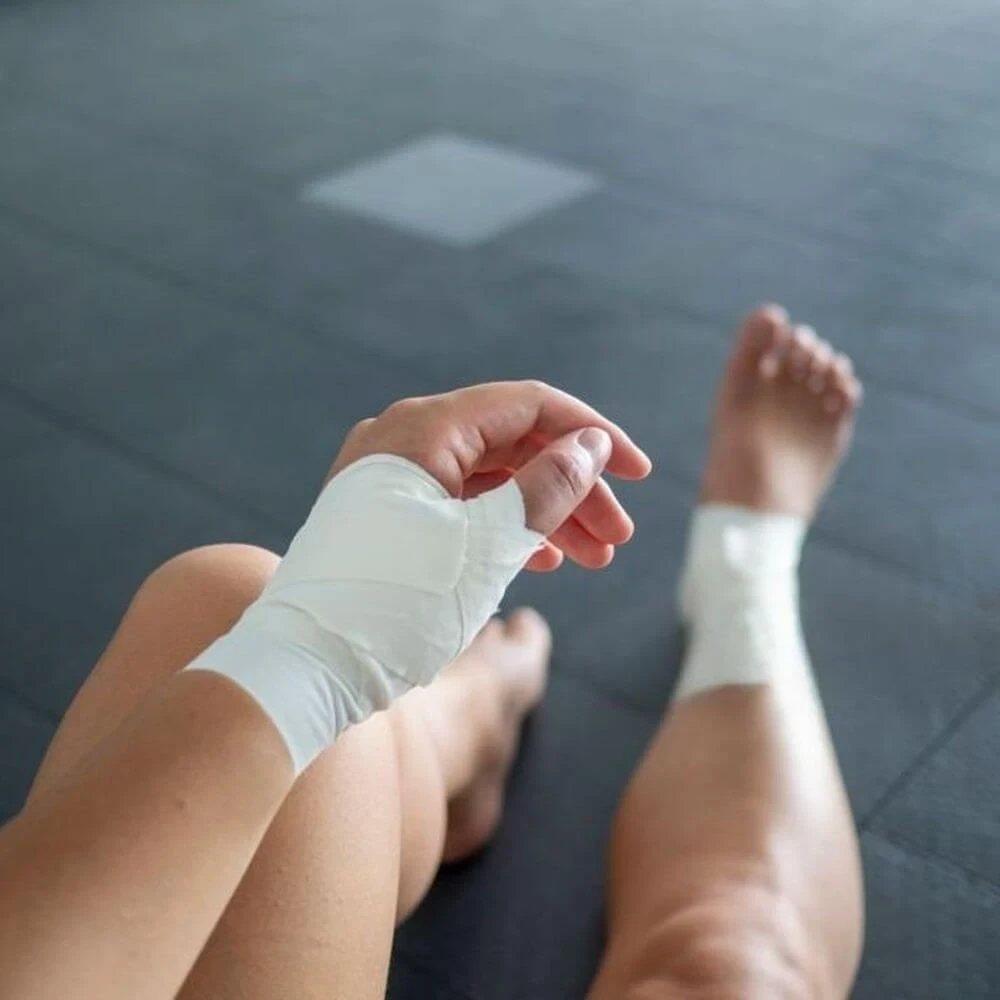
Now, the big question: should you rest completely, or find a way to keep going? For many, taking a break from training isn’t straightforward. Here’s where athletic tape steps in, offering a practical way to support your hands so that you can continue to train while keeping injuries in check.
For athletes who rely on consistent exposure to grip stress, lifters, climbers, CrossFit athletes, and even desk workers rebuilding hand strength, complete rest isn’t always ideal or realistic. Strategic taping can reduce excessive friction, limit strain on irritated skin, and help stabilize vulnerable areas without fully removing the grip challenge that drives adaptation.
This makes tape particularly appealing as a middle ground between pushing through pain and shutting training down entirely.
It’s crucial to understand that athletic tape isn’t a magical fix. Think of it more as a supporting actor in your recovery process: there to assist, not to perform miracles. Using tape gives your hands the chance to heal, without stopping your training momentum completely. This strategy helps athletes maintain a level of consistency that’s often essential for reaching fitness goals. From a grip development standpoint, this distinction matters.
Tape doesn’t rebuild tissue, improve technique, or strengthen tendons on its own.
What it can do is create a controlled environment where healing skin isn’t constantly re-aggravated, allowing you to continue applying productive training stress elsewhere. When used intentionally, tape supports recovery while preserving the neural and mechanical patterns that keep grip strength progressing.
Positioning tape as a support tool, rather than just a quick fix, changes the game. It allows you to manage minor injuries smartly, so you’re able to balance pushing through pain with giving your hands the care they need.
This mindset is central to long-term hand health. Smart taping isn’t about avoiding discomfort at all costs: it’s about protecting grip function so your hands can adapt, recover, and grow stronger over time. When combined with proper hand care, technique awareness, and gradual load management, tape becomes part of a sustainable approach to improving grip without sacrificing training continuity.
Common Hand Injuries Faced by Lifters and Grip Athletes
When you’re doing a lot of grip work, your hands take quite the beating. Torn calluses are a frequent issue, especially if you’re into lifting weights. The constant friction can cause the skin on your palms to tear, making everything from everyday tasks to training painful.
These skin injuries are more than just an annoyance: they directly interfere with grip quality.
Once a callus tears, the exposed skin becomes sensitive and unstable, forcing you to unconsciously adjust how you hold the bar. This often leads to reduced grip pressure, altered hand positioning, or early grip fatigue, all of which can limit training effectiveness and increase injury risk elsewhere.
Finger strains and joint irritation are also on the list of common problems. Anyone who’s ever lifted knows the heavy toll it takes on the fingers and joints. It’s not just about the pain; it’s also about how these injuries can mess with your technique and performance.
Grip-intensive movements place repeated stress on small joints and connective tissues that don’t always recover as quickly as larger muscle groups. When finger joints become irritated or strained, lifters may compensate by shifting the load toward the wrists or elbows, subtly degrading technique. Over time, these compensations can snowball into chronic issues that affect grip strength, stability, and overall lifting efficiency.
Then there’s tendon soreness, often felt in fingers and palms from excessive repetition and pressure. This type of soreness can impact your grip strength, making it hard to hold onto weights or hang from bars.
Tendon-related discomfort is particularly tricky because it often builds gradually. You might notice your grip giving out earlier than usual or a dull ache lingering after sessions. Ignoring these signs can lead to prolonged recovery timelines. Managing load, volume, and hand stress becomes critical here, especially for athletes who rely heavily on pulling movements or sustained gripping.
It’s crucial to know when an injury is a minor inconvenience versus when it demands complete rest.
Minor splits and strains might be manageable with some protective gear like tape. On the flip side, if you’re experiencing worsening pain or any loss of function, it’s time to consider taking a step back. This is where understanding your body and how it responds to injury becomes essential.
Athletic tape fits into this decision-making process as a tool, not a solution. It can help protect healing skin, reduce friction, and stabilize vulnerable areas during training, but it should never override clear warning signs from your body. Learning to distinguish between manageable hand stress and injuries that require rest is a key skill for long-term grip development and injury prevention.
How Athletic Tape Supports Injured Hands During Training
Athletic tape is more than just a piece of sticky wrap; it’s a versatile tool for supporting injured hands. First off, it helps limit excessive joint movement. This can be crucial when dealing with strains or soreness, where keeping the area stable aids in recovery and reduces further injury risk.
Small joints in the fingers and hands are constantly exposed to repetitive stress during grip-intensive training. When these joints become irritated, even slight instability can amplify discomfort and slow recovery. Strategic taping provides mild external support, helping reduce unnecessary motion while still allowing functional movement. This balance is especially useful when you want to stay active without fully immobilizing the hand.
Another key use of tape is reducing strain on irritated tissues.
If you’ve got tendon soreness, for instance, applying tape can help take some of the stress off the injured part while you move, allowing you to maintain activity without aggravating the injury.
Tendon-related issues often flare up when load, volume, or grip intensity outpace tissue recovery. Tape doesn’t heal tendons directly, but it can slightly redistribute forces across the hand, lowering peak stress on sensitive areas. This can make the difference between tolerable training and pain that worsens with every set, helping you keep grip work productive rather than destructive.
Tape also protects injured skin from friction and pressure. When you’ve got torn calluses or skin splits, a layer of tape acts as a barrier between the injury and whatever you’re gripping. This means you can still train without worsening skin damage.
Friction is one of the biggest enemies of healing skin.
Every rep that drags a bar across a split callus risks reopening the wound and extending recovery time. By reducing direct contact and shear forces, tape allows damaged skin to settle down while you continue training, preserving grip function without constantly re-injuring the same spot.
One often overlooked benefit is the structural feedback that tape provides during gripping exercises. By offering some sensory input as you grip, it can remind you to maintain proper hand positioning, which helps not just in recovery but in training smarter. Athletic tape can provide that added layer of awareness, ensuring you’re not compromising on form while healing.
This proprioceptive feedback can be especially helpful when pain subtly alters how you grip. Tape can cue you to distribute pressure more evenly across the hand, avoid excessive squeezing, or maintain consistent bar placement. In this way, tape supports both recovery and technique, reinforcing efficient gripping patterns that protect your hands over the long term.
When Training with Tape Makes Sense for Recovery
Training with tape makes a lot of sense if you’re dealing with mild to moderate injuries that aren’t causing sharp pain. Maybe you’ve got a skin injury that needs a little buffer against rough surfaces, or a kind of tenderness that eases up as you warm up.
These situations often fall into a gray area where full rest isn’t strictly necessary, but pushing through without protection could make things worse.
Tape helps create a controlled environment for your hands, reducing irritation while still allowing enough stimulus to maintain grip coordination, strength, and confidence. It’s great for skin injuries where the goal is protection rather than immobilization. A small tear or split might need nothing more than a layer of tape to stop it from tearing further, allowing you to continue with your session without too much fuss.
Because tape moves with your skin rather than against it, it can preserve a natural grip feel while shielding vulnerable areas.
This is especially valuable during pulling movements where friction is unavoidable. Instead of constantly adjusting your grip to avoid pain, tape lets you lift more naturally, which supports better technique and safer loading.
Maintaining training consistency is often crucial during recovery, and tape allows you to keep that momentum. While rest has its place, keeping your body moving can aid in faster recovery, depending on the injury, of course.
From a grip-development standpoint, consistency matters. Long breaks from training can lead to rapid losses in grip endurance and neural coordination. When injuries are minor, continuing to train with smart modifications, such as reduced volume, adjusted loads, or protective taping, can help preserve progress while tissues heal.
In some cases, taking complete rest might actually delay your progress.
Especially if the injury is manageable. Taping gives you the ability to work around problems, minimizing the time spent off your regimen and keeping progress on track.
The key is intention. Tape should support smart decision-making, not override pain signals. When used to protect healing tissue and reduce unnecessary stress, it becomes a valuable tool for maintaining grip strength, confidence, and training rhythm during recovery.
Recognizing When to Pause Training: When Tape Isn’t Enough
It’s tempting to push through pain, but knowing when to pull back is vital. If you’re dealing with sharp pain, sudden swelling, or a noticeable loss of grip strength, it’s crucial to hit pause. These signs often point to more serious issues that tape can’t fix.
Grip strength isn’t just about muscles; it reflects the health of tendons, ligaments, joints, and neural control. A sudden drop in grip ability is often your body’s way of signaling that something deeper is wrong. In these cases, continuing to load the hands can turn a manageable issue into a long-term setback.
Tendon tears or ligament damage are serious concerns. You don’t want to mask these with tape, as it could lead to further complications.
If there’s even a suspicion of such injuries, it’s better to err on the side of caution. Tape can provide support, but it cannot restore structural integrity. Using it to continue training on compromised tissue risks improper healing, chronic instability, or compensatory movement patterns that affect the wrists, elbows, and shoulders. Protecting grip function means respecting these limits early, not trying to outwork them.
Pain that doesn’t ease up or worsens despite taping is a big red flag.
This isn’t the time to tough it out. Consult a healthcare professional to get a better understanding of what’s happening. Persistent pain often indicates that recovery resources, rest, circulation, and tissue repair are being outpaced by training demands. Ignoring this imbalance can delay healing and reduce long-term grip capacity. Getting clarity from a qualified professional helps ensure you’re addressing the root cause rather than managing symptoms.
Recognizing these warning signs early can save you a lot of trouble. The goal is to protect your long-term health, so hitting the pause button on training might be the smartest move in these situations.
Strong grip development is built over years, not sessions. Knowing when not to train is just as important as knowing how to train. Strategic rest, paired with proper rehabilitation, often leads to a faster and more resilient return than pushing through pain ever could.
Proper Taping Techniques to Protect Hands and Preserve Grip
Getting the taping right can make all the difference. Start by ensuring that support is provided without cutting off circulation. No one wants numb fingers while training, so balance is key. The tape should feel snug, not strangling.
Circulation plays a major role in both performance and recovery.
Restricting blood flow can quickly lead to loss of sensation, reduced grip control, and faster fatigue. Proper taping supports the area without compromising circulation, allowing your hands to stay responsive and strong throughout the session.
It’s important to avoid over-compressing areas like the fingers or palms. Overdoing it can reduce your ability to grip naturally, defeating the purpose of using tape in the first place. The goal is to enhance, not hinder, your performance.
Excess compression can blunt tactile feedback and limit fine motor control.
When grip sensation is dulled, lifters often squeeze harder than necessary or adjust their hand position subconsciously, which can increase strain on tendons and joints. Minimal, precise taping preserves grip awareness while still offering protection.
Natural grip mechanics should remain intact. When taping, consider how your hands move and interact with equipment. Too much tape can interfere with your grip, leading to altered techniques or strain elsewhere. Your hands need freedom to adapt to the bar, handle, or hold you’re using. Tape should act like a second skin rather than an external brace. If it changes how the bar sits in your palm or limits finger movement, it’s likely doing more harm than good over time.
Adjusting the tape based on the type of injury you have is essential.
A skin tear might require a different method compared to a joint strain. Tailoring your approach helps address the problem without causing new ones.
Effective taping is injury-specific. Skin injuries benefit from friction reduction, while joint irritation may require light stabilization. Treating every issue the same way can compromise grip performance or delay healing. A thoughtful, targeted approach ensures tape supports recovery while allowing your grip to function as naturally as possible.
Athletic Tape vs Gloves vs Straps: Choosing the Right Tool
Athletic tape stands out as a versatile option, yet it’s worth comparing its use to other alternatives like gloves. Gloves offer a broader surface area of protection, but they can sometimes hinder sensitivity and grip precision, crucial factors in many sports.
Gloves tend to create a barrier between your hands and the equipment, which can dull tactile feedback from the bar or handle. Over time, this reduced sensory input may affect grip awareness and technique, especially in movements that rely on precise hand positioning. While gloves can be useful for comfort or warmth, they often trade protection for reduced grip fidelity.
Straps are another option for pulling movements specifically. While they can take the strain off your hands and allow for heavier lifts, they don’t provide the same level of direct support and feedback to the injured areas that tape does.
Straps effectively bypass the hands by transferring the load to the wrists and forearms. This can be useful when grip strength is the limiting factor, but it does little to protect healing skin or irritated joints. For athletes focused on maintaining or rebuilding grip strength, over-reliance on straps can delay adaptation and mask lingering hand issues rather than addressing them.
Complete rest is an obvious choice, but when it comes to mild injuries, it might not always be feasible or necessary. Athletic tape can keep you active without forsaking recovery, bridging the gap between doing nothing and aggravating your injury further.
Strategic movement often promotes better circulation, tissue healing, and neural coordination than full inactivity. Tape allows you to stay engaged in training while minimizing excessive stress on vulnerable areas, making it a practical option when injuries are present but manageable.
An ideal approach often involves combining these methods strategically. You could supplement taping with gloves during more intense sessions or switch between using tape and straps to diversify how you’re supporting your hands. Tailoring your recovery plan ensures that you’re getting the benefits of each method and that your hands are on the right path to healing.

Fantastic General-Purpose Lifting Straps with Proven Results
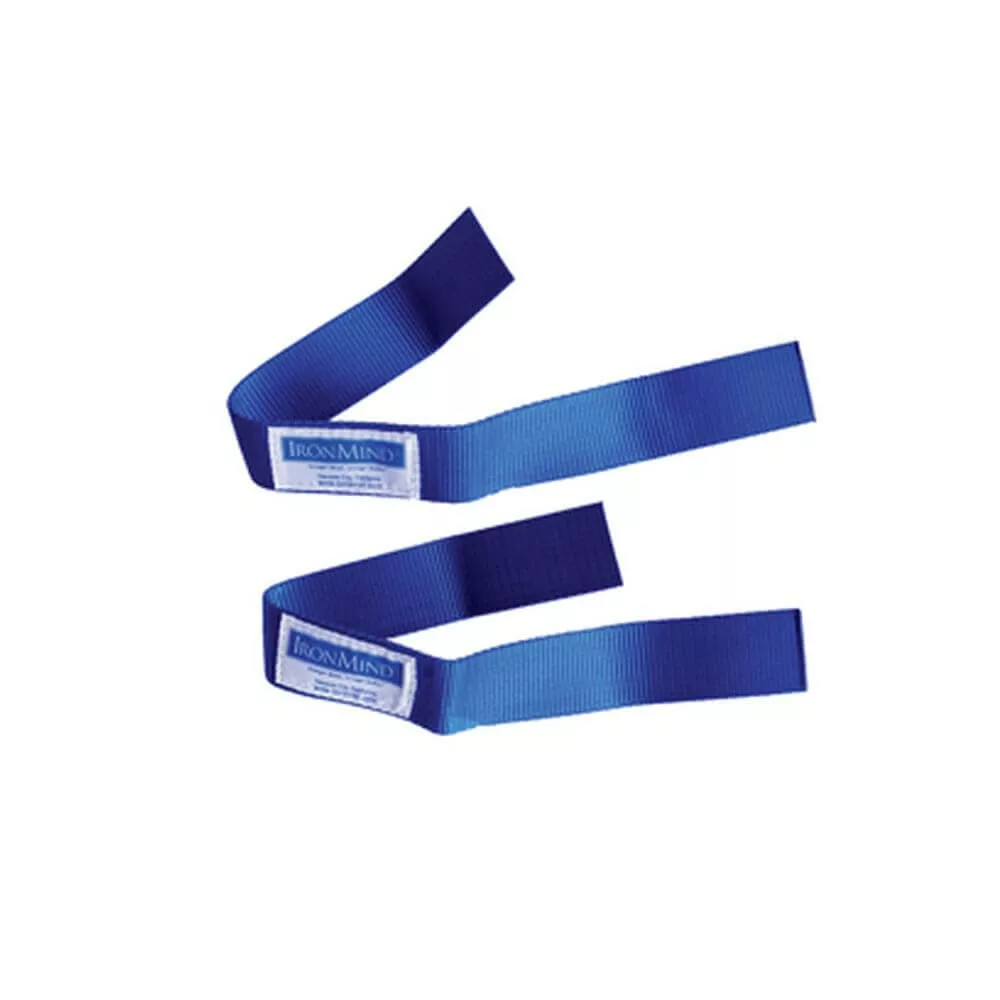
Olympic-Style Lifting Straps: Hard to Use, Epic for Bail Out

The Easiest Lifting Straps To Use: Perfect for Casual Training
The key is intention. Each tool serves a specific purpose, and none should be used as a blanket solution. By choosing the right support based on injury type, training demands, and grip goals, you protect your hands while continuing to develop resilient, capable grip strength over time.
Transitioning Away from Dependence on Tape Without Reinjury
One of the tougher parts after using tape is knowing when your hands are ready to fly solo. Signs your injury is healing include a decrease in pain, improved strength, and a return to normal function. If you’re hitting these milestones, it might be time to scale back your tape use.
Healing isn’t just about the absence of pain: it’s about confidence and control returning to your grip. When your hands feel stable under load and no longer require conscious protection, that’s a strong indicator they’re ready to take on more responsibility. Paying attention to subtle cues, like how your grip holds up across multiple sets, helps guide this transition safely.
Rather than stopping tape cold turkey, ease out of it gradually. Start by reducing the amount of taping or the number of sessions where tape is needed.
This helps your hands adapt to shouldering more load on their own. Gradual exposure allows skin, tendons, and joints to recondition without being overwhelmed. This phased approach mirrors effective grip training principles, progressive loading, and adaptation, making it less likely that old issues resurface as soon as the tape is removed.
Reintroducing full grip loads should be done carefully. Begin with lighter weights or less intensive grip work, then work your way up steadily: this helps in preventing shocks to your hands or any re-aggravation.
Sudden spikes in volume or intensity are common triggers for reinjury. Controlled progression gives your hands time to rebuild tolerance to friction, pressure, and sustained gripping, all of which are essential for long-term grip strength.
Preventing reinjury once the tape is off is all about maintaining good form and listening to your body.
Being proactive about hand care, like moisturizing and managing calluses, helps keep your hands healthy as you fully transition away from relying on tape. Ongoing hand maintenance becomes even more important during this phase. Healthy skin and well-managed calluses reduce friction-related stress, allowing your grip to perform naturally and consistently. By combining awareness, progressive loading, and routine care, you set your hands up to stay strong without needing tape as a crutch.
Fostering Smart, Sustainable Grip Training During Hand Recovery
Athletic tape is a temporary friend on the path to recovery, not a permanent crutch. It allows you to train still while giving your injuries the support they need without pushing your body to the breaking point.
Used this way, tape becomes a tool for sustainability rather than avoidance. It helps you stay engaged in training while respecting the limits of healing tissue, which is essential for maintaining grip coordination and confidence during recovery phases. Balancing injury healing with your performance objectives can be tricky.
The key is not rushing the process, ensuring that you get stronger and wiser without setbacks.
Progress that ignores recovery often leads to cycles of reinjury and frustration. By pacing your return, adjusting volume, and using tools like tape thoughtfully, you protect not just your hands but your long-term ability to train hard and consistently.
Investing in long-term grip health means looking beyond just immediate recovery. Developing habits like proper hand care, staying attentive to pain signals, and being mindful of technique go a long way in preventing future issues.
Grip strength isn’t built solely by loading heavier weights: it’s supported by resilient skin, healthy tendons, and efficient mechanics. Regular callus maintenance, hydration, and technique awareness reduce unnecessary stress on the hands, making injuries less likely to occur in the first place.
Recovery isn’t just about the physical aspect; it’s also a mental game.
Patience and a strategic approach to progressing through your training routine help cultivate a sustainable, strong practice. All these smaller, smart decisions compound to guard the longevity of your grip health. Approaching recovery with intention reinforces trust in your body and your process. When you treat taping as part of a bigger system, rather than a shortcut, you set the foundation for stronger hands, better performance, and grip strength that holds up over time.
Thanks for Stopping By!
Which Taping Methods Have Made a Difference for You?
Share Your Experience in the Comments!