(Last Updated on October 21, 2026 by Henry)
Jumping into a new workout routine can sometimes bring unexpected changes, and noticing calluses forming on your hands might catch you by surprise. When you’re just getting started with weightlifting, grip training, or other activities that require a firm hold, these small patches of hardened skin often appear sooner than expected.
It can feel a little alarming at first, especially if you’ve never trained your hands before. In reality, it’s often your body’s way of adapting and protecting itself as it responds to repeated friction and pressure.
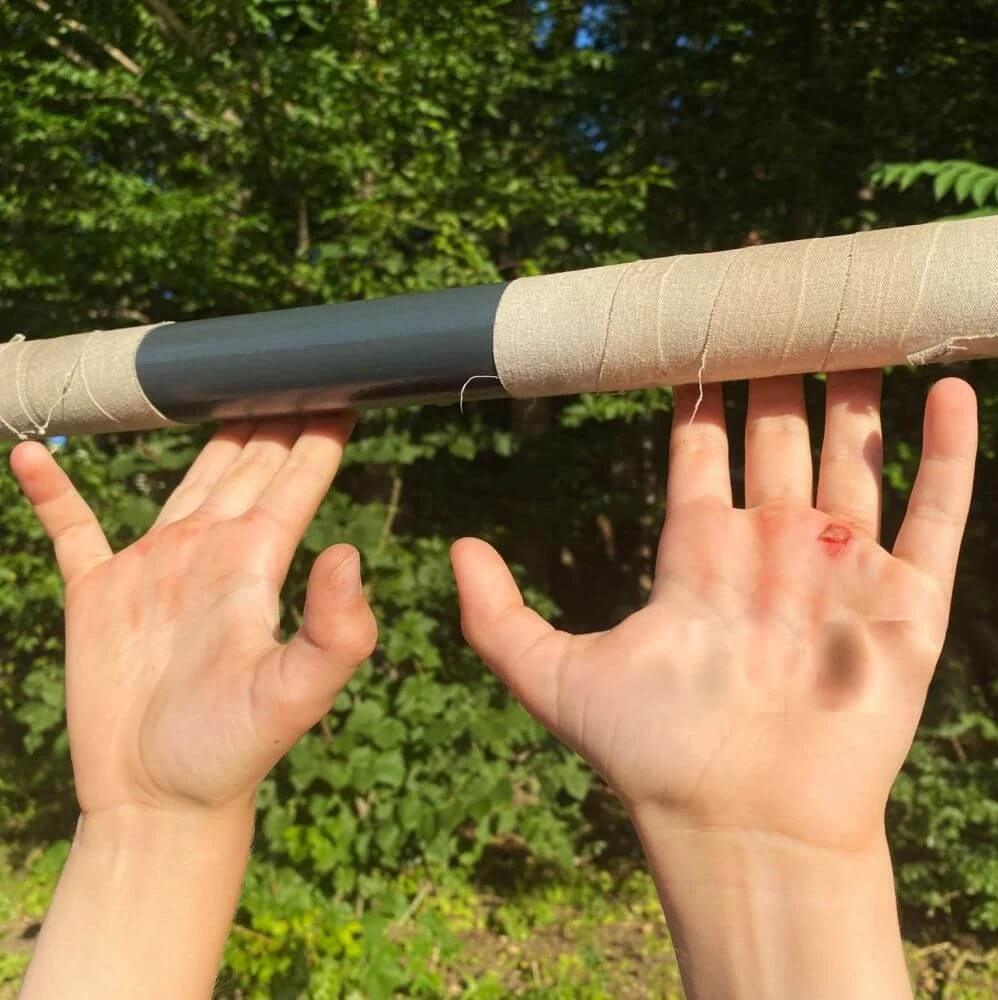
Calluses form when the outer layers of your skin thicken in response to stress. This happens because gripping barbells, dumbbells, pull-up bars, or tools creates consistent pressure in the same areas of your hands.
Over time, your skin reinforces itself to reduce the risk of blisters, tears, and soreness.
While they may look rough or feel unusual at first, calluses are a natural and functional adaptation, especially common among lifters, climbers, and anyone doing regular grip-intensive work.
That said, it’s important to distinguish between healthy callus formation and issues that signal a problem. Calluses should not be painful, cracked, or inflamed.
When managed properly, they remain smooth and protective rather than becoming thick, jagged, or prone to tearing. Understanding this difference early on can help you avoid unnecessary discomfort and keep your hands healthy as your training volume increases.
I want you to feel reassured that developing calluses isn’t a sign that you’re doing something wrong or damaging your hands.
In most cases, it’s a normal part of getting stronger and building resilience. With the right approach to hand care, grip technique, and recovery, calluses can stay under control and even become an asset rather than a nuisance. This guide will walk you through what to expect, how to manage calluses safely, and how to keep your hands comfortable and functional as you continue progressing in your workouts.
What Causes Calluses During Workouts
When you’re diving into a new workout routine, especially one that involves weightlifting, grip training, or frequent hand use, you may start to notice calluses forming on your palms.
This happens because your hands are repeatedly exposed to friction and pressure in the same areas, particularly when gripping barbells, dumbbells, pull-up bars, or machine handles. That repeated contact sends a signal to your skin to protect itself, triggering a natural thickening process in the outer layers.
Certain exercises are far more likely to cause calluses than others. Movements like pull-ups, deadlifts, kettlebell swings, rows, and farmer’s carries place a heavy demand on your grip.
During these lifts, your hands are not only supporting weight but also resisting movement, which increases friction across the palm and fingers. Over time, this repeated stress creates those familiar hardened patches of skin.
It’s not just the type of exercise that matters; frequency plays a major role as well.
Beginners often train with high enthusiasm, sometimes performing grip-heavy movements multiple times per week. While the muscles may still be adjusting to the workload, the skin often adapts faster. As a result, calluses can appear quickly, sometimes within the first couple of weeks of consistent training.
Interestingly, the skin’s adaptation curve is usually faster than muscular adaptation.
Your body prioritizes protecting exposed areas, so the skin thickens before your grip strength or forearm endurance fully develops. Training frequency amplifies this effect: the more often your hands experience pressure, the quicker the skin learns to tolerate it.
However, pushing too hard without allowing time for recovery, both for your skin and your muscles, can lead to discomfort, excessive thickening, or even painful tears.
While it’s fascinating to see how quickly the body responds, patience still matters. Giving your hands time to adjust, using proper grip technique, and allowing recovery between sessions helps ensure that calluses stay manageable rather than problematic.
With a thoughtful approach, these changes become part of the natural adaptation process, and over time, those calluses can shift from being an annoyance to a quiet sign of progress and consistency.
Are Calluses a Good or Bad Thing?
Calluses often stir mixed feelings when they first appear. On one hand, they serve an essential protective role for your hands.
These hardened areas of skin absorb much of the friction and pressure created during training, acting as a natural shield against blisters, raw spots, and surface-level soreness. For anyone who regularly grips barbells, dumbbells, pull-up bars, or kettlebells, this protective layer can make repeated training far more tolerable.
In this sense, calluses are doing exactly what they’re supposed to do. By reinforcing vulnerable areas of the palm and fingers, they help distribute pressure more evenly across the skin. This can improve comfort during longer sessions and allow you to maintain a secure grip without constantly worrying about painful hotspots developing mid-workout.
Problems tend to arise when calluses are left unchecked and begin to grow excessively.
When the skin thickens too much, it can create raised edges that catch on bars or handles during lifts. This increases the risk of painful callus tears, which can interrupt training and take time to heal. Overgrown calluses may also reduce tactile feedback, making certain movements feel less controlled or natural.
There’s also a common misconception that calluses automatically mean you’re doing something wrong in your workouts.
In reality, their presence alone isn’t a sign of poor form or bad habits. While inefficient grip technique, worn equipment, or overly aggressive volume can contribute to excessive buildup, calluses themselves are simply evidence that your hands are adapting to repeated mechanical stress.
Having a moderate amount of callus development is not only normal but often beneficial. Well-managed calluses can enhance grip security, reduce skin irritation, and support consistent training.
The key lies in balance, allowing your hands to build protection while preventing excessive thickening. When properly cared for, calluses become a functional part of training rather than a limitation, helping you lift, pull, and carry with greater confidence and comfort.
Where Calluses Usually Form on the Hands
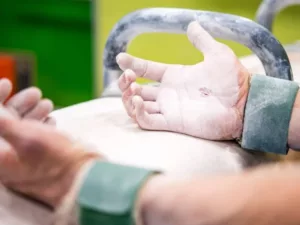
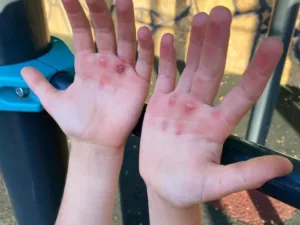
Calluses typically form in the areas of the hand that experience the most consistent friction during training. When you regularly lift weights, use gymnastic rings, or perform grip-intensive movements, callus development most often appears on the palms, especially at the base of the fingers.
These contact points are where barbells, dumbbells, pull-up bars, and handles rest during gripping, prompting the skin to gradually thicken as a protective response.
Interestingly, the specific placement of calluses can reveal useful information about your grip mechanics.
Calluses that form deeper in the palm may suggest that the bar is sitting too far back in the hand. This “deep grip” increases friction as the bar shifts during movement, often leading to larger or more uneven calluses. Adjusting the grip so the bar rests closer to the base of the fingers can reduce unnecessary rubbing while improving control and efficiency.
On the other hand, calluses that appear closer to the fingers often indicate a higher grip position.
This is common among experienced lifters and athletes who aim to minimize bar movement and skin shear. While this placement is generally more efficient, it can still lead to callus buildup if volume and intensity are high, especially during pulling movements.
It’s also completely normal to see differences in callus location and size from one person to another. Hand shape, finger length, skin thickness, and even training history all influence how pressure is distributed during gripping tasks. Two people performing the same exercise may develop calluses in slightly different areas simply because their hands interact with the equipment differently.
Paying attention to where calluses form can improve both comfort and long-term hand health.
By noticing patterns and making small grip adjustments, you can reduce excessive stress on specific areas of the palm and fingers. This awareness helps lower the risk of painful tears, improves grip efficiency, and allows your hands to adapt in a more controlled and sustainable way as training continues.
How Much Callus Is Too Much
Recognizing when a callus has become too thick is an important part of maintaining healthy, functional hands during training.
While some degree of callus formation is both normal and helpful, excessive buildup can shift from being protective to becoming a liability. A well-managed callus should shield your skin from friction without interfering with movement or comfort.
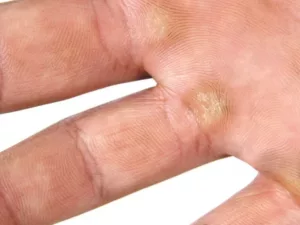
Healthy calluses tend to be relatively smooth, flat, and flexible. They move naturally with the skin and don’t draw much attention during lifts or daily activities.
Problems begin when calluses thicken unevenly or develop raised edges.
At that point, they may reduce hand flexibility, alter how the bar sits in your grip, or create pressure points that feel uncomfortable during training.
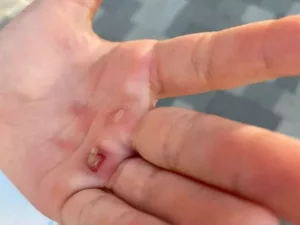
Overgrown calluses are more likely to catch on bars, rings, or handles, especially during dynamic movements like pull-ups, deadlifts, or kettlebell swings. This catching increases the risk of tearing, which can be painful and disruptive. A ripped callus often forces you to modify or pause training while the skin heals, creating an avoidable setback in consistency.
Clear warning signs that a callus needs attention include persistent tenderness, cracking, dryness, bleeding, or a sensation that your hand is snagging during lifts.
Any discomfort that alters how you grip or makes you hesitant during movements is a signal worth listening to. These signs don’t mean you need to stop training entirely, but they do indicate it’s time to intervene.
Calluses are easy to overlook when your focus is on strength, technique, or performance, but routine awareness goes a long way. Regularly checking your hands, keeping calluses smooth, and addressing issues early can prevent unnecessary pain and interruptions.
With a little attention, calluses can remain a useful adaptation rather than becoming an obstacle, allowing your hands to support your training rather than slow it down.
Basic Hand Care for Beginners
Taking care of your hands after training can make a noticeable difference in how calluses develop and how comfortable your workouts feel over time.
A simple post-workout routine helps keep the skin healthy and ensures calluses remain protective rather than problematic. When managed properly, they support your training instead of becoming a source of irritation.
Washing your hands shortly after a workout is a smart first step.
Removing chalk, sweat, dirt, and bacteria helps reduce skin irritation and lowers the risk of small cracks becoming inflamed. A gentle scrub, nothing aggressive, can also help smooth rough edges and prevent calluses from building unevenly. This small habit alone can go a long way in maintaining hand comfort.
Moisturizing plays a bigger role than many people realize.
While it may seem counterintuitive to hydrate thickened skin, keeping your hands moisturized helps prevent calluses from becoming brittle and cracking. Dry, rigid calluses are far more likely to tear during training. Using a quality hand cream supports skin elasticity, allowing calluses to flex naturally while still offering protection during gripping movements.
Light maintenance is often all that’s needed.

SandBar Callus Remover: Grip-Friendly Hand Care for Lifters

Razor Sharp Callus Shaver to Maintain Grip Health?

60% Urea Cream: An Aggressive Solution for Serious Skin Damage?
Using a pumice stone or similar tool occasionally helps reduce excess thickness, especially when calluses start to feel bulky or raised. This doesn’t need to be done daily; checking your hands a few times per week is usually enough to stay ahead of potential issues without overdoing it.
Ultimately, managing calluses is about consistency, not perfection.
By incorporating a few easy habits into your post-workout routine, you help your hands adapt in a healthy, sustainable way. With regular care, calluses can remain a helpful adaptation that supports your training rather than something that distracts from it, keeping your focus where it belongs: on progress, performance, and long-term hand health.
Common Beginner Mistakes That Worsen Calluses
Calluses can be a positive sign that your hands are adapting to new demands, but certain habits can turn them from helpful protection into an ongoing nuisance if you’re not careful.
One of the most common issues is gripping the bar too deeply in the palm during lifts.
While this may initially feel more secure, it increases friction as the bar shifts during movement, encouraging larger, uneven calluses to form. Learning to position the bar closer to the base of the fingers can reduce skin shear and improve overall grip efficiency.
Another frequent mistake, especially among beginners, is ramping up training volume too quickly.
Excitement and motivation can lead to frequent, grip-heavy sessions before the skin has time to adapt. When calluses develop faster than your hands can tolerate, discomfort and irritation often follow. Gradual progression allows both your muscles and your skin to strengthen together, reducing the likelihood of painful setbacks.
Chalk use is another area where balance matters. Chalk can be incredibly useful for improving grip security, particularly during heavier lifts or longer sets.
However, overuse can dry out the skin, making calluses more rigid and prone to cracking or tearing. Without proper hand care afterward, chalk-related dryness can quickly turn manageable calluses into a problem.
Skipping hand maintenance altogether is another overlooked factor. Neglecting simple habits like moisturizing allows calluses to harden excessively, increasing the risk of splits and tears. Dry, brittle skin doesn’t flex well under load, which is why hydration and routine care play such an important role in long-term hand comfort.
There’s also a common mindset of pushing through pain in the name of toughness or progress.
While training can be challenging, pain in the hands, especially sharp discomfort, catching, or tearing sensations, is a signal that something needs attention. Ignoring these cues can lead to ripped calluses or even infections, forcing you to scale back training far more than if you had addressed the issue early.
By staying mindful of these common pitfalls, you can keep callus development under control and your hands in good working condition.
Small adjustments in grip technique, training volume, and hand care habits make a meaningful difference. When managed well, calluses remain a supportive adaptation, allowing you to train consistently, comfortably, and with confidence as you work toward your fitness goals.
When Beginners Should Adjust or Take a Break
Beginners especially benefit from learning when to adjust training or briefly step back to allow the hands to recover.
Early signs that your hands need a break include persistent tenderness, redness, cracking, or a sensation that the skin is catching during lifts. These signals are different from normal post-workout soreness, which usually feels like mild stiffness or sensitivity and fades within a day or two. Skin-related issues tend to feel sharper, more localized, and may worsen with continued gripping.
It’s important to recognize that modifying training doesn’t mean quitting altogether.
Reducing volume, rotating away from grip-heavy exercises, using lighter loads, or temporarily incorporating straps for certain lifts can give your hands time to heal while keeping you active.
You can also shift focus to lower-body or machine-based movements that place less stress on the palms.

Fantastic General-Purpose Lifting Straps with Proven Results

Olympic-Style Lifting Straps: Hard to Use, Epic for Bail Out
If discomfort persists despite these adjustments, or if you notice open cracks, bleeding, or signs of infection, seeking guidance is a smart move. A coach, physical therapist, or medical professional can help identify whether technique, volume, or recovery habits need refinement, ensuring your progress continues without unnecessary setbacks.
Conclusion: Calluses Are Normal, Managing Them Is the Key
Calluses are a normal and expected part of grip-based training, especially when you’re new to lifting or other hand-intensive activities.
They’re simply your body’s way of adapting to repeated friction and load, helping protect the skin as your strength and tolerance increase. Understanding this early on removes unnecessary worry and allows you to view calluses as a sign of progression rather than a problem.
What matters most is learning how to manage them properly from the start.
Simple habits like paying attention to grip technique, monitoring callus thickness, and maintaining basic hand care can prevent small issues from becoming painful setbacks. These practices don’t take much time, but they make a meaningful difference in comfort and training consistency.
Patience is a key part of the process. Just as muscles need time to grow stronger, your skin needs time to adapt.
Consistent training paired with thoughtful recovery allows calluses to develop in a controlled, useful way rather than becoming excessive or damaging.
For beginners, the presence of calluses is reassurance that you’re doing the work and your body is responding. By staying mindful and proactive, you’re setting yourself up for long-term progress, stronger hands, better grip, and a smoother, more enjoyable training journey ahead.
Thanks for Stopping By!
Have You Noticed Calluses Forming During Your Workouts?
Share Your Experience in the Comments!