(Last Updated on May 30, 2026 by Henry)
Calluses have a fascinating double role for anyone hitting the gym hard. They stand as a testament to dedication and tough workouts. Many see them as proof of commitment, a sign that one’s really pushing limits.
But there’s a balance to maintain, or they might backfire on performance.
In grip-intensive training, especially strength sports and resistance workouts, this balance becomes even more important because the hands are the primary connection point between your body and the load.
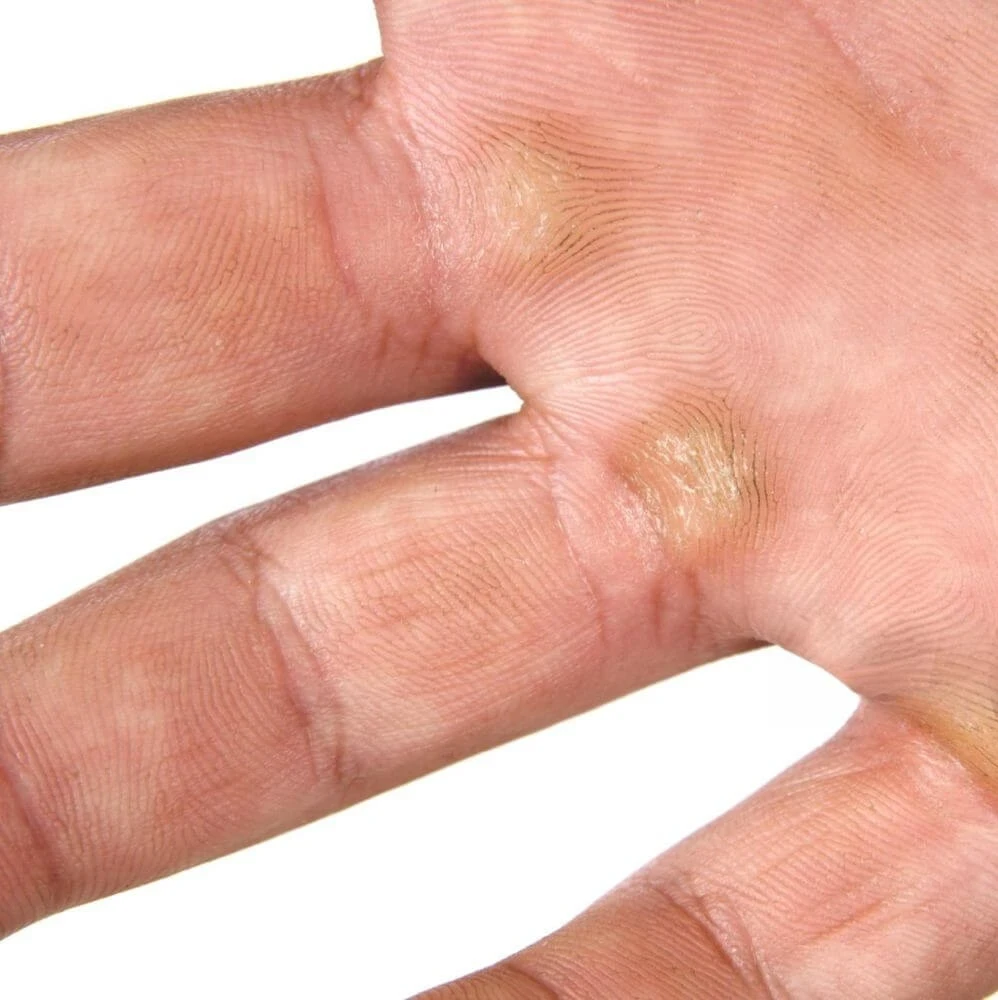
Functional calluses act like a built-in protective layer. They shield your skin from friction and pressure, the constant companions of intense lifting sessions.
This tailored skin armor can make all the difference between getting through sets injury-free or dealing with painful blisters.
For lifters focused on improving grip strength, these protective adaptations allow for more consistent bar contact, better load tolerance, and fewer interruptions in training due to skin irritation.
However, when calluses grow too thick or become uneven, they turn problematic. This shift impacts how effectively you can grip bars or weights.
A too-thick callus can unexpectedly peel or tear mid-lift, not only hurting the skin but also disrupting your lift. Torn calluses don’t just cause discomfort: they can immediately compromise grip security, force missed reps, and even increase injury risk if a bar slips unexpectedly.
Balancing callus care is crucial for maintaining grip strength and effectiveness.
By managing how they form and wearing them well, you ensure a smoother connection between your hand and the bar. This might seem minor, but seasoned lifters know it’s a game-changer when striving for peak performance. Proper callus management supports stronger crush grip, better bar control, and more confident pulling mechanics across lifts like deadlifts, rows, and pull-ups.
Advanced trainees have much to gain by mastering this balance. By understanding how calluses help or hinder, one can tweak training to not just protect the skin but also enhance overall grip function. This insight transforms calluses from a potential liability into a trustworthy ally in pursuing strength goals. When approached correctly, callus care becomes an extension of grip training itself, supporting durability, consistency, and long-term progress.
The Grip-Boosting Power of Calluses
Calluses offer a surprising upgrade to grip performance, turning skin into a resilient barrier against the relentless friction and pressure of heavy lifting.
This layer of toughened skin makes a big difference in how comfortably your hands handle intense workouts. In grip-heavy movements like deadlifts, pull-ups, rows, and carries, this added durability helps maintain consistent contact with the bar, which is essential for developing reliable grip strength.
Without calluses, every lift can feel more like a battle with discomfort instead of a focused effort on strength. With these protective layers, your hands can manage high-volume reps and heavy loads without the frustrating irritation that can sometimes derail a good session.
This means fewer distractions during training and more energy devoted to proper technique, force production, and grip engagement rather than pain management.
Consistency is crucial in training, and this is where calluses shine. They minimize skin issues that can sideline your efforts.
By maintaining healthy calluses, you reduce the likelihood of annoying blisters that could set you back. Fewer interruptions translate into more consistent exposure to grip stress, which supports long-term improvements in hand strength, endurance, and overall grip resilience.
There’s also a mental boost to consider. The presence of calluses can be a subtle confidence booster.
Knowing your hands are more equipped to handle the strain removes a common mental barrier, allowing you to focus purely on pushing limits and achieving goals. This confidence matters when tackling heavier weights or longer sets, reinforcing trust in your grip and helping you train with greater intent and control.
When Calluses Start to Hurt Grip Strength
Calluses, while beneficial in many ways, can turn against your grip when not properly managed.
When they get too thick, they can mess with how your grip naturally functions. This might mean you’re no longer holding the bar with optimal efficiency, potentially leading to slips or awkward hand positioning. Over time, these subtle changes can interfere with proper grip mechanics and reduce your ability to apply force evenly through the fingers and palm.
Excessively thick calluses aren’t just a cosmetic issue.
They increase the risk of tearing, especially during high-intensity or dynamic lifts. A tear isn’t just painful; it can interrupt a session or even knock you off your training schedule for a while. Torn calluses often force lifters to modify workouts or avoid pulling movements altogether, which can slow progress in grip strength development and overall training consistency.
Another downside of thick calluses is reduced contact and feedback from whatever you’re gripping.
Great grip strength relies on feeling and adjusting to the object in your hand, whether a barbell or pull-up bar. Thick patches of skin can dull these sensations, making each repetition less controlled and more taxing. This reduced sensory feedback can negatively affect bar control, timing, and confidence during heavier or more technical lifts.
Lastly, endurance can take a hit as discomfort sets in during longer workouts. It’s frustrating to be limited not by muscle fatigue but by hand pain. Being proactive about callus management is key.
A good routine keeps calluses at a functional level while avoiding these pitfalls. By maintaining smooth, even calluses, you support better grip endurance, improved comfort, and more efficient training sessions over the long term.
Calluses and Grip Mechanics: Finding the Balance
How you hold the bar directly influences where calluses form on your hands. Different grips can lead to different callus pressure points, impacting how efficiently you can handle weights. Small variations in hand placement can shift friction to new areas, which over time affects not only skin adaptation but also overall grip mechanics and comfort.
With thick calluses, the feel of the bar in your hands changes significantly.
This alteration can disrupt your grip patterns, such as the crush, support, and pinch grips. It’s essential to recognize these changes to maintain effective control. When the skin interferes with natural contact, your hands may compensate unconsciously, leading to less stable or less efficient gripping strategies.
Crush grip, vital for general hand strength, can suffer if calluses prevent full contact with the bar. Similar issues can arise with support and pinch grips, affecting consistency and stability during lifts. This can be especially noticeable during longer sets or heavier pulls, where maintaining secure contact is critical for both performance and safety.
Fine motor control, or the subtle adjustments your fingers make during exercises, can be impacted by calluses, too. Overly thick ones might hinder your ability to fine-tune grip pressure, which can be critical in lifting safely under heavy loads.
Losing this precision can increase fatigue and raise the risk of grip failure during demanding movements.
Pay attention to these shifts and think about adjusting your grip or working on callus maintenance. It can make a big difference in how well you perform and protect your hands. By keeping calluses functional rather than excessive, you preserve natural grip feedback, improve bar control, and support long-term grip strength development.
Managing Calluses for Optimal Performance: Your Essential Guide
Keeping calluses at an even, low-profile level is crucial for balancing protection and performance. A steady routine of maintenance can help ensure that calluses serve you rather than hold you back. When calluses stay smooth and controlled, they enhance grip security by reducing friction spikes that interfere with bar contact and hand positioning.
Timing is everything when it comes to care.
Consider your training cycles when planning callus management. Avoid aggressive upkeep right before heavy or high-stress sessions, as this can leave skin vulnerable. Strategic timing allows your skin to recover and adapt, preserving grip strength during demanding lifts like deadlifts, pull-ups, and Olympic movements.
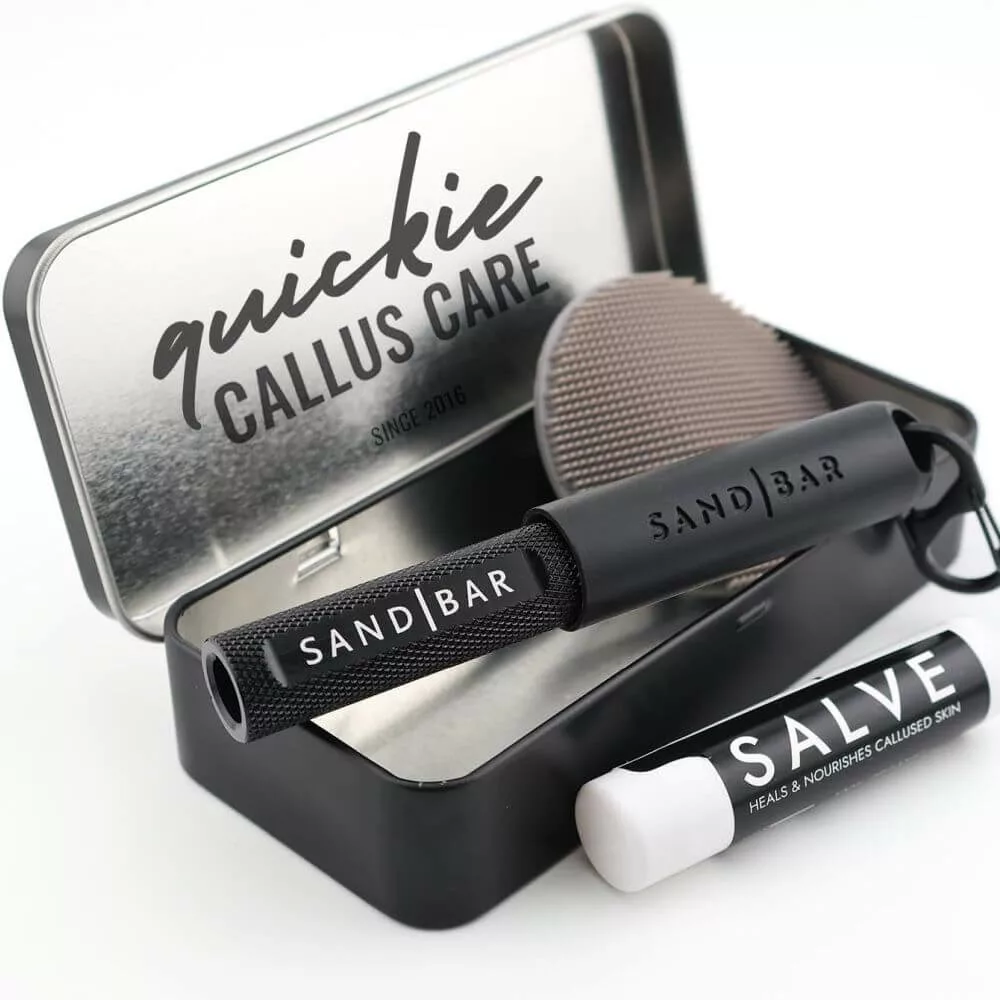
SandBar Callus Remover: Grip-Friendly Hand Care for Lifters

Razor Sharp Callus Shaver to Maintain Grip Health?

60% Urea Cream: An Aggressive Solution for Serious Skin Damage?
Over-removal is a common pitfall. While it’s tempting to smooth out rough patches aggressively, this can leave your hands raw.
Striking the right balance with a consistent maintenance approach often works better. Removing too much skin reduces your natural grip protection and may increase sensitivity, making it harder to maintain a confident, stable hold under load.
Opt for a gradual approach by integrating manageable care steps regularly. A pumice stone, moisturizing, and protective tapes are your allies. These tools can help maintain calluses without risking a setback.
When used correctly, they support long-term hand durability, improve grip endurance, and help you train consistently without interruptions caused by torn skin.
Training Adjustments to Reduce Skin Stress
Switching up your grip styles and the tools you use in training can significantly reduce skin stress.
Altering your approach not only spreads pressure variations but also helps preserve callus integrity. Rotating between overhand, hook grip, mixed grip, and neutral handles shifts friction points across the palm, preventing excessive buildup in a single area and supporting healthier callus formation.
Managing workout volume is also key, especially during peak training phases. While it might be tempting to push through, being smart about how much stress you put on your hands can prevent unnecessary wear and tear.
High-rep pulling movements, frequent barbell work, and long hanging sessions compound skin fatigue, which can undermine grip endurance and recovery if not managed properly.
Strategic use of straps or alternate grips can give your skin a needed break without compromising your grip development. Employ these sparingly to ensure you’re still building hand strength while protecting your skin. Using straps during top sets or high-volume accessories can reduce friction while allowing you to continue training your forearms, fingers, and supporting grip muscles effectively.
Adjusting your training approach allows you to maintain hand health alongside grip gains.
A thoughtful strategy can enhance overall performance, keeping your hands in top condition as you push your limits. When grip training, volume control, and skin management work together, you create a sustainable system that supports long-term strength progress without constant setbacks from torn calluses or hand pain.
Calluses Across Different Sports and Activities
Every sport and physical activity puts unique demands on your hands, leading to different callus patterns. Lifting weights is not the same as rock climbing or manual labor in terms of how your skin is stressed and conditioned.
Barbell training concentrates pressure across the palm and finger base, while activities like climbing, gymnastics, or kettlebell work shift stress toward the fingers, pads, and friction-heavy contact zones.
Each discipline requires a tailor-fit approach to callus care.
Lifting might demand focus on pressure points that match bar grips, while climbers often see concentrated stress on finger edges.
For grip-focused training, such as deadlifts, farmer’s carries, or pull-ups, maintaining smooth, low-profile calluses in high-contact areas becomes essential for both comfort and grip efficiency.
The grip demands across these activities mean that generic callus advice can fall short.
Customizing care to match your specific training activities ensures better hand health and performance. Athletes training grip strength directly must balance skin durability with tactile feedback, since excessive callus buildup can interfere with bar control, grip endurance, and fine motor adjustments during heavy or technical lifts.
Understanding the diversity of callus issues across different sports highlights why personalized strategies are necessary. Tailored care plans should reflect the unique wear and tear each activity imposes. When your callus management aligns with your grip training style, you support stronger hands, better bar connection, and long-term progress without recurring skin setbacks.
Signs Your Calluses Are Affecting Performance
Recurring tears or persistent pain in the hands can be clear signals that your calluses need attention. Don’t ignore these warning signs, as they may indicate that your skin’s resilience is compromised.
In grip-intensive training, damaged or poorly maintained calluses often fail before the muscles do, cutting sessions short and limiting progress in exercises that rely on sustained hand strength.
If you notice your grip slipping under load or feeling discomfort during exercises that shouldn’t cause stress, it might be time to re-evaluate your callus management. Such experiences usually point to underlying friction issues. Uneven callus buildup can change how the bar sits in your hand, increasing movement and friction, which directly interferes with grip stability and efficient force transfer.
Avoidance of certain exercises due to hand discomfort shouldn’t become the norm.
If you catch yourself skipping workouts because of how your hands feel, it’s essential to intervene with suitable maintenance or rest. Grip training should challenge your strength and endurance, not force you to work around preventable skin pain that slows consistency and long-term adaptation.
Knowing when to step in with proactive care can make a substantial difference in your training routine. Rather than pushing through, taking a break or adjusting maintenance routines can help restore your calluses to a healthy state. Addressing issues early keeps your hands resilient, supports stronger grip performance, and allows you to train with confidence instead of constantly managing setbacks.
Conclusion: Strong Grip, Healthy Hands
Cultivating a balance between callus development and management is critical to preserving both hand health and grip strength.
This balance allows you to maximize your performance across varying activities without the setbacks of hand-related discomfort. When calluses are kept functional rather than excessive, they enhance friction control, improve bar contact, and support consistent grip output across heavy lifts, endurance sets, and static holds.
A proactive approach to callus care not only supports ongoing performance but also promotes long-term durability of your hands, essential for sustaining high levels of activity over time. Regular maintenance helps your skin adapt alongside your grip strength, reducing the likelihood of tears, blisters, and forced training interruptions that can stall progress.
By framing callus care as an integral part of your overall training strategy, you reinforce the value of maintaining healthy hands.
Consider this care as an investment towards achieving stronger, more confident grips year after year. Just as structured programming builds strength, intentional hand care preserves the foundation that allows grip performance to continually improve without unnecessary setbacks.
Thanks for Stopping By!
How Do You Protect, Maintain & Maximize Your Grip?
Share Your Experience in the Comments!