(Last Updated on May 30, 2026 by Henry)
Intermittent fasting (IF) has captured the attention of fitness enthusiasts and health-conscious folks worldwide. The approach is about timing your meals to boost health benefits, and it’s now being explored for its impact on physical performance, including grip strength and hand muscles.
Beyond fat loss and metabolic health, many athletes are now asking how intermittent fasting affects strength endurance, recovery, and smaller muscle groups that are often overlooked in mainstream training discussions.
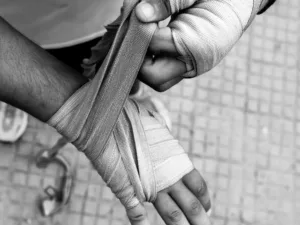
Grip strength isn’t like dealing with your legs or biceps. Hands and forearms put up with constant daily use, often getting worn down before evening hits.
They’re small muscle groups with a unique job, needing special care to stay in peak condition.
From typing and carrying groceries to lifting weights or hanging from a bar, your grip muscles rarely get true downtime, which makes nutrition timing especially relevant for their recovery and resilience.
Questions have popped up: Can fasting weaken your grip, or might it help you recover better? This curiosity stems from how meal timing can mess with or even help improve how strong and enduring your grip can be.
Since grip strength depends heavily on glycogen availability, tendon health, and nervous system efficiency, even subtle changes in fueling patterns could influence performance, especially during long training days or high-volume grip work.
Eating schedules might influence hand function in unexpected ways. Adjusting when and how you refuel could help not just with strength but also with keeping those hand muscles from waving a white flag after a long day.
Strategic nutrient timing during feeding windows may support forearm endurance, reduce fatigue, and improve overall grip consistency across workouts and daily tasks. To get a grip, pun intended, on how IF can actually work for your hands, it’s essential to understand the ins and outs of this popular lifestyle tweak, particularly how fasting and feeding cycles interact with grip training demands, recovery needs, and long-term hand health.
Understanding Intermittent Fasting Basics
Intermittent fasting (IF) revolves around when you eat, not necessarily what you eat, and it’s become a go-to strategy for many looking to shake up their health and performance routine.
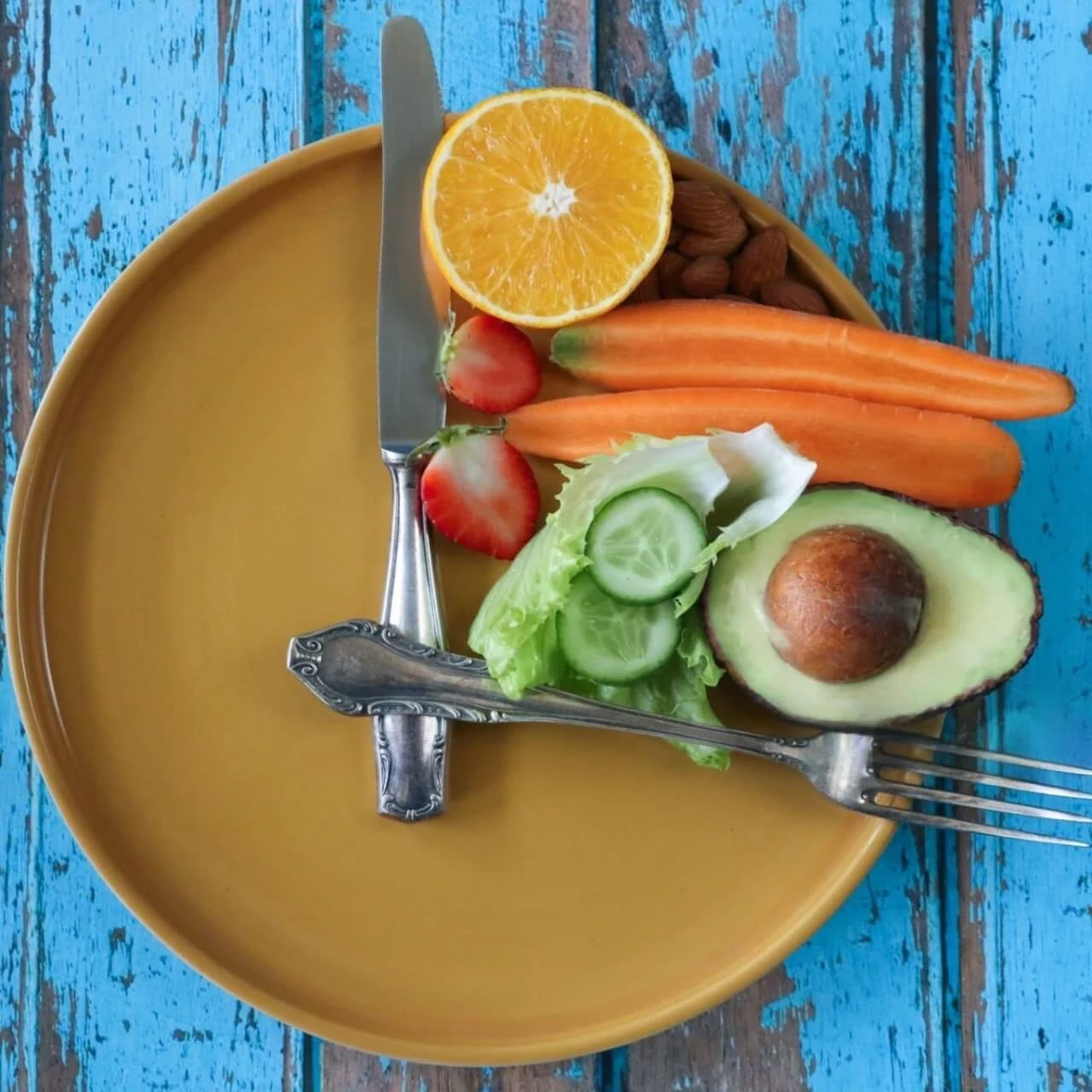
There are a few popular ways to do it. The 16:8 method means you’re fasting for 16 hours and eating during an 8-hour window. Others might go for something like 18:6 or even just having one meal a day (OMAD). Some folks alternate fasting days with eating days. Each of these approaches changes how often your body receives nutrients, which can subtly influence muscle recovery, energy levels, and training output, including grip-focused work.
Now, don’t confuse IF with caloric restriction. While both might mean fewer calories at times, IF focuses more on meal timing.
The idea is that during the fasting period, your body relies on stored energy, possibly enhancing fat metabolism and maybe even affecting how you train or recover. For grip training in particular, this shift in fuel usage may influence forearm endurance, tendon recovery, and how well your hands tolerate repeated stress throughout the day.
Different groups are drawn to IF for different reasons. Athletes and lifters might look to IF to help trim down without losing muscle, while the general population might use it to try to boost overall health or simplify their eating habits. Grip-focused athletes, such as lifters, climbers, or those doing manual work, often fall somewhere in between, wanting fat loss or metabolic benefits without sacrificing hand strength or training consistency.
Understanding energy availability is key here. When you’re fasting, your body taps into stored energy.
This can have mixed effects on performance, though. Some people find they have enough fuel for a workout even without food, while others might struggle without that immediate energy boost. Because grip muscles are smaller and fatigue faster than larger muscle groups, low energy availability may show up sooner in the hands, forearms, and connective tissues than in major lifts. All in all, whether you’re thinking about IF for performance or just health, it’s critical to see how your body responds.
What works for one person might not work for another. Keep an eye on how you feel during fasts and adjust as needed.
Paying attention to grip strength consistency, hand fatigue, and recovery between sessions can offer valuable clues about whether intermittent fasting supports or hinders your ability to improve your grip over time.
Why Grip Strength & Hand Muscles Have Unique Recovery Demands
Grip strength and the muscles in your hands aren’t just smaller versions of the bigger muscle groups, like your legs or back. They have their own unique challenges due to the high frequency and demands of daily use. From typing away at your computer to carrying groceries home, these muscles work overtime, often without giving them much thought.
This constant low-level workload means your grip muscles are rarely fully “fresh,” even before you start training.
Unlike larger muscles, which can enjoy longer rest periods between heavy lifts, the hand and forearm muscles don’t get the same luxury, making their recovery needs more specific and demanding.
Their role is less about powering through weights and more about endurance and finesse. Grip strength relies heavily on sustained contractions, coordination, and the ability to resist fatigue, qualities that can be sensitive to energy availability and recovery timing.
Connective tissue health plays a massive part in grip performance, too. The tendons and ligaments in your hands and wrists are constantly stretch-tested.
Keeping these tissues in top shape is vital for maintaining grip strength and overall hand function. Unlike muscle tissue, tendons adapt more slowly and depend heavily on adequate nutrients, hydration, and recovery signals to stay resilient under repeated load.
Fasting can add another layer to consider. The response of these muscle groups to fasting might not match how your bigger muscles react. There’s potential that how fasting affects your body’s resources could influence your grip strength, either positively or negatively.
Reduced glycogen availability, shifts in hydration, or delayed nutrient intake may show up first as decreased hand endurance or grip fatigue. Keeping an eye on tendon health and recovery can help prevent any fasting-related downturns and ensure your grip continues to progress alongside your overall training goals.
Intermittent Fasting and Its Impact on Muscle Strength
Understanding how intermittent fasting affects muscle strength means acknowledging that your body changes how it manages protein synthesis when you’re not eating. Protein synthesis, the process by which your muscles repair and grow, can be influenced by when you get your nutrients. For grip strength, this matters because the small muscles of the hands and forearms rely on frequent repair due to constant daily use and repetitive loading during training.
Fasting might make you worry about losing strength, especially if you’re cutting calories too much.
While your body can adapt to using alternative energy sources, not having those regular boosts of food energy might make a difference in your performance levels, at least initially. Grip-heavy exercises often expose this sooner than big compound lifts, as reduced energy availability can show up as faster hand fatigue or weaker holds.
For grip strength, things like glycogen availability and neural drive play into how fast and firm you can hold onto something. When glycogen stores drop during fasting, your muscles may lose some of the usual oomph, impacting how effective your grip is. This can affect sustained holds, high-rep pulling movements, and even fine motor control, especially later in the fasting window.
There’s a clear distinction between short-term fasting, which might not hurt your muscle strength, and more prolonged periods of under-eating or calorie cutting.
Consistency in providing your muscles with the right nutrients at the right time can help mitigate any potential downsides of fasting. For grip performance, this often means prioritizing protein intake and strategic refueling around training sessions. It’s about finding that balance to maintain strength while reaping the supposed benefits of not eating for certain periods.
Potential Benefits of Intermittent Fasting for Grip & Hand Health
Intermittent fasting isn’t just about shedding a few pounds; it might help reduce inflammation across your body, including joint stress relief, which could benefit your hands and forearms.
For people using their grip all day, less inflammation means less wear and tear in the long run.
Reduced joint irritation in the wrists and fingers may support smoother movement patterns and less stiffness during both training and everyday tasks. There’s also talk about improved insulin sensitivity with IF. This improvement helps your body better manage blood sugar levels, potentially aiding efficient recovery after demanding tasks. For grip-intensive work, better nutrient uptake may support faster replenishment of muscle energy and improved recovery of hand and forearm tissues between sessions.
Autophagy, a process where your body eats up outdated or damaged cells, will kick in during fasting. This cleanup process might be beneficial for tissue repair, keeping your hand muscles and connective tissues in top condition.
Healthy tendons and ligaments are essential for maintaining long-term grip strength, especially when training involves repetitive squeezing, hanging, or pulling motions.
Mental clarity is another touted benefit of fasting. Some say not worrying about meals helps concentrate better. If you’re into activities that require dexterous skill and focus, this might give an edge, along with less body weight stressing your joints. Improved focus can translate into better grip control, cleaner technique, and fewer mistakes during complex or high-load movements.
Though intermittent fasting offers neat perks, everyone’s experience isn’t the same.
What’s a boost for one person might not work as well for the next. Striking the balance between fasting’s potential benefits and your unique body responses can be key to maximizing hand health. Paying attention to grip performance, recovery speed, and joint comfort helps determine whether intermittent fasting truly supports your long-term grip strength goals.
Potential Drawbacks & Risks for Grip Performance
Intermittent fasting carries its perks, but it doesn’t come without potential pitfalls, especially for grip strength. Not getting enough protein during your eating windows can lead to muscle loss, which isn’t what you want if you’re aiming to maintain or improve your grip.
The small but critical muscles of the hands and forearms rely heavily on consistent protein intake to repair micro-damage caused by frequent gripping, squeezing, and load-bearing activities.
Reducing training intensity might seem like a temporary sacrifice, but during longer fasting periods, this could affect how you build and maintain strength. Your muscles, including those vital for grip, need enough stimulation and nutrients to thrive. If fasting leads to under-fueling, grip endurance, crush strength, and support grip can all take a hit, even if larger muscle groups appear unaffected.
Without proper nutrition, the risk of injury increases, particularly if recovery isn’t prioritized.
This concern goes double for those whose grip strength is non-negotiable in their daily lives, such as climbers, lifters, and manual workers, where a slip in performance could lead to more than just a minor inconvenience. Tendons, ligaments, and connective tissues in the hands are especially sensitive to under-recovery, making them vulnerable when calories and nutrients fall too low.
Considering these factors, it’s crucial to plan carefully. Ensure you’re getting enough protein and rest during non-fasting times.
Pay attention to how your body responds to fasting and adjust your strategy if you feel your grip weakening or your recovery slowing. Safe experimentation is key, tailored to your individual needs and lifestyle. When managed intelligently, intermittent fasting doesn’t have to work against your grip, but ignoring these risks can quietly undermine hand strength over time.
How to Combine Intermittent Fasting with Grip Training
Incorporating intermittent fasting into your routine doesn’t mean neglecting grip training priorities.
Timing your workouts during your eating windows can be beneficial to ensure that your body has the fuel it needs to support performance and recovery. For grip-intensive training, this timing becomes even more important, as the hands and forearms rely heavily on readily available energy to maintain strength, coordination, and endurance under load.
When planning your grip workouts, think about when you’ll eat before and after training. Having a good meal before working out can help with performance, while a protein-rich meal afterward supports muscle repair and growth. This is especially relevant for grip training, where frequent tension on smaller muscle groups and connective tissues demands efficient recovery to prevent overuse injuries and performance decline.
Distributing protein evenly throughout your eating window can further aid in recovery and maintain muscle health. This approach prevents the potential loss of muscle that might happen if you’re not meeting your body’s needs during fasting times. For grip strength, consistent protein intake supports tendon resilience and helps maintain the neuromuscular efficiency required for strong, reliable holds.
Adjusting the length of your fast based on how intense your grip workouts are can also be helpful.
If your sessions are particularly demanding, consider shortening the fasting period to ensure maximum energy and recovery for your hands and forearms. Longer fasts paired with high-volume grip work can quietly increase fatigue, making strategic flexibility essential.
Combining fasting with grip training requires attention and willingness to tweak your approach as needed. Your body’s signals will guide you on how to blend both effectively: staying flexible and in tune with these signals is your best bet. When managed thoughtfully, intermittent fasting can coexist with grip progress rather than interfere with it, allowing you to build strength while respecting recovery.
Who Should and Shouldn’t Use Intermittent Fasting for Grip Goals
Intermittent fasting appeals to many, but it isn’t for everyone, especially when grip strength is the focus.
Recreational lifters and those engaged in general fitness might find the flexibility and potential benefits appealing, provided they’re attentive to their body’s needs. For this group, moderate grip training combined with sensible meal timing can often coexist without major drawbacks, as long as energy intake and recovery are monitored.
Hard-training athletes, folks recovering from injuries, or older adults might need to be more cautious. For these groups, the risk of inadequate nutrition outweighs the benefits. Recovery demands could surpass what intermittent fasting provides, leading to diminished grip strength or even setbacks.
Tendons, ligaments, and smaller stabilizing muscles in the hands often require consistent nutrient support, particularly protein and micronutrients, to maintain resilience and healing capacity. Pay attention to signs that fasting might negatively affect your grip.
If hand strength declines or your recovery lags, it might mean your approach needs rethinking.
Subtle indicators like increased hand fatigue, reduced endurance during holds, or lingering soreness in the forearms can signal that your hands aren’t getting enough fuel to keep up with training demands.
Should you notice these downsides, don’t hesitate to adjust or pause your fasting protocol. It’s all about ensuring your body gets what’s necessary to maintain and improve performance.
Flexibility in your fasting plan can help keep grip goals on track without compromising health. When grip strength, hand function, and long-term progress are priorities, adaptability is far more valuable than sticking rigidly to any single eating schedule.
Finding the Right Balance for Grip Strength & Hand Health
The relationship between intermittent fasting and grip strength is multifaceted, with both potential benefits and drawbacks. While fasting may enhance recovery, reduce inflammation, and improve mental focus, it also poses challenges such as the risk of muscle loss and lower training intensity.
For the hands and forearms, which rely heavily on consistent endurance, tendon health, and neuromuscular efficiency, these trade-offs deserve careful consideration. Finding the right balance means understanding individual responses to fasting.
Everyone’s body is different, and what enhances one person’s performance may not have the same effect on another. Observing how your grip strength responds to changes in eating patterns will guide adjustments to your routine. Tracking factors like grip endurance, recovery speed, and hand fatigue can provide valuable insight into whether fasting is supporting or limiting your progress.
Prioritize proper recovery and protein intake during feeding windows.
By ensuring that your nutritional needs are met, you can mitigate the risks associated with fasting. Consistency in this approach helps maintain the delicate balance between leveraging fasting’s benefits and safeguarding your grip strength. Adequate protein, hydration, and micronutrients are especially important for maintaining tendon integrity and preventing overuse issues in the hands.
Implementing intermittent fasting safely involves careful planning and a willingness to adapt as necessary.
By being in tune with your body’s signals, you’ll be better equipped to make informed decisions that align with both your health goals and the demands of everyday hand and grip usage. When approached thoughtfully, intermittent fasting can coexist with strong, reliable grip performance, without compromising long-term hand health.
Thanks for Stopping By!
Have You Experimented with Intermittent Fasting to Boost Grip?
Share Your Experience in the Comments!