(Last Updated on May 30, 2026 by Henry)
Tennis elbow, also known medically as lateral epicondylitis, can be a frustrating and persistent issue for anyone who frequently relies on their forearm muscles.
While the name suggests it’s limited to tennis players, this condition commonly affects people involved in repetitive wrist and arm movements, including weightlifters, manual workers, and those focused on grip strength training.

Tennis elbow involves inflammation and micro-damage to the tendons around the outer elbow, often caused by overuse, leading to pain that can make even simple gripping tasks difficult.
When managing tennis elbow, rest and physical therapy are often the first solutions that come to mind.
However, nutrition plays a surprisingly important role in recovery, especially when it comes to tendon repair and inflammation control.
Proper nutrition supports the body’s natural healing processes by promoting collagen synthesis, reducing inflammatory responses, and aiding in tissue regeneration.
Following an anti-inflammatory diet can significantly support tennis elbow recovery by calming irritated tissues and helping tendons regain strength and resilience, an essential factor for restoring grip function.
Setting realistic expectations is essential when recovering from tennis elbow.
Nutrition is not an instant cure, and healing timelines can vary depending on factors such as injury severity, activity levels, and overall health habits.
Recovery may take several weeks or even months, but consistent, targeted nutritional support can help optimize the process. By focusing on the right foods and nutrients, you can support efficient tendon healing, reduce discomfort, and gradually restore forearm strength and grip performance.
Understanding Tennis Elbow: What’s Happening Inside the Tendon
Tennis elbow involves more than just surface-level pain; it stems from complex changes within the tendons themselves.
Rather than a single acute injury, the condition often develops from repeated stress that causes microtears and gradual wear in the tendon fibers around the elbow. Over time, these small injuries accumulate, leading to tendon degeneration and the persistent discomfort commonly associated with lateral epicondylitis, especially during gripping, lifting, or twisting motions.
One reason tennis elbow recovery can feel slow is the limited blood supply to tendons compared to muscles.
Muscles receive abundant blood flow, delivering oxygen and nutrients efficiently, while tendons rely on much slower circulation. This reduced nutrient delivery means tendon repair takes longer, making nutrition that supports circulation, tissue repair, and collagen synthesis especially important during recovery.
Dietary choices can either support or hinder the healing process.
Foods that promote inflammation may worsen symptoms, increasing tenderness, stiffness, and soreness in the forearm and elbow. On the other hand, consuming nutrients that stimulate collagen production, an essential building block for tendon repair, can positively influence recovery. Supporting collagen formation helps strengthen damaged tendon tissue, which is critical for restoring forearm function and grip strength.
Understanding these underlying processes allows for a more strategic recovery approach.
Effective tennis elbow management goes beyond rest and corrective exercises; it also requires close attention to nutrition. What you eat plays a direct role in how efficiently your tendons heal, making your dietary choices just as important as physical therapy and activity modification when working toward pain-free grip performance.
Can a Max Compression Elbow Cuff Relieve Joint Pain Faster?
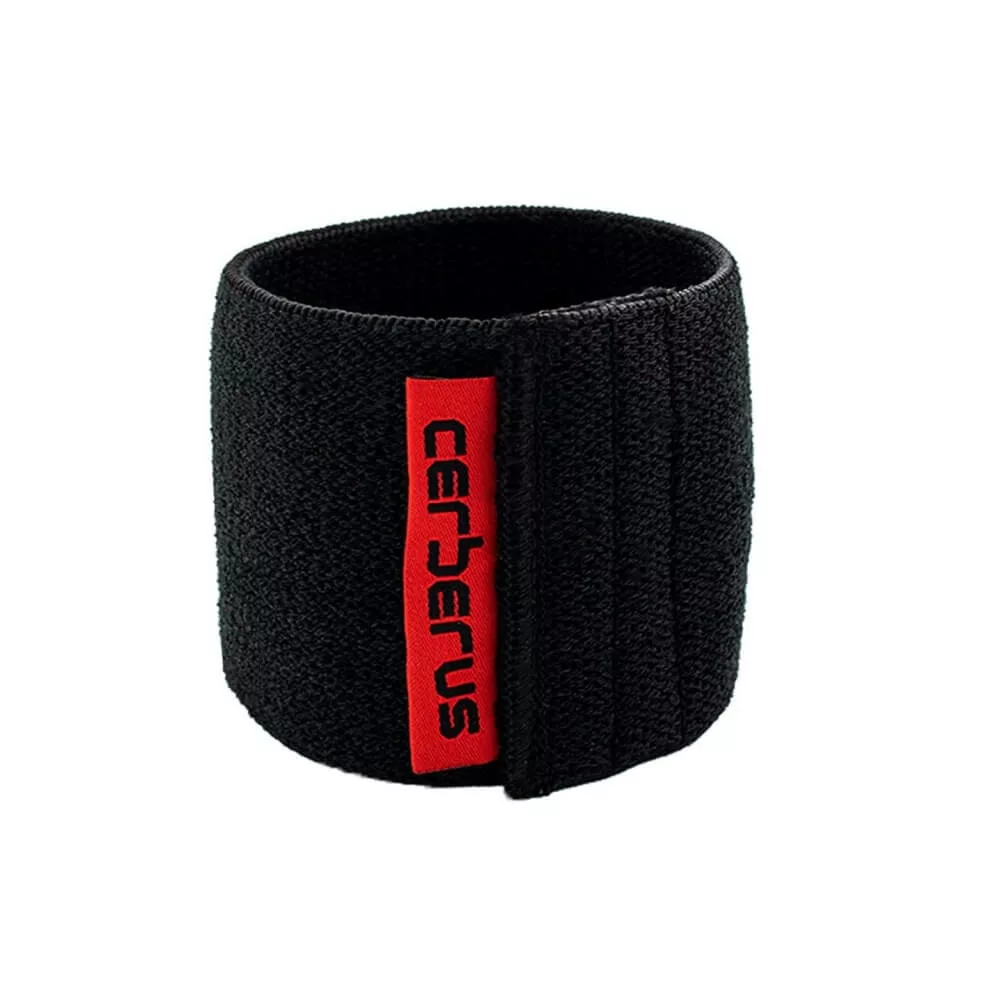
Is a Compression Elbow Cuff Enough to Protect Your Joints?
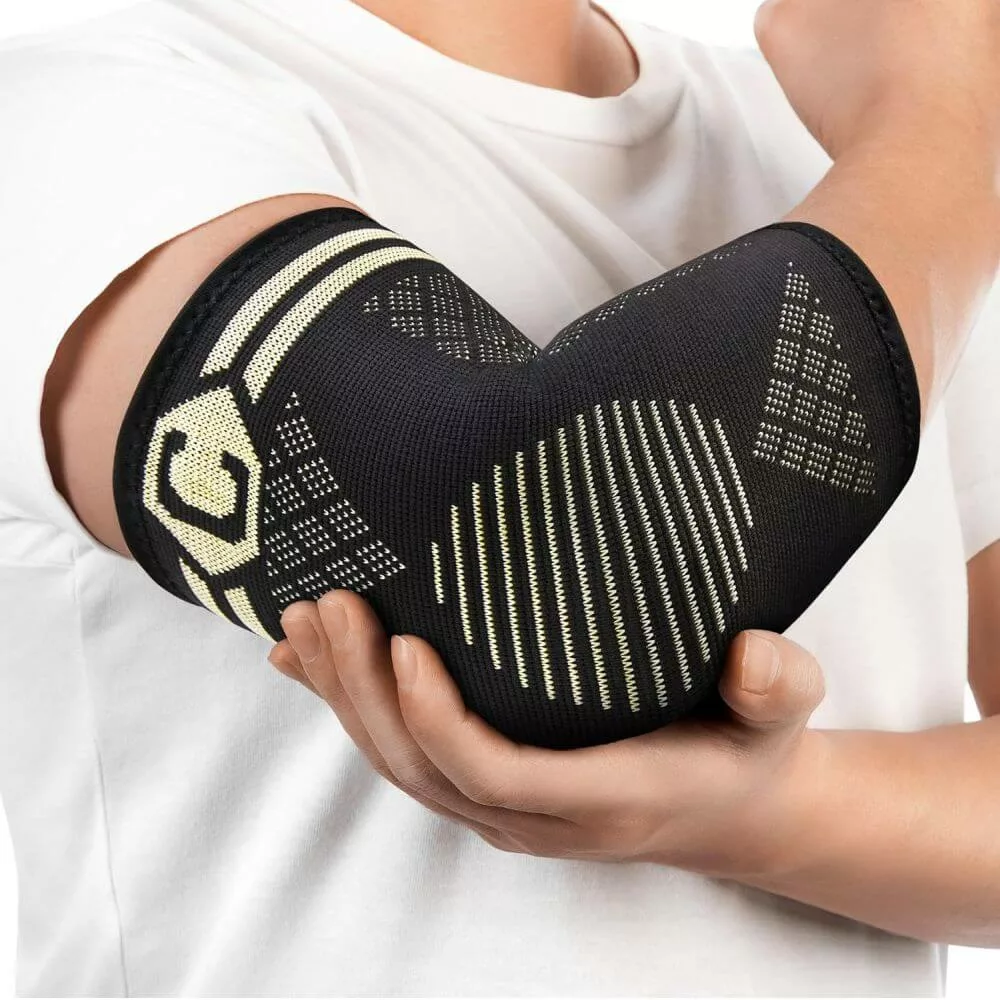
Can an Elbow Compression Sleeve Relieve Pain & Support Recovery?
Anti-Inflammatory Nutrition Basics: Foods That Help Reduce Elbow Pain
When dealing with tennis elbow, managing pain and inflammation can feel like an uphill battle, but diet can play a powerful role in tipping the balance in your favor. Certain nutrients directly influence inflammation levels in the body, making food choices an important part of recovery.
Omega-3 fatty acids are especially effective at reducing inflammation. Foods such as salmon, sardines, chia seeds, flaxseeds, and walnuts should become regular staples. These healthy fats help counteract excess omega-6 fatty acids, which are abundant in processed and fried foods and are known to promote inflammatory responses that can worsen tendon pain.
Colorful fruits and vegetables are another essential component of an anti-inflammatory diet. High-antioxidant options like berries, leafy greens, broccoli, and bell peppers help reduce oxidative stress around injured tissues. Antioxidants neutralize free radicals that can slow tendon healing and intensify inflammation in the elbow and forearm.
Healthy fats also play a supportive role in recovery. Sources such as extra-virgin olive oil and avocados help regulate inflammation while supporting overall joint and tissue health. It’s important to differentiate these beneficial fats from trans fats and highly refined oils, which can aggravate inflammation and prolong discomfort.
By reducing systemic inflammation, your body can redirect more energy toward repairing damaged tendon tissue. Making intentional, informed dietary choices creates a healing environment that supports faster recovery, reduced pain, and a smoother return to normal grip strength and daily activity.
Top Nutrients to Repair Tendons and Restore Grip Strength
Regaining full strength after tennis elbow requires targeted nutrients that support tendon repair and rebuilding. Vitamin C sits at the top of that list, as it plays a central role in collagen synthesis, the structural foundation of healthy tendons.
Citrus fruits, strawberries, kiwi, and bell peppers are excellent sources, and regularly including them can directly support tendon regeneration.
Protein is just as critical, providing the raw materials your body needs to repair damaged tissue. Prioritize high-quality sources such as lean poultry, fish, eggs, dairy, and plant-based options like lentils and beans. Amino acids such as glycine and proline are particularly valuable because they contribute directly to collagen formation and tendon resilience.
Magnesium is another key nutrient often overlooked during recovery.
It supports muscle relaxation and helps reduce excessive tension in the forearm muscles, which can otherwise place added stress on healing tendons. Foods like almonds, spinach, pumpkin seeds, and whole grains are reliable sources that can be easily incorporated into daily meals.
Trace minerals also play an essential role. Zinc supports tissue repair and immune function, while copper contributes to collagen cross-linking and tendon strength. Shellfish, nuts, seeds, and whole grains provide these minerals in balanced amounts that support efficient healing.
For best results, aim for a consistent and balanced intake of these nutrients rather than short-term fixes. Thoughtful, daily dietary choices can significantly enhance tendon recovery, restore grip strength, and reduce lingering discomfort as you work your way back to full function.
Supplements That Support Tennis Elbow Healing & Hand Recovery
Even with strong dietary habits, targeted supplementation can provide valuable support during tennis elbow recovery, especially when the body’s demands exceed what food alone can supply.
Collagen peptides combined with vitamin C are particularly effective, as vitamin C enhances collagen absorption and synthesis, an essential process for rebuilding stressed and damaged tendons. This pairing can be especially helpful if daily protein or collagen intake is inconsistent.
Omega-3 fish oil is another well-researched option, known for its powerful anti-inflammatory effects on joints and connective tissue. Supplementing with omega-3s may help reduce tendon irritation and stiffness, particularly for individuals who don’t regularly consume fatty fish, flaxseed, or chia seeds.
Turmeric, and more specifically its active compound curcumin, has a long-standing reputation for supporting inflammation control.
Whether used in cooking or taken in a concentrated supplement form, curcumin may help calm chronic inflammation that slows tendon healing. For improved absorption, many supplements include black pepper extract (piperine).
Glucosamine and chondroitin are frequently discussed in joint health conversations and may offer indirect benefits for elbow comfort and mobility. However, results vary widely between individuals.
Some experience noticeable relief, while others see minimal change.
Because of these mixed outcomes, it’s wise to evaluate personal response and consult a healthcare professional before committing to long-term use. It’s important to remember that supplements are meant to complement, not replace, a balanced, nutrient-rich diet.
When used thoughtfully, they can help fill nutritional gaps, support tendon repair, reduce inflammation, and enhance your body’s natural healing process as you work toward pain-free movement and restored grip strength.
Hydration & Tendon Health: Why Water Matters More Than People Think
Hydration is often overlooked in discussions about tennis elbow recovery, yet it plays a fundamental role in tendon health and repair. Water is essential for maintaining the structure and elasticity of connective tissues, including tendons. When hydration levels drop, the body’s ability to deliver nutrients and support tissue regeneration becomes less efficient.
Dehydration can reduce the flexibility of soft tissues, making tendons stiffer and more susceptible to strain or reinjury. Consistently drinking enough water helps keep these tissues well-lubricated, allowing them to move smoothly and tolerate stress more effectively during daily tasks and rehabilitation exercises.
Electrolytes are another important piece of the puzzle. They help regulate muscle contractions and nerve signaling, and imbalances can contribute to increased forearm muscle tension, potentially worsening tennis elbow discomfort.
Including natural electrolyte sources such as fruits, vegetables, or lightly fortified beverages can support hydration without overreliance on sugary sports drinks.
Staying well-hydrated is especially important if you’re performing strengthening or mobility exercises as part of your recovery plan.
Simple habits, like keeping a water bottle nearby or setting reminders to drink, can make hydration consistent and effortless. Over time, proper hydration supports smoother movement, better tissue resilience, and a more efficient recovery process.
Foods to Avoid During Recovery (They Cause More Inflammation)
When navigating tennis elbow recovery, it’s just as important to understand which foods to avoid as it is to know what to eat. Certain dietary choices can actively slow healing by increasing systemic inflammation and interfering with tendon repair.
Excess sugar and refined carbohydrates, commonly found in sweets, pastries, and processed snack foods, are well-known contributors to inflammation and can delay recovery by disrupting blood sugar balance and collagen regeneration.
Highly processed seed oils rich in omega-6 fatty acids, such as soybean, corn, and sunflower oil, are another concern. These oils are widespread in fast food and packaged products, and excessive omega-6 intake can tip the inflammatory balance in the wrong direction.
Replacing them with healthier fats helps support joint health and reduces unnecessary stress on already inflamed tendons.
Alcohol can also hinder tennis elbow healing. It interferes with collagen synthesis.
It also reduces nutrient absorption and negatively impacts sleep quality: an essential period when the body performs much of its tissue repair and recovery work. Even moderate alcohol consumption can slow progress when tendon healing is the goal.
Avoiding inflammatory foods doesn’t have to feel restrictive. Simple, sustainable swaps, such as choosing olive oil instead of vegetable oil or opting for whole grains over refined options, can significantly reduce inflammation over time.
By being mindful of these dietary adjustments, you create a more supportive internal environment for tendon recovery, helping ease symptoms and promote faster, more effective healing.
Practical Meal Ideas for Faster Tennis Elbow & Grip Recovery
Recovery from tennis elbow is a gradual process, and fully embracing a nutrient-dense, anti-inflammatory diet can make a meaningful difference along the way.
Starting your day with purpose helps set the tone for healing.
A breakfast smoothie packed with spinach, antioxidant-rich berries, and a scoop of collagen peptides supports tendon repair from the inside out. Adding chia seed pudding on the side further boosts omega-3 intake, helping to keep inflammation under control.
For lunch, focus on meals that balance lean protein, healthy fats, and complex carbohydrates. A grilled chicken salad loaded with dark leafy greens and topped with walnuts delivers key nutrients for tendon recovery and grip strength support. Pairing it with hummus and whole-grain pita adds fiber and slow-digesting carbs that sustain energy without spiking inflammation.
Dinner is an ideal opportunity to prioritize foods known to support tendon and joint health.
Fatty fish like salmon, baked with lemon and herbs, provides omega-3 fatty acids that aid in reducing elbow inflammation. Served alongside roasted sweet potatoes and steamed broccoli, this meal delivers magnesium, antioxidants, and vitamins essential for tissue repair.
Smart snacking also plays a role in recovery nutrition.
Almonds offer magnesium and healthy fats, while sliced bell peppers with hummus supply vitamin C: an important nutrient for collagen synthesis. These snacks support healing without adding inflammatory stress.
Smoothies can be an easy way to boost nutrient intake, especially on busy days. Blending almond milk, banana, leafy greens, flaxseeds, and Greek yogurt creates a quick, protein-rich option that supports muscle recovery and tendon resilience.
For athletes and active individuals, aligning meals with training and rehabilitation sessions can further enhance recovery. A post-workout meal that includes lean protein and complex carbohydrates helps repair muscle tissue, replenish energy stores, and reduce strain on the forearm and elbow.
By consistently weaving these meals into your routine, you help ensure your body is supplied with the nutrients it needs to repair, strengthen, and adapt. These food choices go beyond basic nourishment; they actively support tendon healing, grip recovery, and a smoother return to pain-free movement.
Conclusion: Build Long-Term Nutrition Habits for Stronger Elbows & Hands
Maintaining consistent nutrition habits beyond the immediate recovery phase delivers lasting benefits, not just for tennis elbow, but for overall joint health, tendon resilience, and grip performance. The nutrients that support tendon repair don’t simply stop working once the pain fades; they become the foundation for improved durability, strength, and injury prevention over time.
Regularly integrating omega-3 fatty acids, colorful fruits and vegetables, lean protein sources, and proper hydration into your daily routine creates a strong nutritional baseline. These elements not only assist with ongoing healing but also help fortify your body against future overuse injuries, inflammation, and tendon strain.
Consistency is where the real gains happen.
Prioritizing nutrient-dense meals and making small, sustainable adjustments allows your diet to actively support your training, recovery, and long-term health, without feeling restrictive or overwhelming.
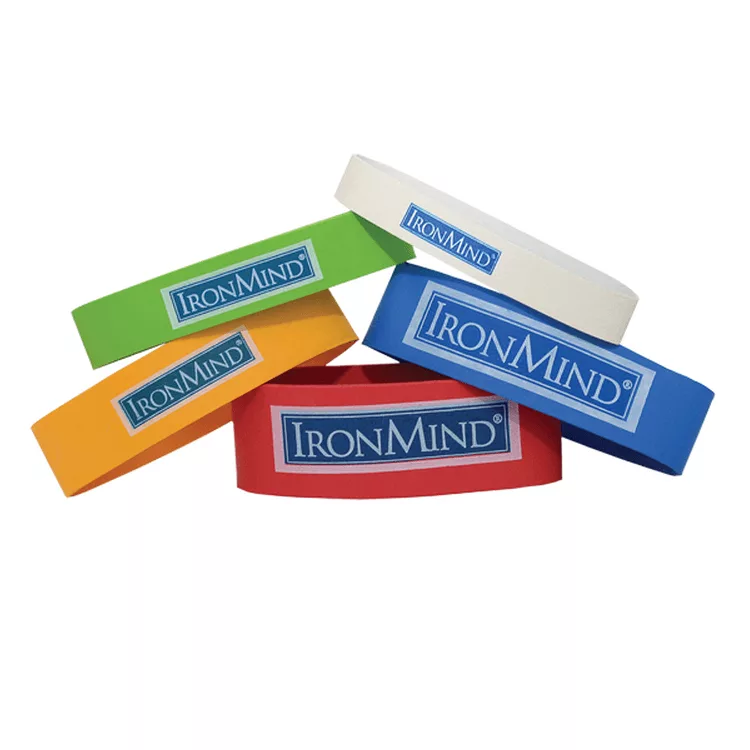
Why are Handbands Staple to Build Hand Muscle Balance?
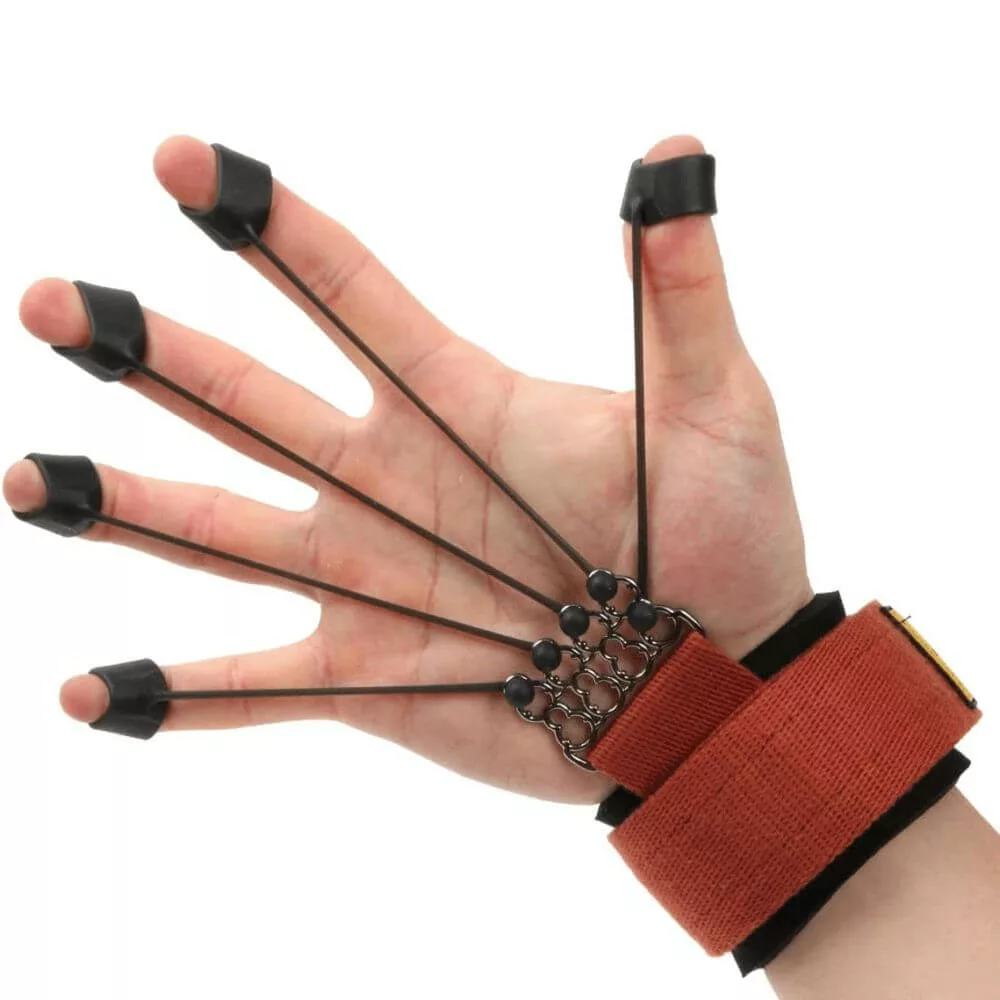
Fancy Finger Exerciser to Build Functional Grip Strength
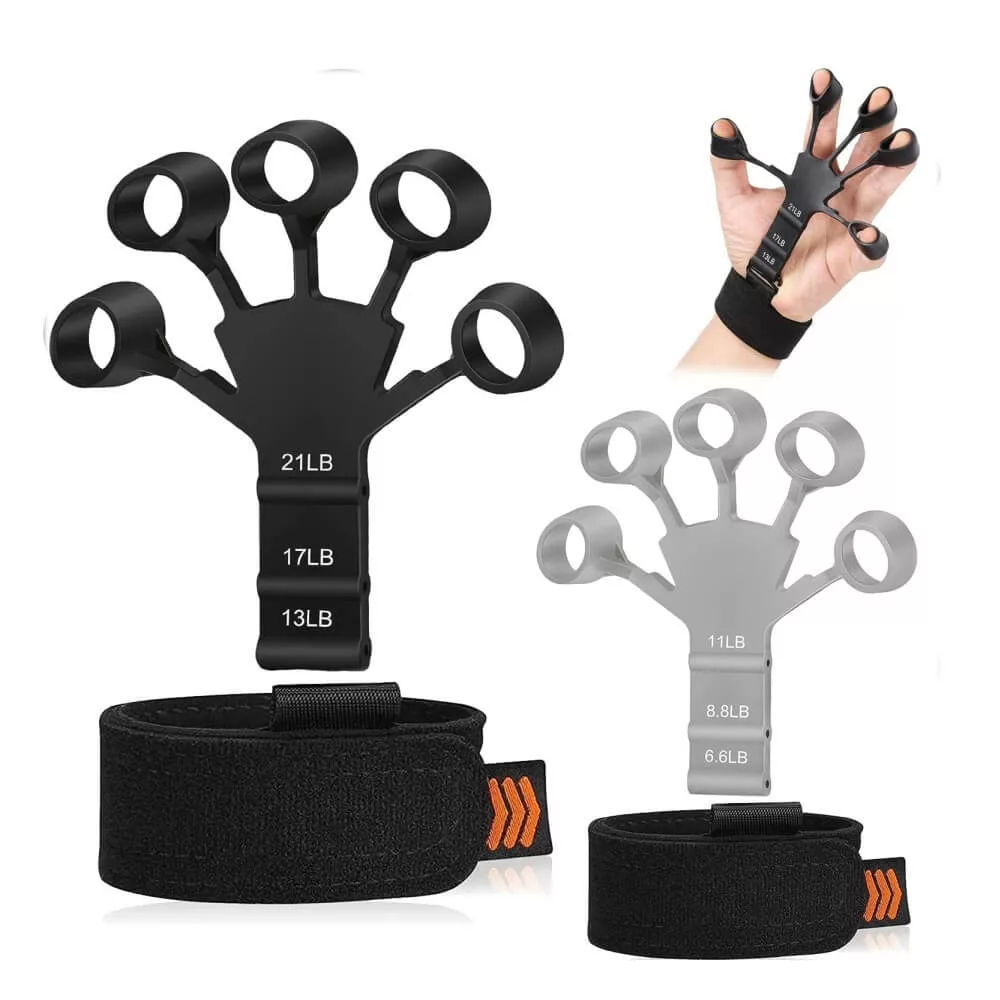
Fun & Affordable Way to Rehab Weak Hands
For anyone committed to physical activity, whether that’s tennis, strength training, climbing, or manual work, these habits become powerful allies. They support grip strength endurance, enhance joint flexibility, and improve recovery efficiency across a wide range of physical demands.
Ultimately, embracing these practices encourages a lifestyle built around pain-free movement, stronger hands and elbows, and long-term performance. It’s not just about recovering from tennis elbow; it’s about creating habits that sustain strength, resilience, and wellness for years to come.
Thanks for Stopping By!
Do You Have Experience Recovering from Tennis Elbow?
Share Your Thoughts Below!