(Last Updated on May 30, 2026 by Henry)
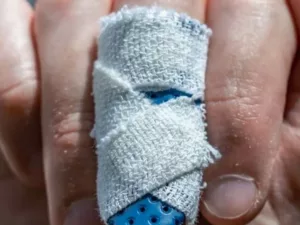
Grip-related injuries can sneak up when least expected, often developing from repetitive strain, overuse, or sudden impact during activities that rely heavily on hand and forearm strength.
These include sports like rock climbing, weightlifting, and grip strength training, as well as everyday tasks such as typing, manual labor, or prolonged tool use.
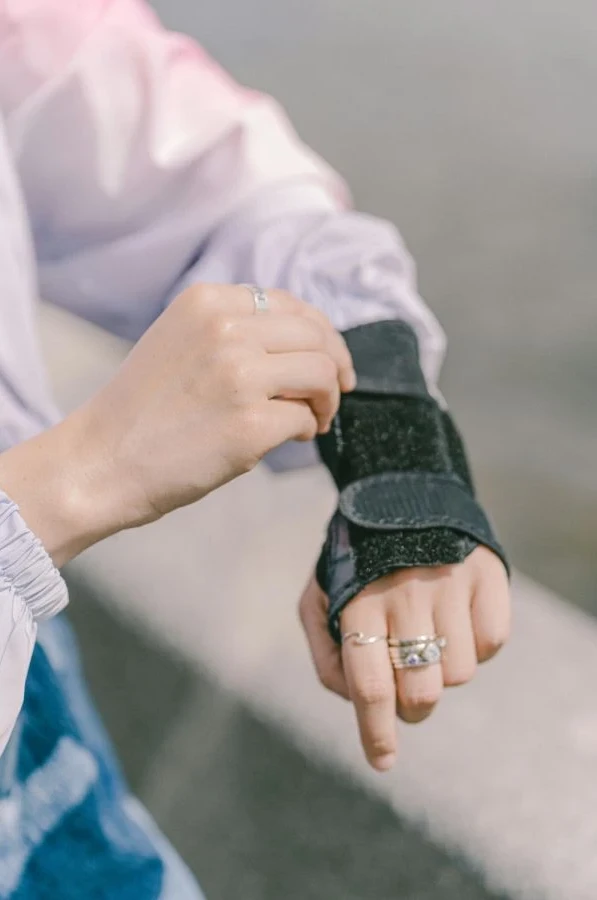
When your hands and wrists are under constant stress, even small inefficiencies in technique or recovery can lead to injury over time.
Dealing with grip-related hand and wrist injuries isn’t just about managing pain in the moment. If left unaddressed, these issues can disrupt daily life in meaningful ways.
Imagine struggling to grip a pen, hold a cup, or open a door without discomfort. While athletes and strength trainers may notice symptoms sooner, these injuries aren’t limited to the gym: anyone who relies on their hands regularly can be affected.
Identifying the most common causes and risk factors is essential for prevention.
Overuse injuries, improper grip technique, inadequate warm-ups, and lack of supportive gear all contribute to hand and wrist strain.
Frequent conditions include tendonitis, carpal tunnel syndrome, and repetitive stress injuries, many of which develop gradually and worsen without corrective action.
Understanding the seriousness of grip-related injuries highlights the importance of proactive protection. What may start as a minor annoyance can quickly evolve into a chronic hand or wrist issue if ignored.
Recognizing early symptoms and using the right protective gear for grip training are critical steps in preserving long-term hand health, maintaining strength, and continuing to train safely and effectively.
Essential Protective Gear for Grip-Intensive Activities
Protective gear plays a crucial role in preventing grip-related injuries across a wide range of activities.
Whether you’re lifting weights, performing grip strength exercises, rock climbing, or even spending long hours coding at a desk, the right hand and wrist protection can make a meaningful difference in maintaining grip health, joint stability, and performance. Using supportive gear helps reduce strain, absorb impact, and support proper mechanics during repetitive or high-load movements.
When choosing protective gear for grip-related activities, it’s essential to match the equipment to the specific demands of what you’re doing.
For example, climbers often need gear that emphasizes abrasion resistance, finger protection, and secure grip contact, while weightlifters may benefit from wrist wraps, lifting straps, or padded gloves. Office workers or those performing repetitive hand tasks may find relief with ergonomic wrist supports designed to minimize strain and promote neutral wrist positioning.
Understanding safety standards and certifications can also guide you toward reliable, high-quality protective gear.
Certifications from organizations like the American National Standards Institute (ANSI) help ensure that equipment meets established safety and durability benchmarks. Choosing certified products adds an extra layer of confidence that your grip protection gear is designed to perform as intended.
Finding the right balance between comfort and protection is key to long-term use.
Protective gear should support your hands and wrists without restricting movement or causing discomfort. This makes proper sizing, breathability, and material flexibility especially important. Trying gear in-store or reviewing sizing guides and return policies online can help prevent frustration with ill-fitting equipment.
Ultimately, selecting the right grip protective gear isn’t just about injury prevention: it’s about enhancing confidence, consistency, and peace of mind.
When you know your hands and wrists are properly supported, you can focus fully on performance, productivity, and progress without worrying about potential setbacks.
Ergonomic Gloves: Benefits for Hand and Wrist Safety
Ergonomic gloves offer a smart blend of comfort, support, and protection, making them an excellent choice for preventing grip-related injuries during both training and everyday activities.
These gloves are designed to follow the natural anatomy of the hand, helping reduce unnecessary strain on the fingers, palms, and wrists while improving overall grip efficiency. For anyone focused on grip strength training or repetitive hand use, ergonomic gloves can play a key role in long-term hand health.
There are several types of ergonomic grip gloves, each suited to different needs and activities.
Padded gloves are especially useful for absorbing impact during exercises like cycling, rowing, or high-rep lifting, while gloves with reinforced palms and textured grip surfaces are ideal for weightlifting, pull-ups, or rock climbing. Choosing the right style ensures your hands stay protected without sacrificing control or tactile feedback.
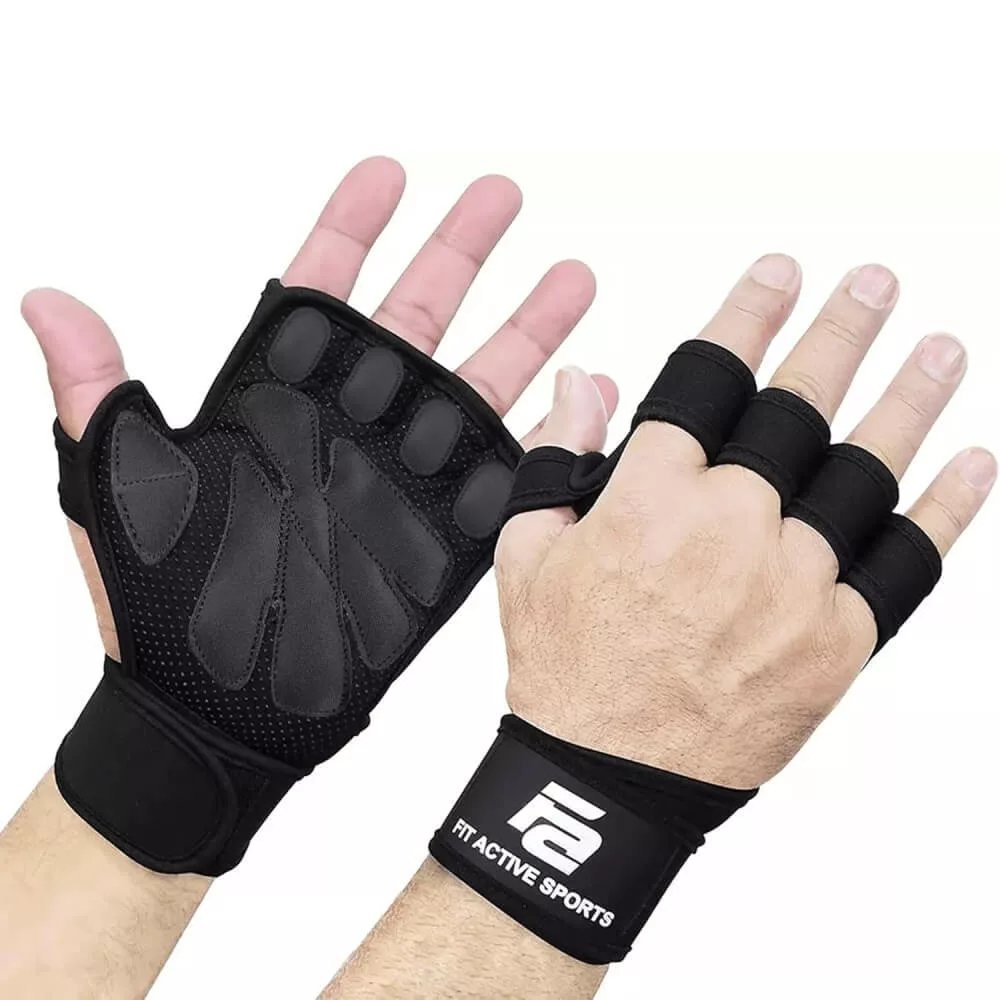
Ventilated Fitness Gloves: No More Heavily Sweating Hands?

Breathable Wristwrap Gloves with Durable Leather Palm
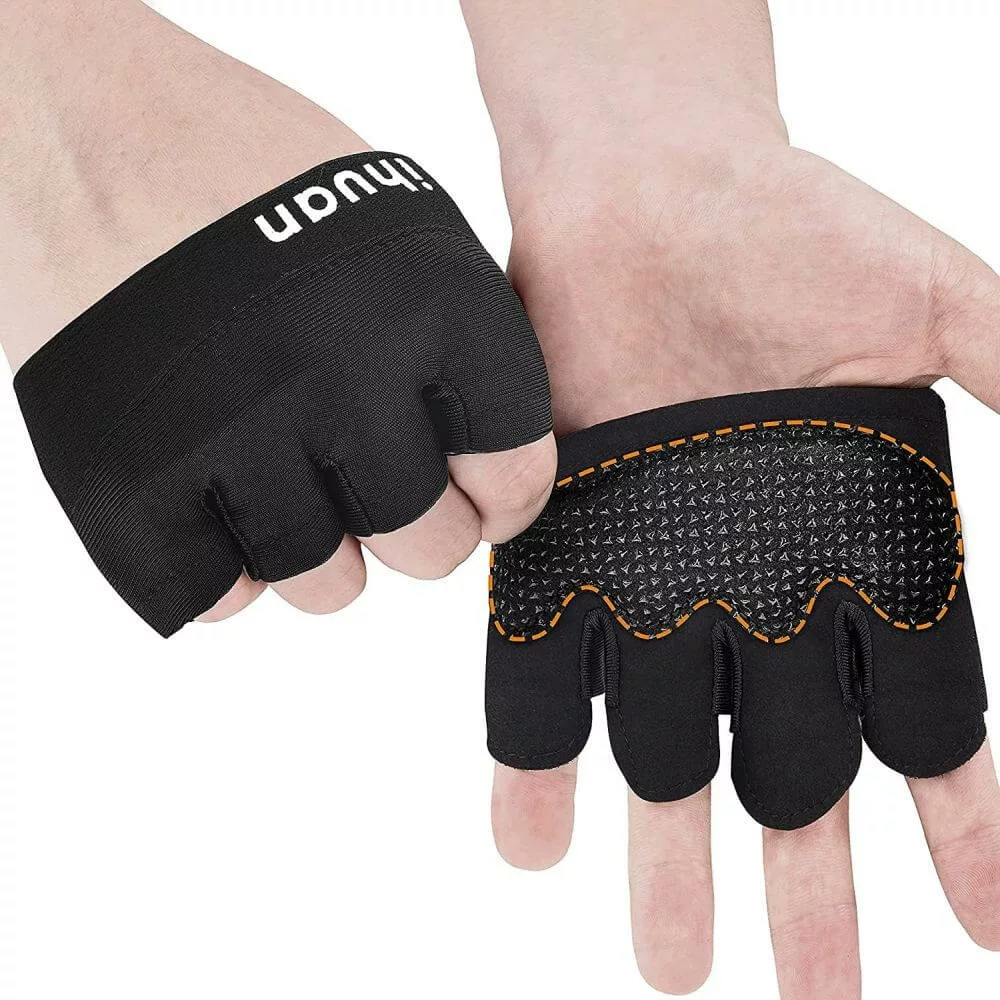
Minimal Grip Protection with Partial Fitness Gloves?
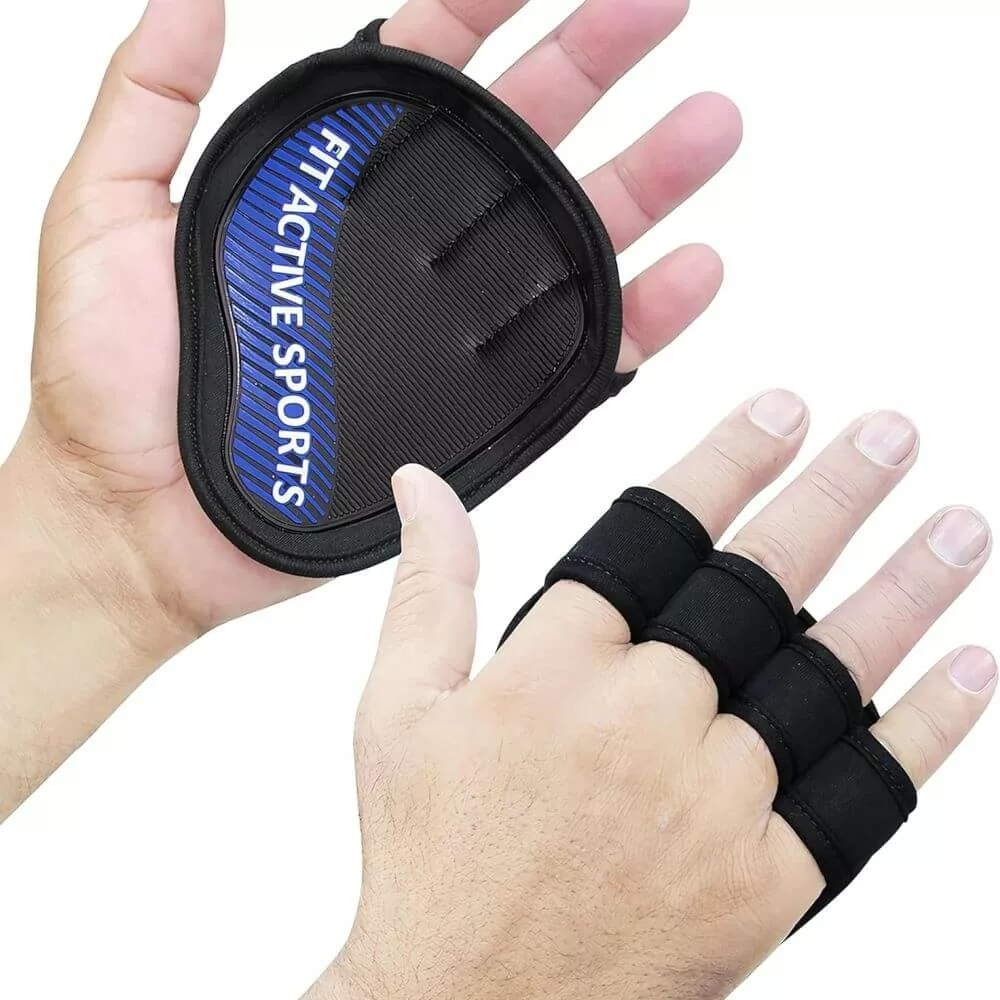
Simple Grip Pads, are They Worth it for Regular Workouts?
When evaluating protective gloves for grip training, key features to look for include adjustable wrist straps for added stability, breathable materials to manage sweat, and reinforced padding in high-stress areas such as the palm and thumb.
These design elements not only enhance injury prevention but also allow the gloves to remain comfortable during longer training sessions or extended use.
Well-known brands like Mechanix Wear and Harbinger have earned strong reputations for producing high-quality ergonomic grip gloves. Their product lines cater to both beginners and experienced athletes, offering options that balance durability, comfort, and effective hand protection across different grip-intensive activities.
When selecting a pair, consider the specific tasks or workouts you’ll be performing and choose gloves that provide adequate hand and wrist support without limiting flexibility or range of motion.
Trying on different styles and sizes can help you find the best fit, ensuring maximum comfort, safety, and confidence every time you train or work with your hands.
Wrist Supports and Braces for Injury Prevention
Wrist supports and braces offer vital protection and stability for anyone looking to avoid grip-related injuries, especially during strength training, repetitive work, or grip-intensive activities.
Designed to limit excessive wrist movement and provide targeted joint support, these aids can be a game-changer for athletes, manual workers, and even desk professionals who experience wrist strain from prolonged hand use. When used correctly, wrist supports help maintain proper alignment, which is essential for both grip strength development and long-term joint health.
There are various types of wrist supports available, ranging from flexible wraps that deliver light compression to more rigid wrist braces that provide substantial stabilization.
Choosing the right option often depends on the intensity of your workouts, the type of grip stress involved, and your personal comfort preferences. For example, lighter wraps may suit moderate grip training, while structured braces are better suited for heavy lifting or recovery from strain.

Competition Grade Wrist Wraps: Built for Serious Lifters

Extra Long Wrist Wraps: More Support, More Stability
Knowing when to use wrist supports can significantly influence their effectiveness.
They are particularly beneficial during activities involving repetitive motions, sustained gripping, or heavy resistance training, where the wrists are under constant load. By stabilizing the joint, wrist supports help reduce unnecessary movement, minimize strain on tendons, and lower the risk of sprains or overuse injuries that can interfere with grip performance.
Products from reputable brands like Mueller and Futuro are often recommended due to their durable construction, breathable materials, and adjustable designs. These features allow for a customized fit that adapts to different wrist sizes and activity demands, making them suitable for both workout sessions and everyday use.
Beyond injury prevention, wrist supports also play an important role in grip injury recovery and rehabilitation.
During the healing phase, they help limit harmful motion while still allowing functional hand use. This makes it possible to stay active, perform daily tasks safely, and gradually reintroduce grip training without compromising the recovery process.
Finger and Thumb Protection to Safeguard Grip Strength
Finger and thumb injuries are surprisingly common, especially in activities that demand precise hand movements or high levels of grip strength.
Sports, strength training, and manual work frequently place repeated stress on these smaller joints, making them vulnerable to injury. Issues can range from mild sprains and strains to more complex conditions like trigger finger, all of which can significantly affect hand function and grip performance if left unaddressed.
Protective gear designed specifically for fingers and thumbs can play a major role in reducing these risks. Splints are commonly used to immobilize injured areas, allowing inflamed tendons or joints to rest and heal properly.
For less severe situations, finger sleeves or adjustable straps offer flexible support while still maintaining dexterity, making them ideal for light grip training, daily tasks, or early-stage injury prevention.
When using finger and thumb protection, achieving a snug yet comfortable fit is essential.
Gear that is too tight can restrict circulation, while loose support may fail to provide adequate stabilization. It’s also important to choose materials that are breathable and skin-friendly, especially if the protection will be worn during workouts or for extended periods throughout the day.
Athletes, climbers, weightlifters, and manual laborers often rely on finger and thumb protection to continue training or working without aggravating existing issues. Brands such as Vive and Injured Gadgets have developed protective solutions that balance support, comfort, and flexibility, making them suitable for both active use and recovery scenarios.
Consistently using protective gear for fingers and thumbs does more than prevent injuries; it also helps preserve grip strength, coordination, and overall hand performance.
By protecting these critical contact points, you support long-term hand health, maintain functional strength, and reduce downtime caused by avoidable injuries. Over time, this kind of protection becomes a smart investment in sustaining grip capability and hand mobility.
Tape and Wraps: Extra Support for Hands and Wrists
Tape and wraps offer a highly versatile solution for anyone dealing with or looking to prevent grip-related injuries.
Their usefulness spans a wide range of scenarios, from athletic training and grip-intensive sports to occupational and everyday tasks. Because they can be applied precisely where support is needed, tape and wraps are especially valuable for targeted hand, finger, and wrist stabilization.
Different types of tapes and wraps serve distinct purposes depending on the level of support required.
Athletic tape is commonly used to stabilize joints and provide moderate compression, making it ideal for preventing excessive movement during workouts. Cohesive bandage wraps offer adjustable tightness and work well for larger areas such as wrists or palms. For more dynamic support, kinesiology tape is often preferred, as it helps support natural movement patterns, improve circulation, and reduce discomfort without restricting the range of motion.
Correct application of tape and wraps is essential for achieving maximum benefit. Techniques vary based on the joint or muscle being supported, but some general best practices apply.
Always ensure the skin is clean and dry before application, apply consistent and moderate tension, and avoid wrapping too tightly, as excessive compression can restrict blood flow and reduce effectiveness. Proper application helps maintain support while preserving comfort and mobility.
The benefits of using tape and wraps extend beyond simple stabilization.
They can help reduce swelling, support fatigued muscles during activity, and assist in the recovery process following a grip-related injury. When used consistently and correctly, they allow individuals to stay active while minimizing strain on vulnerable areas.
Well-known products such as KT Tape and RockTape have earned strong reputations for durability, skin comfort, and reliable performance.

Latex-Free Pre-Wrap Tape for Grip & Wrist Training
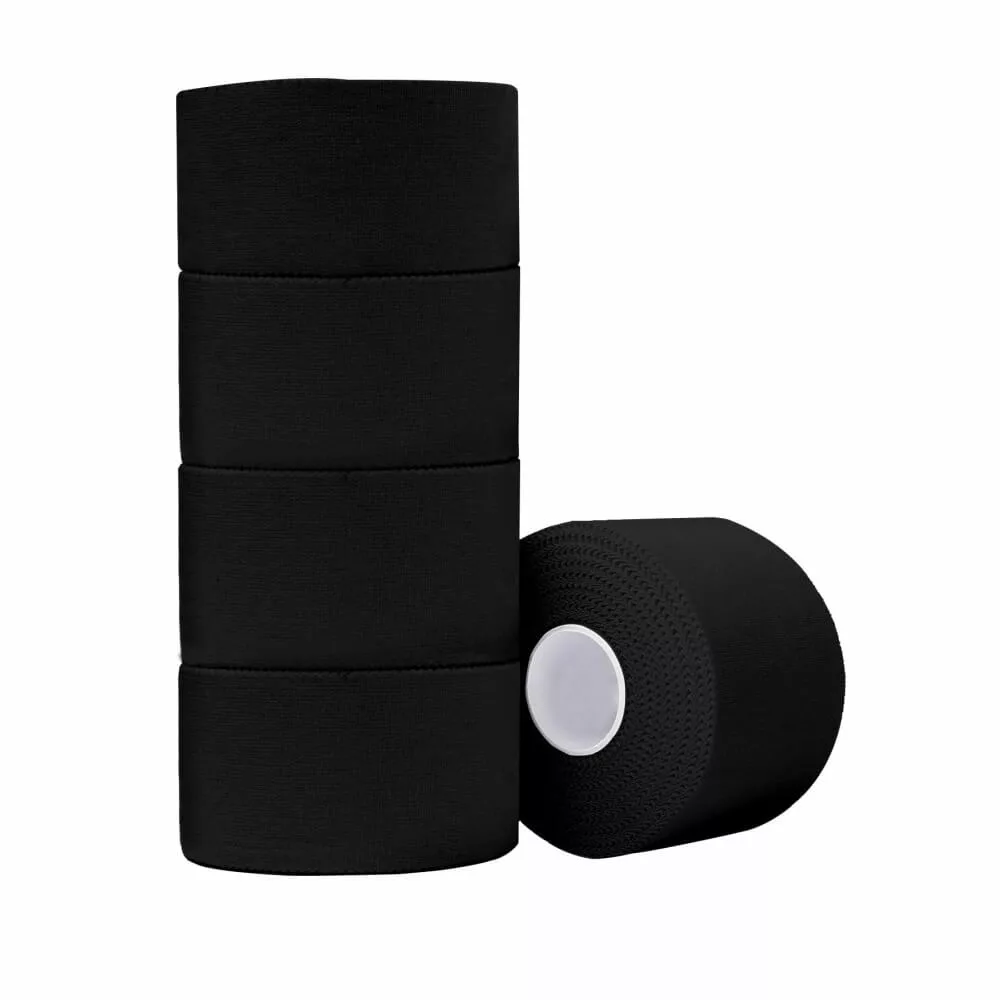
Simple & Practical: Number 1 Athletic Tape in the World?
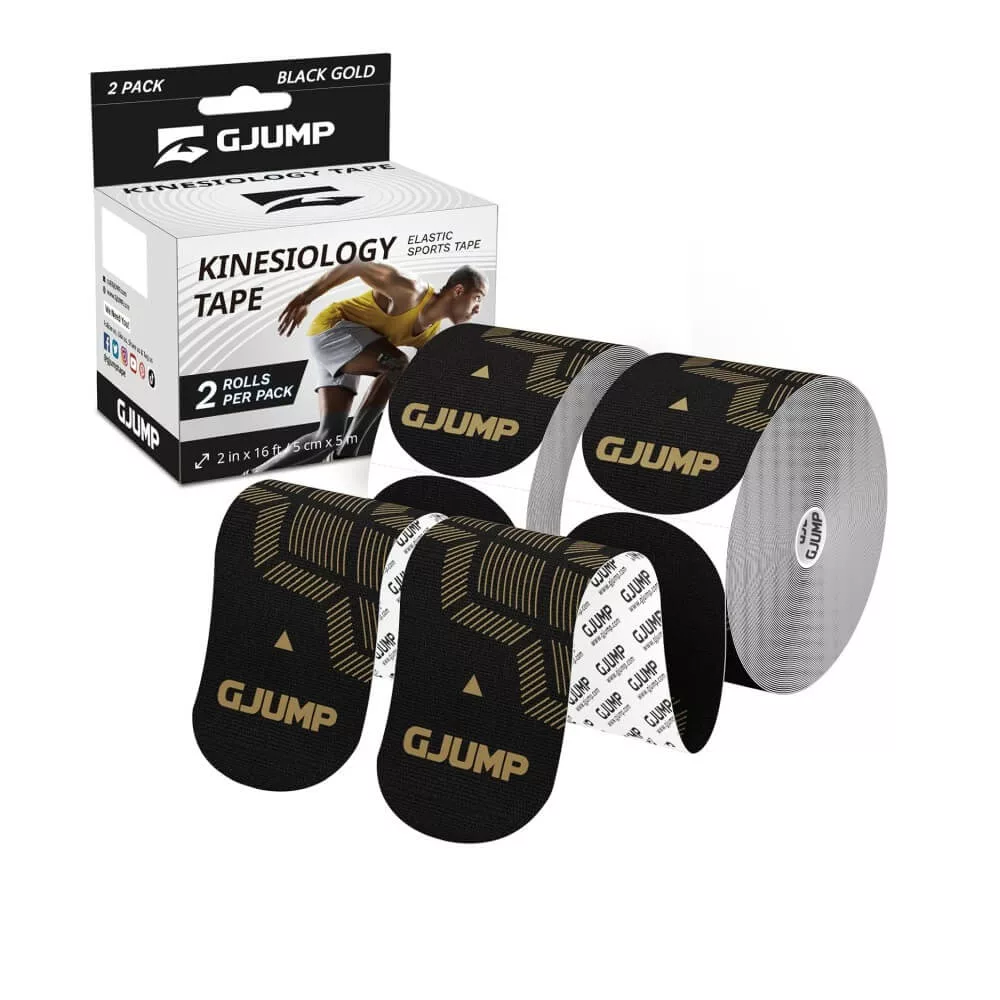
Precut Kinesiology Tape: No Measuring, Just Peel & Apply
Choosing the right tape or wrap depends on your specific activity, comfort preferences, and the level of support required. When selected thoughtfully, tape and wraps become an effective tool for protecting grip strength, maintaining hand health, and supporting long-term performance.
Advanced Technological Gear for Smart Injury Prevention
In recent years, technological advancements have transformed protective gear, offering smarter and more data-driven solutions to help prevent grip-related injuries.
Innovations such as smart gloves have entered the market, incorporating built-in sensors that monitor grip strength, hand positioning, and wrist alignment during activity. These developments are especially valuable for athletes and grip-focused trainees who want to improve performance while protecting long-term hand health.
Many of these smart gloves track metrics in real time, providing instant feedback that helps users optimize technique and reduce injury risk.
Wearable sensors embedded within the gloves can detect excessive strain, improper grip patterns, or awkward wrist angles, alerting users before these movements lead to overuse injuries or chronic discomfort.
Technology now plays a growing role in both injury prevention and rehabilitation. By continuously monitoring hand activity, these devices can help users identify bad habits and make informed adjustments to their grip technique. This is particularly useful during recovery phases, where controlled movement and gradual reloading of grip strength are essential for safe progress.
Looking ahead, future trends point toward even deeper integration of technology in protective gear. AI-driven analysis, personalized training feedback, and virtual coaching features are becoming more realistic possibilities. These advancements could allow users to receive tailored guidance based on their unique grip patterns, training intensity, and recovery needs.
Adopting technologically advanced protective gear is about embracing a proactive approach to grip injury prevention.
With data-driven insights guiding safer movement and smarter training decisions, these tools have the potential to enhance both performance and longevity: whether in sports, strength training, or everyday hand-intensive tasks.
Buying Guide: How to Choose the Best Grip Protective Gear
Choosing the right protective gear involves carefully balancing effectiveness, comfort, and activity-specific needs to prevent grip-related injuries.
The first step is to assess the risks associated with your particular activities.
For example, weightlifting, rock climbing, or repetitive desk work all place different demands on your hands, fingers, and wrists, so the gear should be tailored accordingly to provide targeted support.
Conducting a comparative analysis of available products can help identify the best options. Look for verified reviews and user testimonials that highlight real-world experiences. These insights can reveal how gear performs under actual grip-intensive conditions, helping you weigh the pros and cons and make an informed choice.
Fit and comfort are critical factors in protective gear selection.
Ill-fitting gloves, wrist supports, or finger braces can cause discomfort, reduce effectiveness, and even lead to additional strain. Whenever possible, try on different sizes and styles or consult detailed sizing guides provided by reputable brands. Properly fitted gear ensures both protection and freedom of movement, allowing you to maintain hand and wrist strength without restriction.
Budget considerations are also important.
While it may be tempting to choose the least expensive option, investing in high-quality gear often pays off with better durability, enhanced support, and long-term protection. Think of it as an investment in your hand health: preventing injuries now can save time, money, and setbacks later.
In summary, selecting the right protective equipment requires matching the gear to your specific activity, prioritizing comfort and fit, and choosing quality products from trusted brands.
This thoughtful, informed approach provides a strong foundation for preventing grip-related injuries, protecting your wrists, hands, and fingers while allowing you to safely pursue grip-intensive training and daily tasks.
Maintenance and Care Tips for Long-Lasting Protective Gear
Proper maintenance of protective gear is essential to ensure both its longevity and continued effectiveness in preventing grip-related injuries.
Consistent care not only extends the life of your equipment but also preserves the level of protection it provides during workouts, sports, or daily hand-intensive tasks.
Cleaning your protective gear after each use is fundamental.
Depending on the type of equipment, this could involve wiping down surfaces with a damp cloth or performing a more thorough wash using mild soap and water. Always ensure the gear is fully dried before storage to prevent mold, mildew, or material degradation, which can compromise safety and performance.
Storage practices play a significant role in preserving protective gear.
Keep items in a dry, cool area away from direct sunlight, as heat and UV exposure can weaken materials over time. Many products include specific storage instructions or come with carrying cases to help maintain integrity and ready usability.
Regularly inspecting your gear for signs of wear and tear is equally important. Look for frayed straps, cracks, loss of elasticity, or other damage that could reduce effectiveness. Catching these issues early allows for timely replacement, ensuring that your hands, wrists, and fingers remain protected during grip-intensive activities.
Investing time in proper maintenance and care guarantees that your protective equipment continues to perform optimally.
By following these practices, you safeguard your investment while supporting safe, consistent, and effective grip training or daily hand usage.
Thanks for Stopping By!
How Do You Protect Your Grip from Injuries?
Share Your Thoughts Below!