(Last Updated on May 30, 2026 by Henry)
Beginners stepping into the world of hangboard training should look out for boards specifically designed for their skill level. Advanced climbers usually benefit from smaller holds and more challenging features that can easily lead to injury if you’re just starting out. Beginner-friendly hangboards ensure a safer yet effective climbing training experience.
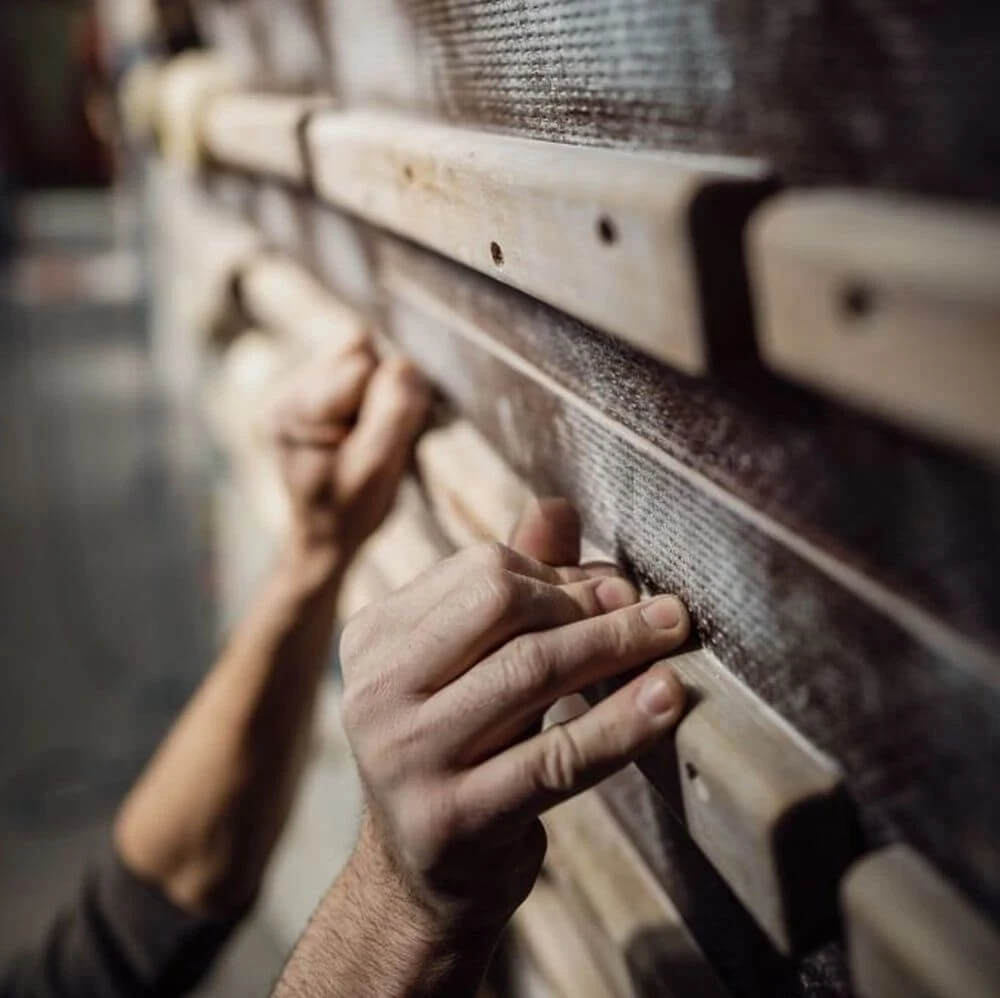
Starting with the right equipment can make finger strength training safer and more sustainable over time.
Larger edges and comfortable hold shapes deserve attention when selecting a beginner hangboard.
They allow climbers to practice and improve their grip without undue stress on their fingers.
These elements make it possible to build confidence as you progress, without risking injury that can come from trying to replicate what seasoned climbers use.
Larger holds generally place less strain on finger tendons while still helping improve grip endurance and control. Choosing between wood and resin hangboards can be important for beginners, who may experience skin discomfort more easily.
Wood hangboards typically offer a smoother grip and cause less friction, reducing skin problems. Resin boards, while versatile, might feel harsher on the skin, which isn’t ideal for those just starting out. Picking the right material can make a big difference in your training comfort and effectiveness. Comfortable skin contact often helps beginners maintain more consistent climbing and grip training sessions.
Progressive training options on a hangboard are crucial for beginners. A board that offers incremental difficulty allows you to slowly build strength and skills. Instead of jumping into the deep end with holds that are too difficult, having options for progressive improvement helps in maintaining steady progress without overwhelming strain on muscles and tendons.
Gradual progression is one of the safest ways to improve finger strength for climbing.
It’s tempting to go for the flashy, aggressive boards designed for elite climbers,
but these can lead to frustration or even injury for newcomers. The right
beginner hangboard should prioritize safety and gradual improvement
over anything designed to push the limits right away.
Successful training is about finding the right fit for your current level while leaving room to grow. Beginner-friendly setups usually encourage healthier long-term grip strength development and climbing progression.
Benefits of Using a Hangboard for Climbing
Hangboards are a great tool for building climbing-specific finger strength, vital for tackling tougher routes. Regular use helps in developing muscles specific to the demands of climbing, allowing you to gain a solid foundation even off the wall.
Consistent hangboard training can help improve grip strength and finger endurance between climbing sessions.
One of the standout advantages of hangboards is their ability to improve grip endurance and
contact strength. When you’re pushing limits on the rock, having consistent finger strength
can mean the difference between sticking a move and falling off.
Better contact strength often helps climbers control smaller holds with more confidence and precision. Developing confidence in smaller holds is another benefit. By practicing on hangboards, you get accustomed to the feel of these challenging holds without the pressure of an entire route, allowing you to experiment and learn what works best for you.
Practicing controlled hangs can also improve overall grip awareness and finger positioning.
Hangboards are excellent for supporting progression alongside actual climbing. They give you the extra training needed outside of your regular climbing sessions. Pairing hangboard workouts with climbing practice ensures balanced development and targets specific weaknesses.
Balanced training usually produces steadier long-term improvements than relying on finger training alone.
Remember, hangboards should always supplement real climbing practice, not replace it.
They provide an additional method to boost your skill set,
helping to improve your climbing ability consistently.
Keep actual climbing at the core of your practice for the best results. Combining movement practice with grip training often leads to more complete climbing development over time.
Best Types of Hangboards for Beginners
When starting out with hangboard training, simple edge-focused boards can be your best friend. They offer straightforward holds that allow beginners to develop key skills without the overwhelm of too many options.
Simpler setups often make it easier to focus on safe grip training and proper technique.
For those looking for a bit more versatility, multi-grip boards featuring pockets and slopers are incredibly valuable. They provide an introduction to different grip styles, helping climbers to adapt their techniques as they progress.
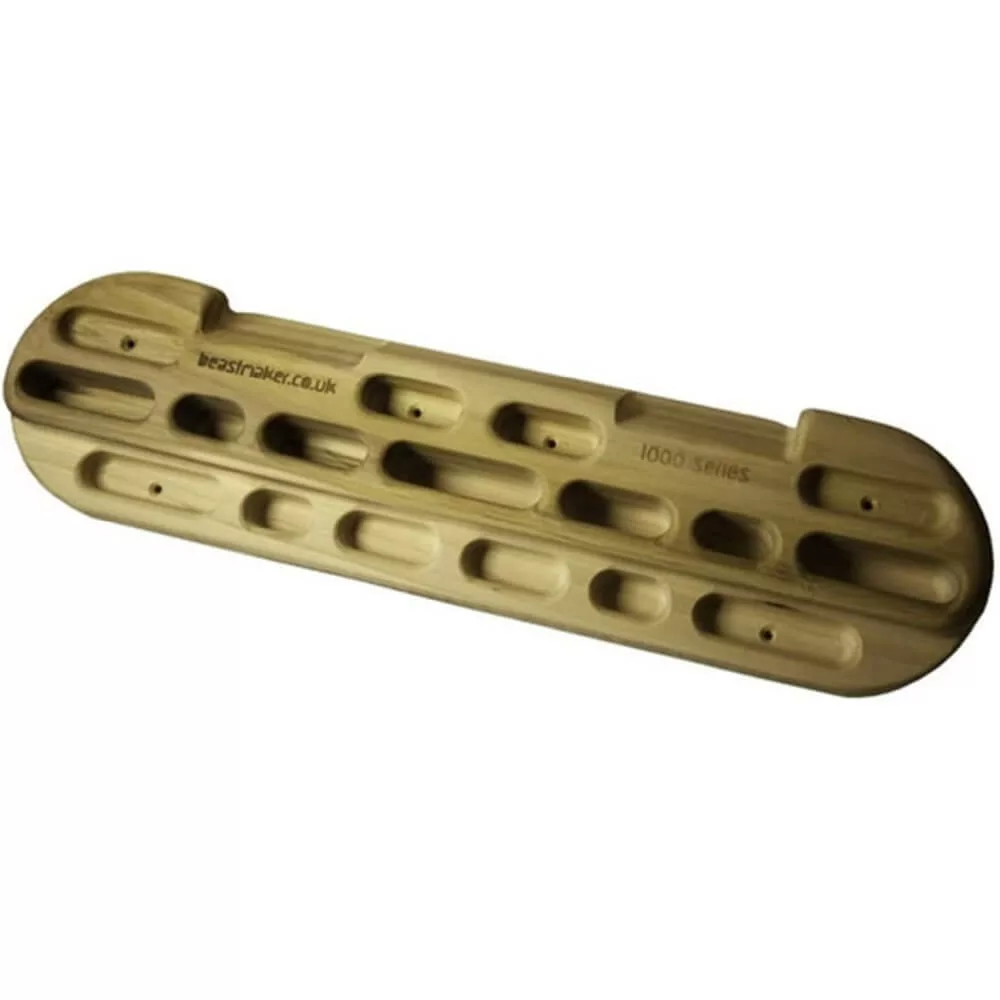
Beginner-Friendly Hangboard for Safe Finger Strength Progression
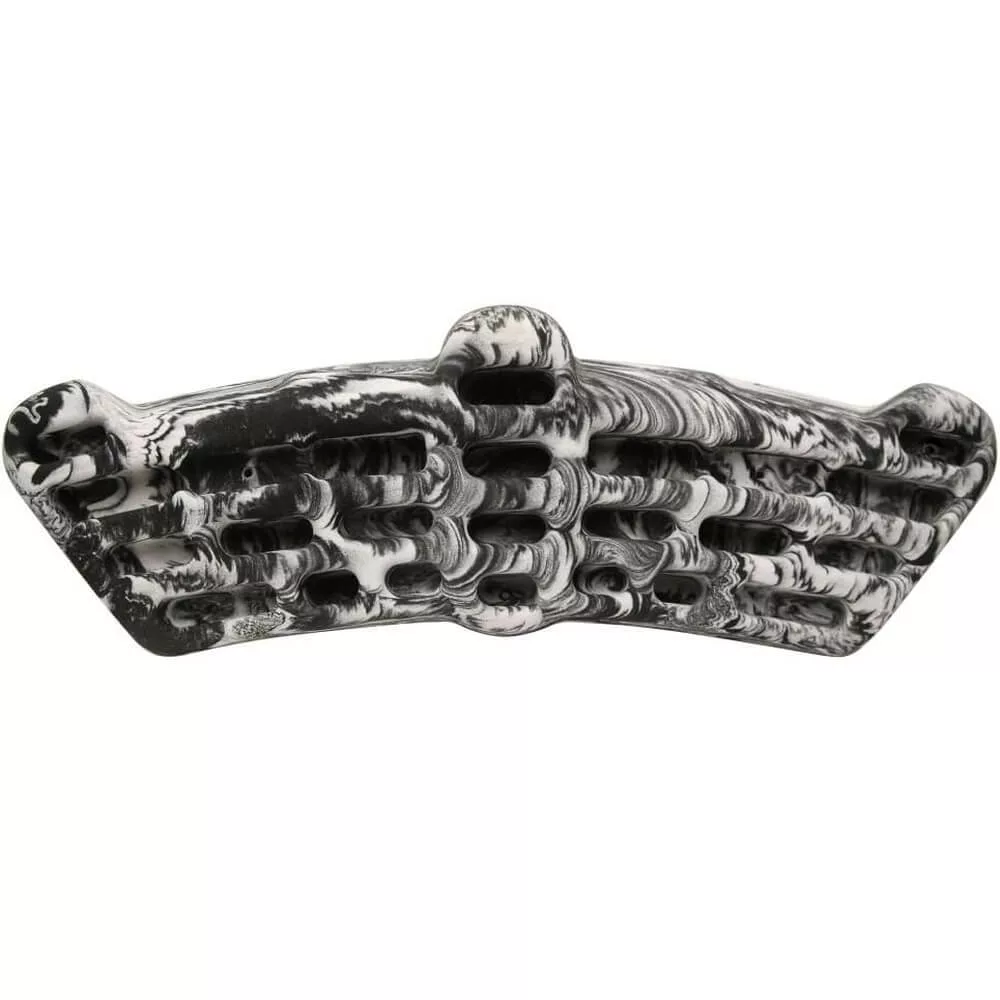
Versatile Hangboard for Serious Climbing Grip Progression
Training across multiple grip types can help build more balanced finger strength and grip control.
If space is a constraint or you plan to train on the go, portable hangboards for home and travel use are worth considering. These handy tools can be set up just about anywhere, making it easier to keep up with your training schedule.
Portable options can help maintain climbing grip training consistency even when away from the gym.
When choosing between wall-mounted and doorway-mounted options, consider your
available space and commitment level. Wall-mounted hangboards are usually
more stable and secure, whereas doorway options can be
less permanent, offering flexibility in installation.
Stable mounting is important for safer hangs and more controlled finger training sessions.
Focus on features that genuinely matter for beginners. This includes ease of installation, variety of grips for gradual progression, and good ergonomic design to minimize discomfort. Avoid boards with unnecessary features that could complicate training.
A beginner-friendly hangboard should support gradual progress while reducing unnecessary strain on the fingers and forearms.
Common Mistakes Beginners Make With Hangboards
Jumping into finger training too early can be a common rookie error. Patience is key—give your fingers a chance to get used to climbing in general before introducing the added strain from a hangboard.
Building a basic foundation first usually helps beginners improve grip strength more safely over time.
It’s tempting to use the smallest edges, thinking they’ll make you stronger faster, but
choosing edges that are too small is risky. Stick to larger holds at the beginning
to develop a solid foundation safely.
Larger edges reduce excessive stress on the fingers while still supporting steady strength development.
Another pitfall is training too often without giving your body time to recover. Overtraining doesn’t just lead to poor results; it runs the risk of injury. Ensure you build in adequate rest days to allow your muscles to heal and grow.
Recovery is especially important because finger tendons adapt more slowly than muscles.
Following advanced climbers’ routines to a tee can be misleading. While it might seem like a good idea to mimic their success, routines designed for seasoned climbers aren’t meant for newbies. Adapt your training to your current capabilities.
Training volume and intensity should match your current climbing experience and recovery capacity.
Ignoring finger pain and tendon fatigue is a recipe for disaster. These warning signs suggest it’s time to scale back and recover. Don’t push through pain; listen to your body to avoid long-term damage.
Paying attention to soreness and fatigue can help protect long-term finger health and climbing progress.
How Beginners Should Start Hangboard Training Safely
Warming up is essential before you start any hangboard session. Take time to properly prepare your muscles and tendons to reduce the chance of injury. Dynamic stretches and some light climbing can get your blood flowing and ready for hangs.
A proper warm-up helps prepare the fingers, forearms, and shoulders for climbing-specific grip training.
When you’re new to this, using bodyweight support and easier grips can be
a game-changer. Start with your feet on the ground or on a chair to control the
load on your fingers. This way, you get used to the positions without risking injury.
Reducing the load early on can help beginners build finger strength more safely and comfortably. Session frequency should be moderate for newer climbers. Consider starting with just one or two hangboard sessions a week. Quality over quantity is what you’re aiming for. Keep these sessions short and focused.
Moderate training volume usually supports better recovery and steadier long-term progress.
Rest periods are crucial in hangboard training. Between sets, make sure to take sufficient breaks to give your muscles and tendons a chance to recover. This recovery process is where real strength gains occur. Recovery between efforts helps reduce excessive fatigue and supports healthier grip endurance development.
Gradual progression is your friend. Start with holds you can comfortably manage and slowly increase difficulty as you become stronger. Avoid the temptation to rush, consistent, steady improvement is the safest path to success.
Slow progression often leads to more sustainable improvements in climbing grip strength and finger resilience.
Choosing the Right Beginner Hangboard for Long-Term Progress
Picking the right hangboard is about finding a balance between comfort, versatility, and potential for progress. It’s the foundation you’ll build your skills on, so consider how it will grow with you as you improve.
A beginner-friendly setup should support gradual grip strength development without overwhelming the fingers. Budget is another factor to keep in mind.
You don’t have to break the bank for your first hangboard,
but make sure it’s a quality product that won’t wear out after a few uses.
Look for boards within your price range that still meet your training needs.
Reliable equipment can make finger training more consistent and comfortable over the long term.
Durability and layout matter more than flashy features. A durable hangboard can withstand extensive training, while a well-thought-out layout provides a range of grips that can grow with your skill level. Versatile grip options often help climbers improve finger strength and grip endurance more progressively.
As you advance, consider how you’ll upgrade your training. Look for boards that can
accommodate new challenges as you improve, or confirm that the one you’re
buying allows for supplemental holds or adjustments.
Training flexibility becomes more valuable as climbing ability and grip demands continue to increase. Building finger strength safely sets the stage for long-term climbing development.
Aim for consistent improvement and avoid rushing into more advanced techniques. Choose a hangboard that supports these goals, offering a solid pathway from beginner to advanced climbing.
Long-term progress usually comes from steady training habits, smart recovery, and gradual increases in difficulty.
Thanks for Stopping By!
How Long Have You Trained Grip With a Hangboard?
Share Your Experience Below!