(Last Updated on October 10, 2026 by Henry)
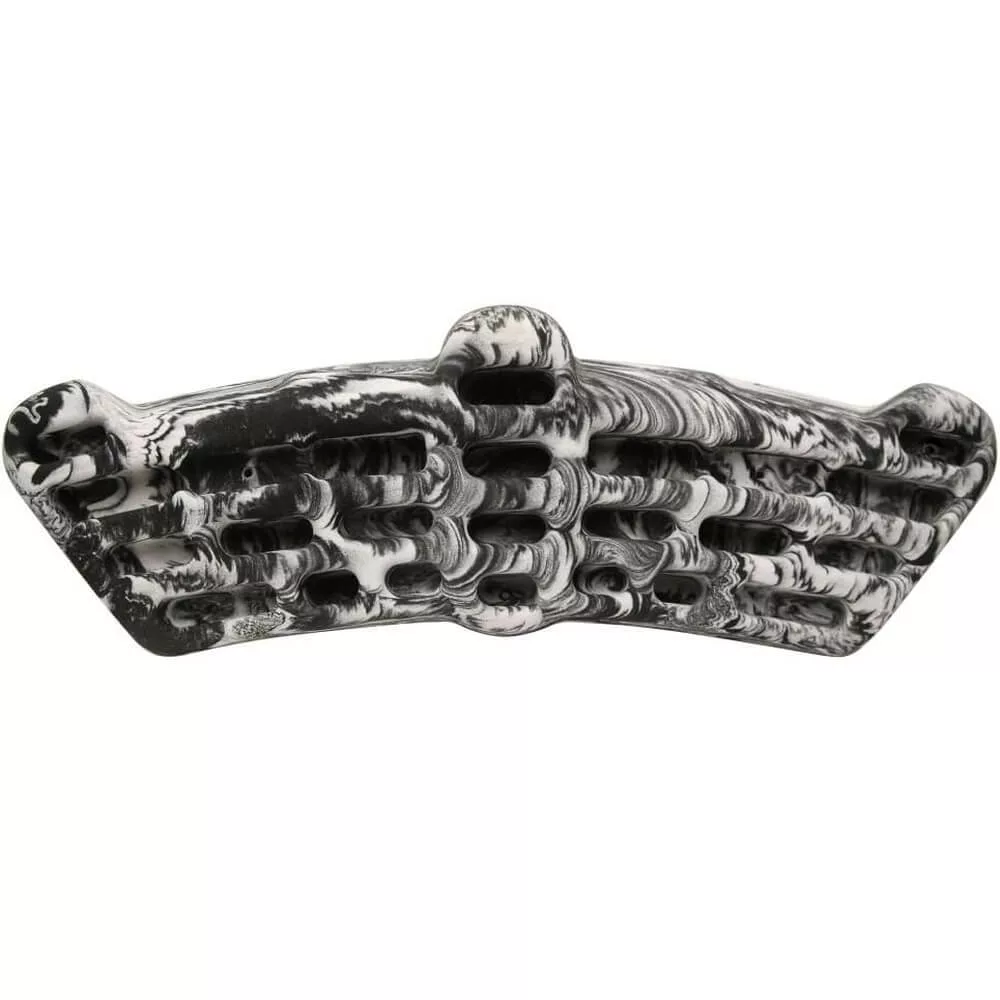
- Name: Metolius Simulator 3D Hangboard
- Category: Support & Static Grip Builders
- Purpose: Finger Strength & Grip Endurance
- Rating: 4.8 / 5
- Availability: Amazon (Prime Delivery)
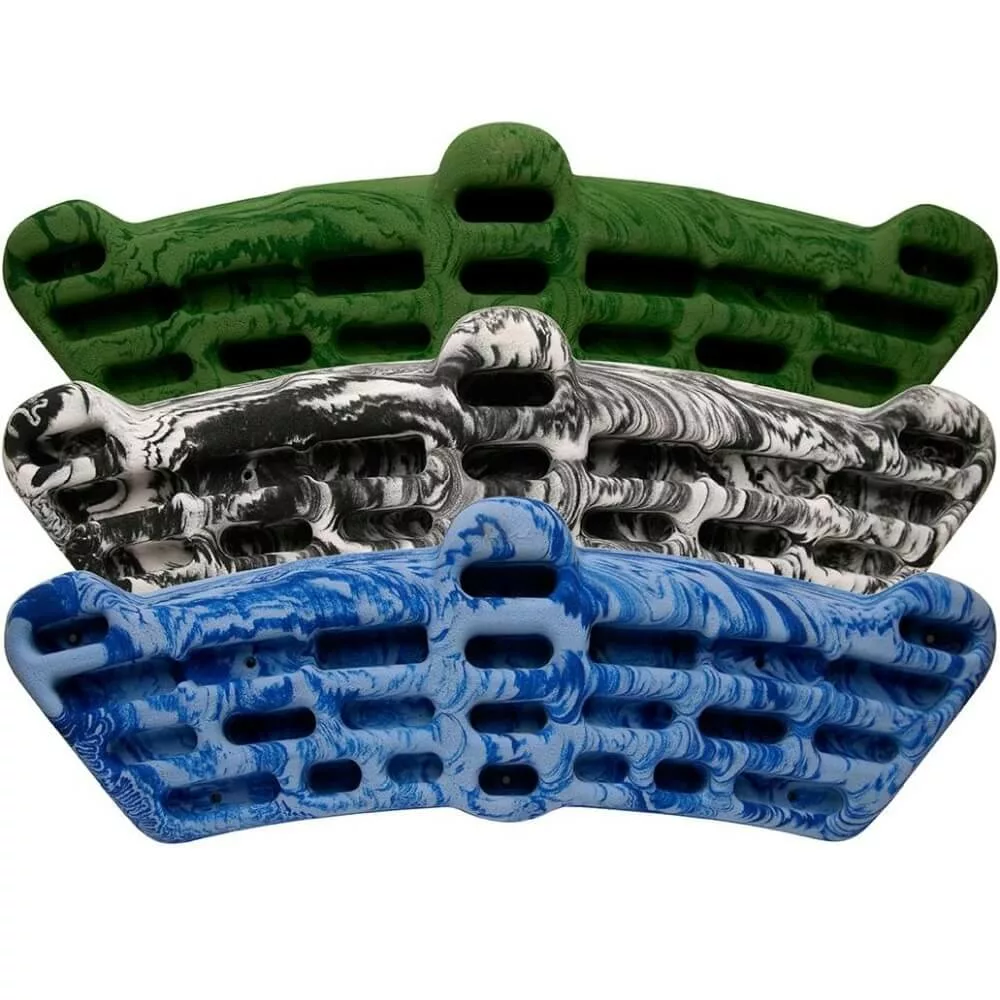
- Massive Hold Variety: Jugs, slopers, pockets, and edges for progression
- Ergonomic Curved Layout: Reduces wrist and elbow strain during hangs
- CNC-Milled Construction: Durable texture with skin-friendly grip feel
Can Your Hands Hold On When Everything Else Says Let Go?
Learn How to Build a Stronger Support Grip
✋ Overview: What Problem Does Metolius Simulator 3D Solve?
Initial Feel, Resistance, & Training Purpose
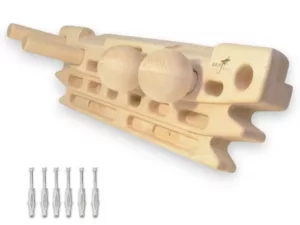
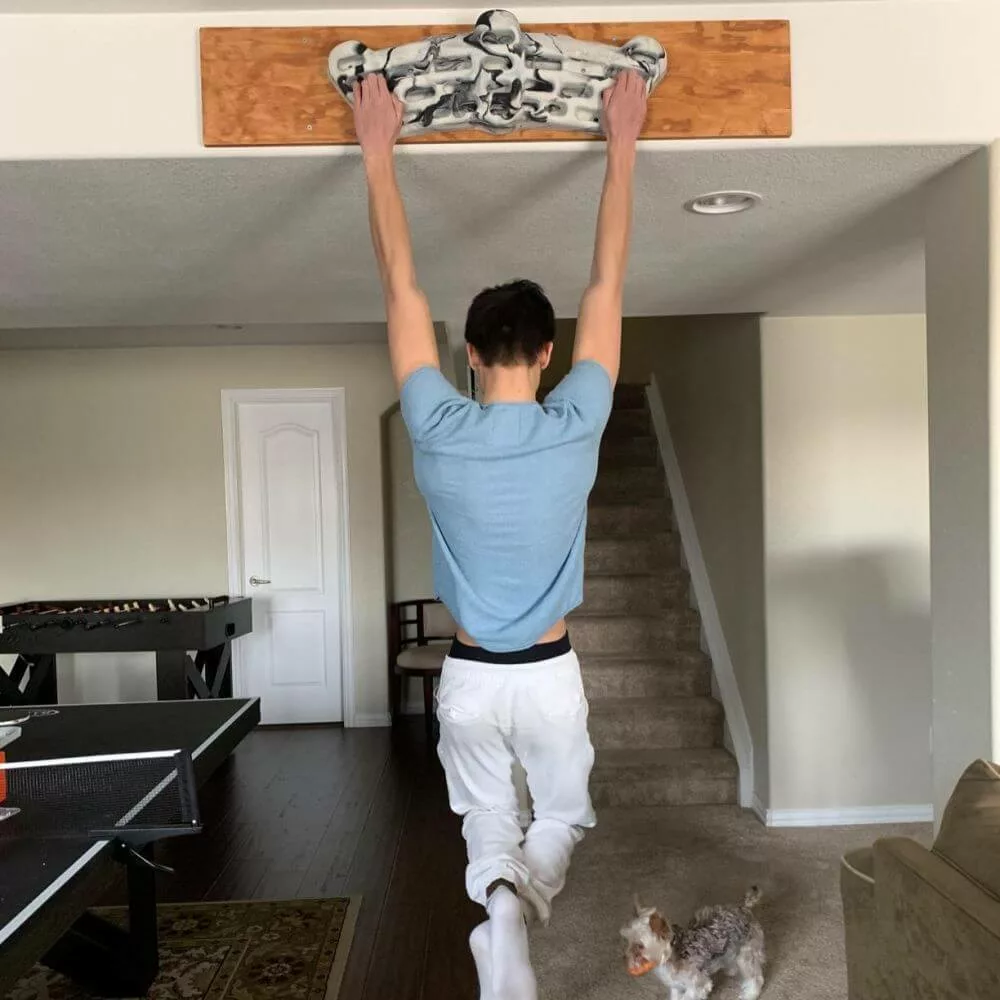
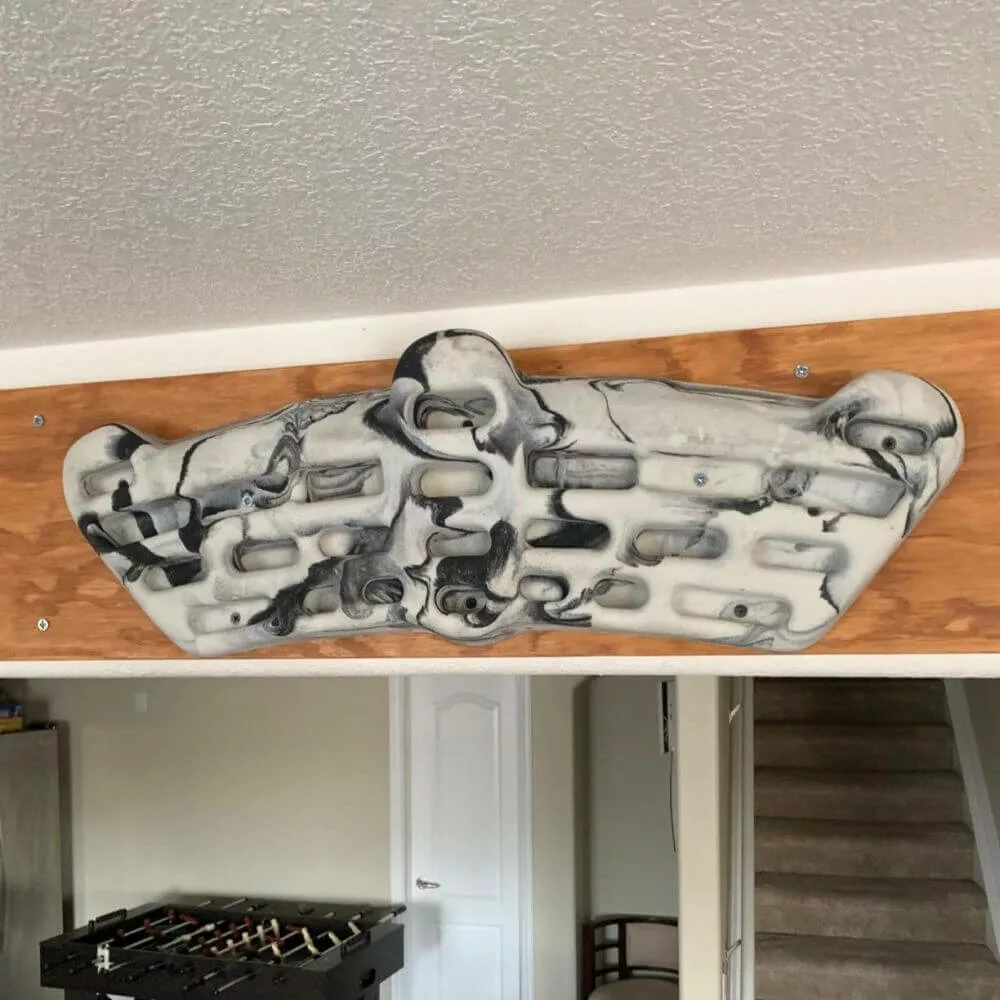
The first thing I noticed about the Metolius Simulator 3D was how solid and substantial it felt straight out of the box. This is not a lightweight plastic accessory pretending to be training equipment: the board has real density, excellent construction quality, and a professional feel that immediately gives confidence during use. Once mounted, it felt extremely stable even during dynamic hangs and pull-up variations.
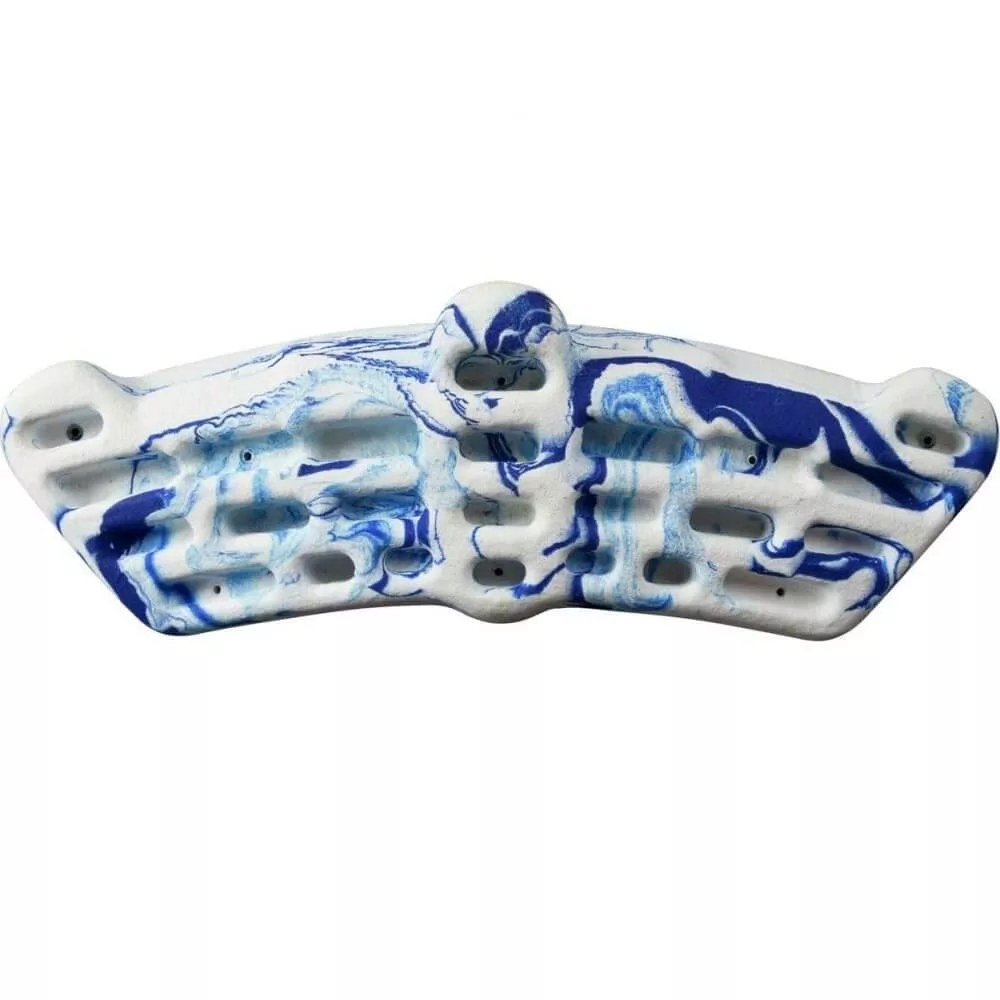
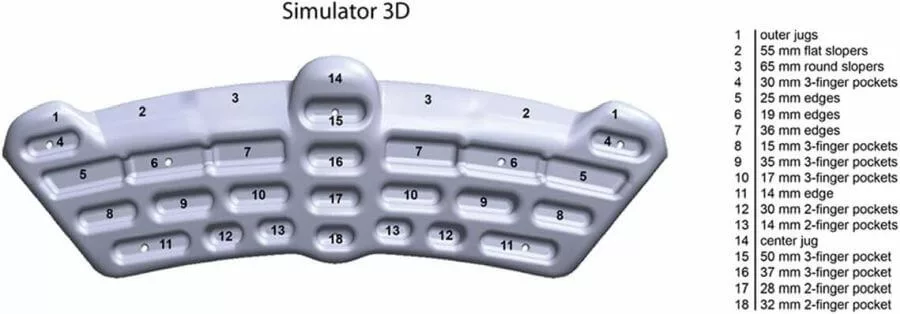
What impressed me most during the first sessions was the variety of grip positions. The combination of jugs, slopers, edges, and pockets creates a training environment that feels genuinely useful for long-term grip progression rather than just offering random hold shapes. The texture also deserves credit. It provides enough friction for confident hanging without feeling excessively sharp or abrasive on the skin, which matters a lot during frequent training sessions.
I also liked how ergonomic the layout feels. The curved design naturally positions the hands and shoulders at a more comfortable angle compared to flatter hangboards. During longer sessions, this noticeably reduced awkward wrist positioning and elbow strain.
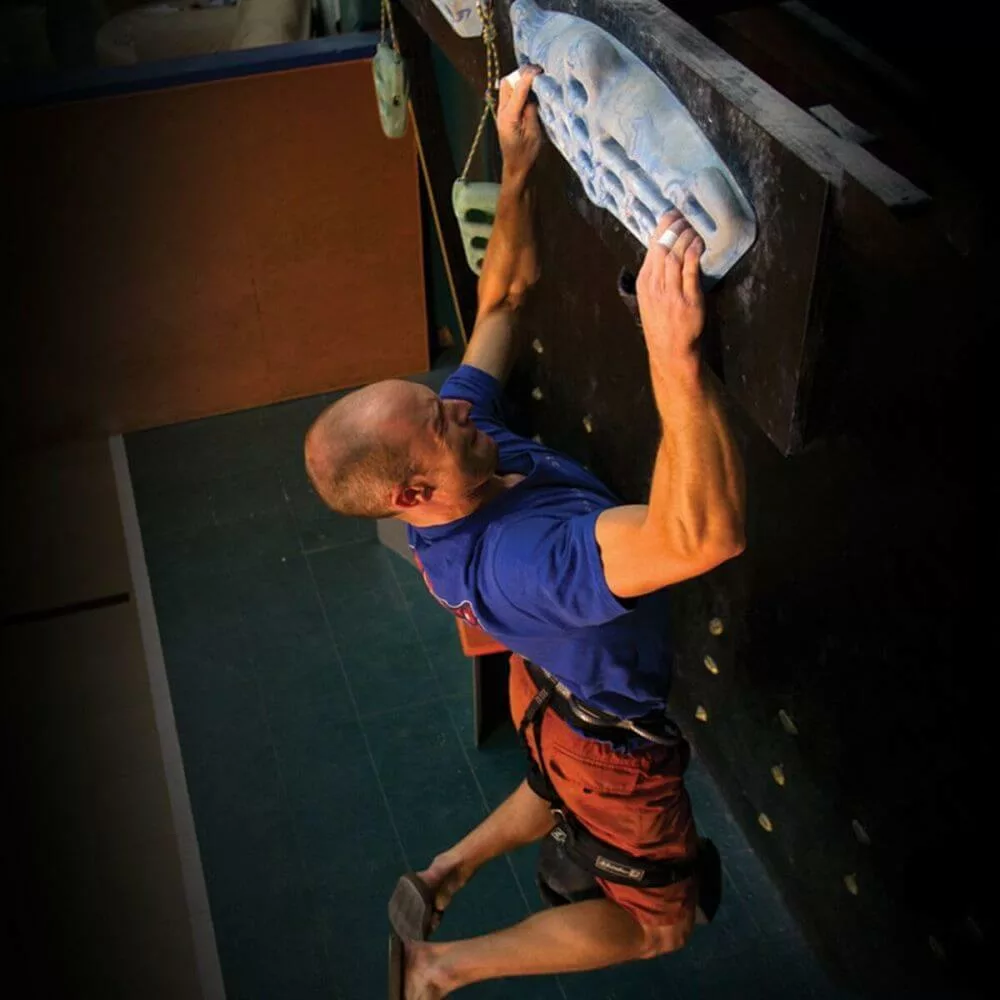
From a progression standpoint, the Simulator 3D feels incredibly scalable. Beginners can start with assisted hangs and larger holds, while advanced users can push toward smaller edges, offset hangs, lock-offs, and one-arm progressions. It integrates naturally into climbing-specific training while also serving as a serious standalone grip strength tool for forearm endurance and finger conditioning.
⚖️ Pros & Cons: Metolius Simulator 3D
Usability, Resistance Quality, & Training Value
The Metolius Simulator 3D delivers impressive versatility for long-term finger strength progression, especially for climbers and grip athletes who want scalable bodyweight resistance training. Its wide range of hold types creates highly adaptable workouts, while the curved ergonomic layout improves overall comfort during hangs and pull-up variations. The texture balances grip and skin comfort very well, making repeated training sessions more manageable.
However, this is still a serious training tool that requires thoughtful progression and proper mounting. Beginners who rush intensity may overload fingers or elbows too quickly, and installation quality plays a major role in long-term safety and stability.
- Hold Variety: Excellent variety of holds for progressive grip training
- Ergonomic Shape: Curved design reduces wrist and elbow strain
- Balanced Texture: Fine-grain texture improves grip without excess abrasion
- Heavy-Duty Build: Extremely durable CNC-milled construction
- Versatile Training: Effective for climbing, pull-ups, and forearm endurance
- Installation Required: Needs secure mounting and proper wall space
- Progression Risk: Beginners can overtrain fingers without structure
- Hardware Limitations: The included mounting hardware may not fit every setup
Still Looking for the Right Tool?
Explore Similar Support Grip Trainers
Metolius Simulator 3D: Ranking 96 out of 100
One Of The Best Long-Term Finger Strength Progression Tools Available
🎯 Who Should Use Metolius Simulator 3D?
Training Level & Athlete Identities
The Metolius Simulator 3D works best for users who want structured grip progression rather than casual forearm exercise. Its versatility allows it to scale across multiple experience levels and training goals.
- Beginners: Larger holds support safe finger conditioning and assisted hangs
- Intermediate Athletes: Smaller edges and lock-offs improve overload progression
- Advanced Climbers: One-arm hangs and pockets build elite contact strength
- Grip Athletes: Great for climbers, calisthenics, grapplers, and arm wrestlers
Beginners building foundational grip strength can use the larger jugs and assisted hangs to safely develop finger conditioning and shoulder engagement.
Intermediate users progressing in resistance will benefit from the varying edge depths, pocket combinations, and lock-off training potential.
Advanced climbers and athletes can use the smaller holds, offset loading, and one-arm progressions to target contact strength, tendon resilience, and climbing-specific power.
Rock climbers, boulderers, grapplers, calisthenics athletes, ninja warriors, and arm wrestlers may all find useful carryover benefits through improved finger strength and pulling endurance.
Home gym users looking for a compact upper-body grip training station will appreciate how much functionality fits into a relatively small wall-mounted footprint.
This tool is particularly valuable for athletes who understand gradual progression and want a long-term training system rather than a short-term novelty product.
My Rating Summary
- Build Quality: 9.7 / 10
- Ease of Use: 9.2 / 10
- Comfort: 9.1 / 10
- Resistance Quality: 9.6 / 10
- Progression Potential: 9.8 / 10
- Value for Money: 9.4 / 10
Technical Details
- Weight: Approximately 5.85 kg package weight
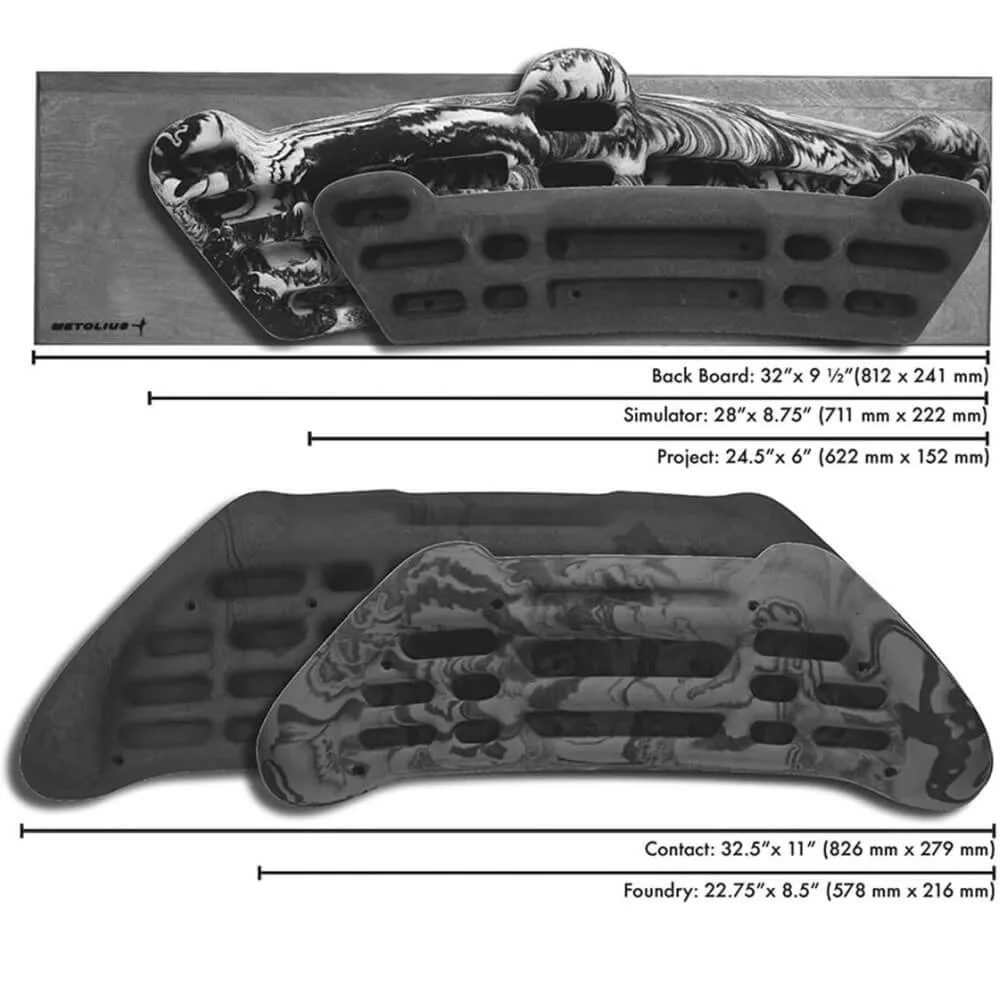
- Dimensions: 28″ x 8.75″ (711 mm x 222 mm)
- Material: CNC-milled composite construction with fine-grain textured surface
- Resistance Range / Load Capacity: Bodyweight resistance training with scalable difficulty through hold selection and leverage
- Use Case: Grip, wrist, and forearm strength training
- Manufacturer: Metolius
📈 Where Metolius Simulator 3D Fits In Grip Strength Progression
Progression, Scalability & Long-Term Use
The Metolius Simulator 3D occupies an interesting position in grip strength progression because it remains relevant across nearly every stage of development. Unlike basic hand grippers or beginner finger trainers that are quickly outgrown, this board provides a very high skill ceiling when programmed correctly.
For beginners, the larger jug holds and assisted hanging variations offer a safe entry point into finger and forearm conditioning. Users can gradually build connective tissue adaptation, shoulder stability, and grip endurance without immediately stressing smaller finger pockets.
Intermediate athletes gain access to structured overload through smaller edges, longer hang durations, offset loading, and pull-up variations. The board naturally supports progressive overload by manipulating body weight, hold depth, leverage, and hang duration instead of relying on traditional adjustable resistance systems.
Advanced users can continue using the Simulator 3D for years through one-arm hangs, advanced crimp training, contact strength work, and climbing-specific power development. The hold variety keeps training adaptable and difficult even after substantial progress.
Most users are unlikely to completely outgrow this board unless transitioning into highly specialized elite climbing protocols. Even then, it still functions well as a warm-up, maintenance, and endurance training tool within broader climbing programs.
💪 Training Benefits & Strength Transfer Potential
Real-World Strength Carryover
The Simulator 3D delivers excellent transfer into real-world grip performance because it trains multiple hand positions, finger angles, and forearm recruitment patterns simultaneously. Unlike isolated squeezing tools, hangboards force the fingers, wrists, forearms, shoulders, and core to stabilize together under bodyweight tension.
One of the biggest performance benefits comes from improved finger strength and contact strength. Smaller edge holds require controlled force production through the fingertips, which translates extremely well into climbing, grappling, and other pulling-intensive sports. I also noticed that sustained hangs create significant forearm endurance demands, especially when alternating between slopers, pockets, and edge variations.
The board also improves wrist stabilization and shoulder engagement during static hanging positions. Proper hangs require active scapular control and elbow stability, making the training effect much broader than simple finger conditioning.
For climbers, the carryover is obvious. Edge control, pocket strength, and grip endurance all improve climbing-specific performance. However, the board can also benefit calisthenics athletes, obstacle racers, and arm wrestlers who need stronger connective tissue and pulling endurance.
The variety of grips prevents adaptation from becoming too narrow. Training can rotate between open-hand positions, semi-crimp holds, slopers, pockets, and pull-up variations, creating a more complete approach to long-term grip development and injury-resistant strength.
Good at Squeezing, But Can You Hang On?
Learn How Support Grip Builds Holding Strength
🧠 Performance & Feel During Training
Hand Engagement & Resistance Feedback
During actual training sessions, the Simulator 3D feels extremely responsive and mechanically solid. The texture creates a confident grip without tearing the skin excessively, which makes a major difference during repeated hangs and pull-up sets. I immediately noticed how much forearm engagement certain holds demanded, especially the smaller edges and pocket variations.
The resistance feel changes dramatically depending on grip choice, which keeps training highly versatile. Jugs allow controlled warm-ups and endurance work, while smaller edges quickly increase intensity and finger recruitment. Slopers add a completely different challenge by forcing greater open-hand tension and friction control.
Hand positioning also feels surprisingly natural due to the board’s curved ergonomic layout. My wrists and elbows stayed in more comfortable positions compared to flatter training boards I’ve used previously. That broader arc design genuinely helps distribute stress more evenly during longer hangs and lock-off work.
Another strength is how stable the board feels during explosive or dynamic movements. Pull-ups, offset hangs, and core integration drills all felt secure once mounted properly. The holds maintain consistent texture and grip feedback even during sweaty sessions, which improves overall training confidence.
Grip fatigue builds quickly on advanced holds, but in a productive way that feels targeted rather than awkward or unstable. The board rewards controlled progression and disciplined training volume.
🏗 Build Quality & Long-Term Durability
Material Quality & Longevity
The Simulator 3D has a reputation for durability, and the construction quality supports that reputation very well. The CNC-milled design feels dense, rigid, and highly resistant to flex or structural weakness. Even under repeated bodyweight loading, the board maintains a very stable feel without signs of instability or cracking when mounted correctly.
The fine-grain texture also appears designed for long-term usability. Some aggressive hangboards become overly sharp or abrasive with extended use, but the Simulator 3D balances friction and comfort effectively. This helps reduce excessive skin wear during high-frequency training cycles.
The holds themselves are well-shaped with smooth transitions and consistent symmetry. The CAD/CAM manufacturing process clearly contributes to the board’s professional feel and reliable grip positioning.
Maintenance requirements are minimal beyond occasional cleaning and checking mounting security. Most long-term durability concerns are likely to come from improper installation rather than the board itself.
Given its heavy-duty construction and proven long-term reputation among climbers, this is realistically a piece of equipment that can remain part of a training setup for many years.
🏠 Everyday Usability & Practicality
Portability, Storage, & Daily Training Use
Although the Simulator 3D is not portable in the traditional sense, its wall-mounted design makes it extremely practical for consistent daily use. Once installed, it becomes one of those training tools that naturally encourage frequent short sessions because it is always accessible.
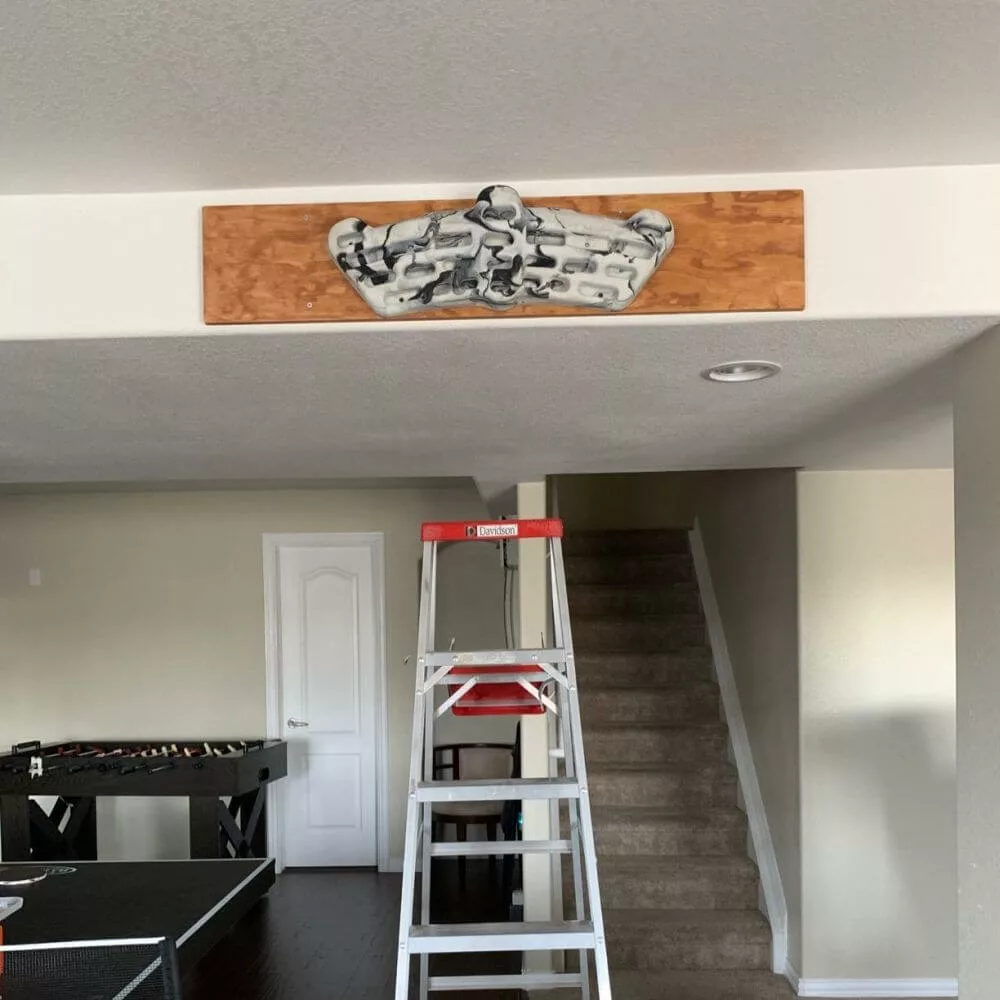
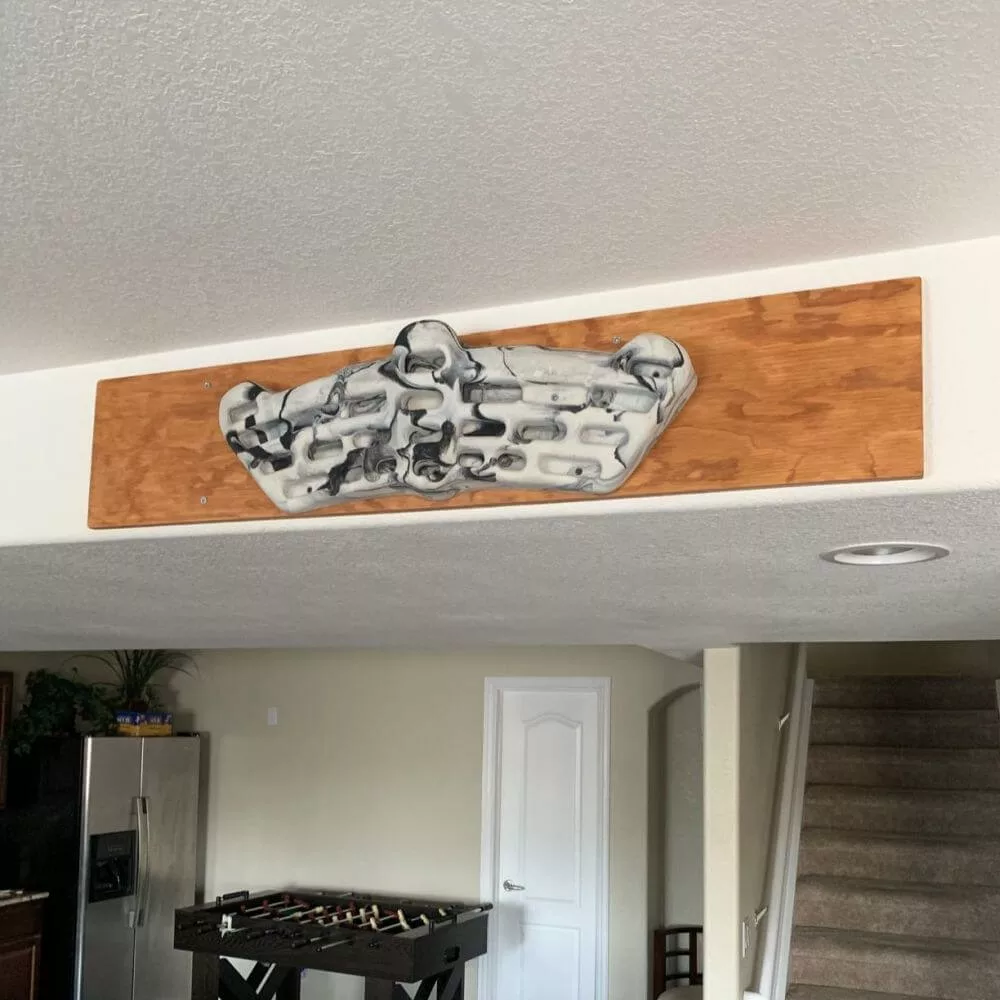
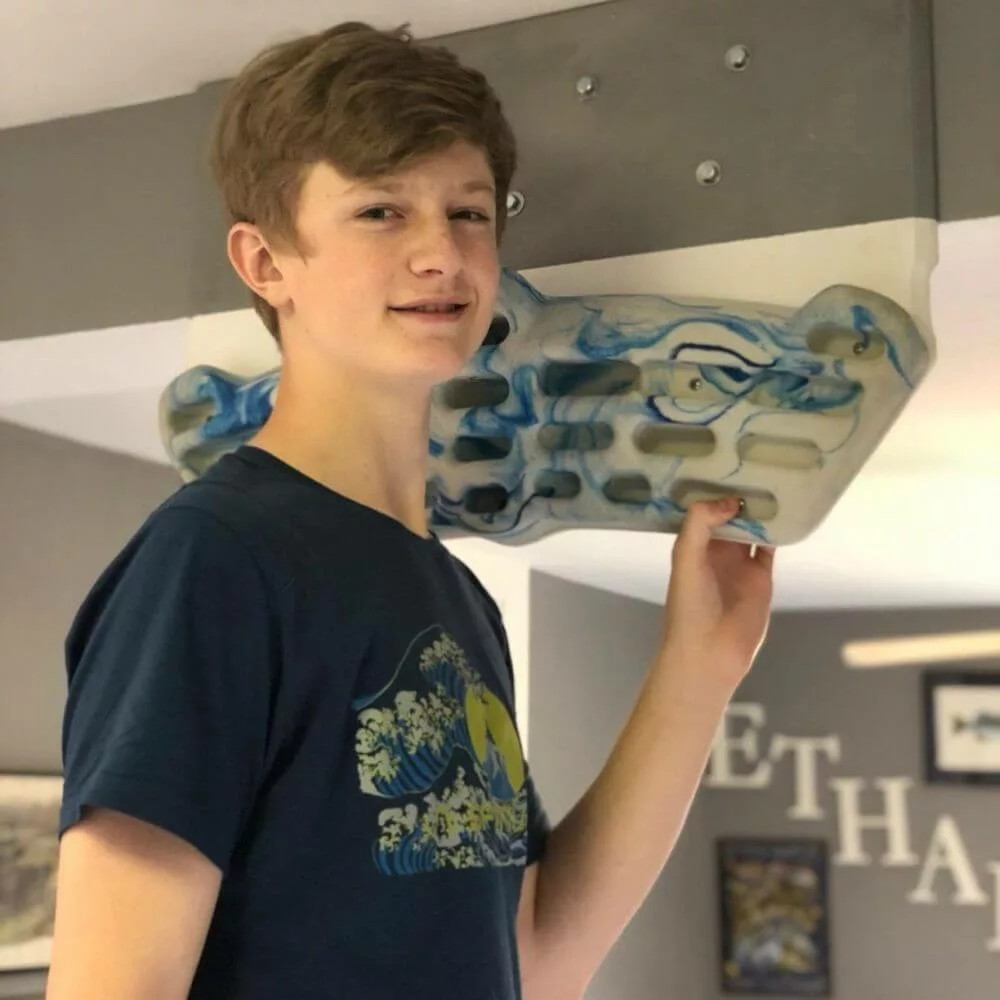
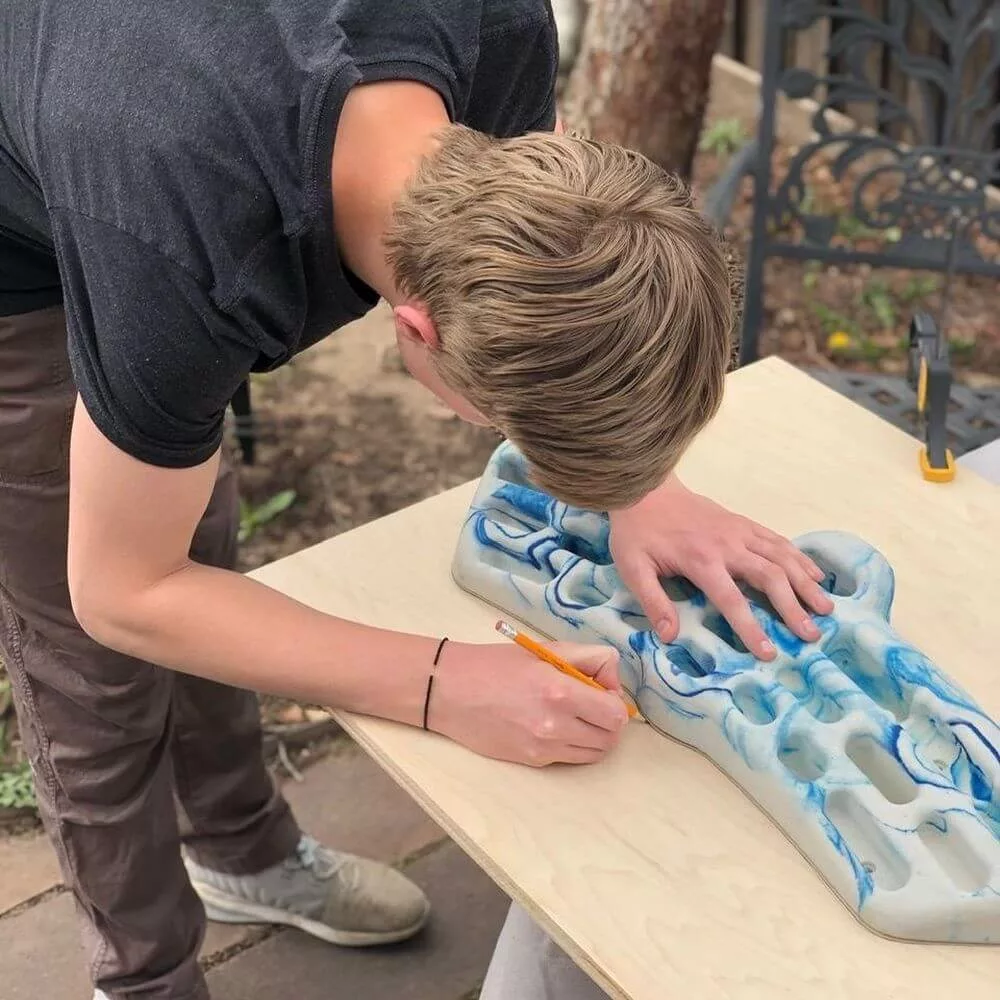
The setup does require some planning. Proper mounting into studs or a secure backing board is essential for stability and safety. However, once installed correctly, the board occupies relatively little space compared to larger home gym equipment.
I especially like how easy it is to integrate quick grip sessions throughout the day. Short hangs, pull-up variations, or warm-up routines can be performed in just a few minutes without needing a full gym setup. This convenience supports long-term consistency, which is critical for finger strength progression.
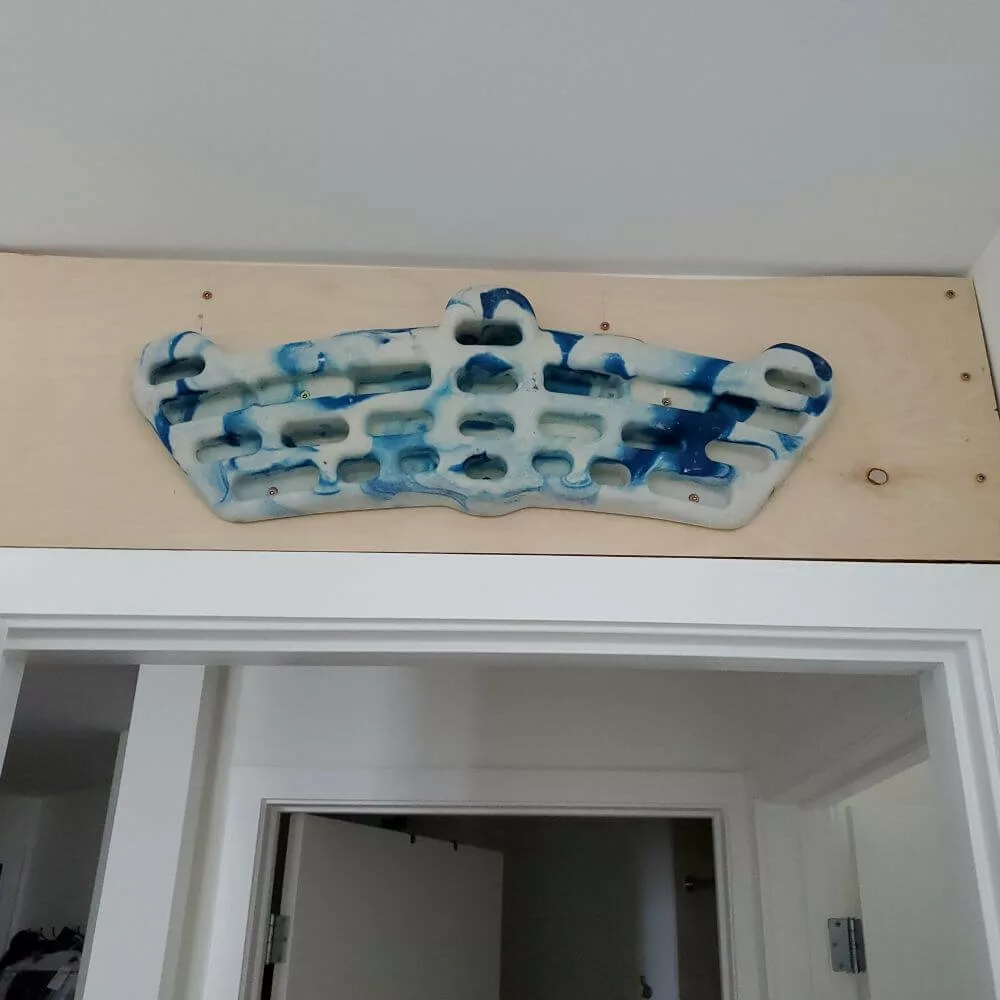
The board also works well in garages, basements, home gyms, or even hallway setups above door frames. Its compact footprint delivers a surprisingly large amount of training variety.
For climbers unable to access climbing gyms regularly, the Simulator 3D offers a highly practical way to maintain finger strength and upper-body pulling endurance from home.
✅ Final Verdict: Is Metolius Simulator 3D Worth It?
Long-Term Training Value
I think the Metolius Simulator 3D easily earns its reputation as one of the most respected hangboards in climbing and grip training. What makes it stand out is not just the quality of the construction, but how well the board supports long-term progression across multiple skill levels.
For beginners, it offers enough larger holds and scaling options to safely build finger strength and connective tissue conditioning. For intermediate and advanced athletes, the variety of edges, pockets, slopers, and pull-up possibilities creates years of progression potential without becoming repetitive.
I also appreciate that the board feels purpose-built rather than gimmicky. Every hold shape has practical training value, and the ergonomic curved layout noticeably improves comfort during extended sessions. The texture strikes an excellent balance between grip and skin friendliness, which becomes increasingly important over time.
That said, this is still a serious training tool. Users who progress too aggressively can overload fingers, elbows, or tendons if they ignore recovery and proper programming. Gradual progression matters enormously with hangboard training.
Overall, I would strongly recommend the Simulator 3D for climbers, grip athletes, calisthenics enthusiasts, and anyone serious about developing long-term finger strength, forearm endurance, and pulling performance. For the right user, it offers outstanding long-term training value.
Thanks for Checking it Out!
Have You Trained with Metolius Simulator 3D?
Share Your Experience in the Comments!
Climbing With Finger Pain? Learn About Finger Pulley Injuries & How to Train Smarter
& Browse the Grip Training FAQ for Quick Answers