
(Last Updated on October 10, 2026 by Henry)
The Best Hangboard Is The One That Lets You Progress Consistently
Without Destroying Your Fingers Along The Way.
A good hangboard should help climbers build finger strength progressively without turning every training session into a battle against pain, skin damage, or overuse injuries.
Many climbers rush into advanced finger training too early, choosing tiny edges or overly aggressive boards designed for elite climbers rather than sustainable long-term progress.
For most people, the best hangboard is not the most difficult one: it is the one that allows consistent training, gradual progression, and enough variety to support both strength and injury prevention. Comfort, edge spacing, skin-friendly texture, and hold usability matter far more than flashy marketing claims.
Climbing communities and coaches consistently emphasize that hangboards should complement climbing, not replace it. Technique, movement efficiency, and recovery still remain the foundation of long-term climbing progression.
🧗 Best Overall Hangboard for Climbers
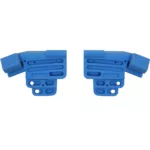
The Metolius Simulator 3D remains one of the safest and most balanced choices for climbers who want a versatile board that can support years of progression.
Its ergonomic shaping, wide hold variety, and approachable layout make it especially useful for climbers transitioning from pure climbing volume into structured finger training.
The safest approach for newer climbers is to start with larger holds and
controlled loading rather than chasing maximum finger strain too early.
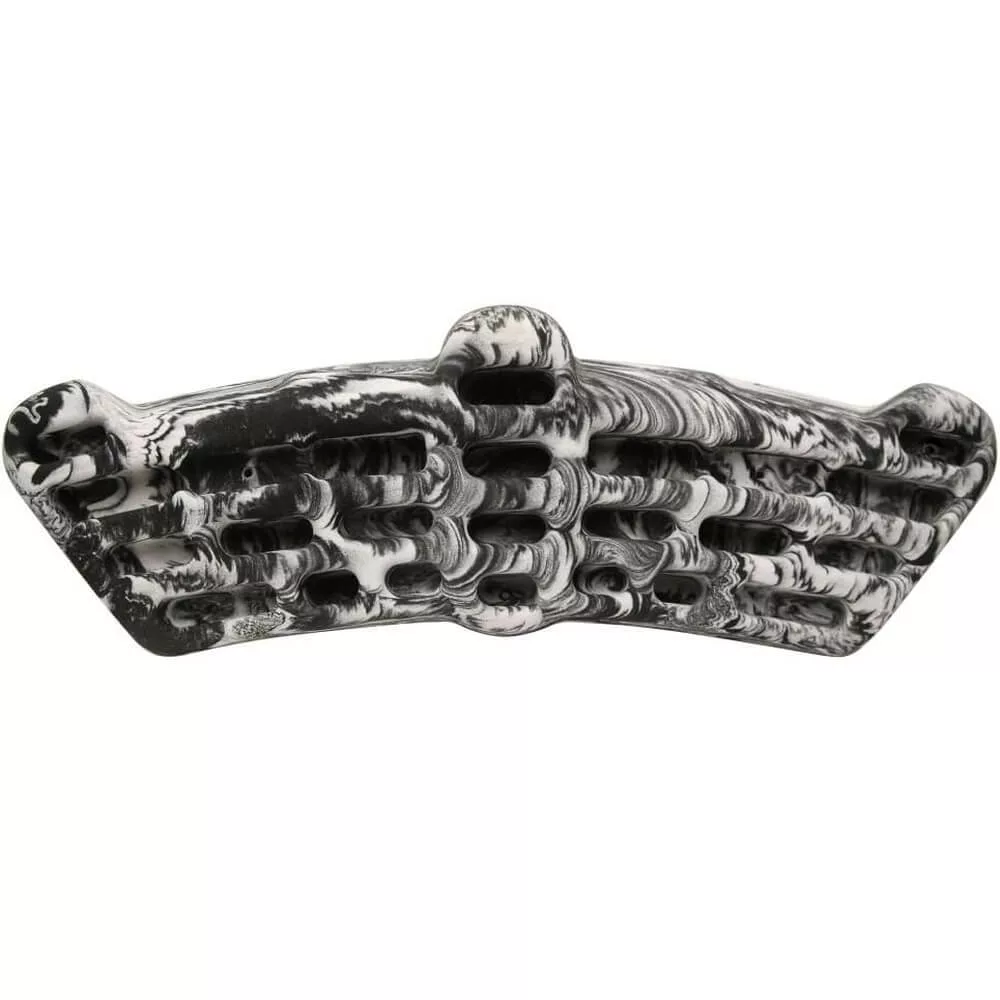
Versatile Hangboard for Serious Climbing Grip Progression
Unlike many aggressive training boards, the Simulator 3D does not force climbers into overly specialized grip positions too early.
Larger holds, varied pockets, and multiple edge sizes make it adaptable for different climbing styles while remaining beginner-friendly enough to reduce unnecessary strain.
Many climbers plateau not because they lack effort, but because they overload
their fingers too aggressively before the connective tissues fully adapt.
🪵 Best Wooden Hangboard for Skin-Friendly Training
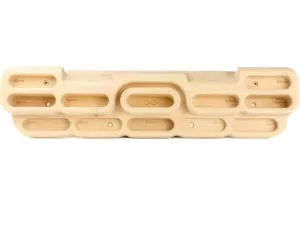
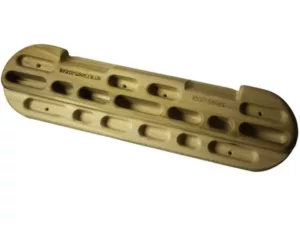
The Beastmaker 1000 (Recommended) has become almost a default recommendation within climbing communities because of its smooth wooden texture and approachable edge design.
Wooden hangboards are generally easier on skin than resin boards, which becomes increasingly important during higher training frequency or colder climbing seasons.
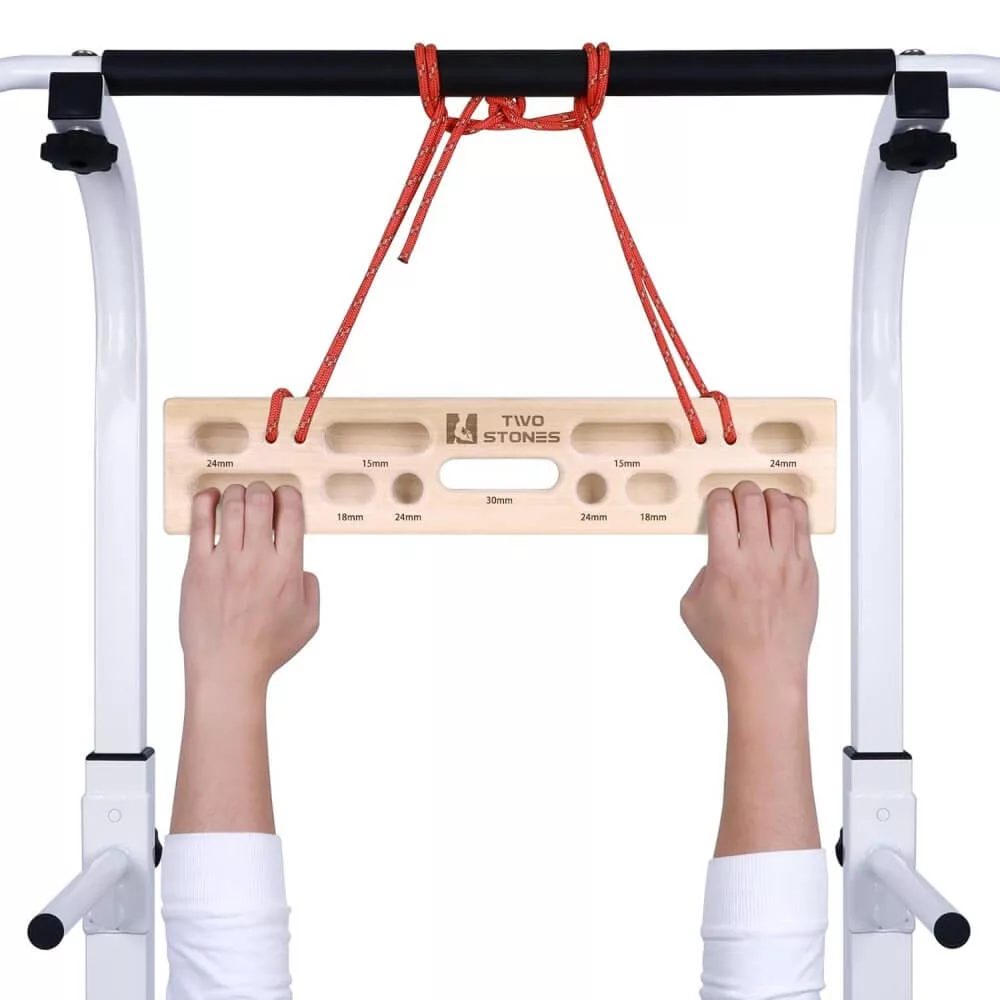
Portable Finger Strength Hangboard for Travel Climbing & Grip Training
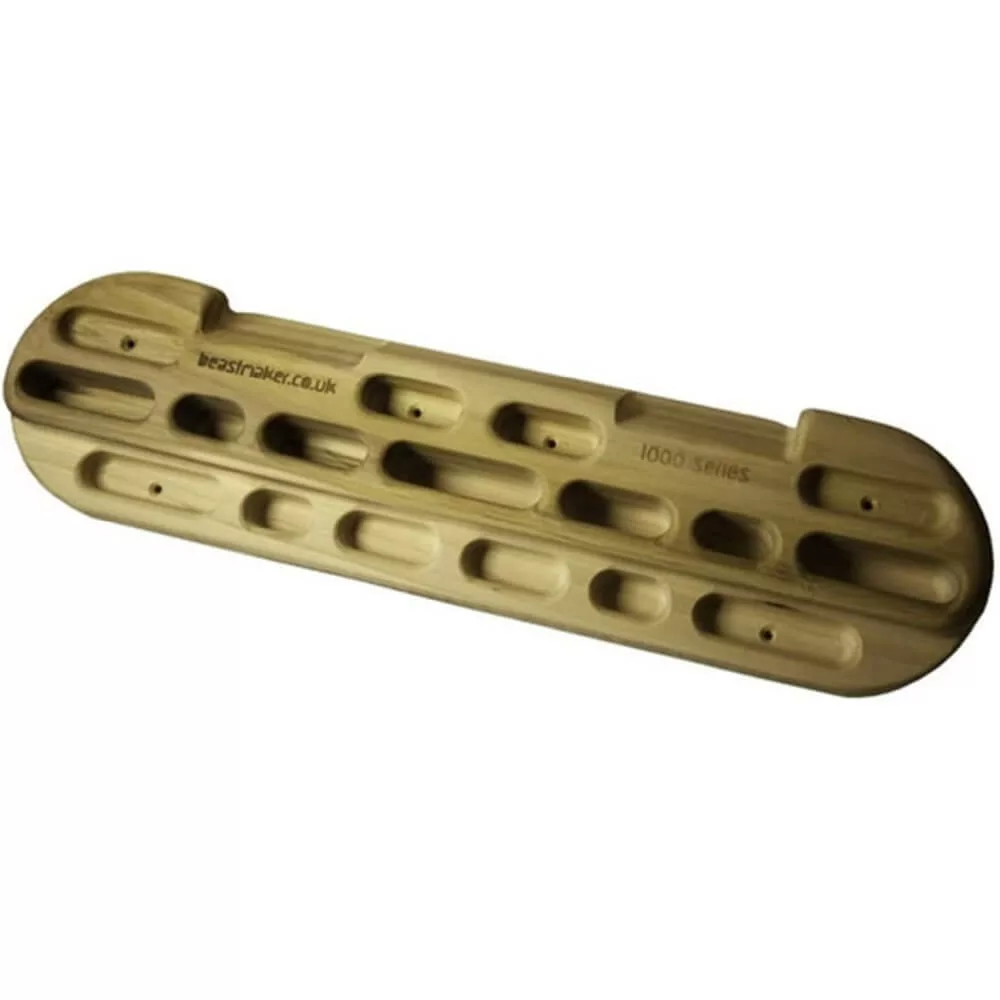
Beginner-Friendly Hangboard for Safe Finger Strength Progression
The Beastmaker 1000 works especially well for climbers who want a long-term board that encourages controlled progression rather than ego-driven max hangs.
Many climbers also appreciate the more natural grip feel compared to harsher resin textures.
Its layout balances challenge and usability well enough that intermediate climbers can continue using it long after beginner stages are over.
📈 Best Hangboards for Structured Progression
Structured progression matters because finger strength improves gradually over months and years, not overnight. Boards with clearly organized edge depths and logical hold progression make tracking improvement significantly easier.
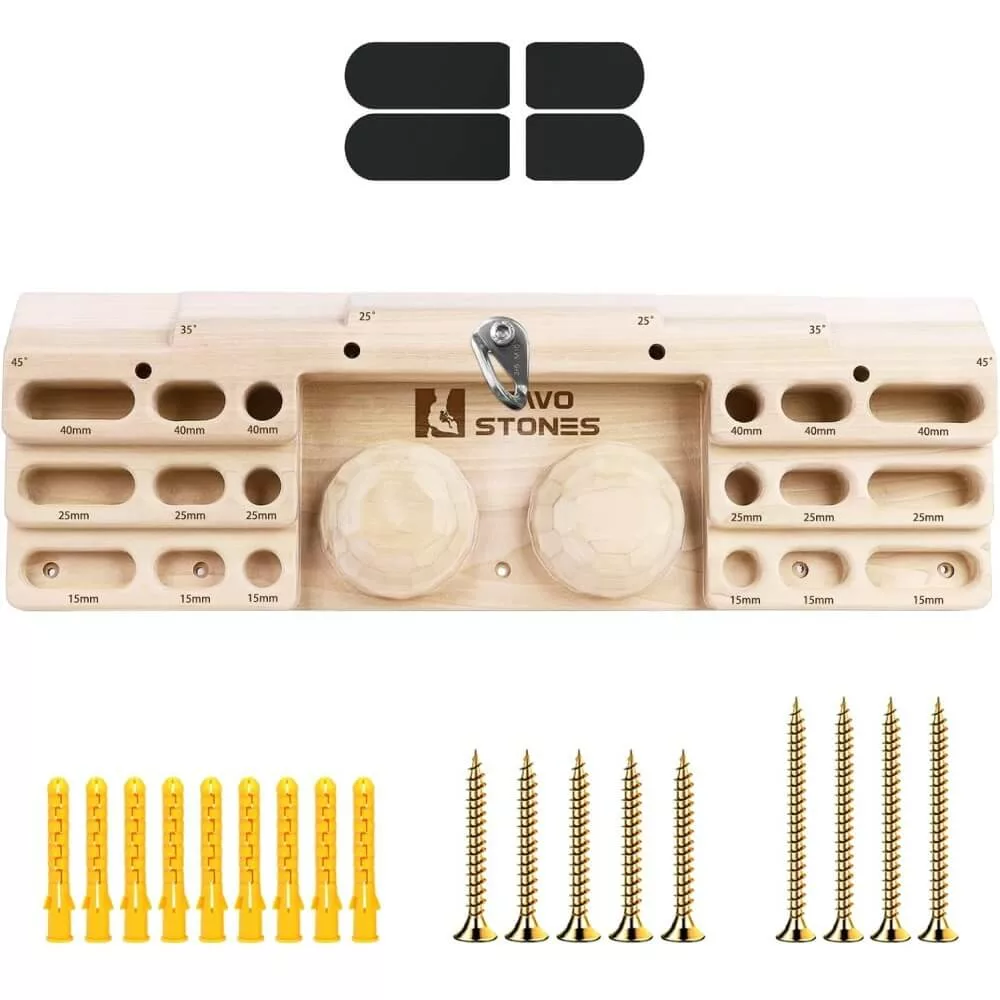
Wooden Hangboard with Spherical Holds for Climbing Progression

Premium Hardwood Hangboard with Pull-Up Integration
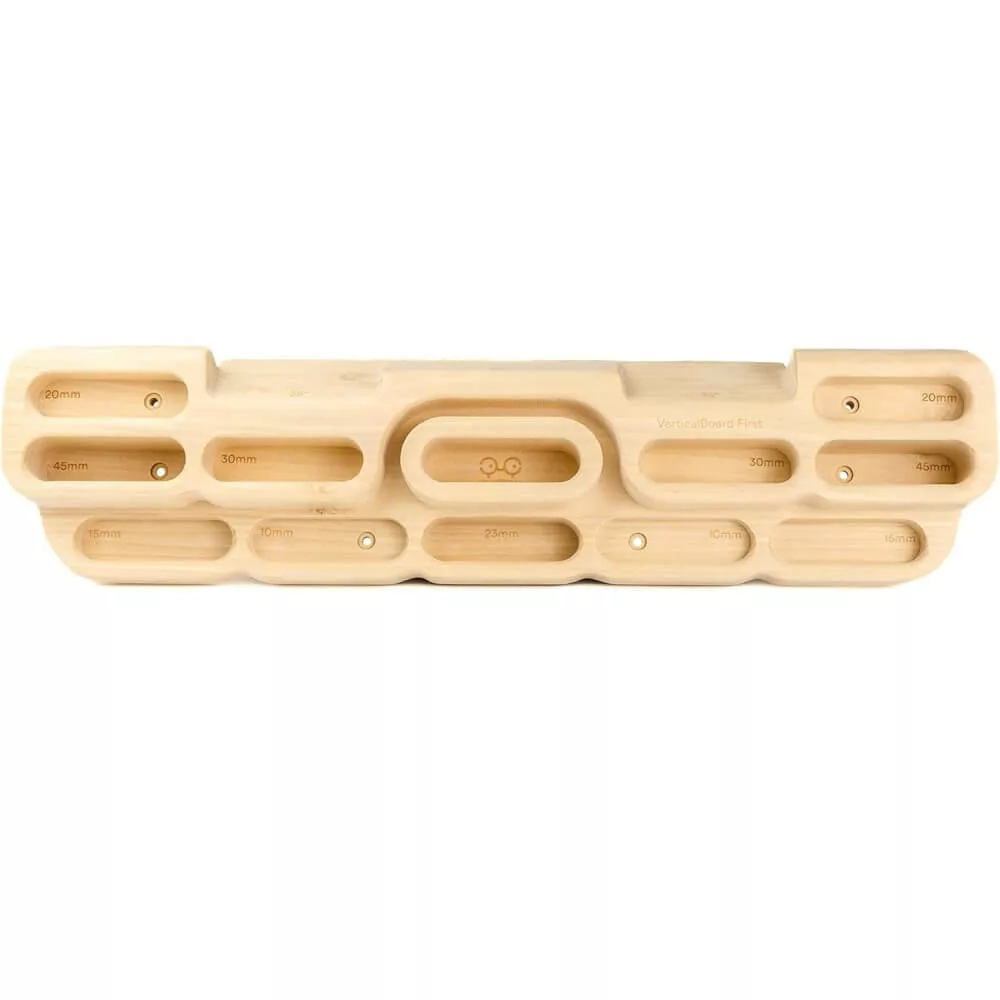
Progressive Hangboard for Controlled Finger Strength Training
Finger strength develops far more reliably through controlled consistency
than occasional maximal effort sessions.
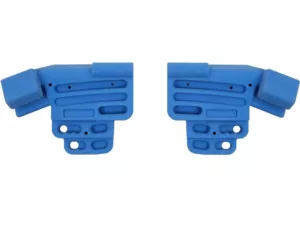
The YY Vertical Verticalboard First (Recommended) stands out because its beginner-friendly edge layout and approachable hold design make structured finger strength progression feel safer and easier to manage over time
Instead of randomly guessing hold difficulty, climbers can train more methodically while monitoring adaptation over time.
Boards focused on progression also tend to encourage better training discipline.
Rather than constantly testing maximum strength, climbers naturally focus more on consistency, repeatability, and sustainable loading.
🏆 Best Elite Hangboard for Serious Climbers
Advanced climbers often prioritize edge precision, training specificity, and maximum loading potential. At this level, small differences in edge depth, edge texture, and spacing can significantly impact training quality.
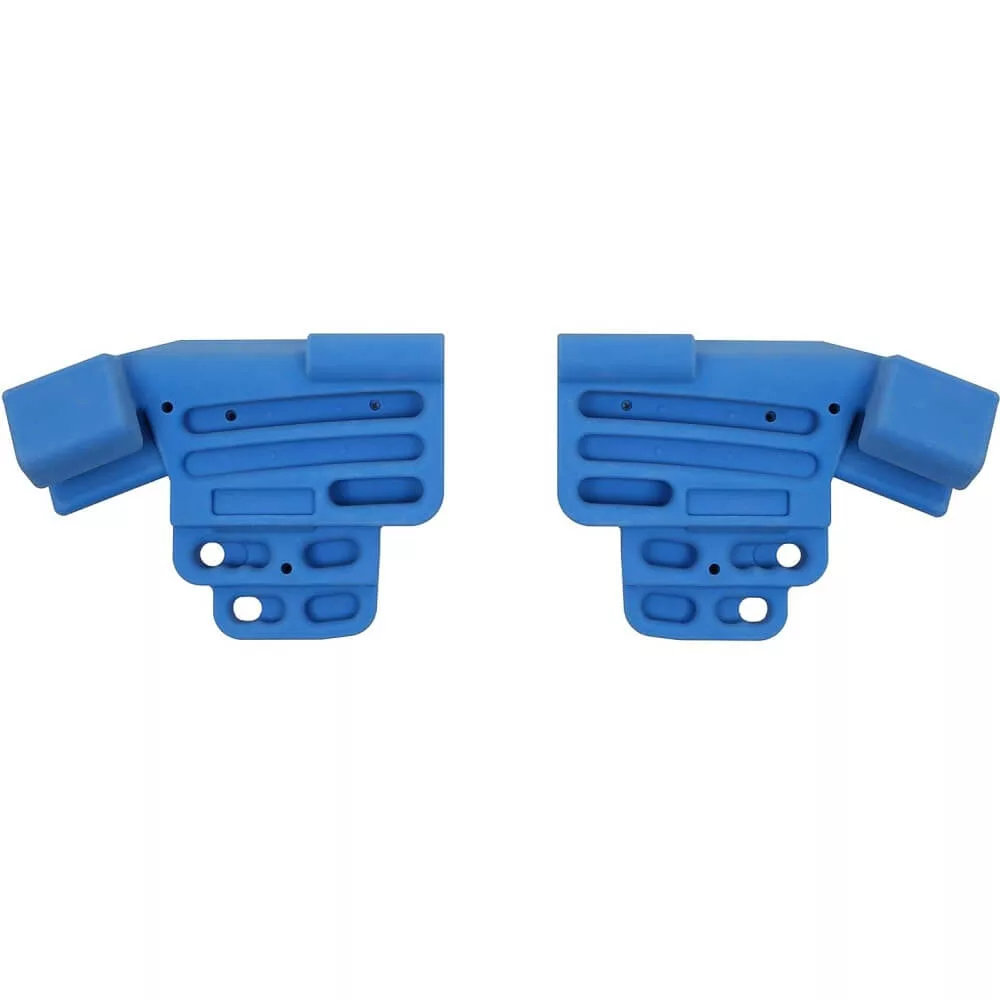
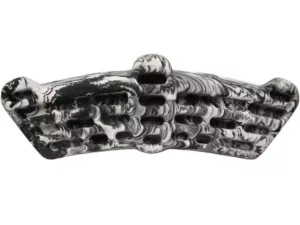
Precision Hangboard for Advanced Finger Strength Training
Premium training boards designed for experienced climbers usually demand stronger connective tissue adaptation and more disciplined recovery management.
They are not inherently “better” for everyone; they are simply optimized for climbers who already possess strong baseline finger conditioning.
This is why many elite climbers still recommend simpler boards for newer athletes despite having access to advanced training equipment themselves.
The strongest climbers are often the most patient with progression and recovery.
💸 Budget-Friendly Hangboard Alternatives
Not every climber wants to invest heavily in finger training equipment immediately.
Budget-friendly options can still provide valuable grip and finger conditioning opportunities, especially for newer climbers experimenting with structured off-wall training for the first time.
Lower-cost alternatives may lack premium finishing, optimized edge shaping, or long-term durability, but they can still serve as useful entry points for casual training or supplemental grip work.
📊 Quick Comparison: Which Hangboard Fits Your Training?
| Image |
 |
 |
 |
 |
| Recommendation | ⭐ Best Overall Choice | 🪵 Skin-Friendly Pick | 📈 Structured Progression | 🏆 Elite Performance |
| Model | Metolius Simulator 3D | Beastmaker 1000 | YY Vertical Verticalboard First | Trango Rock Prodigy |
| Best For | All-around beginner training | Skin-friendly wooden progression | Structured finger strength progression | Elite-level finger training |
| Material | Resin | Wood | Wood | Mixed |
| Training Style | Varied grip training | Controlled edge work | Progressive overload | Advanced structured loading |
| Beginner Friendly | High | High | Moderate | Low |
| Progression Potential | High | High | Very High | Elite |
| View Full Review & Product Details → | ||||
| Action | Review | Details | Guide | Specs |
🧠 Final Thoughts: Choosing the Right Hangboard
The best hangboard is the one that matches your current climbing level while still leaving room for sustainable progression. Many climbing injuries happen when climbers jump too quickly into advanced finger loading before tendons, pulleys, and connective tissues fully adapt.
For most climbers, comfort, consistency, and gradual overload matter far more than aggressive edge depth or elite-level training protocols. A simpler board used consistently over time usually produces better long-term results than an advanced board used recklessly.
If you are still building climbing-specific finger strength, focus on progression quality first and maximum intensity second. Your fingers, skin, and recovery capacity will thank you later.
Thanks for Stopping By!
Which Hangboard Do You Like the Most?
Share Your Thoughts Below!
Good finger training comes from consistency and recovery quality,
not simply owning the most expensive board available.



)