
(Last Updated on May 30, 2026 by Henry)
Climbing is one of those sports where every muscle group comes into play, but it’s your fingers that often act as the final link in the chain holding you to the wall. To understand the importance of finger strength, consider it the foundation for effective climbing, directly impacting your performance and safety. For many climbers, finger strength becomes one of the biggest limiting factors on difficult routes.

Climbers have to rely extensively on their tendons & gripping endurance. These are the parts of your anatomy taking on immense stress when holding body weight.
Unlike general grip strength, which might be useful for everyday tasks, climbing-specific finger strength involves the ability to repeatedly squeeze into a variety of positions, sustaining that grip for seconds, even minutes at a time.
This blend of endurance, control, and sustained gripping is what separates climbing grip strength from ordinary hand strength.
When it comes to climbing, stronger fingers mean you can tackle more challenging routes with better control and confidence. It’s not just about holding on longer; it’s about matching the speed and precision needed to react swiftly to each move. Climbing harder and more complex routes demands this refined level of finger power, translating into the ability to navigate tricky holds and supporting your next move without hesitation.
Even moderate gains in finger strength can improve hold stability, climbing confidence, and overall grip efficiency.
A key thing to remember is that developing finger strength isn’t an overnight feat. It takes time, lots of patience, and consistency. Many climbers find themselves plateauing, or worse, injured, when they try to fast-track this critical aspect of their climbing fitness.
Cultivating finger strength means respecting your body’s pace and allowing it to gradually adapt to increased demands over time. Slow, consistent progress is usually more effective than aggressive training volume when trying to improve your grip for climbing.
How Climbing Naturally Develops Finger Strength
Climbing is an organic way to build finger strength because it utilizes your body weight as a constant form of resistance. By repeatedly gripping various holds under tension, you’re essentially doing resistance training without hitting the gym. Every hold you come across, whether it’s a crimp, pinch, sloper, or pocket, challenges your fingers in unique ways, promoting adaptation and growth.
Different hold types place stress on the fingers from multiple angles, helping climbers develop more complete grip strength.
Beginners often notice quick improvements in their finger strength. This rapid initial progress is due to the body’s ability to adapt quickly to new stresses. The constant grip challenge during climbs efficiently builds strength and endurance as you progress through harder routes and push longer climbing durations.
Early climbing progress often comes from improved finger coordination and grip endurance as much as raw strength.
Climbing isn’t just about tackling increasingly difficult routes. It naturally incorporates a concept known as progressive overload. This idea involves gradually increasing the demands on your muscle groups, including your fingers, which results in improved strength over time.
As climbing difficulty increases, the fingers, tendons, and forearms gradually adapt to higher gripping demands.
Your climbing frequency plays a significant role in finger strength development, too. Regular climbing sessions give your body numerous opportunities to adapt, while also highlighting the importance of proper recovery. Without adequate rest, you’re unlikely to see the desired gains and could potentially risk injury.
Learning to balance climb frequency and recovery is crucial for optimal finger strength development. Consistent training paired with proper recovery usually produces better long-term improvements in finger strength and climbing performance.
Training Methods Climbers Use for Stronger Fingers
Climbing involves natural strength-building, but dedicated training methods can take finger strength to the next level. One go-to tool is the hangboard. It’s a staple in climbers’ training regimes for a reason. Hangboarding involves hanging with your body weight on different types of finger holds, providing targeted strength development.
As you progress, focus on gradually increasing the hold duration or the intensity of the load (say, by adding weight) to keep challenging your fingers. Gradual overload helps improve finger strength while giving tendons and connective tissues time to adapt safely.
Dead hangs are another effective technique. These involve deliberate, controlled hanging from a bar or hold without any swinging or extraneous movement. It’s all about focusing the effort on your fingers and forearms.
And for those advanced enough, the campus board offers a chance to train dynamic power and reflexes, using only the hands and arms to ascend a set of holds. These exercises place heavy demands on grip endurance, finger control, and upper-body coordination.

Excellent Pull-Up Bars Designed for Wider Doorframes
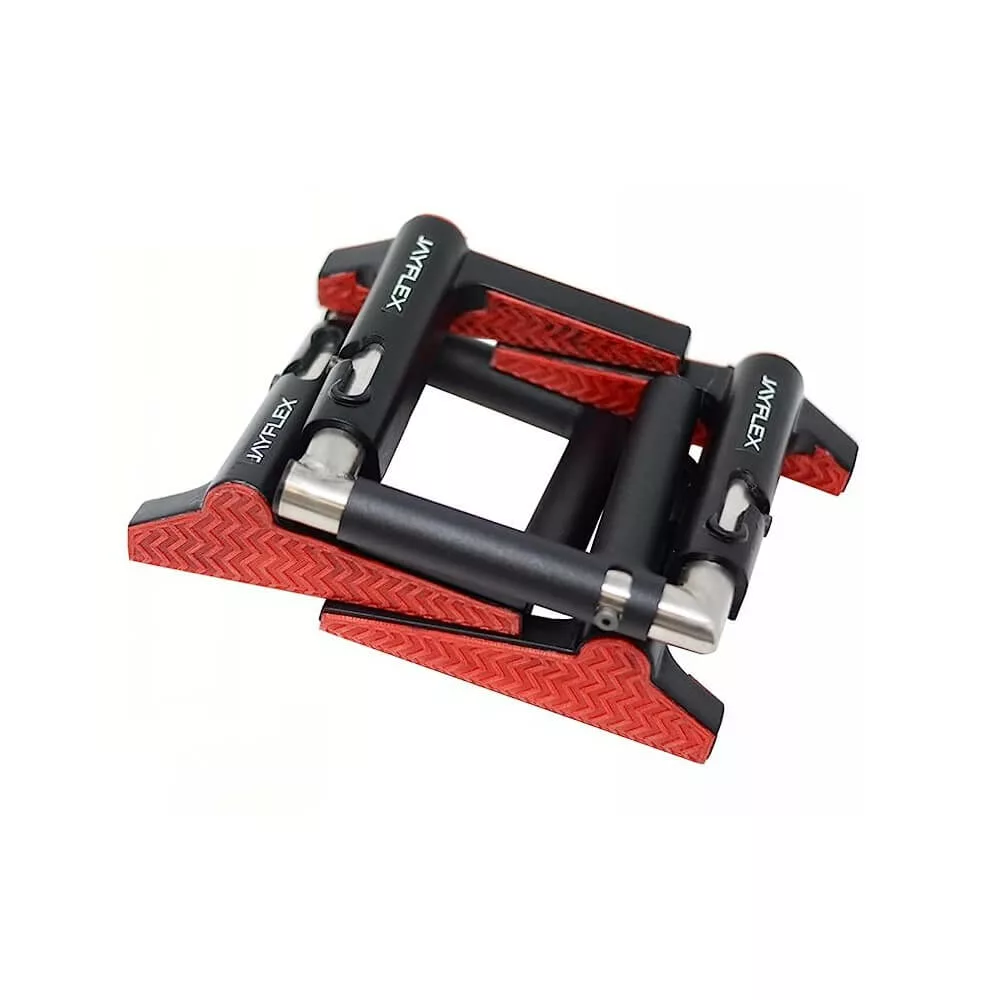
Why Portable Pull-Up Grips Are Perfect for Home & Travel
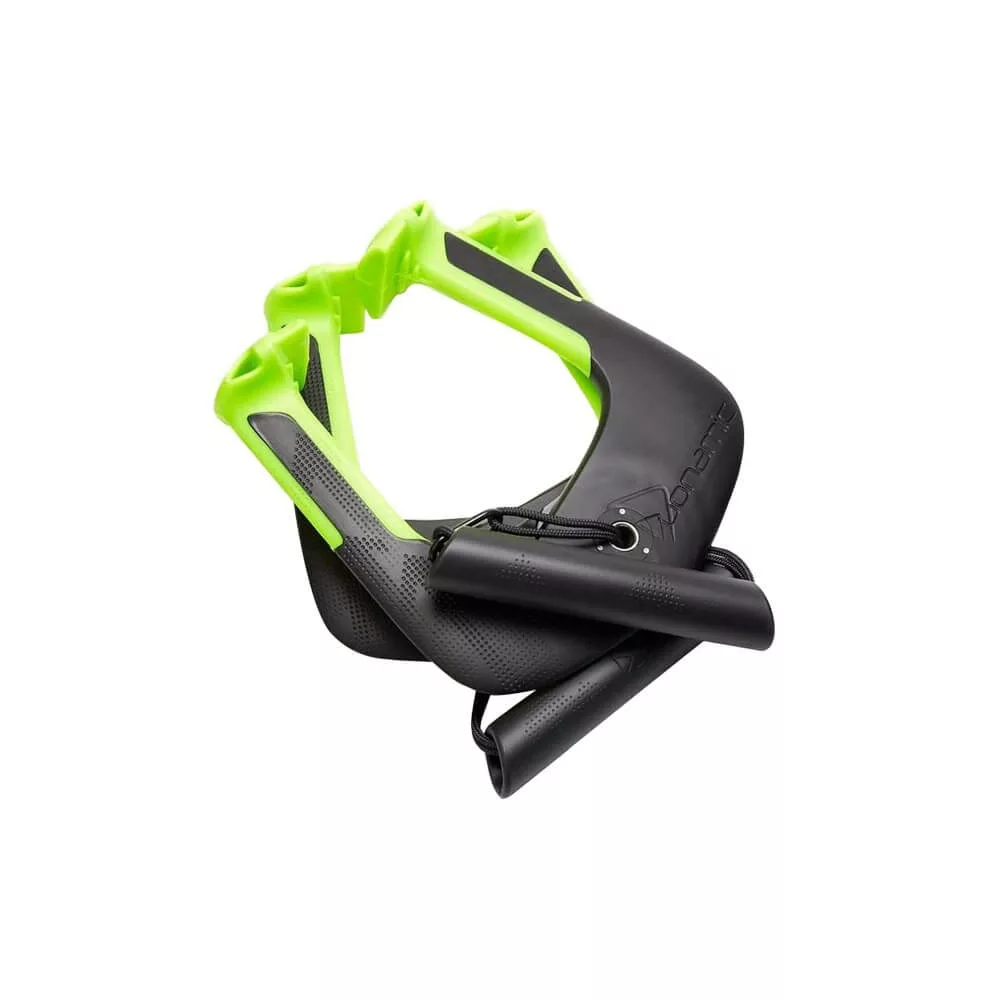
Are the World’s Best Portable Pull-Up Bars Really Worth It?

Multi-Grip Pull-Up Bar, Simple yet Surprisingly Effective?
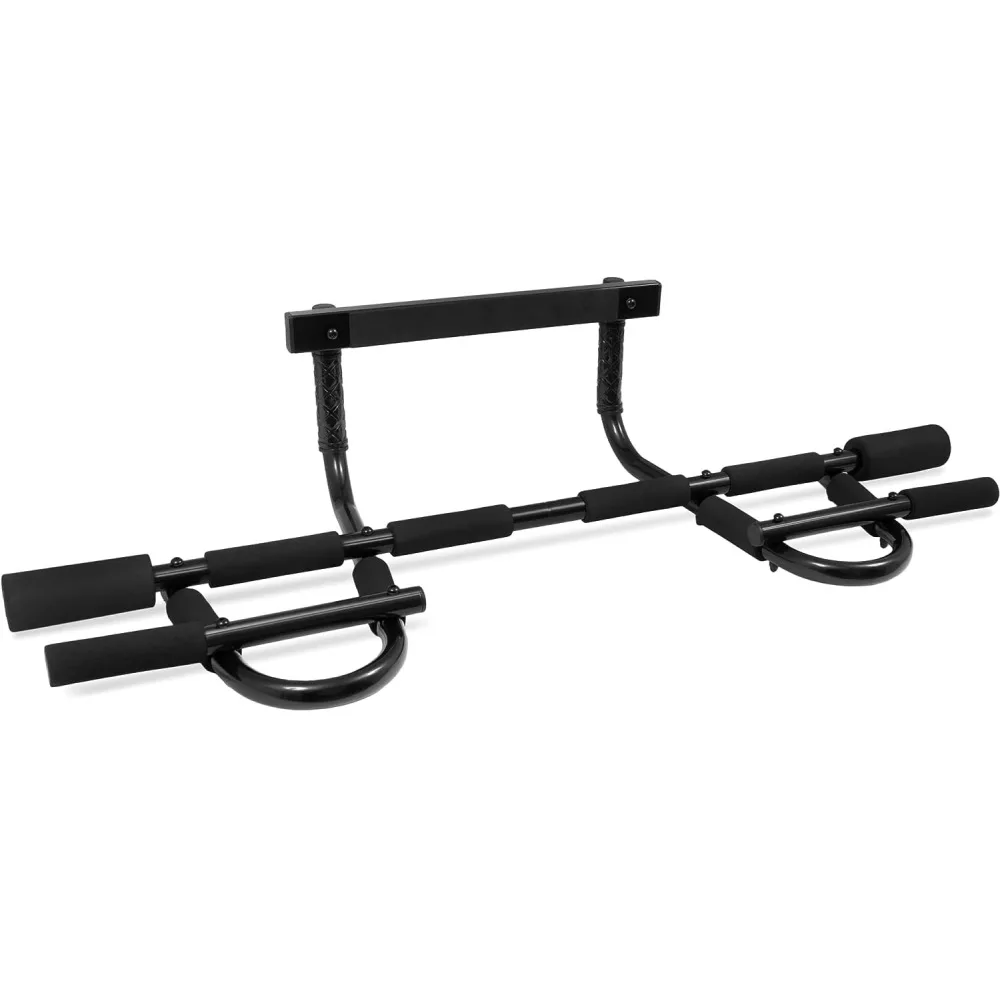
Door Pull-Up Bar with 12 Foam Grips: Max Comfort & Versatility

Is This Foldable Pull-Up Bar Affordable & User-Friendly Option?
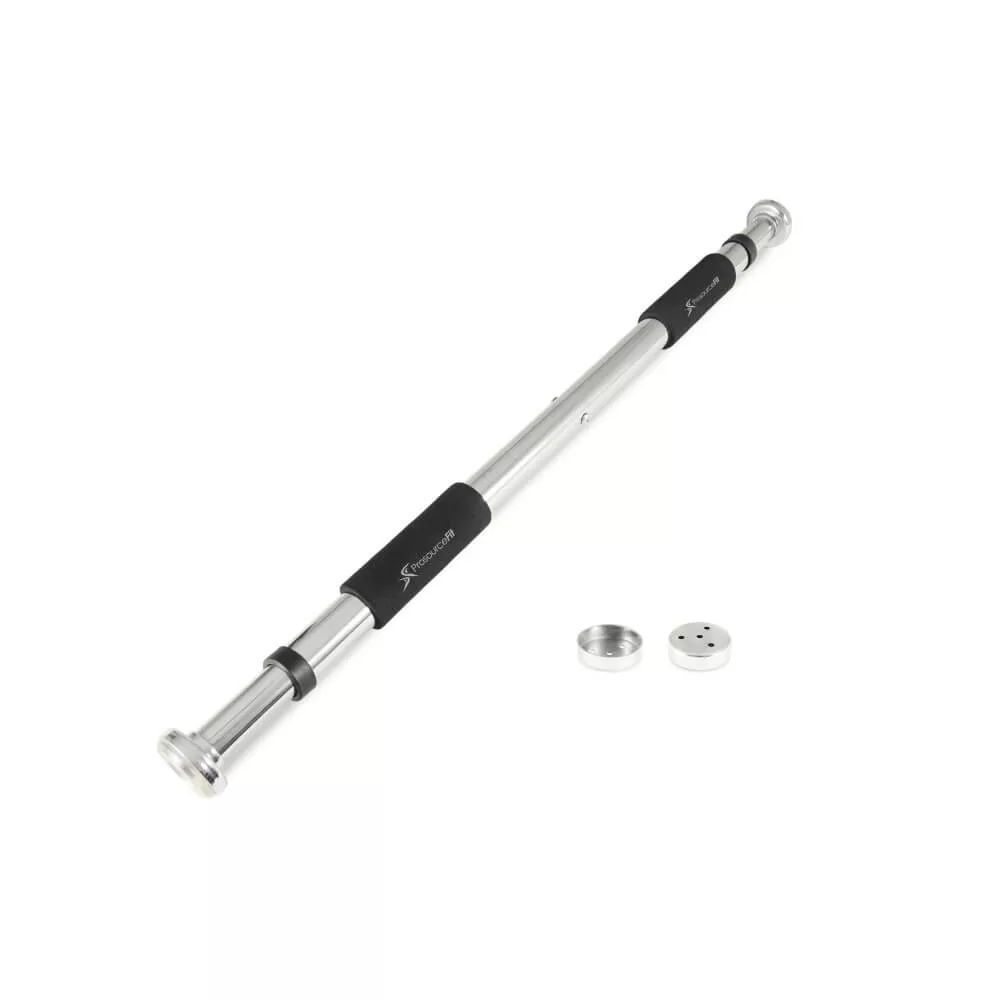
Basic Doorway Pull-Up Bar: Simple, Easy to Assemble
Supplementing these activities with grip tools can hone your finger strength further. Tools like power balls and grip trainers can be used to target specific areas of strength you might not fully engage during climbing. Just like with hangboarding, the key is to start light and gradually ramp up as your strength builds.
Supplemental grip training can help reinforce hand strength outside of climbing sessions without replacing actual climbing movement.
One of the most essential aspects of finger training is structured progression. Jumping into max effort training might seem appealing, but it often leads to burnout or injury. Stick to a well-planned routine and steadily increase intensity or duration.
Patience and consistency in training will lead to more sustainable gains. Slow progression is often the safest and most reliable way to improve your grip for climbing long-term.
Common Mistakes That Slow Finger Strength Progress
When building finger strength, it’s easy to get caught up in the excitement and push too hard, too soon. Many climbers, eager for fast results, start training intensely before their fingers are ready. This often ends in injury, as the tendons and pulleys in your fingers aren’t meant to jump into high stress without preparation.
Finger strength develops more slowly than motivation, which is why gradual progression matters so much in climbing training.
Ignoring pain is another common pitfall. Pain in tendons or pulleys should never be
brushed off as just part of the process. It’s your body’s way of signaling something’s
off, and ignoring it could lead to more serious issues down the line.
Healthy grip development depends on recognizing the difference between normal fatigue and injury warning signs.
Overtraining is another barrier to progress. Climbing continuously without sufficient rest doesn’t give your muscles and tendons the time they need to adapt and grow stronger. Overtraining often results in fatigue and stagnation in strength development.
In many cases, recovery is just as important as the training itself for long-term finger strength gains. Technique also plays a critical role in finger health.
Poor form can inadvertently increase strain on the fingers, leading to injuries that could
sideline you for weeks or more. Practicing good technique not only boosts performance
but also ensures you’re not putting unnecessary stress on your fingers.
Efficient movement and controlled gripping can reduce excess strain on the hands and forearms during difficult climbs.
Ego climbing, where pride pushes you into tackling routes beyond your current ability, is likely to do more harm than good. It can lead to an increase in finger strain or even injury when attempting holds that aren’t within your skill level yet.
Recognize your limits and focus on progressive development at a pace that suits your body. Sustainable progress usually leads to stronger fingers, better grip endurance, and fewer setbacks over time.
Recovery and Injury Prevention for Climbers’ Fingers
Recovery is as important as the climbing itself when it comes to finger strength development. Tendons, which are crucial for finger grip, recover at a slower rate compared to muscles. This underlines the necessity for a well-thought-out rest routine.
Many climbers improve more consistently when they balance hard training with proper recovery habits. Incorporating rest days into your climbing schedule allows your tendons the time they require to adapt and grow stronger. Don’t underestimate the power of a good night’s sleep in aiding recovery and overall performance.
Recovery quality can directly influence grip endurance, finger resilience, and climbing consistency. Before any hard climbing session, a proper warm-up is crucial. This includes exercises to get your fingers moving and your blood circulating effectively. A good warm-up routine can significantly reduce the risk of injuries.
Even a short warm-up can help prepare the fingers, hands, and forearms for intense gripping demands. Incorporating regular finger mobility exercises and stretches into your regimen helps keep them supple and less prone to mishaps. This ensures your fingers are prepared to handle the demands of climbing. Mobility work can support healthier movement patterns and reduce stiffness from repetitive gripping.
Stay alert for early warning signs of injuries, particularly with finger pulleys. Signs such as
persistent pain or swelling mean it’s time to ease off and consult a professional
if necessary. Early intervention is key to preventing long-term damage.
Paying attention to recovery and warning signs helps support safer long-term progress when trying to improve your grip for climbing.
Building Finger Strength Safely for Long-Term Progress
Achieving long-term progress in finger strength is all about steady, gradual development. Rushing this process can lead to setbacks that delay your progress. Consistently increasing the challenge, whether through more difficult holds or longer holds, encourages strength gains over time.
Progressive overload works best when the fingers, tendons, and forearms are given enough time to adapt safely.
Balancing finger strength with climbing techniques and endurance is crucial. While strong fingers are important, they’re just one piece of the puzzle. A successful climber also prioritizes technique, ensuring that their form is top-notch to reduce undue stress on the fingers.
Efficient climbing movement often reduces unnecessary grip fatigue and improves overall endurance on the wall. Understanding the importance of recovery, even for advanced climbers, is essential. Recovery isn’t a break; it’s an active part of the training process that allows your fingers to rebuild and come back stronger.
Long-term climbing performance usually depends on balancing training intensity with recovery quality. Setting realistic expectations helps keep you motivated and prevents burnout. Finger strength development is not a race. Recognize that progress occurs at different rates for everyone and tailor your goals appropriately.
Steady improvement is often more sustainable than constantly chasing rapid strength gains.
Finally, it’s vital to prioritize hand health while developing strength. Being mindful of your body’s signals, adjusting your training load, and seeking professional guidance when needed are all part of building strong fingers while safeguarding their long-term health. Healthy hands, strong recovery habits, and consistent climbing practice all contribute to improving your grip
Thanks for Stopping By!
How Do You Prefer to Train Fingers?
Share Your Experience Below!





)