(Last Updated on August 25, 2026 by Henry)

Your Beginner Support Grip Training Checklist

Support grip is the ability to hold onto an object for an extended period without losing your grip.

Unlike crush grip, which focuses on producing a powerful squeeze, support grip is primarily about maintaining your hold once you’ve already secured the object.
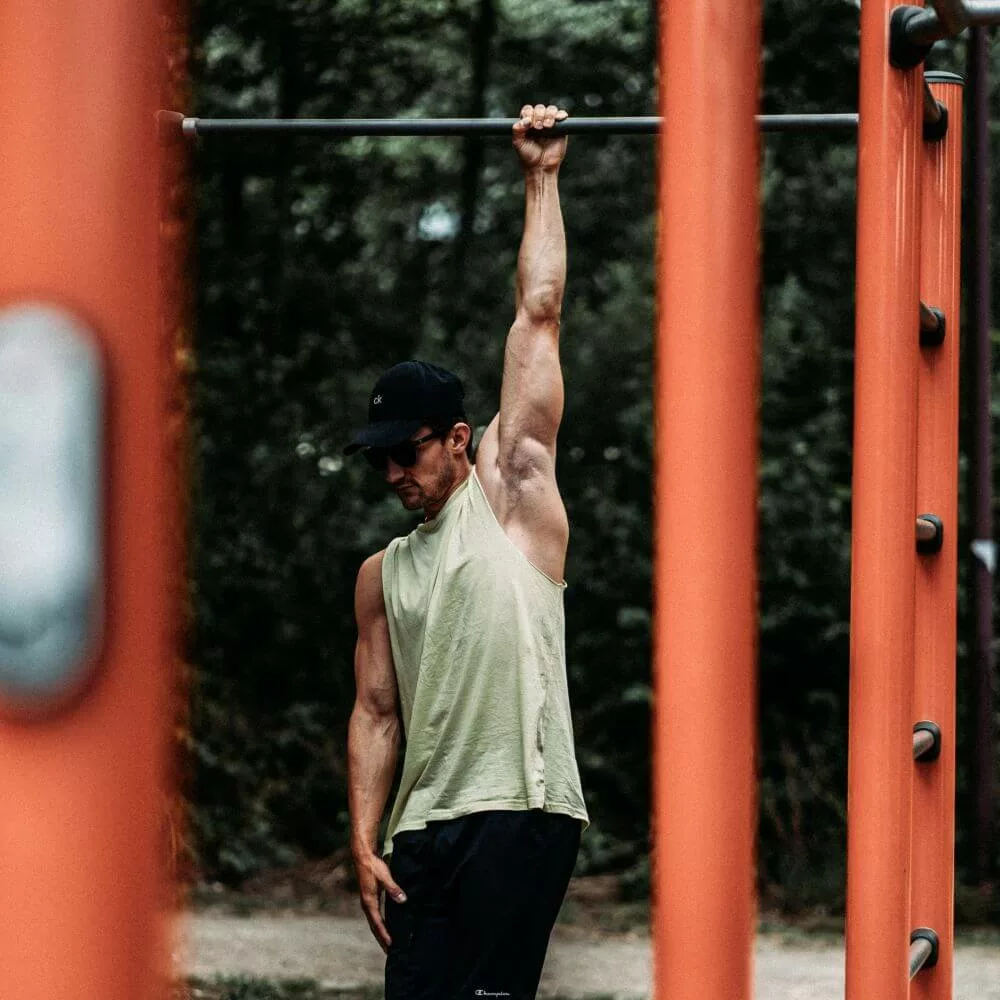
Think about carrying heavy grocery bags, hanging from a pull-up bar, holding a loaded barbell, or carrying dumbbells across a gym.

In all of these situations, your hands aren’t necessarily trying to squeeze as hard as possible every second.

They’re trying to keep the object securely in your hands while resisting fatigue.

This makes support grip especially important for beginners because it connects directly to both exercise and everyday activities.

You can have a strong maximum squeeze and still struggle to hold a weight for very long.
That’s where support grip training becomes useful.

A beginner-friendly approach should focus on:

  • Start with manageable loads – Choose a weight you can hold securely without immediately losing your grip or compromising your posture. The goal is to build capacity, not test your maximum on day one.
  • Focus on consistent holds – Support grip develops through time under tension. Controlled holds teach your hands and forearms to maintain force as fatigue gradually builds.
  • Use different holding exercises – Carries, dead hangs, and loaded holds challenge your grip in slightly different ways and keep your training more versatile.
  • Progress gradually – Add weight, holding time, distance, or repetitions as your capacity improves. You don’t need to increase everything at once.
  • Respect fatigue and recovery – Your grip can be heavily involved in other workouts, especially pulling exercises. Account for that workload when planning direct support-grip training.

The biggest mistake is assuming that simply holding something heavy is enough.

Effective support-grip training requires an appropriate challenge, controlled technique, and a progression you can sustain.

Here’s a simple training exercise just to build your grip strength to be able to hold
the heaviest weight you can & working on maintaining a fully closed-hand position.

How Support Grip Works

How Support Grip Works

Support grip relies heavily on the muscles and tendons that keep your fingers closed around an object while your wrist and forearm help stabilize the position.

When you pick up a heavy dumbbell, for example, your fingers wrap around the handle and generate enough force to prevent it from slipping out of your hand. Your forearm muscles maintain that tension while your wrist helps keep the hand positioned securely.

The challenge changes as time passes.

At the beginning of a hold, the load might feel relatively easy. As fatigue accumulates, maintaining the same grip becomes progressively harder. Eventually, the limiting factor may be your ability to keep the fingers closed rather than the strength of the larger muscles performing the exercise.

This is why support grip is closely connected with grip endurance.
A useful way to think about it is:

Secure the object → maintain finger pressure → stabilize the wrist → resist fatigue → keep holding.

That final part is what separates support grip from a simple maximum squeeze.

Static Holds vs Dynamic Carries

Static holds and loaded carries both develop support grip, but they create slightly different demands.

A static hold allows you to concentrate almost entirely on maintaining your grip while standing relatively still. A carry adds movement, requiring your hands and forearms to maintain the load while your body is also moving.

For beginners, both can have a place.

Static holds are particularly easy to measure because you can track how long you maintain the load. Carries introduce a more practical challenge because you’re combining grip endurance with whole-body movement.
Best Support Grip Exercises for Beginners

Best Support Grip Exercises for Beginners

You don’t need a complicated collection of exercises to develop support grip. A few basic movements can provide plenty of training stimulus when performed consistently.

Farmer’s Carries

Farmer’s carries are one of the most accessible ways to train support grip.

Hold a dumbbell or other suitable weight in each hand and walk for a controlled distance while maintaining an upright posture.

The objective isn’t simply to survive until the weights fall. Keep your shoulders controlled, maintain a stable walking pattern, and focus on keeping your grip secure throughout the carry.

Static Loaded Holds

Static holds remove the walking component and let you concentrate directly on maintaining the load.

Pick up an appropriate weight, stand in a stable position, and hold it for a predetermined amount of time.

This is particularly useful for beginners because the duration is easy to track and progression is straightforward.

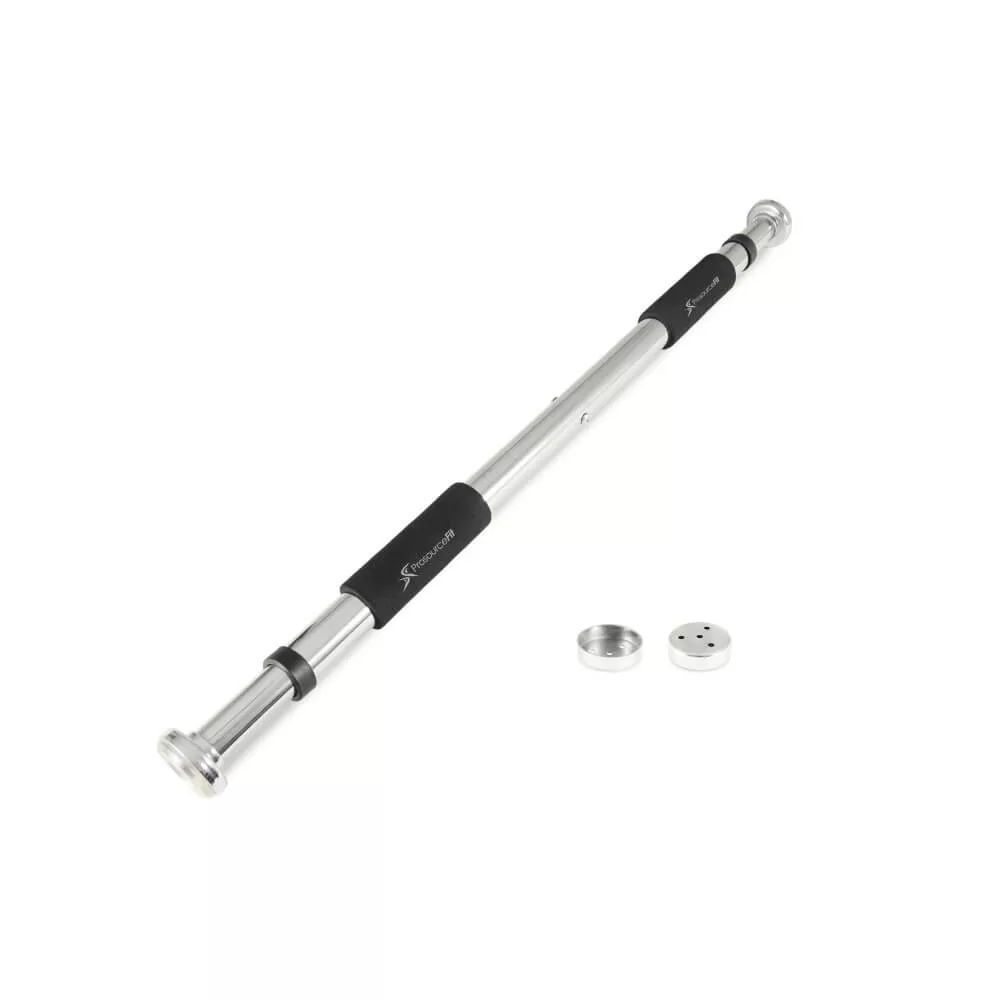
Dead Hangs

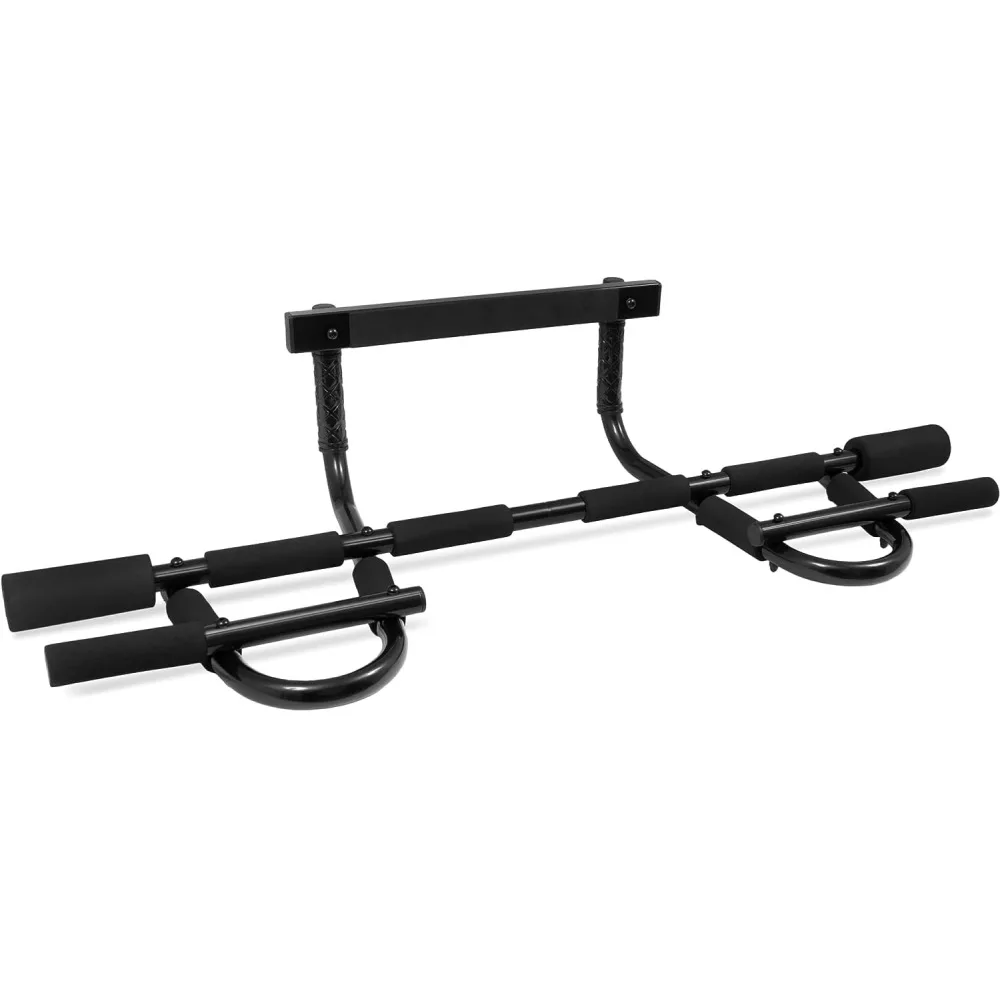
Dead hangs challenge your ability to maintain your grip while supporting your body weight.

Start with a short, manageable duration. As your capacity improves, gradually increase the time you can remain securely attached to the bar.

If a full bodyweight hang is currently too difficult, use an assisted variation rather than turning the exercise into a struggle.

Suitcase Carries

A suitcase carry uses one hand rather than two.

This creates a different challenge because your grip has to support the load on one side while your body works to maintain a stable position.

Start light enough that you can maintain good posture throughout the movement.

Towel Holds

A towel can alter the way your fingers wrap around a handle and make a familiar support-grip movement more challenging.

This is an optional progression rather than something beginners need immediately. Build your basic holding capacity first.

Farmer walks are an excellent strength-building exercise that works in an isometric hold for
your upper body, helping you to learn to brace your core & stabilization in lower body.

How to Progress Your Support Grip

How to Progress Your Support Grip

Progressive overload for support grip doesn’t always mean adding heavier weights.

Because support grip is heavily influenced by endurance, you have several useful ways to make an exercise more challenging.

  • Hold the same load longer – Increasing your hold duration is one of the simplest ways to improve support-grip endurance. Add time gradually rather than making dramatic jumps between sessions.
  • Increase the load – Once you can comfortably complete your target duration, adding a modest amount of weight can provide a new challenge while keeping the exercise familiar.
  • Carry the load farther – With farmer’s or suitcase carries, increasing your walking distance creates additional time under tension without necessarily increasing the weight.
  • Reduce unnecessary rest – Once your conditioning improves, slightly shortening rest periods can increase the overall training demand. Don’t sacrifice recovery just to make the workout harder.
  • Introduce different holding positions – Switching between two-handed holds, one-handed carries, and hanging variations can challenge your grip in different ways.
  • Track your numbers – Record weight, duration, distance, and sets. Support grip improvements can be gradual, so tracking helps you see whether your capacity is actually increasing.

You don’t need to progress every variable simultaneously.

A beginner might start by holding a particular weight for 20 seconds, then gradually work toward 30 or 40 seconds. Once that becomes comfortable, increasing the load and returning to a shorter duration creates another progression cycle.

This keeps training challenging without turning every session into a maximum-effort test.

Common Support Grip Training Mistakes

Common Support Grip Training Mistakes

Support grip exercises look deceptively simple. Pick something up and don’t let go, right?

In practice, beginners can make several mistakes that turn a useful exercise into an unnecessarily difficult or poorly controlled one.

The first is using too much weight. If your grip gives out after a few seconds, you’re not necessarily building the endurance you intended. You’re simply testing whether you can survive a heavy load.

Keep these points in mind:

  • Starting with excessive weight – A load that’s too heavy can make it impossible to accumulate enough quality time under tension. Choose a weight you can control throughout the planned hold or carry.
  • Letting posture collapse – During carries, slouching or leaning excessively can turn a grip exercise into a battle to stabilize your entire body. Maintain a controlled position throughout the movement.
  • Training only with carries – Carries are excellent, but static holds and hangs provide useful alternatives. Variety helps develop a more adaptable support grip.
  • Holding until the object drops – You don’t need to reach absolute failure every time. Ending a set while your technique is still controlled can make training more sustainable.
  • Ignoring your other workouts – Deadlifts, rows, pull-ups, and other pulling exercises already place substantial demands on your grip. Include that workload when deciding how much direct support training you need.
  • Forgetting recovery – If your grip remains unusually fatigued from one session to the next, adding even more work isn’t necessarily the answer. Sometimes the most productive adjustment is simply more recovery.

Support grip is built through accumulated practice.

A sensible training load performed consistently will generally take you farther than repeatedly testing how long you can hang on before your hands give out.

Support grip gives your hands a different job from crush or pinch grip: maintain the connection.

Whether you’re carrying weights, hanging from a bar, moving equipment, or simply carrying something heavy across the house, that ability to keep holding can make a noticeable difference.

Start with manageable loads and short durations. Build your capacity gradually, track your progress, and remember that your grip is also working during many other exercises.

Recommended Next Reads

  • Best Grip Exercises for Beginners
  • How to Train Crush Grip
  • How to Train Pinch Grip
  • How to Train Wrist Rotation Strength
  • Beginner Grip Strength Workout Plan

A strong grip isn’t only about how hard you can squeeze.
It’s about how long you can keep holding when fatigue starts talking.
Key Takeaway

Support grip is your ability to maintain a secure hold over time.
Unlike maximum crush strength, it depends heavily on endurance and your ability to resist fatigue.

Farmer’s carries, static holds, dead hangs, and suitcase carries provide simple ways to train it.
Start conservatively, progress one variable at a time, and give your hands enough recovery to adapt.

Thanks for Reading!

How Long Can You Currently Hold Onto Bar?
Share Your Experience in the Comments!

Need to Improve Your Grip? As a Fitness Enthusiast, I'm Here to Guide You: Looking to Get More Competitive Edge? Prehab, Rehab, Treating RSI or Just Seeking Fun? Find All the Relevant Tricks of the Trade You Need Right Here. Sharing My Insight to Help You to Improve Both Mentally & Physically, Offering You Various Ideas & Directions to Be on Top of Your Game.

Leave a Reply

Your email address will not be published. Required fields are marked *