(Last Updated on September 30, 2026 by Henry)

How to Progress Gradually, and Keep Your Hands Ready for More

Your fingers can handle a remarkable amount of work.

They grip bars, hold tools, squeeze grippers, support your body while climbing, control a mouse, type on a keyboard, and perform countless small movements throughout the day.
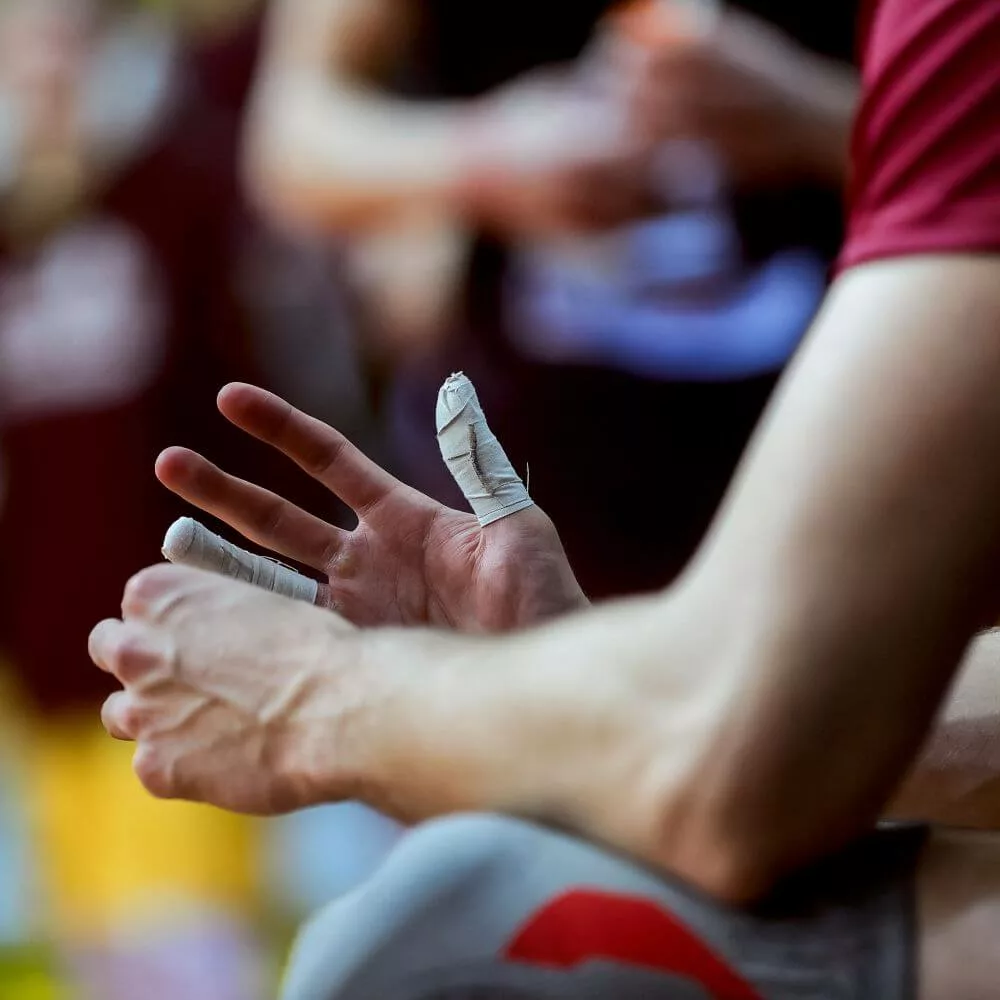
When you train your grip deliberately, you’re asking those same structures to handle even more.

That doesn’t mean you should be afraid of finger training.

It means your fingers deserve the same basic principle that applies to the rest of your training:

Give them an appropriate workload, increase that workload gradually, and allow enough time to adapt.

Finger tendon problems don’t always come from one dramatic event. Sometimes the bigger issue is simply doing more than your hands have had time to become accustomed to.

A sensible approach to training can help you manage that workload before a small warning sign turns into a reason to stop training altogether.

If there’s too much force, the A2 pulley is usually the first one to go.
Let’s go in depth on the A2 pulley: its anatomy, the causes of tears & how you can test for it.

1. Why Finger Tendons Need Gradual Loading

1. Why Finger Tendons Need Gradual Loading

Finger tendons play an important role in transmitting the force generated by muscles so your fingers can move and grip.

That makes them an important part of almost everything you do with your hands.

But tendon loading isn’t quite the same thing as feeling your muscles get tired after a set of curls or gripper squeezes. You may finish a demanding grip session feeling that your forearms could have done more while your fingers have nevertheless received a substantial amount of repetitive loading.

Tendons Connect Muscle to Movement

When you flex or extend your fingers, muscles and tendons work together to produce and control that movement.

During gripping, the system has to transmit force repeatedly while your fingers maintain particular positions.

That’s why finger training isn’t simply about how strong your squeezing muscles feel.

The tissues involved in producing and controlling that grip also need to tolerate the amount and frequency of loading you give them.

Stronger Isn’t the Same as More Prepared

One of the easiest mistakes in grip training is assuming that getting stronger automatically means you’re prepared for every harder finger-loading exercise.

It doesn’t necessarily work that way.

You might have enough general grip strength to close a significantly harder gripper, for example, while still being relatively inexperienced with a particular finger-intensive movement.

Strength is specific.
So is the way you build tolerance to different types of loading.

Repetition Matters Too

The amount of force you use isn’t the only thing that matters.
How often you use it matters as well.

A moderate grip activity repeated hundreds or thousands of times throughout the week can create a very different workload from a short, occasional training session.

That’s why prevention starts with looking at the whole workload, rather than focusing on one exercise in isolation.

2. The Biggest Risk: Changing Too Much Too Quickly

2. The Biggest Risk: Changing Too Much Too Quickly

Many training problems become easier to understand when you look at what changed immediately beforehand.

A new exercise, harder resistance, additional training days, longer climbing sessions, or more demanding work can all increase the amount of stress your fingers have to handle.

Sudden Resistance Increases

Moving from a manageable resistance to something substantially harder can create a large jump in workload.

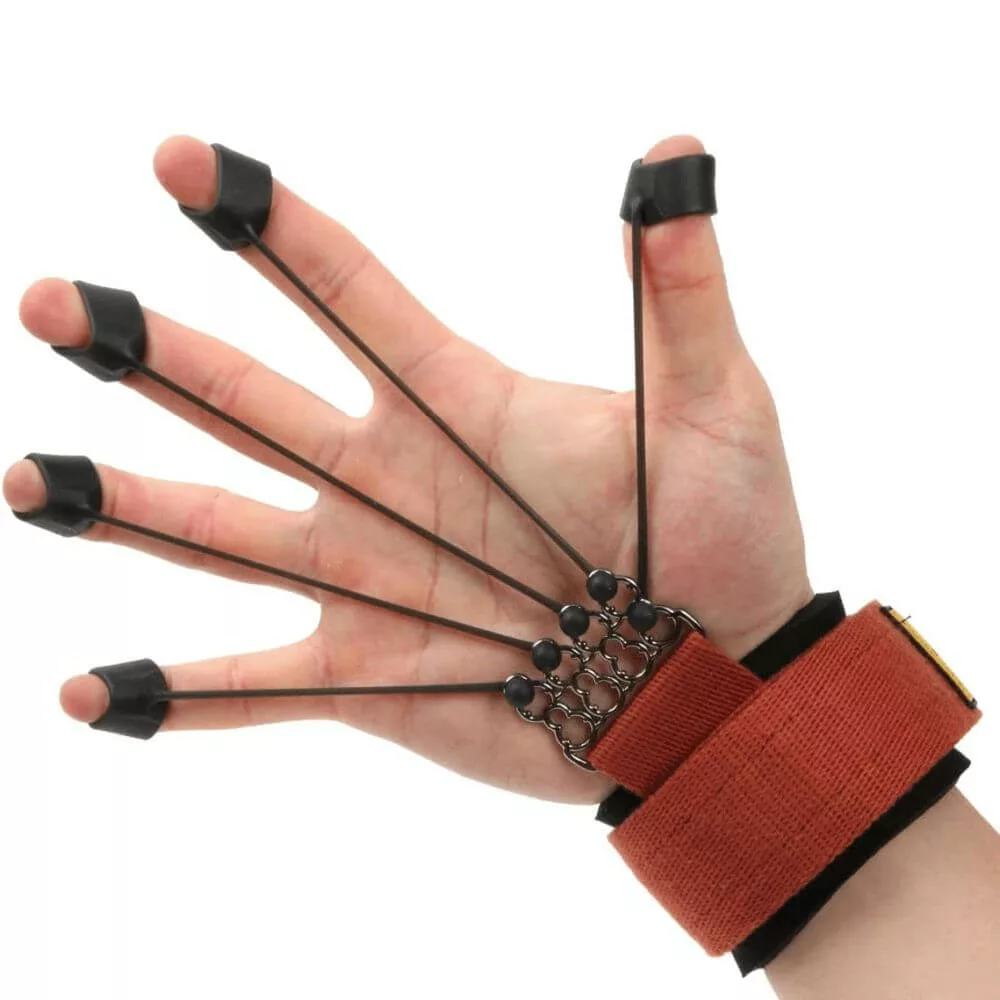
This can happen with grippers, pinch blocks, finger trainers, hangboards, weighted holds, or other exercises where your fingers have to produce significant force.

A small increase that feels manageable is generally easier to accommodate than a dramatic jump simply because a harder setting is available.

Sudden Volume Increases

Resistance isn’t the only variable that can jump.

You might keep exactly the same gripper but perform twice as many sets. You might add another climbing session. You might start doing finger exercises every day instead of twice a week.

The resistance hasn’t changed, but your total exposure has.
That’s still progression.

New Exercises Can Change the Load

A new movement can be demanding even when the numbers don’t look impressive.

Changing your grip position, finger angle, equipment, range of motion, or exercise selection can place the fingers under a different type of load.

This is particularly important when adding exercises that you haven’t performed regularly before.

A useful rule is to avoid changing everything at once.

  • More resistance: A significantly harder gripper, pinch load, hang, or finger exercise.
  • More volume: Additional sets, repetitions, holds, or total training time.
  • More frequency: Adding extra finger or grip sessions during the week.
  • More activities: Starting climbing, manual work, lifting, or another repetitive hand activity at the same time.
  • Less recovery: Keeping the same workload while reducing the amount of rest between demanding sessions.

The individual change might look small.
Several of them happening simultaneously can produce a much larger overall increase.

3. Warm Up Your Fingers Before Hard Grip Work

3. Warm Up Your Fingers Before Hard Grip Work

A warm-up doesn’t need to be complicated.

The purpose is simply to give your hands a gradual transition from normal daily activity into more demanding exercise.

Start With General Movement

Before picking up a heavy gripper or beginning a demanding finger exercise, spend a little time moving your hands.

Open and close your fingers.
Spread them gently.
Move your thumb through a comfortable range.
Rotate and flex your wrists.

These movements don’t need to be forceful. You’re simply getting the hands moving before asking them to produce more significant force.

Gradually Increase Grip Demand

The first hard set shouldn’t also be your warm-up.

If you’re planning a demanding grip session, start with easier resistance and gradually work toward your training load.

For example, a few easy repetitions can bridge the gap between ordinary hand movement and your working sets.

This is particularly useful when you’re training early in the day or after spending a long period relatively inactive.

Specific Warm-Up Sets

Your warm-up should become more specific as you approach the main exercise.

If you’re training with a gripper, use easier gripper work first.
If you’re doing pinch training, begin with a lighter pinch load.

If you’re performing a finger-intensive hanging exercise, don’t make the first hold your hardest one of the day.

The closer the warm-up gets to the actual movement, the more useful it becomes as preparation for that particular task.

4. Balance Grip Training With Finger Extension and Movement

4. Balance Grip Training With Finger Extension and Movement

Grip training naturally emphasizes closing the hand.

That’s the point.

But your fingers perform more than one movement, and your training doesn’t have to revolve around squeezing harder every time you work your hands.

Train More Than One Grip Quality

Crush grip, pinch grip, support grip, wrist movement, finger extension, and other hand movements place different demands on your hands.

You don’t need to train every quality equally.

But constantly hammering the same movement while neglecting everything else can make your overall routine unnecessarily repetitive.

Movement variety can be useful both for training and for managing how often the same tissues receive the same type of loading.

Don’t Neglect Finger Extension

Finger extension is particularly easy to overlook because it doesn’t feel as impressive as closing a heavy gripper.

But opening and extending your fingers provides a useful counterpoint to all the squeezing that appears in many grip routines.

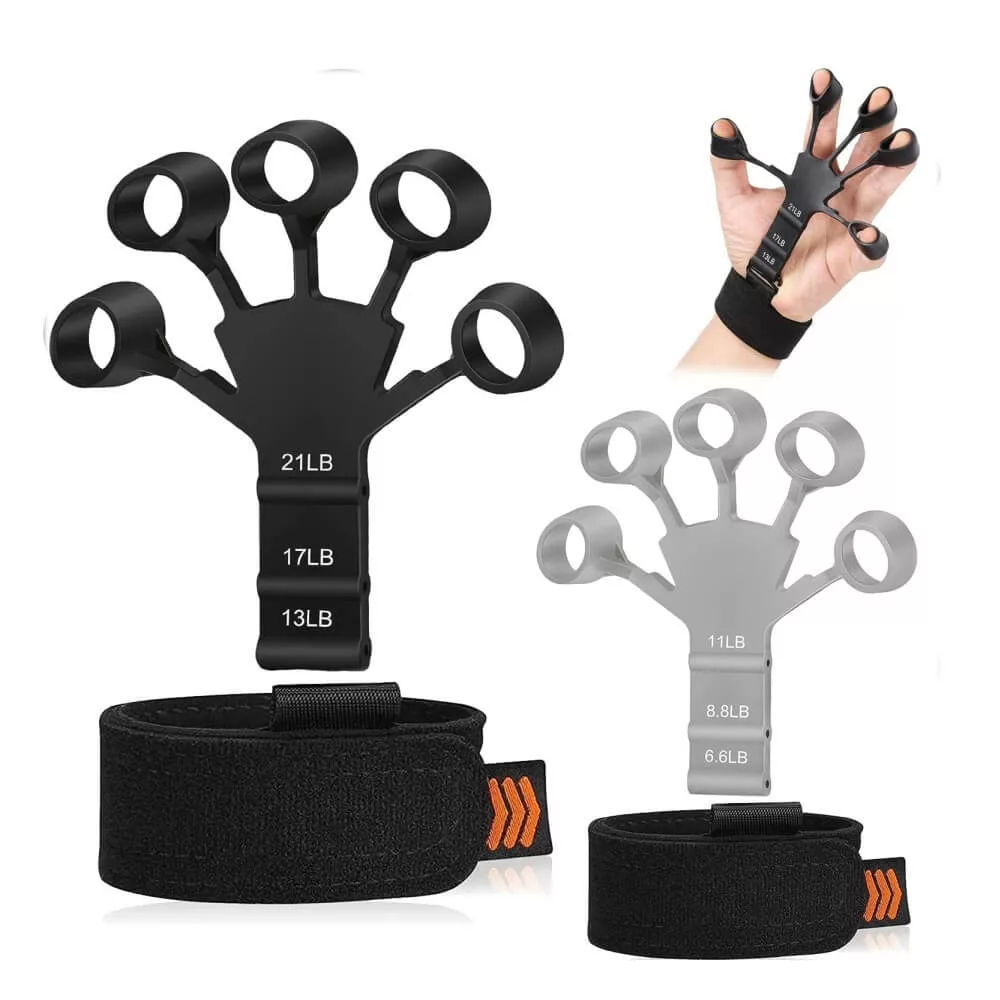
Simple finger-extension exercises can fit into warm-ups, recovery sessions, or short movement breaks.

For a detailed look at this part of hand training, see Finger Extension for Recovery & Balance.
Keep Your Hands Moving

Your hands don’t need to be either training or completely resting.
Gentle movement can be useful between harder activities.

Open and close your hands. Move your fingers individually. Spread your fingers. Move your thumb. Change your wrist position.

These simple movements take very little time and can help prevent your entire day from becoming one long sequence of identical gripping positions.

5. Give Your Fingers Enough Recovery

5. Give Your Fingers Enough Recovery

Training creates a stimulus.

Recovery gives your body time to respond to it.

That basic principle becomes especially important when your fingers are exposed to demanding work from several different directions.

Hard Finger Sessions Need Space

You don’t necessarily need long breaks after every type of grip exercise.

But if a session involves high resistance, demanding finger positions, or a lot of volume, immediately repeating the same workload may not give you much opportunity to recover.

More training isn’t automatically better training.

The right frequency depends on the exercise, the workload, your experience, and how your hands respond.

Your Other Activities Count

Your grip-training program is only one part of your hand workload.

If you train grip three times per week but also climb twice, spend hours gaming, work with tools, and lift weights, your fingers don’t experience those activities as separate spreadsheets.

They all add up.

That’s why a training plan that looks reasonable on paper can sometimes become excessive once your everyday activities are included.

Watch the Trend, Not One Session

One tired session doesn’t necessarily mean something is wrong.

Your hands can feel worked after training and still recover normally.

More useful information comes from repeated patterns.

If the same area becomes increasingly uncomfortable, your performance starts dropping, or normal activities begin feeling unusually demanding, those trends are worth paying attention to.

6. Learn to Recognize Warning Signs

6. Learn to Recognize Warning Signs

Prevention isn’t about identifying an injury yourself.

It’s about recognizing when your normal training response has changed enough that continuing with the same workload may not be sensible.

Persistent or Increasing Pain

Temporary fatigue after training is one thing.

Pain that persists, repeatedly returns, or becomes more noticeable as you continue training deserves more attention.

Rather than trying to determine exactly what structure is responsible, start by asking whether the workload should be reduced.

Swelling, Tenderness, or Unusual Sensitivity

Visible swelling or an area that becomes unusually tender or sensitive shouldn’t simply be treated as another form of training soreness.

That’s a reason to step back from the activity that seems to aggravate it.

Trying to push harder because you hope the area will “adapt” isn’t a good prevention strategy.

Changes in Strength or Function

Pay attention to changes that affect what your hand can actually do.

Unexpected weakness, difficulty moving a finger normally, reduced function, or a noticeable change in your ability to perform an activity are more important than simply feeling tired after a workout.

When to Get Professional Help

Persistent pain, swelling, numbness, unusual weakness, loss of function, or symptoms that continue despite reducing the workload deserve professional evaluation.

You don’t need to know exactly what’s happening before seeking help.

That’s the point of professional assessment: determining what may be contributing to the problem and what your next steps should be.

7. Build a Finger-Tendon-Friendly Training Approach

7. Build a Finger-Tendon-Friendly Training Approach

Preventing finger problems doesn’t require removing challenging exercises from your routine. It requires giving challenging exercises an appropriate place within the routine.

Progress Gradually

When increasing the difficulty of your training, avoid making every variable harder at once.

You might increase resistance while keeping volume stable.
Or you might add a small amount of volume without dramatically increasing resistance.

This gives you a clearer idea of how your hands are responding to the change.

Keep Hard Work Hard, and Easy Work Easy

Not every session needs to be a test.

If every workout involves maximum effort, your hands have fewer opportunities for lower-demand movement and recovery.

A sustainable routine can include challenging sessions without making every session challenging.

Track What You’re Actually Doing

You don’t need an elaborate training spreadsheet.

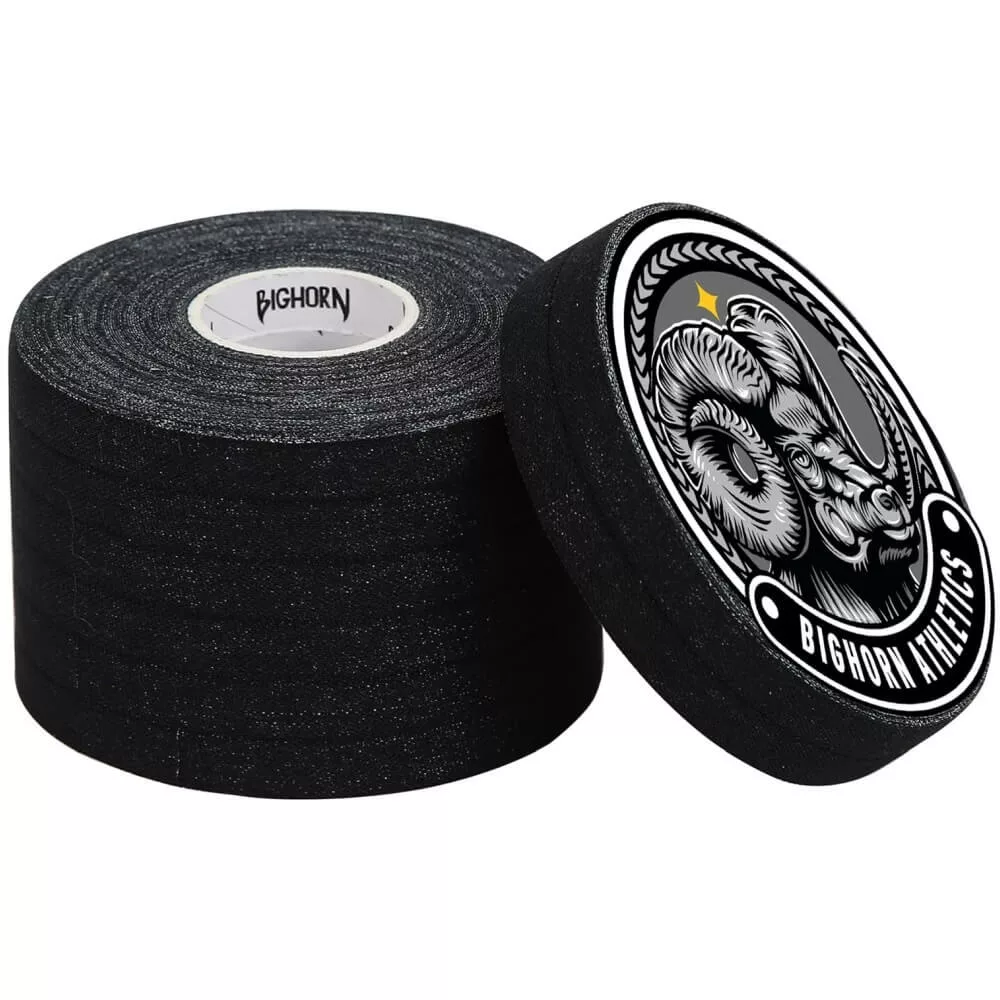
Simply keeping track of the exercises, resistance, sets, repetitions, and frequency can reveal patterns that are difficult to remember from week to week.

This becomes particularly useful when you start adding other activities that involve substantial hand use.
Adjust Before You Have to Stop

One of the most useful habits in injury prevention is learning to make small adjustments early.

If your fingers aren’t responding well to a particular workload, reducing the resistance, cutting a few sets, taking an extra rest day, or temporarily changing the exercise may be enough to prevent a minor warning sign from becoming a larger interruption.

You don’t lose progress by making a sensible adjustment.
You protect the ability to keep training consistently.

Keep Your Fingers Strong by Respecting Their Limits

Your fingers don’t need to be treated as fragile.
They also shouldn’t be treated as indestructible.

They are remarkably capable structures that can adapt to training, but adaptation takes time. The smartest approach is to give them a workload they can reasonably handle, increase that workload progressively, and pay attention when their response changes.

Warm up before demanding work.
Give hard sessions enough recovery.

Include different types of hand movement.
Remember that climbing, lifting, gaming, work, and everyday activities all contribute to your total workload.

And if persistent pain, swelling, numbness, unusual weakness, or loss of function appears, don’t try to solve the problem by simply training through it.

Strong fingers aren’t built by constantly testing their limits.
They’re built by giving them a reason to adapt, & enough recovery to do it.

Key Takeaway

Preventing finger tendon problems isn’t about avoiding hard grip training.

It’s about progressive loading, sensible volume, adequate recovery, movement variety, and responding early when something changes.

If your fingers can adapt to the workload you’re giving them, you can keep building strength without constantly asking them to do more than they’re ready to handle.

Thanks for Reading!

What Changes Help You to Get Back to Training?
Share Your Thoughts in the Comments!

Need to Improve Your Grip? I'm Here to Help. As a fitness enthusiast, I explore grip strength, hand training, performance, injury prevention, & recovery to help you train smarter. Whether you're chasing a competitive edge, getting back from an injury, or simply looking for better ways to use & strengthen your hands, you'll find practical ideas & useful tools right here.

Leave a Reply

Your email address will not be published. Required fields are marked *