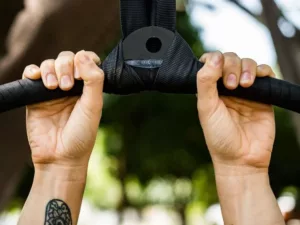
(Last Updated on September 26, 2026 by Henry)

Improve Hand Movement, Support Grip Mechanics
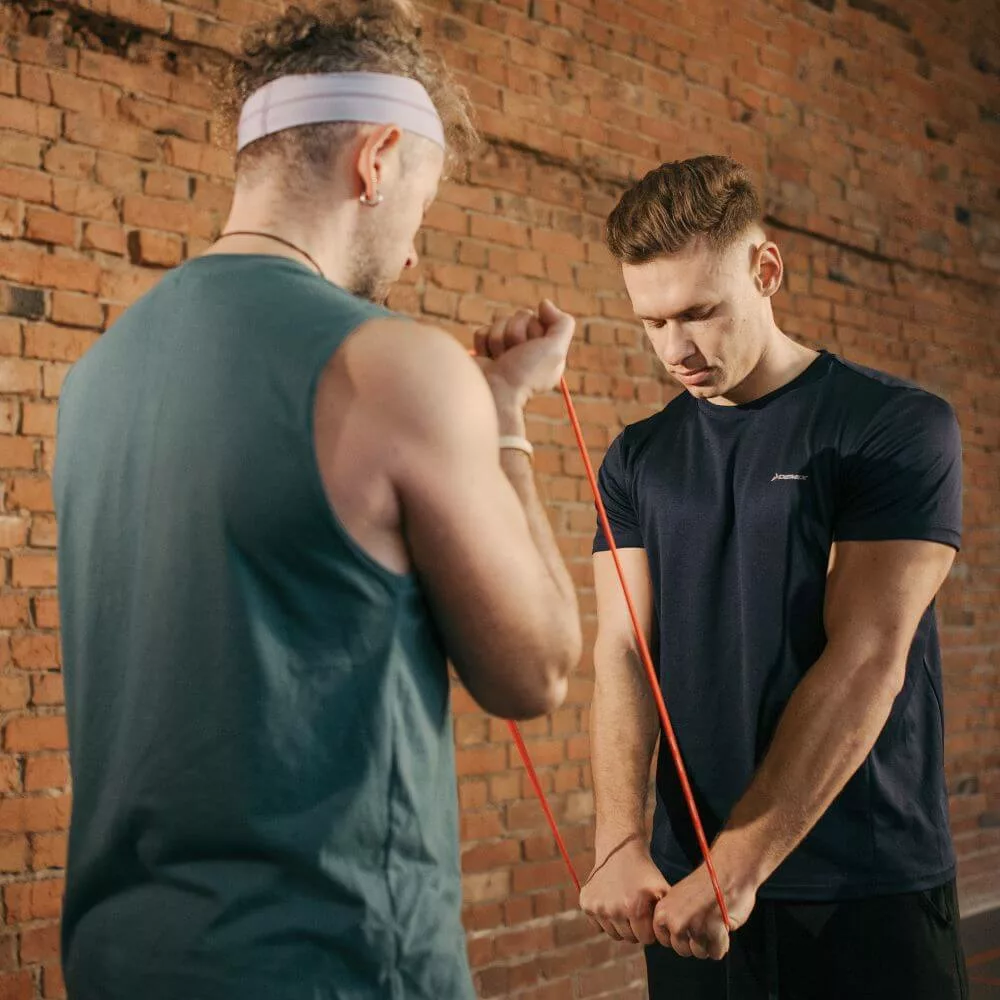
Strong hands are useful, but strength is only part of what makes them capable.

Your fingers, thumb, palm, wrist, and forearm all need to move together during gripping, carrying, hanging, pinching, twisting, lifting, and countless everyday tasks.

If you spend a lot of time training your grip or using your hands in repetitive activities, giving those movements some attention can help you maintain a more varied and comfortable range of motion.

Hand mobility is not about forcing your fingers or wrists into extreme positions.

It is about keeping the hand moving through useful ranges with control and without unnecessary tension.

For grip training, that can be a valuable complement to building strength and endurance.

Every day we use our hands, so you hear a lot about using your hands for work & strength,
but you don’t really hear about increasing speed, mobility, or function of your hands.

1. What Is Hand Mobility and Why Does It Matter?

1. What Is Hand Mobility and Why Does It Matter?

Hand mobility is the ability to move the different parts of your hand through useful ranges while maintaining control. It involves much more than simply being able to stretch your fingers or bend your wrist.

Mobility vs. Flexibility

Flexibility generally describes how far a joint or body part can be moved. Mobility is a broader concept because it also involves your ability to actively control that movement.

That distinction matters during grip training.

Your hands rarely perform a single isolated movement. A pinch grip may involve the thumb and fingers working together while the wrist maintains a particular position. A loaded carry combines finger flexion, thumb positioning, wrist stability, and forearm control.

Being able to move into and out of those positions comfortably is therefore useful alongside raw grip strength.

The Parts of the Hand That Need to Move

Hand mobility involves several connected areas rather than one single joint.

Your fingers need to open, close, spread, and move individually. Your thumb needs to move away from the palm, across it, and into different positions for gripping and pinching. Your wrist changes position during many exercises, while the forearm rotates through pronation and supination.

These movements interact constantly.

A person hanging from a pull-up bar, carrying a heavy object, turning a tool, or using a pinch block is not relying on the fingers alone. The hand, wrist, and forearm are working as a system.

Why Grip Strength Alone Isn’t the Whole Picture

It is possible to have a strong grip while still having limited movement in certain positions.

That does not automatically mean something is wrong. Strength and mobility are simply different qualities, and improving one does not necessarily improve the other.

A well-rounded grip routine can therefore include both strengthening work and regular movement practice. The goal is not to make mobility compete with strength training, but to give your hands opportunities to move in ways that complement the positions you use most often.

2. How Grip Training and Daily Activities Affect Hand Mobility

2. How Grip Training and Daily Activities Affect Hand Mobility

Your hands experience demands from far more than dedicated grip workouts. Training, work, hobbies, and everyday activities can all influence how much movement variety your hands get throughout the day.

Repeated Gripping and Sustained Positions

Many popular grip exercises involve repeated or sustained gripping.

Grippers repeatedly close the fingers. Pull-ups and hangs keep the hand around a bar. Loaded carries require prolonged gripping. Climbing, lifting, and manual work can also keep the hand in demanding positions for extended periods.

These activities are valuable for building grip strength and endurance, but they do not necessarily expose the hand to a wide variety of movements.

That is where simple mobility work can fit. A few controlled movements in the opposite or less-used directions can add variety without requiring another demanding workout.

Desk Work, Gaming, and Everyday Hand Use

The same principle applies outside the gym.

Typing, using a mouse, holding a controller, scrolling on a phone, driving, cooking, writing, and other everyday activities can involve repeated hand positions. Some activities may keep the fingers relatively active while the wrist and forearm remain in a fairly consistent position.

You do not need to eliminate these positions. Instead, occasional movement changes can give your hands a break from doing the same thing continuously.

Opening the hand, spreading the fingers, moving the thumb, changing wrist position, and gently rotating the forearm can all provide simple movement variety.

When Limited Mobility Deserves More Attention

Some stiffness after a long activity session is not necessarily a sign of a serious problem. What matters is the overall pattern and whether your movement is changing in a persistent or concerning way.

Persistent stiffness, noticeably restricted movement, or a growing difference between your hands may be worth paying attention to, particularly if the change continues rather than settling with normal rest.

Persistent pain, swelling, numbness, tingling, unusual weakness, or loss of function should not simply be treated as a mobility problem. Those symptoms can have different causes and are better discussed with an appropriate healthcare professional.

3. Practical Hand Mobility Exercises

3. Practical Hand Mobility Exercises

Hand mobility does not need to become a complicated routine. The most useful starting point is usually gentle, controlled movement that takes the hand through several comfortable positions.

You should be able to perform these movements without forcing a range or turning them into a test of endurance.

Open-and-Close Hand Movements

Start with your fingers comfortably together and slowly open the hand.

Let the fingers extend naturally, then gently bring them back together. Repeat the movement at a controlled pace rather than rapidly opening and closing the hand.

The goal is simply to move between gripping and opening positions while keeping unnecessary tension low.

Avoid aggressively squeezing your hand between repetitions. This is a mobility drill, not another set of grip-strength exercises.

Finger Spreading and Individual Finger Movement

From a relaxed position, gently spread your fingers apart and then bring them back together.

You can also experiment with moving individual fingers where that feels comfortable. The movements do not need to be large or perfectly isolated. Even small differences in finger control can make you more aware of how your hand moves.

This is particularly useful if most of your training involves closing the fingers around an object.

The emphasis should remain on smooth movement rather than maximum range.

Thumb Mobility

The thumb deserves special attention because it plays a major role in both everyday hand use and many forms of grip training.

Move the thumb gently away from the palm, bring it across the palm, and return it to a relaxed position. You can also practice comfortable opposition by moving the thumb toward different parts of the fingers.

There is no need to force the thumb into an extreme position.

Think about controlled movement through several useful directions rather than trying to create the largest possible stretch.

Wrist and Forearm Movement

Your hand does not operate independently of the wrist and forearm.

Gentle wrist flexion and extension, controlled wrist circles, and comfortable pronation and supination can complement finger and thumb movements. These exercises are especially relevant when your training involves bars, handles, carries, or rotational grip work.

Keep the movement smooth and controlled. If you already have a dedicated wrist-mobility routine, you do not need to duplicate the entire routine here.

The purpose is to connect hand movement with the surrounding joints that help position the hand.

Whole-Hand Movement Sequences

Once individual movements feel comfortable, combine them into a simple sequence.

For example, slowly open the hand, spread the fingers, move the thumb through a comfortable range, relax the hand, and then change the wrist position before repeating. You can also gently rotate the forearm between repetitions.

This creates a more coordinated movement pattern rather than treating each finger or joint as a completely separate component.

Keep the sequence easy enough that you can concentrate on smooth movement. There is no benefit in turning a mobility sequence into a fatigue test.

4. How to Build Hand Mobility Into Your Routine

4. How to Build Hand Mobility Into Your Routine

The biggest advantage of mobility work is that it can be added without requiring a major change to your training schedule.

A short sequence performed consistently is generally more practical than an elaborate routine that you rarely use.

Before Grip Training

A few gentle hand movements can help you transition from normal daily activity into your training session.

Open and close the hands, spread the fingers, move the thumb, and gently move the wrists before progressing into your actual grip exercises.

Keep this preparation easy. Your warm-up should not leave your fingers or forearms tired before the main work begins.

As training intensity increases, your preparation can also become more specific to the movements you are about to perform.

During Breaks From Repetitive Activities

Mobility work can also fit naturally into breaks from gaming, typing, desk work, or other repetitive activities.

You do not need a complicated schedule. Simply changing position and moving your hands through several comfortable directions can break up long periods of repeated movement.

A short sequence of finger opening, finger spreading, thumb movement, and gentle wrist motion may be enough.

The important part is adding movement variety rather than trying to accumulate a certain number of repetitions.

After Training and on Recovery Days

Gentle mobility can also be useful after training or on days when you are deliberately keeping your workload low.

The emphasis should remain on comfortable movement rather than stretching aggressively or adding resistance.

On a recovery day, your hands do not need another demanding session disguised as mobility work. A few relaxed movements can simply help maintain regular movement without adding much additional workload.

Keep the Routine Short and Consistent

You do not need ten different exercises to work on hand mobility.

Choose a few movements that cover the fingers, thumb, and wrist, then perform them slowly and comfortably. Three to five simple movements may be enough for a basic routine.

Consistency matters more than complexity.

As your training, work, and hobbies change, you can also adjust the routine. If your hands already receive a lot of workload from gripping, keep mobility work gentle. If you spend much of the day in one repetitive position, brief movement breaks may be more useful.

5. Common Hand Mobility Mistakes to Avoid

5. Common Hand Mobility Mistakes to Avoid

Hand mobility is simple, but it is easy to turn a useful movement routine into something unnecessarily demanding.

  • Forcing extreme ranges: Mobility work should not require you to push aggressively into uncomfortable positions. A comfortable, controlled range is a better starting point than chasing maximum movement.
  • Turning mobility into another workout: If your fingers and forearms are exhausted afterward, the routine may be doing too much. Mobility should complement your training rather than compete with it.
  • Ignoring the thumb: The fingers tend to get most of the attention, but the thumb is involved in pinching, gripping, manipulating objects, and many everyday movements.
  • Moving only one part of the hand: The fingers, thumb, wrist, and forearm work together. A balanced routine should give attention to the hand as a whole rather than repeatedly focusing on one movement.
  • Ignoring your overall workload: Mobility does not cancel out a heavy training schedule, long gaming sessions, repetitive work, or insufficient recovery. Look at the total demand placed on your hands.
  • Using mobility to push through symptoms: Gentle movement is not a reason to ignore persistent pain, swelling, numbness, tingling, unusual weakness, or loss of function. Those symptoms deserve appropriate attention rather than being forced through with more exercises.

Keep Your Hands Moving as Well as They Get Stronger

Strong hands should also be capable hands.

Grip training gives you the opportunity to develop strength, endurance, and control, while mobility work gives your hands regular exposure to different movements and positions. The two can complement each other without requiring a complicated training system.

Start simple. Open and close the hands, move the fingers, give the thumb some attention, and include gentle wrist and forearm movement. Then fit those movements around your actual training, work, hobbies, and recovery needs.

The goal is not to make your hands exceptionally flexible.

It is to keep them moving comfortably and confidently while you continue building the qualities that make your grip useful.

If you notice persistent pain, swelling, numbness, tingling, unusual weakness, or loss of function, don’t assume that additional mobility work is the answer. Consider getting the issue evaluated by an appropriate healthcare professional.

Recommended Next Reads

Hand mobility does not replace grip training;
it complements it.

Key Takeaway

A few minutes of controlled finger, thumb, wrist, and forearm movement can add useful variety to a routine built around repeated gripping.

Keep the movements comfortable, keep the workload appropriate, and make mobility a small, sustainable part of keeping your hands ready for whatever you ask them to do.

Thanks for Reading!

How Much Attention Do You Give to Hand Mobility?
Share Your Thoughts in the Comments!

Need to Improve Your Grip? I'm Here to Help. As a fitness enthusiast, I explore grip strength, hand training, performance, injury prevention, & recovery to help you train smarter. Whether you're chasing a competitive edge, getting back from an injury, or simply looking for better ways to use & strengthen your hands, you'll find practical ideas & useful tools right here.

Leave a Reply

Your email address will not be published. Required fields are marked *