(Last Updated on September 21, 2026 by Henry)

Practical Ways to Reduce Tired Hands and Manage Your Workload

Hand fatigue can affect almost anyone who uses their hands repeatedly.

Learning how to reduce hand fatigue starts with understanding why your hands become tired in the first place.
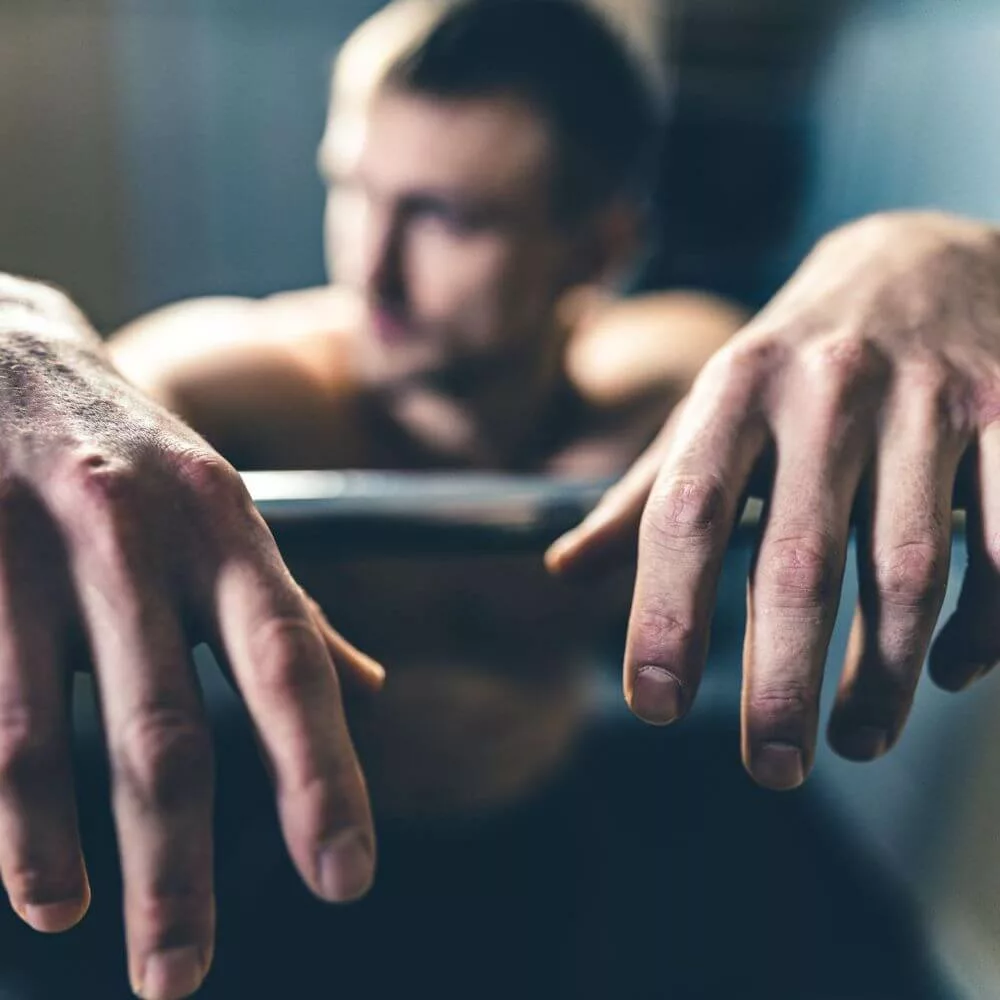
Grip training, gaming, typing, lifting, and repetitive work can all create different demands on your fingers, hands, and forearms.

Sometimes, this is simply a normal response to repeated effort.

Your muscles have worked, your grip endurance has been challenged, and your hands need time to recover.

Hand fatigue can become frustrating when it appears too often, interferes with your performance, or continues after you have finished the activity that caused it.

Table of Contents – Explore What's Covered Below

The good news is that reducing hand fatigue does not always mean avoiding hand use altogether. In many cases, you can make a meaningful difference by managing your workload, changing how you use your hands, allowing more recovery, and recognizing when fatigue is telling you to adjust your approach.

Whether you’re training your grip, spending long hours at a computer, lifting weights, or performing repetitive manual tasks, understanding the causes of hand fatigue can help you build stronger and more reliable hands without constantly pushing them past their limits.

Here’s a short 3-minute video to take a hand stretch break

1. What Causes Hand Fatigue

1. What Causes Hand Fatigue?

Hand fatigue develops when the demands placed on your hands exceed what they can comfortably handle at that moment.

Your fingers, hands, wrists, and forearms work together during gripping and other hand movements. Depending on the activity, they may need to produce force, maintain tension, stabilize an object, repeat the same movement, or hold a position for an extended period.

These demands can accumulate even when each individual task seems manageable.

Repeated Gripping and Sustained Tension

Grip training is an obvious example. Repeated gripper squeezes, heavy holds, dead hangs, loaded carries, and wrist exercises can all place stress on the muscles and supporting tissues involved in hand function.

But formal training is only one possible source of fatigue.

Holding a heavy tool, gripping a steering wheel, carrying shopping bags, using a mouse, or maintaining a tense grip on a gaming controller can also contribute to your total hand workload.

The important point: Your hands do not distinguish between “training workload” and “everyday workload” in the same way your training schedule does. Your body responds to the combined demands placed on it.

If you perform a demanding grip workout and then spend several hours typing or using tools, your hands may have less recovery opportunity than your training plan suggests.

Repetitive Finger and Wrist Movements

Repetition can become tiring even when the force involved is relatively low.

Typing, clicking, gaming, crafting, assembly work, and other activities may involve thousands of small movements. When those movements occur for long periods without sufficient variation or breaks, fatigue can gradually build.

This does not mean repetitive activities are automatically harmful. It means that duration, intensity, posture, movement variety, and individual tolerance all matter.

Excessive Grip Tension

Another common contributor is using more force than the task requires.

For example, you may grip a mouse, pen, tool, or exercise handle more tightly than necessary. During strength training, you may also maintain excessive tension throughout an exercise when a more efficient grip would be enough.

Learning to distinguish between necessary force and unnecessary tension can help reduce the amount of work your hands perform.

Insufficient Recovery

Fatigue can also accumulate when demanding activities are repeated before your hands have recovered adequately.

This may happen when you:

  • Train grip intensely on consecutive days.
  • Perform several exercises that stress the same movement.
  • Combine grip training with climbing, lifting, or manual work.
  • Continue training despite declining performance.
  • Sleep poorly or fail to account for your overall workload.

Hand fatigue is therefore not always about one difficult session. Sometimes it is the result of several manageable demands accumulating over time.

2. Learn to Recognize Normal Fatigue vs Warning Signs

2. Learn to Recognize Normal Fatigue vs Warning Signs

Before deciding how to reduce hand fatigue, it helps to understand what you are actually experiencing.

Not every tired sensation means something is wrong, but not every uncomfortable sensation should be dismissed as normal training fatigue either.

Temporary Fatigue Is Often Part of the Process

During or after a demanding activity, you may notice that your grip feels weaker, your hands feel heavy, or your forearms become tired.

You might also find that you cannot maintain the same number of repetitions or hold an object for as long as you could at the beginning of the session.

These responses can occur when the muscles involved in the activity become fatigued. They do not automatically indicate an injury.

Temporary fatigue should generally improve with rest and should be considered alongside the activity you performed, your recent training load, and how you feel overall.

Pay Attention to Persistent or Unusual Symptoms

A different approach is needed when symptoms persist, worsen, or feel unlike ordinary fatigue.

Be particularly attentive to:

  • Persistent or increasing pain.
  • Noticeable swelling.
  • Numbness or tingling.
  • Unusual weakness.
  • Loss of coordination or function.
  • Symptoms that continue during rest or interfere with everyday activities.

These signs do not identify a specific cause by themselves, and an article cannot diagnose the problem. However, they are reasons to avoid automatically pushing through the symptoms.

If you experience persistent, severe, or concerning symptoms, consider seeking assessment from an appropriately qualified healthcare professional.

Use Performance as Feedback

Your performance can also provide useful information.

Suppose you normally complete a particular grip session comfortably, but suddenly struggle with the same workload. If this happens alongside unusual discomfort or fatigue that does not resolve as expected, it may be time to reduce the demand and reassess your recovery.

You do not need to wait until your hands are completely exhausted before making an adjustment.

The goal is not to eliminate every sensation of fatigue. The goal is to recognize when fatigue is expected and when it may be a signal to change your approach.

3. Reduce the Workload on Your Hands

3. Reduce the Workload on Your Hands

One of the most effective ways to reduce hand fatigue is to manage the amount of work your hands perform.

This does not always require a complete break from activity. Often, relatively small changes can reduce unnecessary strain and give your hands more opportunities to recover.

Take Short, Regular Breaks

If you spend a long time typing, gaming, working with tools, or performing repetitive tasks, avoid waiting until your hands feel completely exhausted before taking a break.

Short pauses can interrupt continuous loading and give you an opportunity to relax your fingers, change position, and move your wrists gently.

The ideal break schedule depends on the task and the individual. Rather than searching for one universal interval, pay attention to how quickly fatigue develops and experiment with taking breaks before symptoms become pronounced.

Change Positions and Vary Tasks

Holding your hands in exactly the same position for a long period can create a repetitive workload.

When possible, vary your hand position, change your grip, alternate between tasks, or use different movement patterns. This can distribute the demands across different tissues and movement patterns instead of repeatedly loading the same ones.

For example, someone working with tools may be able to alternate tasks. A computer user might change between typing, reading, standing, and other work. A lifter may be able to organize training so that demanding grip exercises are not concentrated in every session.

Variation does not remove workload, but it can help prevent one movement or position from dominating your entire day.

Avoid Unnecessary Grip Tension

Try to notice when you are gripping something more tightly than necessary.

You may not need a maximal grip to hold a lightweight object, operate a mouse, or use a tool safely. In other situations, firm gripping is essential, so the goal is not to relax your grip indiscriminately.

Instead, learn to match your grip force to the task.

During grip training, use the required effort for the exercise rather than maintaining maximal tension throughout every part of the session. During everyday activities, avoid clenching your fingers or hands without a clear reason.

Make Your Equipment Work for You

Equipment design can influence how much effort your hands need to produce.

A handle that is too large, too small, slippery, uncomfortable, or poorly suited to your hand may require additional gripping effort. Adjusting the equipment, changing the handle position, or using an appropriate grip aid may make the task more manageable.

This does not mean a particular accessory will solve hand fatigue for everyone. It simply means that equipment should support the demands of the activity rather than create unnecessary difficulty.

4. Simple Ways to Help Your Hands Recover

4. Simple Ways to Help Your Hands Recover

Once your hands begin to feel fatigued, the next step is to reduce the immediate demand and allow them to recover.

Recovery does not need to be complicated. The most useful methods are often simple, consistent, and easy to fit into your daily routine.

Give Your Hands a Break From Demanding Work

If your hands are tired after training or repetitive activity, avoid immediately adding another demanding grip session.

You can reduce the intensity of the next activity, change to a task that requires less gripping, or allow a longer recovery period before repeating the same movement.

The right response depends on the degree of fatigue and how your hands respond over time. A little tiredness after training does not necessarily require several days of complete inactivity, but repeated fatigue should encourage you to review your workload.

Use Gentle Movement

Gentle movement can help you avoid remaining in one fixed hand position for too long.

Depending on your comfort and the demands of your activity, this may include opening and closing the hands without force, moving the fingers individually, gently moving the wrists, or changing between relaxed hand positions.

Keep these movements comfortable and controlled. They should not become another intense training session.

If a particular movement causes pain, aggravates symptoms, or feels inappropriate for your situation, stop rather than forcing through it.

Support Your General Recovery

Your hands are part of the same body that performs the rest of your daily activities. General recovery habits therefore matter.

Pay attention to:

  • Sleep: Poor sleep can affect how well you tolerate and recover from physical demands.
  • Nutrition: Adequate food intake supports your overall ability to recover from activity.
  • Hydration: Maintain normal hydration, especially during physically demanding work or training.
  • Workload: Consider the combined effect of training, employment, hobbies, and everyday tasks.

These habits are not instant solutions for hand fatigue, but they provide a foundation for managing repeated physical demands.

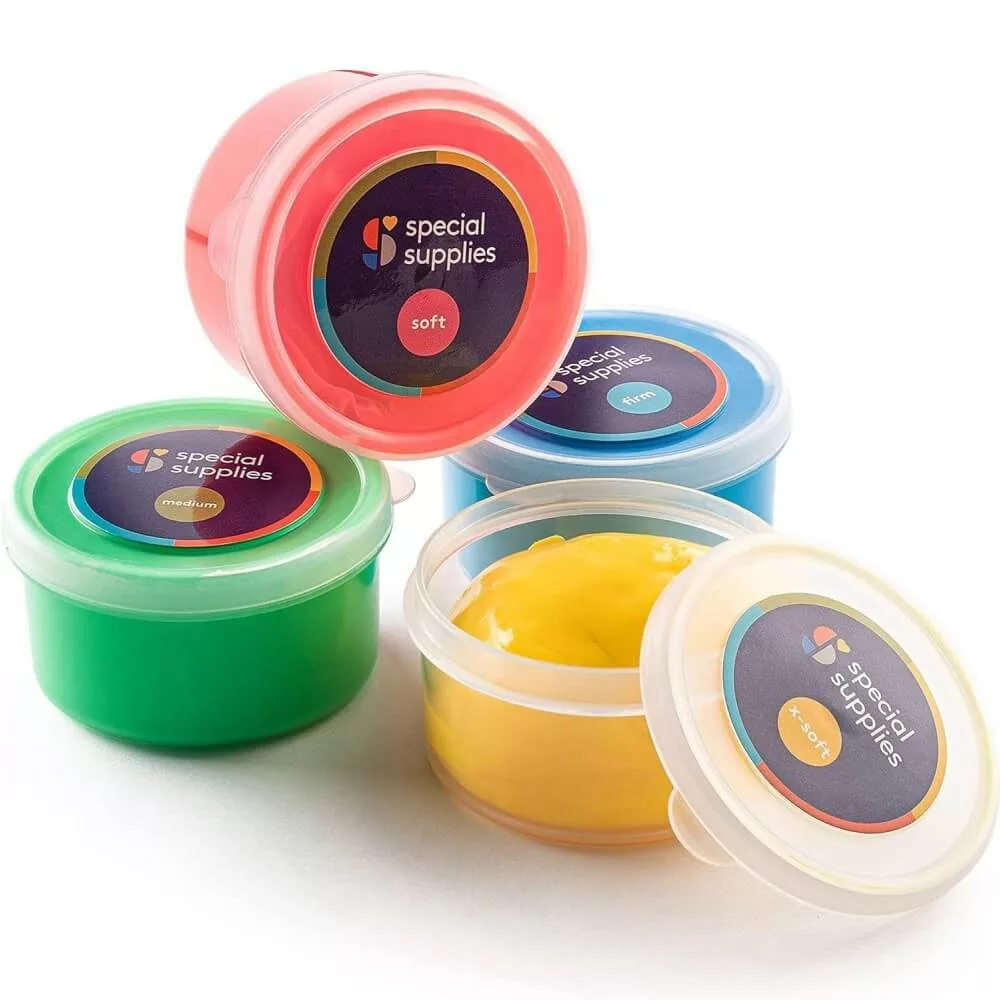
Optional Tools for Controlled Hand Activity

Some people find it useful to have simple tools that allow them to perform controlled, low-intensity hand movements.

Therapy putty, soft hand exercise tools, and gentle finger-resistance products can offer different ways to work with the hands. However, they should not automatically be treated as recovery treatments, and adding resistance is not always appropriate when your hands are already fatigued.

The most important consideration is how the activity feels and whether it adds useful movement without creating additional unnecessary workload.
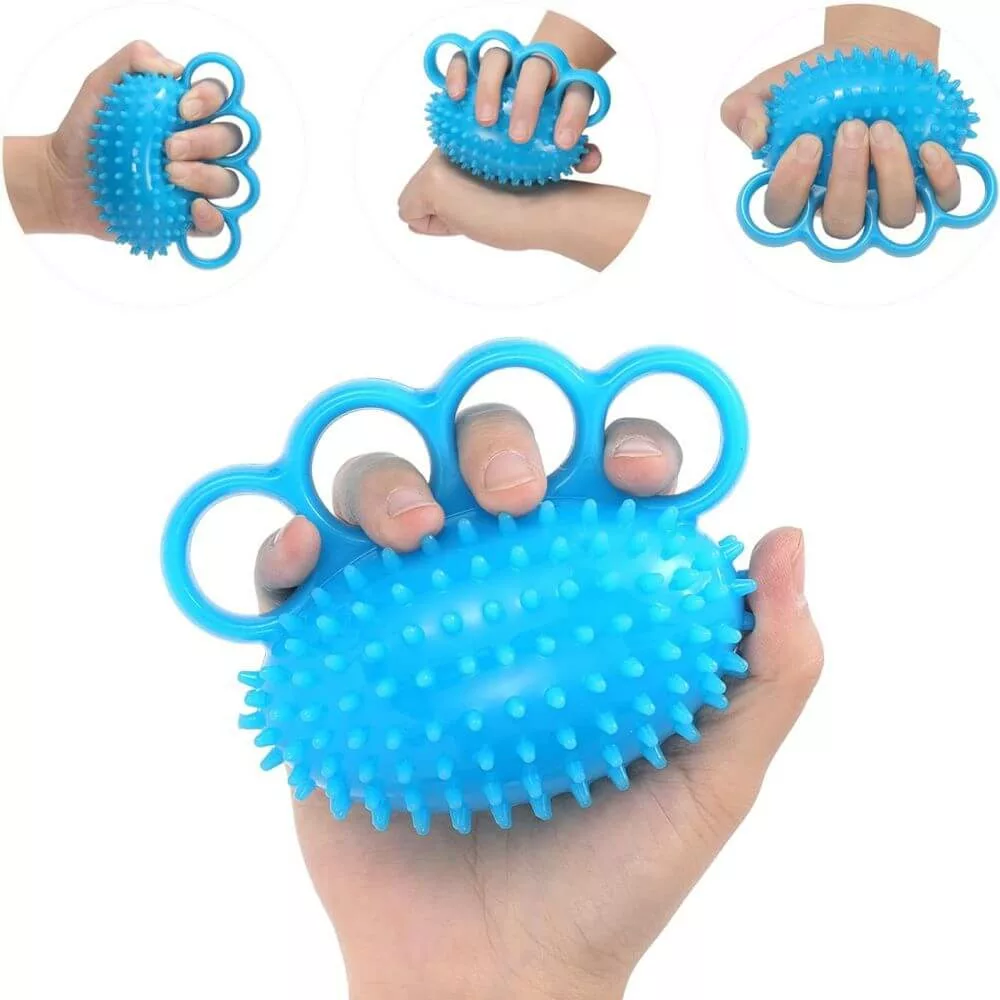
Explore Gentle Tools for Controlled Hand Activity

The Fanwer Finger Therapy Ball, Therapy Putty, and IronMind Egg represent different approaches to light hand activity. Choose based on your current needs, comfort, and ability to control the workload rather than assuming that more resistance is always better.

5. Adjust Your Grip Training When Fatigue Keeps Returning

5. Adjust Your Grip Training When Fatigue Keeps Returning

Occasional fatigue is a normal part of physical training. Repeated fatigue that interferes with your sessions, however, may indicate that your current workload needs adjustment.

The answer is not always to stop training completely. You may simply need to change one or more variables.

Reduce the Number of Sets

If your hands become tired before you complete your planned session, consider reducing the number of sets rather than forcing yourself to finish the original program.

For example, if you normally perform four demanding sets, you might temporarily perform fewer sets and evaluate how your hands respond.

This is not a permanent reduction in your potential. It is a way to match the training demand to your current recovery capacity.

Lower Resistance or Intensity

You can also reduce the resistance, shorten the duration of holds, or leave more repetitions in reserve.

Maximal efforts have their place in a well-planned training program, but not every session needs to challenge your hands to their limit.

Using a range of intensities can help you develop strength and endurance while avoiding the assumption that every workout must be maximally difficult.

Increase Recovery Between Demanding Sessions

If you train grip on consecutive days and notice that your hands are not recovering adequately, consider adding more time between demanding sessions.

You should also account for activities outside your grip routine. A hard climbing session, heavy deadlift workout, long day of manual work, or extended gaming session may already place considerable demands on your hands and forearms.

Your training schedule should reflect your total workload rather than treating grip training as the only activity that matters.

Avoid Changing Everything at Once

When fatigue becomes a recurring issue, it can be tempting to change your entire routine immediately.

A more useful approach is often to adjust one or two variables, observe your response, and continue refining the program.

You might reduce training volume first. If that does not help, you could review exercise selection, intensity, frequency, recovery time, and other activities that involve your hands.

This makes it easier to understand which changes are helping and avoids replacing one confusing routine with another.

6. Prevent Hand Fatigue During Everyday Activities

6. Prevent Hand Fatigue During Everyday Activities

Reducing hand fatigue is not only about improving your grip workouts. Many people place greater demands on their hands through everyday activities than through their formal training.

Learning to manage these activities can therefore have a meaningful effect on how your hands feel throughout the day.

Gaming and Computer Use

Gaming and computer work can involve prolonged gripping, repetitive finger movements, and sustained wrist or hand positions.

Try to avoid clenching your mouse or controller unnecessarily. Adjust your equipment so that you can use it comfortably, and take regular breaks from continuous activity.

During longer sessions, changing your position and allowing your hands to relax can be more useful than simply waiting until your fingers feel exhausted.

If you experience persistent discomfort while gaming or working at a computer, review the duration and intensity of your sessions rather than assuming that one ergonomic adjustment will solve everything.

Weightlifting and Gym Training

Grip fatigue can accumulate during exercises such as deadlifts, rows, pull-ups, carries, and other movements that require sustained hand tension.

Consider how much direct grip work you perform in addition to your main workouts. You may not need to train grip maximally after every session if your hands have already been heavily loaded.

Grip aids can sometimes help modify the demands of a particular exercise, but their use should depend on your goals and the reason you are performing the movement.

If the goal is to train grip endurance, reducing the gripping demand may change the purpose of the exercise. If the goal is to train another muscle group, an appropriate aid may help you manage the total workload. Context matters.

Manual Work and Repetitive Tasks

People who work with tools or perform repetitive manual tasks may have fewer opportunities to choose when and how their hands are used.

In these situations, practical adjustments may include varying tasks when possible, taking appropriate breaks, checking whether tools fit comfortably, and avoiding unnecessary gripping force.

Safety and task requirements come first. Do not loosen your grip or change your technique in a way that compromises control of equipment.

Climbing and Other Grip-Intensive Activities

Climbing, grappling, racket sports, and other activities may combine gripping with repeated finger, wrist, and forearm demands.

If your hands are already fatigued, consider whether another demanding session is likely to improve your performance or simply add more workload.

You may be able to use a lower-intensity session, focus on technique, work on another aspect of your training, or take additional recovery time.

A sustainable approach is not about avoiding difficult activities. It is about arranging them so that you can perform them consistently.

7. Build a Sustainable Approach to Hand Fatigue

7. Build a Sustainable Approach to Hand Fatigue

Reducing hand fatigue is a process of managing demands rather than searching for one perfect exercise, accessory, or recovery technique.

If you’re wondering how to reduce hand fatigue consistently, the answer usually involves managing your total workload rather than relying on a single stretch, exercise, or recovery tool.

Your hands will become tired sometimes. That is part of using and training them. The goal is to prevent manageable fatigue from repeatedly turning into excessive workload, declining performance, or persistent discomfort.

Use a Simple Fatigue-Management Framework

When your hands begin to feel tired, work through the following questions:

1. What caused the fatigue?
Was it grip training, repetitive work, gaming, typing, lifting, climbing, or a combination of activities?

2. How intense is the fatigue?
Is it ordinary tiredness that improves with rest, or is it persistent, unusual, or accompanied by concerning symptoms?

3. What can you adjust immediately?
Could you take a break, reduce your grip force, change position, switch tasks, or stop the demanding activity?

4. What does your recent workload look like?
Have you trained more often, increased resistance, added new exercises, or performed more hand-intensive work than usual?

5. What should change next time?
Consider reducing volume, adjusting intensity, spacing demanding sessions farther apart, or allowing more recovery.

This framework will not identify every cause of hand fatigue, but it can help you make more deliberate decisions instead of automatically pushing through.

Build Stronger Hands Without Constantly Exhausting Them

The purpose of grip training is to improve your physical capabilities over time. Constantly exhausting your hands is not the same as training effectively.

Progress requires a balance between stimulus and recovery. You need enough challenge to encourage adaptation, but also enough recovery to respond to that challenge.

That balance will look different for a beginner, an experienced athlete, a manual worker, and someone returning to training after a break.

Start with a workload you can manage consistently. Increase demands gradually, monitor how your hands respond, and make adjustments when your recovery does not keep pace.

Know When to Seek Additional Guidance

If hand fatigue repeatedly interferes with daily activities, does not improve as expected, or occurs alongside persistent pain, swelling, numbness, tingling, unusual weakness, or loss of function, do not assume that more training or more recovery tools will solve the problem.

A qualified healthcare professional can help assess symptoms and determine whether further evaluation or an individualized plan is appropriate.

Your goal should be long-term hand function, not simply completing the next workout.

Reduce Hand Fatigue by Managing the Whole Picture

Hand fatigue is influenced by much more than the number of grip exercises you perform.

Your daily activities, training intensity, repetition, grip tension, equipment, sleep, and recovery habits all contribute to the demands placed on your hands.

The most effective approach is a combination of small, consistent adjustments:

  • Recognize when your hands are becoming fatigued.
  • Reduce unnecessary gripping and sustained tension.
  • Take breaks before fatigue becomes excessive.
  • Vary tasks and movement positions when possible.
  • Adjust grip training volume and intensity when needed.
  • Allow enough recovery between demanding activities.
  • Treat persistent or unusual symptoms with appropriate caution.

You do not need to avoid using your hands to keep them healthy and capable.
You need to understand their workload and give them the opportunity to adapt.
Train smarter, manage fatigue earlier, and build hand strength that supports your activities.

Recommended Next Reads

Hand fatigue is not always a reason to stop using your hands,
but it is a reason to pay attention to workload, recovery, & how your body responds.

Key Takeaway

By taking regular breaks, reducing unnecessary grip tension, varying repetitive activities, and adjusting training demands when needed, you can make hand fatigue easier to manage.

Build your grip gradually, recover consistently, and remember that long-term hand health matters more than forcing every session to its limit.

Thanks for Reading!

How Do You Usually Experience Hand Fatigue?
Share Your Thoughts in the Comments!

Need to Improve Your Grip? I'm Here to Help. As a fitness enthusiast, I explore grip strength, hand training, performance, injury prevention, & recovery to help you train smarter. Whether you're chasing a competitive edge, getting back from an injury, or simply looking for better ways to use & strengthen your hands, you'll find practical ideas & useful tools right here.

Leave a Reply

Your email address will not be published. Required fields are marked *