(Last Updated on October 11, 2026 by Henry)
Manage Grip Daily Workload with Practical Tools
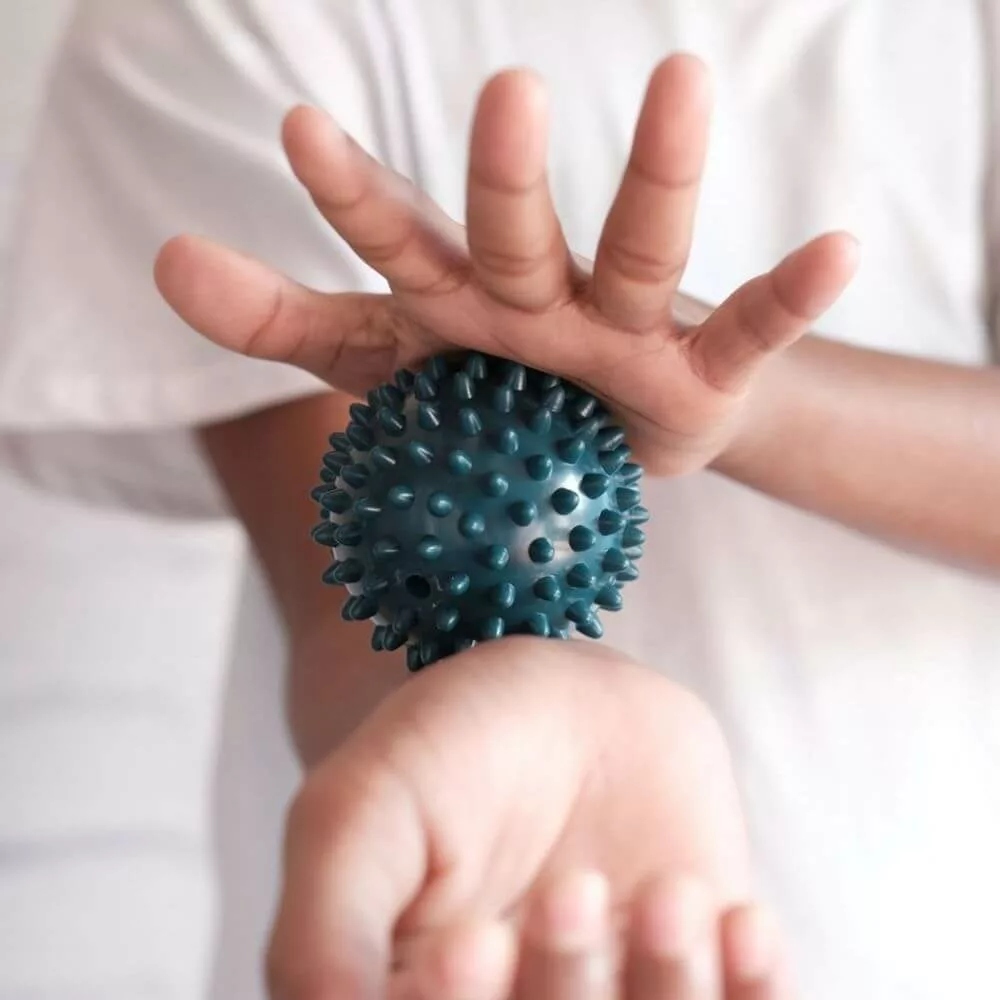
Your hands can take a surprising amount of daily punishment.
Grip training, lifting, climbing, gaming, typing, manual work, and everyday activities can all add up to a substantial workload.
When your hands need a break, the right recovery tool can make gentle movement, light resistance work, or simple comfort easier to fit into your routine.
But recovery tools are not all designed to do the same thing.
A finger therapy ball, resistance bar, finger-extension band, hand warmer, and massage tool each have a different purpose.
Some encourage movement, some provide light resistance, and others are mainly intended for comfort.
The goal is not to collect every recovery gadget you can find. It is to choose tools that match what your hands actually need.
Rehab equipment doesn’t have to be expensive to be effective.
2. Best Tools for Gentle Hand Movement
Gentle movement tools are a useful starting point when you want to keep your hands active without turning recovery into another demanding grip session.
These products can be particularly convenient after repetitive activities or during periods when you want some controlled hand movement without heavy resistance.
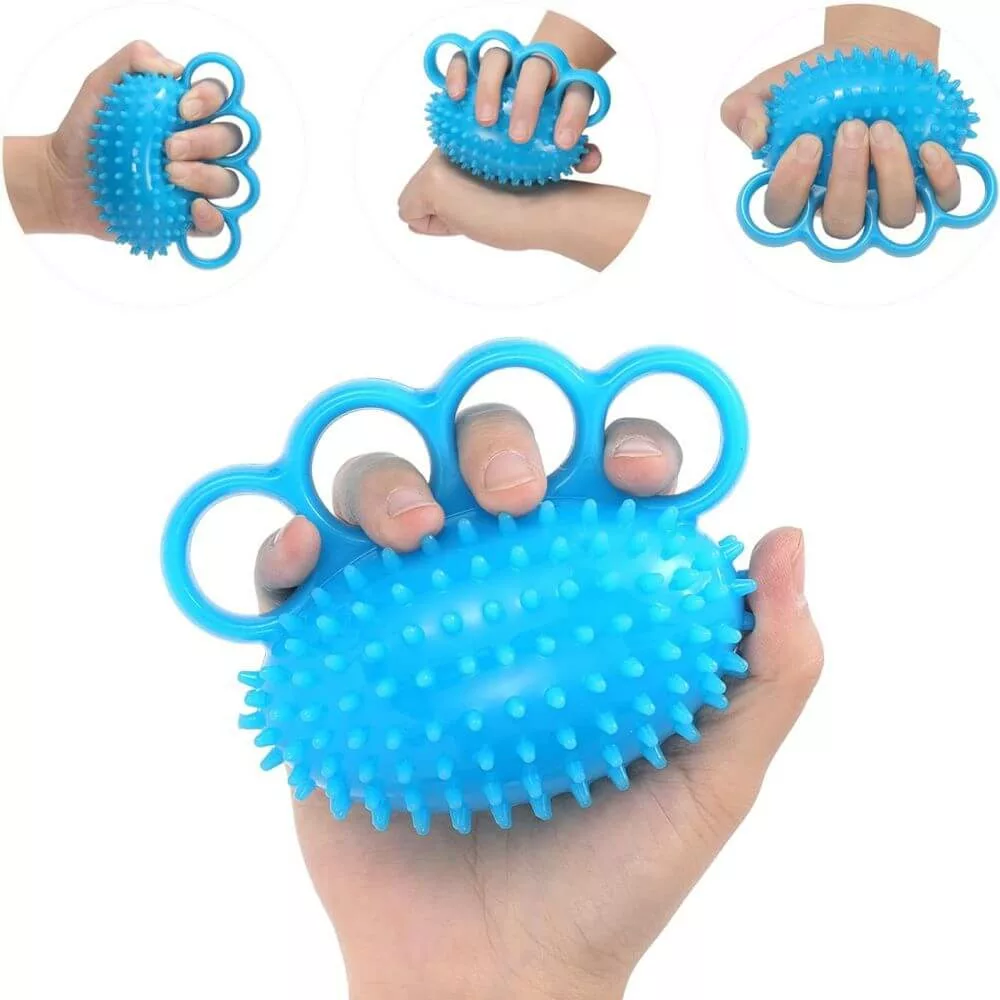
Fanwer Finger Therapy Ball
The Fanwer Finger Therapy Ball is a compact option for gentle hand and finger activity.
Its small size makes it easy to manipulate, while the soft-ball format allows you to perform controlled movements without needing the setup associated with larger training equipment.
That makes it a reasonable fit when the goal is light hand activity rather than maximum grip development.
Therapy-Grade Stress Relief & Rehab Crush Grip Trainer
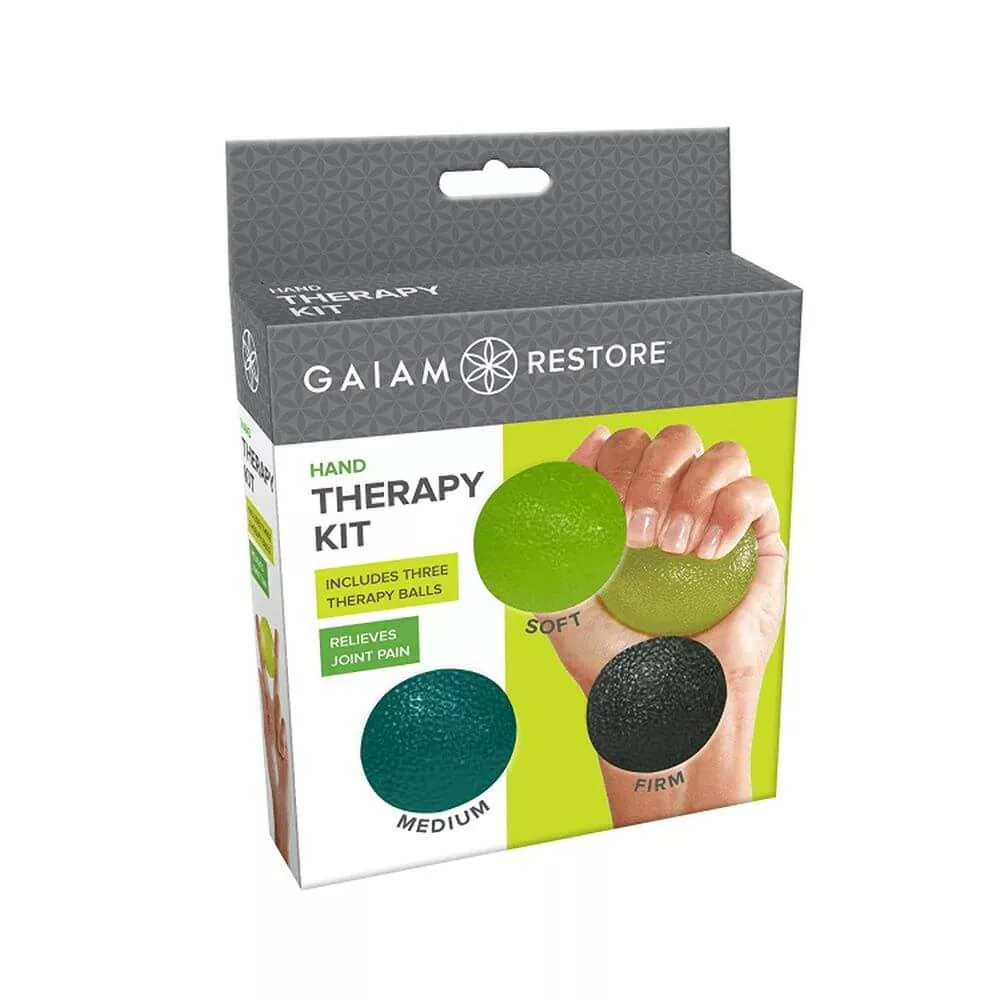
Gaiam Hand Therapy Kit
The Gaiam Hand Therapy Kit takes a broader approach by providing several pieces for hand-focused activity.
That variety can be useful if you do not want your routine to revolve around one specific movement. Different tools can give you options for fingers, hands, and general movement depending on what you want to work on.
For recovery use, the key is still to keep the effort controlled rather than treating every component as another strengthening challenge.
Hand Exercise Balls: Simple Relief & Strength for Tired Hands
Candescent Stress Balls
A stress ball is about as simple as hand equipment gets.
The Candescent Stress Balls can provide an easy way to perform light hand movements without complicated setup or a large piece of equipment. They are particularly convenient for casual use at a desk or during a break from repetitive activities.
They should not be confused with a progressive grip-strength program, but simplicity can be valuable when the goal is simply to get your hands moving.

Best Therapy Balls for Stress Relief, Fidgeting & Rehab
These options all fit the same general idea: controlled hand activity without making maximum grip strength the objective.
3. Best Tools for Light Resistance & Controlled Hand Work
Some people prefer a little resistance rather than completely passive movement.
That can make sense, provided the resistance is appropriate for your current workload. These tools can be useful when you want to perform deliberate hand or forearm movements without automatically reaching for heavy grip-training equipment.
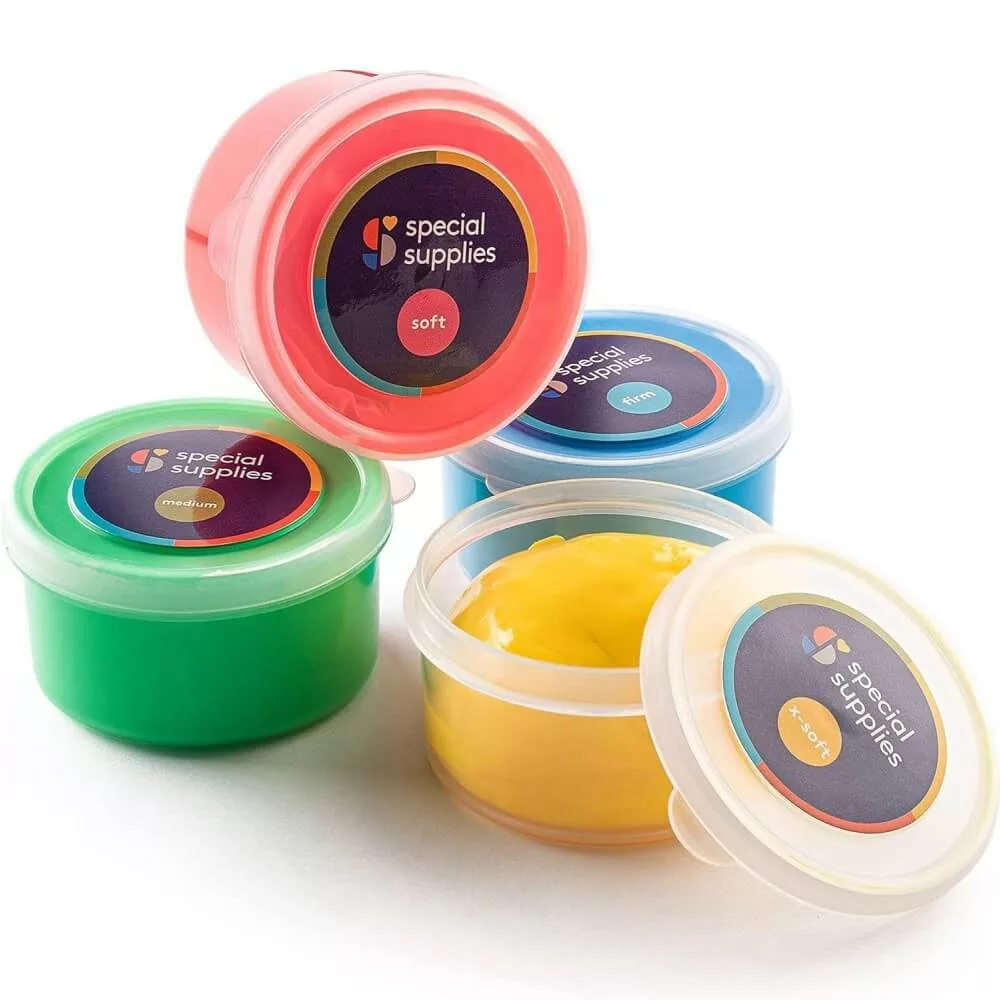
Therapy Putty Special Supplies Store
Therapy putty offers adjustable-feeling resistance through squeezing, pressing, pinching, rolling, and other hand movements.
The Therapy Putty from Special Supplies Store can therefore provide considerable variety in a small package. You can change how you interact with the putty rather than being locked into one fixed grip movement.
For recovery-oriented use, keep the effort light enough that it does not become another taxing hand workout.
Therapy Putty: Rehab-Grade Hand Recovery & Grip Training?
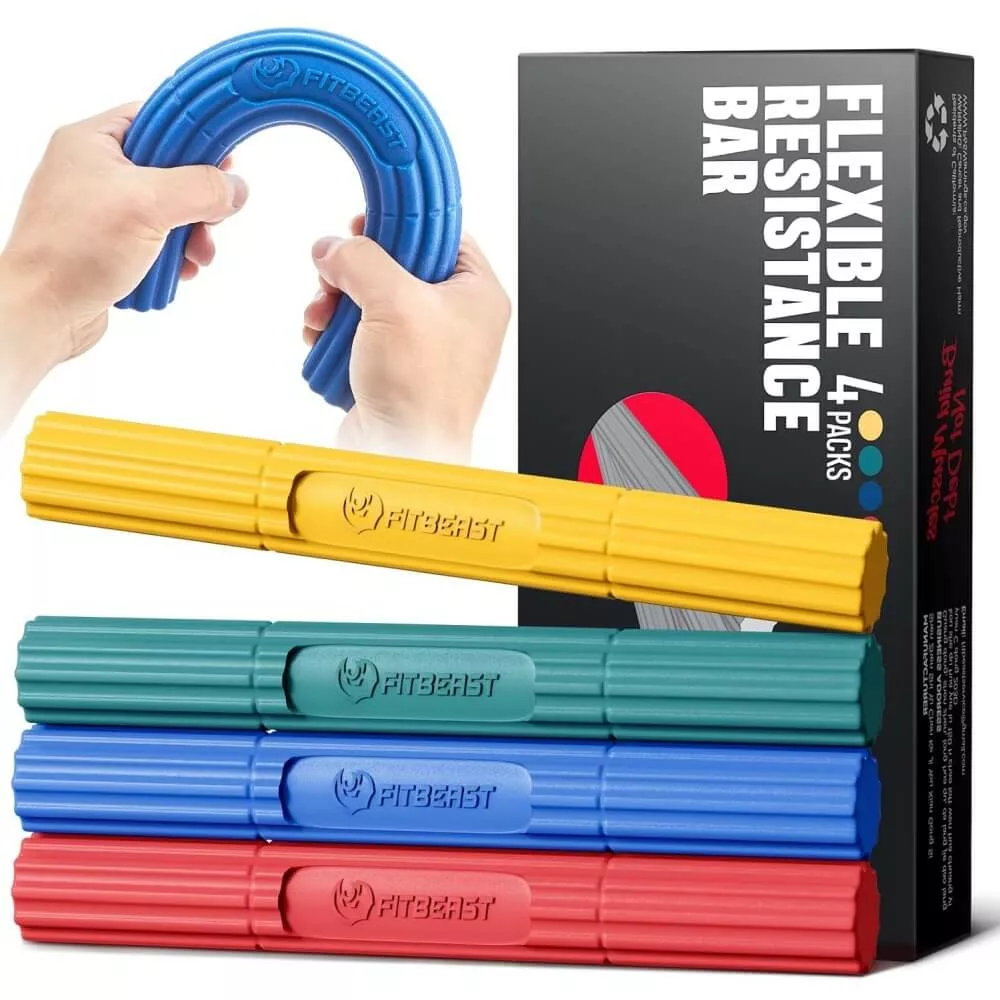
FitBeast Flex Therapy Bar
The FitBeast Flex Therapy Bar provides resistance through bending and controlled hand and forearm movements.
Compared with a simple therapy ball or putty, a resistance bar encourages more deliberate force production. That makes it useful for controlled exercise, but it also means you need to consider it part of your overall workload.
It can complement a recovery routine when used appropriately rather than automatically being treated as a recovery device simply because it uses relatively light resistance.
The Best Twist Bar for Hand, Wrist & Elbow Rehabilitation?
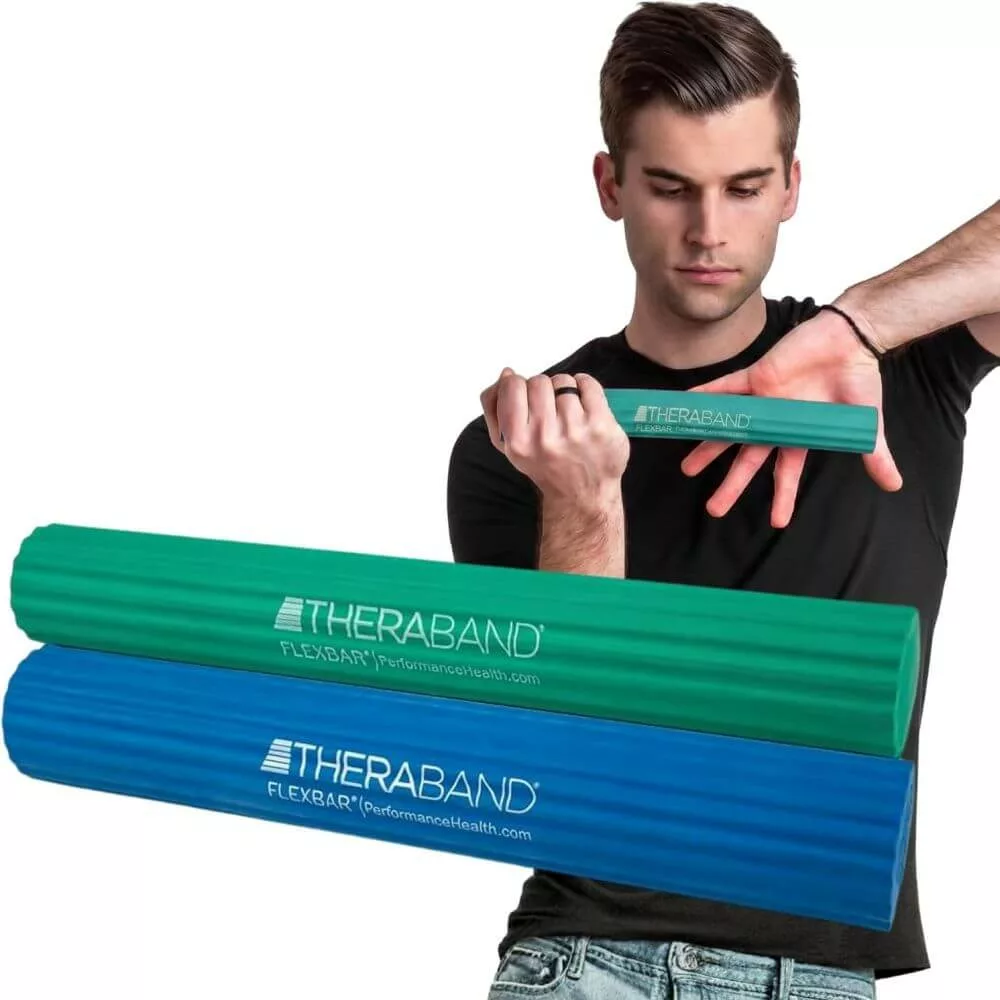
TheraBand Resistance Bar
The TheraBand Resistance Bar is another option for controlled resistance work involving the hands, wrists, and forearms.
It can be useful when you want a structured resistance tool rather than the less predictable resistance of a soft ball or putty.
Again, the distinction matters: resistance-based work can complement recovery, but it is still work. Keep the intensity appropriate to what your hands have already done that day.
Resistance Bar: Simplest Tool to Rehab Injured Hands?
These tools are viewed as controlled resistance options, not automatic substitutes for rest.
4. Best Tools for Finger Extension & Movement Balance
Grip training tends to emphasize closing the hand around something.
That makes finger-extension work an interesting addition to a recovery and hand-health routine, particularly when most of your training and daily activities involve gripping. These tools let you deliberately practice the opposite direction of movement.
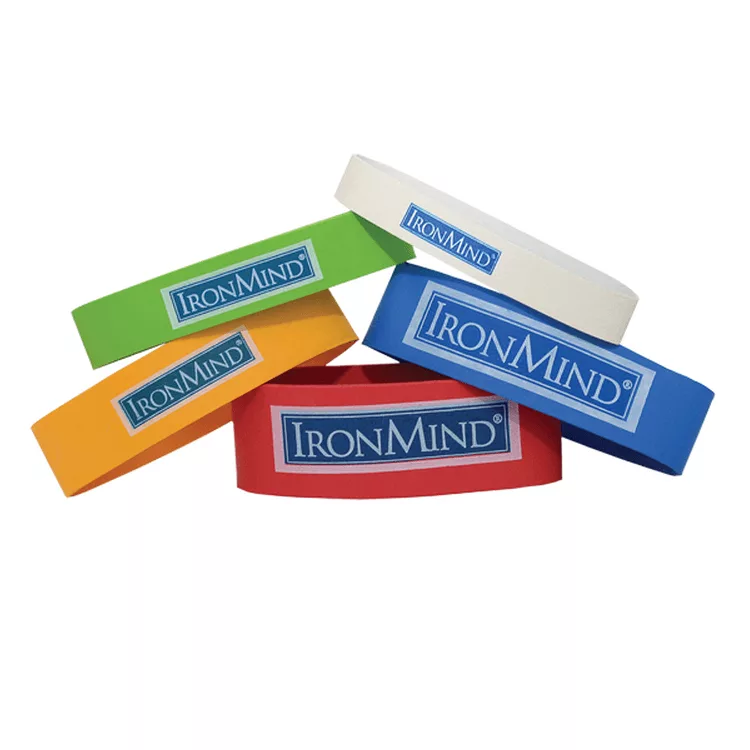
Expand-Your-Hand Bands by IronMind
The Expand-Your-Hand Bands by IronMind are specifically designed for finger-extension work.
They provide resistance as you open the fingers, making them a natural complement to exercises that repeatedly close the hand. They are also compact enough to fit easily into a short movement routine.
The important point is not to turn extension work into another maximal effort. The purpose is to add movement variety and controlled resistance to the routine.
Why are Handbands Staple to Build Hand Muscle Balance?
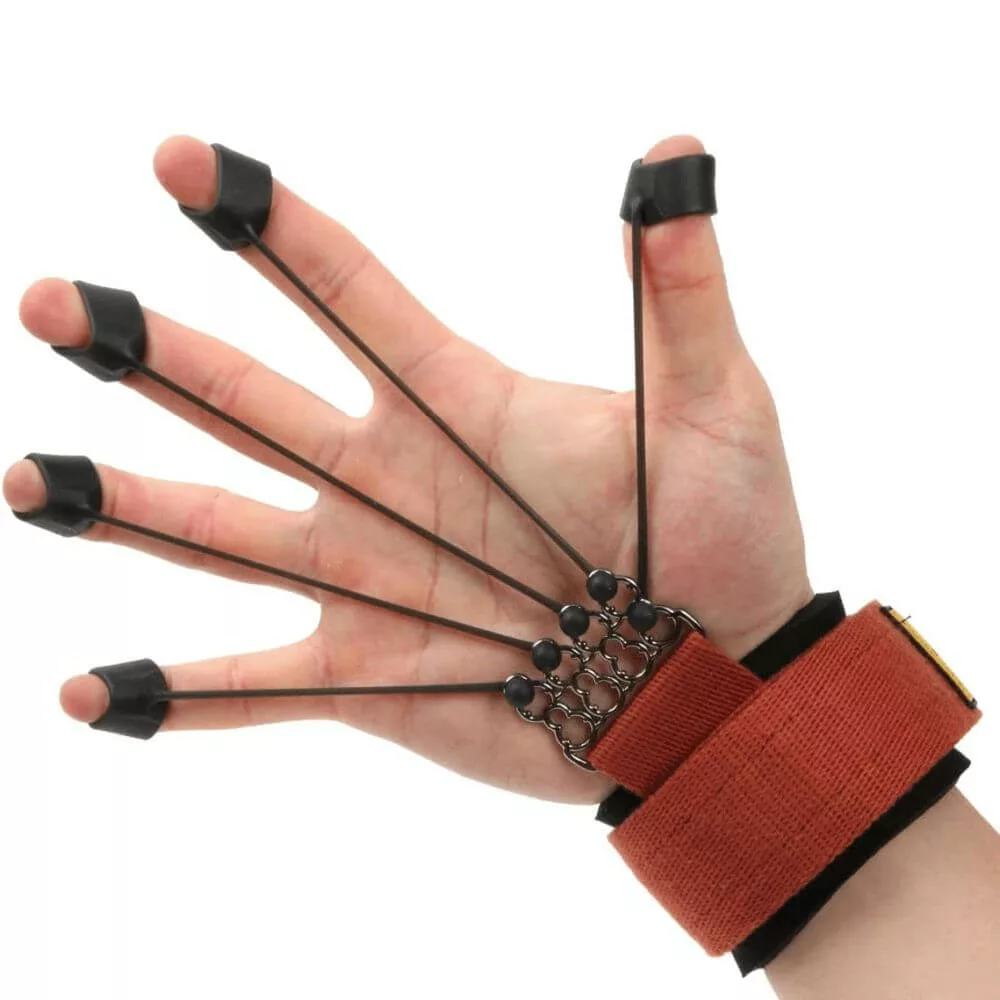
Joagym Hand Extensor Exerciser
The Joagym Hand Extensor Exerciser provides another dedicated way to train the opening side of the hand.
Its format makes it easy to incorporate into a short session, particularly for people who want something more structured than simply opening and closing their fingers without resistance.
As with any resistance tool, start conservatively and consider how much gripping your hands have already done.
Fancy Finger Exerciser to Build Functional Grip Strength
Wuvee Finger Strengthener
The Wuvee Finger Strengthener provides another option for active finger and hand resistance work.
Its role is slightly different from a passive comfort tool: you are still asking the fingers and hand to produce force. That makes it more appropriate for controlled strengthening and movement-balance work than for completely passive recovery.
Use it accordingly.
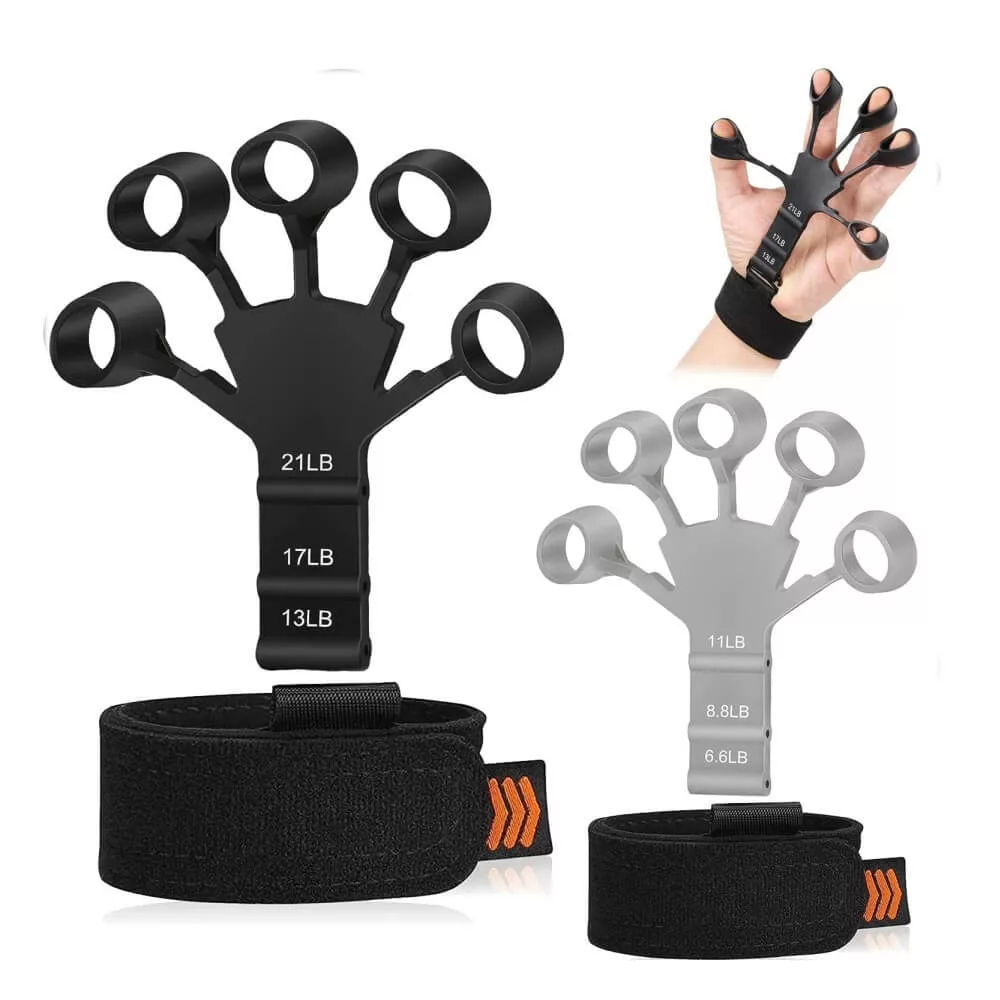
Fun & Affordable Way to Rehab Weak Hands
This category is particularly relevant if your normal routine contains a lot of gripping, squeezing, hanging, or carrying.
5. What About Heat and Simple Comfort Tools?
Not every recovery tool needs to provide resistance or movement.
Sometimes the goal is simply to make your hands feel more comfortable after spending a long time training, working, gaming, or sitting in a cold environment.
When Simple Warmth Can Be Useful
A hand warmer can provide a convenient source of warmth when your hands feel cold or when you want a comfortable transition into gentle movement.
The HotHands Hand Warmer is an example of a simple, portable option.
It is important to keep the role clear, though. A hand warmer provides warmth; it is not a replacement for movement, recovery, or evaluation of persistent symptoms.

How Can Hand Warmers Help Relieve Hand Pain Effectively?
For a broader discussion of when warmth or cooling may fit into a recovery routine,
see Heat vs Ice for Hand Recovery.
Build Your Recovery Toolkit Around Your Actual Needs
You do not need a drawer full of recovery gadgets to take better care of your hands.
For many people, a useful toolkit could be surprisingly simple: perhaps one gentle movement option, one controlled resistance tool, and a basic comfort option if warmth is useful. Someone who spends most of their time gripping may also benefit from dedicated finger-extension equipment.
The important part is matching the tool to the job.
A therapy ball does not need to compete with a gripper. Finger-extension bands do not need to replace rest. A resistance bar does not become a recovery tool simply because it uses less resistance than your normal training equipment.
Think of recovery tools as ways to make appropriate movement and workload management easier.
Your hands still need recovery time. The best recovery tool is the one that matches what your hands actually need.
Key Takeaway
Gentle movement tools can keep the hands active without demanding heavy effort. Light resistance tools can provide controlled work when appropriate.
Finger-extension tools can add movement variety to grip-heavy routines, while simple comfort products can help with warmth or relaxation.
You do not need all of them.
Choose based on your workload, your goals, and the type of activity you want the tool to support.
Then keep the intensity appropriate and give your hands enough time to recover between demanding sessions.
Thanks for Reading!
What is Your Go-To Recovery Tool for Hands?
Share Your Thoughts in the Comments!