(Last Updated on October 1, 2026 by Henry)

Build Stronger, More Adaptable Hands to Handle Work & Training

Strong hands aren’t necessarily resilient hands.

You can have an impressive grip and still struggle when your workload suddenly changes.

You spend long hours using your hands, or you repeatedly train the same movement without giving other parts of the hand enough attention.

Long-term hand resilience is broader than maximum strength.

It comes from gradually building useful capacity while maintaining movement, allowing enough recovery, and learning how to adjust when your workload changes.

Table of Contents – Explore What's Covered Below

That approach can help your hands stay better prepared for the things you actually ask them to do, whether that’s grip training, lifting, climbing, manual work, gaming, or everyday life.

Here are simple wrist warm-up & flexing exercises for hand mobility.
Nothing fancy; they’re easy to do & effective.

1. What Does Hand Resilience Actually Mean?

1. What Does Hand Resilience Actually Mean?

Hand resilience isn’t a medical guarantee that you’ll never experience pain or injury.
Instead, think of it as your hands’ ability to handle changing demands, recover from those demands, and adapt over time.

Strength Is Only One Piece

Grip strength is important, but it is only one part of the picture.
Your hands also need endurance, coordination, mobility, finger control, thumb strength, wrist stability, and the ability to tolerate repeated activity.

Someone might have a very strong crush grip but still struggle with prolonged support work or repetitive finger movements.

Building resilience means developing more than one quality.

Movement Matters Too

Hands are designed to move in many different ways.

They open and close, pinch, spread, rotate, support loads, manipulate objects, and work together with the wrist and forearm.
If your training repeatedly emphasizes only one of those movements, you’re developing a narrower form of capacity.

A more varied approach gives your hands more ways to handle different demands.

Recovery Is Part of Resilience

A resilient hand isn’t one that can tolerate unlimited training.
It is one that has enough recovery between demanding workloads to adapt without constantly accumulating fatigue.

That means rest isn’t something you add only after a problem appears.
It’s part of building the capacity in the first place.

2. Build More Than One Type of Grip Strength

2. Build More Than One Type of Grip Strength

One of the simplest ways to make your hand training more resilient is to stop treating “grip strength” as a single quality.

Different activities place different demands on the fingers, thumb, palm, wrist, and forearm.

You don’t need to train every possible movement equally. But exposing your hands to a reasonable variety of movements can help you build a broader base of useful capacity.

Crush Grip

Crush grip is the type of gripping most people picture first.

It’s the action of closing the fingers around an object and squeezing it toward the palm.

Grippers are an obvious example, but crush-oriented work can also be performed with softer resistance tools when you want more control over the workload.

The important point is not to make every session a maximum-grip test.

A hand that can produce high force but rarely practices other movements isn’t necessarily as adaptable as it could be.

Pinch Grip

Pinch grip uses the thumb against one or more fingers to hold an object.

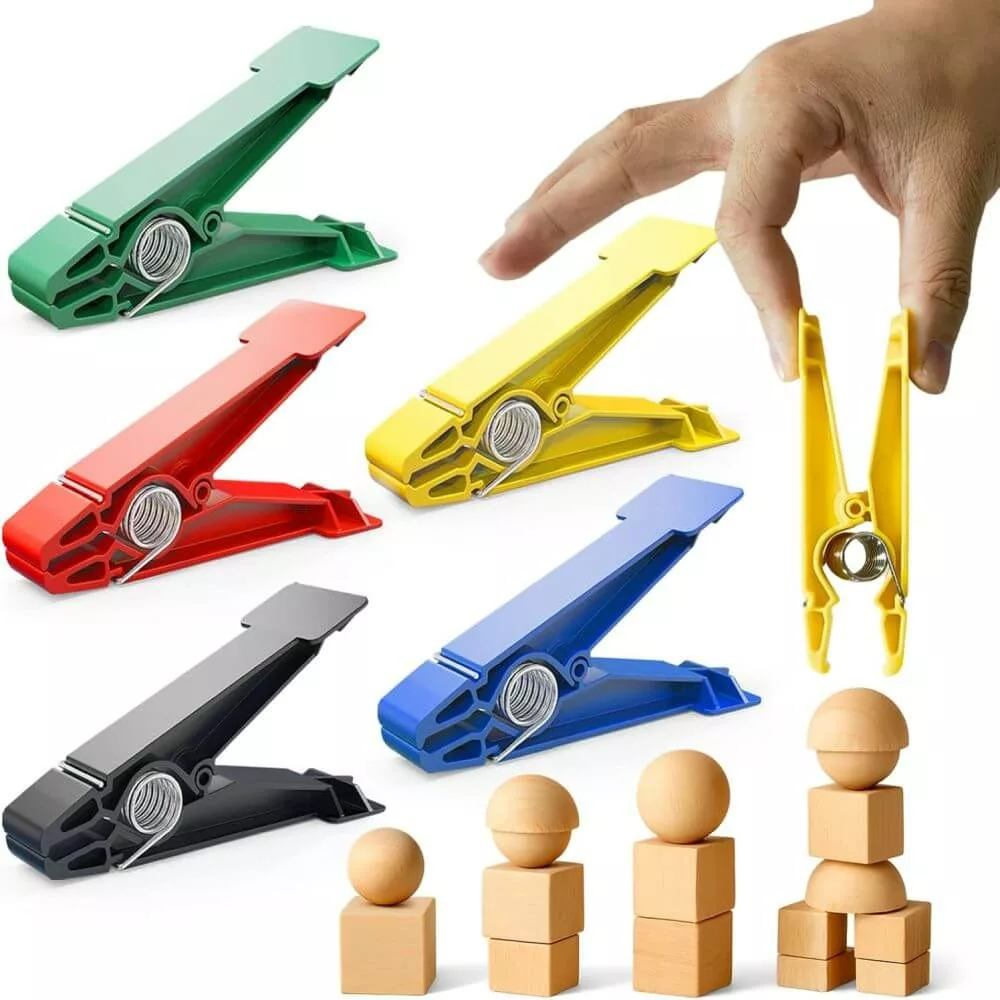
It appears in everyday tasks whenever you pick up something between your thumb and fingers, and it can be trained with dedicated pinch implements or simple objects that allow controlled resistance.

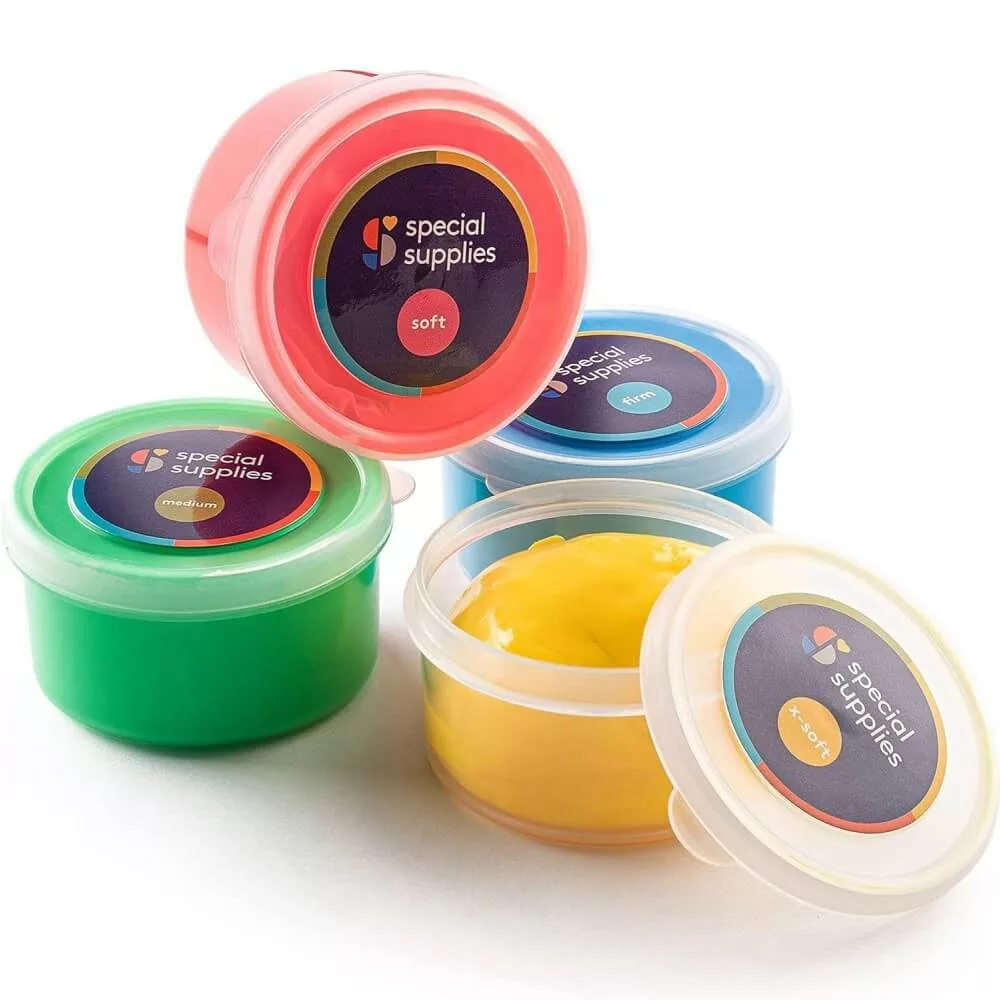
Therapy putty can also provide an accessible way to practice different thumb-and-finger positions without requiring a heavy pinch load.

The emphasis should be on controlled loading rather than trying to make every pinch exercise a maximum-effort challenge.
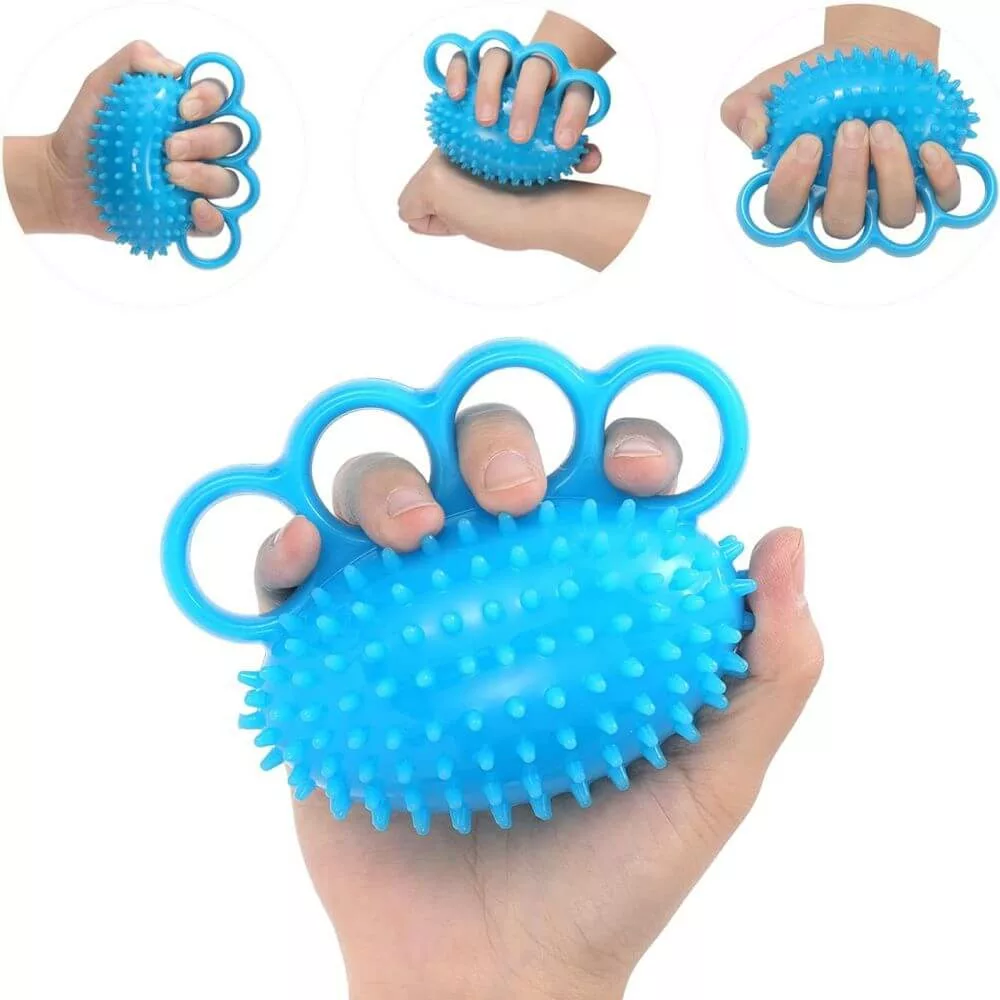
Support Grip

Support grip is the ability to hold onto an object for a period of time while it pulls against your fingers.

Carrying weights, hanging from a bar, holding tools, and many manual activities all rely on some degree of support grip.

This is where endurance becomes particularly important.

You don’t necessarily need to train support grip with maximum loads every time. Longer, easier holds can provide a different challenge from short, high-force squeezes.

Wrist and Forearm Strength

Your hands don’t operate independently of your wrist and forearm.

The muscles controlling your fingers and wrist extend into the forearm, and the position and strength of the wrist can influence how effectively you apply force through the hand.

That makes wrist and forearm work a useful complement to direct grip training.

A wrist curl bar and wrist roller provide two different ways to introduce controlled wrist and forearm loading.

Again, the goal isn’t to turn every supporting movement into another maximum-effort workout.

Finger Extension

Grip training tends to emphasize closing the hand.

Finger extension gives the fingers a different job and can help create more variety in your hand training.
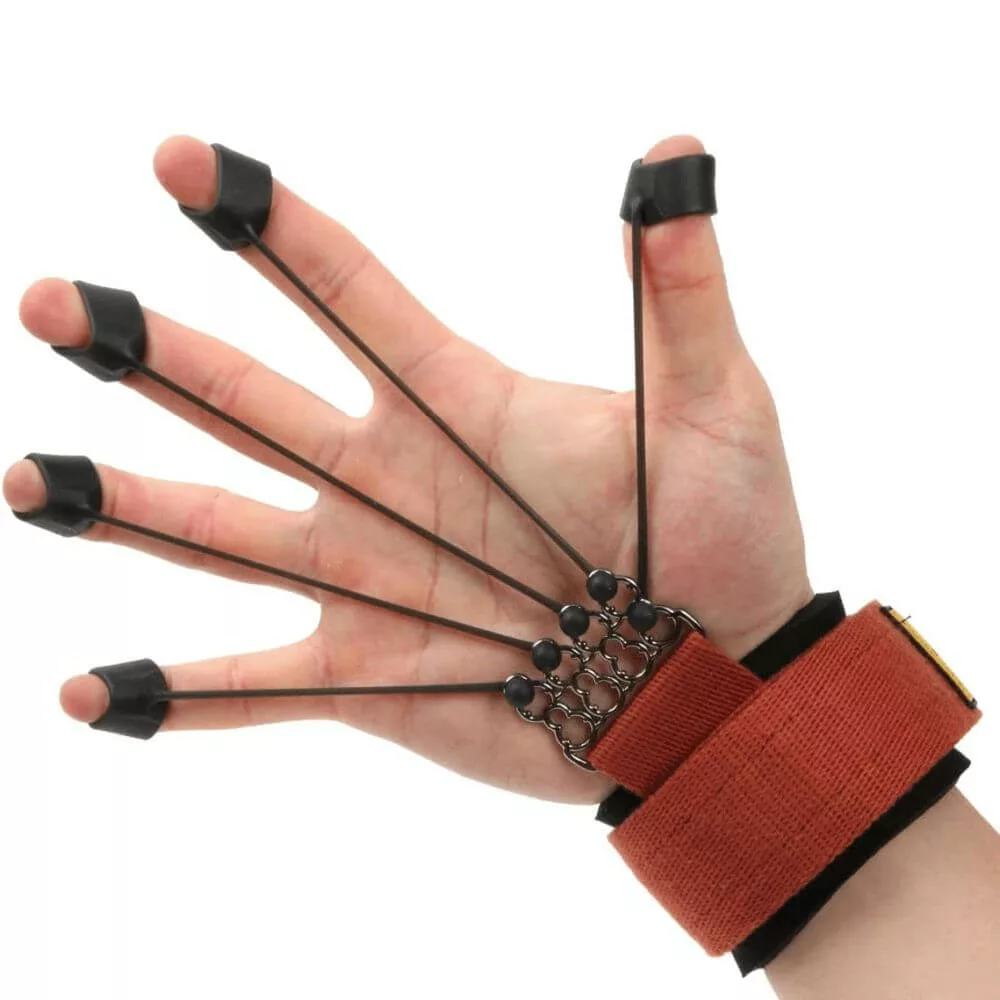
The Expand-Your-Hand Bands by IronMind and Joagym Hand Extensor Exerciser provide simple ways to add resisted finger opening to a broader routine.

For more detail, see Finger Extension for Recovery & Balance.

Don’t Try to Train Everything at Once

Variety doesn’t mean cramming every movement into every workout.

A more sustainable approach might be to emphasize one or two qualities during a session while giving other movements attention elsewhere in the week.

The bigger objective is to avoid building your entire hand-training habit around one movement pattern.

3. Progress Gradually Instead of Constantly Testing Your Limits

3. Progress Gradually Instead of Constantly Testing Your Limits

Long-term resilience is built over time.

That means giving your hands manageable challenges and allowing them to adapt before asking for more.

Increase One Variable at a Time

You can make training harder by increasing resistance, repetitions, duration, frequency, or exercise difficulty.

You don’t need to increase all of them simultaneously.

If you increase resistance and volume at the same time, it becomes much harder to tell how your hands will respond to the new workload.

A gradual approach gives you more control.

New Exercises Count as New Work

Even if an exercise doesn’t feel particularly difficult, a new movement can place stress on your hands in a way they’re not accustomed to.

This is especially relevant when you introduce a new grip tool, begin climbing, change your lifting routine, or start another hand-intensive activity.

Treat unfamiliar workloads as something your hands need time to learn.

Don’t Chase Maximum Effort All the Time

Maximum testing can have a place in a structured training program.

It doesn’t need to be the foundation of every session.

If every workout becomes an attempt to squeeze harder, hold longer, or beat your previous number, you may gradually turn useful training into a constant test.

Resilience comes from accumulating productive training, not from proving your limits every day.

4. Keep Your Hands Moving Well

4. Keep Your Hands Moving Well

Strength is more useful when you can control it through comfortable movement.

That means mobility and movement variety deserve a place alongside resistance training.

Move the Fingers

Regularly opening, closing, spreading, and individually moving the fingers gives your hands opportunities to perform something other than gripping.

These movements can also make useful breaks during long periods of typing, gaming, or manual work.

Don’t Forget the Thumb

The thumb is involved in a huge range of hand functions, especially pinching and object manipulation.

Include comfortable thumb movement rather than treating the fingers as the entire hand.

Keep the Wrist Involved

The wrist affects how your hand interacts with loads.

Gentle wrist movement can complement strengthening work and help prevent your routine from becoming overly focused on repeated gripping.

For a dedicated look at this topic, see Wrist Mobility for Grip Training.

Build Movement Variety, Not Just Flexibility

You don’t need to chase extreme ranges of motion.

The practical objective is to maintain comfortable, controlled movement that supports the activities you actually perform.

For a broader movement routine, see Hand Mobility for Grip Training.

5. Build Recovery Into Your Normal Routine

5. Build Recovery Into Your Normal Routine

You don’t build resilience by training harder and harder without interruption.

You build it by repeatedly giving your hands a manageable workload, allowing them to recover, and then gradually asking them to do a little more.

Don’t Wait Until Your Hands Hurt

Recovery shouldn’t be something you suddenly discover after your hands are already exhausted.

Regular rest days, sensible training frequency, and short periods of comfortable movement can all help keep your workload manageable.

Account for Your Whole Week

A grip workout is only one part of your hand workload.

Climbing, grappling, lifting, gaming, typing, construction work, playing an instrument, gardening, and other activities can all contribute.

If your hands are already working hard elsewhere, your dedicated grip training may need to reflect that.

Use a Simple Recovery Routine

You don’t need an elaborate protocol.

A few minutes of comfortable hand and wrist movement, appropriate rest, and sensible workload management can go a long way.

For a complete framework, see Creating a Hand Recovery Routine.

6. Make Your Training Match Your Real Life

6. Make Your Training Match Your Real Life

Your hands experience a weekly workload, not a workout workload.

That distinction becomes increasingly important as you build long-term resilience.

If You Lift Weights

Deadlifts, rows, pull-ups, carries, and other exercises can already place substantial demands on your grip.

Dedicated grip training should complement that workload rather than blindly pile more volume on top.

If You Climb or Grapple

Climbing and grappling can create significant finger and hand demands.

Adding more high-intensity grip work may not always be necessary.

Your training should account for what your hands are already doing during those activities.

If You Game or Work at a Computer

Long periods of mouse and keyboard use aren’t the same as heavy strength training, but repetitive hand activity still contributes to your overall workload.

Short movement breaks can therefore be valuable even when you’re not performing formal grip exercises.

If You Perform Manual Work

Tradespeople and others who use their hands throughout the day may already be getting substantial grip exposure.

For them, resilience may involve improving strength in selected areas while also paying close attention to recovery and workload management.

If You’re Older

As hands change with age, maintaining useful strength and movement can remain valuable.

But training should still be adjusted to the individual’s current capacity rather than based on an arbitrary standard.

The goal is useful, sustainable capacity, not proving that your hands can tolerate the same workload they did years ago.

7. Learn to Adjust Before Small Problems Become Big Ones

7. Learn to Adjust Before Small Problems Become Big Ones

One of the most valuable resilience skills is knowing when to change course.

You don’t have to wait until you are forced to stop training.

Notice Changes in Performance

If a familiar resistance suddenly feels unusually difficult, or your grip performance repeatedly declines, treat that as information.

One bad session doesn’t necessarily mean anything.

A persistent trend deserves more attention.

Watch for Accumulating Fatigue

Hands and forearms that never seem to feel recovered may be receiving more workload than they can currently handle.

Look at everything contributing to that workload before simply adding more recovery exercises.

Pay Attention to Repeated Irritation

If the same exercise repeatedly causes discomfort, don’t automatically assume you need to become tougher at it.

Try reducing the resistance, changing the exercise, reducing volume, or giving yourself more recovery time.

Use a Simple Adjustment Framework

A useful sequence is:

Notice → Reduce → Adapt → Recover → Rebuild

Notice what’s changing.

Reduce the most obvious source of unnecessary stress.
Adapt the exercise or workload.
Give yourself enough recovery.

Then rebuild gradually when your hands are ready.

That approach can prevent many small training decisions from becoming unnecessarily large problems.

8. Use Measurements to Track Long-Term Progress

8. Use Measurements to Track Long-Term Progress

Long-term resilience is difficult to judge if you only rely on how you feel during one workout.

Occasional measurements can give you another way to observe changes over time.

Track Grip Strength Occasionally

A hand dynamometer can provide an objective measurement of grip force.
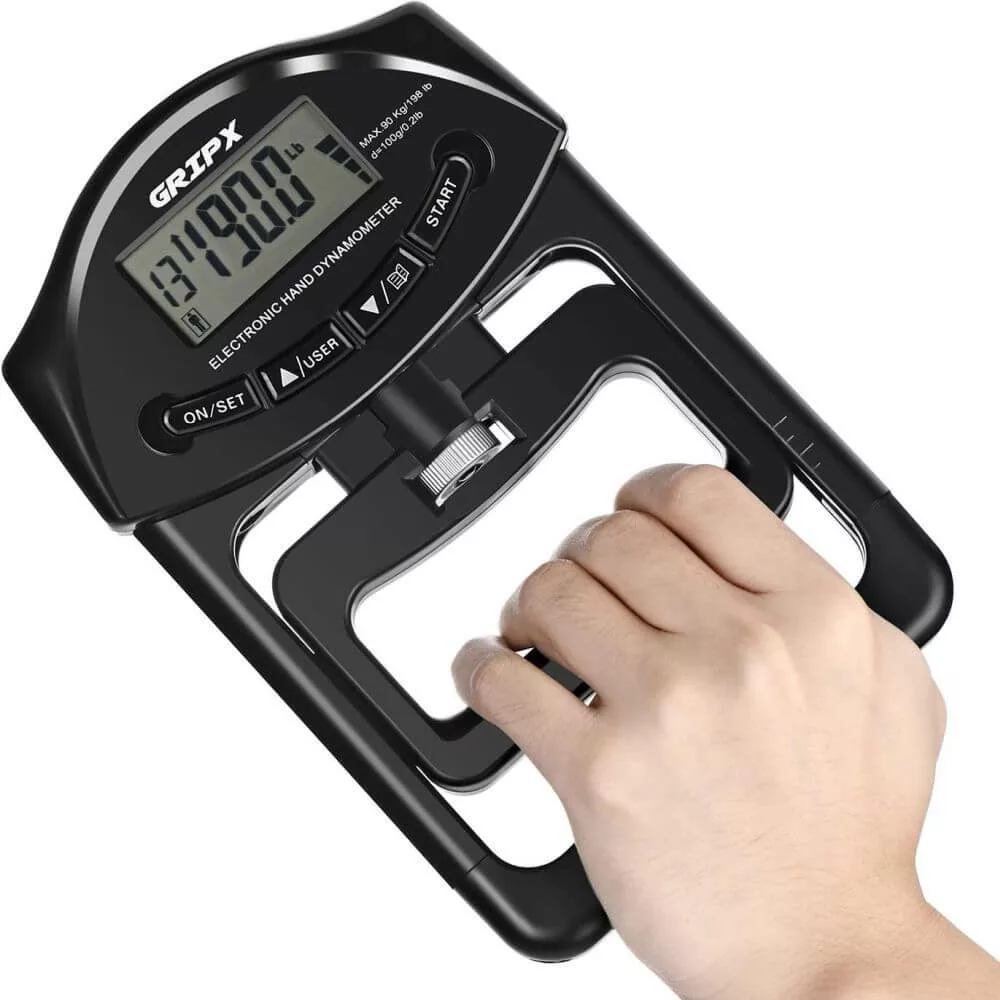
The GRIPX Digital Hand Dynamometer can be used to establish a baseline and periodically check whether your general grip capacity is changing.

The important word is periodically.

Testing your maximum grip every day can become another source of fatigue and doesn’t necessarily tell you much more than occasional measurements under reasonably consistent conditions.

Track Your Training Too

A simple training log can be just as useful.

  • Exercise
  • Resistance
  • Repetitions or hold duration
  • Training frequency
  • How your hands felt afterward

Over time, this can help you recognize patterns that aren’t obvious from individual sessions.

Don’t Let the Numbers Become the Goal

Measurements are information.
They’re not the definition of resilience.

If your grip number improves but your hands are constantly fatigued or irritated, that isn’t the whole picture.

Long-term hand health involves more than producing a bigger number on a dynamometer.

9. Build a Hand-Resilience Routine You Can Keep for Years

9. Build a Hand-Resilience Routine You Can Keep for Years

The best long-term routine is one that can survive changes in your life.

Your training schedule will change.
Your hobbies will change.
Your workload will change.
Your age will change.

Your hands need a system that can change with them.

Train

Give your hands progressive challenges appropriate to your current capacity.

Move

Keep your fingers, thumb, wrist, and forearm involved in a variety of comfortable movements.

Recover

Leave enough room between demanding workloads for your hands to adapt.

Monitor

Pay attention to performance, fatigue, discomfort, and your overall workload.

Adapt

Change resistance, volume, frequency, or exercise selection when circumstances change.

Progress

Once your hands are handling the current workload comfortably, gradually give them a little more to do.
This creates a simple cycle:

Train → Move → Recover → Monitor → Adapt → Progress

You don’t need to follow it perfectly every week.
The value comes from having a framework that keeps you thinking about the whole system rather than treating every workout as an isolated event.

Build Hands That Can Keep Up With Your Life

Long-term hand resilience isn’t built by constantly pushing harder.
It’s built by gradually increasing capacity while maintaining movement, respecting recovery, and adapting when your workload changes.

Strong hands are useful.

But hands that can handle different demands, recover between them, and adjust when circumstances change are even more useful for long-term training and everyday life.

You don’t need to train every grip quality in every workout.
You don’t need the heaviest tool.
And you don’t need to test yourself every day.

Build a broad foundation, increase the workload gradually, keep your hands moving, recover properly, and pay attention when your normal response starts to change.

That’s how grip training becomes something you can keep doing for years rather than something you constantly have to recover from.

Recommended Next Reads

Key Takeaway

Long-term hand resilience comes from more than getting stronger.

Build different types of hand capacity, maintain comfortable movement, progress gradually, account for your total weekly workload, recover consistently, and adjust your training when your hands tell you something has changed.

Thanks for Reading!

Which Grip Exercise Has Made a Difference for You?
Share Your Thoughts in the Comments!

Need to Improve Your Grip? I'm Here to Help. As a fitness enthusiast, I explore grip strength, hand training, performance, injury prevention, & recovery to help you train smarter. Whether you're chasing a competitive edge, getting back from an injury, or simply looking for better ways to use & strengthen your hands, you'll find practical ideas & useful tools right here.

Leave a Reply

Your email address will not be published. Required fields are marked *