(Last Updated on September 18, 2026 by Henry)
Build Capable Hands That Can Handle Daily Demands Without Wear & Tear
Long-term hand resilience isn’t just about how much weight you can grip once.
It’s about how well your hands can handle frequent challenges, recover from them, and continue functioning comfortably without constantly feeling sore, stiff, or irritated.
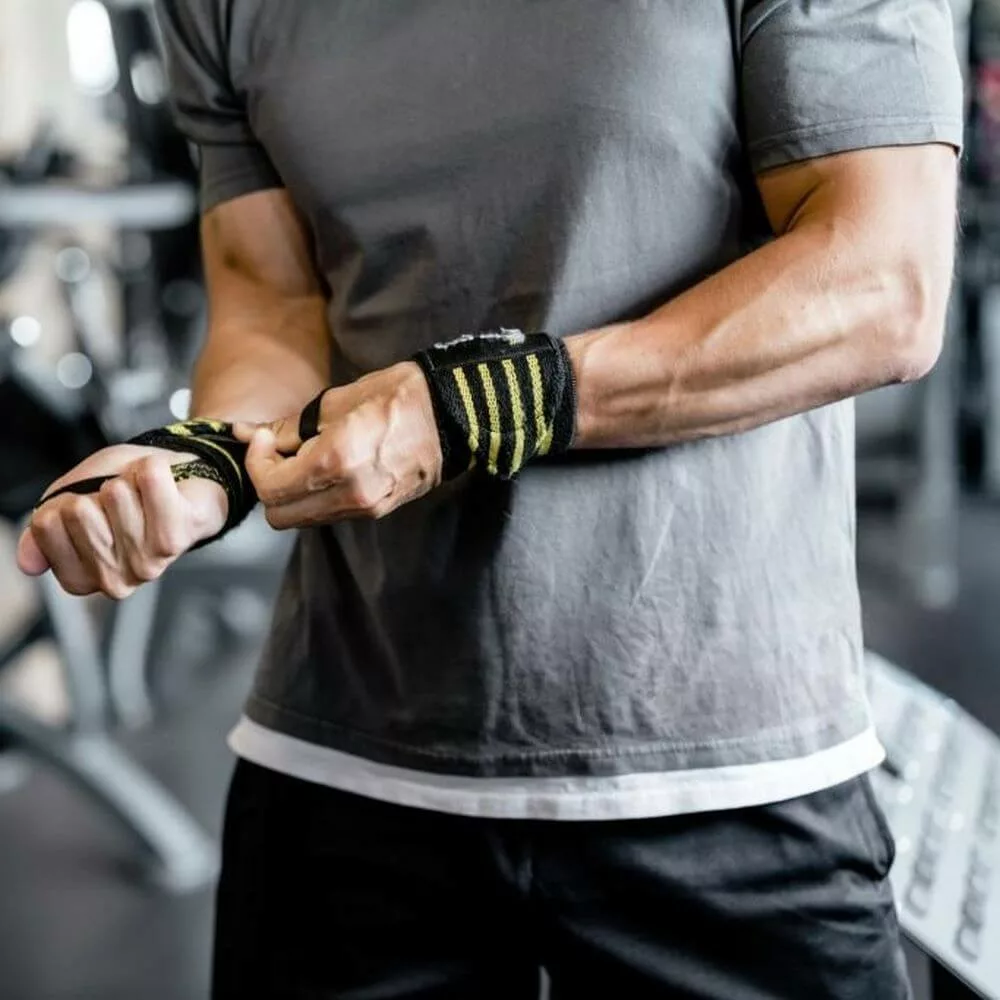
Whether climbing, lifting, typing at work, using tools, playing sports, or simply spending hours on your phone, maintaining reliable hand function matters.
It’s easy to assume that a strong grip automatically means your hands are resilient.
But even strong hands can become irritated when the total workload gets too high, or the same movements are repeated over and over without enough recovery.
Hands are also more complicated than a single grip-strength measurement suggests.
Muscles, tendons, joints, ligaments, nerves, and other connective tissues all contribute to how your hands perform and tolerate stress.
That means building resilience requires more than simply squeezing harder.
You need to gradually improve your capacity, expose your hands to different types of movement, allow enough recovery, and pay attention to the demands placed on them throughout the day.
Resilience doesn’t happen overnight. Occasional all-out workouts may feel productive, but consistent exposure to manageable challenges is what gives your hands time to adapt.
Think of it as a marathon rather than a sprint.
The goal is to develop hands that aren’t merely strong on their best day, but capable of handling the demands of training, work, recreation, and everyday life for years to come.
Eliminate wrist pain & build up resilience.
Take your time, work in your active range, modify as necessary.
Train Every Major Grip And Wrist Pattern For Movement Balance
A resilient hand needs more than a strong squeezing motion.
Different activities place different demands on your fingers, thumb, wrist, and forearm. Training a broader range of grip and wrist patterns helps prepare your hands for more varied tasks instead of making them highly specialized in one movement.
Develop More Than Crush Grip
Crush grip is the familiar squeezing action used when closing a gripper or firmly wrapping your fingers around an object.
It’s valuable, but it is only one part of overall hand function.
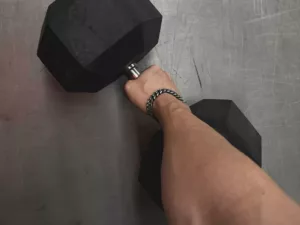
- Crush grip: Develops your ability to squeeze an object forcefully, making it useful for grippers, tools, lifting, and many everyday tasks.
- Pinch grip: Trains the thumb and fingers to hold an object between opposing surfaces, which is important for lifting plates, blocks, books, and other objects that cannot simply be wrapped around.
- Support grip: Builds the ability to maintain a grip while an external load tries to pull your fingers open, as happens during deadlifts, carries, hangs, and many climbing movements.
- Open-hand grip: Challenges the fingers in positions where they cannot rely on a tightly closed fist, helping prepare them for activities such as climbing and other tasks requiring different hand positions.
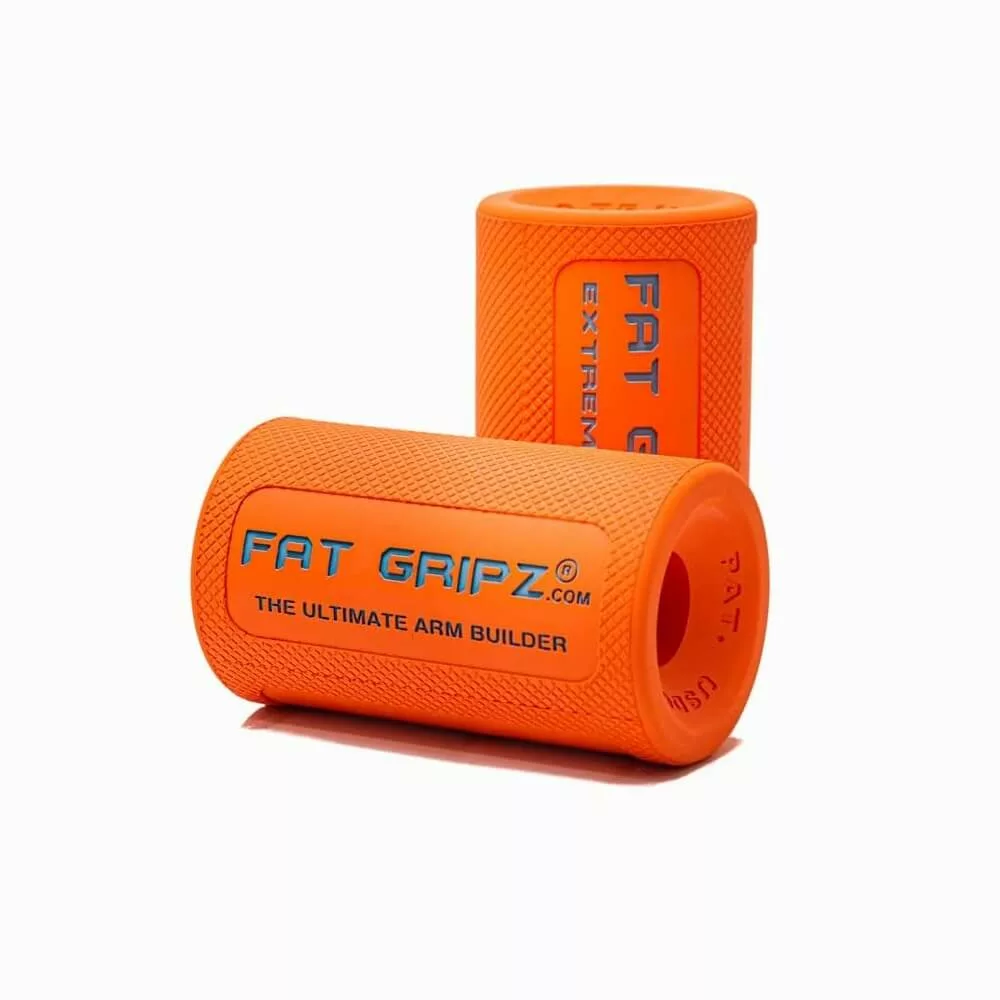
Massive Thick-Grip Training for Elite Forearm Strength
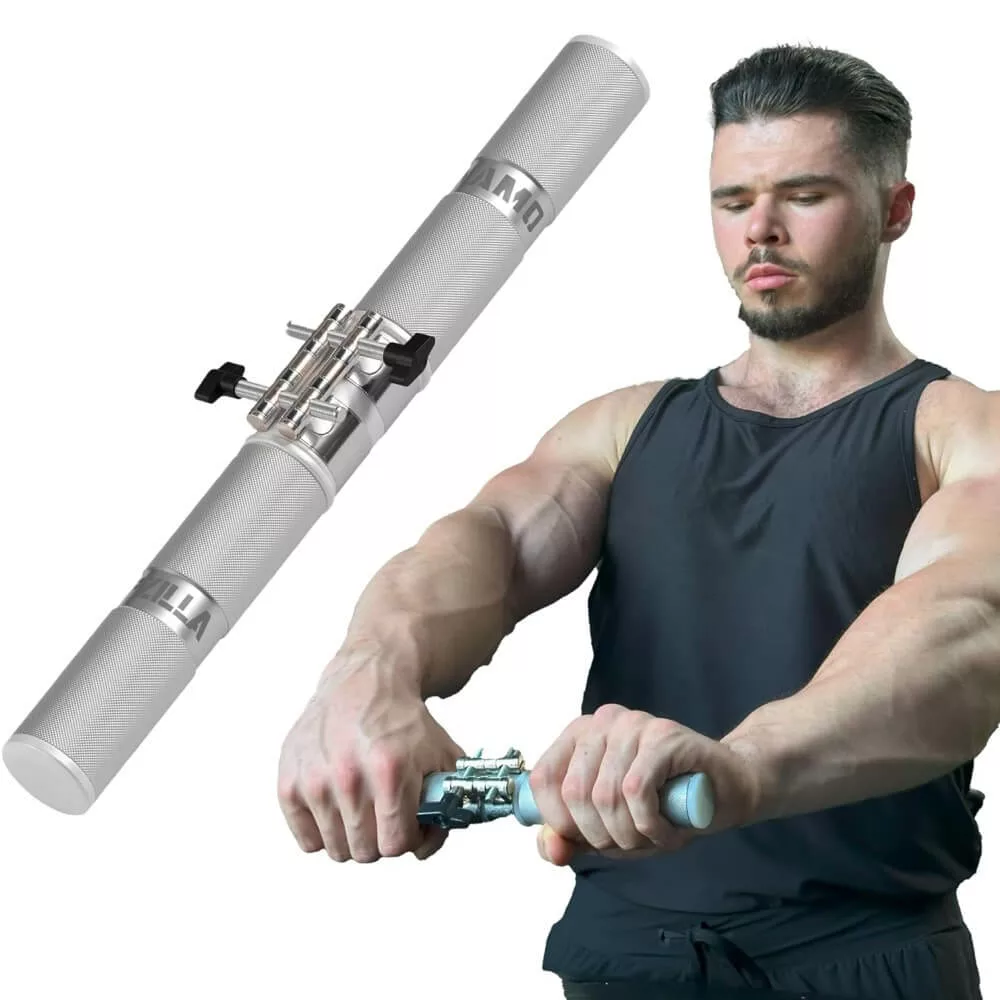
Reliable Budget Wrist Roller That Actually Lasts?
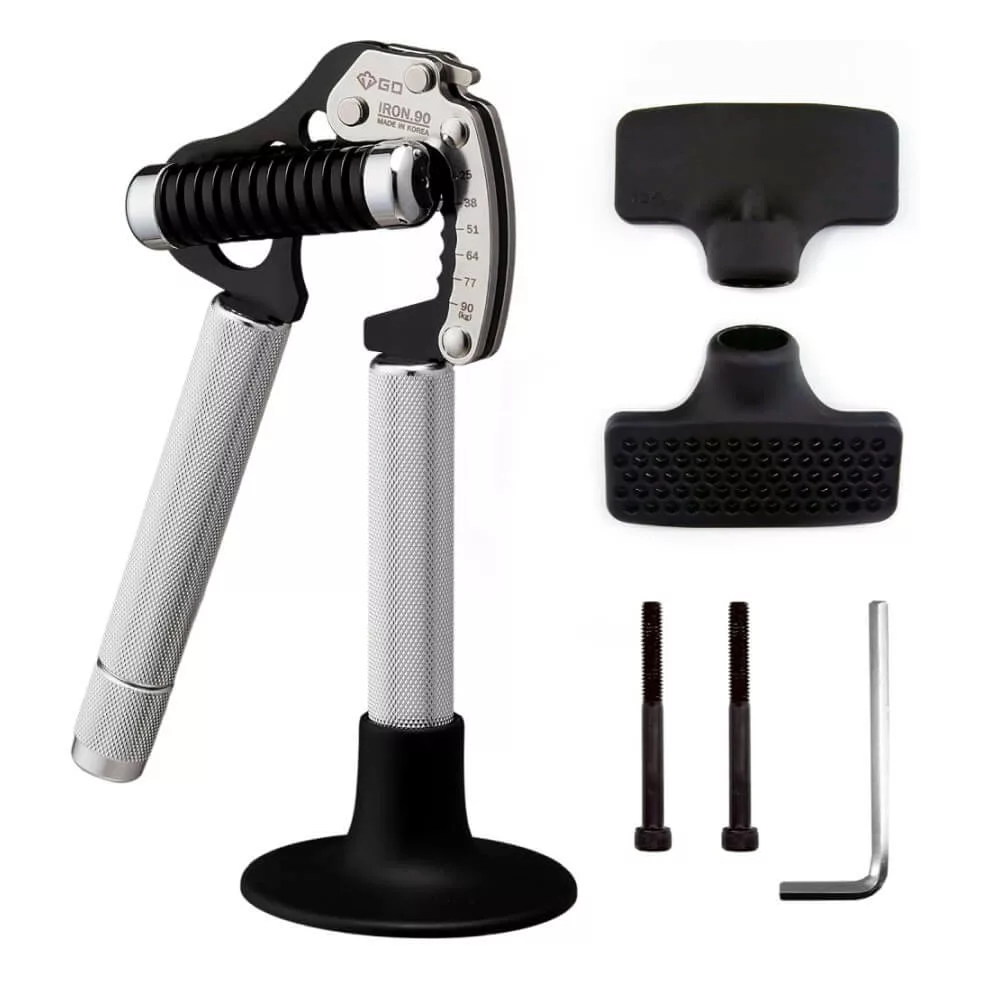
One of the Most Precise Grippers Ever Built?
Using different grip patterns spreads training stress rather than repeatedly placing the same demand on the same structures.
Don’t Forget The Wrist And Forearm
Your wrist and forearm help transfer force between your hand and the rest of your body.
Wrist flexion and extension, along with forearm pronation and supination, expose these areas to movement demands that simple squeezing does not address.
You don’t necessarily need a huge collection of exercises. A small selection covering different movement patterns can be enough to make your training more balanced.
The objective is not to train every possible movement equally.
It’s to avoid allowing one movement pattern to dominate your entire training routine.
Include Finger Extension Work
Finger extension is particularly easy to overlook because most grip training naturally emphasizes closing the hand.
Extension work trains the muscles responsible for opening the fingers and provides a useful counterpoint to repeated gripping.
This doesn’t mean finger-extension exercises are a magic solution for preventing every hand problem. Rather, they give you another movement pattern to include in a balanced program, particularly if your normal activities involve a great deal of gripping.
Vary Your Hand Positions
A resilient hand should be comfortable working through different positions rather than relying on exactly the same grip every time.
Changing handle thickness, grip position, resistance direction, or exercise selection can introduce different demands while keeping the overall workload manageable.
Variety is useful when it has a purpose.
You don’t need dozens of exercises simply for the sake of variety. Instead, choose movements that complement one another and expose your hands to different but manageable challenges.
Build Hands That Stay Ready For What Life Demands
Long-term hand resilience is ultimately about capacity.
You want your hands to be capable of handling challenging training, repetitive work, sports, hobbies, and everyday tasks without constantly being pushed beyond what they can tolerate.
That doesn’t require avoiding hard work. It requires learning how to dose that work.
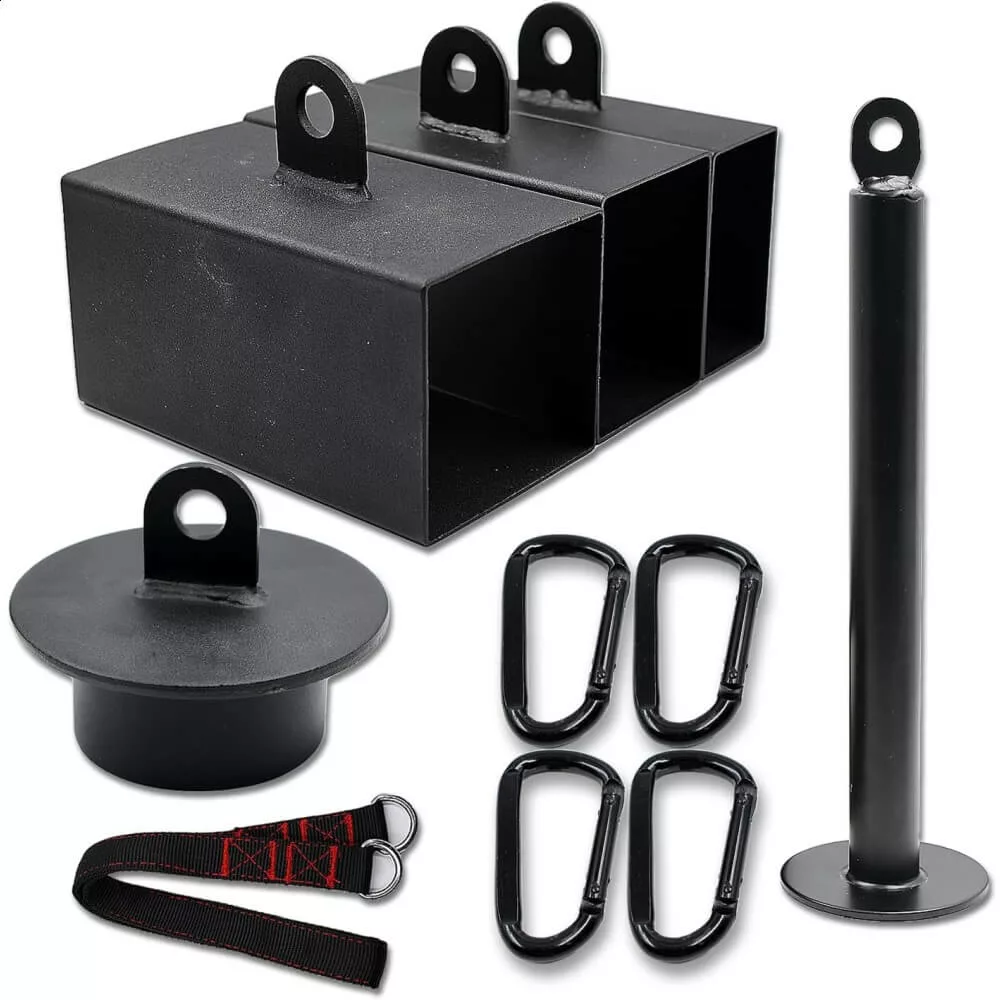
Complete Pinch Grip Training System for Serious Thumb Strength
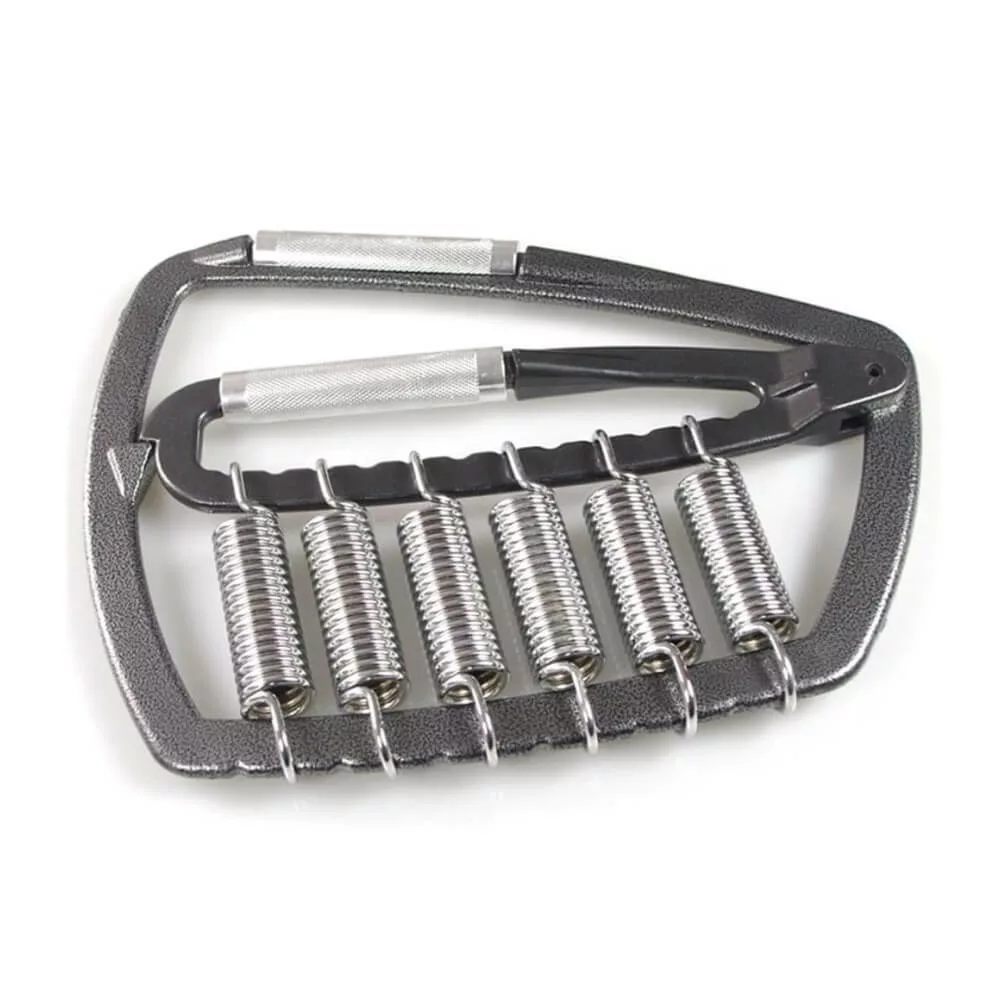
One Grip Tool That Can Replace an Entire Collection
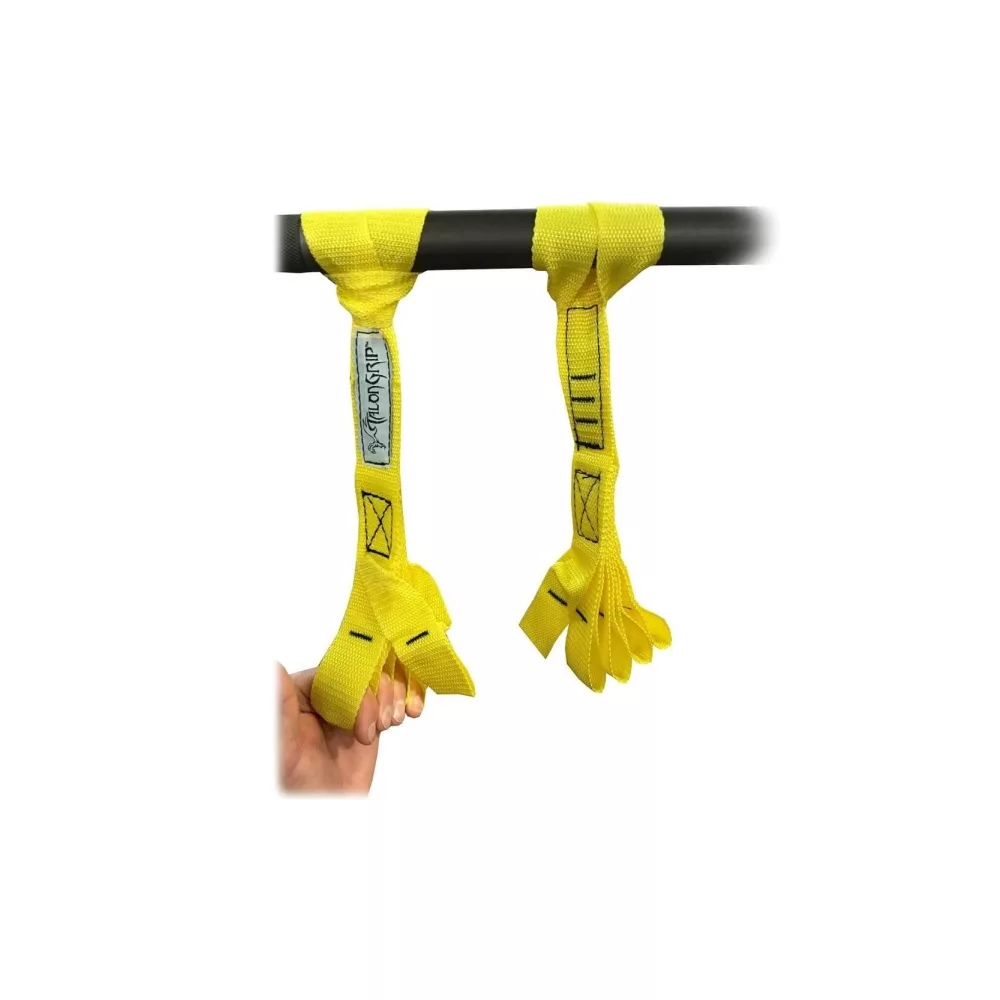
Finger Loops with Thumb Loop To Train Static Grip
Build gradually. Train different grip and wrist patterns. Give your hands enough recovery. Pay attention to what happens outside the gym. And when life increases your workload, adjust your training rather than stubbornly following a plan that no longer fits.
The goal isn’t to have hands that can survive one brutal session.
It’s to have hands that remain strong, capable, and reliable year after year.
Recommended Next Reads
- How To Balance Grip Strength, Endurance, And Recovery
- When To Increase Grip Training Resistance Without Overdoing It
- How To Track Grip Progress Effectively
- How To Prevent Wrist Pain From Gaming And Long PC Sessions
- Grip Endurance Vs Hand Fatigue Explained
Long-term hand resilience comes from gradually increasing capacity, training
a variety of grip and wrist patterns, managing everyday workload,
and giving your hands enough recovery to adapt.
Key Takeaway
You don’t need to train your hands harder every day.
You need to train them intelligently enough that they can keep getting stronger without constantly paying the price for it.
What has made the biggest difference for your own hand resilience, gradual progression, better recovery, more movement variety, or simply paying closer attention to your daily workload? Share your experience in the comments below.
Thanks for Reading!
Which Grip Exercise Has Made a Difference for You?
Share Your Thoughts in the Comments!