(Last Updated on September 18, 2026 by Henry)

Improve Grip Endurance & Recover Well Enough to Keep Progressing

Grip training is about more than simply making your hands stronger.
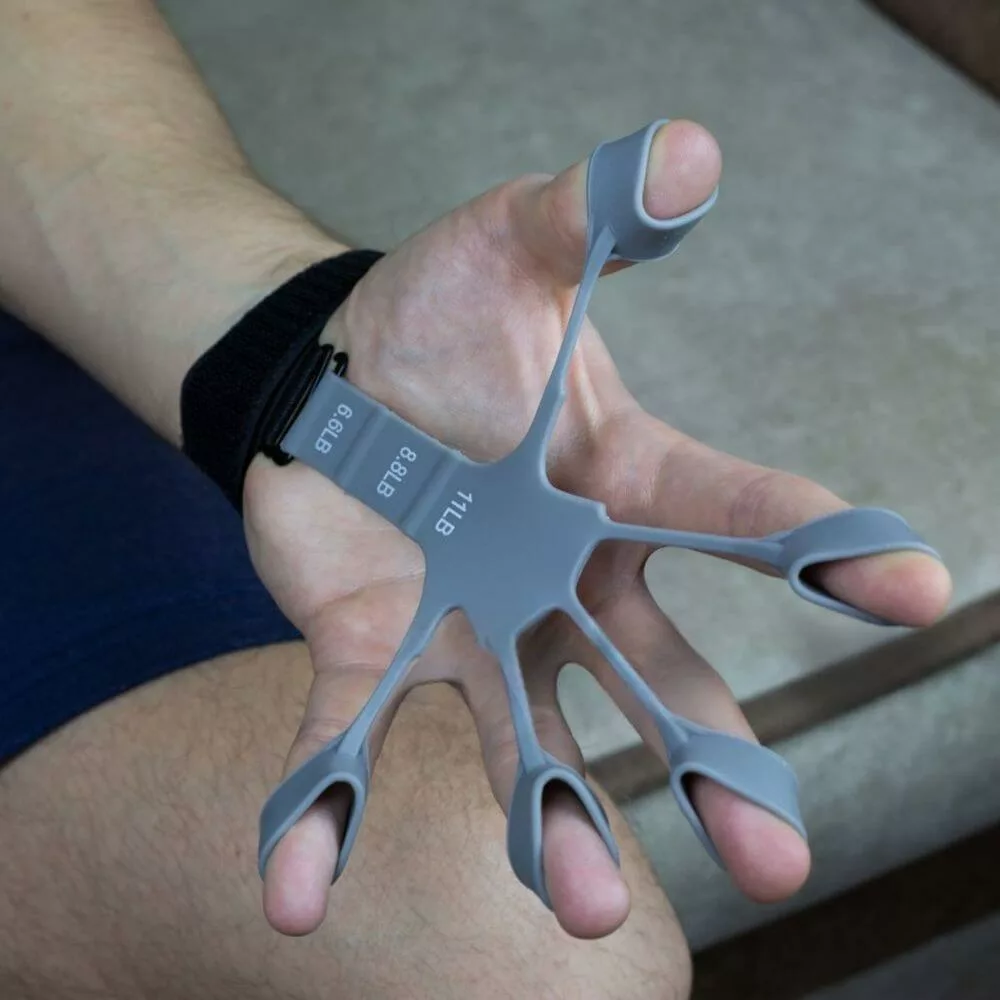
Strength helps you produce force when closing a heavy gripper, holding a challenging deadlift, or carrying a demanding load.

Grip endurance, meanwhile, determines how long you can maintain or repeat that effort before fatigue takes over.

Recovery allows you to develop both qualities without constantly training on tired, irritated, or underprepared tissues.

Table of Contents – Explore What's Covered Below

Grip training is about more than simply making your hands stronger.

Strength helps you produce force when closing a heavy gripper, holding a challenging deadlift, or carrying a demanding load. Grip endurance, meanwhile, determines how long you can maintain or repeat that effort before fatigue takes over. Recovery allows you to develop both qualities without constantly training on tired, irritated, or underprepared tissues.

These qualities are closely connected, but they are not interchangeable.

You might be able to close a heavy gripper once but struggle to repeat the effort several times. You may also have enough endurance to hang from a pull-up bar for a minute, yet lack the maximum force needed to hold a near-limit deadlift. Both abilities matter, but they require different types of training.

Recovery is the third part of the equation. It includes more than resting between sets. Your fingers, hands, wrists, forearms, tendons, and nervous system all need time and resources to adapt. Sleep, nutrition, stress, work demands, and other sports can also affect how much grip training you can handle.

The goal is not to maximize every quality during every session.
The goal is to organize strength work, endurance work, and recovery so they support one another over time.

That means understanding how different grip activities overlap, recognizing when fatigue is accumulating, and adjusting your training before a temporary dip becomes a persistent problem.

Whether you are a lifter, climber, combat-sports athlete, racquet-sports player, manual worker, or simply someone who wants stronger and more reliable hands, a balanced approach can help you make progress while keeping unnecessary wear and tear under control.

Can touching rice for 9 minutes a day help with your wrist and hand pain? Here’s a 99-minute routine
that will help you begin building endurance so you can get back to using your wrist & hands without pain

The Trade-Offs of Grip Training: How Building One Quality Can Limit Another

The Trade-Offs of Grip Training: How Building One Quality Can Limit Another

When you perform heavy grip exercises, you place substantial demands on your fingers, hands, forearms, tendons, and connective tissues. The actual set may be short, but the effort can be intense.

Endurance work creates a different type of stress. Longer holds, repeated contractions, and extended gripping sessions can gradually build fatigue even when the resistance is relatively light.

Neither type of training is automatically better. The challenge is managing how much stress you place on your grip across the entire week.

Strength And Endurance Create Different Demands

Strength-focused grip training generally involves:

  • Higher resistance: challenging loads that require significant force production.
  • Shorter sets: brief efforts, low repetitions, or near-maximal holds.
  • Longer rest periods: enough time to repeat the work with good quality.
  • Greater attention to force: the goal is producing or maintaining high levels of grip strength.
  • More nervous-system demand: heavy efforts require focus, coordination, and readiness.

Endurance-focused grip training generally involves:

  • Lighter or moderate resistance: loads that can be sustained for longer.
  • Longer holds: maintaining a grip position under continuous tension.
  • Repeated contractions: performing many efforts before fatigue becomes limiting.
  • Shorter rest periods: developing the ability to keep working with incomplete recovery.
  • Greater attention to consistency: the goal is sustaining useful output over time.

These categories overlap, but they still create different training demands. A heavy gripper session and a long farmer’s carry may both challenge your grip, yet the fatigue they produce, and the way they affect your next session, may be different.

Grip Work Often Overlaps With Other Training

Grip training rarely happens in isolation.

Your hands may already be working hard during:

  • Deadlifts and rows
  • Pull-ups and other hanging exercises
  • Farmer’s carries
  • Rock climbing or bouldering
  • Grappling and combat sports
  • Racquet sports
  • Manual labor
  • Long gaming or computer sessions
  • Repeated lifting, carrying, or tool use

This matters because your grip does not know whether the stress came from a gripper, a barbell, a climbing wall, or a demanding workday. It simply responds to the total workload.

For example, a heavy deadlift session followed by intense gripper work may leave your hands and forearms less prepared for a climbing session the next day. Likewise, a long climbing session may reduce your ability to perform high-quality pinch or finger-strength training afterward.

More Training Is Not Always More Progress

Pushing through fatigue can reduce force output and make technique less precise. You may finish the session, but the quality of the work may be lower than expected.

Common consequences of excessive grip workload include:

  • Earlier grip failure during normal exercises
  • Slower or weaker repetitions
  • Poorer control during heavy holds
  • Increased finger, wrist, or elbow irritation
  • Reduced motivation to train
  • Difficulty maintaining performance from session to session

The important question is not simply: “Can I fit in more grip work?”

It is:  “Can I perform this additional work well, recover from it, and still be ready for the activities that matter most?”

Let Your Main Goal Guide The Balance

Your priorities should influence how you divide training stress.

A strength-focused lifter may need more high-quality heavy work and only a small amount of endurance training to maintain that ability. A climber may prioritize finger endurance and sport-specific capacity while carefully managing high-intensity finger loading. Someone training for general hand health may benefit from moderate strength work, light endurance practice, and regular extension or mobility exercises.

You do not need to develop every quality at maximum intensity all the time.

Instead, choose a primary goal, maintain the other qualities with manageable doses, and adjust the workload when recovery begins to fall behind.

Watch Trends Rather Than One Bad Session

One difficult workout does not automatically mean your program is wrong. Grip performance can vary because of sleep, stress, recent training, hydration, work, or simple day-to-day differences.

Look for patterns such as:

  • Grip performance declining across several sessions
  • Heavy resistance feeling unusually difficult
  • Endurance dropping earlier than normal
  • More frequent soreness or irritation
  • Technique becoming less controlled
  • Needing longer recovery between similar sessions

These trends provide more useful information than reacting to a single disappointing result.

A balanced grip program should challenge you, but it should also leave enough room for adaptation.

Organizing Grip Strength And Endurance Work Without Burning Out

Organizing Grip Strength And Endurance Work Without Burning Out

Balancing high-intensity strength sessions with endurance work requires some planning. The most useful starting point is to decide which quality deserves the most attention right now.

If maximum grip strength is your main goal, strength work should receive your best energy and attention. If endurance is more important for climbing, carrying, or manual work, endurance-focused training may need priority instead.

You can still train both qualities, but they should not compete for the same limited recovery resources every day.

Separate Hard Sessions When Possible

If your schedule allows it, place demanding strength and endurance sessions on different days.

For example:

  • Monday: strength-focused grip training
  • Tuesday: light technique, mobility, or normal sport practice
  • Wednesday: endurance-focused grip training
  • Thursday: rest or low-stress activity
  • Friday: strength or sport-specific grip work
  • Saturday: optional light session
  • Sunday: rest

This is only an example. Your actual schedule should reflect your main sport, job, experience level, and total workload.

When strength and endurance must be trained in the same session, perform the priority task first. The quality you train first will usually receive your best concentration and freshest effort.

Use Different Training Doses For Different Qualities

Strength and endurance do not need identical sets, repetitions, or rest periods.

Strength work may use:

For example:

  • Heavy grippers or challenging resistance
  • Low repetitions
  • Short maximal or near-maximal holds
  • Longer rest periods
  • Fewer total working sets

Endurance work may use:

  • Moderate or lighter resistance
  • Longer holds
  • Repeated submaximal contractions
  • Carry variations
  • More total time under tension
  • Shorter rest periods when appropriate

The goal is not to make every session equally exhausting. It is to provide the right stimulus while keeping fatigue manageable.

Include Lower-Stress Training

Not every grip session needs to feel like a test.

Lighter technique, mobility, and control sessions can help you maintain movement quality without creating the same level of fatigue as heavy training.

Examples include:

  • Easy gripper repetitions
  • Gentle finger-extension work
  • Light wrist movements
  • Controlled pronation and supination
  • Easy timed holds
  • Low-intensity mobility exercises
  • Practicing clean technique without reaching failure

These sessions can be useful between harder workouts, especially when you want to keep practicing without adding another major recovery demand.

A Simple Weekly Structure

A general grip-training structure might include:

  • One challenging strength day
  • One endurance-focused day
  • One optional light technique or recovery session
  • Rest or low-stress days between demanding sessions

This structure gives you exposure to both major qualities without requiring hard grip work every day.

A beginner may need even less direct grip training, particularly if deadlifts, rows, pull-ups, climbing, or manual work already provide substantial stimulus.

More experienced athletes may tolerate additional work, but the same principle still applies: total workload matters more than the number of exercises labeled “grip training.”

Strength-Focused Lifters Should Count Their Main Lifts

If you are a lifter, direct grip training is only one part of your total grip workload.

Deadlifts, rows, pull-ups, carries, and other pulling exercises may already create a large amount of gripping stress. Adding heavy grippers immediately afterward may be useful, but it may also be unnecessary if your hands are already heavily fatigued.

Consider placing direct grip work after your main barbell lifts so your grip does not limit important compound exercises.

You may also want to keep failure work limited. Repeatedly taking grippers, holds, or carries to complete failure can create more fatigue than expected without always providing a better training result.

Sport-Specific Athletes Need Fresh Hands For Skill Work

Climbers, grapplers, and other athletes should schedule grip training around their essential practice.

For climbers, finger-intensive training should not constantly interfere with climbing technique or important skill sessions. For grapplers, gripping demands from live rounds, gi work, wrestling, and pulling exchanges should be included in the weekly workload.

If a competition or demanding practice session is approaching, it may be sensible to reduce additional grip work rather than trying to squeeze in one more hard workout.

Skill quality, performance readiness, and recovery should guide the decision.

When Grip Recovery Is Falling Behind: Signals To Notice Before Fatigue Becomes A Problem

When Grip Recovery Is Falling Behind: Signals To Notice Before Fatigue Becomes A Problem

People often overlook the signs that recovery is not keeping up with training. The changes may seem minor at first, but several small warning signs appearing together can indicate that your current workload needs adjustment.

The goal is not to panic whenever your hands feel tired. Some fatigue is a normal part of training. The goal is to recognize when fatigue is becoming persistent, affecting performance, or accompanied by discomfort.

Common Recovery Warning Signs

Pay attention if you notice:

  • Frequent hand or forearm fatigue between sessions
  • Grip strength trending downward across several workouts
  • Grip slipping earlier than usual
  • Poor-quality repetitions or shortened holds
  • Reduced coordination or control
  • Heavy resistance feeling unusually difficult
  • Motivation dropping for several sessions
  • Soreness that does not seem to settle
  • Repeated irritation in the fingers, wrists, or elbows
  • Needing more recovery time than usual after similar workouts

One sign alone may not mean much. A pattern of several signs is more useful.

Sleep And Life Stress Matter

Recovery is affected by more than your training plan.

Poor sleep, unexpected work demands, emotional stress, travel, and changes in nutrition can all affect your ability to perform. Your grip may feel weaker even when your training program has not changed.

This is one reason to avoid judging your progress from a single session.

If you slept badly and had a demanding workday, a temporary performance dip may simply reflect the conditions surrounding the workout. If performance continues to decline for several weeks, the training workload deserves closer attention.
Persistent Pain Deserves More Caution

Normal training fatigue and persistent pain are not the same thing.

General tiredness, mild temporary soreness, or a feeling of effort may be expected. However, recurring or worsening discomfort in the fingers, hands, wrists, or elbows should not be treated as something to ignore.

If a particular movement repeatedly causes pain:

  • Reduce the resistance.
  • Reduce the total volume.
  • Avoid repeatedly testing the painful movement.
  • Modify the grip or range of motion if appropriate.
  • Allow additional recovery time.
  • Seek guidance from a qualified healthcare professional if symptoms persist, worsen, or interfere with normal activities.

Grip training should support long-term function, not require you to repeatedly work through warning signs.

Use A Training Log As A Feedback Loop

A simple training log can help you notice changes before they become obvious.

You do not need a complicated spreadsheet.

Record a few useful details after each session:

  • Exercise performed
  • Resistance used
  • Repetitions or hold duration
  • Perceived effort
  • Grip performance
  • Sleep quality
  • General stress
  • Any pain or irritation
  • How recovered you feel before the next session

Over time, these notes can reveal whether your grip is adapting or whether the workload is becoming excessive.

For example, if your resistance stays the same but your repetitions improve and discomfort remains low, the program may be working well. If your performance declines while soreness and fatigue increase, it may be time to reduce the workload.

What To Do When Recovery Falls Behind

If the signs point toward accumulated fatigue, avoid automatically adding more recovery products or forcing yourself through the next hard session.

Start with practical adjustments:

  • Reduce training volume before changing everything else.
  • Avoid repeated failure work.
  • Add an extra recovery day.
  • Lower resistance temporarily.
  • Remove overlapping grip exercises.
  • Modify movements that cause irritation.
  • Keep light technique work only if it feels comfortable.
  • Rebuild gradually once performance stabilizes.

A short reduction in training stress is not wasted time. It can help you return to productive training with better quality and less unnecessary irritation.

Build A Sustainable Weekly Grip Plan That Matches Your Goal And Real Life

Build A Sustainable Weekly Grip Plan That Matches Your Goal And Real Life

A balanced grip plan begins with a realistic understanding of your main goal and the demands already present in your life.

Someone who works with tools all day may not need the same grip volume as someone who spends most of the day at a desk. A climber with several weekly sessions already receives substantial finger and forearm training. A powerlifter may need to account for heavy deadlifts, rows, carries, and pull-ups before adding direct grip work.

The right plan is the one that fits your total workload.

Choose A Primary Goal

Start by deciding what you want to improve most.

Your primary goal might be:

  • Maximum grip strength
  • Grip endurance
  • Climbing or sport-specific performance
  • Carrying capacity
  • Hand and wrist reliability
  • General hand health
  • Maintaining grip ability while managing other training

Once you choose the priority, give it the largest share of your available training energy.

The other qualities can remain in maintenance mode with smaller, manageable doses.

Keep Secondary Qualities Alive

You do not have to stop training endurance while focusing on strength, or stop strength work while developing endurance.

However, secondary qualities may need less volume.

For example:

  • A strength-focused athlete might use one short endurance session each week.
  • An endurance-focused athlete might maintain strength with a few controlled heavy sets.
  • Someone focused on general hand health might use moderate strength work, light endurance practice, and extension training without frequent maximal efforts.

Maintenance does not require constant progression. It requires enough appropriate stimulus to preserve the ability without interfering with the main goal.

Make Rest Days Real Rest Days

Rest days do not have to mean complete inactivity, but they should not become hidden high-volume grip sessions.

Walking, gentle mobility, easy movement, and normal daily activity may be fine. Repeated heavy carries, intense climbing, maximal grippers, or long failure-based holds may defeat the purpose of the recovery day.

If your hands are already heavily involved in work or sport, remember that a day without direct grip training may not be a true low-grip day.

Account For Work And Everyday Activities

Your training plan should reflect the grip demands outside the gym.

Manual labor, construction, gardening, carrying, tool use, gaming, typing, and recreational sports can all contribute to total hand and forearm stress.

This does not mean you must track every single movement. It simply means you should recognize periods when your grip workload is unusually high.

During a demanding workweek, for example, you may need to reduce direct grip volume. During a holiday or lighter work period, you may have more room for focused training.

Adjust During Stressful Periods

Life does not always follow the schedule you planned.

Travel, poor sleep, deadlines, illness, competitions, and unexpected work demands may require you to modify your training week.

Useful adjustments include:

  • Reducing the number of working sets
  • Keeping resistance moderate
  • Removing optional grip sessions
  • Maintaining technique instead of chasing progression
  • Prioritizing essential sport or work demands
  • Adding recovery days when needed

A flexible program is easier to maintain than one that assumes every week will have perfect conditions.

Use Deloads When Appropriate

A deload is a planned or responsive reduction in training volume, intensity, or both.

It may be useful when:

  • Progress has stalled
  • Soreness is accumulating
  • Grip performance has declined
  • Motivation has dropped
  • Several demanding weeks have passed
  • Your sport or job has created unusual workload
  • You are returning from illness, travel, or a stressful period

A deload does not have to mean doing nothing. You might reduce the number of sets, avoid failure, use lighter resistance, or temporarily remove the most demanding grip exercises.

The purpose is to lower stress enough that you can resume productive training.

Example Weekly Plans

The following examples are starting points rather than strict rules.

Example 1: Strength-Focused Lifter

  • Monday: heavy grip strength after main lifting
  • Tuesday: no direct grip work
  • Wednesday: light extension or technique work
  • Thursday: normal pulling and lifting
  • Friday: short strength-maintenance session
  • Saturday: optional easy endurance work
  • Sunday: rest

Example 2: Endurance-Focused Athlete

  • Monday: moderate endurance holds or carries
  • Tuesday: sport practice
  • Wednesday: light strength-maintenance work
  • Thursday: rest or easy technique
  • Friday: endurance-focused session
  • Saturday: sport practice
  • Sunday: rest

Example 3: General Hand Health And Grip Development

  • Monday: moderate strength work
  • Tuesday: light finger-extension and mobility work
  • Wednesday: rest
  • Thursday: moderate endurance work
  • Friday: easy technique or wrist-control work
  • Saturday: normal activities or optional light training
  • Sunday: rest

These schedules can be adjusted around your actual life. The important feature is the balance between challenging sessions, lower-stress work, and genuine recovery.

Build Stronger Grip Training Through Better Decisions

Balancing grip strength, endurance, and recovery is not about finding a perfect number of exercises or training days.

It is about learning how your hands respond to different types of stress and organizing your week accordingly.

Strength training teaches your grip to produce force. Endurance training teaches it to sustain or repeat that force. Recovery gives your body the opportunity to adapt to both.

If you focus only on strength, you may lack the ability to maintain grip over time. If you focus only on endurance, you may struggle when a task demands maximum force. If you ignore recovery, neither quality can develop consistently.

A more sustainable approach is to:

  • Choose a primary goal.
  • Count grip demands from all activities.
  • Separate demanding sessions when possible.
  • Prioritize quality over unnecessary volume.
  • Keep secondary qualities in maintenance mode.
  • Monitor performance trends.
  • Respond early to persistent fatigue or irritation.
  • Use lighter sessions and deloads when appropriate.
  • Adjust your plan to match real life.

Recommended Next Reads

  • How To Increase Grip Training Resistance Without Overdoing It
  • How To Track Grip Progress Effectively
  • How To Prevent Wrist Pain From Gaming And Long PC Sessions
  • Grip Endurance Vs Hand Fatigue Explained
  • Best Hand Exercises For Grip Strength And Endurance

The best grip-training routine is not necessarily the hardest one you can survive for a week.
It is the one you can perform safely and consistently for months while continuing to improve.

Key Takeaway

Build strength with focused high-quality work, develop endurance with controlled repeated efforts, and protect your progress by managing total grip stress and recovery.

You do not need to train harder every day.

You need to train with enough structure and awareness that your hands are ready to perform when it matters.

Thanks for Reading!

What is Your Main Grip-Training Goal Right Now?
Share Your Thoughts in the Comments!

Need to Improve Your Grip? I'm Here to Help. As a fitness enthusiast, I explore grip strength, hand training, performance, injury prevention, & recovery to help you train smarter. Whether you're chasing a competitive edge, getting back from an injury, or simply looking for better ways to use & strengthen your hands, you'll find practical ideas & useful tools right here.

Leave a Reply

Your email address will not be published. Required fields are marked *