(Last Updated on August 28, 2026 by Henry)
Your first grip training routine starts with a simple plan
Starting grip training doesn’t need to mean buying every piece of equipment you can find or spending an hour squeezing, pinching, twisting, and hanging.
In fact, beginners are usually better served by doing less, but doing it consistently.
A good first routine should introduce the major hand and wrist movements without overwhelming the tissues that need time to adapt.
Hands may be involved in almost everything you do during the day, so grip training adds stress on top of an already busy workload.
The goal definitely isn’t to destroy your forearms every session.
Give your hands a clear training stimulus, allow them to recover, and gradually make that stimulus more challenging.
That starts with choosing exercises that match your current ability and your reason for training. Someone who wants a stronger general-purpose grip may need a different emphasis than a climber, weightlifter, grappler, or desk worker.
You also don’t need a complicated weekly schedule. A couple of focused sessions can provide a solid foundation while you learn how your hands respond.
Most importantly, think of your first routine as a starting point rather than a finished program. As your grip improves, you can adjust the exercises, resistance, volume, and frequency to keep moving forward.
If your grip is a weak point, it doesn’t matter how strong the rest of your body is,
because at some point your hands will be the part that gives out.
Choose the Right Grip Exercises
The first step in creating a grip training routine is deciding what you actually want to train.
Grip strength isn’t one single ability. Your hands can produce force through several different movements, and each one places somewhat different demands on your fingers, thumb, wrist, and forearm.
For a beginner, this doesn’t mean you need an exercise for every possible variation. Instead, start by covering the most useful movement patterns.
A simple beginner exercise selection
- Crush grip – Use a hand gripper or similar tool to practice closing the hand against resistance.
- Pinch grip – Use a pinch block, plates, or another implement that challenges the thumb and fingers to hold an object.
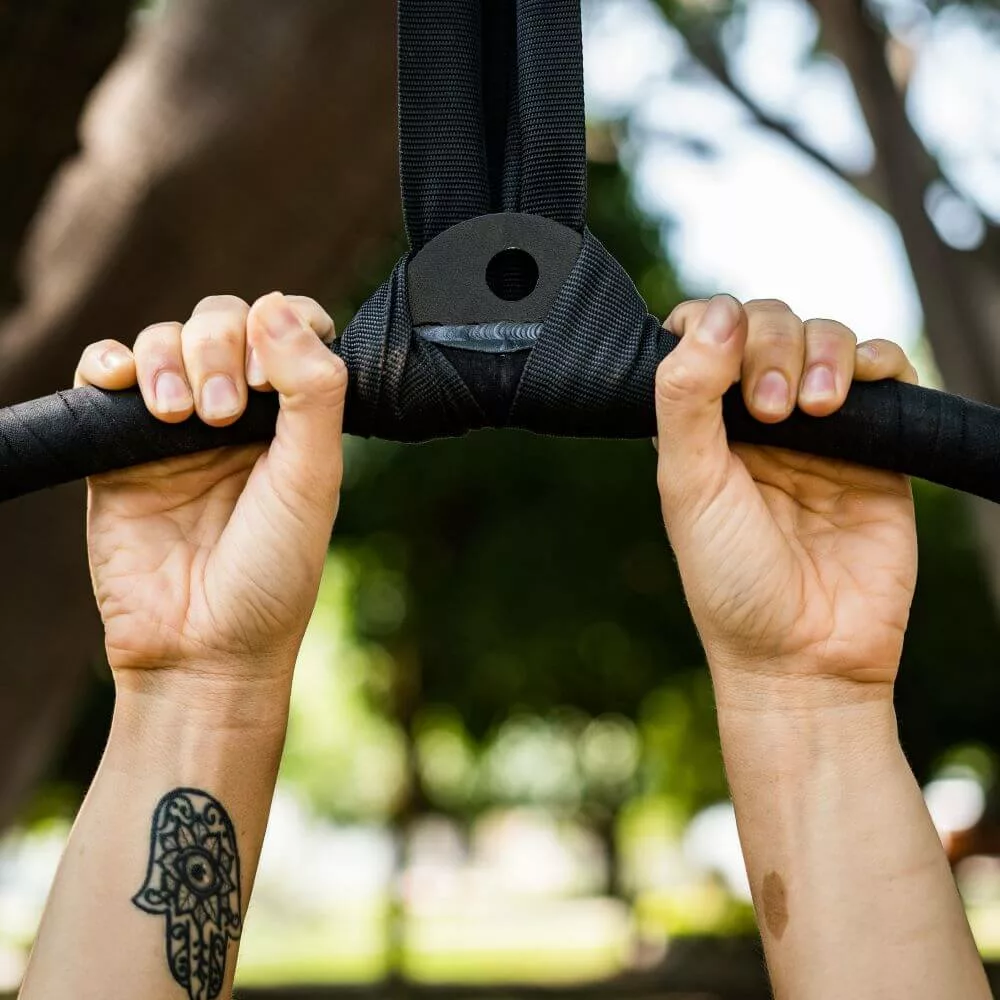
- Support grip – Use loaded carries, static holds, or hanging exercises to practice maintaining your grip over time.
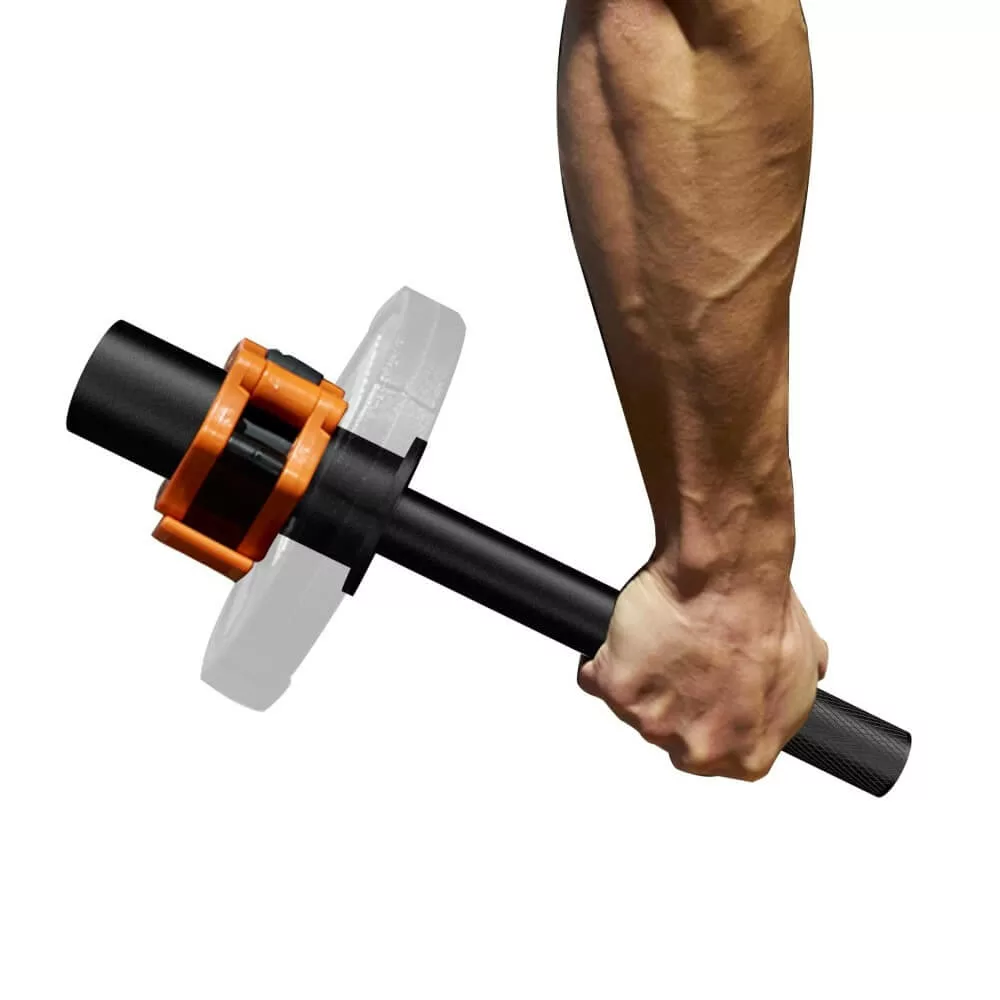
- Wrist rotation – Include pronation and supination exercises to develop rotational strength and control.
- Finger extension – Use resistance bands to train the opening side of the hand and complement your gripping work.
You don’t necessarily need all five movements in your very first session.
A simple routine might begin with two or three of them, particularly if your hands are completely new to resistance training.
The most important thing is choosing exercises you can perform with controlled technique. A complicated routine performed poorly isn’t more effective than a simple routine you can execute consistently.
Wrist Strength Without Weak Links: Build Forearm Power & Control
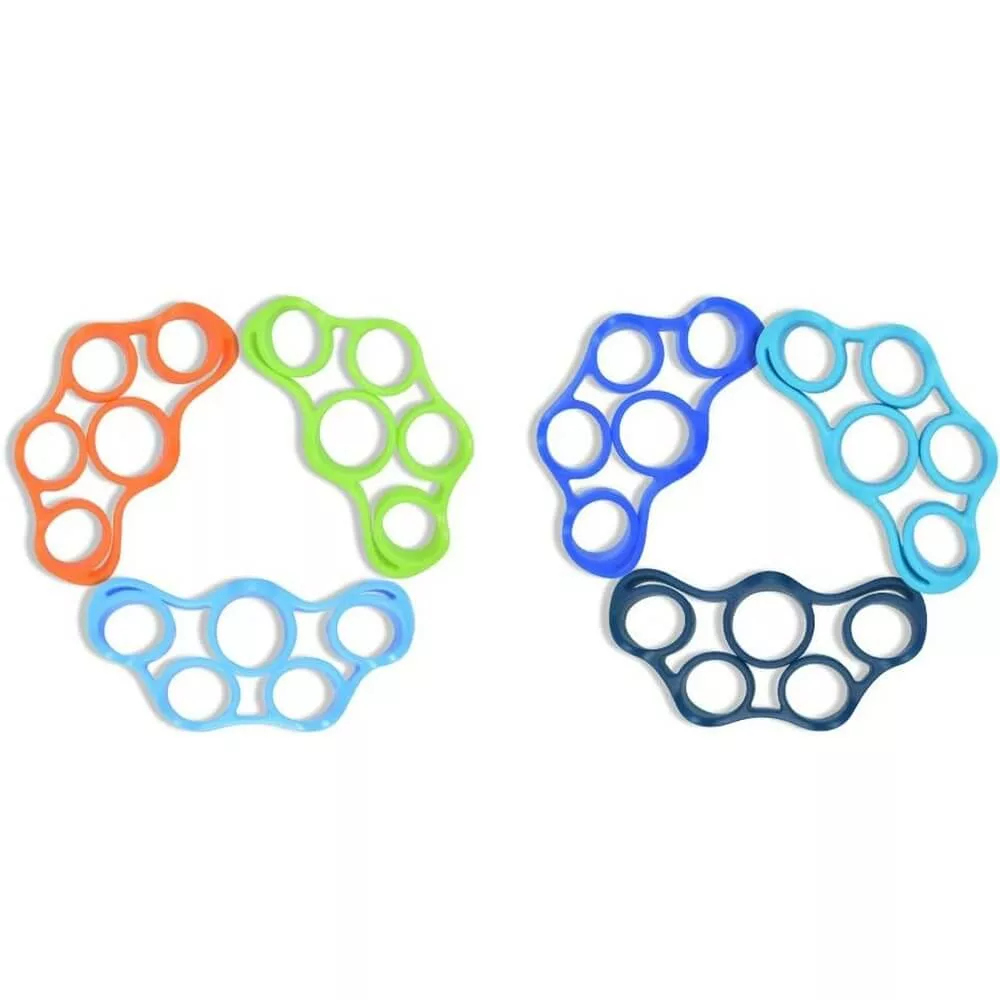
Avoid Elbow Pain with Simple Finger Exerciser
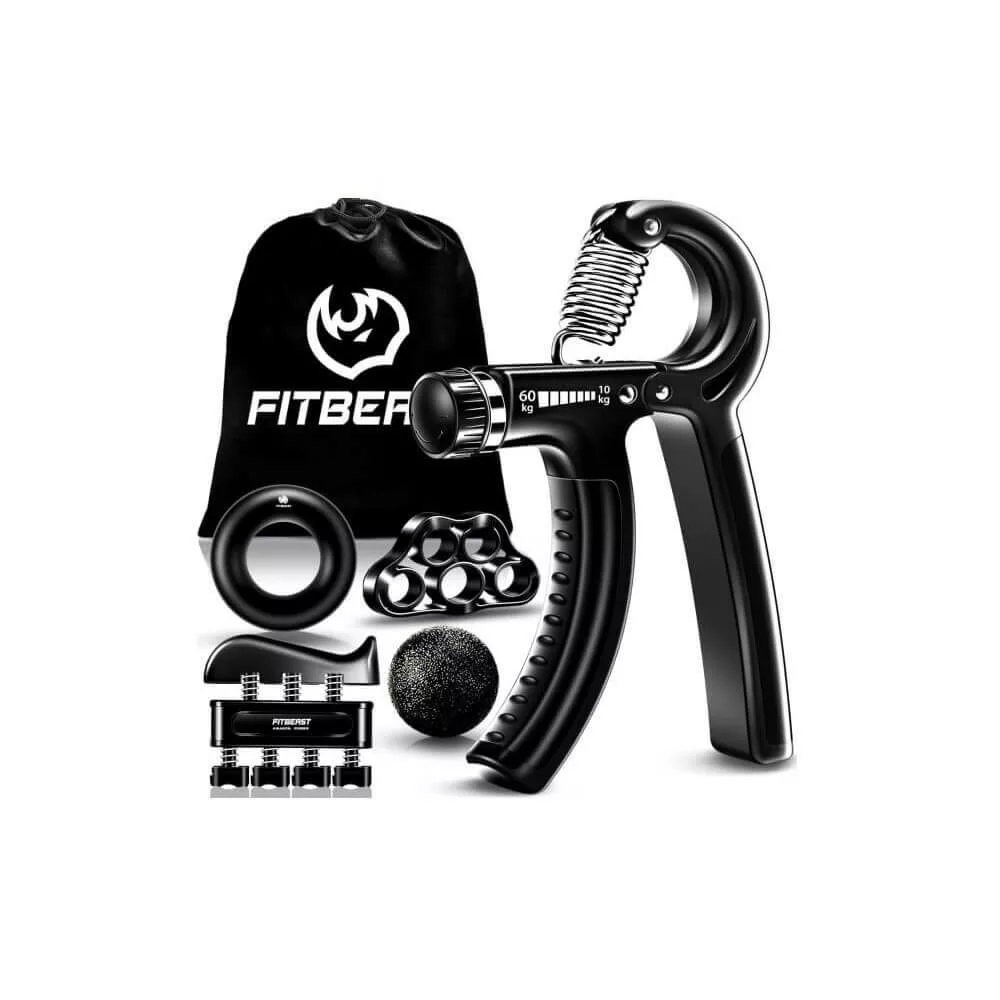
Budget Grip Strengthener Kit With 5 Trainers
This also gives you room to expand later. As you become more comfortable with the fundamentals, you can introduce additional tools and exercises without rebuilding your entire training system from scratch.
How Much Grip Training Should a Beginner Do?
Once you’ve chosen your exercises, the next question is usually about sets, repetitions, and frequency.
This is where beginners can easily overcomplicate things.
You don’t need enormous amounts of volume to start making progress. Your first goal is to establish a manageable workload that your hands can recover from.
For many beginners, two grip-focused sessions per week is a practical starting point. This gives you regular exposure to training while leaving several days between harder sessions.
A basic session could look something like:
- Crush grip: 2–3 sets of controlled repetitions
- Pinch grip: 2–3 sets of moderate-duration holds
- Support grip: 2–3 sets of timed holds or carries
- Finger extension: 2–3 light sets
- Wrist rotation: 2–3 controlled sets per direction
You don’t have to perform every movement during every session. You can alternate exercises or emphasize different movements on different days.
Keep the first few weeks conservative
The temptation when starting something new is to find your limits immediately.
Resist that temptation.
Your muscles may feel capable of doing more than your tendons, joints, and other tissues are accustomed to handling. Starting with manageable resistance gives those structures time to adapt alongside your strength.
The first few weeks are about learning how the exercises feel, establishing technique, and discovering how quickly you recover.
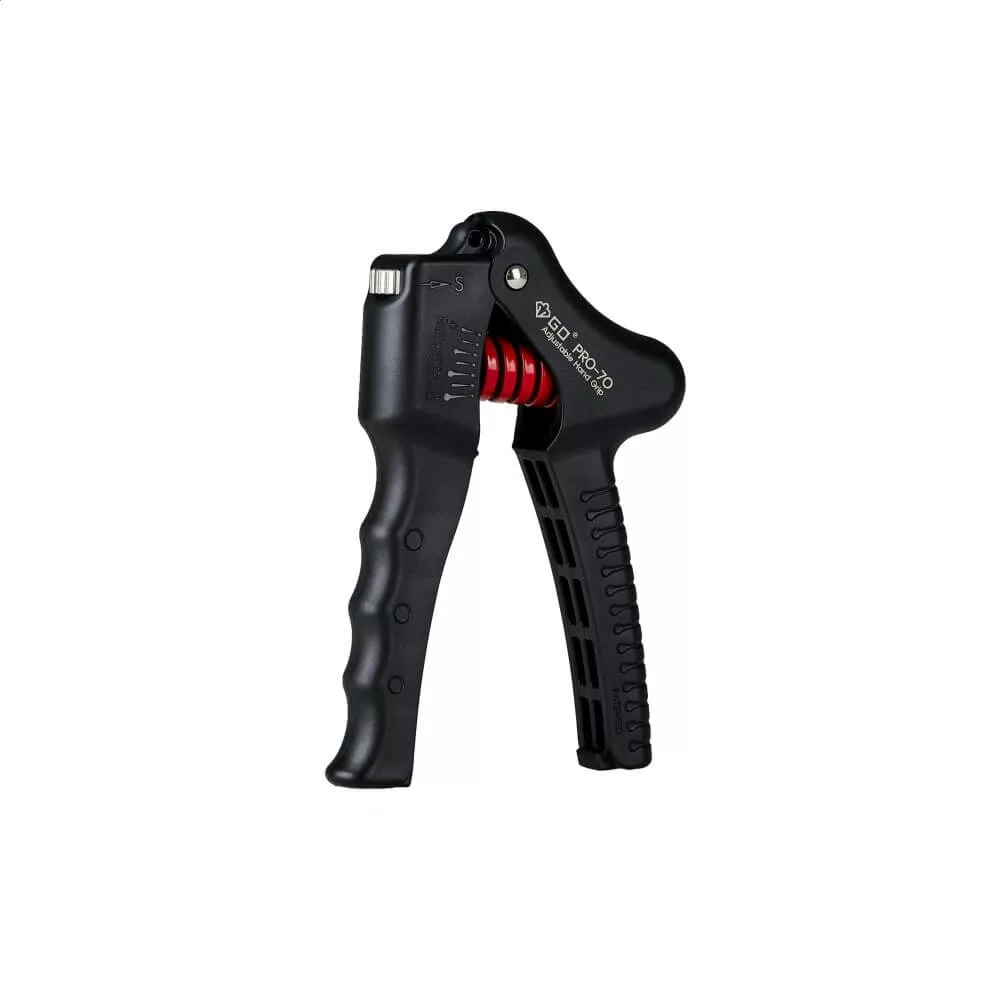
Adjustable Grip Trainer for Steady Strength Progression

Gyro Ball is Amazing For Grip Training Warm-Up & Hand Rehab
Turn Your First Routine Into a System
The best beginner routine is one you can actually maintain.
Start with a small selection of exercises. Train consistently. Give your hands enough time to recover. Track what you’re doing. Then gradually increase the challenge as your body adapts.
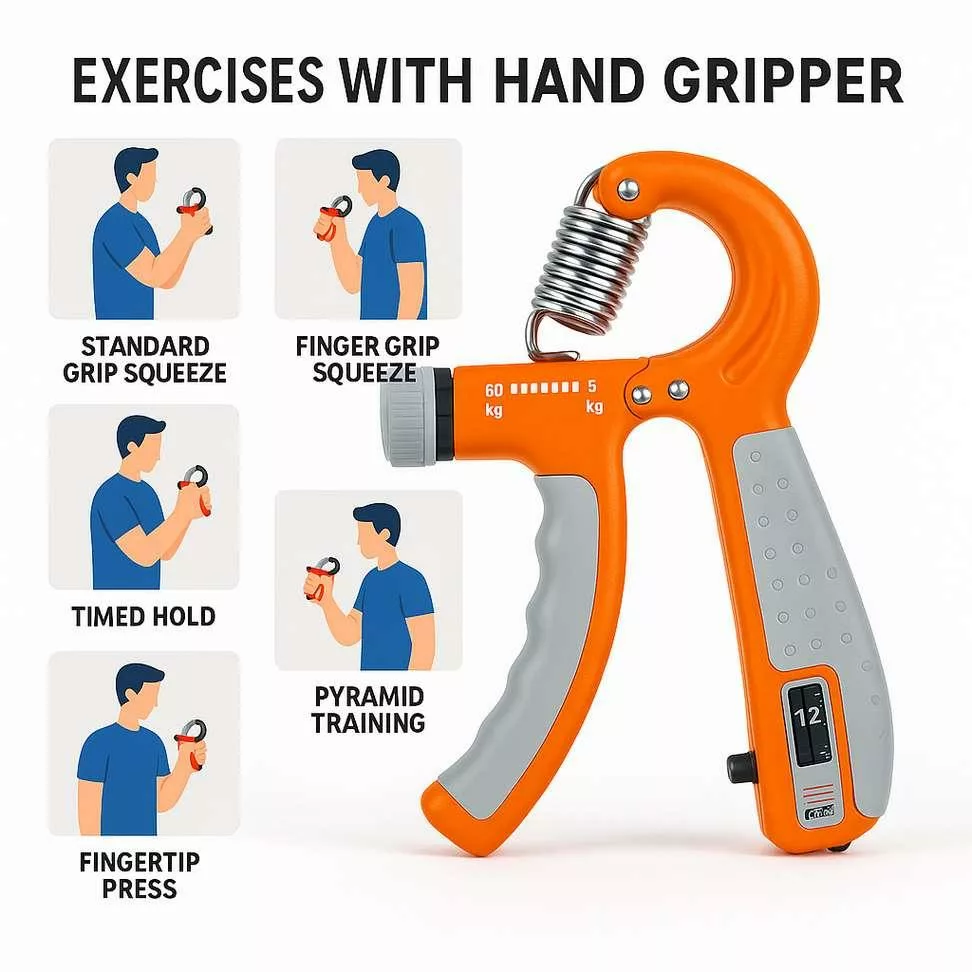
Over time, your routine can become much more sophisticated.
You can introduce specialized equipment, emphasize particular grip movements, adjust training frequency, and build sessions around specific sports or performance goals.
But those advanced decisions become much easier when you’ve already established the fundamentals.
Recommended Next Reads
Your first grip routine doesn’t need to be perfect.
It needs to be repeatable.
Key Takeaway
Creating your first grip training routine is primarily about
choosing the right movements, starting with manageable volume, and progressing gradually.
You don’t need to train every possible aspect of grip strength immediately.
Build a simple foundation first, learn how your hands respond, and expand the routine as your needs and abilities develop.
Thanks for Reading!
Which Type of Grip Would You Like to Improve First?
Share Your Thoughts in the Comments!