(Last Updated on October 12, 2026 by Henry)
The Problem With Grip Strength Myths
Grip strength is surrounded by a surprising amount of misinformation.
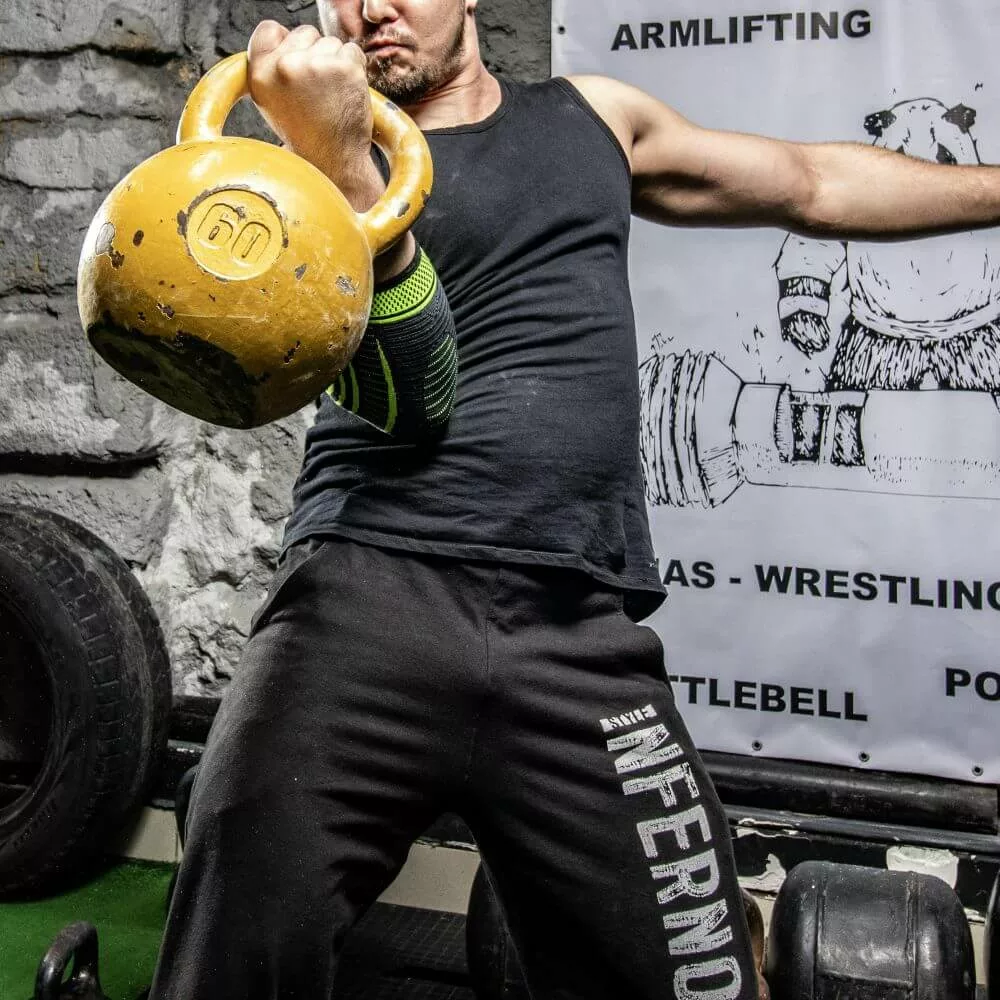
Spend a few minutes online, & you’ll quickly encounter all kinds of claims:
- “Just buy a gripper.”
- “Grip strength is only for athletes.”
- “Pain means you’re making progress.”
- “You’re too old to improve your grip.”
- “Strong hands automatically mean huge forearms.”
The problem isn’t that these statements sound ridiculous.
The problem is that they sound believable.
Many beginners start their grip journey carrying misconceptions that can slow progress, create unrealistic expectations, or even increase their risk of injury.
And because grip training is a relatively small corner of the fitness world, myths tend to stick around for a very long time.
The good news is that grip strength isn’t nearly as complicated as the internet sometimes makes it seem.
At its core, building stronger hands comes down to a handful of principles:
- Train consistently.
- Use a variety of movements.
- Recover properly.
- Progress gradually.
- Stay patient.
That’s it. Let’s separate fact from fiction so you can move forward with confidence.
Moving forward, you’ll have a much clearer understanding of what actually matters, and what can safely be ignored.
Grip strength isn’t built through heroic efforts.
It’s built through hundreds of ordinary training sessions repeated over time.
The person who trains their grip for ten minutes three times per week
will usually outperform the person who trains for two hours once a month.
What Actually Works
By now, you’ve probably noticed that building grip strength isn’t about secret techniques or miracle gadgets.
It’s about consistently doing the fundamentals well.
Here are the principles that actually produce results:
- Train all hand movements: Crush, pinch, support, extension, wrist rotation, & pronation
- Use progressive overload: Gradually increase resistance, repetitions, or time under tension.
- Recover properly: Give your hands and forearms time to adapt between sessions.
- Stay consistent: Small efforts performed regularly beat occasional bursts of motivation.
- Set realistic expectations: Stronger hands are built over months, not days.
The basics aren’t exciting, but they’re responsible
for almost every success story you’ll ever read.
None of these principles are particularly flashy.
And that’s exactly why they work.
Many beginners spend too much time looking for the perfect training tool or the ideal routine.
In reality, a simple program followed consistently will outperform a complicated program that’s abandoned after two weeks.
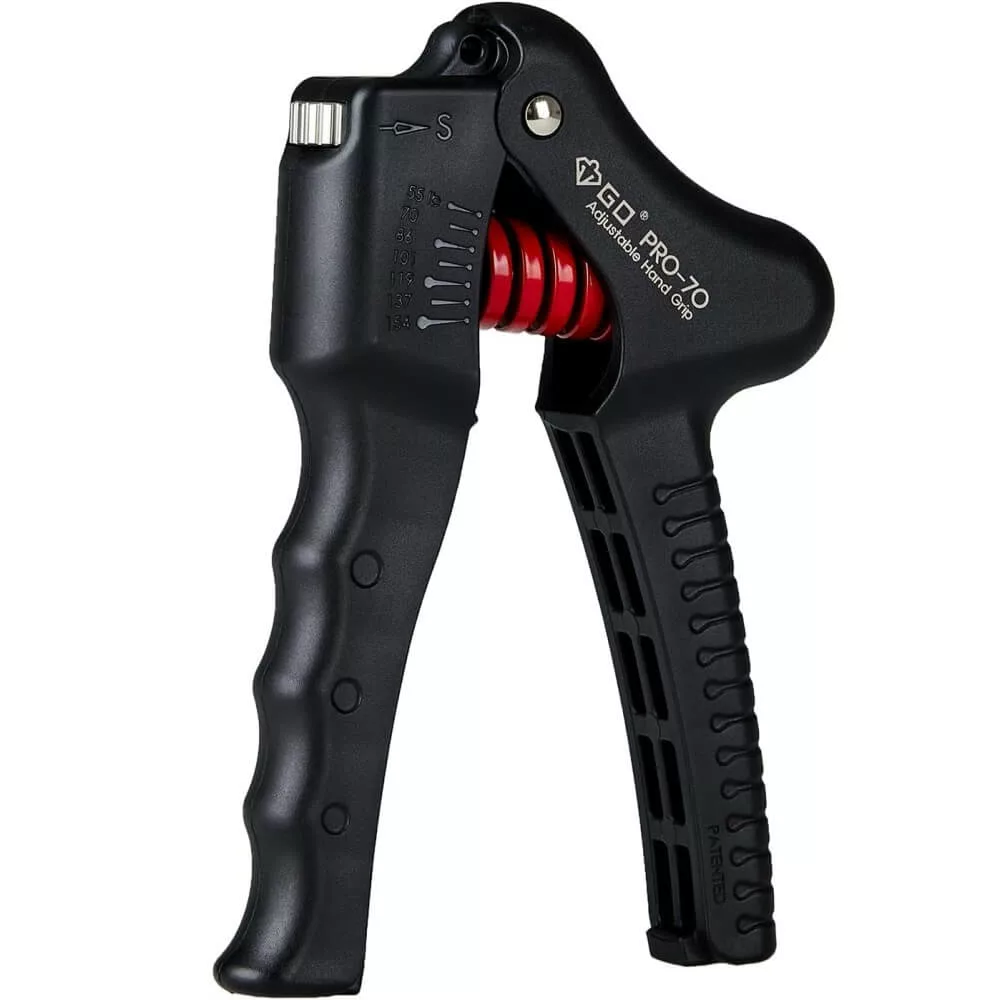
Adjustable Grip Trainer for Steady Strength Progression
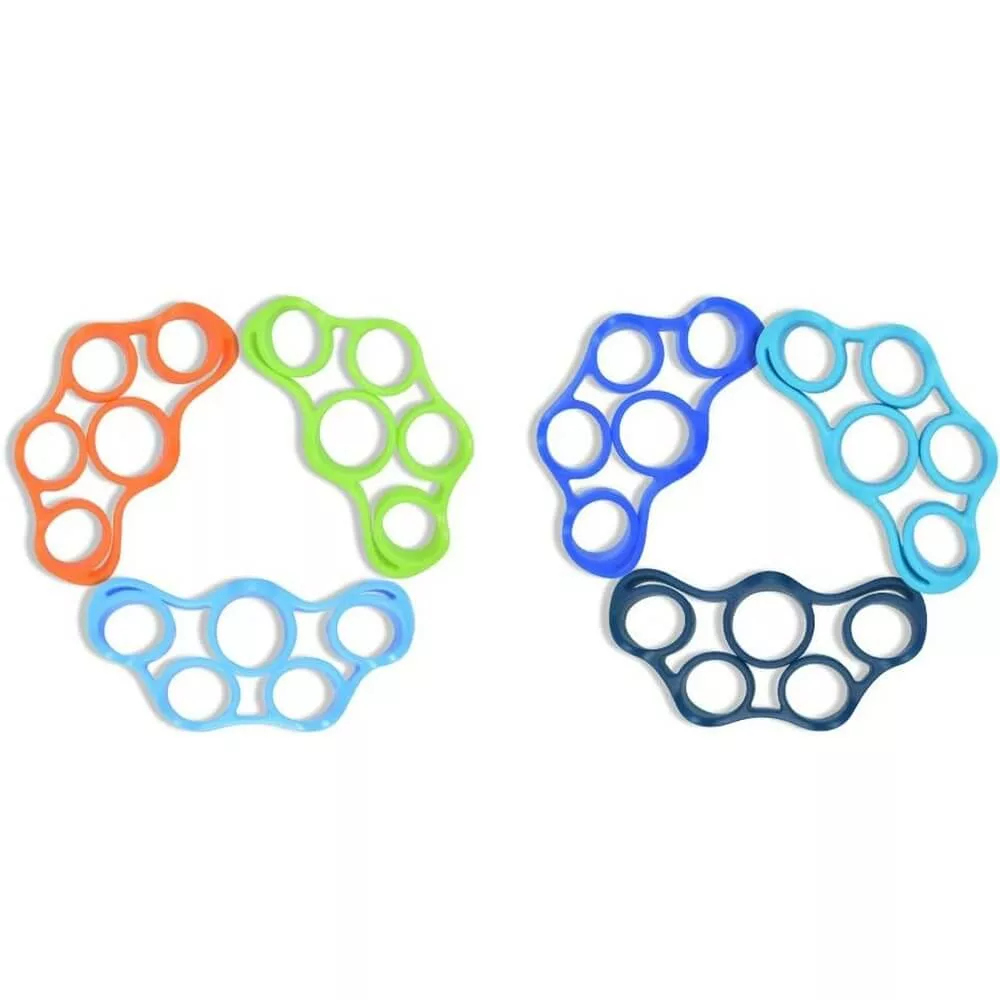
Avoid Elbow Pain with Simple Finger Exerciser
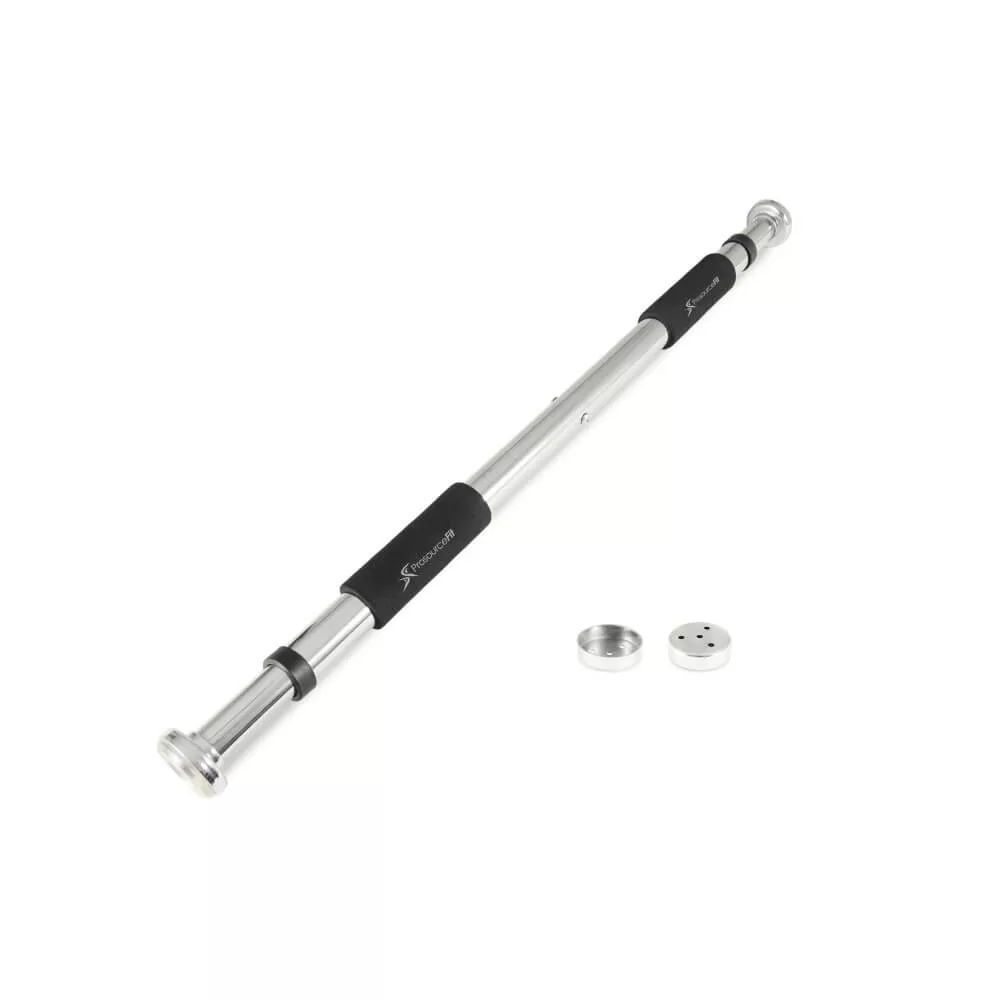
Basic Doorway Pull-Up Bar: Simple, Easy to Assemble
Balanced training is particularly important.
If you only train crushing strength, you’ll leave other important qualities behind. Reliable hands are built by developing multiple movement patterns and allowing them to work together.
Recovery deserves special attention as well.
Your hands are involved in almost everything you do, which means they rarely get complete rest. Paying attention to sleep, hydration, mobility work, and training volume can make a significant difference over time.
The formula for success is surprisingly simple: Consistency + Variety + Recovery + Time = Better Grip Strength
Not glamorous, but incredibly effective.
Your Beginner Grip Training Foundation
If you’ve made it this far, congratulations.
You’ve completed Stage 1 of the Beginner’s Guide to Grip Strength & Hand Training.
You now understand:
- What grip strength is.
- Why it matters.
- The six primary hand movements.
- Common beginner mistakes.
- How strong you should be.
- Why your hands fatigue.
- How grip impacts everyday life.
- Which myths to ignore.
That’s a stronger foundation than most people ever build.
So where do you go from here?
Start small.
Train two or three times per week. Focus on good technique.
Pay attention to recovery. Most importantly, remain patient and enjoy the process.
A simple beginner routine might include:
- Dead hangs.
- Farmer’s carries.
- Hand grippers.
- Finger extensions.
- Wrist rotations.
- Light pinch exercises.
You don’t need a fully equipped home gym.
You just need consistency.
Your goal isn’t to build the strongest hands in the world.
Your goal is to build hands that reliably support the life you want to live.
Key Takeaway
Grip strength isn’t just about sports, lifting weights, or crushing handshakes.
It’s about capability.
It’s about maintaining independence as you age, performing better at work, enjoying your hobbies, and moving through life with confidence.
Today, your journey begins with understanding.
Tomorrow, it continues with action.
Remember, strong hands aren’t built in a day. They’re built one repetition, one carry, and one training session at a time.
Thanks for Stopping By!
Which Grip Myths Have You Heard About?
Share Your Thoughts in the Comments!