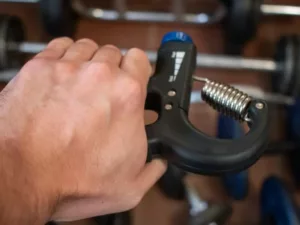
(Last Updated on July 24, 2026 by Henry)

Are Your Hands The Weak Link?

Most people don’t think about their grip strength until it starts getting in the way.

Maybe you’ve noticed your hands giving out before the rest of your body during a workout.

But perhaps carrying groceries suddenly feels more tiring than it should, or opening a stubborn jar has become an unexpectedly frustrating experience.

Whatever the situation, weak grip strength has a habit of quietly making itself known.

Hands are involved in hundreds of tasks every single day, yet they’re often one of the most overlooked parts of the body.

We spend time training our chest, legs, and back, but rarely stop to ask a simple question:

“Are my hands keeping up with the rest of me?” For many people, the answer is no.

In the gym, grip strength is frequently the limiting factor during exercises like deadlifts, rows, pull-ups, and carries. At work, tradespeople may notice their hands tiring after long hours with tools. Office workers and gamers can experience fatigue after extended periods at a keyboard or controller, while older adults may find that everyday tasks gradually become more difficult.

The challenge is that weak grip strength doesn’t always announce itself loudly.

It usually appears through small inconveniences that are easy to dismiss:

  • Hands tire before larger muscle groups.
  • Carrying objects feels harder than it should.
  • You avoid tasks that require sustained grip.
  • Your forearms fatigue quickly.
  • You struggle to maintain control during physical activities.

Over time, these small frustrations can begin affecting confidence, performance, and even independence.

Fortunately, grip strength is highly trainable. Recognizing the signs early is often the first step toward building stronger, more reliable hands.

And once you understand what to look for, you’ll start noticing just how often your grip influences the activities you perform every day.

“Weak grip strength rarely appears overnight. More often, it’s the result of
years of undertraining and habits that quietly reduce hand function over time.”

How Weak Grip Shows Up

Weak grip strength doesn’t usually appear as a dramatic failure. Instead, it tends to reveal itself through a collection of small limitations that gradually become more noticeable over time.

One of the most common signs is struggling to hold or carry objects for longer than expected. You may have enough overall strength to perform the task, yet your hands and forearms fatigue before the rest of your body does. In these situations, grip becomes the limiting factor rather than the larger muscles you’re trying to use.

This often shows up during exercise. Someone performing deadlifts, pull-ups, rows, or farmer’s carries may feel capable of continuing the set, but their hands simply can’t maintain control of the weight. When grip strength falls behind, it can limit progress even when other muscle groups are ready for more.

Endurance can also become an issue outside the gym. Activities like gardening, using hand tools, carrying luggage, cooking, or holding a game controller for extended periods all rely on the ability to maintain force over time. If your hands fatigue unusually quickly, grip endurance may need attention.

Control is another area where weakness can appear. Grip isn’t just about producing force; it’s also about applying that force accurately.

You might notice:

  • Difficulty handling small objects.
  • Reduced confidence when carrying fragile items.
  • Trouble maintaining a secure hold.
  • Frequent adjustments while gripping tools or equipment.

For some people, these changes happen so gradually that they become normal.

That’s why it’s important to periodically pay attention to how your hands perform during everyday activities.

Understanding how weak grip strength shows up can help you identify issues before they become larger obstacles to performance, comfort, or daily function.

Here’s a Simple Way How to Measure Your Grip Strength at Home

Common Signs Your Grip Needs Attention

Not every grip problem looks the same. Some people notice it during workouts, while others encounter it during work, hobbies, or everyday tasks.

If several of the following signs sound familiar, your grip strength may deserve more attention.

Common Warning Signs

  • Your grip fails before the rest of your body: During exercises like deadlifts, pull-ups, or rows, your hands give out while larger muscle groups still feel capable of working.
  • Your forearms fatigue unusually quickly: Tasks involving carrying, holding, pulling, or repetitive hand movements cause burning or fatigue much sooner than expected.
  • You frequently drop or fumble objects: Reduced grip control can make it harder to securely handle tools, utensils, phones, or other everyday items.
  • Your hands tire during work or hobbies: Whether you’re typing, gaming, gardening, crafting, or using tools, hand fatigue arrives earlier than it should.
  • Opening jars and containers feels difficult: Everyday tasks requiring hand strength become noticeably frustrating or challenging.
  • Your wrists feel unstable during activity: Weak supporting muscles can make gripping tasks feel less secure and reduce confidence during physical activities.
  • Your sports performance is affected: Activities that depend on holding equipment, controlling opponents, climbing, throwing, swinging, or carrying weight become more difficult.

“Many people assume grip strength only matters in the gym. In reality,
everyday frustrations are often the first clues that something needs improvement.”

The key isn’t whether you’ve experienced one of these issues occasionally. Everyone has off days. The real question is whether these limitations appear consistently enough to affect your performance, comfort, or confidence.

If the answer is yes, your grip may be acting as the bottleneck that prevents you from getting more out of your training, work, or daily life.

Why Grip Problems Happen

If you’ve recognized several of the warning signs discussed so far, the next logical question is: “Why is this happening in the first place?”

For most people, weak grip strength isn’t caused by a single issue.
Instead, it’s usually the result of several factors gradually adding up over time.

One of the biggest contributors is simply a lack of direct training. Many people spend years exercising without ever intentionally strengthening their hands, wrists, or forearms. While compound movements can help, they don’t always provide enough stimulus to fully develop grip strength.
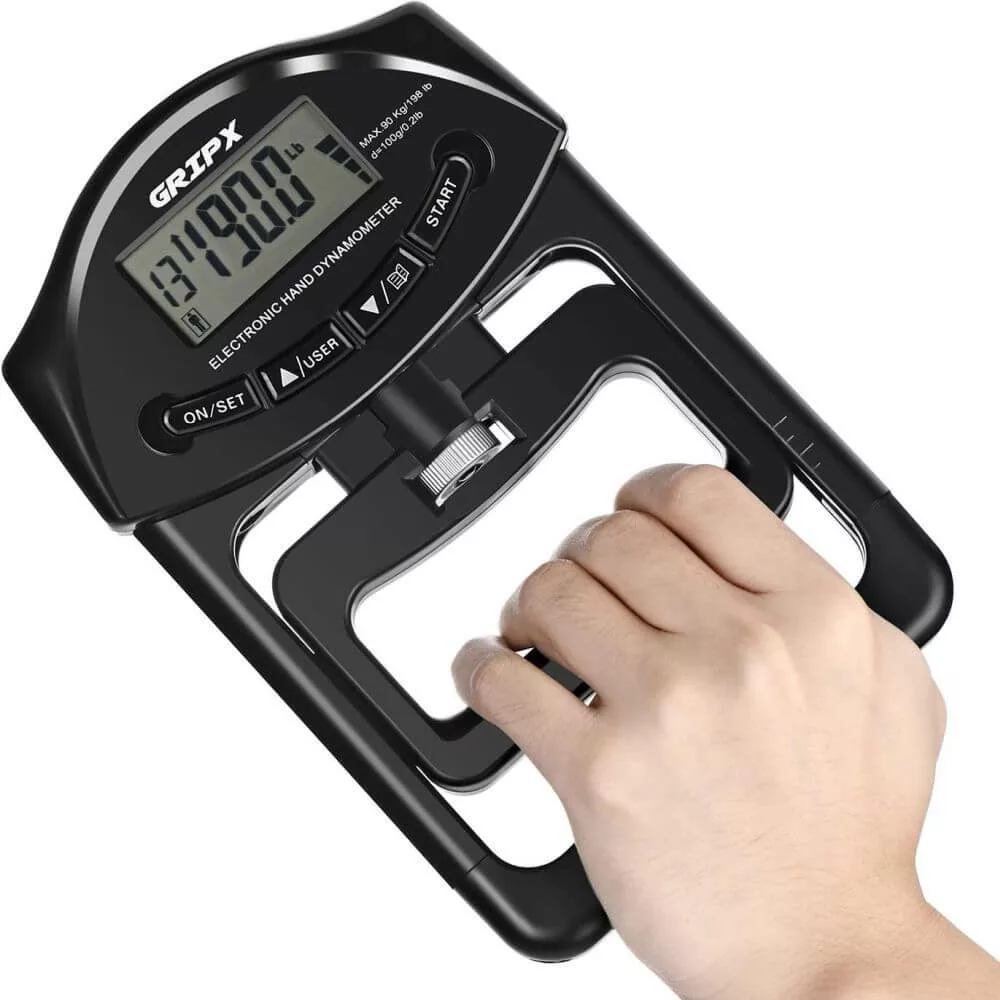
Modern lifestyles can also play a role. Compared to previous generations, many of us spend more time typing, scrolling, and sitting than performing physically demanding tasks. Our hands remain active throughout the day, but they aren’t necessarily being challenged in ways that promote strength and endurance.

Repetitive activities may create problems as well. Performing the same movements repeatedly, whether it’s typing, gaming, using tools, or working on an assembly line, can contribute to muscle imbalances over time. Some muscles become overworked while others remain underdeveloped.

Common causes of weak grip strength are:

  • Lack of dedicated grip training.
  • Sedentary habits and reduced manual activity.
  • Repetitive movements without balanced training.
  • Poor recovery and insufficient rest.
  • Muscle imbalances affecting the hands, wrists, and forearms.
  • Ignoring early signs of fatigue or discomfort.

It’s also worth remembering that grip strength naturally changes throughout life. Age, occupation, training history, injuries, and overall activity levels can all influence how your hands perform.

The good news is that most grip-related issues are highly trainable. Once you identify the likely causes, you can begin making small adjustments that lead to meaningful improvements over time.

What To Do Next

Discovering that your grip strength may be holding you back isn’t bad news but an opportunity.

The encouraging part about grip training is that beginners often see improvements relatively quickly. A few weeks of consistent practice can make everyday tasks feel easier and help build confidence during physical activities.

Start by identifying where your grip struggles most:

  • Do your hands tire before the rest of your body?
  • Do you struggle with grip endurance?
  • Are certain movements, like carrying or pinching, more difficult?
  • Is your grip affecting work, sports, or hobbies?

Answering these questions will help you focus your efforts more effectively.

From there, keep things simple. Exercises such as farmer’s carries, dead hangs, wrist movements, and finger extension drills can provide an excellent starting point. You don’t need an elaborate routine, just consistency and patience.

Remember:

  • Stronger hands are built gradually.
  • Small improvements compound over time.
  • Consistency will always outperform intensity.

Most importantly, don’t ignore what your hands are trying to tell you. They’re often one of the first parts of the body to reveal weaknesses, imbalances, or areas that could benefit from additional attention.

If today’s article sounded familiar, you’re already taking the most important step: becoming aware of the problem.

Continue Learning

Ready to continue building your foundation?

These beginner guides are the perfect next stop:

  • How Strong Should Your Grip Be?
  • Common Grip Training Mistakes Beginners Make
  • Why Your Hands Fatigue So Quickly
  • The 6 Primary Hand Movements Explained

Whether your goal is to perform better in the gym, reduce hand fatigue at work, improve at sports, or simply make everyday tasks easier, stronger & more reliable hands are well within reach.

Thanks for Stopping By!

How Do You Keep Your Hands in Shape?
Share Your Thoughts Below!

Need to Improve Your Grip? As a Fitness Enthusiast, I'm Here to Guide You: Looking to Get More Competitive Edge? Prehab, Rehab, Treating RSI or Just Seeking Fun? Find All the Relevant Tricks of the Trade You Need Right Here. Sharing My Insight to Help You to Improve Both Mentally & Physically, Offering You Various Ideas & Directions to Be on Top of Your Game.

Leave a Reply

Your email address will not be published. Required fields are marked *