(Last Updated on October 15, 2026 by Henry)
Recognize the Right Time to Progress, Protect Your Form & Build Grip Safely
Progressive overload is a crucial concept in any strength training regimen, and grip training is no exception. Timing plays a significant role in ensuring that increases don’t come too soon, risking injury or undermining form.
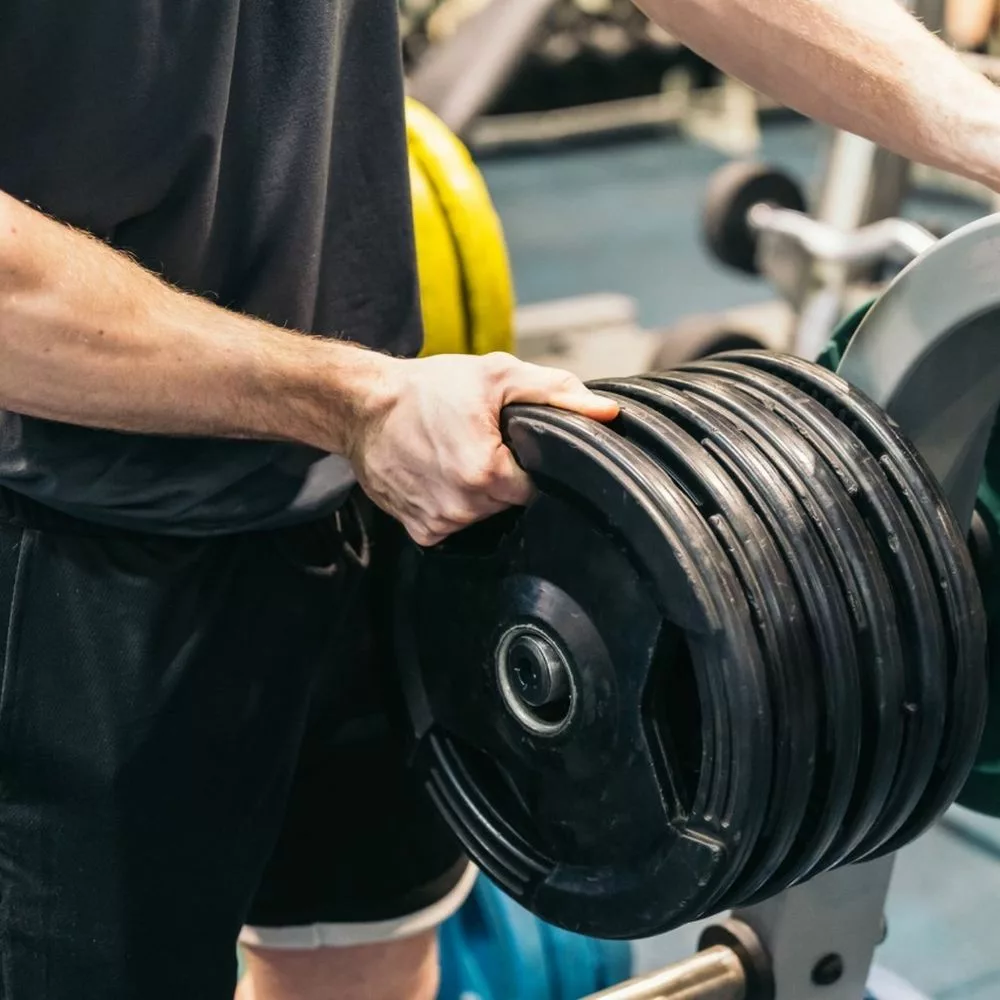
Good indicators include performing exercises with a controlled and stable hand position.
Maintaining consistent technique across sessions and fully recovering between workouts.
Progress is not always measured by heavier resistance.
Sometimes it means stronger positions, cleaner repetitions, better endurance, improved control, and the ability to train consistently.
This methodology involves gradually increasing the amount of stress placed on the body to build strength.
Grip exercises might seem simple at first glance, but they demand a lot from your muscles and connective tissues, especially the smaller structures in your hands and wrists. Rushing heavier resistance can lead to technique breakdown and overuse injuries, particularly in these delicate areas.
In the early stages of grip training, especially for beginners or those returning after an extended break, it’s critical to focus on mastering form and control before adding weight. The small muscles and tendons in your hands don’t adapt as quickly as larger muscle groups, so they require time to strengthen and adjust.
Identifying the difference between a healthy challenge and excessive resistance is crucial.
If your grip training includes frequent compensation like swinging or using other muscles to assist, it’s a sign that the resistance may be too high.
Beginners should prioritize control and full range of motion before focusing on increasing the load. This approach helps ensure that progress is sustainable and lessens the risk of injury, setting a solid foundation for more advanced grip training challenges later on.
Progress with control
- Form: Focus on mastering form and control before adding weight.
- Adaptation: The small muscles and tendons in your hands require time to strengthen and adjust.
- Technique: Maintain a controlled and stable hand position across sessions.
- Recovery: Fully recover between workouts.
Adding weight is one of the main ways to achieve progressive overload.
You already know this, but the question you still might have is
when you are actually ready to increase the weight.
Progress Without Adding Weight: Smarter Ways to Make Grip Work Harder
Increasing resistance isn’t the only way to advance in your grip training. In fact, there are several strategies to increase the challenge without simply packing on more weight.
One simple method is to add an extra repetition to your routine. This small increase can build strength and endurance gradually, keeping your form in check.
Increase difficulty with training variables
Another effective approach is extending the duration of your hold. Adding a few seconds more each session can be surprisingly effective, pushing your endurance without overwhelming your grip.
If you’re looking to mix up your routine, including an extra set can offer a fresh challenge. This caters to muscle conditioning, promoting growth and adaptation over time.
Improving range of motion is often overlooked, but it’s crucial for strength development. Ensuring you’re achieving full extension and contraction during exercises enriches muscle engagement without a change in load.
Ways to Progress Without Heavier Resistance
- Add repetitions: Increase the number of controlled reps within your current resistance.
- Extend hold duration: Add a few seconds to timed holds.
- Add a set: Increase total workload gradually when recovery is good.
- Improve range of motion: Use a fuller, controlled movement.
- Slow the tempo: Increase time under tension.
- Reduce momentum: Make each repetition more deliberate.
- Adjust the lever: Use caution because small changes can make an exercise substantially harder.
- Adjust rest periods: Reduce rest slightly for endurance work, not automatically for heavy strength training.
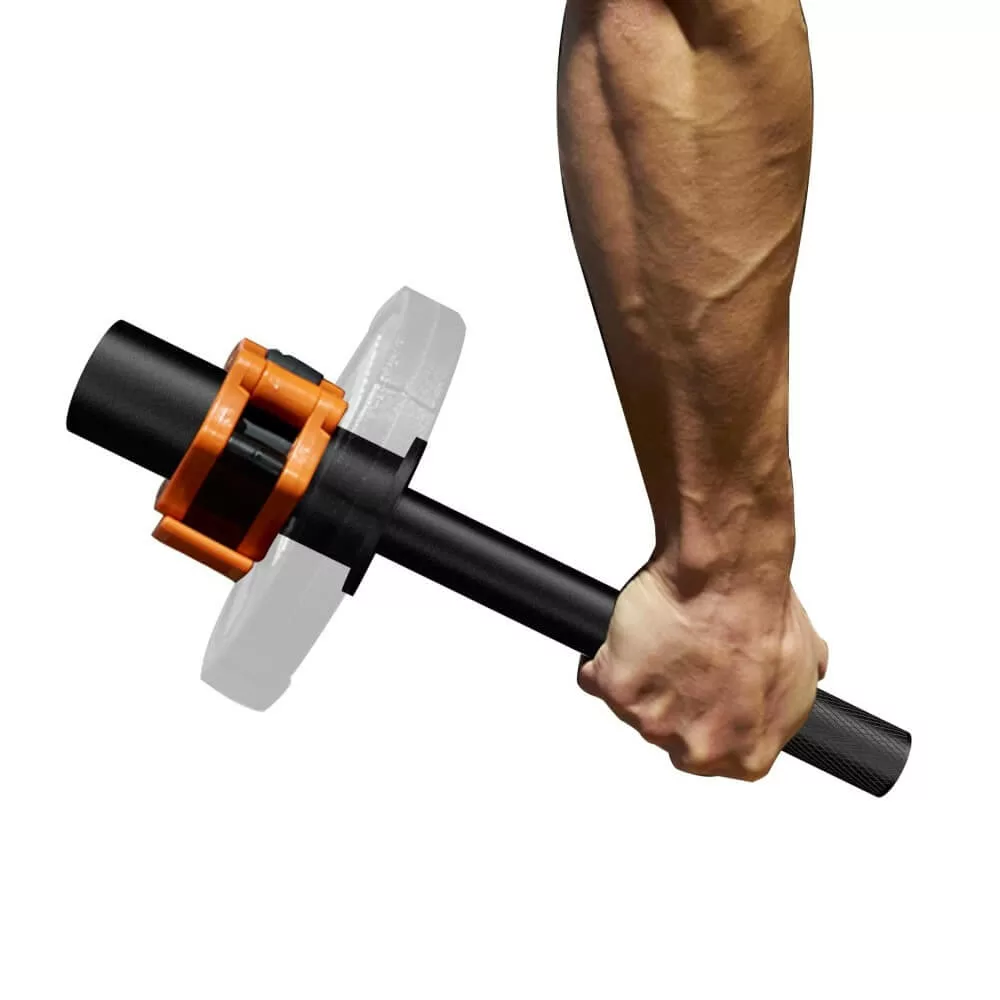
Wrist Strength Without Weak Links: Build Forearm Power & Control
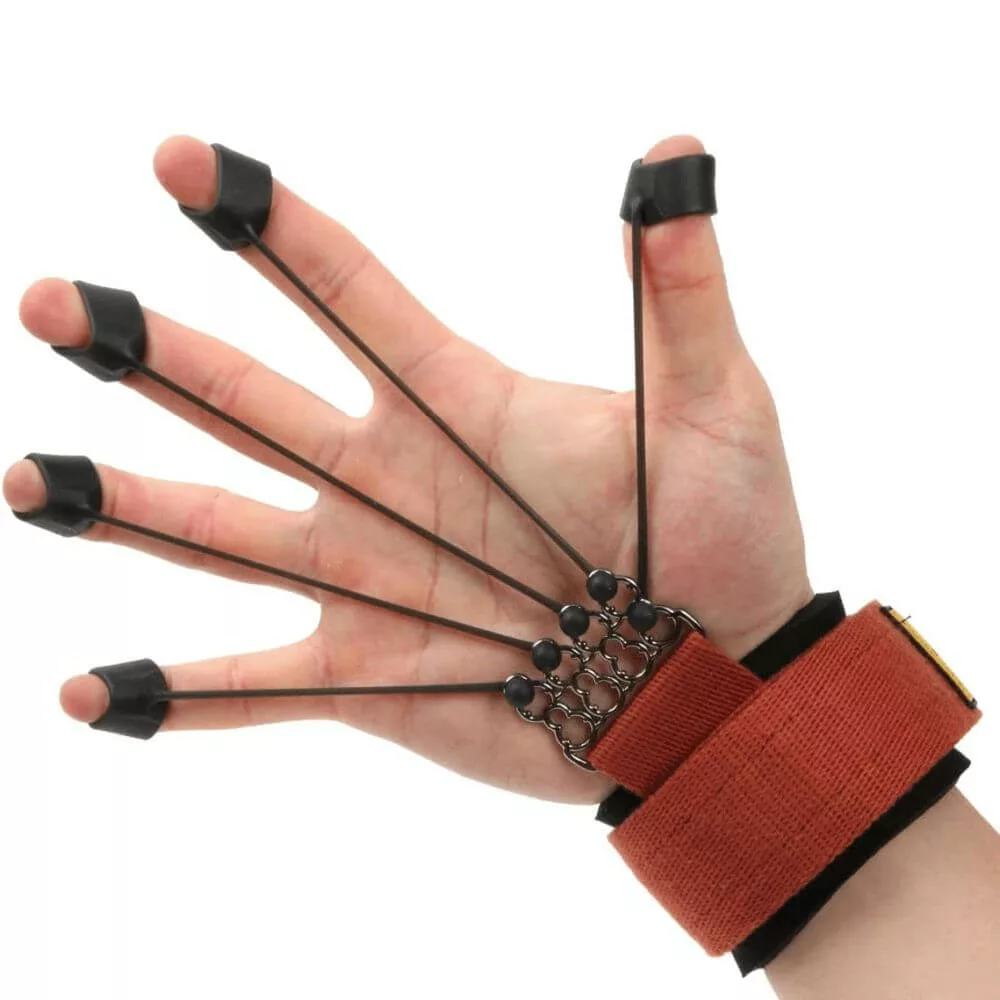
Fancy Finger Exerciser to Build Functional Grip Strength
Slowing down your movements can also enhance the effectiveness of your training. Exercising at a slower pace increases time under tension, placing greater demand on your grip.
Reducing momentum further challenges the muscles by making them work harder during lifts. By consciously controlling each repetition, you keep focus, reduce injury risk, and improve output.
Adjusting lever length can increase difficulty too: be cautious, though, as even slight changes can significantly increase the challenge.
Cutting rest periods slightly when focusing on endurance helps improve overall stamina gradually. This option is better suited to endurance-focused work than maximum-strength attempts, where adequate rest helps preserve performance and technique.
Keep the external load stable when needed
These methods allow you to create progression while keeping the external load stable. They are especially useful when the next available resistance jump is too large or when your hands need more time to adapt.
Build Stronger Grip Training Through Better Decisions
Increasing grip training resistance is useful, but the timing matters just as much as the load itself.
Before progressing, make sure you can complete your planned repetitions or hold times with stable technique, controlled movement, and manageable effort. Look for consistency across multiple sessions rather than relying on one unusually good workout.
When the time is right, use small increases and allow your hands, wrists, and forearms time to adapt. If the next resistance jump feels too large, progress through extra repetitions, longer holds, an additional set, improved range of motion, slower tempo, or better control instead.
Just as importantly, recognize when to hold steady or reduce resistance. Persistent pain, worsening soreness, declining performance, technique breakdown, and poor recovery are not signs that you need to push harder.
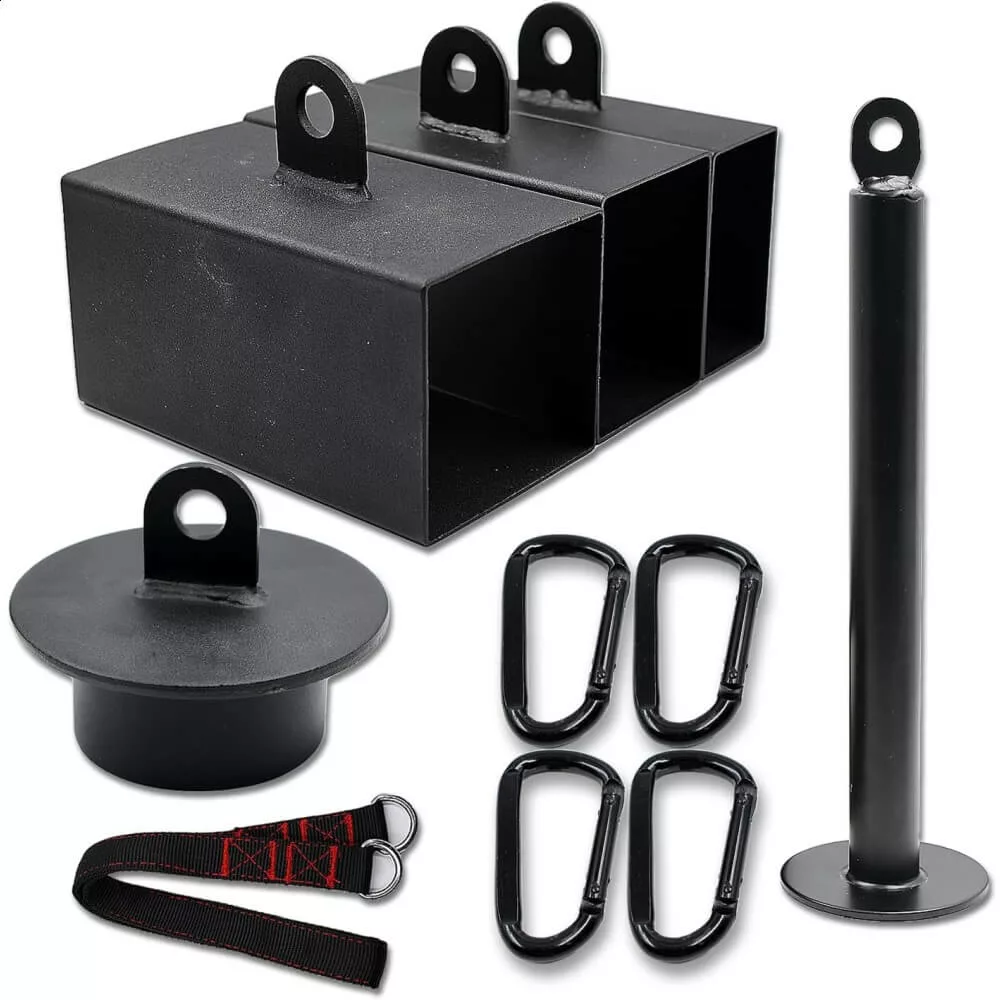
Complete Pinch Grip Training System for Serious Thumb Strength
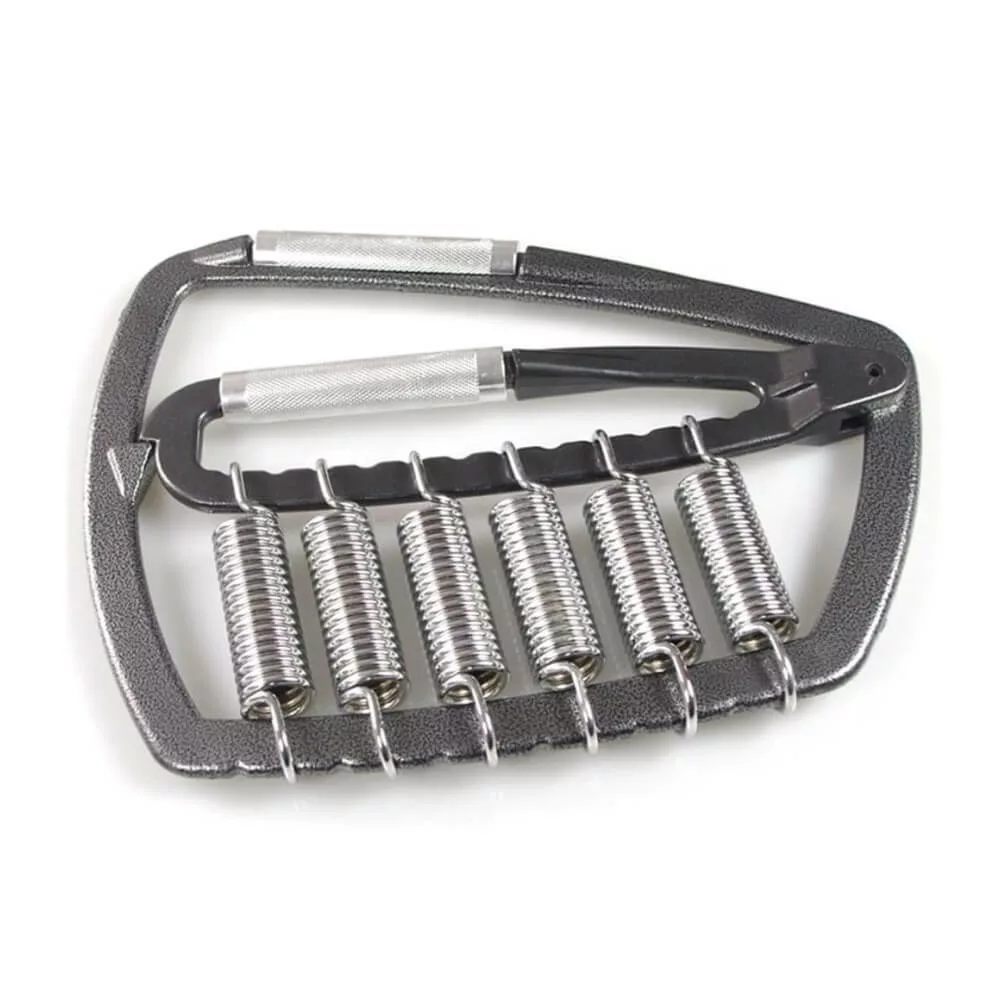
One Grip Tool That Can Replace an Entire Collection
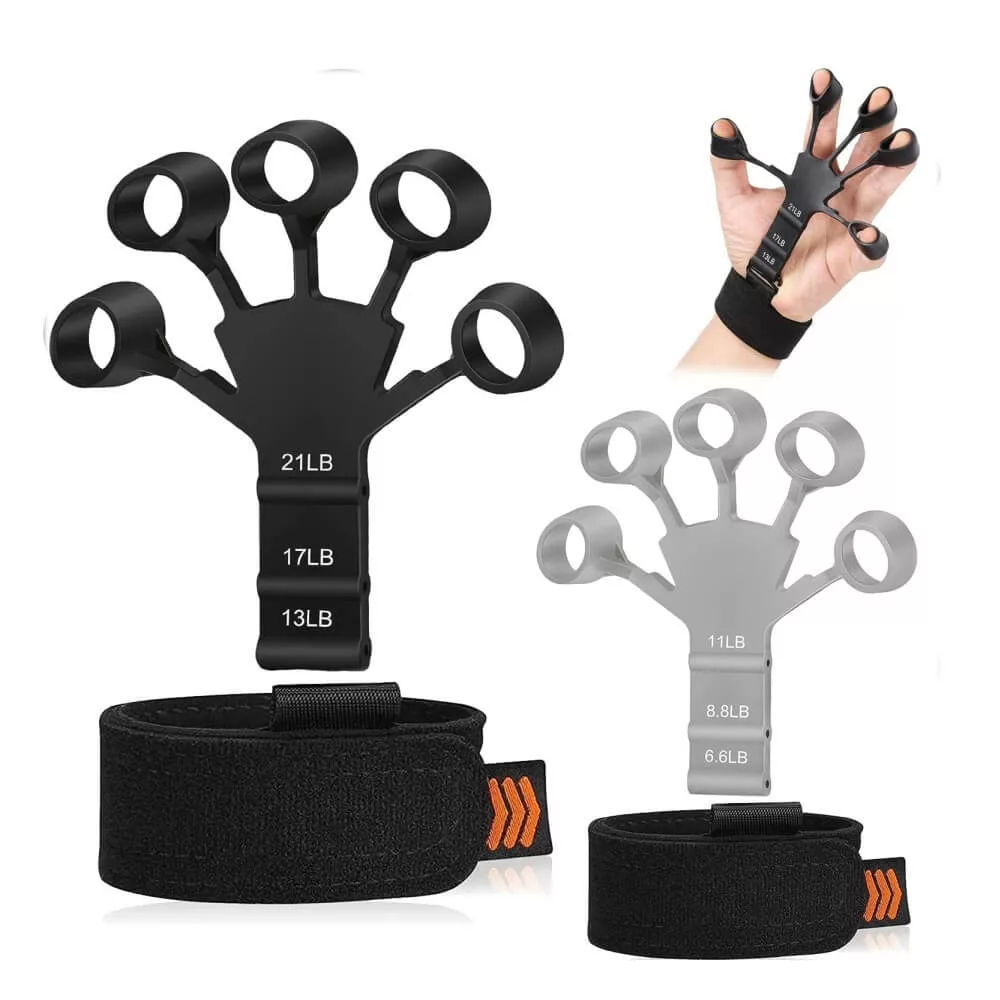
Fun & Affordable Way to Rehab Weak Hands
Key Takeaway
Increase grip resistance when your performance is controlled, repeatable, & well recovered, not simply because you feel motivated to go heavier.
Progress is not always measured by heavier resistance.
Sometimes it means stronger positions, cleaner repetitions, better endurance, improved control, and the ability to train consistently without aggravating your hands or wrists.
Train patiently, record what happens, and let repeatable performance, not impatience, decide when to increase the load.
Thanks for Reading!
How Do You Decide When It’s Time to Increase Resistance?
Share Your Approach in the Comments!