(Last Updated on October 9, 2026 by Henry)
- Name: Lights Mountain Metal Pinch Block Set
- Category: Pinch Grip Training Equipment
- Purpose: Pinch grip, thumb strength
- Rating: 4.9 / 5 Stars
- Availability: Amazon (Prime Delivery)
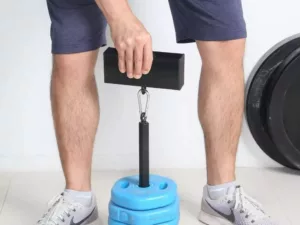
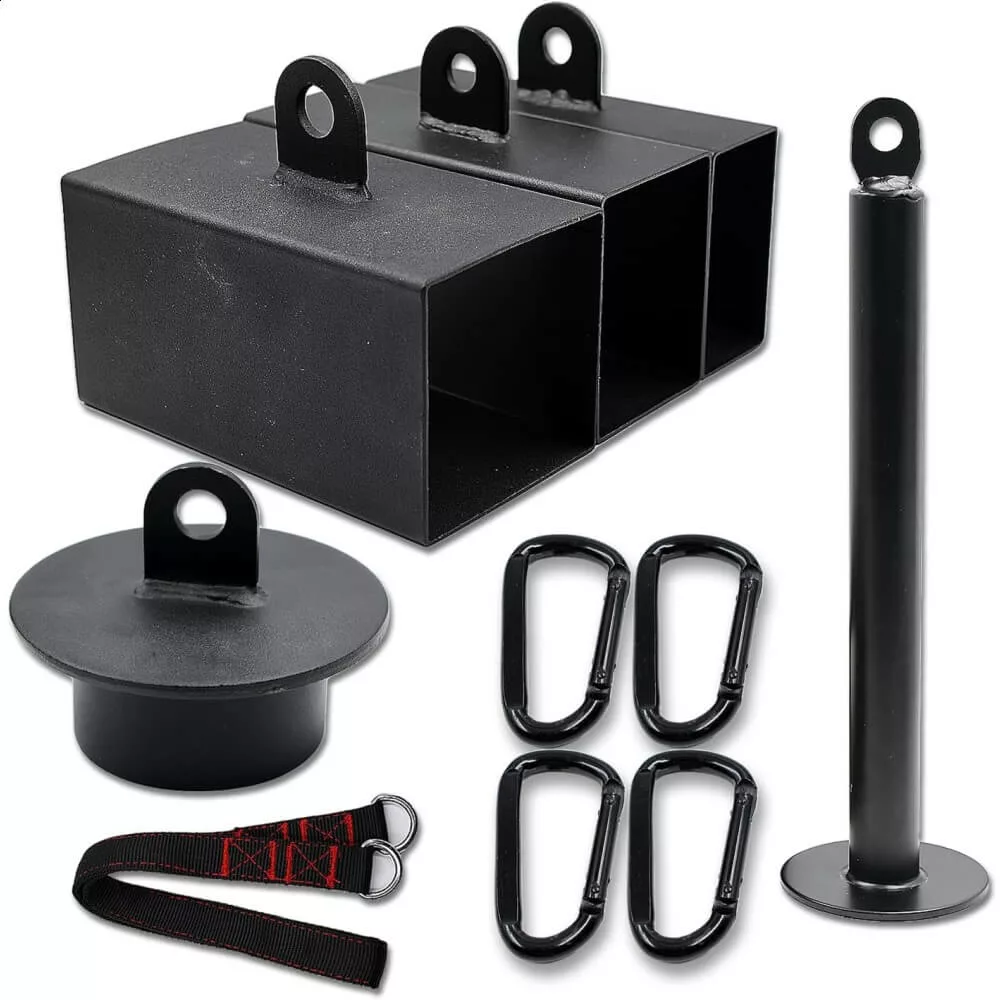
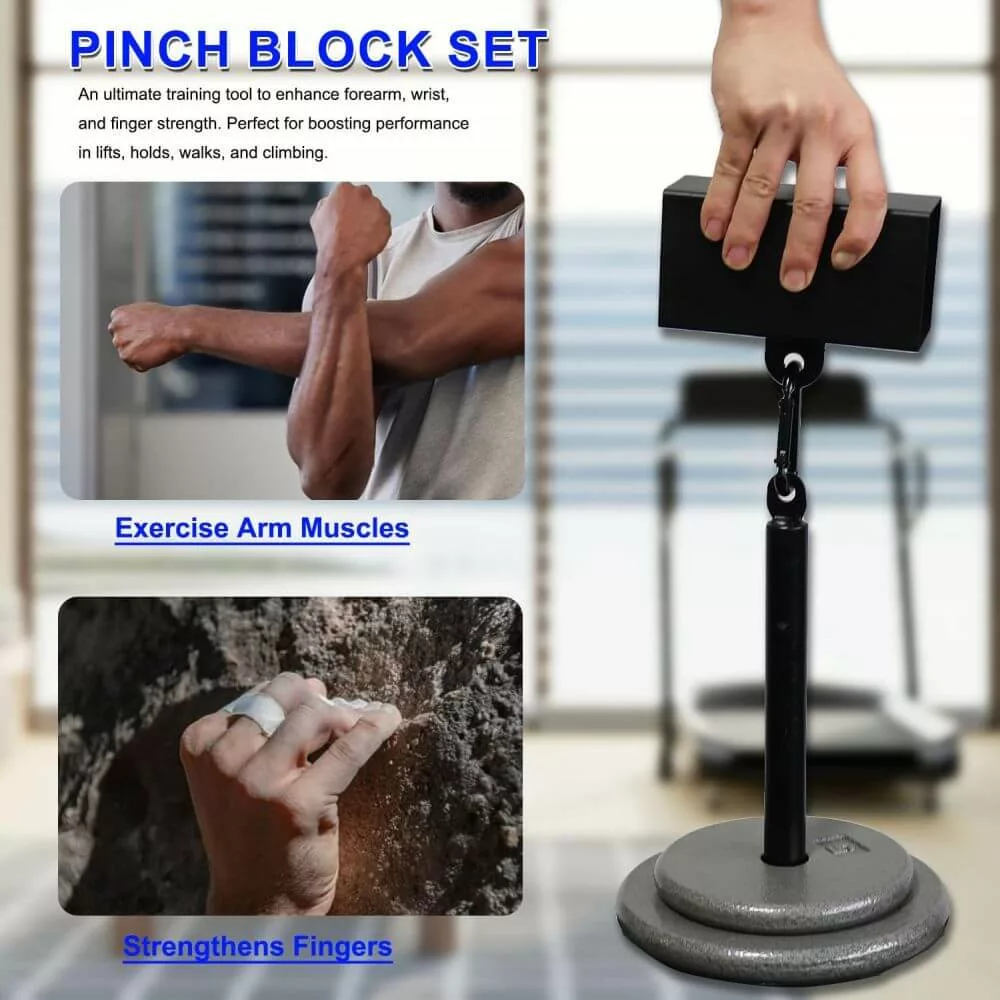
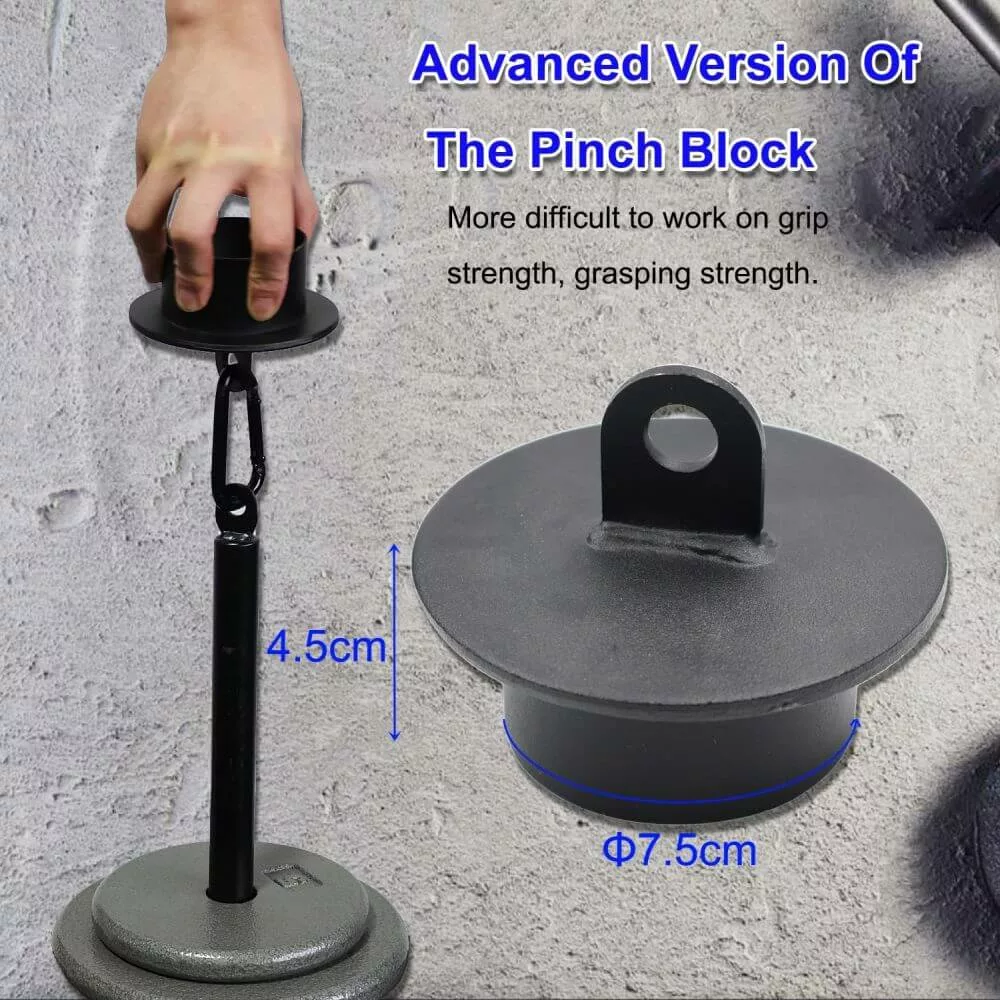
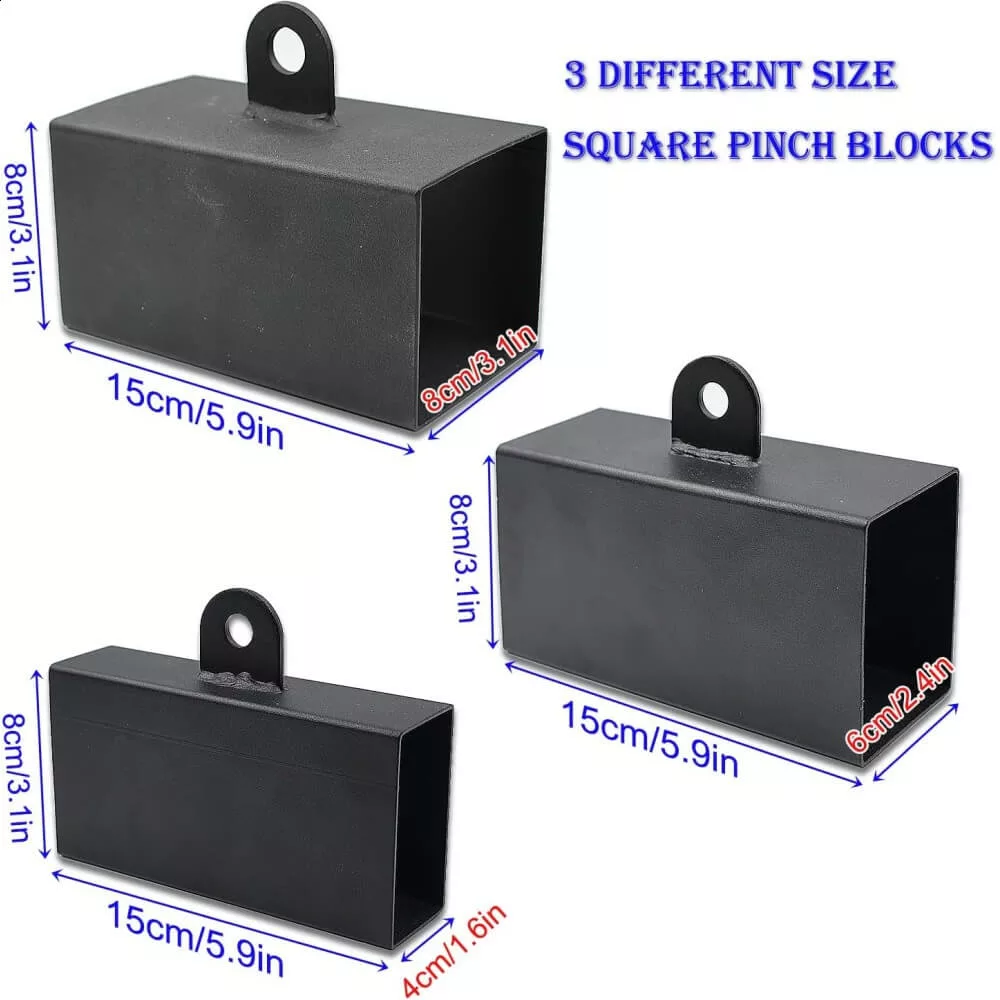
- Four interchangeable pinch blocks: 3 square widths plus 1 round block for complete thumb development
- Progressive loading system: Uses standard weight plates for long-term overload
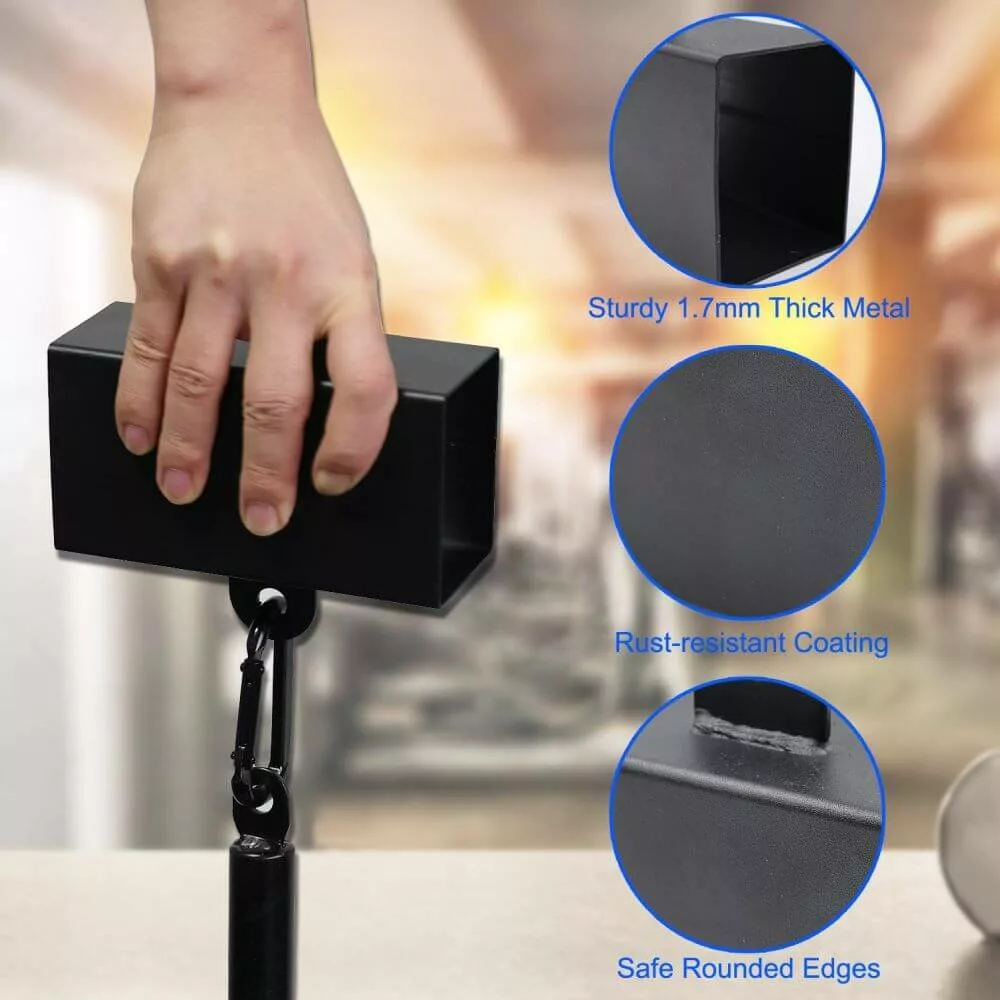
- Heavy-duty metal construction: Built for serious grip training and lasting durability
Not Sure How to Train Your Thumbs?
Learn About the Basic Pinch Grip Position
✋ Overview: What Problem Does the Lights Mountain Metal Pinch Block Grip Set Solve?
Complete pinch grip development with progressive loading
I’ve noticed over the years of grip training is that pinch strength often becomes the missing link in an otherwise strong grip. Many athletes focus almost entirely on crushing grippers, dead hangs, or thick bars, while dedicated thumb training receives very little attention. Yet your thumb contributes enormously to overall hand performance.
That’s exactly why this kit immediately caught my attention. Instead of offering a single pinch block, Lights Mountain has built an entire system around progressive pinch training.
Right out of the box, everything feels substantial. The blocks have reassuring weight in the hand, the loading pin feels sturdy, and even the included hardware gives the impression that this equipment was built for real strength training rather than casual fitness.
I also appreciate that different widths genuinely create different training experiences. Narrow blocks demand intense fingertip pressure, while wider blocks place the thumb under much greater leverage demands. The round block adds another completely different challenge that develops hand control from another angle.
Another thing I immediately liked is how compact the entire kit remains. It replaces what could otherwise require several separate pinch blocks from different manufacturers, yet everything stores neatly in one place and works with standard weight plates.
Overall, my first impression is that this isn’t simply another grip gadget. It’s a comprehensive pinch grip system capable of supporting beginners through advanced grip enthusiasts, offering enough variation to remain useful long after your strength begins increasing.
⚖️ Pros & Cons: Lights Mountain Metal Pinch Block Grip Set
Versatile pinch grip training with progressive thumb strength development
Pros:
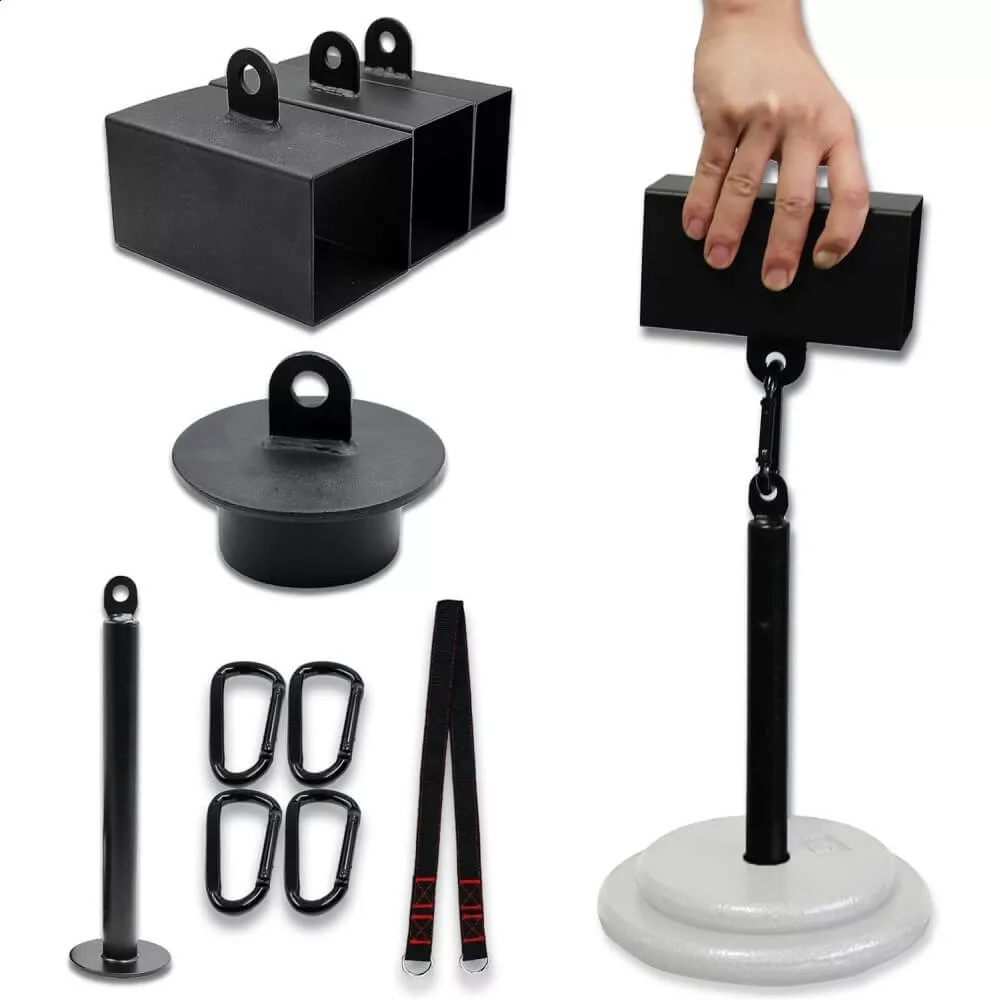
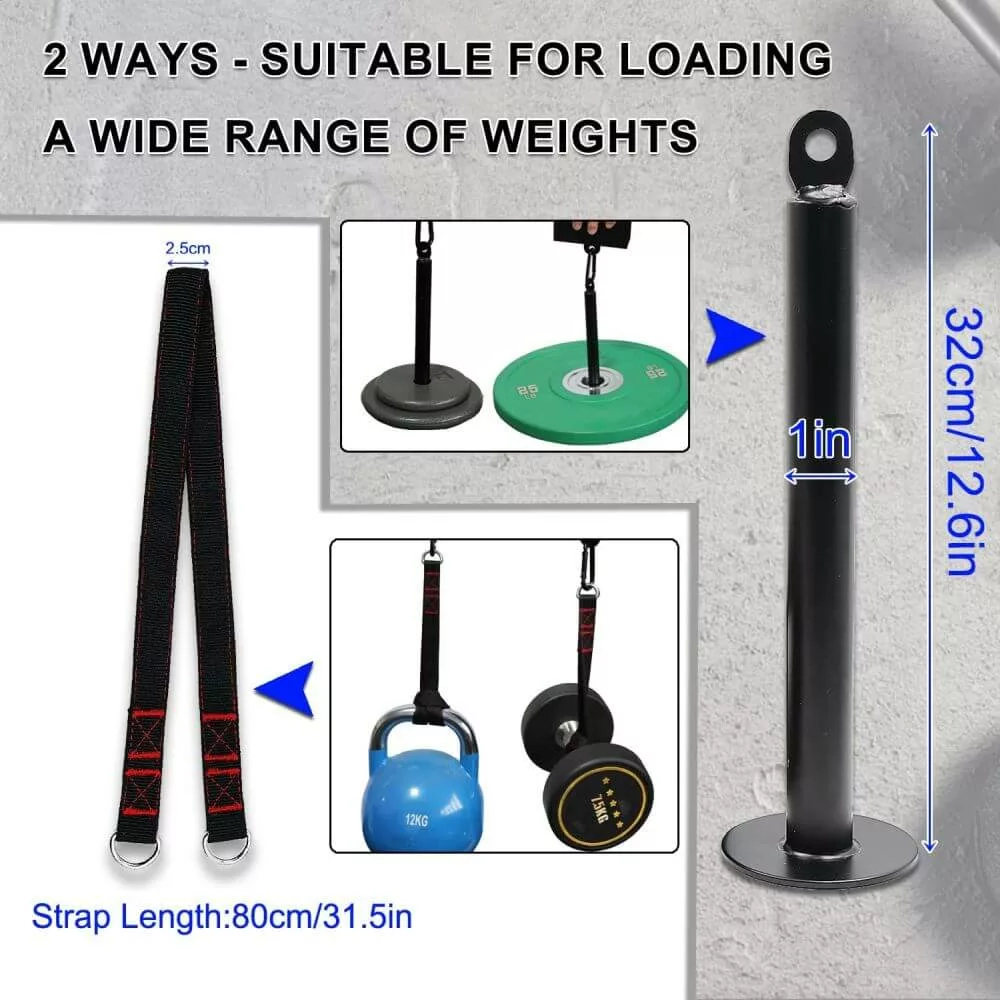
- Complete training system: Includes four pinch blocks, a loading pin, a strap, and carabiners for comprehensive pinch grip training
- Excellent progressive overload: Standard weight plates allow natural long-term strength progression
- Outstanding build quality: Heavy-duty metal construction inspires confidence under heavy loads
- Multiple grip widths: Different block sizes target a variety of thumb positions and finger mechanics
- Compact & portable: Complete kit stores easily and travels well between home and gym
Cons:
- Metal surface: A smooth finish is less forgiving than wood and often benefits from chalk during heavy lifts
- Higher initial investment: Costs more than a single pinch block, although the included variety adds significant value
- Long load strap: Some users may need minor adjustments depending on their training setup and height
Still Deciding?
See How it Stacks Up Against Similar Pinch Trainers
Lights Mountain Pinch Grip Set: Ranking 98 out of 100
Metal Pinch Block Set With Serious Pinch Grip Progression Potential
🎯 Who Should Use This Tool?
Progressive pinch grip training for athletes of every level
This kit is surprisingly versatile because pinch strength benefits almost every strength athlete. While it’s especially valuable for grip specialists, the carryover extends into climbing, grappling, lifting, and many everyday tasks that depend on thumb strength.
- 🟢 Beginners looking to build dedicated pinch strength using manageable loads while learning proper lifting mechanics.
- 🔵 Intermediate Grip Athletes wanting more exercise variety and multiple pinch widths without purchasing several individual implements.
- 🔴 Advanced Grip Enthusiasts & Competitors who want to train different thumb positions, strengthen weak points, and progressively overload pinch lifts using heavy plates.
- 🧗 Rock Climbers & Boulderers seeking stronger thumb engagement, improved open-hand control, and better finger support for demanding holds.
- 🥋 Grapplers, Judoka & Brazilian Jiu-Jitsu Athletes aiming to improve gi gripping endurance and stronger thumb stability during prolonged gripping exchanges.
- 🏋️ Powerlifters, Strongman & Functional Strength Athletes looking to strengthen thumb involvement for axle work, thick bars, block weights, and awkward object lifting.
Because the resistance depends entirely on the weight plates you load, the system grows alongside your strength. Unlike fixed-resistance tools that eventually become too easy, this setup remains useful for years of progressive training.
🧩My Rating Summary
- Build Quality: 5.0 / 5
Extremely solid all-metal construction that feels built for years of heavy training. - Ease of Use: 4.7 / 5
Simple loading system with multiple training options, although beginners may need a short learning period. - Comfort: 4.6 / 5
Textured metal provides a secure grip but naturally feels harsher than wooden pinch blocks during long sessions. - Resistance Quality: 5.0 / 5
Standard weight plates allow virtually unlimited progression for every strength level. - Progression Potential: 5.0 / 5
Multiple grip widths combined with adjustable loading create excellent long-term scalability. - Value for Money: 4.9 / 5
Considering it replaces several individual pinch blocks while including a loading system, the overall value is excellent.
⚙️Technical Details
- Weight: 2.89 kg
- Dimensions: Compact modular components (individual pinch blocks)
- Material: Heavy-duty metal
- Grip Options: Three square pinch blocks (different widths) and one round pinch block
- Resistance System: Standard weight plates via loading pin
- Included Components: 3 × Square Pinch Blocks, 1 × Round Pinch Block, 1 × Loading Pin, 1 × Load Bearing Strap, 4 × Carabiner Clips
- Primary Use: Pinch grip, thumb strength, finger strength, forearm development, grip endurance
- Suitable For: Beginners through advanced grip athletes
- Manufacturer: Lights Mountain
📈 Where This Tool Fits In Grip Strength Progression
Scalable pinch strength development for lifelong progress
It fills a gap that many grip training routines completely overlook, making it one of the biggest strengths of this kit.
Most athletes naturally develop a crushing grip through grippers and pulling exercises. Support grip improves through deadlifts and hanging movements. Pinch strength, however, usually requires dedicated equipment, and that’s precisely where this kit shines.
Because resistance comes from standard weight plates, progression feels virtually unlimited. Beginners can start with very light loads while learning proper thumb positioning and wrist alignment. As confidence improves, increasing resistance is as simple as adding another plate.
The inclusion of multiple block widths also prevents training from plateauing too quickly. Narrow blocks emphasize fingertip pressure and precision, medium blocks offer balanced thumb engagement, while wider blocks create much larger leverage demands that challenge the entire hand differently. The round block introduces another unique stimulus that helps build more complete hand development.
This versatility means the equipment doesn’t become obsolete after reaching a certain strength level. Instead, it evolves with the athlete. Stronger users simply lift heavier, experiment with different widths, perform timed holds, or incorporate more advanced movements like carries, cleans, or pinch deadlift variations.
For anyone serious about long-term grip development, this isn’t a stepping stone: it’s equipment that can remain a permanent part of a well-rounded grip training program.
💪 Training Benefits & Strength Transfer Potential
Thumb strength, open-hand power, and real-world grip carryover
Dedicated pinch training develops qualities that are difficult to replicate using traditional hand grippers alone.
The most obvious improvement comes in thumb strength, which plays a major role in almost every gripping task. As thumb pressure increases, overall hand stability improves, making heavy carries, thick-bar lifts, block weights, and awkward objects noticeably easier to control.
I also like that pinch blocks naturally encourage stronger finger coordination. Because the object cannot simply be wrapped with the fingers, every lift requires the thumb and fingertips to work together while the wrist stabilizes the entire movement. This creates a unique challenge that carries over well into many sports.
For climbers, a stronger pinch grip improves confidence on compression holds and demanding rock features. Grapplers benefit from increased thumb endurance during prolonged gi gripping exchanges, while strongman athletes often notice better performance on block weights, hub lifts, and other open-hand events.
Another advantage is the versatility of training methods. Heavy singles develop maximum pinch strength, while longer static holds build muscular endurance. Farmer carries, lunges, curls, and timed holds introduce additional conditioning without requiring separate equipment.
Perhaps most importantly, consistent pinch work helps create a more balanced hand. Instead of relying almost entirely on crushing strength, athletes develop stronger thumbs, improved finger pressure, enhanced wrist stability, and more complete grip capability that transfers naturally into both sport performance and everyday lifting tasks.
Want to Understand Pinch Grip Better?
Learn About Pinch Grip Strength 101 & Why This Key Hand Movement Matters
🧠 Performance & Feel During Training
Direct resistance, intense thumb demand & highly specific grip feedback
From a training standpoint, the first thing you notice with this set is how direct the resistance feels. There’s no cushioning, no elasticity, and no assistance from the implement itself. What you load is exactly what you lift, and that makes the feedback extremely honest.
When gripping the different blocks, the sensation changes noticeably depending on the width. Narrower blocks create intense fingertip and thumb pressure, with the thumb often doing most of the work while the fingers stabilize the load. Wider blocks shift more demand into overall hand tension and wrist stabilization, forcing a more complete grip contraction.
The round block introduces a slightly different experience. Instead of a flat pinch surface, the hand must constantly adapt to maintain friction and alignment, adding a subtle instability element that makes even lighter loads feel more demanding than expected.
During loaded movements such as pinch deadlifts, the system feels stable once properly set up. With correct strap adjustment, there is minimal wobble, and the loading pin hangs in a predictable vertical line. At heavier weights, grip fatigue becomes the limiting factor very quickly, which is exactly what you want from a dedicated grip tool.
One consistent observation is how quickly thumb fatigue accumulates compared to traditional grippers. This is not a crushing motion; it is sustained isometric pressure through the thumb pad and fingertips, creating a deep burn in the thenar muscles and forearm flexors.
Overall, the training feels raw, direct, and highly specific. There is no artificial assistance or mechanical advantage, making every rep feel genuinely earned.
🏗 Build Quality & Long-Term Durability
Solid metal construction built for long-term heavy use
The overall build quality of this set is one of its strongest points. The entire system is constructed from solid metal components with no weak or hollow-feeling parts. Even under moderate to heavy loading, the pinch blocks maintain structural integrity without flex, bending, or deformation.
The loading pin is particularly robust. It handles standard plate stacks without instability and remains balanced under uneven load distribution. The carabiners and strap are simple but functional components capable of handling regular training stress without early wear.
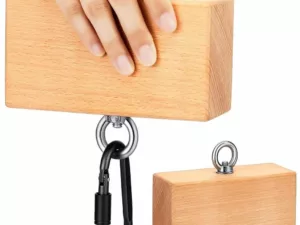
One major advantage of metal construction is long-term durability. Unlike wooden pinch blocks that can chip, compress, or wear smooth over time, these maintain their form through repeated heavy use. The trade-off is surface friction—metal is less forgiving on skin and often benefits from chalk, especially during sweaty sessions.
Over time, the only likely wear is cosmetic: scratches and minor finish fading on contact surfaces. Mechanically, there is very little that appears likely to fail under normal training conditions.
Maintenance requirements are minimal. Occasional tightening of attachments and basic cleaning are sufficient. There are no complex moving parts requiring servicing or replacement.
Overall, this is clearly designed as a long-term training implement rather than a disposable accessory, and it reflects that in every aspect of its construction.
🏠 Everyday Usability & Practicality
Simple setup, modular design & strong training flexibility
Despite being a multi-piece system, day-to-day usability is straightforward. Once set up, the loading pin behaves like standard gym equipment, meaning there is virtually no learning curve for anyone familiar with basic strength training tools.
Setup time is minimal. Attaching carabiners, selecting a pinch block, and loading plates takes only moments, making it practical for both dedicated grip sessions and quick accessory work after compound lifts.
Storage is another advantage. The modular design allows each component to be separated and stored easily, making it suitable for small gym bags or home setups without requiring dedicated space.
From a portability standpoint, this system performs well. It can be transported between training environments without difficulty, making it suitable for home gyms, commercial gyms, or outdoor training sessions where plates are available.
In daily use, it integrates smoothly into existing training programs. It can function as a primary grip tool or as a supplemental accessory after compound lifts, depending on programming needs.
The only limitation is dependency on weight plates. Without them, usability is restricted. However, in most training environments, this is not a practical issue.
Overall, it strikes a strong balance between simplicity and versatility, making it easy to include in nearly any structured strength program.
✅ Final Verdict: Is This Grip Tool Worth It?
A scalable, long-term pinch training system
This pinch block set stands out because it functions as a complete training system rather than a single-purpose accessory. That alone places it above many standalone grip tools that quickly become limited in progression.
The biggest strength is scalability. Because resistance is determined entirely by plate loading, the system can evolve alongside the user indefinitely. Beginners can focus on light loads and technique, while advanced athletes can progress into heavy training that challenges elite grip strength.
The inclusion of multiple pinch widths is another major advantage. It prevents training stagnation by constantly changing stimulus demands. Narrow, wide, and round surfaces each challenge the hand differently, supporting more balanced grip development.
There are minor trade-offs. Metal surfaces are less forgiving than wood, and the system requires access to weight plates. However, these are not meaningful limitations in a properly equipped training environment.
From a long-term perspective, this is a tool that can remain relevant for years. It does not rely on gimmicks or fixed resistance levels. Instead, it aligns directly with progressive overload principles, which is essential for serious strength development.
Overall, this is a highly capable pinch training system that delivers strong value for athletes focused on grip strength, sport performance, injury prevention, or general hand development.
Thanks for Checking it Out!
Have You Used Pinch Blocks Before?
Share Your Experience in the Comments!
Struggling With Slippery Objects? Learn How Chalk Can Improve Your Grip
& Browse the Grip Training FAQ for Quick Answers