(Last Updated on May 30, 2026 by Henry)
Pinch grip strength often gets overlooked, yet it’s a vital aspect of our daily function and athletic performance. Unlike crush grip or support grip, pinch grip focuses on the strength and coordination between your thumb and fingers, allowing you to pin down an object with precision. This movement is especially different because it emphasizes control and fine motor skills rather than sheer power.
In practical terms, pinch grip strength relies heavily on the intrinsic hand muscles, thumb stabilizers, and finger flexors working together efficiently. Because these muscles are smaller and more neurologically demanding, pinch grip often declines earlier than other grip types if it is not intentionally trained or supported. This makes it a key indicator of overall hand function and coordination.
Think about holding keys, lifting a dinner plate, or even tearing open a package: these are simple tasks, but they rely heavily on pinch grip. In athletic worlds like climbing or gymnastics, this grip becomes increasingly essential for maintaining hold on advanced equipment or performing critical moves. Athletes in sports as varied as judo, baseball, and strongman competitions also find that a well-developed pinch grip translates to enhanced performance due to better grip control and stability.
In many of these activities, pinch grip strength determines how efficiently force is transferred from the hand to the object being controlled. Poor pinch grip can lead to compensatory movement patterns, where larger muscles take over and increase strain on the wrists, elbows, and shoulders. Over time, this can reduce performance consistency and elevate injury risk.
The importance of pinch grip strength isn’t just limited to specific moments of exertion. It’s critical for tasks that require precise hand movements. A strong pinch grip can help prevent injuries, improve hand durability, and ensure you can use your hands efficiently throughout your life. Imagine not being able to open jars or carry grocery bags easily: pinch grip strength helps prevent those limitations.
From an aging and joint-health perspective, maintaining pinch grip strength supports independence and long-term hand usability. Research consistently links grip strength with overall functional health, and pinch grip plays a central role in tasks that require dexterity rather than brute force. This makes it especially important for desk workers, older adults, and individuals managing joint stiffness or arthritis.
Injury prevention, too, is a big plus. A robust pinch grip can mean stronger hands overall, reducing wear and tear on joints and ligaments. It supports a lifelong functional use of the hands, keeping them versatile and ready for any task that comes your way.
By reinforcing the thumb’s role in stabilization and load distribution, pinch grip strength helps protect vulnerable structures such as the thumb CMC joint, finger tendons, and wrist ligaments. When trained and maintained properly, it contributes to resilient hands that can tolerate repetitive use, sudden loads, and fine motor demands without breaking down.
Anatomy Behind Pinch Grip Strength
Understanding the anatomy of pinch grip strength starts with getting to know how your fingers and thumb work together in perfect harmony. When you go for a lateral pinch or opposition, it’s all about the coordination between these digits. This involves a sophisticated interplay of bones, muscles, and tendons, all working together like a well-oiled machine.
From an anatomical standpoint, pinch grip relies on precise joint alignment across the thumb carpometacarpal (CMC), metacarpophalangeal (MCP), and interphalangeal joints, as well as the corresponding joints in the fingers. Small disruptions in mobility, strength, or timing at any of these joints can significantly reduce pinch efficiency, which is why pinch grip strength is often one of the first grip qualities to suffer with injury, overuse, or aging.
Key muscles that play a crucial part include the flexor pollicis longus, adductor pollicis, and the first dorsal interosseous. These might sound a bit complex, but simply put, they are the main drivers behind your thumb’s movement and the gripping action of your fingers. When these muscles contract, they pull on your tendons, creating the movements needed to grip and hold.
Each of these muscles serves a slightly different role, contributing to thumb flexion, adduction, and finger stabilization during pinch tasks. Together, they allow the thumb to generate inward force while the fingers provide resistance and control. Weakness or inhibition in any one of these muscles can reduce pinch grip strength and place additional stress on surrounding joints and soft tissues.
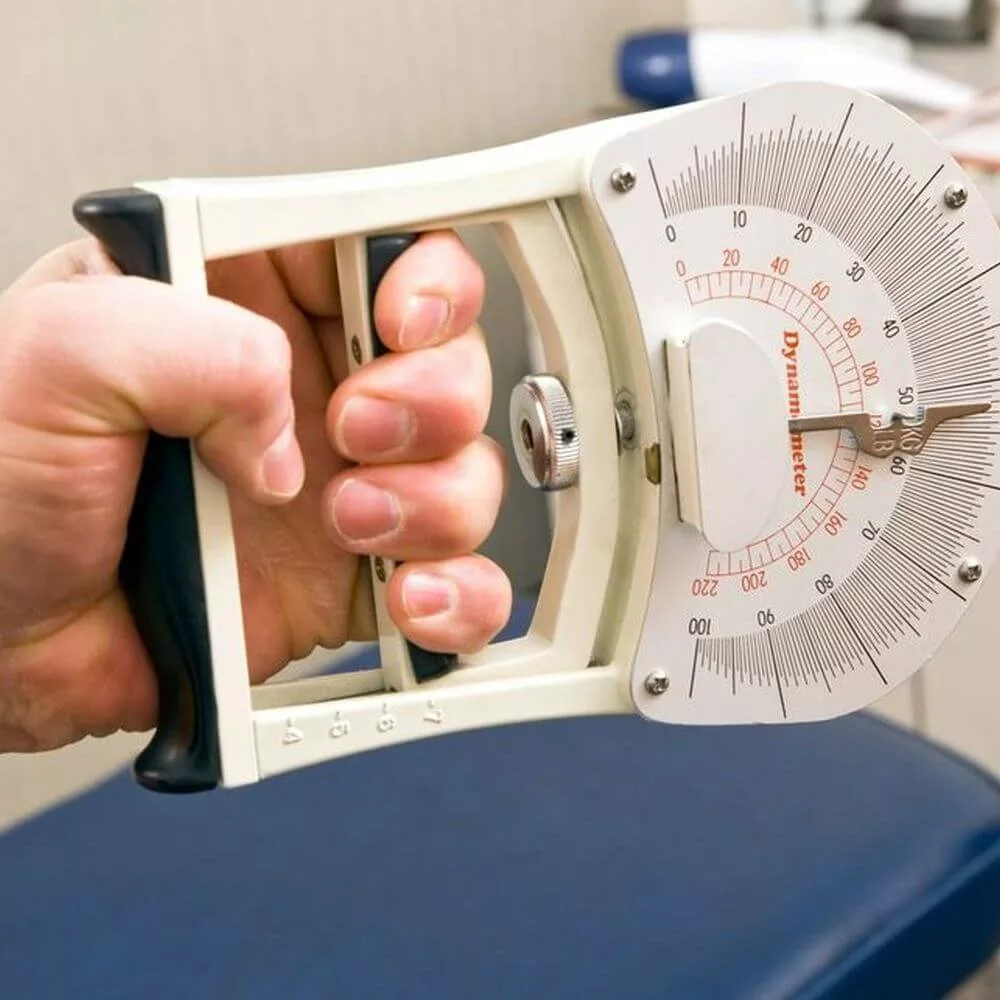
Crush Grip Training: Best Exercises & Tools for Stronger Hands

Pinch Grip Training: Proven Exercises & Tools to Boost Thumb Strength

Support Grip Training: Build Endurance & Lift Heavier Safely
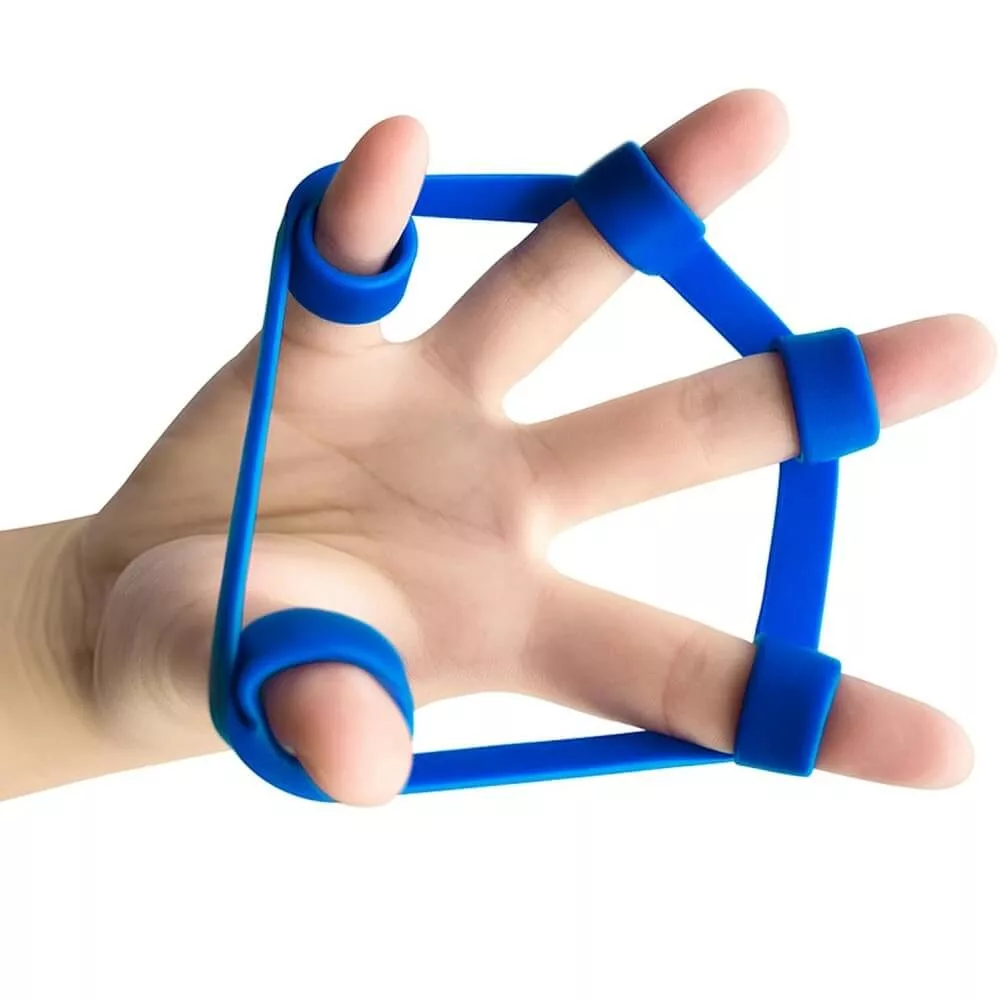
Finger Extensor Training: Prevent Hand Pain & Build Balance
The tendons create a pathway that channels the force needed for the fingers and thumb to coordinate seamlessly. This is particularly apparent when comparing power pinch and precision pinch approaches. Power pinch focuses on a strong hold, while precision pinch requires detailed control and fine-tuning.
Tendon health is critical here, as tendons must efficiently transmit force without excessive friction or strain. In repetitive or high-demand activities, compromised tendon quality can lead to conditions such as tendinitis or reduced grip endurance. This distinction between power and precision pinch highlights how different mechanical demands can stress the hand in unique ways.
Visualizing these processes makes them easier to grasp. Imagine a series of coordinated pulleys, each one pulling at just the right moment to move your hand’s segments into the perfect position. For everyday tasks or more demanding athletic maneuvers, these anatomical insights offer a clear view of how crucial this grip is. Pinch grip strength taps into the foundation of these mechanics, offering both power and delicacy tailored to every task ahead.
This pulley-like system mirrors how flexor tendons glide through their sheaths, allowing smooth and efficient motion when properly conditioned. Restrictions in tendon glide or muscle timing can disrupt this sequence, leading to stiffness, reduced dexterity, or compensatory gripping patterns that strain the wrist and forearm.
Digging deeper into these movements can enrich your appreciation of how intricate the human hand is and underscore the value of keeping these muscles and tendons in top condition.
By understanding how anatomy influences pinch grip strength, it becomes easier to see why targeted hand training, adequate recovery, and joint care are essential for long-term hand health. Maintaining these structures supports not only athletic performance but also pain-free function in everyday life.
Why Pinch Grip Matters for Daily Life and Athletic Performance
Think about your daily routines, carrying grocery bags, pinching thin papers, or opening that stubborn jar of pickles. These are just some examples where a sturdy pinch grip comes into play, enhancing your ability to navigate everyday challenges with ease.
In these situations, pinch grip strength allows force to be applied efficiently through the thumb and fingers without excessive effort from the wrist or forearm. When the pinch grip is weak, people often compensate by over-squeezing or changing hand positions, which can increase fatigue and stress on surrounding joints. Beyond the basics, your pinch grip significantly boosts your hand’s dexterity and fine-motor control, contributing to the stability needed for tasks that demand precision.
If you’ve ever tried to hold onto a slippery tool or confidently handle delicate items, you’ve relied on this grip without even realizing it. Fine-motor tasks depend on subtle adjustments in pressure and finger positioning, both of which are governed by pinch grip control. Improving this grip enhances proprioception in the hand, helping you sense and regulate force more accurately during detailed or delicate movements.
In sports, the implications are even more pronounced. Whether it’s grappling with a climbing hold, controlling a jiu-jitsu opponent’s sleeve, or ensuring your grip doesn’t falter during a fastball pitch, pinch grip strengthens your performance by allowing for better contact and control.
Athletes with strong pinch grip often experience improved endurance and consistency, especially in sports that involve repeated gripping or rapid changes in hand position. This can translate to better equipment control, reduced grip failure under fatigue, and more efficient force transfer during high-intensity movements.
The professions benefiting from a strong pinch grip are just as varied. Mechanics, carpenters, surgeons, musicians, and technicians all rely on this crucial strength to achieve precision and effectiveness in their work without unnecessary strain. In occupational settings, sustained pinch demands are common and often underestimated. Developing pinch grip strength helps reduce cumulative stress on the hands and wrists, which can lower the risk of overuse injuries and maintain work performance over long hours.
In the long run, a well-developed pinch grip contributes to more than just immediate efficiency. It fosters improved coordination between your fingers and thumb, offers reduced joint strain, and supports better overall joint health. These factors support a lifetime of unhindered hand use.
By preserving joint alignment and distributing load more evenly across the hand, strong pinch grip capacity plays a protective role as demands increase with age or repetitive use. This makes it a foundational element of long-term hand health and functional independence.
How to Assess Your Pinch Grip Strength
Evaluating your pinch grip strength doesn’t require complex tools. Starting with self-assessment techniques like plate pinch holds and block-weight lifts can give you an immediate sense of where you stand. These exercises measure how long or how heavy you can hold, setting a baseline that helps track improvements over time.
These simple assessments place direct demand on thumb and finger coordination while minimizing assistance from the palm or wrist. Because they closely mirror real-world pinch demands, they provide meaningful insight into functional pinch grip capacity rather than isolated muscle strength alone. Another handy method is the thumb-to-finger pressure testing. This approach helps identify if there’s a weak link in your thumb-finger coordination, which could signal an imbalance. Recognizing these signs early allows you to target specific areas for improvement.
This type of testing can reveal asymmetries between hands or weaknesses in specific finger-thumb pairings. Identifying these imbalances early is especially valuable for injury prevention, as uneven pinch strength can contribute to joint overload and compensatory gripping patterns. When evaluating your pinch grip, it’s key to look for real-world indicators of weakness. Struggling to hold onto flat objects or noticing that your thumb tires quickly during physical activities are common signs that your pinch grip might need work.
These functional warning signs often appear before pain or injury develops. Paying attention to early fatigue, loss of control, or reduced endurance can help guide training adjustments before more serious hand or thumb issues arise.
To effectively track your progress, periodically test these abilities, noting changes in duration and weight capacity. Consider maintaining a simple log over weeks and months to highlight improvements and areas needing more focus. Consistent assessments will arm you with data that paints a clear picture of your grip strength evolution.
Long-term tracking not only supports motivation but also helps identify plateaus or regressions that may be tied to workload, recovery, or joint health. This data-driven approach ensures pinch grip training remains intentional, balanced, and sustainable over time.
Best Exercises to Build Pinch Grip Strength
Building pinch grip strength doesn’t require fancy gym equipment. You can start with exercises like plate pinches, which involve holding one or two plates with the smooth sides out. This challenges your grip and encourages better finger-thumb coordination.
Plate pinching places consistent demand on the thumb pad and finger tips, making them one of the most direct ways to build pinch grip strength. Adjusting plate width, load, or hold duration allows you to scale difficulty while keeping movement mechanics simple and joint-friendly.
Block weight lifts, using items like blobs or pinch blocks, keep things fresh and also allow you to progressively increase the weight as you get stronger. These activities strengthen different parts of your grip while keeping training varied. Because block weights shift the center of mass away from the hand, they challenge stabilization as much as raw strength. This added demand improves thumb control and reinforces grip integrity under uneven or awkward loads.
Focusing on thumb-specific exercises is crucial. Simple actions like elastic band thumb extensions or using putty for pinching can hone in on this often-overlooked area of grip strength. Thumb-focused work helps balance the strong flexion demands of pinch training with necessary extension and stabilization. This balance supports joint health at the thumb base and reduces the risk of overuse injuries associated with repetitive gripping.
Resistance tools like grip blocks or pinch trainers further enhance your routines. If you’re into climbing, incorporating climbing boards can seamlessly integrate grip training into your activities. Structured resistance tools offer predictable loading, which is useful for tracking progress and managing fatigue. For climbers and similar athletes, blending pinch-specific work into sport practice helps maintain relevance while avoiding excessive standalone training volume.
Creating DIY alternatives is easy. Towels, books, and wooden blocks can be transformed into homemade pinch tools, offering a budget-friendly way to train. These improvised options are especially helpful for home-based training and allow for creative variation in shape, thickness, and texture. Variation challenges sensory feedback and grip adaptability, both of which are important for functional hand strength.

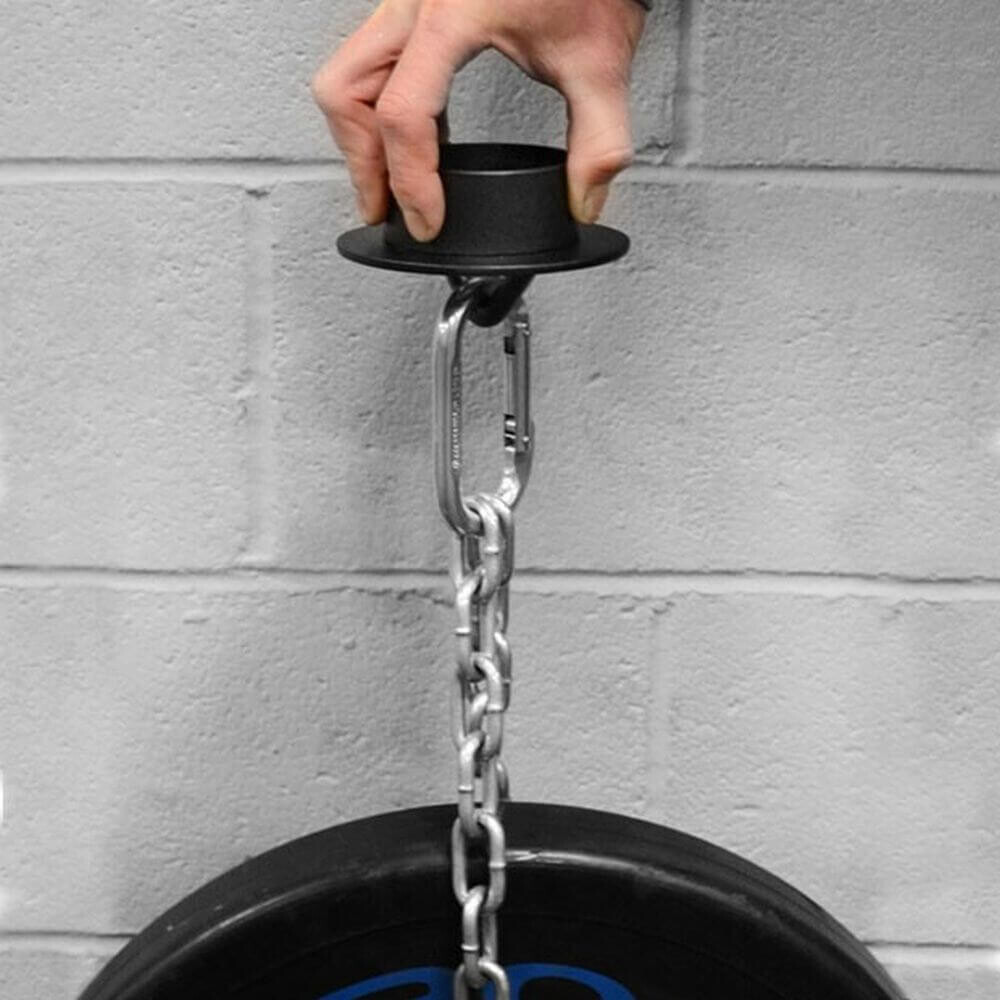
Transform Every Barbell into Axel with Fat Bar Handles?
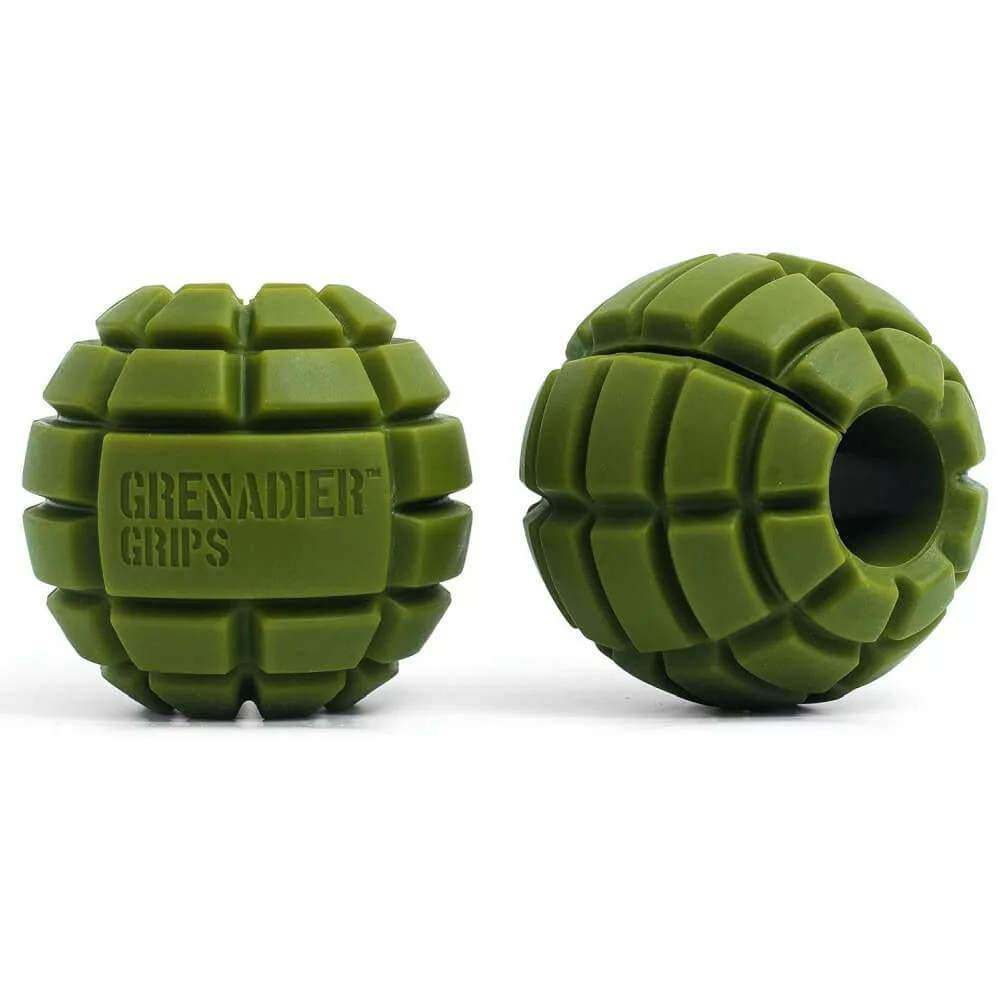
Unique Fat Bar Adaptors to Target Your Pinch Grip?
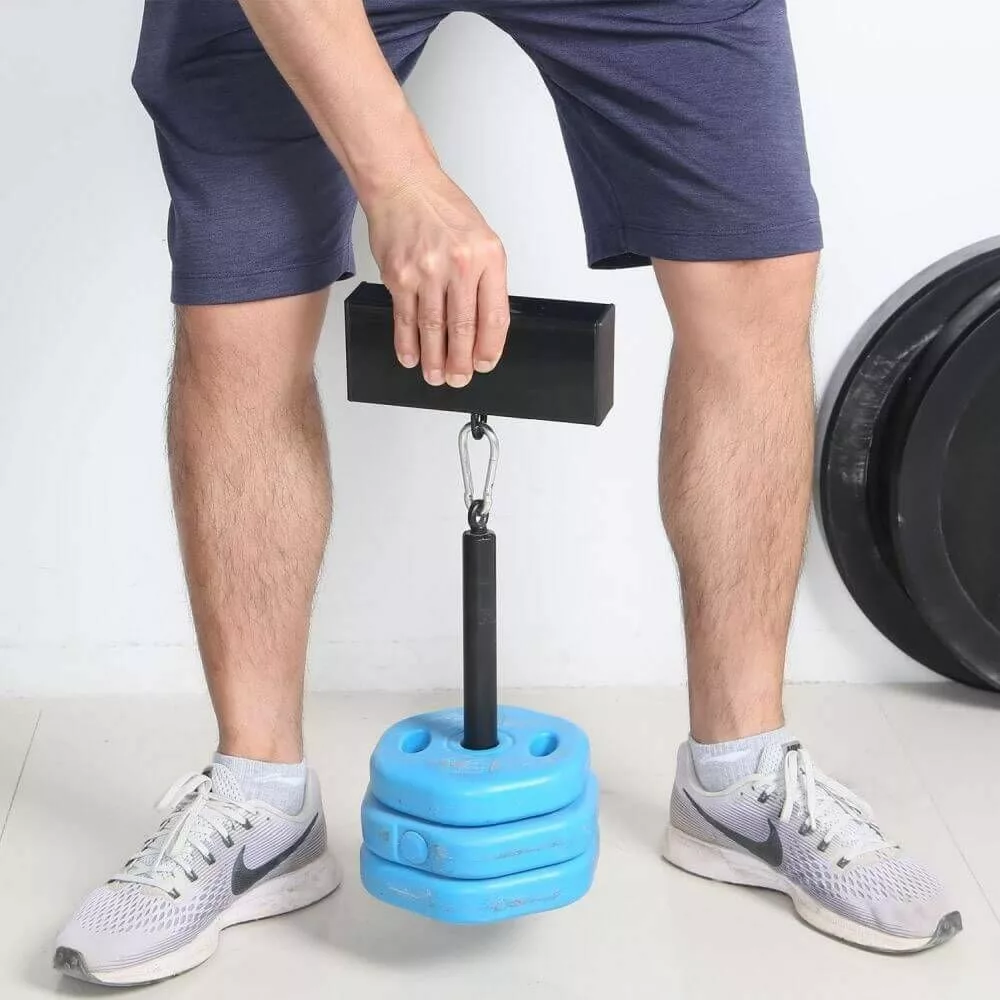
Pinch Grip Training Made Effective in a Simple Way?
Think about your routine’s volume, reps, and frequency to ensure safe progression. Whether you’re just starting out or more advanced, aim to train your pinch grip two to three times a week, focusing on quality over quantity.
This approach helps you safely build those tiny but mighty muscles in your hands. Adequate recovery between sessions is essential, as pinch grip places significant stress on small muscles, tendons, and joints. Gradual progression, combined with attention to discomfort or fatigue signals, supports long-term gains without compromising hand health.
Programming Pinch Grip Into Your Weekly Training
Incorporating pinch grip exercises into your weekly routine can transform your hand strength. Aim for sessions two to three times a week to see steady progress without overtaxing your muscles. This frequency allows sufficient stimulus for adaptation while giving the smaller muscles and connective tissues of the hand time to recover. Because pinch grip places high stress on tendons and joint structures, spacing sessions appropriately is essential for sustainable progress.
Combine pinch grip exercises with crush and support grip workouts, along with wrist training, to develop a well-rounded hand strength regimen. The idea is to integrate various types of grip work to maximize overall hand function. Each grip type contributes uniquely to hand performance, and training them together helps prevent strength imbalances. A balanced approach improves force transfer through the hand and wrist, supporting both athletic performance and everyday tasks.
Warming up is non-negotiable. Gentle stretches for your thumb and fingers can prevent injuries by preparing your muscles for the workload ahead. This simple step is crucial for long-term health. A proper warm-up also increases blood flow to the smaller muscles and improves tendon elasticity, which can reduce stiffness and improve grip responsiveness. Even a few minutes of targeted preparation can make a noticeable difference in comfort and performance.
Depending on your experience level, tailor your routine accordingly. Beginners might start with basic plate pinches as a finishing exercise, while more advanced trainers can include intense pinch grip work as a main lift in their rotation. Progressing gradually allows the hands to adapt structurally as well as neurologically. Advanced practitioners often benefit from cycling intensity and volume to avoid plateaus and minimize cumulative stress on the thumb and finger joints.
Using pinch grip training as a finisher is a great strategy, especially after heavier sessions focused on other muscle groups. Conversely, in lighter sessions, it can serve as a primary focus to challenge those smaller muscles deeply. Strategic placement within a workout helps manage fatigue and ensures pinch grip work enhances rather than interferes with other training goals. This flexibility makes pinch grip training easier to maintain consistently over time.
Remember to balance training with adequate recovery. The hands can be prone to overuse injuries if you don’t listen to your body. Pay attention to how your joints and tendons feel, ensuring you allow time for rest and repair between workouts. Signs such as persistent soreness, joint stiffness, or reduced grip endurance may indicate the need for additional recovery or reduced volume. Respecting these signals helps preserve hand health and supports long-term strength development.
Common Mistakes & How to Avoid Them
Avoid rushing to lift heavier weights. Overloading too quickly can jeopardize your thumb’s position and lead to grip failure or even injury. Start with weights you can comfortably manage, focusing on correct form before upping the load. Pinch grip places significant stress on small joints and connective tissues, especially at the thumb base. Gradual loading allows tendons and ligaments time to adapt, reducing the risk of strain, joint irritation, or sudden loss of control during holds.
Don’t neglect your thumb’s strength. It’s easy to focus just on finger strength, but a balanced grip requires a strong thumb too. Ensure your training routine includes exercises that specifically target thumb muscles. The thumb plays a dominant role in force production and stabilization during pinch grip tasks. Weak thumb musculature often shifts excess load to the fingers and wrist, increasing fatigue and reducing overall grip efficiency.
Watch your technique during plate pinches to prevent unnecessary hand strain. Maintain a controlled grip rather than relying on squeezing as hard as possible. Good form should always trump sheer intensity. Excessive squeezing can create unwanted tension through the wrist and forearm, limiting endurance and increasing joint stress. Controlled pressure allows better force distribution and encourages proper thumb-finger coordination throughout the hold.
Diversify your pinch grip training. Just focusing on one style, like lateral pinches, means you’re missing out on strengthening other crucial grip variations such as the tip pinch. Different pinch styles stress the hand in unique ways, challenging various muscle groups and joint angles. Including multiple variations improves adaptability and prepares the hand for a broader range of functional and athletic demands.
Stay consistent and track your progress. Inconsistent sessions make it hard to see improvement. Regular workouts combined with progress tracking can help you stay motivated and identify what needs adjusting. Tracking hold times, loads, or perceived difficulty helps clarify whether progress is being made sustainably. This feedback loop supports smarter programming and prevents stagnation or unnecessary overreaching.
If you find any of these mistakes familiar, take a moment to reassess your approach. Making small adjustments can have a huge impact on your grip strength outcomes, ensuring long-term improvements without setbacks. Refining technique, balancing workload, and respecting recovery often lead to better results than simply pushing harder. These small changes support resilient hands that continue to perform well over time.
Injury Prevention, Pain Management & Rehab Tips
Common issues like thumb tendonitis or CMC joint irritation can creep up if you aren’t careful about how you’re training. Pay attention to the early warning signs of overuse, such as mild pain or swelling in your thumb and wrist areas. These early signals often indicate that the small muscles, tendons, and ligaments in the hand are being overworked. Addressing them promptly through rest, modification, or technique adjustments can prevent more serious injuries and support long-term pinch grip development.
Implement safe warm-ups and mobility drills before jumping into your pinch grip workouts. These routines help get the blood flowing and prepare your muscles and tendons for the strain of training. Dynamic stretches, gentle thumb rotations, and finger spreads enhance tendon elasticity and joint mobility. By priming these structures, you improve force transmission and reduce the likelihood of sprains, strains, or joint irritation during intense pinch exercises.
Incorporate low-intensity isometric exercises during recovery days to maintain progress without adding stress. These are particularly helpful for preventing finger pulley strains and forearm fatigue. Isometric holds stimulate muscle activity while minimizing joint movement, promoting endurance and tendon health. They also help maintain neuromuscular coordination, so your pinch grip doesn’t regress during periods of reduced intensity.
It’s crucial to recognize when your body needs rest. If you notice persistent pain or discomfort, it’s time to adjust your programming or scale back on intensity for a while. Don’t hesitate to seek medical advice if any symptoms worsen or don’t resolve with rest. Listening to your body prevents chronic overuse injuries, which are common in hand-intensive training. Early intervention, whether through rest, physiotherapy, or modified exercises, preserves both hand function and long-term grip strength potential.
Long-term hand durability requires blending active training with attentive care. Develop a routine that thoughtfully includes both rigorous workouts and ample recovery time. Keeping this balance is key to maintaining strength and function as you age. By strategically alternating intensity, volume, and recovery, you ensure that your pinch grip and overall hand health remain resilient. This balanced approach supports everyday tasks, athletic performance, and prevents degeneration or loss of function over decades.
Conclusion & Next Steps
Pinch grip strength stands out as one of the foundational movements essential for both daily tasks and athletic prowess. Its role in providing power, precision, and control directly impacts how effectively you can perform various activities while safeguarding your hand health for the long haul. Strong pinch grip not only supports lifting, holding, and manipulating objects but also reduces the risk of overuse injuries in the fingers, thumb, and wrist. It lays the foundation for functional hand longevity, enabling smoother execution of both routine and high-demand tasks.
Understanding the benefits of developing a solid pinch grip, from injury prevention to enhanced hand durability, lays the groundwork for incorporating these practices into your lifestyle. The focus has been on practical methods to assess, build, and maintain this strength with exercises and routines tailored to your skill level. Applying these strategies consistently helps create balanced hand mechanics, ensuring the thumb and fingers work in harmony. Over time, this supports improved coordination, endurance, and grip efficiency, which carry over to sports, hobbies, and daily living activities.
To start enhancing your pinch grip immediately, consider setting a routine that reflects the frequency and approach suited to your needs. Simple, regular practice will yield impressive results over time, reinforcing the strength and coordination of your hands. Even short, focused sessions can generate noticeable improvements. Tracking progress through hold duration, weight, or perceived difficulty ensures that gains are measurable and that your training remains purposeful and safe.
Explore related movements like crush grip and support grip to complement your pinch grip training. This diverse approach ensures a comprehensive hand strength regimen that supports both everyday functionality and peak athletic performance. Integrating multiple grip types develops overall hand resilience, protects joints and tendons, and ensures that your grip strength translates effectively to varied activities: from carrying groceries to high-intensity sports or climbing.
Thanks for Stopping By!
Which Grip Exercise Has Made a Difference for You?
Share Your Experience in the Comments