(Last Updated on August 28, 2026 by Henry)
Your Beginner Pinch Grip Training Checklist
Pinch grip is one of the most useful types of grip strength to understand because it works differently from the familiar squeezing action of a hand gripper.
Instead of wrapping your fingers around an object and squeezing it into your palm, pinch grip relies heavily on your thumb and fingers pressing toward each other.
This simple difference changes which parts of your hand are challenged and explains why someone can have a strong crush grip while still struggling with pinch-heavy tasks.

You use pinch grip in everyday life more often than you might realize.
Picking up a plate by its edge, turning pages, carrying a flat object, handling tools.
Or lifting certain objects between your fingertips and thumb all require some degree of pinch strength.
For beginners, pinch training doesn’t need to be complicated.
You can start with simple objects or dedicated pinch-grip equipment
Gradually increase the resistance as your fingers and thumb become better at producing and maintaining force.
A beginner-friendly approach should focus on:
- Learn the basic pinch position – Place the thumb on one side of the object and your fingers on the opposite side, creating pressure between them rather than simply squeezing everything into your palm.
- Start with manageable resistance – Pinching a weight that is too heavy can quickly overwhelm the fingers and thumb. Begin with a load you can control without excessive strain.
- Use several fingers effectively – Don’t rely entirely on the thumb or only the strongest fingers. Learning to distribute the load helps create a more stable and useful pinch.
- Progress gradually – Increase the load, hold time, distance, or difficulty as your pinch improves rather than jumping straight into maximal attempts.
- Give your fingers time to recover – Your fingers and thumbs already work throughout the day. Recovery becomes especially important when you introduce direct pinch training.
Pinch grip is also a great reminder that grip strength isn’t one single ability. Training different grip movements gives your hands a broader foundation instead of simply making one type of squeeze stronger.
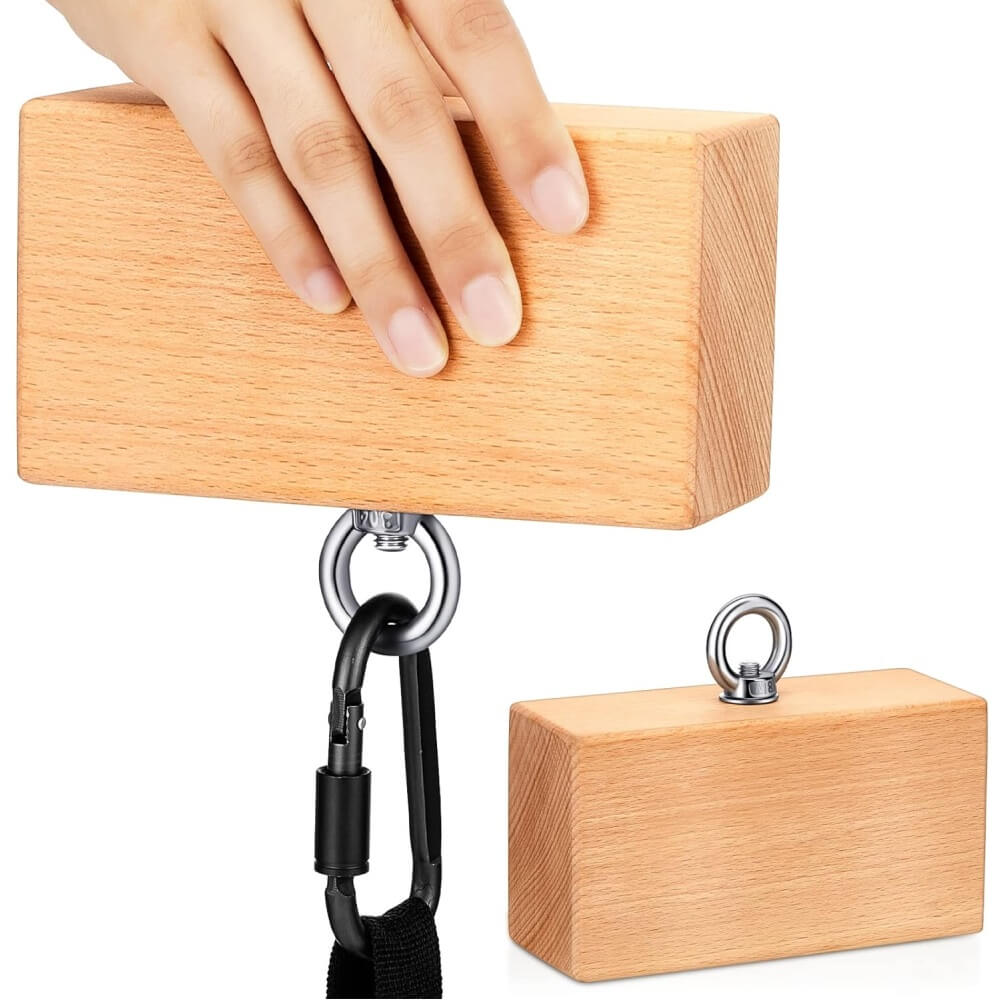
Here are top tips to improve your pinch lifts, specifically with pinch blocks.
How Pinch Grip Works
Pinch grip looks simple from the outside, but several structures work together whenever you lift or hold an object between your thumb and fingers.
The thumb provides one side of the pinch while the fingers provide the opposing force. The muscles responsible for finger movement are largely located in the hand and forearm, with tendons transmitting their force toward the fingers.
This creates a very different demand from a conventional gripper.
With crush grip, your fingers primarily close toward the palm. With pinch grip, your fingers and thumb must oppose one another to keep the object from slipping.
That makes thumb strength particularly important.
Your thumb also has to stabilize the object while the fingers maintain pressure. As the object becomes heavier, wider, smoother, or more awkward to hold, the challenge can increase considerably even when the weight itself hasn’t changed.
A useful way to think about the movement is:
Thumb presses inward → fingers oppose the thumb → hand stabilizes → grip maintains the object.
This is why pinch training can feel surprisingly difficult when you’re trying it for the first time.
It also explains why traditional grip exercises don’t automatically develop every aspect of pinch strength. A strong crush grip gives you a useful foundation, but the thumb-to-finger opposition involved in pinching deserves specific practice.
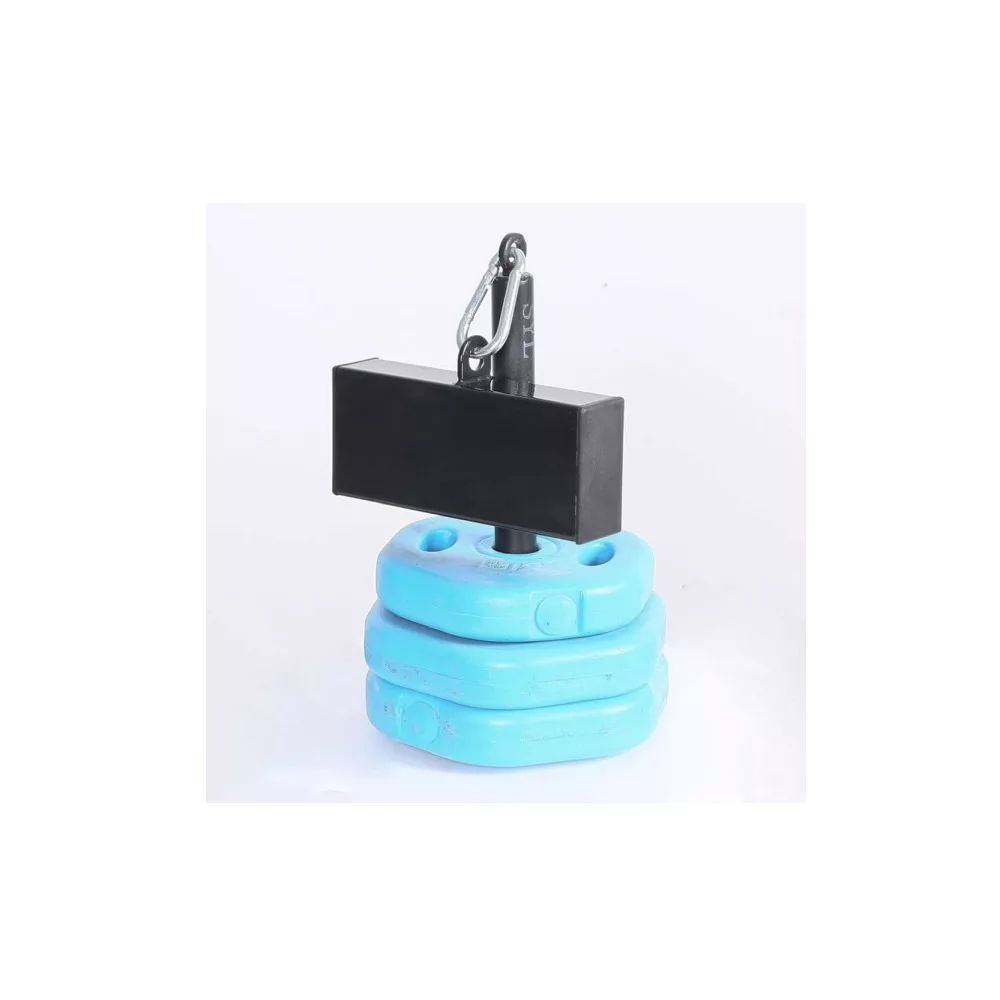
Pinch Grip Training Made Effective in a Simple Way?
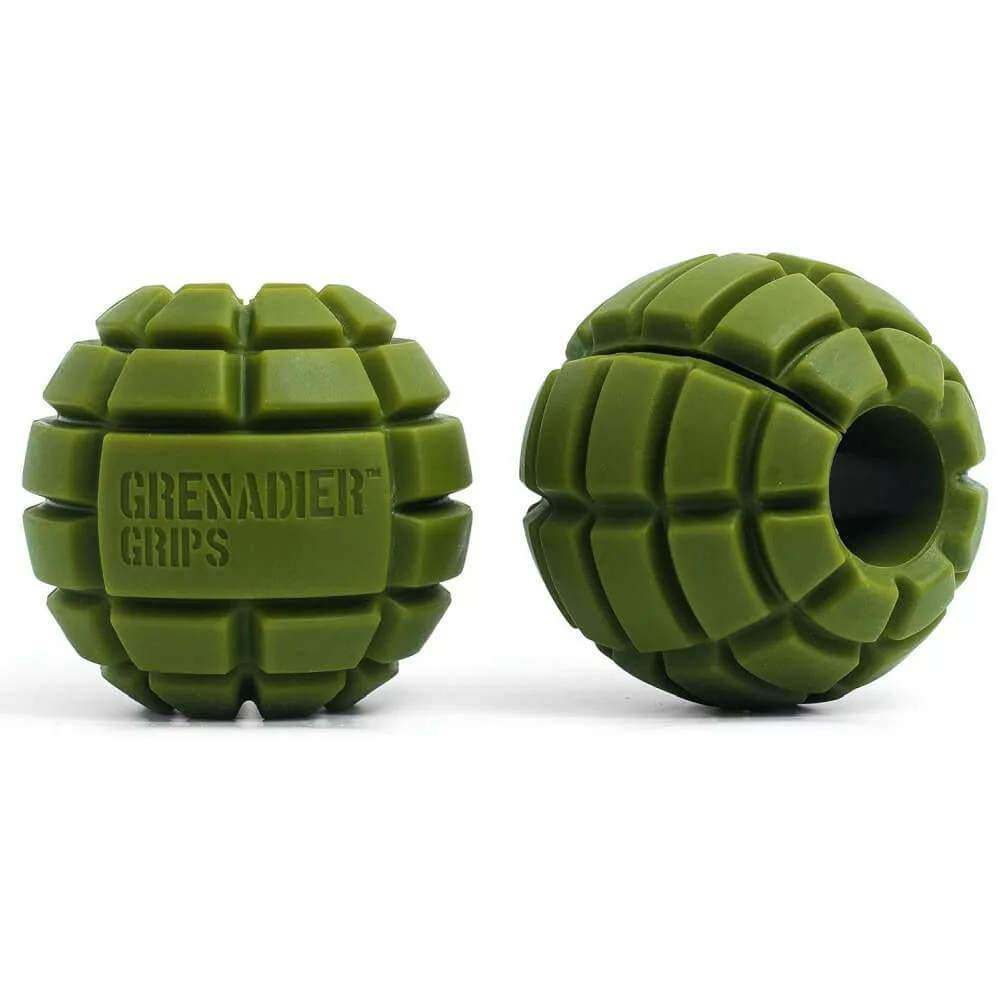
Unique Fat Bar Adaptors to Target Your Pinch Grip?
Pinch grip deserves its own place in a beginner’s training system because it challenges the hand differently from crush and support grip.
Start with manageable resistance, focus on a secure thumb-and-finger position, and build your ability gradually.
Over time, you can progress from simple holds to heavier lifts and more demanding pinch implements.
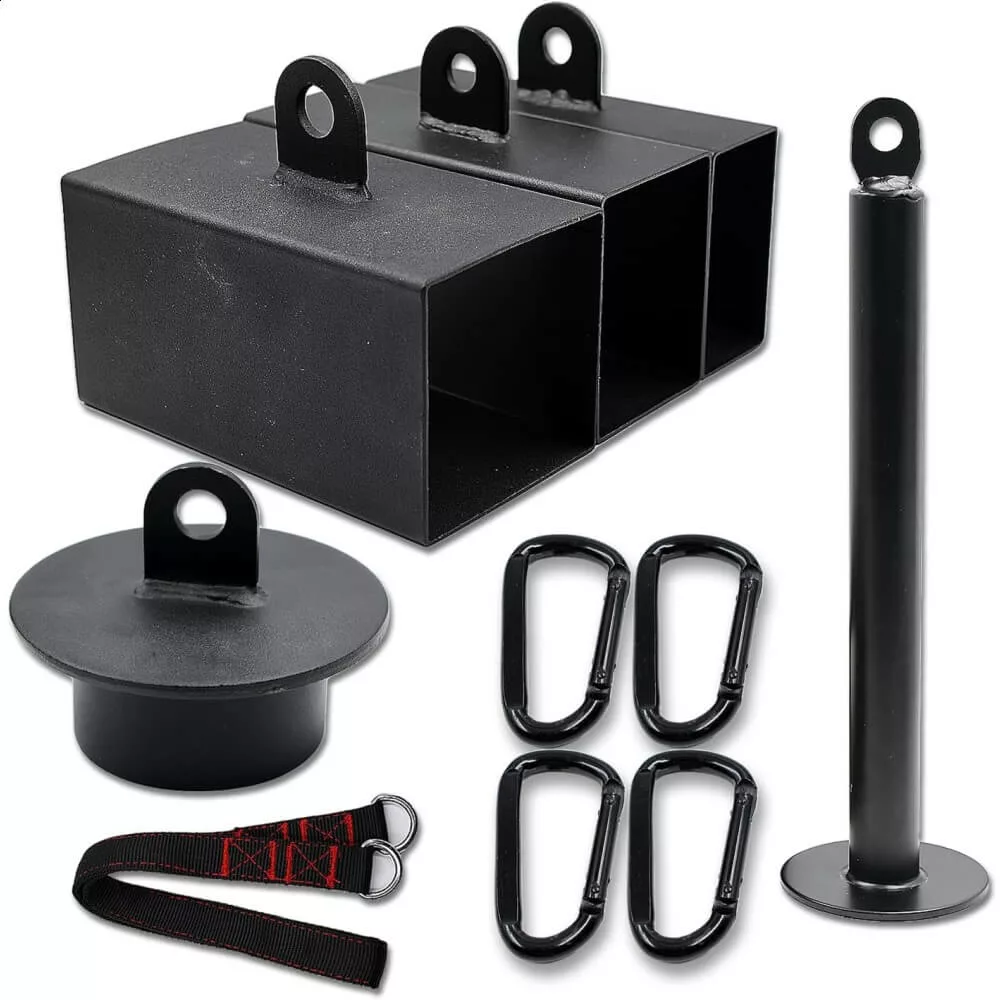
Complete Pinch Grip Training System for Serious Thumb Strength
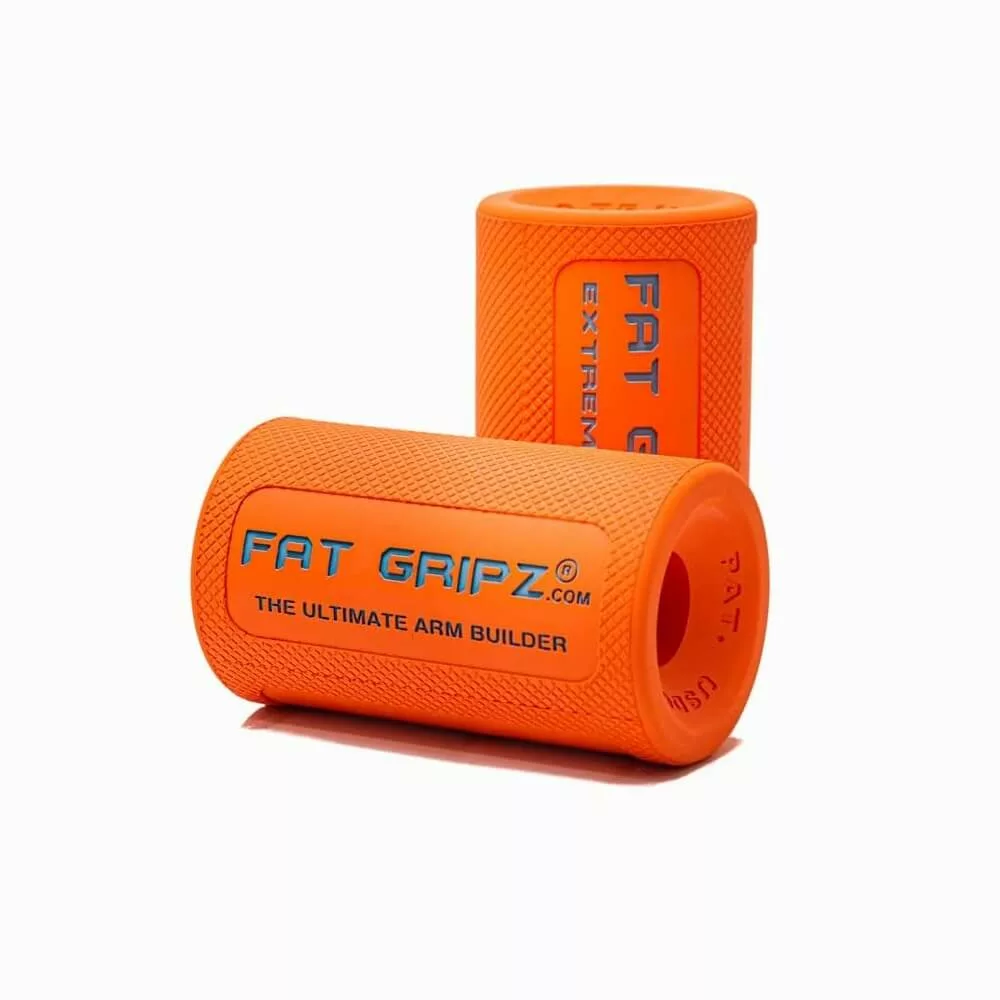
Massive Thick-Grip Training for Elite Forearm Strength
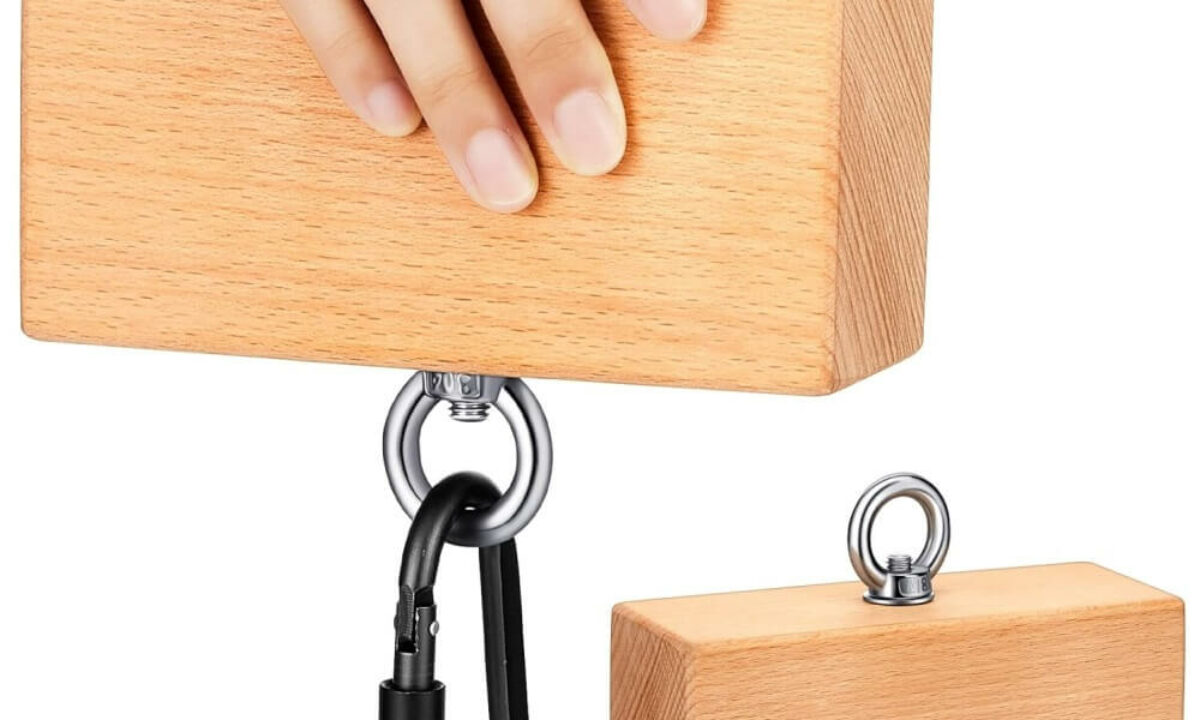
Train Your Thumbs with a Simple Pinch Block
You don’t need extraordinary finger strength to begin.
You simply need an appropriate starting point and enough patience to let your hands adapt.
Recommended Next Reads
A stronger pinch gives your fingers and thumb a job
they can’t learn from squeezing alone.
Key Takeaway
Pinch grip is the ability to hold an object between your thumb and fingers by creating opposing pressure. It develops a different aspect of hand strength than crush grip, making it an important part of a complete beginner grip-training system.
Start light, learn the movement, progress gradually, and give your fingers and thumb enough recovery to adapt.
Thanks for Reading!
Have You Tried Pinch-Grip Training Before?
Tell Us which Exercise or Tool You Use in the Comments!