(Last Updated on October 12, 2026 by Henry)
The Problem With Hand Anatomy
Most beginners think grip training starts and ends with squeezing a hand gripper.
In reality, your grip is the result of dozens of structures working together behind the scenes. Every time you carry groceries, shake someone’s hand, open a jar, or hang from a pull-up bar, your muscles, tendons, joints, and nerves are all doing their part.
The problem is that many people never learn what those structures actually do.
As a result, they end up training harder instead of training smarter.
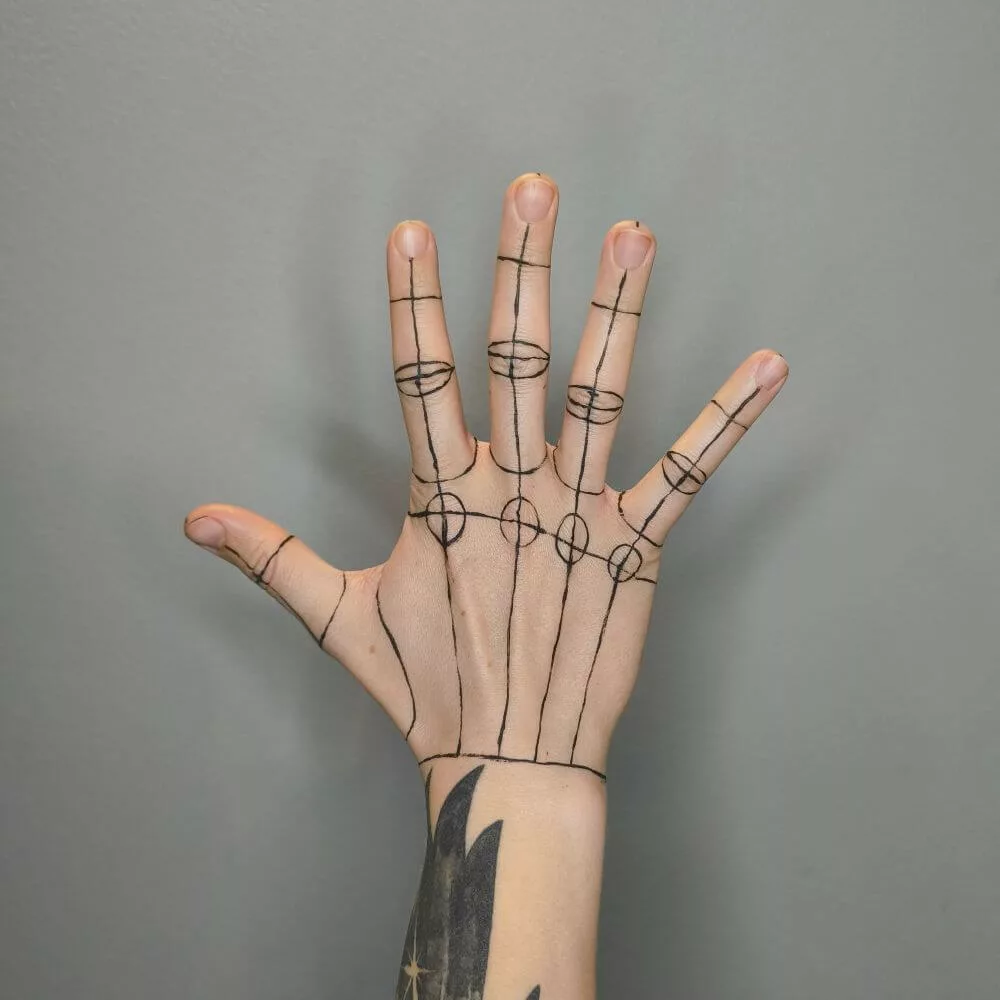
Most beginners think grip strength starts in the hand.
In reality, your hands are simply the end of a much larger system that begins in the forearm and runs through muscles, tendons, joints, and nerves.
The good news? You don’t need a medical degree to understand hand anatomy.
You only need to understand three things:
- Which structures create force.
- Which structures transfer force.
- Which structures keep everything moving smoothly.
Once you understand those basics, grip training becomes much easier to understand.
Knowing the ins and outs of hand anatomy is a game-changer when it comes to grip training.
If you’ve ever wondered why your grip strength isn’t improving as much as you’d like, it might be time to learn about what happens inside your hand.
Understanding the structure lays a solid foundation for boosting performance because it directly affects how effectively you can train and utilize your hand’s potential.
Another major benefit of learning hand anatomy is injury prevention. Nobody wants to spend weeks recovering from an avoidable issue. Understanding how your muscles, tendons, and joints work together helps you recognize warning signs before they become bigger problems.
It’s also empowering. Once you understand what’s happening beneath the skin, grip training starts making sense. You’re no longer blindly following exercises; you understand why you’re doing them and what they’re supposed to improve.
Many experienced lifters, climbers, and athletes eventually reach the same conclusion:
Understanding anatomy doesn’t just improve performance; it improves confidence.
After all, it’s much easier to train something when you understand how it works.
Hand & Forearm Anatomy Explained
(educational anatomy animation)
Your grip isn’t a single muscle. It’s an entire system.
The sooner you think about it that way, the sooner your training begins to make sense.
The Major Structures Of The Hand And Forearm
Your hands may look simple from the outside, but underneath the skin is an incredibly complex system designed for strength, precision, and endurance. Understanding the major structures involved in gripping gives you a huge advantage as a beginner because it helps explain why some exercises work, and why others don’t.
At the foundation are the bones. Each hand contains 27 bones working together to create stability and movement. The phalanges (finger bones) and metacarpals (bones of the palm) form the framework that allows you to squeeze, pinch, and support objects of all shapes and sizes.
However, bones don’t generate force.
That job belongs primarily to the muscles of the forearm.
Many beginners are surprised to learn that most of the muscles responsible for grip strength aren’t actually located in the hand itself. The large flexor muscles on the front of your forearm close the hand, while the extensor muscles on the back open it again. Every time you carry groceries, perform a deadlift, or hold onto a pull-up bar, these muscles are doing the heavy lifting.
Think of your hand as the “tool” and your forearm as the “engine.”
The stronger and more balanced the engine becomes, the better the tool performs.
Then there are the tendons, the thick connective tissues that attach muscles to bones. Tendons act like cables, transferring force from your forearm muscles into your fingers. They’re incredibly strong, but they also adapt more slowly than muscles, which is why many grip-related injuries occur when beginners increase training volume too quickly.
Ligaments deserve some attention as well. These structures stabilize joints and help keep everything aligned while moving under load. Healthy ligaments contribute to grip reliability, especially during repetitive activities.
Finally, we have nerves. Your nervous system controls every squeeze, adjustment, and micro-movement your hands perform throughout the day. Without efficient nerve signaling, grip strength would be clumsy and inconsistent regardless of muscle size.
Understanding these structures changes the way you view grip training. You’re no longer “just squeezing harder.” You’re training an entire system of bones, muscles, tendons, ligaments, and nerves to work together more efficiently.
Quick Anatomy Snapshot:
Once you understand the pieces of the puzzle, grip training becomes much easier to understand and significantly easier to improve.
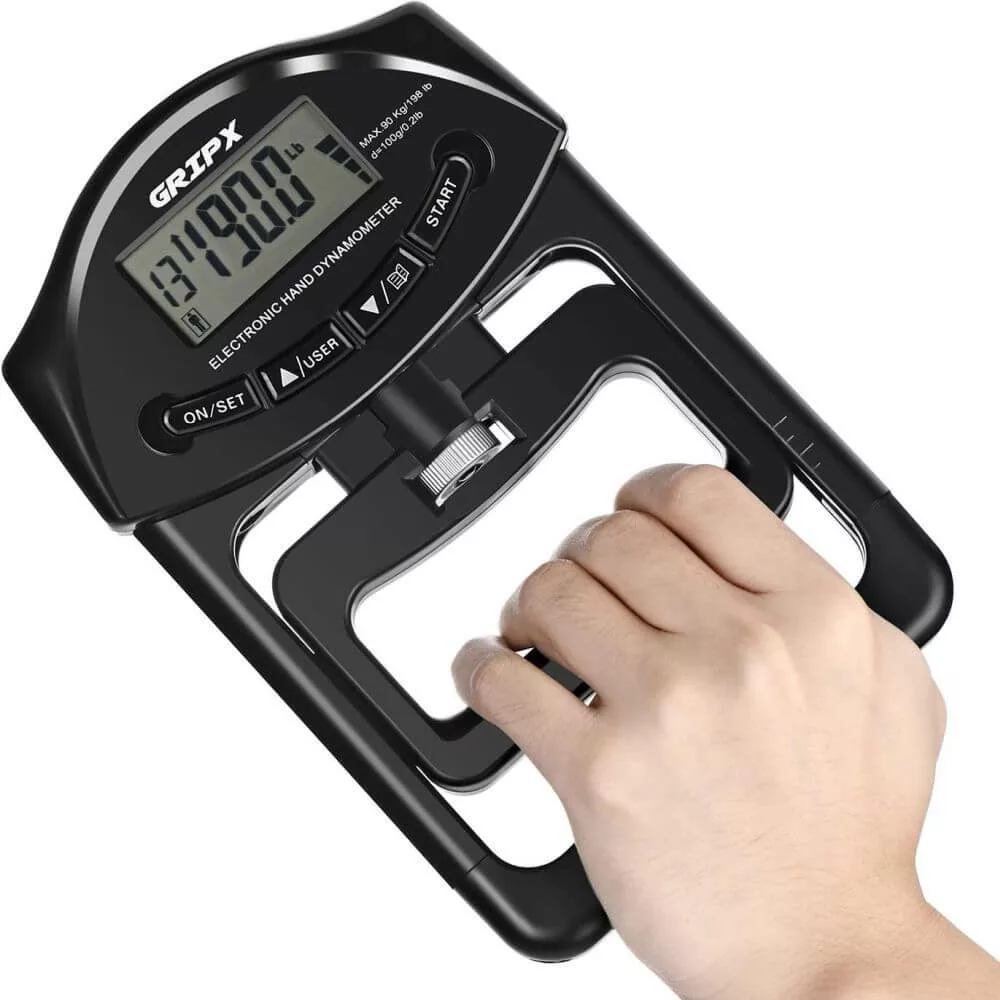
The Best Grip Dynamometer for Home, Sports, & Clinical Use?

Budget Grip Strengthener Kit With 5 Trainers
How Muscles, Tendons, And Joints Work Together
Knowing the individual parts of the hand is helpful, but real grip strength comes from understanding how they work together.
Imagine trying to perform a pull-up. The moment your hands touch the bar, several systems immediately spring into action.
Your forearm muscles generate force.
Your tendons transfer that force into your fingers.
Your joints position the hand for optimal leverage.
Your nervous system constantly makes tiny adjustments to maintain control.
If even one piece struggles, your grip suffers.
This is why grip strength isn’t simply about having “strong hands.” It’s the result of multiple structures operating in perfect synchronization.
Muscles are the easiest part to train because they respond relatively quickly. After a few weeks of regular exercise, you’ll often notice improvements in strength and endurance. Tendons, however, operate on a much slower timeline. They can take months to fully adapt, which explains why beginners sometimes feel stronger long before their connective tissue catches up.
This mismatch creates one of the biggest traps in grip training.
Your muscles may feel ready for more weight,
but your tendons haven’t necessarily received the memo.
Joints play an equally important role. Every finger contains multiple joints that provide the mobility needed for gripping, pinching, and manipulating objects. Healthy joints allow you to apply force efficiently without pain or instability.
Meanwhile, your nervous system acts as mission control.
Have you ever caught a falling phone without thinking? That’s your nervous system coordinating dozens of muscles in milliseconds. Grip isn’t purely physical; it’s neurological too.
Understanding this relationship explains why balanced training matters so much. If you only train crushing strength while ignoring finger extension, mobility, or recovery, you’re strengthening one piece of the machine while neglecting the others.
A well-developed grip system includes:
- Strength for producing force.
- Endurance for sustaining effort.
- Mobility for efficient movement.
- Stability for protecting joints.
- Coordination for precision and control.
The goal isn’t to create the strongest hand possible.
It’s to create the most reliable hand possible.
For beginners, this is an important distinction.
Reliable hands perform better not only in training but also in everyday life, from carrying luggage to opening jars and working at a keyboard for hours without discomfort.
Understanding how muscles, tendons, joints, and nerves cooperate lays the groundwork for everything you’ll learn throughout Stage 2 of the Beginner Hub.
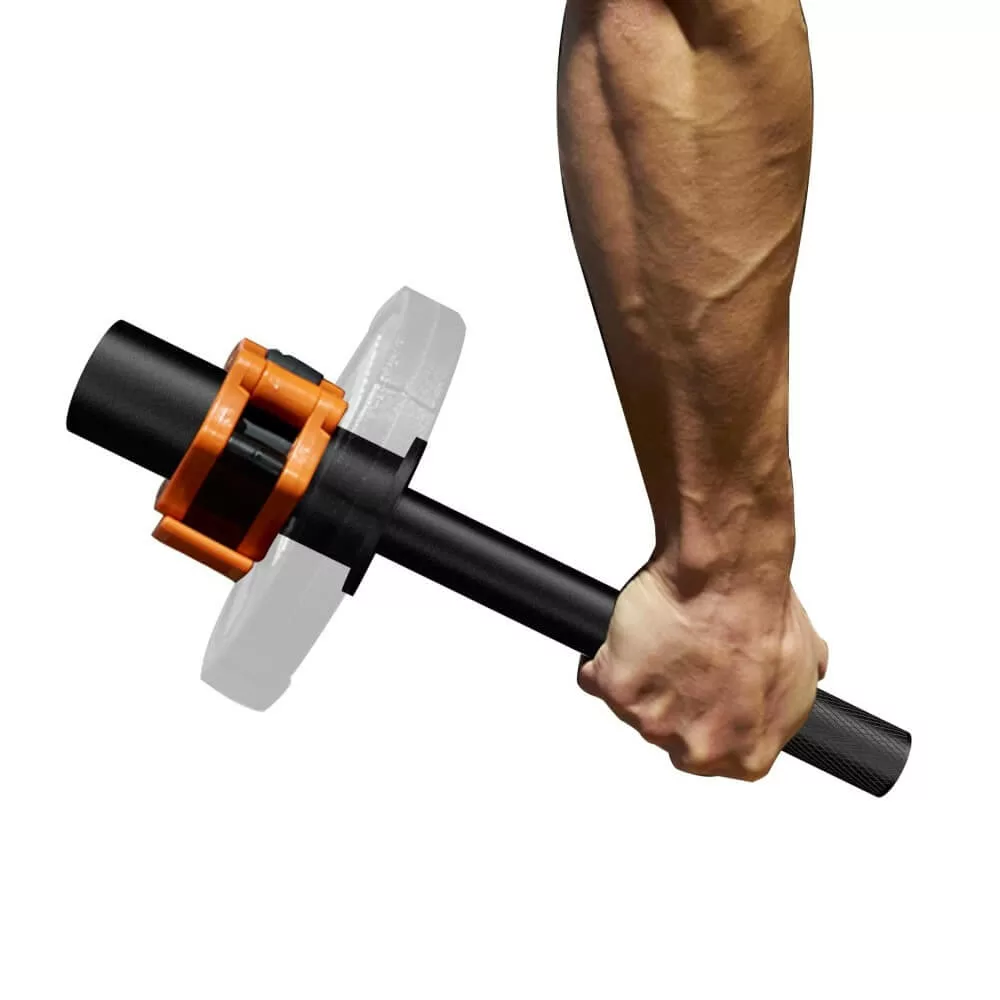
Wrist Strength Without Weak Links: Build Forearm Power & Control

The Iconic Grip Workhorse for Serious Strength?

Why are Handbands Staple to Build Hand Muscle Balance?
How Grip Strength Actually Works
(hand biomechanics demonstration)
You’ll learn that anatomy is only the 1st piece of the puzzle. Tendon adaptation, recovery, frequency, and progressive overload all play equally important roles in long-term development.
For now, remember this: Your hands are remarkably sophisticated tools.
Treat them with the same attention and respect you’d give any other important piece of equipment, and they’ll continue serving you well for decades.
The strongest grip isn’t built by training the hardest. It’s built by understanding the body well enough to train intelligently.
Key Takeaway
Understanding hand anatomy won’t instantly make you stronger.
It will help you train smarter, recover better, & avoid mistakes that keep beginners stuck.
In the long run, that’s exactly what builds stronger, healthier, and more reliable hands.
Thanks for Reading!
Which Grip Progression Tips Have Made a Difference for You?
Share Your Thoughts in the Comments!