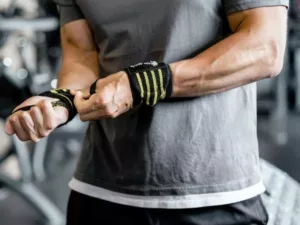
(Last Updated on August 28, 2026 by Henry)
Your grip training should complement your workouts, not compete with them
Grip strength rarely exists in isolation.
If you lift weights, climb, practice calisthenics, train martial arts, play sports, or even perform physically demanding work, your hands and forearms are already involved.
Adding dedicated grip training to the mix can be extremely useful, but it also means you need to consider the total amount of stress your hands are receiving.
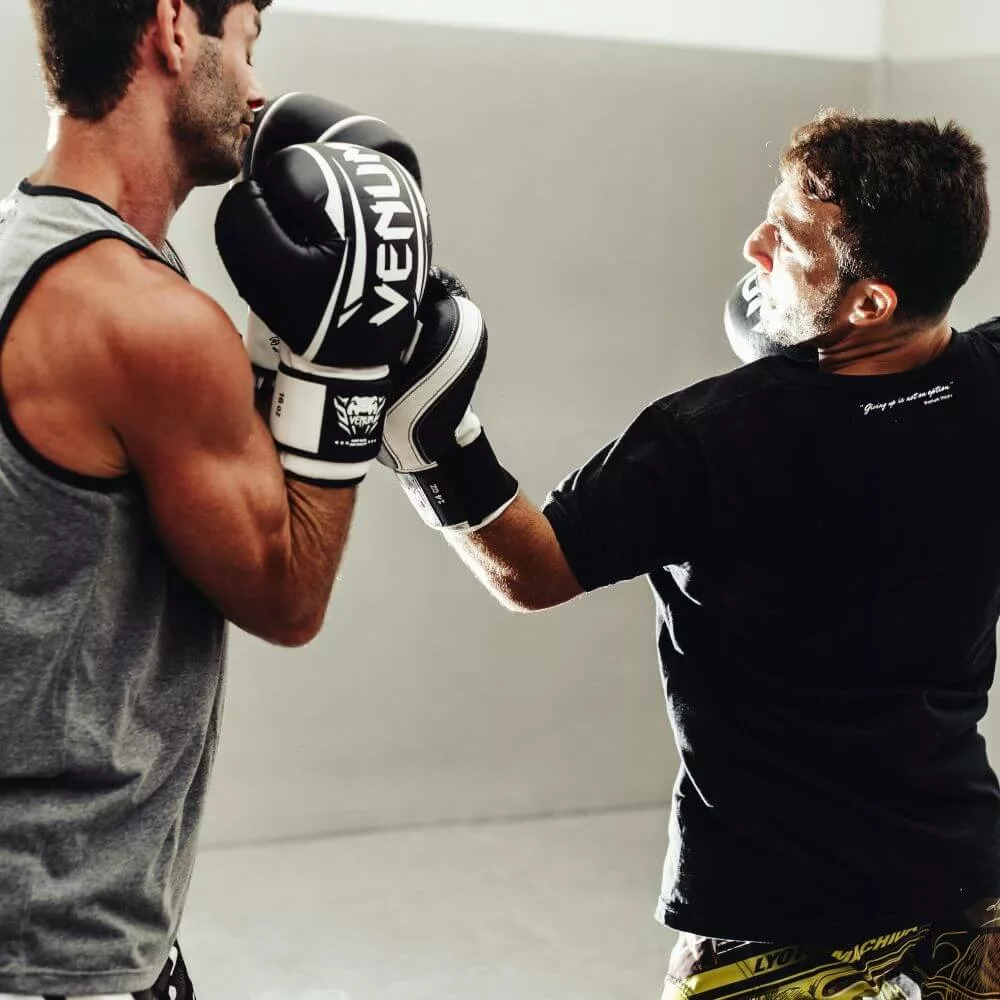
This is where beginners sometimes run into trouble.
They create a grip routine that looks perfectly reasonable on paper.
Only to discover that their hands are already tired from deadlifts, pull-ups, rows, carries, climbing, or other exercises.
The answer isn’t necessarily to avoid grip training.
It’s to integrate it intelligently.
A well-designed training week considers which workouts already challenge your grip, when your hands need to be fresh, and where dedicated grip exercises can provide additional benefits without interfering with your main training.
The good news is that grip work is flexible.
You can place it before a workout when grip performance is a priority, after a workout when it isn’t, or on separate days when you want to give it your full attention.
The key is understanding what each workout demands from your hands and adjusting your grip training accordingly.
Here’s a simple & practical grip training method that everyone can do, anywhere,
requiring no special equipment, just a simple rubber band & a towel.
Understand How Your Other Workouts Already Train Your Grip
Before adding dedicated grip exercises, take a look at what you’re already doing.
Many compound exercises provide substantial grip training without being labeled as grip exercises. Deadlifts, rows, pull-ups, kettlebell work, farmer’s walks, and many other movements require you to hold onto an external load.
This doesn’t mean these exercises completely replace dedicated grip training. Instead, they contribute to your overall grip workload.
For example, someone performing several heavy pulling exercises each week may already place considerable stress on their support grip. Adding large amounts of additional static holds could provide little extra benefit while making recovery more difficult.
On the other hand, someone whose training consists mostly of machines or exercises that don’t challenge the hands may have plenty of room for dedicated grip work.
Start by identifying your existing grip demands
- Deadlifts and rows – These heavily involve your ability to maintain a secure grip while moving substantial loads.
- Pull-ups and chin-ups – Your fingers, hands, and forearms must continuously support your bodyweight.
- Farmer’s walks and carries – These provide direct support-grip work while also challenging your ability to maintain a hold over time.
- Kettlebell training – Different exercises can challenge crushing, supporting, and wrist-control abilities in varying ways.
- Climbing and similar sports – Finger and grip demands can already be extremely high, making additional training something that needs to be introduced carefully.
- Machines and lower-body-focused workouts – These may place relatively little demand on your grip, creating more opportunities for dedicated hand training.
Once you understand your existing workload, you can decide where grip training actually adds something useful.
This is much more effective than simply adding grip exercises to every workout.
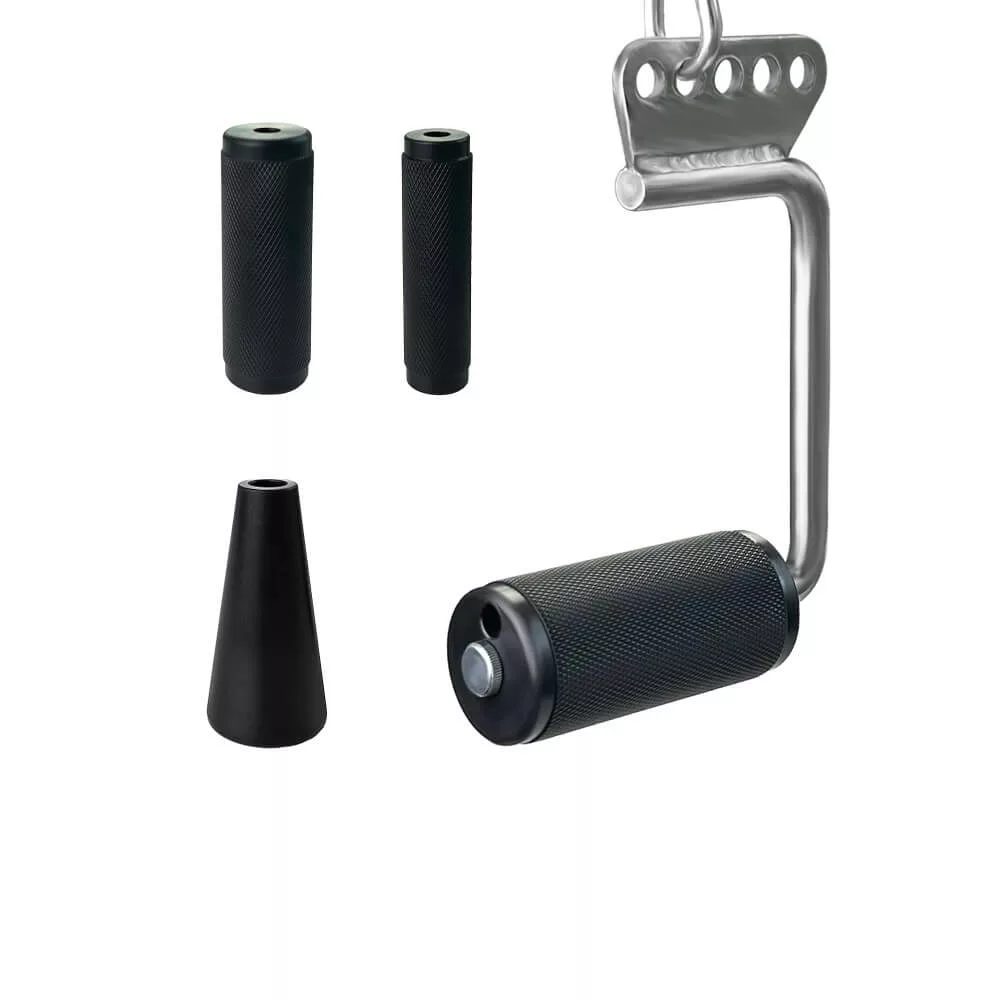
Versatile Multi-Grip Cable Attachment for Arm Wrestling Strength
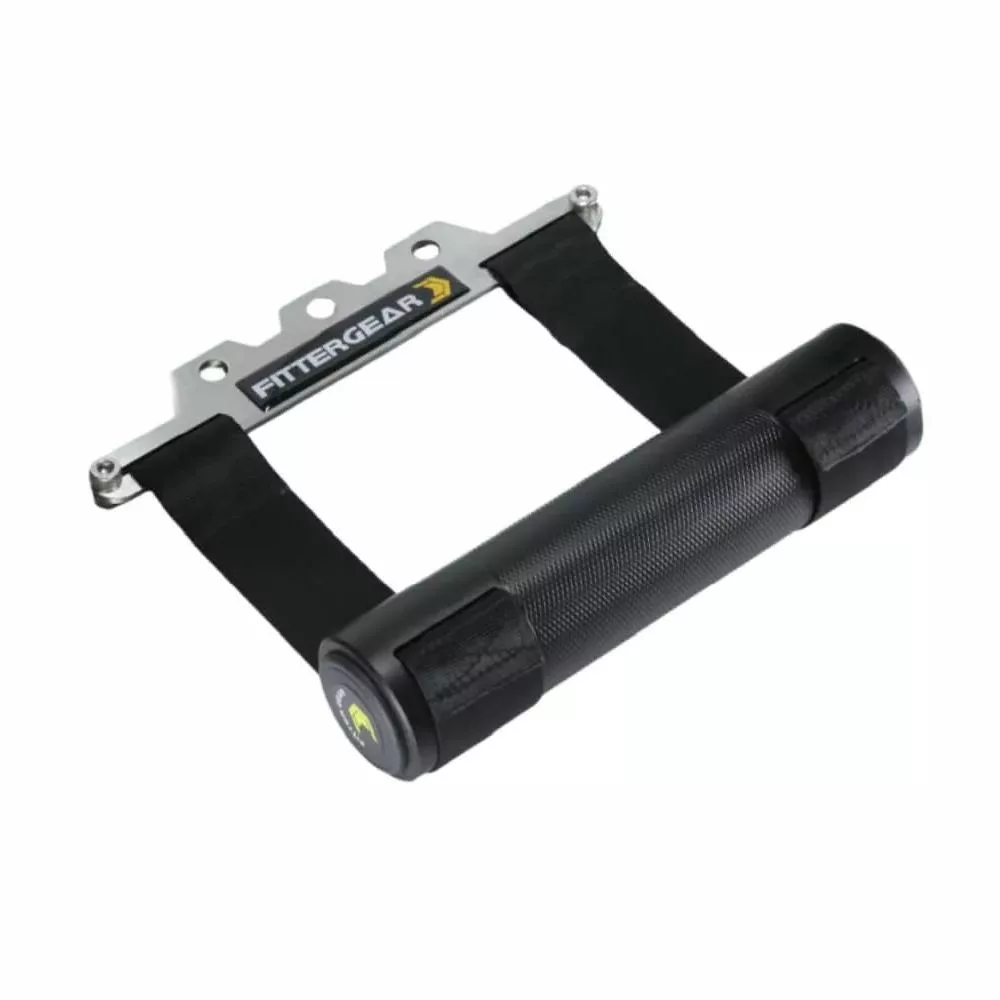
Heavy-Duty Wrist-Wrench for Cupping Power & Forearm Endurance

Transform Every Barbell into Axel with Fat Bar Handles?
The equipment you already use can also change the grip demands of an exercise.
A thicker handle, different attachment, or specialized implement can make an otherwise familiar movement substantially more demanding for the hands and forearms.
That gives you another way to develop grip without necessarily adding an entirely separate workout.
Avoid Doubling Up on Grip Stress
One of the easiest mistakes is looking at exercises individually instead of looking at the entire week.
A workout might not seem particularly demanding for your hands by itself. But when several grip-heavy sessions are stacked together, the cumulative workload can become significant.
Imagine performing heavy deadlifts on Monday, pull-ups on Tuesday, dedicated grip training on Wednesday, rows on Thursday, and climbing on Friday.
Each individual session might seem reasonable.
Together, they create a very different picture.
This is particularly important because your grip isn’t just your finger muscles. Your hands, wrists, forearms, tendons, and other supporting tissues all contribute to the overall system.
Look at your week as a whole
A useful approach is to identify your high-grip-demand days first.
If Monday already includes heavy deadlifts and loaded carries, you probably don’t need to turn Monday into a second dedicated grip marathon.
Instead, you could use a short, targeted session later in the week that addresses a movement your regular training doesn’t cover. For example, if your normal workouts already provide plenty of support-grip work, dedicated pinch or finger-extension training may give you more useful variety than simply adding more holds.
This is where movement-based programming becomes particularly valuable.
You’re not just asking, “How can I train my grip more?”
You’re asking, “Which part of my grip isn’t being trained enough?”
That small change in thinking can make your training much more efficient.
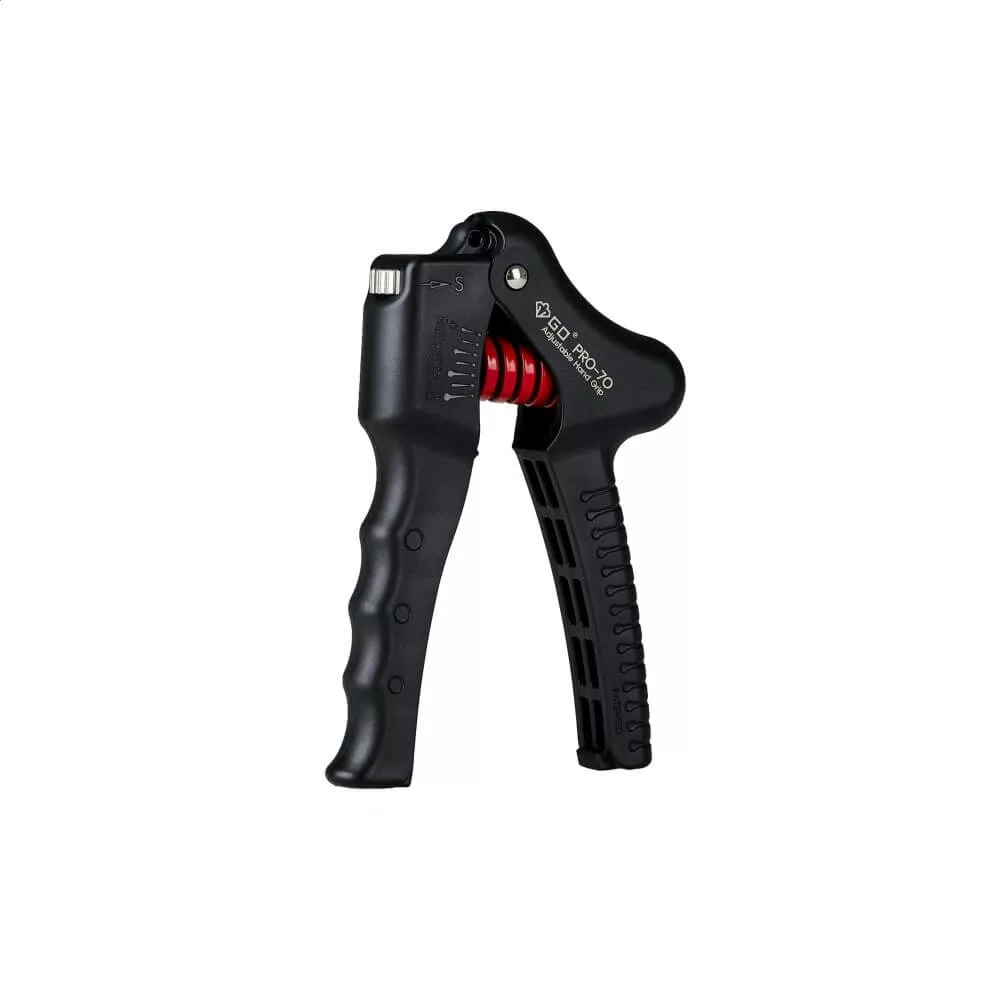
Adjustable Grip Trainer for Steady Strength Progression
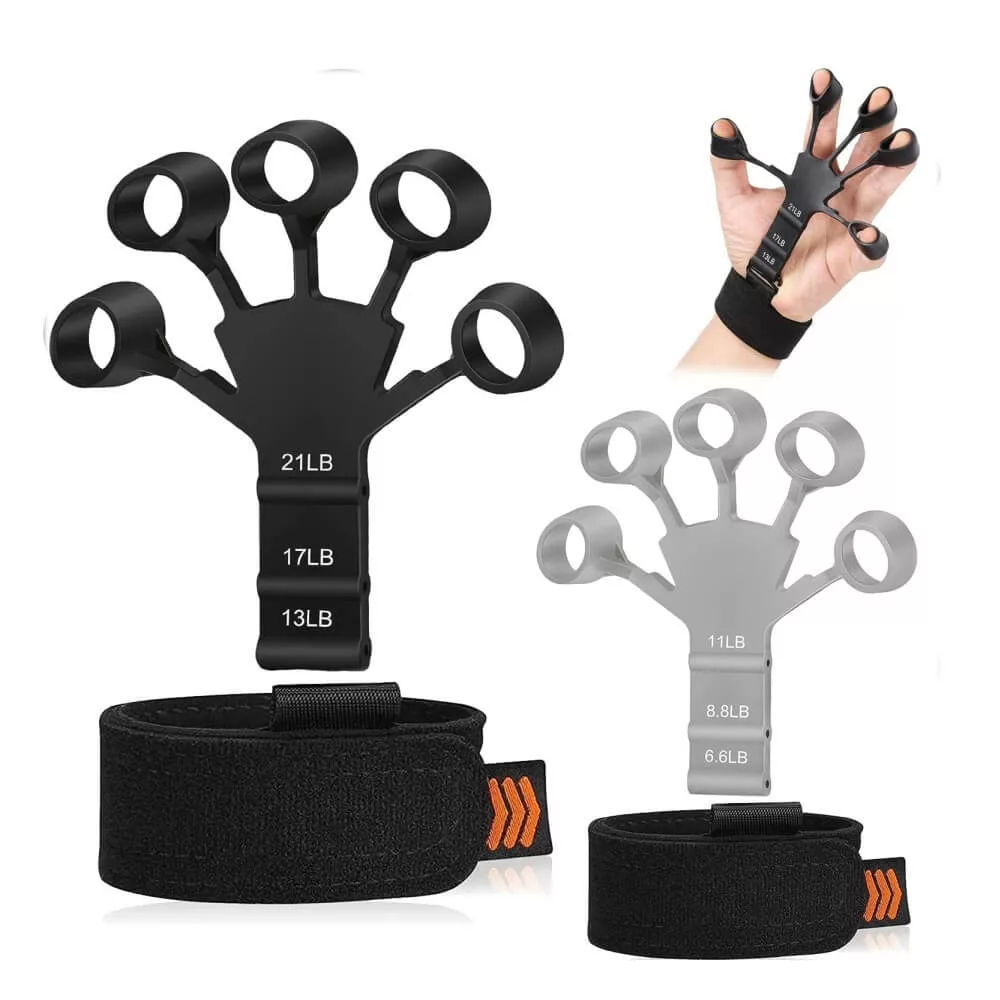
Fun & Affordable Way to Rehab Weak Hands
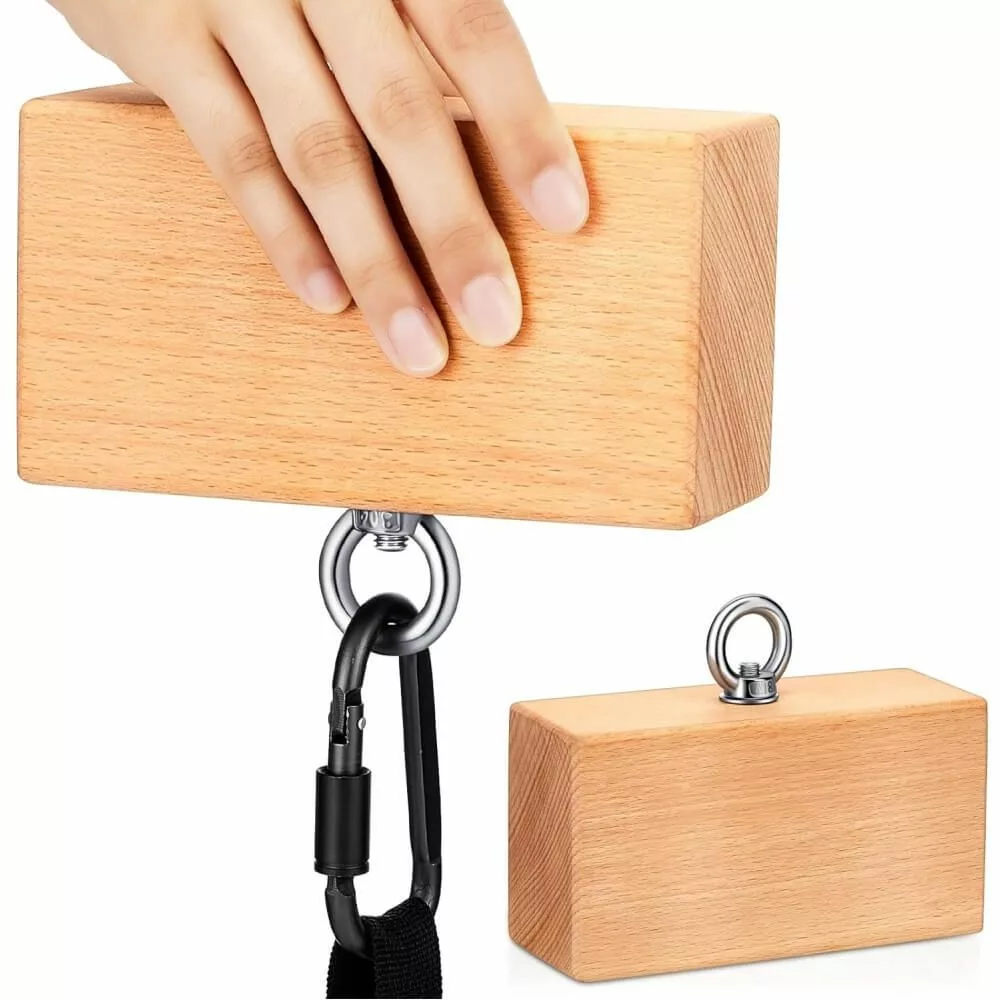
Train Your Thumbs with a Simple Pinch Block
The same principle applies to sports.
A climber may need to be conservative with additional finger work because climbing already provides a large finger-training stimulus.
A weightlifter may have more room for pinch or extension work because their normal training emphasizes supporting a barbell rather than isolated finger strength.
Your existing activity should determine what you add, not the other way around.
Make Grip Training Part of the Bigger Picture
Grip strength is involved in far more activities than dedicated grip exercises.
That’s why combining grip training with your existing workouts requires a little more thought than simply adding another session to your calendar.
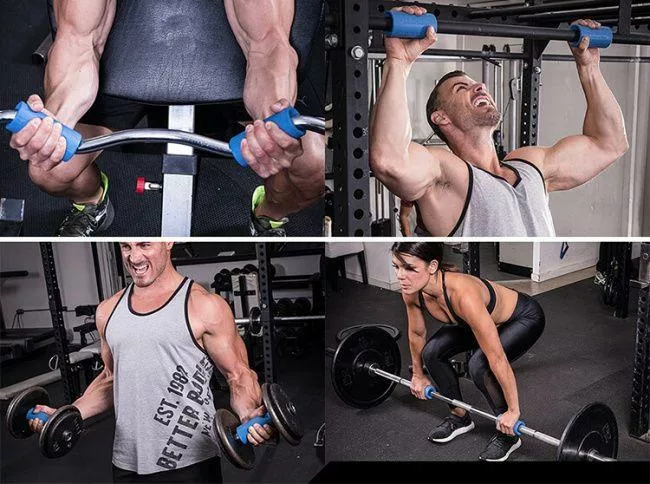
Look at the demands you’re already placing on your hands. Identify the grip qualities that are receiving plenty of work and the ones that aren’t. Then use dedicated exercises to fill those gaps.
This approach keeps your training focused.
You don’t need to train every movement with maximum intensity. You don’t need a separate grip workout every day. And you certainly don’t need to chase fatigue just to feel like you’ve accomplished something.
Instead, build your week around your priorities, distribute demanding sessions intelligently, and give your hands enough time to adapt.
As your training becomes more advanced, your grip work can evolve with it.
Recommended Next Reads
The strongest grip routine is the one that makes everything else you do better,
not the one that leaves your hands too tired to train.
Key Takeaway
Combining grip training with other workouts is mostly about:
Managing total workload rather than simply adding more exercises.
Your deadlifts, rows, pull-ups, carries, climbing, and other activities already contribute to grip development.
Use dedicated grip training to strengthen the areas that need additional attention, place it where it won’t interfere with your priorities, and adjust the workload according to recovery.
That gives you a grip-training system that supports your entire training routine instead of competing with it.
Thanks for Reading!
How Do You Combine Grip Training with Your Other Workout?
Share Your Thoughts in the Comments!