(Last Updated on October 12, 2026 by Henry)
- Name: GD Adjustable Grip Trainer
- Category: Adjustable Hand Grippers
- Purpose: Crushing grip strength
- Rating: 4.5 / 5 Stars
- Availability: Amazon (Prime Delivery)
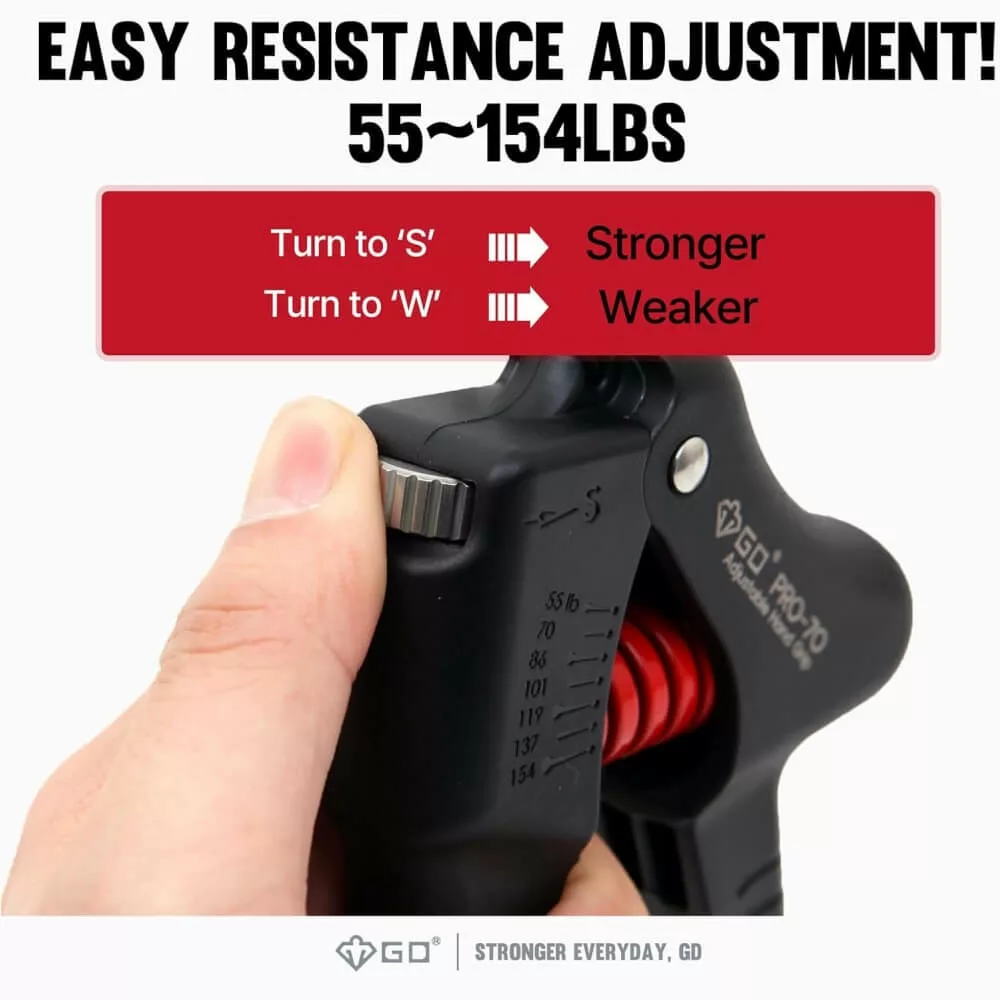
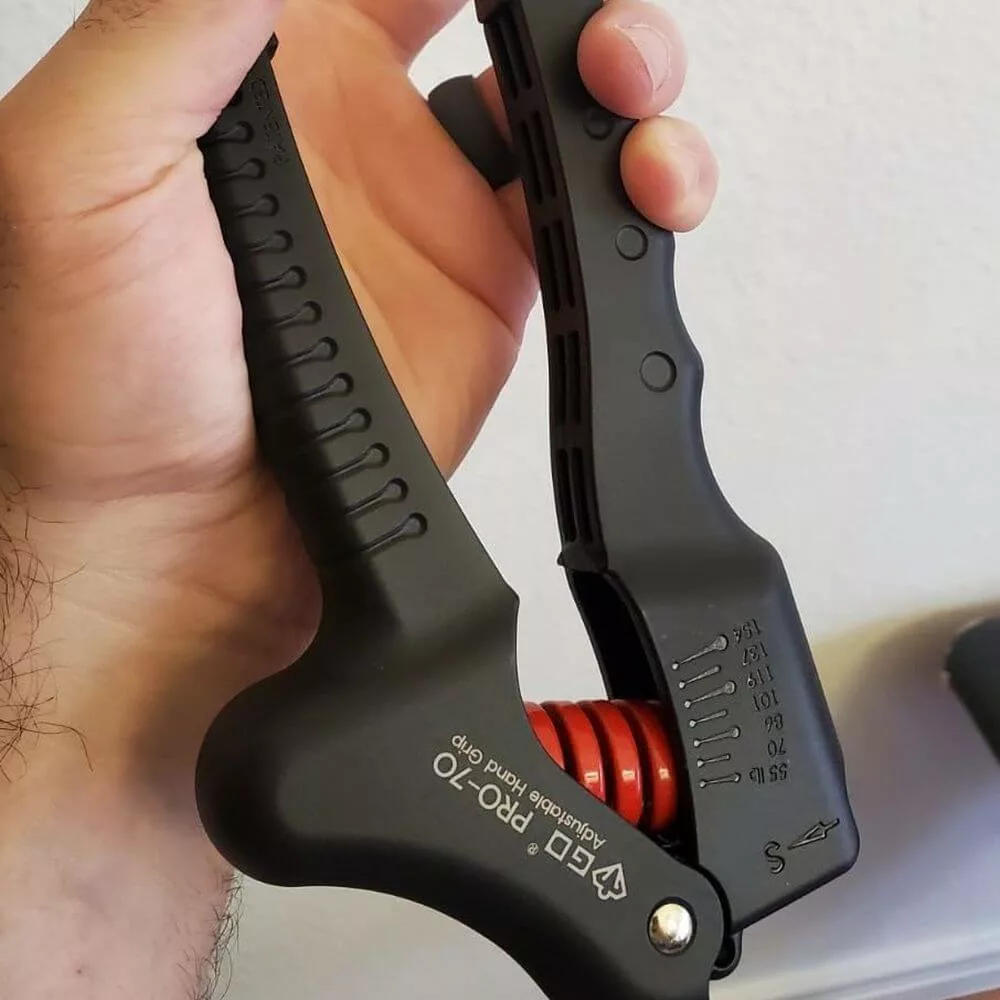
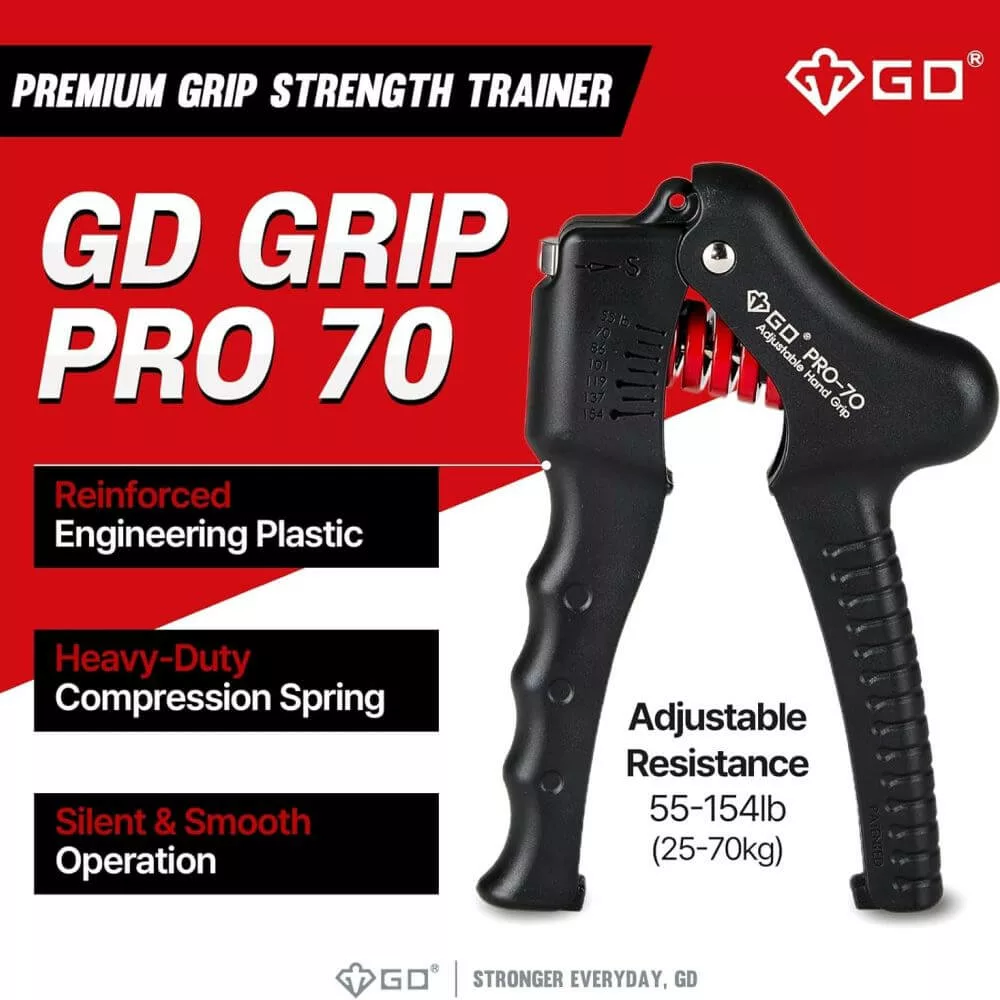
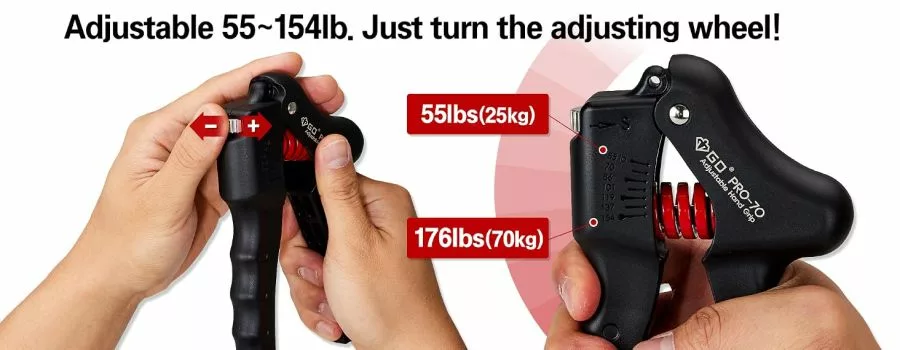
- Adjustable resistance system: 55–154 lbs progressive overload range
- Dual adjustment design: Fine-tunes grip width + tension control
- Reinforced build: Alloy steel + engineered polymer durability
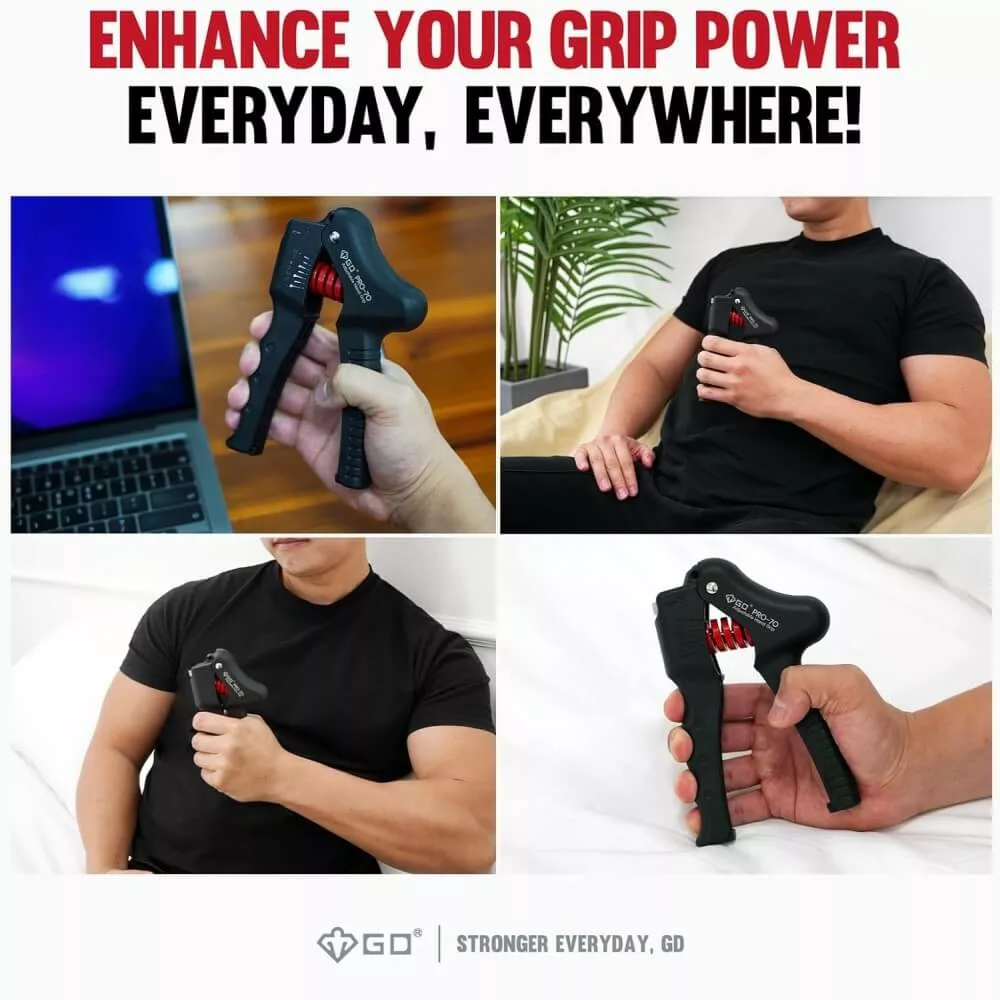
Not Sure How to Train Crush Grip?
Here’s a Beginner-Friendly Approach to Training Grip
✋ Overview: What Problem Does GD Adjustable Grip Trainer Solve?
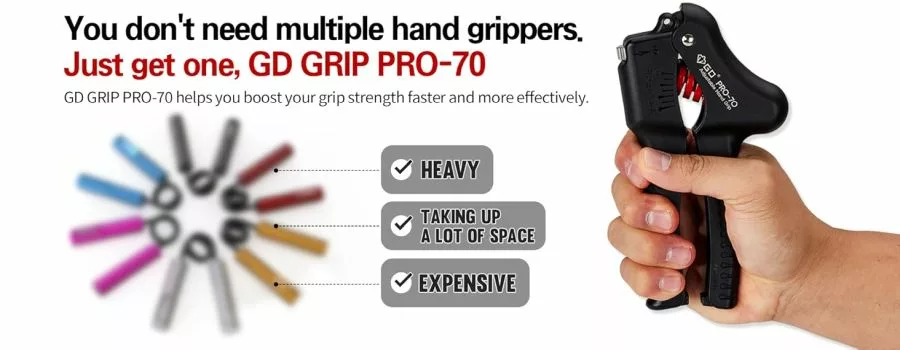
Progressive grip strength without multiple grippers
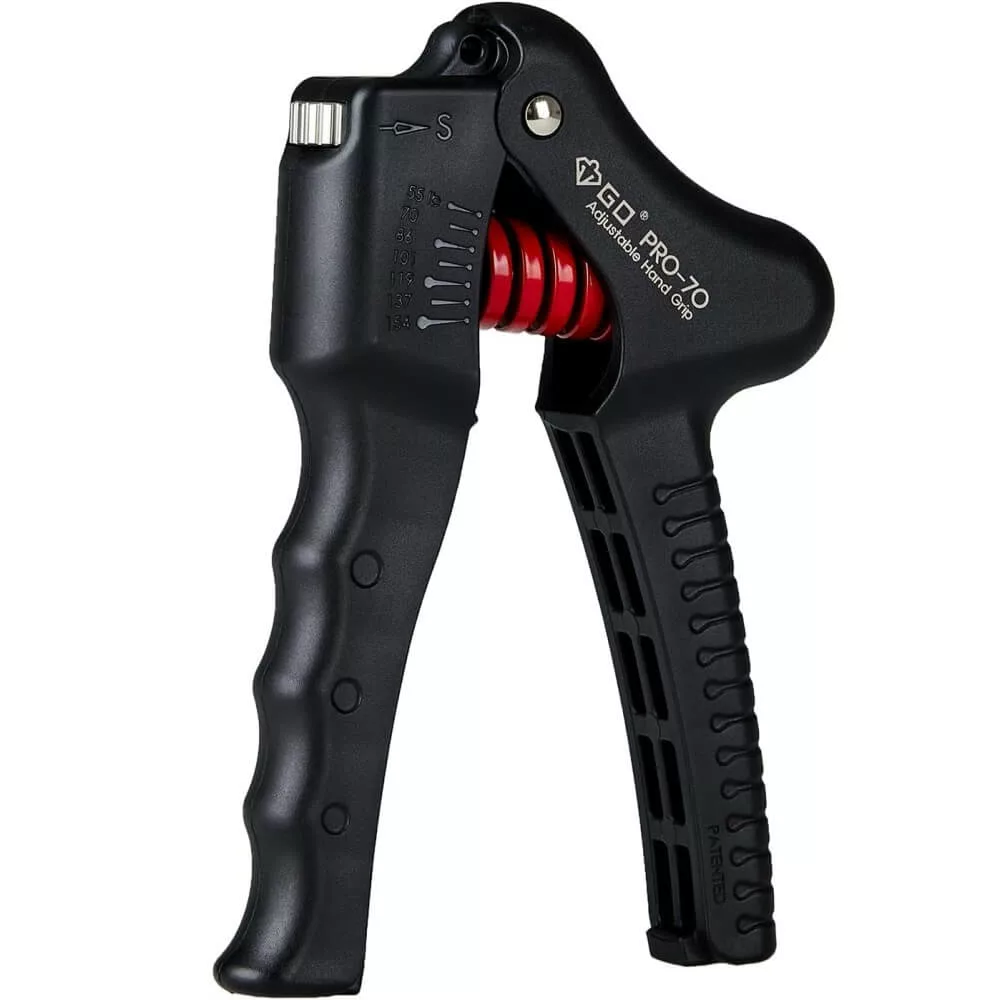
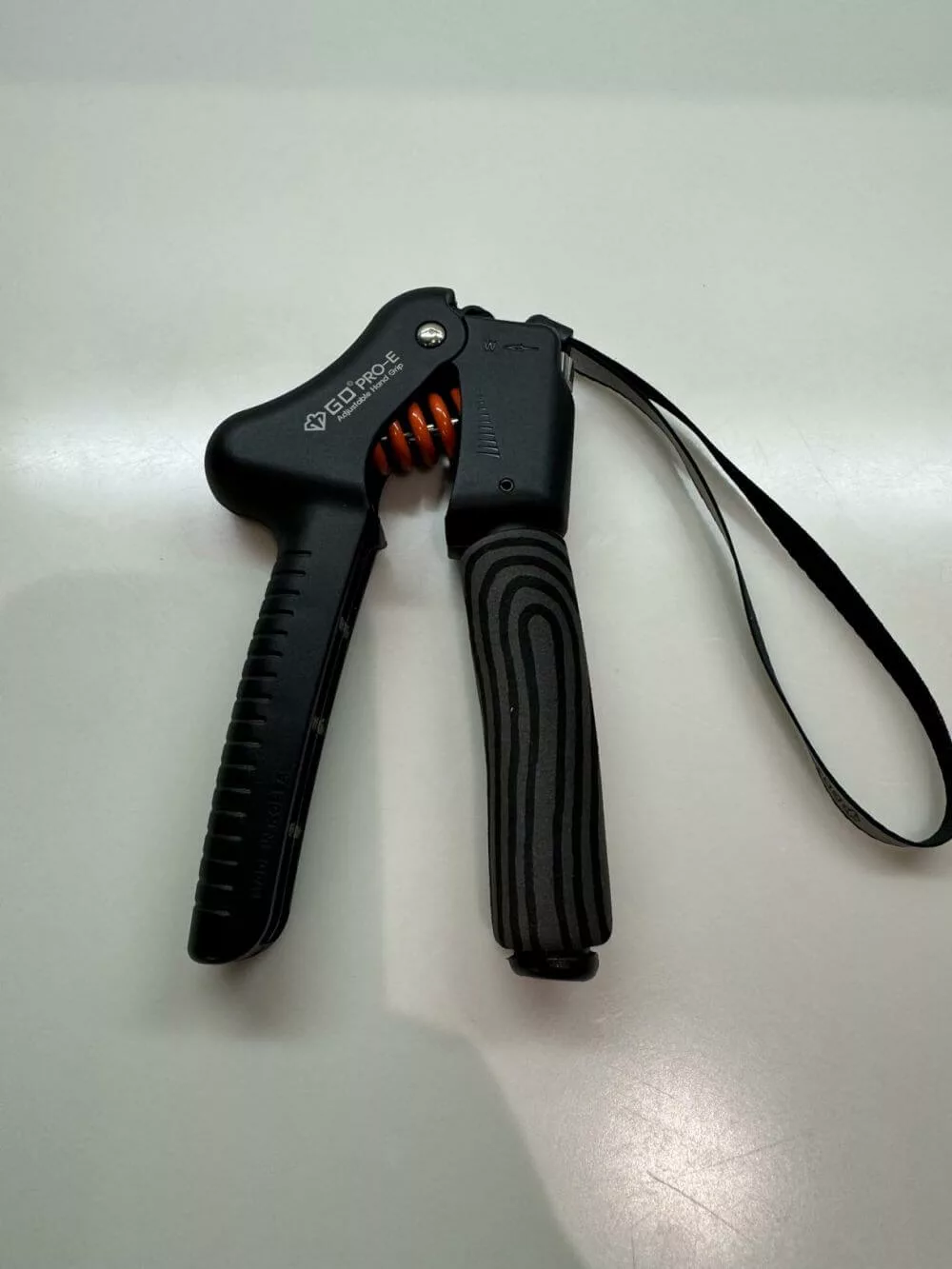
When I first picked up the GD PRO-70, my impression was that it feels more engineered than most standard spring grippers. The frame has a compact but dense construction, and the resistance dial gives it a sense of controlled progression right out of the box. Even at the lower settings, the spring engagement feels deliberate and structured rather than loose or overly soft.
The grip surfaces are firm plastic with a slightly textured finish, which provides decent stability but can feel a bit smooth under heavy effort without chalk or gloves. As I adjusted the resistance upward, the tension curve became noticeably more demanding, especially in the mid-to-high range where the spring compression really starts to load the fingers evenly.
What stands out most is the progression potential. Instead of buying multiple grippers, this single unit covers a wide spectrum of training intensities, making it suitable for long-term use. It also performs well for both high-rep endurance work and lower-rep strength-focused squeezing. In a long-term grip progression plan, it clearly sits in the “core tool” category rather than a novelty accessory.
⚖️ Pros & Cons: GD Adjustable Grip Trainer
Scalable crushing grip progression in one device
- Wide adjustable resistance range (55–154 lbs) supports full progression
- The dual adjustment system allows fine control over grip width and tension
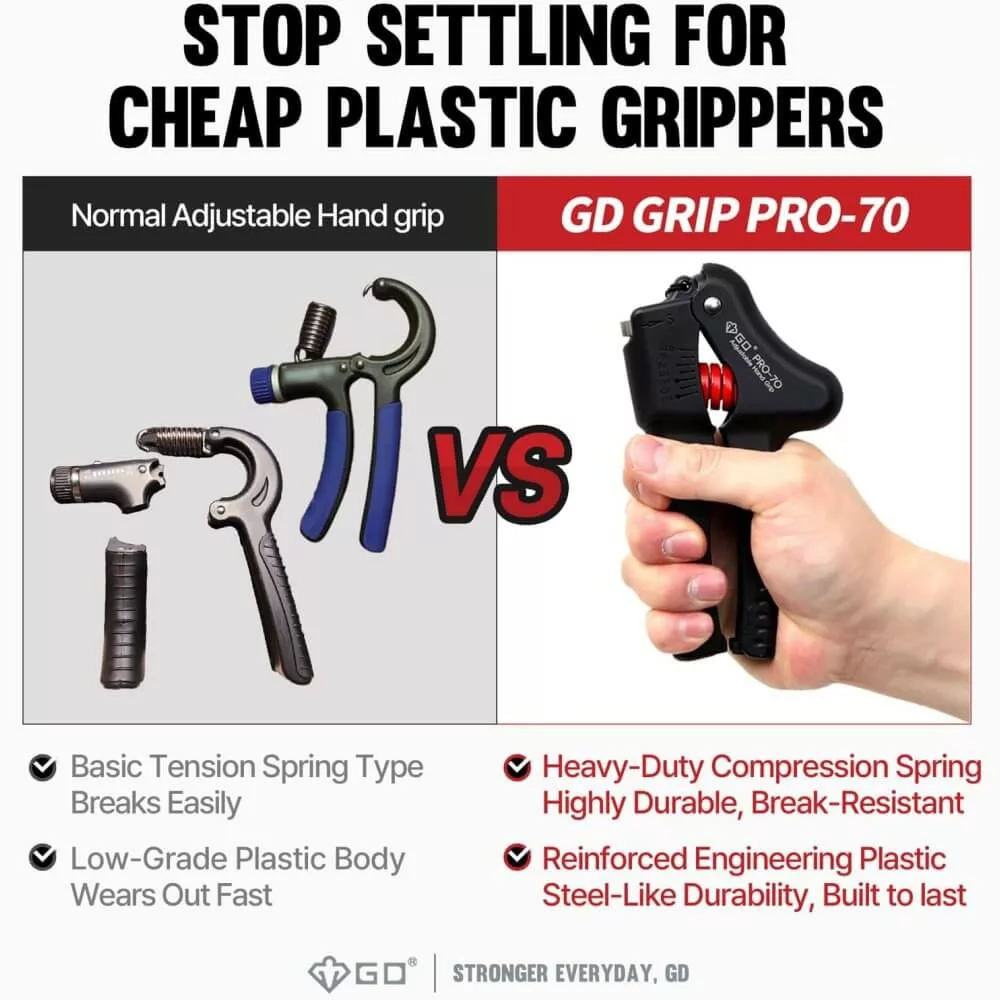
- Solid build quality with reinforced internal spring mechanism
- Silent operation makes it suitable for home, office, or travel use
- Good value compared to buying multiple fixed-resistance grippers
- Learning curve: The adjustment mechanism can feel unintuitive at first
- Plastic grip feel: The plastic grip surface may feel slippery under heavy fatigue
- Non-linear resistance: Resistance calibration is not perfectly linear across the full range
Still Deciding?
See How it Stacks Up Against Similar Grippers
GD Adjustable Grip Trainer: Ranking 91 out of 100
Progressive overload grip training in a compact adjustable system
🎯 Who Should Use GD Adjustable Grip Trainer?
Scalable grip training for all levels
This grip trainer is suitable for a wide range of users, but it performs best for individuals who are actively trying to build measurable grip strength over time rather than casually squeezing a stress tool.
- Beginners building foundational grip strength: useful at lower resistance settings to develop tendon and forearm adaptation
- Intermediate users progressing resistance: ideal for structured overload without buying multiple tools
- Advanced athletes seeking specialization: allows controlled high-intensity grip training and negative rep work
- Climbers, grapplers, arm wrestlers, or lifters: supports sport-specific grip endurance and crushing strength
- Home gym or performance-focused users: fits well into compact training setups where versatility matters
🧩My Rating Summary
- Build Quality: 9.0 / 10
- Ease of Use: 8.8 / 10
- Comfort: 8.7 / 10
- Resistance Quality: 9.2 / 10
- Progression Potential: 9.5 / 10
- Value for Money: 9.3 / 10
⚙️Technical Details
- Weight: 259 g
- Dimensions: 6.1″ L x 4″ W
- Material: Alloy steel, engineering plastic, stainless steel spring
- Use case: Grip, wrist, and forearm strength training
- Resistance Range: 55–154 lbs (approx. 25–70 kg) adjustable
- Manufacturer: GD

📈 Where This Tool Fits In Grip Strength Progression
Mid-range scalable progression tool for long-term use
This tool sits in the mid-range progression category, bridging the gap between beginner spring grippers and high-end metal precision trainers. It is beginner-friendly at its lowest settings, but its true value appears as the user progresses into moderate and heavy resistance ranges.
The scalability is one of its strongest advantages. Instead of purchasing multiple fixed-resistance grippers, users can gradually increase load within a single device, which simplifies programming and consistency. This also helps maintain progressive overload, which is often missing in basic grip tools.
However, the progression curve is not perfectly linear, meaning some resistance jumps feel more noticeable than others depending on grip width and knob position. Despite this, the upper range is high enough that most casual users will not outgrow it quickly.
For long-term training, it functions best as a primary adjustable gripper in combination with other modalities like thick bar holds or extensor training.
💪 Training Benefits & Strength Transfer Potential
Crushing grip strength with real-world carryover
The GD PRO-70 contributes primarily to crushing grip strength, but its carryover extends into multiple forearm and hand performance areas. Regular use strengthens the flexor tendons of the fingers, improves wrist stability under compression, and builds endurance in sustained grip positions.
From a performance perspective, this translates well into activities like lifting, climbing, and combat sports where sustained grip pressure is essential. The adjustable resistance allows both high-rep endurance training and low-rep maximal squeezing, which supports both slow-twitch and fast-twitch muscle development in the forearm.
One noticeable effect is improved fatigue resistance during prolonged gripping tasks, such as holding bars, carrying loads, or repeated pulling movements. Over time, the neurological adaptation also improves squeeze efficiency, meaning less effort is required for the same output.
While it does not replace sport-specific training tools like thick bars or pinch grips, it acts as a strong foundational tool for building baseline grip capacity and progressive overload in isolation work.
This Training Tool Targets Crush Grip
Deep Dive to Learn About This Primary Hand Movement
🧠 Performance & Feel During Training
Even resistance distribution with progressive fatigue
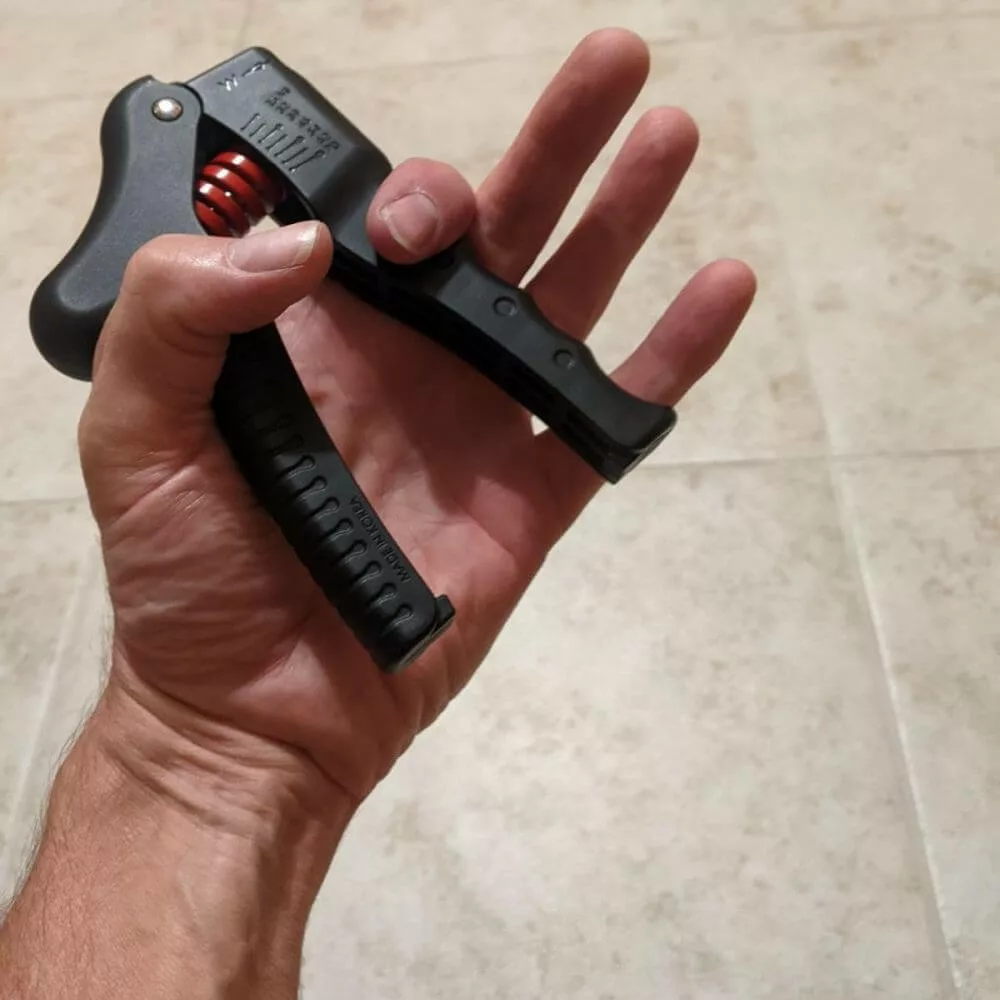
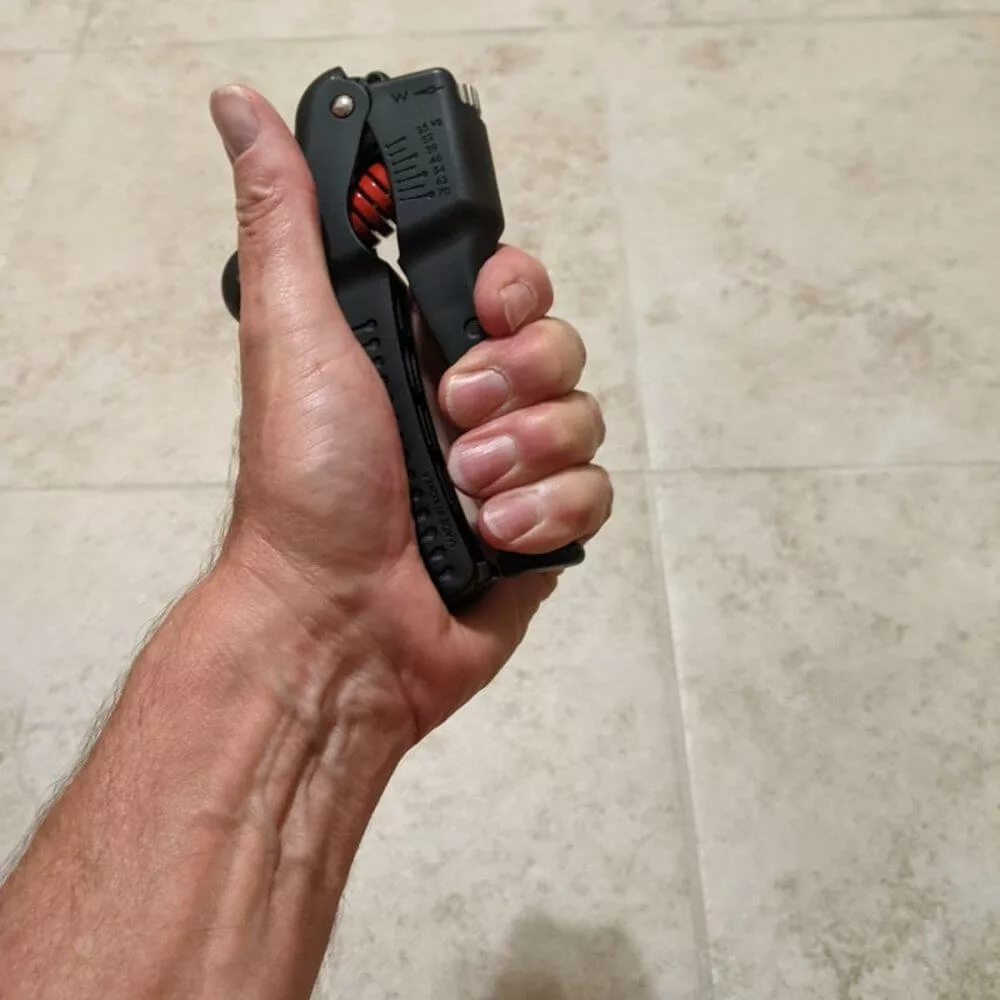
When using the GD PRO-70 through a full range of motion, the first noticeable factor is how evenly the resistance distributes across the fingers. The scissor-like handle alignment helps keep pressure balanced rather than isolating the index finger disproportionately, which is common in cheaper grippers.
At lighter settings, the squeeze feels smooth and controlled, allowing higher-rep endurance work without excessive strain. As resistance increases, the spring tension becomes more aggressive, especially in the final third of the closing motion, where most of the load is concentrated.
Hand positioning plays a significant role in performance. Slight shifts in grip placement can change leverage and perceived difficulty, particularly at higher resistance levels. This makes technique consistency important for accurate progression tracking.
Fatigue builds primarily in the forearm flexors rather than the palm, which is a good indicator of effective training stimulus. Over extended sets, grip failure tends to occur gradually rather than abruptly, suggesting a stable mechanical load curve.
🏗 Build Quality & Long-Term Durability
Reliable reinforced construction for daily training
The construction quality of the GD PRO-70 is above average for its category, primarily due to its reinforced alloy steel spring and industrial-grade plastic frame. Unlike basic grippers that rely on simple torsion springs, this design uses a more controlled compression system that distributes force more evenly across the mechanism.
Under repeated use, the structure remains stable with minimal flex in the handles. The internal spring maintains consistent tension over time, which is important for long-term progressive training accuracy. Wear points are primarily located at the adjustment interfaces rather than the core spring itself.
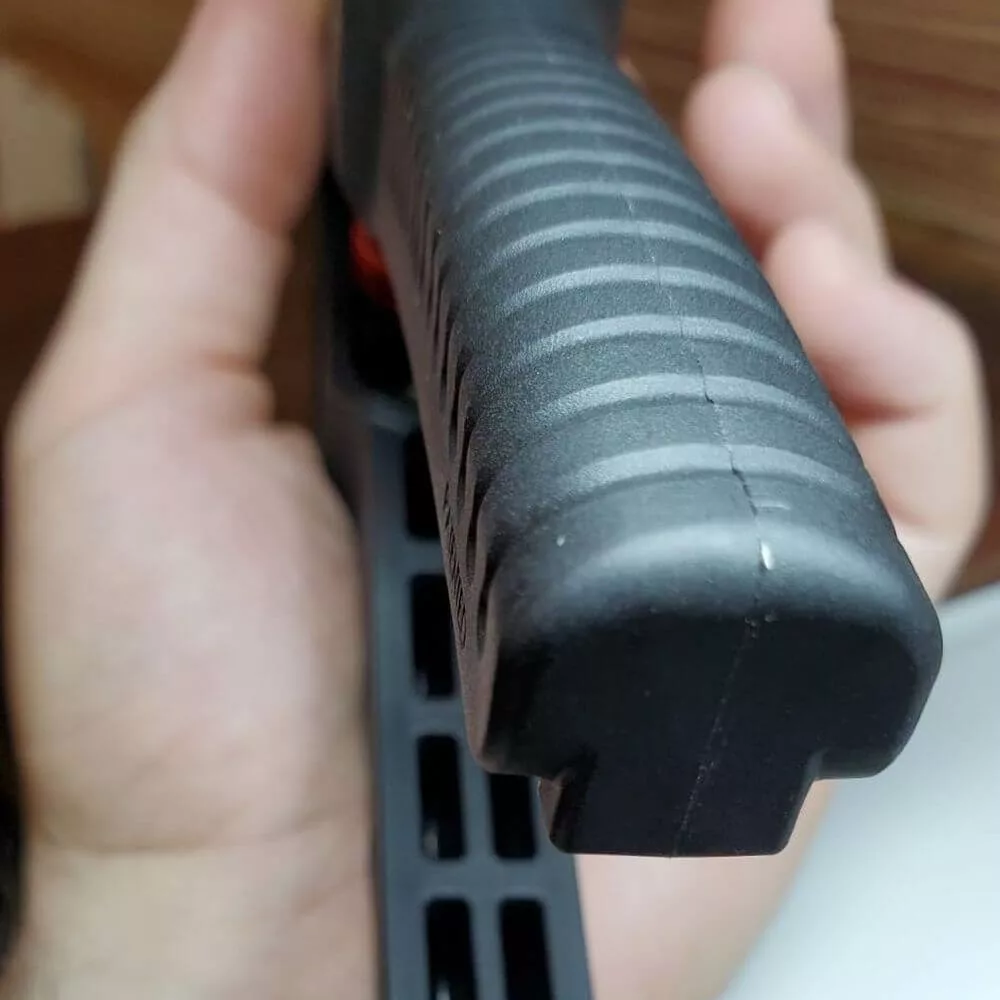
Maintenance requirements are minimal, although occasional tightening of the adjustment mechanism may be necessary to maintain consistent resistance settings. The plastic grip surface is durable but may show slight wear over extended high-intensity use.
Overall, durability is strong enough for daily training, making it suitable for long-term programming without frequent replacement concerns.

🏠 Everyday Usability & Practicality
Compact, Silent, and Highly Portable Training Tool
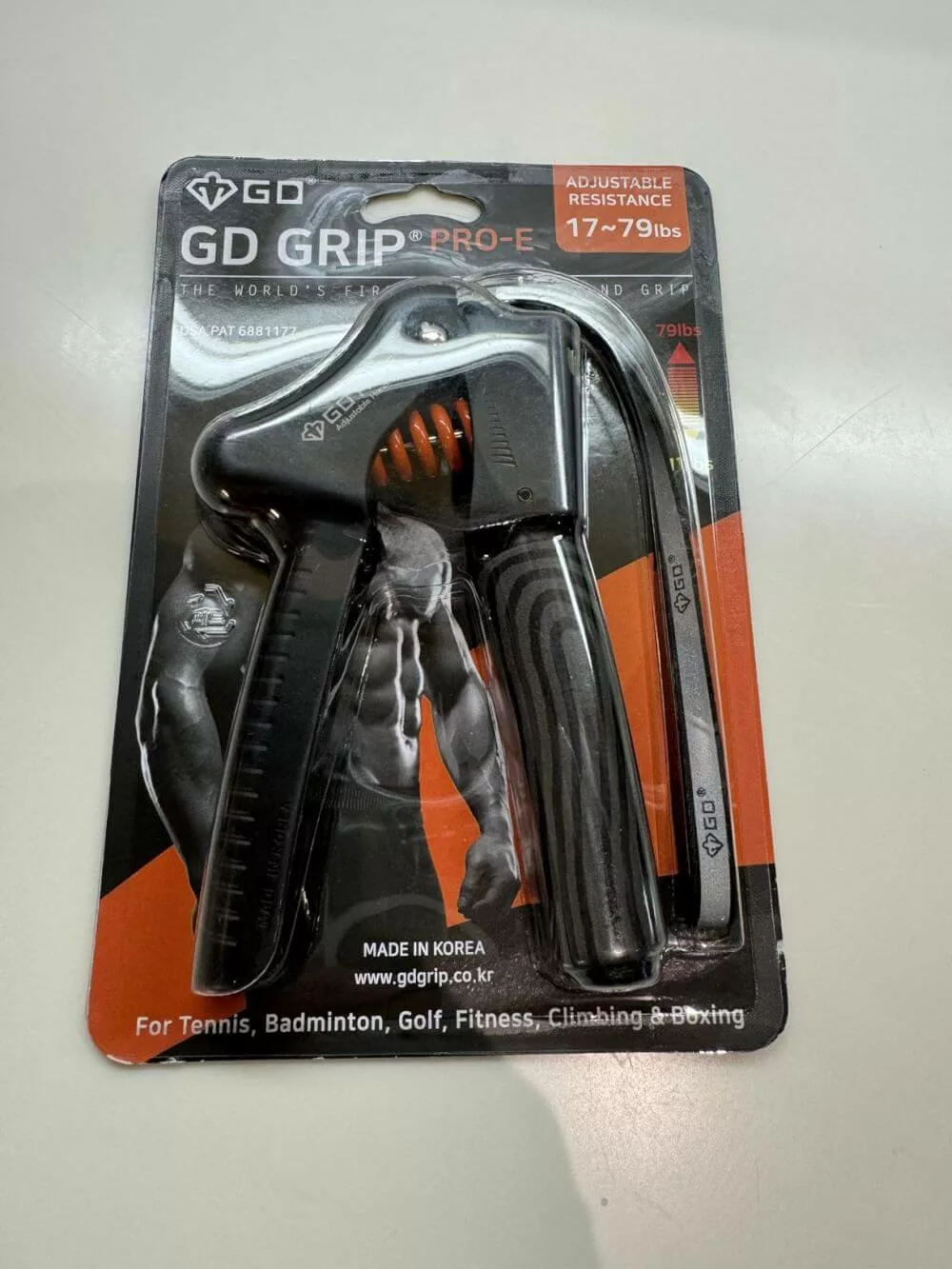
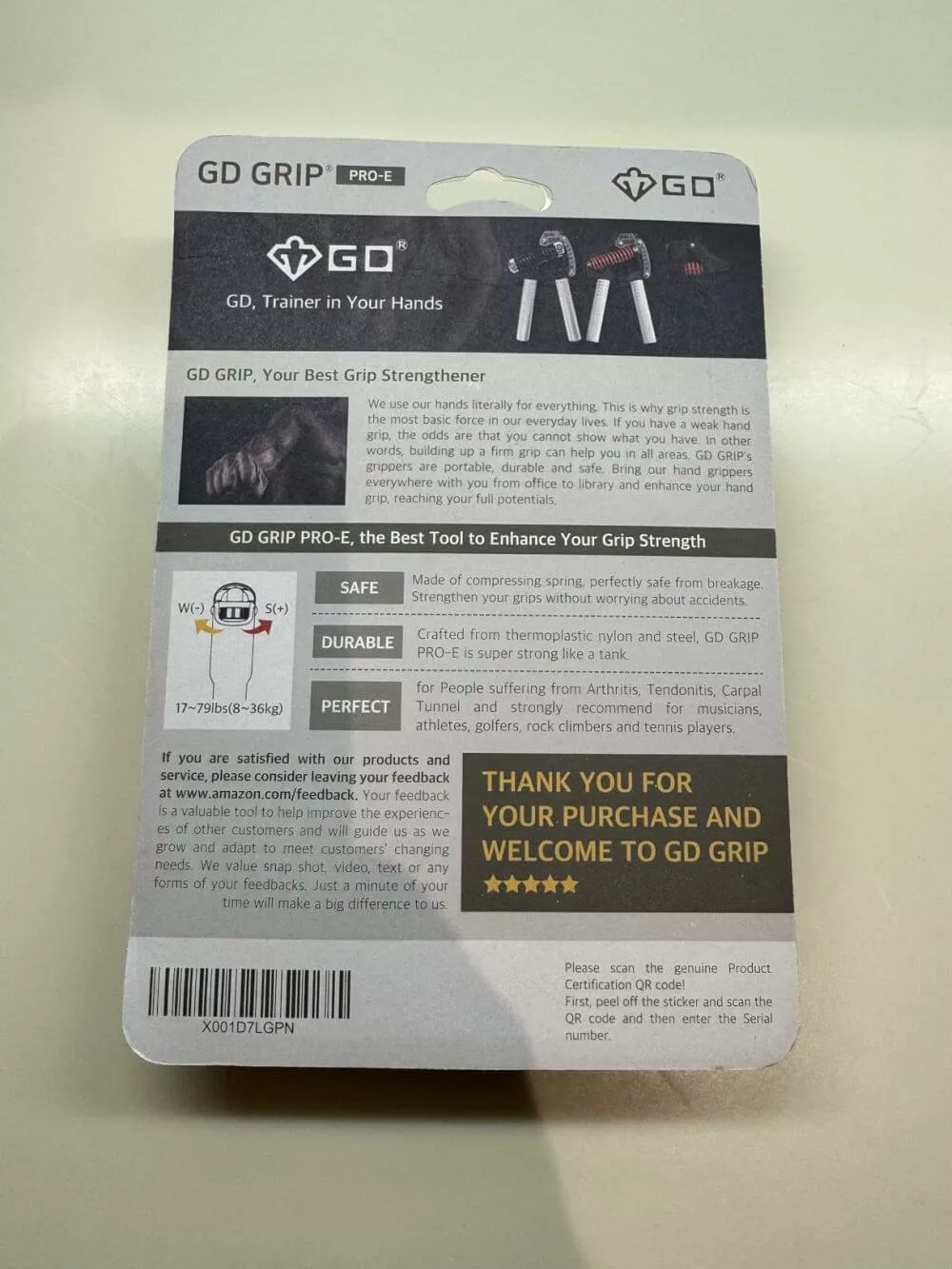
The compact size makes this tool highly practical for daily use in a variety of environments. It can easily fit into a gym bag, desk drawer, or travel kit, making it one of the more convenient grip training options for consistent use throughout the day.
Setup is straightforward once the adjustment system is understood, although first-time users may need a short familiarization period. After that, switching between resistance levels becomes relatively quick and efficient.
Its silent operation is a key advantage, especially for office or shared spaces where noise would be disruptive. This makes it easy to integrate short grip sessions into breaks without drawing attention.
Storage is simple, though it is generally recommended to release tension when not in use to preserve long-term spring integrity. Overall, it is a practical “always available” training tool that supports high-frequency use without requiring a dedicated workout space.
✅ Final Verdict: Is GD Adjustable Grip Trainer Worth It?
Strong, Scalable Grip Trainer with Long-Term Value
This gripster performs best as a long-term progression device rather than a casual grip accessory. Its adjustable resistance range makes it suitable for continuous development across multiple training stages, from beginner adaptation to advanced strength building.
For individuals serious about improving grip strength in a structured way, it offers strong value due to its scalability and durability. It is especially effective when used as a primary gripper alongside supplemental forearm and extensor work.
The main limitations lie in its adjustment complexity and slightly inconsistent resistance feel at certain ranges, but these are outweighed by its versatility and progression potential.
Overall, it is a reliable, cost-efficient training tool that can remain relevant for years of consistent use, making it a solid recommendation for anyone focused on grip strength development.
Thanks for Checking it Out!
Have You Trained with the GD Grip Before?
Share Your Experience in the Comments!
Dealing with Torn Calluses? Learn How to Heal Fast & Train Smart
& Browse the Grip Training FAQ for Quick Answers