(Last Updated on October 13, 2026 by Henry)
Your Beginner Grip Training Checklist
If you’re new to grip training, it can be difficult to know where to begin.
There are hand grippers, pinch blocks, pull-up bars, wrist rollers, finger bands, and countless exercises competing for your attention.
The good news is that you don’t need all of them to start building a stronger grip.
A good beginner grip workout should be simple enough to follow.
But comprehensive enough to train more than one aspect of grip function.
Your hands aren’t responsible for just squeezing things.
They also need to hold, pinch, stabilize, extend the fingers, and control the wrist.
That’s why a balanced beginner grip program is usually more useful than simply performing hundreds of hand gripper squeezes.
By training several basic movements and gradually increasing the challenge, you can develop a stronger foundation without overwhelming your hands and forearms.
Recovery matters just as much. Your hands are already working throughout the day, whether you’re typing, carrying bags, opening doors, using tools, or exercising. Adding grip training on top of that workload means you need to give your tissues enough time to adapt.
The goal isn’t to destroy your hands during every workout. It’s to create a routine that you can perform consistently, recover from, and gradually improve.
A Simple Grip Training Checklist to Follow:
- Start with manageable resistance – Your first grip workouts should challenge your hands without leaving them exhausted for days. You should be able to perform the movements with reasonable control.
- Train more than one grip function – A balanced beginner workout develops crushing, supporting, pinching, and finger-opening strength rather than relying on one exercise.
- Keep the sessions short – You don’t need a huge amount of grip work to make progress when you’re starting out. A few well-chosen exercises can provide plenty of stimulus.
- Leave room for recovery – Your hands and forearms are involved in countless activities outside training, so recovery is an important part of the program rather than wasted time.
- Progress gradually – Add resistance, repetitions, hold time, or difficulty only when your current workload has become comfortable and repeatable.
- Focus on consistency first – A simple workout performed regularly will usually take you further than an elaborate routine that you can only maintain for a couple of weeks.
You can start with very little equipment and gradually expand your training as you become more comfortable with the movements.
Here’s One of the Most Game-Changing Grip Strength Exercises I’ve Come Across.
It has Improved My Grip Strength Tremendously in A Couple of Weeks.
The Beginner Grip Strength Workout
The first goal of a beginner grip workout isn’t to find out how strong you are.
It’s to establish a foundation.
That means covering several basic grip functions without piling on unnecessary volume.
A simple session can include a crush-grip exercise, a support-grip exercise, finger extensions, and one wrist-focused movement.
Pinch training can then be added as an optional fifth exercise.
Here’s a straightforward starting point.
1. Hand Gripper: Crush Grip
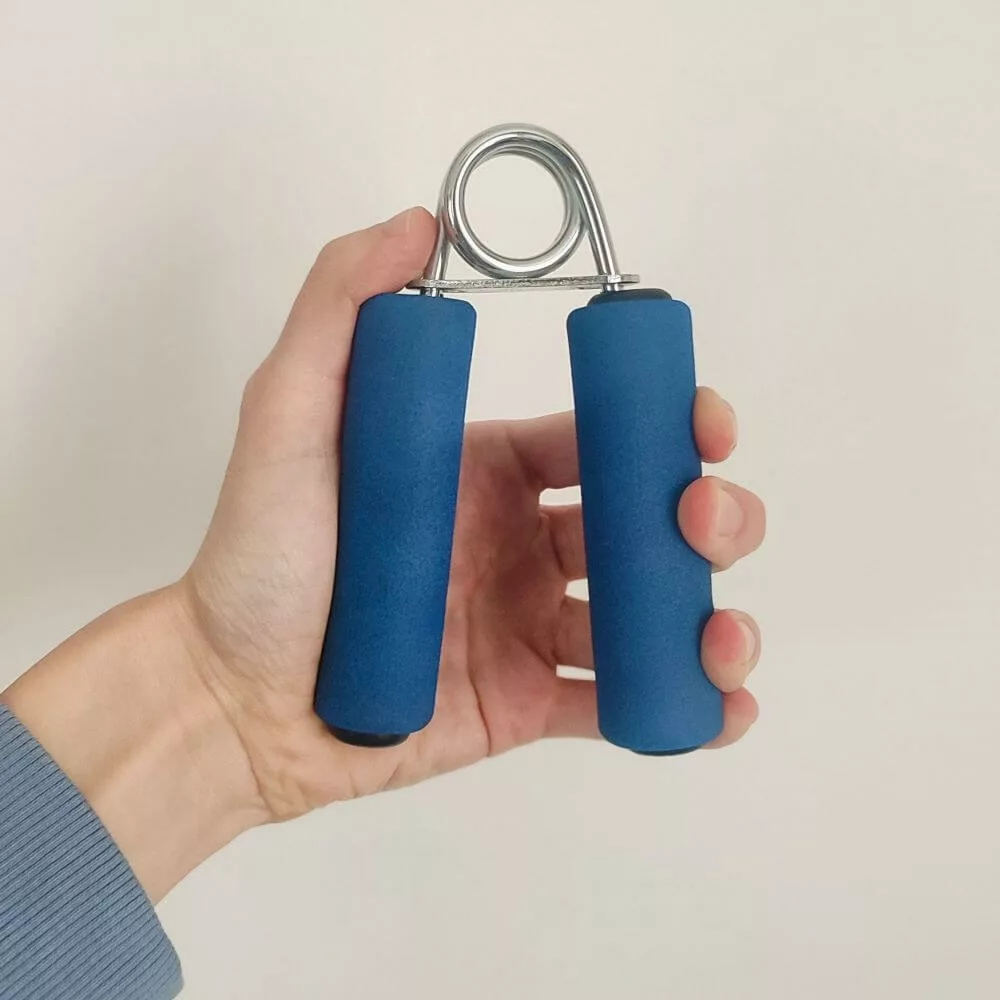
Hand grippers are one of the simplest ways to train your ability to close your hand against resistance.
For beginners, start with a resistance that allows you to perform approximately 6–12 controlled repetitions. You don’t need to select a gripper that you can barely close. In fact, choosing resistance that is too high can make it difficult to use a full range of motion.
Perform 2–3 sets, keeping the repetitions controlled rather than rushing through them.
Focus on:
- Closing the gripper deliberately.
- Using as much range of motion as your current strength allows.
- Avoiding excessive wrist movement.
- Stopping before your technique completely breaks down.
As your current resistance becomes easier, you can gradually increase the challenge.
2. Dead Hang: Support Grip
A dead hang gives you a completely different grip challenge.
Instead of repeatedly closing your fingers, you’re asking your hands to maintain their hold against your body weight. This makes it a useful introduction to support grip and grip endurance.
Start with 2–3 sets of approximately 10–30 seconds.
If a full bodyweight hang is currently too difficult, that’s perfectly fine. You can shorten the hold, use some assistance from your feet, or otherwise reduce the amount of weight your hands need to support.
The objective is controlled exposure to the movement, not surviving a maximal hold.
Over time, you can gradually extend your hold duration.
3. Finger Extensions
Grip training is dominated by movements that close the hand, so it’s useful to deliberately train the opposite movement as well.
Finger extension bands provide a simple way to work the muscles responsible for opening the fingers against resistance.
Perform 2–3 sets of approximately 15–25 controlled repetitions.
Open the fingers fully against the resistance, pause briefly, and return under control.
This exercise is particularly useful as a counterbalance to repetitive gripping. It also gives your beginner routine some variety without requiring a complicated movement.
4. Wrist Exercise
Your grip doesn’t operate independently of your wrist.
The muscles of the forearm help control wrist position and contribute to many gripping actions, so including a basic wrist movement makes the workout more comprehensive.
A beginner could use:
- Wrist curls
- Reverse wrist curls
- A light wrist roller
Perform approximately 2 sets of 10–15 controlled repetitions, using a resistance that allows you to maintain good technique.
There’s no need to turn this into a maximum-effort forearm workout. Your hands and forearms are already receiving plenty of work from the previous exercises.
5. Optional Pinch Grip
Pinch grip can be added if you want to introduce another fundamental grip function.
Unlike a gripper, pinch training emphasizes the thumb working together with the fingers to hold an object between them. This makes it a useful complement to crush and support training.
Start with 2 sets of approximately 10–20 seconds.
Keep the load modest and concentrate on maintaining a secure, controlled pinch rather than immediately chasing heavy weights.
If you’re completely new to grip training, it’s also perfectly reasonable to leave this exercise out initially and add it later.
A simple beginner workout at a glance
| Exercise | Sets | Reps / Time | Main Focus |
|---|---|---|---|
| Hand Gripper | 2–3 | 6–12 reps | Crush Grip |
| Dead Hang | 2–3 | 10–30 sec | Support Grip |
| Finger Extensions | 2–3 | 15–25 reps | Finger Extension |
| Wrist Exercise | 2 | 10–15 reps | Wrist Strength |
| Pinch Hold | 2 | 10–20 sec | Pinch Grip |
You don’t have to perform every exercise at maximum intensity. In fact, you shouldn’t.
Think of this as a starting framework. As you gain experience, you can adjust the exercises, resistance, repetitions, and hold times around your individual goals.
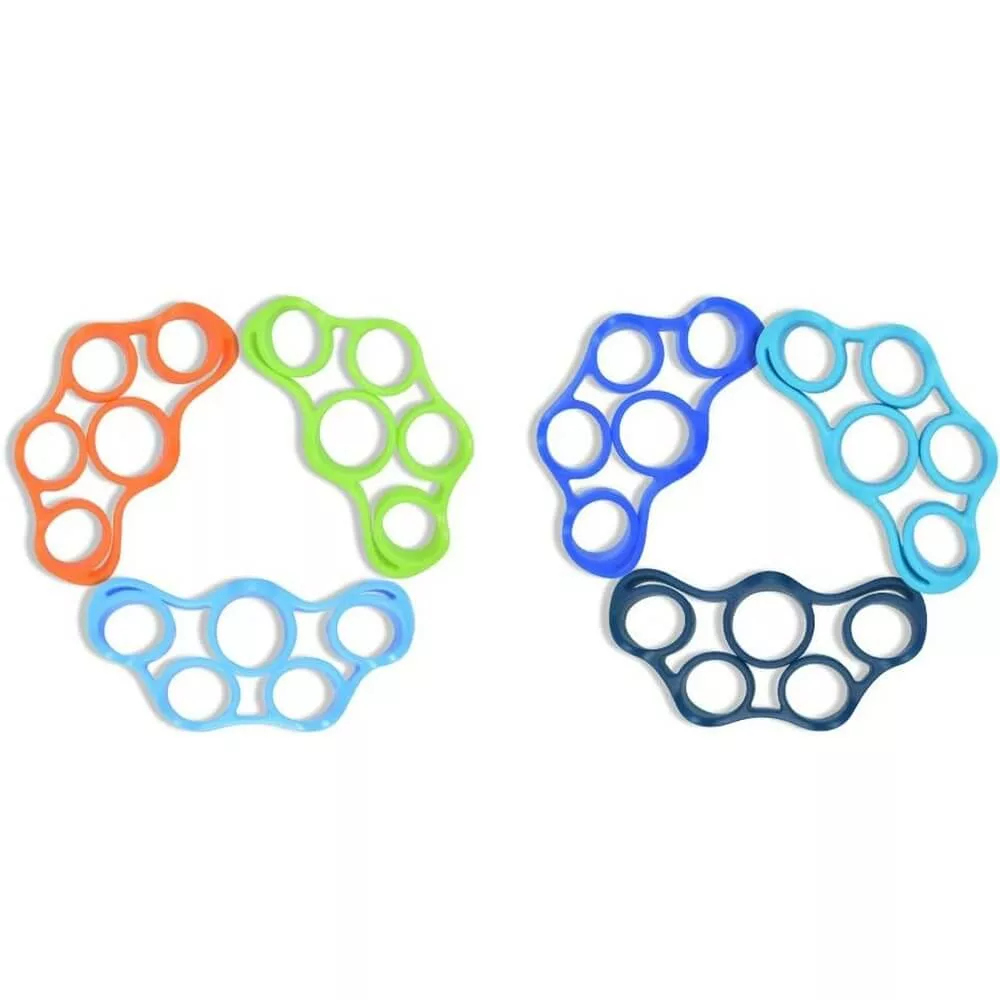
Avoid Elbow Pain with Simple Finger Exerciser
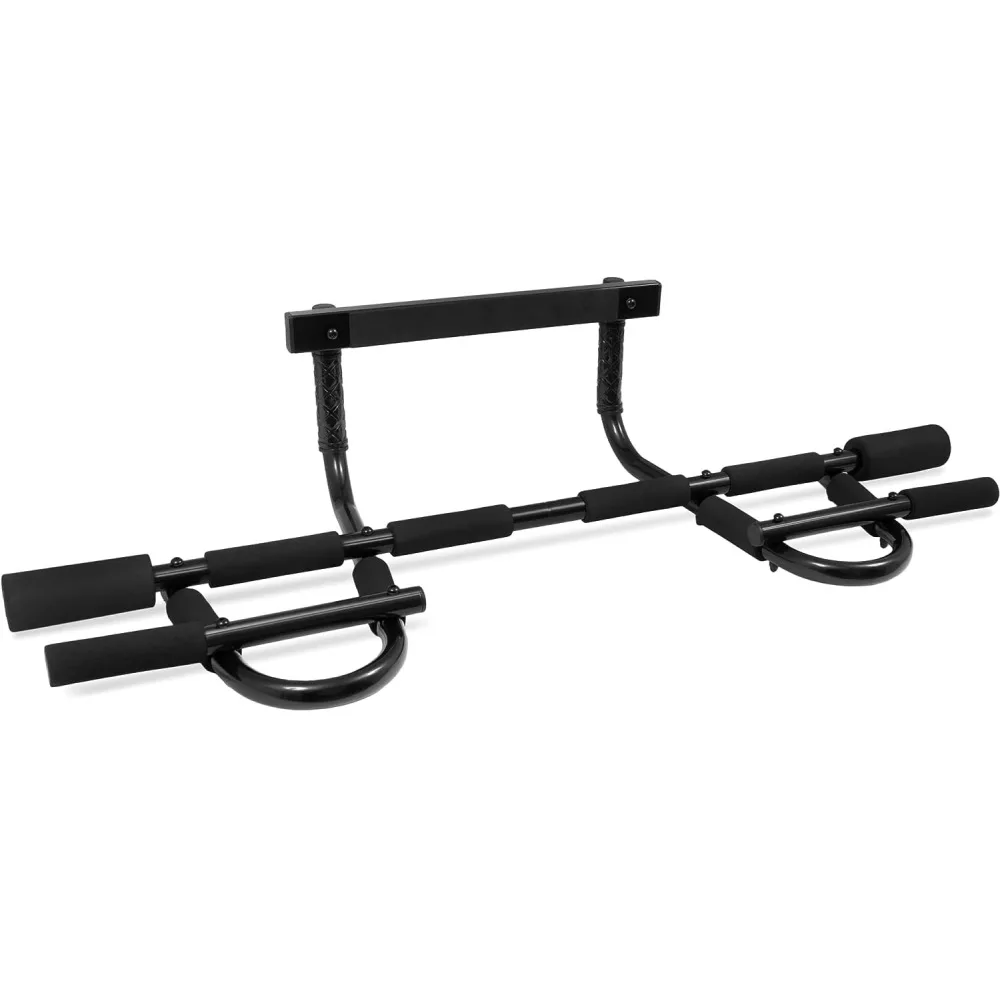
Door Pull-Up Bar with 12 Foam Grips: Max Comfort & Versatility
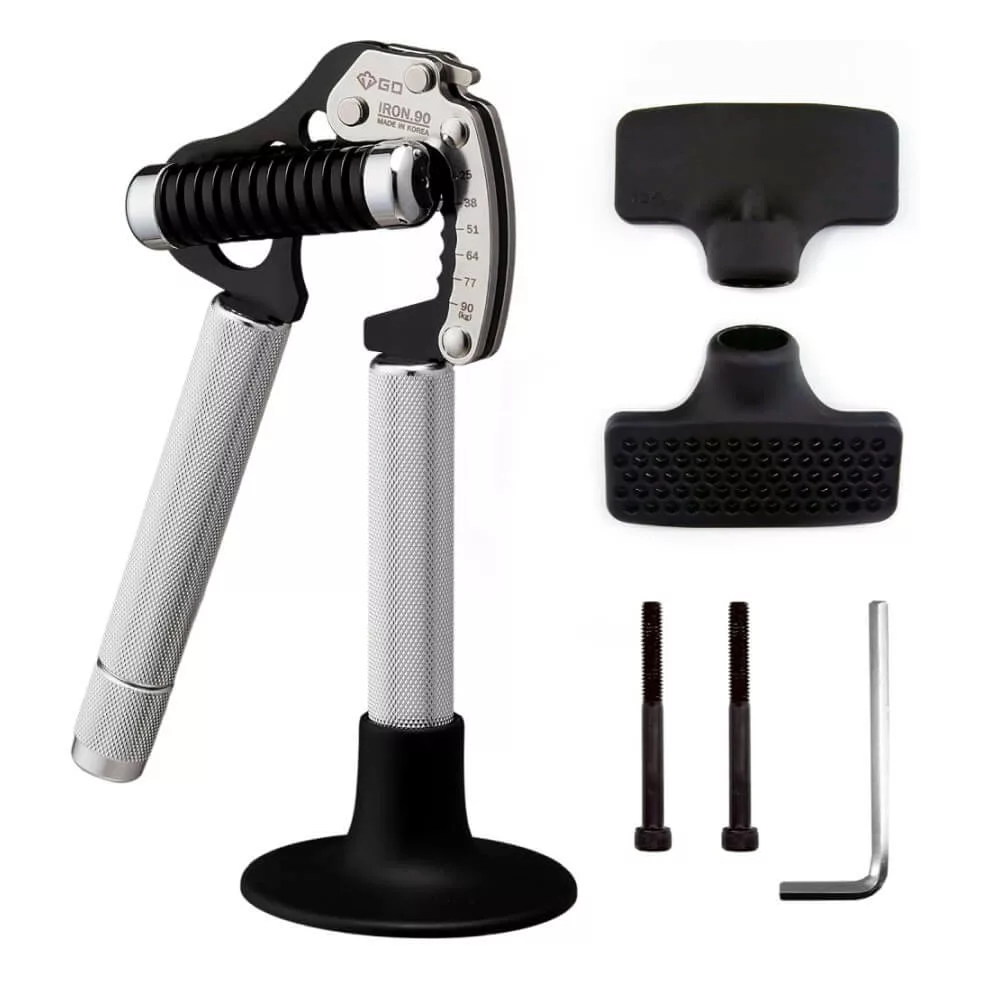
One of the Most Precise Grippers Ever Built?
The important thing is that each device serves a different purpose: crush grip, support grip, and finger extension.
How to Progress Your Grip Workout
Once you’ve followed your beginner workout for a while, the next question naturally becomes: How do I make it harder?
This is where progressive overload comes into play.
You don’t necessarily need to jump straight to heavier equipment.
Grip training can progress in several different ways:
- Repetitions – Perform more controlled repetitions with the same resistance.
- Hold time – Maintain a dead hang or pinch for longer.
- Resistance – Move to a harder gripper, heavier load, or stronger band.
- Range of motion – Gradually work toward fuller, more controlled movements.
- Exercise difficulty – Move from an easier variation to a more demanding one.
- Control – Improve the quality and consistency of every repetition.
This is especially important for beginners because there is no reason to change everything simultaneously.
If you’re performing 10 good repetitions with a gripper and eventually reach 12–15 comfortably, increasing the resistance may make more sense than adding dozens of additional repetitions.
The same principle applies to support grip.
A 15-second dead hang can eventually become 20 seconds, then 30 seconds. Once that becomes comfortable, you can consider making the movement more challenging rather than simply hanging for several minutes.
Change one variable at a time
One of the easiest ways to make progression unnecessarily confusing is to increase everything simultaneously.
If you add more resistance, more sets, more repetitions, and more training days all at once, you won’t know which change actually helped, or whether you’ve created too much fatigue.
Instead, make small adjustments to progress:
Gripper:
6 reps → 8 reps → 10 reps → higher resistance
Dead hang:
10 sec → 15 sec → 20 sec → 30 sec
Finger extensions:
15 reps → 20 reps → 25 reps → stronger band
Pinch hold:
10 sec → 15 sec → 20 sec → more load
This creates a clear progression that is easy to track.
Most importantly, don’t turn every workout into a strength test.
The goal is to make today’s manageable workload become tomorrow’s warm-up workload.

6-Pack? Build Unstoppable Grip Power Like a Pro
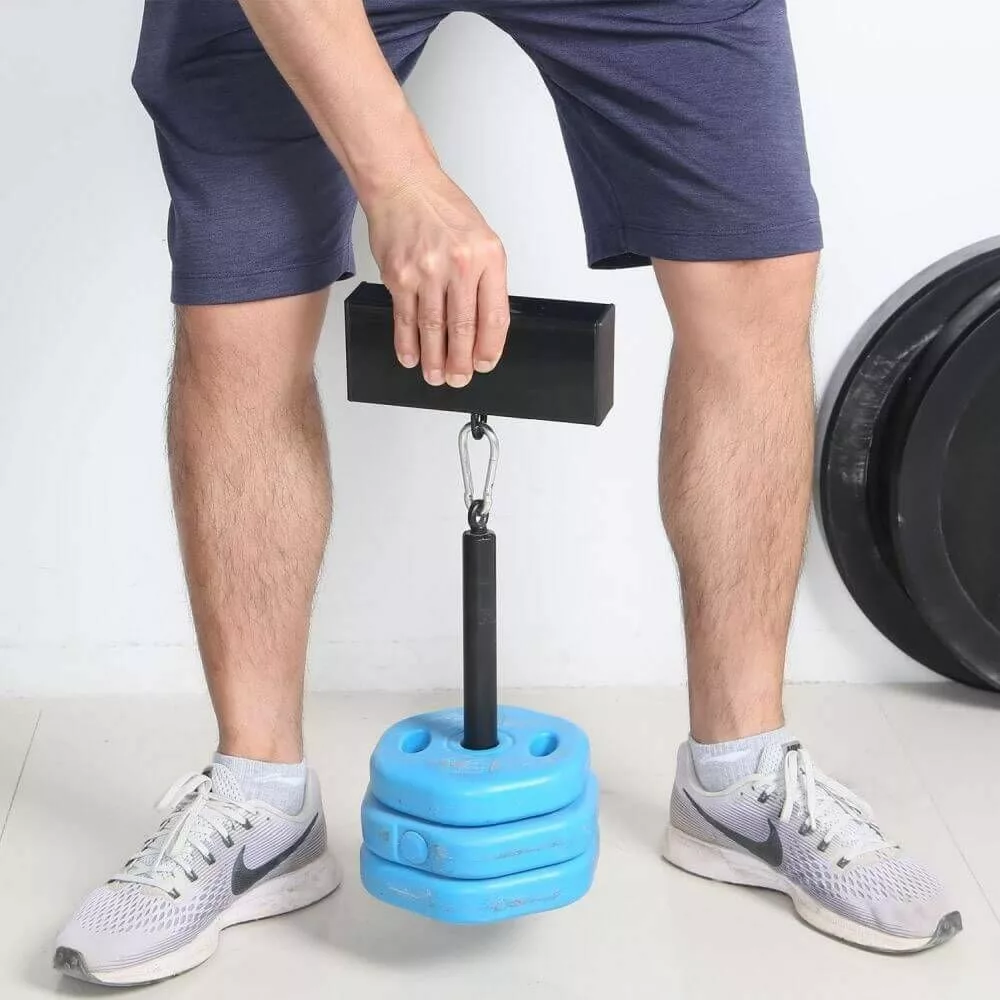
Pinch Grip Training Made Effective in a Simple Way?
Build Your Grip One Step at a Time
A strong grip isn’t built in one brutal workout. It develops through repeated exposure to the right movements, manageable resistance, adequate recovery, and gradual progression.
When you’re starting out, resist the temptation to make your program complicated. You don’t need to train every grip movement imaginable or test your maximum strength every session.
Start with a few fundamentals. Train them consistently.
Pay attention to how your hands respond. Then make the next step slightly harder.
That simple approach gives you something much more valuable than a difficult workout:
a grip training system you can actually stick with.
The best grip workout isn’t the one that destroys your hands. It’s the one you can recover from, repeat, and gradually improve.
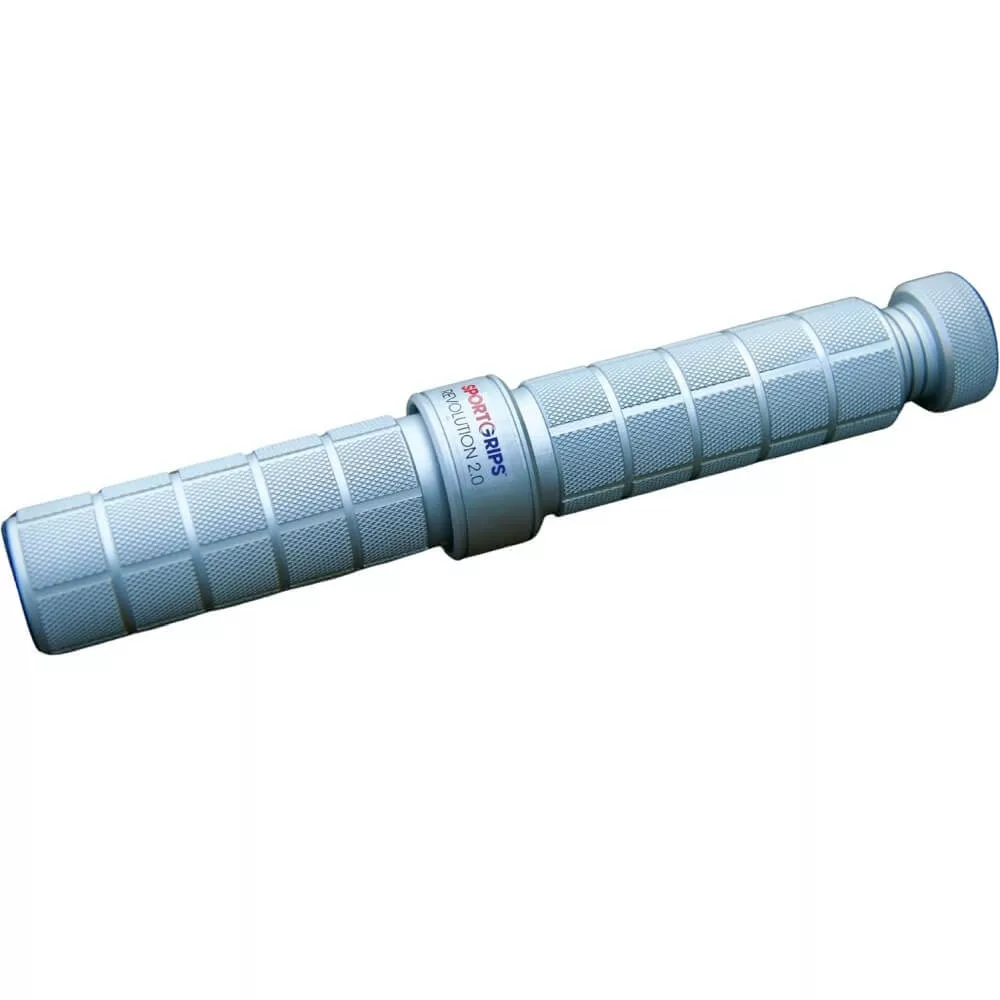
Elite Wrist & Forearm Trainer for Strength & Rehab?
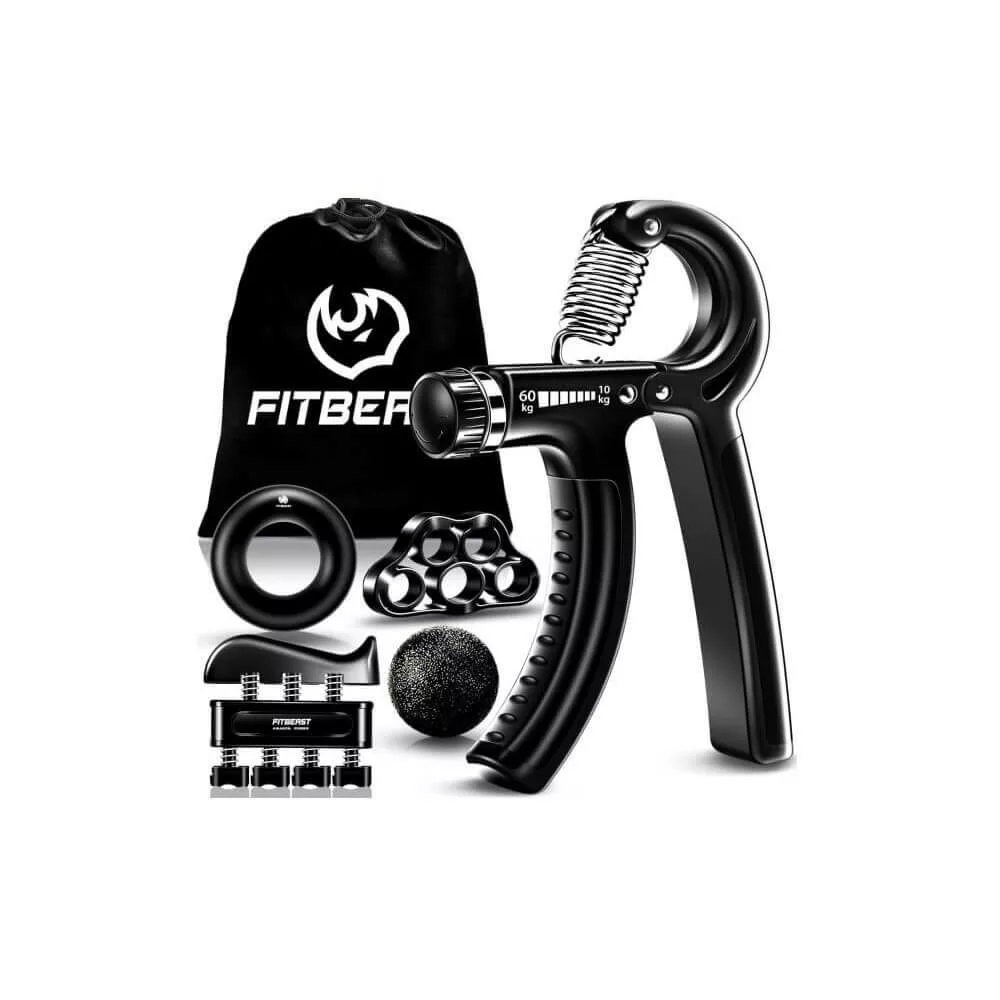
Budget Grip Strengthener Kit With 5 Trainers
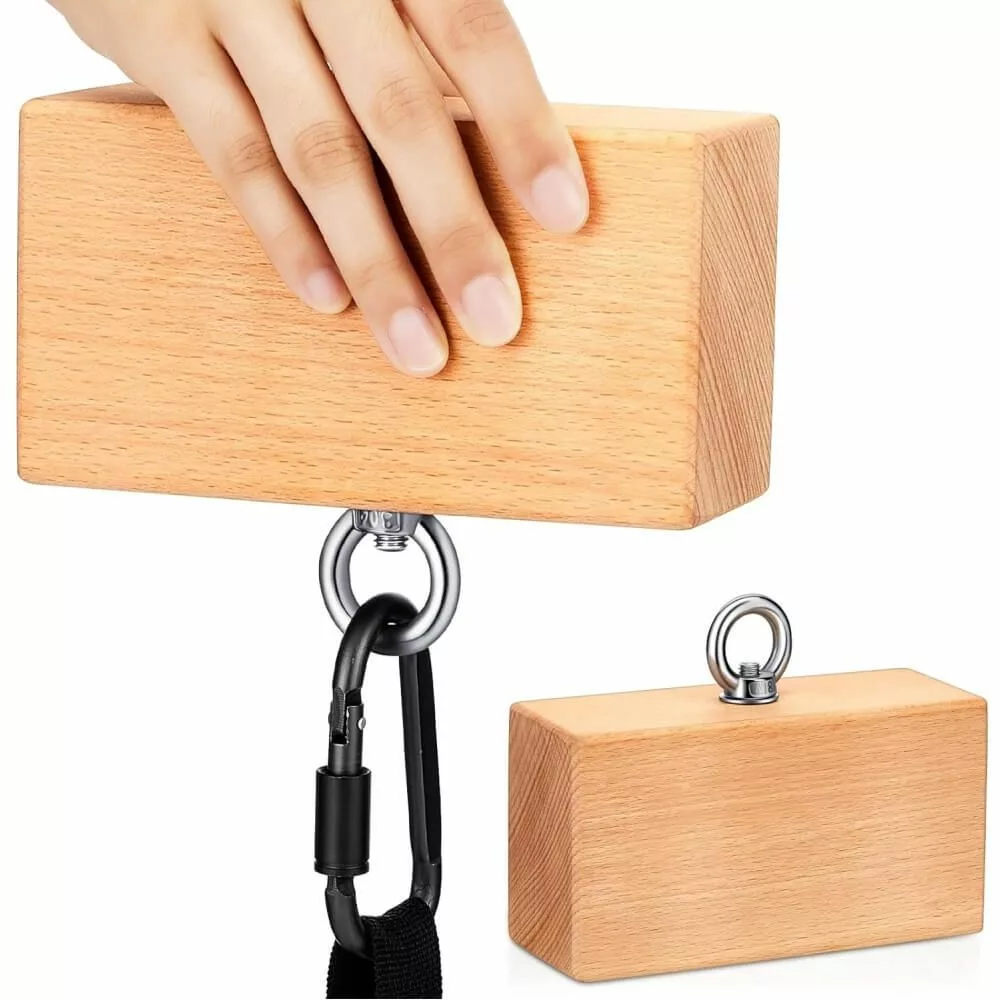
Train Your Thumbs with a Simple Pinch Block
Key Takeaway
A beginner grip strength workout doesn’t need to be complicated.
Start with a few fundamental movements, train around twice per week, use manageable resistance, and gradually increase the challenge as your hands and forearms adapt.
The goal isn’t to do as much grip training as possible.
It’s to build a system you can recover from, progress through, and maintain for months.
Thanks for Reading!
Which Part of Your Grip Do You Want to Improve First?
Share Your Thoughts in the Comments!
Recommended Next Reads
Once you’ve established your first beginner workout, the next step is learning how each component of grip training works and how to develop it.