(Last Updated on September 26, 2026 by Henry)

Understand When Heat or Cold May Fit Into Your Hand Recovery Routine

Heat and ice are two of the most familiar recovery tools around, but they are often treated as if they serve exactly the same purpose.

They don’t.
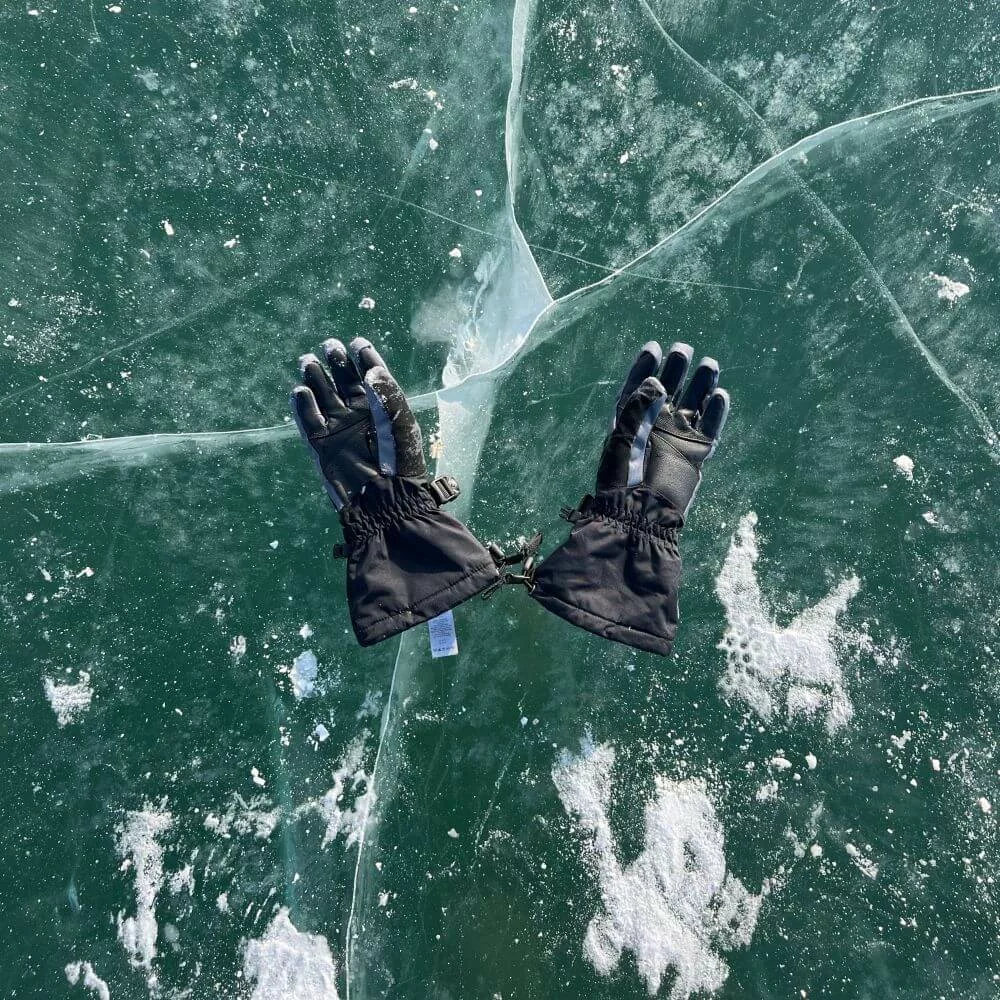
For someone who trains grip, lifts weights, climbs, games, types, or performs repetitive hand work, the useful question is not simply whether heat or ice is “better.”

It is what your hands need at that particular time.

Heat may feel useful when your hands are generally stiff, and you want to transition into movement.

Cold may provide temporary comfort after demanding activity when the area feels irritated or uncomfortable.

Neither one, however, should be viewed as a shortcut around sensible training volume and adequate recovery.

Most importantly, feeling better temporarily does not necessarily mean that your hands are ready for more work.

1. What Do Heat and Ice Actually Do?

1. What Do Heat and Ice Actually Do?

Before choosing between them, it helps to understand the basic difference. Heat and cold change how your hands feel in different ways, which is why the same approach does not make sense in every situation.

Heat and Its Main Effects

Warmth can feel relaxing when your hands are stiff or have spent a long time in one position.

Heat is commonly associated with increased local blood flow and can make movement feel more comfortable for a while. That can make gentle movement or preparation for activity feel easier when your hands simply feel cold, stiff, or inactive.

The important distinction is that feeling warmer and moving more comfortably is not the same as repairing an injury.

Heat can be a useful comfort and preparation tool without needing to be treated as a treatment for damaged tissue.

Cold and Its Main Effects

Cold has almost the opposite immediate sensation.

Cooling an area can temporarily reduce sensation and may make discomfort feel less noticeable. This is one reason people often reach for a cold pack after demanding physical activity.

That temporary change in sensation can be useful for comfort, but it also means you need to pay attention to what your hands are telling you once the cooling effect wears off.

Cold can change how something feels without explaining why it feels that way in the first place.

Neither One Is a Recovery Shortcut

This is the most important point to keep in mind.

Heat and cold can be useful additions to a recovery routine, but neither can compensate for repeatedly exceeding your hands’ ability to recover. If your grip workload is too high, your training frequency is poorly matched to your recovery, or you are ignoring persistent symptoms, changing the temperature of your hands will not solve the underlying problem.

Think of heat and cold as optional tools within a larger recovery strategy.

2. When Heat May Make Sense for Your Hands

2. When Heat May Make Sense for Your Hands

Heat tends to make the most intuitive sense when your main issue is general stiffness or when you want your hands to transition gradually into movement.

It does not need to be complicated. A little warmth followed by gentle active movement can be enough.

Before Grip Training or Hand Movement

If your hands feel stiff after sitting at a desk, driving, sleeping, or simply being inactive, warmth may make the transition into movement more comfortable.

That does not mean you need to heat your hands before every grip workout.

Instead, think about how your hands actually feel. If they already move freely and comfortably, there may be little reason to add another preparation step.

If they feel generally stiff, gentle warmth followed by movements such as opening the fingers, spreading them, moving the thumb, and rotating the wrists can be a reasonable way to ease into activity.

After Long Periods of Inactivity

Long periods of desk work or gaming can leave your hands feeling as though they have been doing very little while still spending hours in relatively repetitive positions.

A warm sensation can make a short movement break feel more comfortable.

You might simply warm the hands and then spend a minute moving the fingers, thumb, wrists, and forearms through comfortable ranges.

The movement itself is still the important part. Heat is just one way of making that transition feel more pleasant.

When Your Hands Feel Stiff Rather Than Overworked

There is a useful distinction between general stiffness and hands that are telling you they have had too much workload.

If your hands simply feel stiff after inactivity, gentle warmth may fit the situation.

If they are persistently painful, swollen, unusually weak, numb, or otherwise behaving differently from normal, the answer should not automatically be more heat.

In that situation, stepping back and considering the reason for the symptoms is more important than choosing a temperature.

3. When Cold May Make Sense for Your Hands

3. When Cold May Make Sense for Your Hands

Cold is generally more relevant when the goal is temporary cooling or comfort after demanding activity.

It should not become a routine excuse to continue loading hands that are repeatedly struggling to tolerate the workload.

After Demanding Hand Activity

A particularly hard grip session, long climbing session, heavy lifting workout, or unusually demanding period of manual work can leave your hands feeling uncomfortable afterward.

Some people find cooling soothing in that situation.

If you choose to use cold, treat it as a comfort measure rather than a signal that you are ready to train again immediately afterward.

The more useful question remains whether your hands have actually recovered enough for the next workload.

When Temporary Cooling Feels Helpful

Cold can temporarily reduce sensation, which may make an uncomfortable area feel calmer for a while.

That can be useful if your goal is simply to make the hands feel more comfortable after activity.

However, reduced sensation can also make it harder to judge what your hands are telling you. Once the cooling effect disappears, reassess how the hands actually feel rather than assuming that the problem has gone away.

Don’t Use Cold to Mask Problems

This is where cold can become counterproductive.

If cooling an uncomfortable hand allows you to ignore the problem and immediately return to heavy gripping, the temporary relief can hide useful feedback.

Your hands may feel better while they are cold without actually being ready for another demanding session.

If discomfort keeps returning after similar activities, the better question is why the workload keeps producing the same response.

4. Heat vs Ice: How Should You Choose?

4. Heat vs Ice: How Should You Choose?

There is no universal rule that says heat is always better or that ice is always better.

Instead, consider what your hands feel like, what you are about to do, and whether the issue is occasional or persistent.

If Your Hands Feel Stiff

Heat may be the more intuitive option when the main sensation is general stiffness after inactivity.

Follow it with gentle movement rather than jumping directly into heavy gripping.

The combination of warmth and controlled movement makes more sense than simply applying heat and then immediately testing maximum grip strength.

If Your Main Goal Is Temporary Cooling or Comfort

Cold may make more sense when your hands feel uncomfortable after demanding activity and you want a temporary cooling sensation.

Again, this is about comfort rather than magically speeding up recovery.

After the cooling effect has passed, look at the bigger picture: how hard was the activity, how do your hands normally respond, and are you ready for your next training session?

If You’re Unsure What Your Symptoms Mean

Don’t feel obligated to choose between heat and ice simply because both are available.

If you are dealing with a new, persistent, or unexplained problem, repeatedly alternating between hot and cold does not tell you what caused it.

Instead, consider the recent workload and any changes in training, work, hobbies, or technique. If concerning symptoms continue, appropriate professional guidance is more useful than endlessly experimenting with temperature.

5. How to Use Heat and Cold More Sensibly

5. How to Use Heat and Cold More Sensibly

Whichever approach you choose, moderation matters.

More extreme temperatures and longer exposure are not automatically better, and temperature therapy should never become an endurance challenge.

Keep Temperature Moderate

You do not need extreme heat or extreme cold to get the basic comfort effect.

Protect your skin and follow the instructions provided with the heating or cooling product you are using.

If the temperature feels excessively hot or painfully cold, that is not a sign that the method is working better.

Keep Sessions Controlled

Longer exposure is not automatically more effective.

Keep the application controlled and give your skin time to return to its normal temperature. Do not fall asleep while using a heating or cooling device.

If you are using a commercial product, follow its specific safety instructions rather than assuming that every heat pack or cold pack should be used in exactly the same way.

Don’t Use Heat or Cold to Push Through Pain

This is worth repeating because it is an easy mistake to make.

If heat makes your hands feel looser or cold makes them feel less uncomfortable, that does not automatically mean they are ready for heavier loading.

Your training decisions should still consider performance, fatigue, workload, and how your hands respond after the temporary temperature effect has disappeared.

6. When Heat or Ice Isn't the Right Answer

6. When Heat or Ice Isn’t the Right Answer

Heat and cold are optional tools, not universal answers to every hand problem.

  • Persistent pain: If discomfort continues to return or does not settle with reasonable changes in workload, don’t rely on temperature therapy as your main strategy.
  • Swelling or significant changes: Don’t automatically assume that applying heat or ice is enough when your hand is visibly or noticeably different from normal.
  • Numbness or tingling: Don’t simply cool or heat the area and continue training as usual. Changes in sensation deserve more attention than a temporary change in temperature.
  • Unusual weakness or loss of function: If your hand is noticeably weaker or you cannot use it normally, that is a reason to step back rather than trying to work around the problem with temperature.
  • Symptoms after an injury: The appropriate approach can depend on what happened. A generic “heat versus ice” rule is not a substitute for having an injury appropriately assessed when necessary.

Build a Smarter Hand Recovery Routine

Heat and cold can both have a place in hand recovery, but neither needs to become the centerpiece of your routine.

Heat may be useful when your hands feel generally stiff, and you want to transition into gentle movement. Cold may provide temporary comfort after demanding activity when cooling feels soothing. The important thing is to understand what each tool can and cannot do.

Neither one replaces sensible training volume, rest, sleep, nutrition, movement, or paying attention to changes in how your hands respond to activity.

If you regularly need heat or ice just to get through normal training, that is worth considering as feedback about your overall workload rather than simply a reason to use the recovery tool more often.

And if you experience persistent pain, swelling, numbness, tingling, unusual weakness, or loss of function, don’t assume that temperature therapy is the answer. Consider getting the issue evaluated by an appropriate healthcare professional.

Recommended Next Reads

Heat and ice are tools for comfort,
not substitutes for recovery.

Key Takeaway

Use heat when gentle warmth fits what your hands need, cold when temporary cooling feels useful, and neither when the bigger issue is excessive workload or a persistent unexplained problem.

The best recovery routine is still the boring but effective stuff: manage your training load, give your hands enough recovery time, keep them moving, and pay attention when their normal response to activity starts to change.

Thanks for Reading!

Do You Reach for Heat or Ice to Support Hand Rehab?
Share Your Thoughts in the Comments!

Need to Improve Your Grip? I'm Here to Help. As a fitness enthusiast, I explore grip strength, hand training, performance, injury prevention, & recovery to help you train smarter. Whether you're chasing a competitive edge, getting back from an injury, or simply looking for better ways to use & strengthen your hands, you'll find practical ideas & useful tools right here.

Leave a Reply

Your email address will not be published. Required fields are marked *