(Last Updated on October 13, 2026 by Henry)
Building Strength Through Wrist Flexion and Extension
Wrist torque is one of those parts of grip training that is easy to overlook.

Most beginners think about squeezing a hand gripper, holding a heavy dumbbell, or just pinching a weight between the fingers.
Those are important forms of grip training, but your wrist also has to control and transfer force whenever your hand is working against resistance.
That is where wrist torque comes in.
Torque describes the rotational effect created when force is applied at a distance from a joint.
In practical grip training, wrist torque is closely connected to your ability to control the wrist through flexion and extension while the hand is producing or resisting force.
This is different from wrist rotation training.
Pronation and supination involve rotating the forearm so the palm turns downward or upward. Wrist torque training, on the other hand, focuses primarily on controlling the wrist as it bends forward and backward.
Both abilities matter, but they train different aspects of wrist and forearm function.
A strong grip does not exist in isolation from the wrist. Your fingers can generate plenty of force, but that force still has to travel through the hand and wrist. If the wrist is weak or poorly controlled, it can become the limiting factor.
Think about holding a heavy dumbbell, carrying a loaded bag, gripping a thick bar, or trying to maintain a strong hand position while pulling. In each case, your wrist is doing more than simply connecting your hand to your forearm. It is actively helping you maintain position and transfer force.
Do Wrist Rollers Actually Work?
Let’s Find Out: Here’s a 1 Month Wrist Roller Challenge.
Wrist Torque vs. Simple Wrist Strength
The term “wrist strength” can describe several different abilities.
You might have good strength in wrist flexion but relatively poor extension strength. You might be comfortable rotating your forearm but struggle when resistance tries to bend your wrist backward. Or you might have enough raw strength but lack the endurance to maintain a strong wrist position for longer sets.
Wrist torque brings leverage into the picture.
The farther resistance is positioned from the wrist joint, the greater the torque demand can become. This is why a relatively light object can become surprisingly difficult when you hold it farther away from your hand or use it as a lever.
That principle becomes especially useful in grip training because many exercises naturally create leverage around the wrist.
Why Flexion and Extension Matter
Wrist flexion involves bending the palm toward the underside of the forearm. The muscles on the palm-side of the forearm contribute heavily to this action.
Wrist extension involves moving the back of the hand toward the top side of the forearm. The muscles on the back side of the forearm contribute to this movement.
You need both sides to keep the wrist balanced and controlled.
This does not mean that every grip athlete needs to perform large amounts of isolated wrist work. Your other exercises already involve the wrist to some degree. The purpose of specific wrist torque training is to address an area that may otherwise receive less direct attention.
For beginners, the goal should be simple: learn to control the wrist, strengthen both directions gradually, and build enough capacity that the wrist does not become the weak link in your grip training.
Best Wrist Torque Exercises for Beginners
If you are new to wrist torque training, you do not need complicated equipment or extreme resistance.
Start with movements that let you control the entire range of motion and understand what your wrist is actually doing.
Wrist Curls
The basic wrist curl is one of the simplest ways to train wrist flexion.
Sit down, rest your forearm on your thigh or a bench, and allow your hand to extend beyond the edge. Hold a light dumbbell and slowly lower the weight before curling your wrist upward.
The important part is keeping the movement controlled.
You do not need to swing the dumbbell or use your entire forearm to move the weight. The wrist should be doing the work.
Reverse Wrist Curls
Reverse wrist curls train the opposite side of the wrist.
Instead of holding the weight with your palm facing upward, use an overhand grip and raise the back of your hand toward your forearm.
These can feel considerably weaker than regular wrist curls, especially if you have never trained wrist extension directly. That is normal.
Start lighter than you think you need and concentrate on smooth repetitions.
Wrist Roller Training
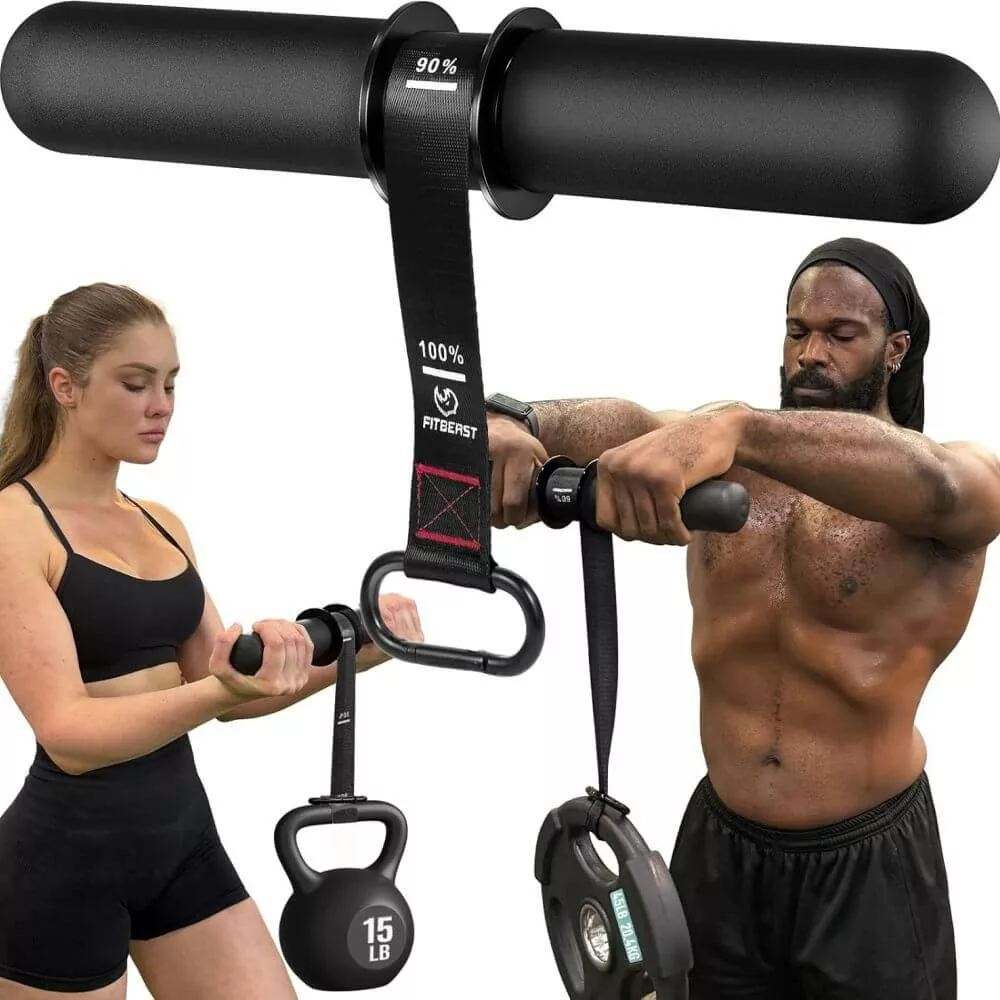
A wrist roller introduces a different challenge because you have to repeatedly flex and extend the wrist while controlling a hanging load.
It can be useful for both strength and endurance, depending on how much resistance you use and how long you perform the movement.
A wrist roller also demonstrates the importance of leverage particularly well. As the rope winds around the roller, the effective lever changes, making the exercise increasingly demanding.
Simple Wrist Roller for Grip & Forearm Muscle Power

The Ultimate Portable Arm Trainer for Home Workouts?
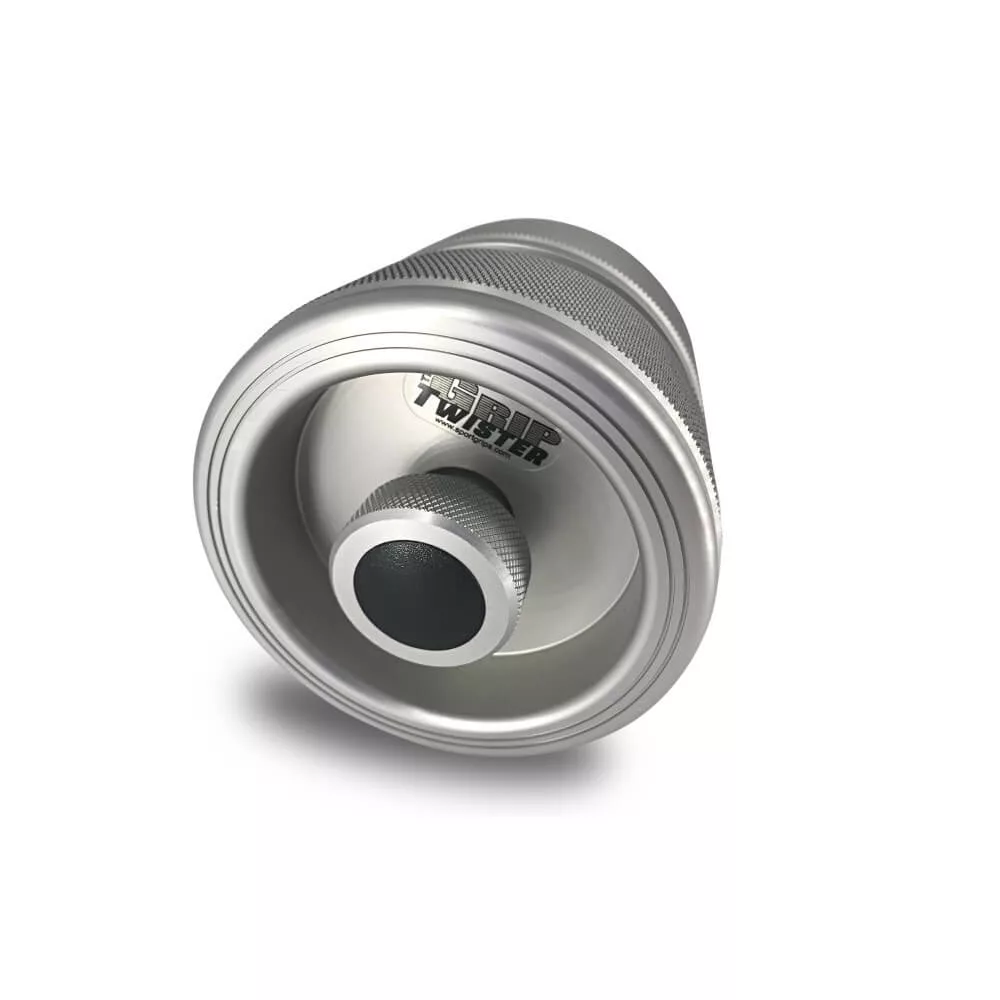
Ultimate Pinch Grip Trainer with Virtually Infinite Resistance?
Lever-Style Wrist Exercises
Lever training is another practical way to develop wrist torque.
A hammer, club-style implement, or purpose-built lever tool can be held away from the wrist so that relatively modest resistance creates a meaningful torque demand.
You can train wrist flexion, extension, and controlled side-to-side movements by changing the position of the implement.
The farther the weight sits from your hand, the more leverage it creates.
That means you can often make a lever exercise harder without dramatically increasing the weight.
Isometric Wrist Holds
Not every wrist exercise needs visible movement.
Isometric holds train your ability to resist movement and maintain a particular wrist position. This can be especially useful when your sport or activity requires you to keep the wrist stable while the fingers generate force.
Hold a light weight or resistance implement in a controlled wrist position and maintain it for a short period.
As your capacity improves, you can gradually increase the resistance or duration.
A Simple Beginner Starting Point
You could begin with something as straightforward as:
- Wrist curls – 2–3 sets of 10–15 controlled repetitions.
- Reverse wrist curls – 2–3 sets of 10–15 controlled repetitions.
- Lever or wrist-roller work – 2 sets of controlled repetitions or short sets.
- Isometric wrist holds – 2 short holds of approximately 15–30 seconds.
You do not need to perform every exercise in every session.
The most important thing at this stage is learning how the wrist responds to resistance and giving the tissues enough time to adapt.
The biggest beginner mistake is chasing resistance too quickly. Wrist exercises often look easy because the weights are small, but the muscles and connective tissues involved may not be accustomed to direct loading.
Start conservatively. Build control first. Increase resistance later.
Understanding Leverage and Wrist Torque
The word “torque” can make wrist training sound more complicated than it really is.
The basic idea is simple: force becomes more demanding when it acts through a longer lever.
This is why the position of your hand matters so much during wrist exercises.
Hold a light object close to your hand and it may feel easy to control. Move that same object farther away and the wrist suddenly has to work harder.
The weight has not changed.
The leverage has.
Why Small Weights Can Feel Surprisingly Heavy
Wrist exercises often use lighter weights than larger compound exercises.
That does not mean they are ineffective.
The wrist is a relatively small joint, and exercises that place the resistance farther from the joint can produce a significant torque demand even when the actual weight is modest.
This is particularly obvious with lever-style training.
A long lever gives you more leverage against the wrist, allowing you to manipulate difficulty without simply adding more weight.
Hand Position Changes the Exercise
Your grip position also changes the demand.
With a lever or similar tool, changing the angle of your hand can alter which muscles have to resist the load.
This gives you another progression method.
Instead of immediately adding heavier resistance, you can change the lever length, hand position, range of motion, or duration of the exercise.
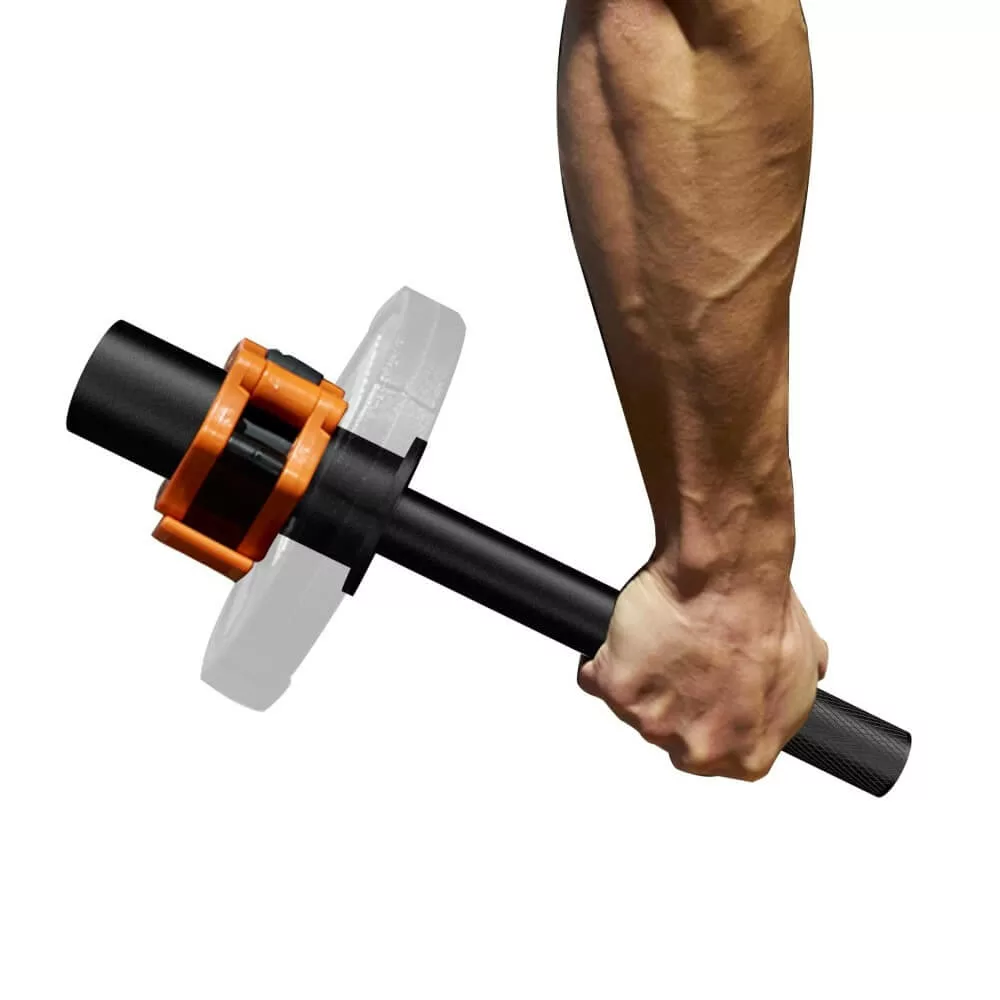
Wrist Strength Without Weak Links: Build Forearm Power & Control
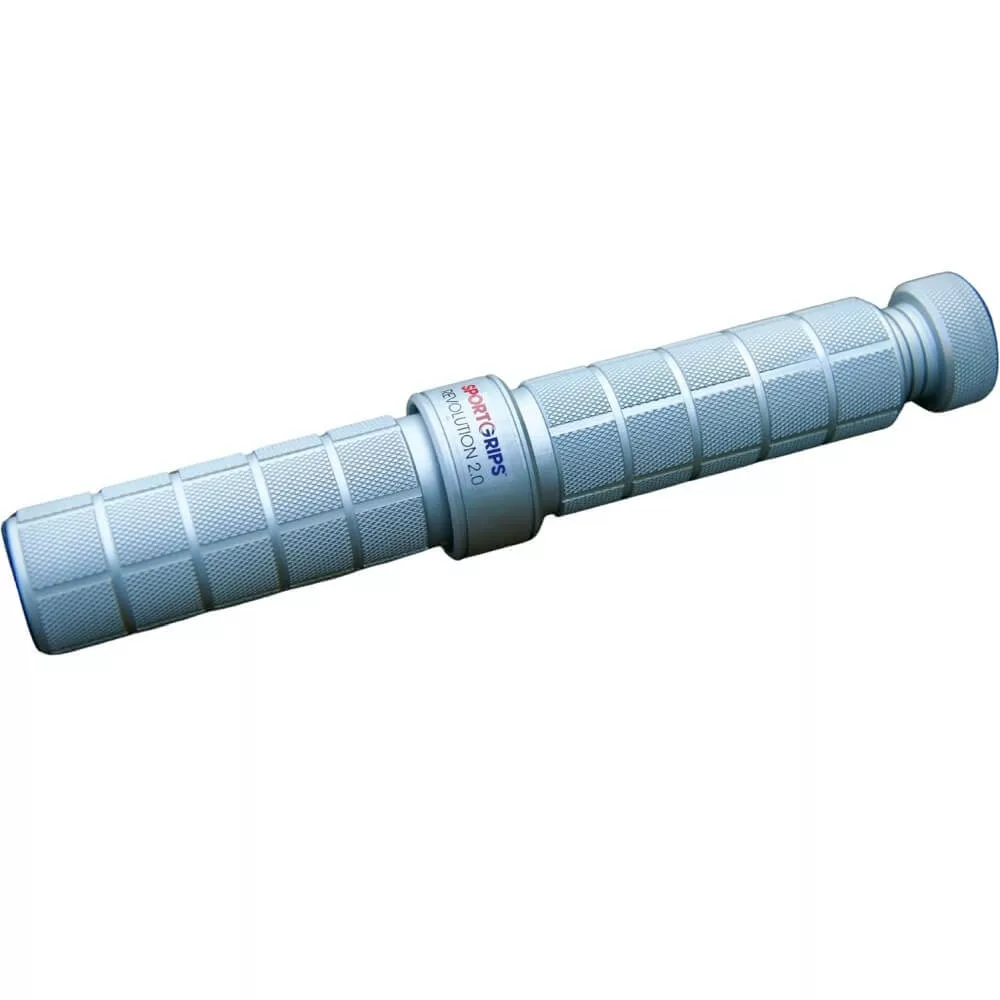
Elite Wrist & Forearm Trainer for Strength & Rehab?
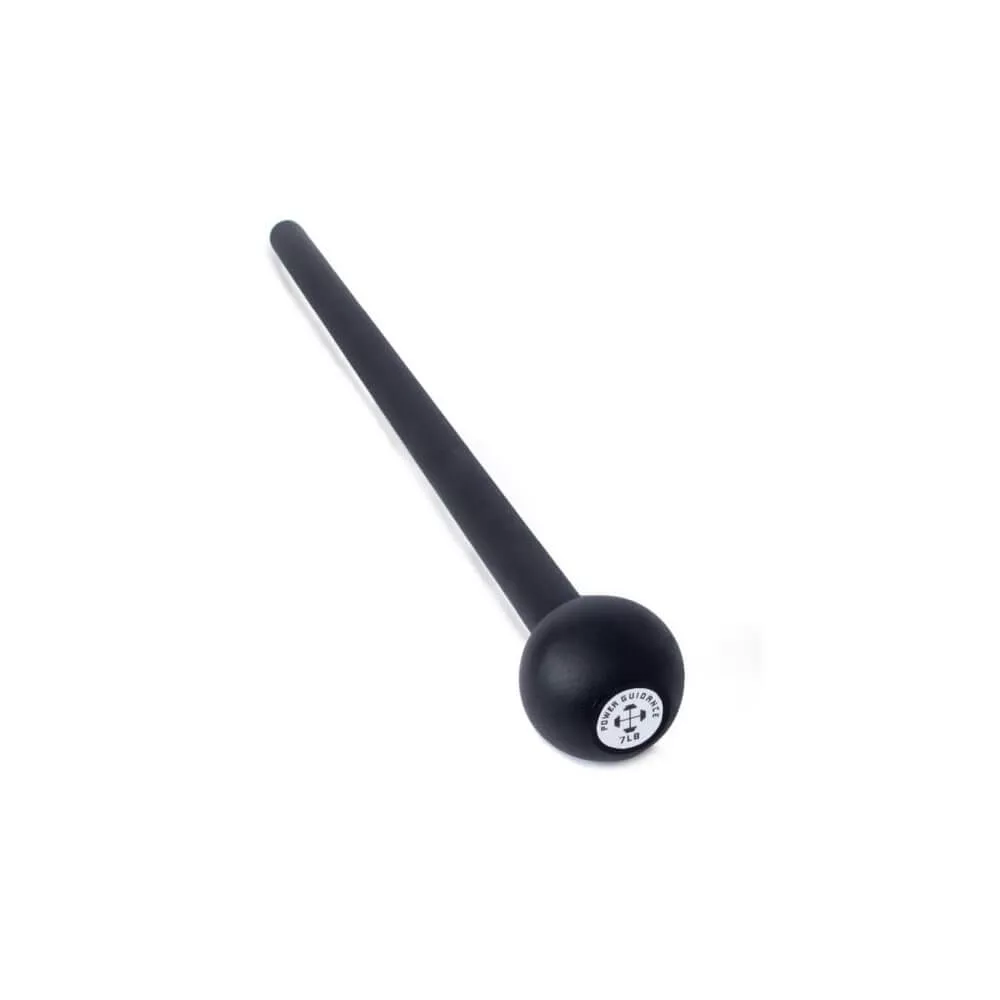
Use Steel Mace to Strengthen Your Wrists in a Dynamic Way
Why Control Matters More Than Speed
Wrist torque training should generally be controlled.
Fast, uncontrolled repetitions can make it harder to tell whether the intended muscles are doing the work. They can also introduce unnecessary momentum into an exercise that is supposed to develop controlled wrist strength.
Move deliberately. Feel the resistance. Maintain a comfortable range of motion.
If the exercise becomes difficult enough that you have to swing the weight or compensate with the rest of your arm, it is probably time to reduce the difficulty.
Torque Is Not Just About Maximum Strength
There is another important distinction.
Your wrist needs to produce force, but it also needs to resist force.
In many real-world activities, the goal is not to move the wrist as hard as possible. The goal is to prevent it from moving when an external load tries to change its position.
That makes controlled holds and slow repetitions useful additions to traditional wrist curls.
- Crush training teaches you to squeeze.
- Pinch training teaches you to control objects between the fingers and thumb.
- Support training develops your ability to hold onto loads.
- Pronation and supination training develop forearm rotation.
- Finger extension training helps train the muscles responsible for opening the hand.
- And wrist torque training adds another piece by developing the ability to control and resist movement through wrist flexion and extension.
You do not need an elaborate routine to benefit from it.
Start light, learn the movements, train both directions, and progress gradually.
Over time, stronger wrist control can make it easier to transfer the strength you are already developing in your hands into real-world tasks and athletic movements.
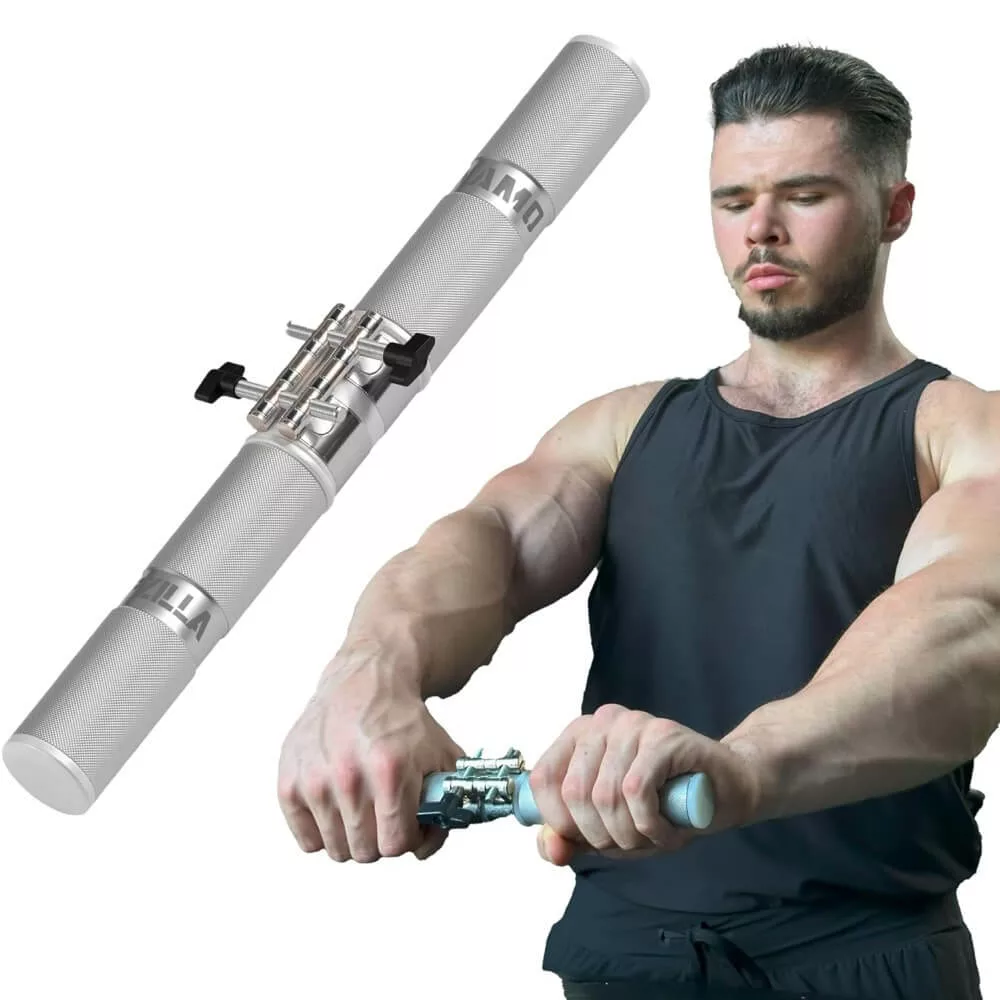
Reliable Budget Wrist Roller That Actually Lasts?
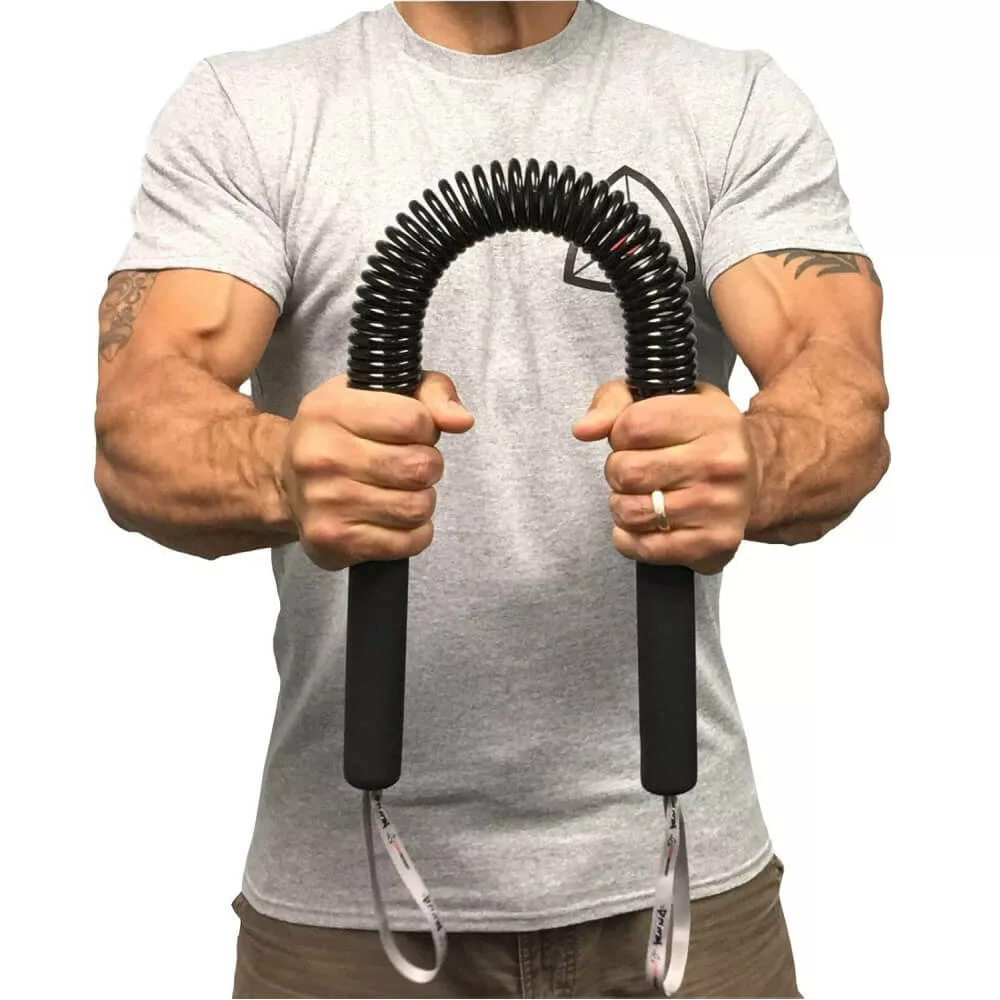
Twister Bar: The Classic Grip & Arm Trainer That Never Fails

Burn Machine Arm Rotation Trainer: Shockingly Effective?
Key Takeaway
A strong grip needs a strong foundation, and the wrist is a big part of that foundation.
Wrist torque training focuses on your ability to control resistance through wrist flexion and extension. It is different from pronation and supination training, but it complements both grip and forearm work.
For beginners, the best approach is simple: use manageable resistance, prioritize control, train both flexion and extension, and progress gradually.
Your grip does not stop at the fingers. A stronger wrist can give the hand a more stable platform for producing and transferring force.
Thanks for Reading!
Which Part of Wrist Training Do You Find Challenging?
Share Your Thoughts in the Comments!