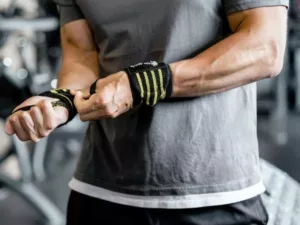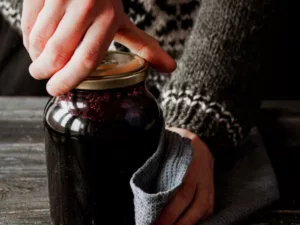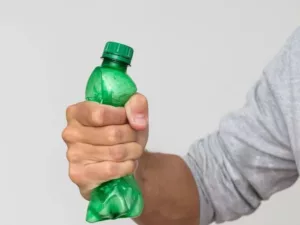
(Last Updated on October 1, 2026 by Henry)
Build a Simple & Flexible Routine to Keep Your Hands Moving
Your hands do a lot more than your grip workouts.
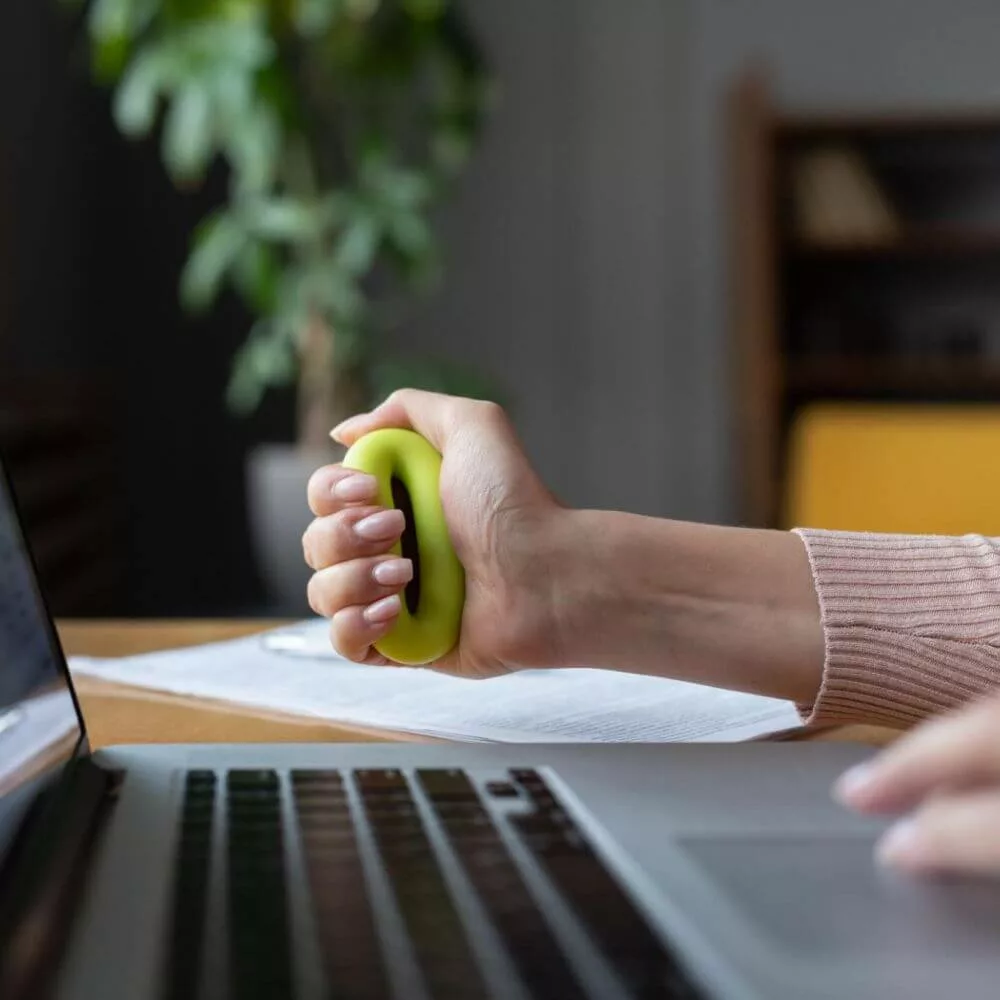
They type, scroll, carry, open, pinch, pull, hold tools, use phones, play games, train, climb, work.
Your hands perform hundreds of small movements that you probably don’t think about.
That means recovery shouldn’t only happen when your hands finally feel exhausted.
A good hand recovery routine gives you a simple way to manage that workload before small amounts of fatigue start accumulating.
Table of Contents – Explore What's Covered Below
ToggleIt doesn’t need to be complicated, and it shouldn’t feel like another workout.
The most useful routine is usually a combination of sensible training volume, adequate rest, comfortable movement, and a few recovery methods that fit your actual needs.
Here are some simple, practical exercises that require no equipment.
You can do them anywhere, anytime & they never go out of style.
1. What Should a Hand Recovery Routine Actually Do?
Recovery isn’t one particular exercise, tool, or technique.
Its purpose is to give your hands enough room to respond to the work you’re asking them to do while keeping normal movement part of your routine.
Reduce Accumulated Fatigue
Hard grip training creates a workload for your fingers, hands, wrists, and forearms.
Your other activities add to that workload too.
A recovery routine should therefore help you avoid piling additional stress on top of stress.
Sometimes the best recovery decision is simply to do less.
Maintain Comfortable Movement
Rest doesn’t have to mean keeping your hands completely still.
Gentle opening and closing, finger movement, thumb movement, and wrist mobility can provide a simple way to keep your hands moving without turning recovery into another demanding session.
The goal is comfortable movement, not fatigue.
Give Your Hands Room to Adapt
Training provides a stimulus.
Recovery gives your body time to respond to that stimulus.
If you continually add more gripping, squeezing, lifting, and repetitive hand activity without enough recovery, you can eventually find that your performance stops improving and your hands feel increasingly beat up.
Recovery isn’t wasted training time.
It’s part of the process.
Recovery Isn’t About Doing More
This is one of the easiest mistakes to make.
You discover a massage tool, stretching routine, therapy ball, or recovery exercise and start adding it to an already demanding schedule.
Suddenly your recovery day contains another 30-minute hand workout.
That isn’t necessarily recovery.
A useful routine should make your overall workload more manageable, not simply give you another list of things to complete.
2. Start With the Basics Before Adding Recovery Tools
Before buying another recovery product or building a complicated routine, look at the things that have the biggest effect on recovery.
Look at Your Training Volume
How often are you training your grip?
How hard are your sessions?
How many exercises involve your hands?
A recovery tool can’t completely compensate for a training schedule that consistently asks more from your hands than they can comfortably recover from.
If your workload is excessive, reducing it may be more useful than adding another recovery technique.
Give Hard Sessions Enough Space
Hard grip sessions don’t necessarily need to happen every day.
Leaving appropriate space between demanding sessions gives your hands and forearms an opportunity to recover before you ask them to perform at a high level again.
Your ideal frequency depends on the type of training, your experience, your other activities, and how your hands respond.
Remember Your Other Activities
Your hands don’t know whether the workload came from a gripper, a pull-up bar, a keyboard, a toolbox, or a climbing wall.
Your body simply experiences the accumulated demand.
This is why a hand recovery routine should take your whole week into account.
A demanding grip workout after a long day of manual work may represent a very different workload from the same workout performed after a relatively easy day.
Don’t Ignore the Recovery Basics
Sleep, adequate food, hydration, and sensible overall workload management aren’t exciting, but they matter.
A hand recovery routine works best when these foundations are already reasonably solid.
Tools and techniques should complement those basics rather than replace them.
3. Build a Short Daily Hand-Movement Routine
A useful recovery routine doesn’t have to take half an hour.
In many cases, a few minutes of comfortable movement is enough to give your hands a break from staying in the same positions all day.
Open and Close Your Hands
Start with a simple movement.
Slowly open your fingers, relax them, and then gently close your hand.
You don’t need to squeeze hard.
The purpose is simply to move through a comfortable range and remind your hands that gripping isn’t their only movement.
Spread Your Fingers
Gently spread your fingers apart and then relax them.
This provides a different movement from repeatedly closing the hand around an object.
Keep the movement controlled rather than forcing your fingers into a position they don’t comfortably reach.
Move Your Thumb
The thumb contributes to many forms of gripping and manipulation.
Include a few comfortable thumb movements rather than treating the fingers as the entire hand.
You can gently move the thumb away from the palm, across the palm, and back again within a comfortable range.
Add Gentle Wrist Movement
Your wrist and forearm are closely involved in many gripping tasks.
Simple wrist movements can therefore complement your hand routine.
For more detail on this part of recovery, see Wrist Mobility for Grip Training.
Finish With a Whole-Hand Sequence
You can combine the movements into a short sequence:
Open the hand → spread the fingers → move the thumb → gently move the wrist → relax.
There is no need to turn this into a timed challenge.
The easier it is to perform, the easier it is to repeat consistently.
4. Add Recovery Work According to What Your Hands Need
Once the basics are covered, you can add a small amount of targeted recovery work.
The important word is targeted.
You don’t need every recovery technique simply because it exists.
Use Finger Extension When You Do a Lot of Gripping
Grip training naturally emphasizes closing the hand.
Finger-extension work gives your fingers a different task and can complement a grip-heavy routine.
For a practical introduction, see Finger Extension for Recovery & Balance.
Use Gentle Self-Release for Tension
If your hands and forearms feel generally tense after training or prolonged use, gentle self-release can be another option.
This might involve your hands, a small therapy ball, or another simple tool.
The goal isn’t to apply as much pressure as possible.
A recovery technique that leaves the area more irritated afterward isn’t necessarily helping.
For more ideas, see Massage & Self-Release for Hands and Forearms.
Use Light Resistance Only When It Fits the Day
Therapy putty and other light-resistance tools can provide controlled hand movement without requiring the intensity of a normal grip workout.
They can be useful when you want to keep your hands active while deliberately staying below your usual training intensity.
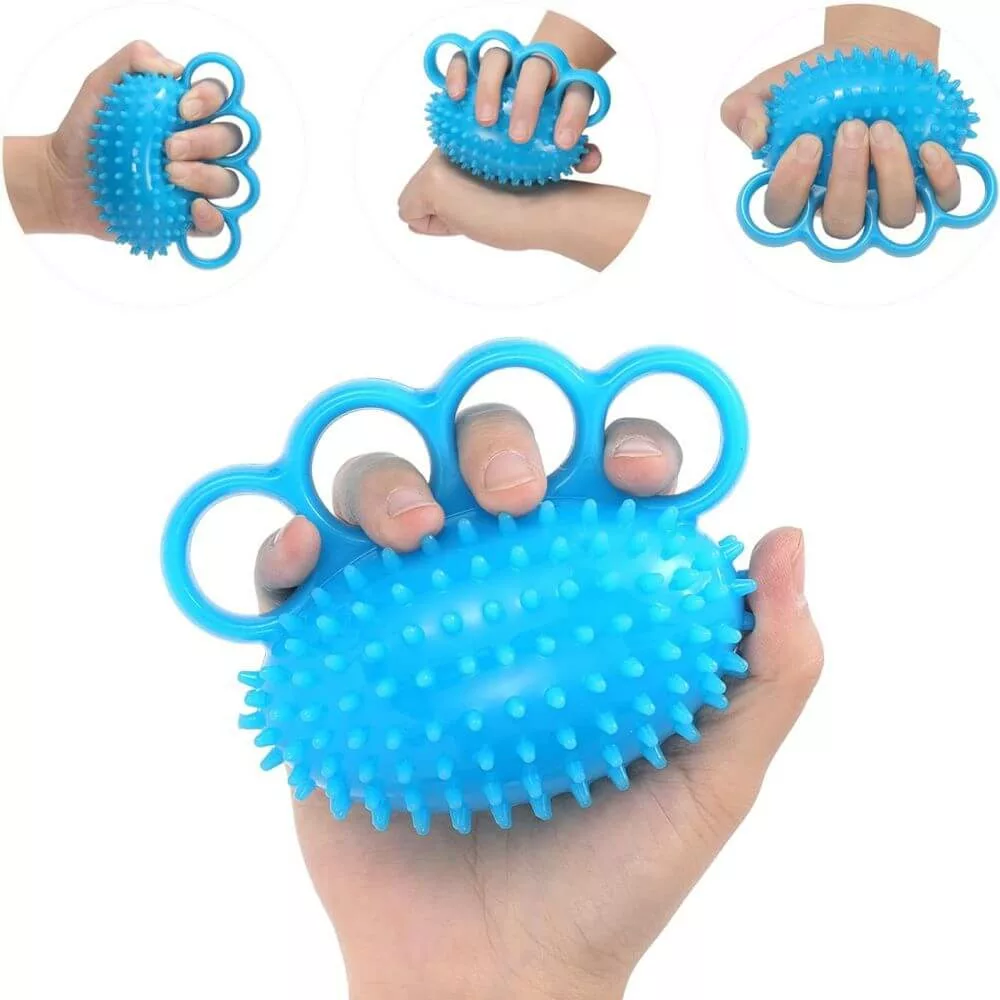
Therapy-Grade Stress Relief & Rehab Crush Grip Trainer
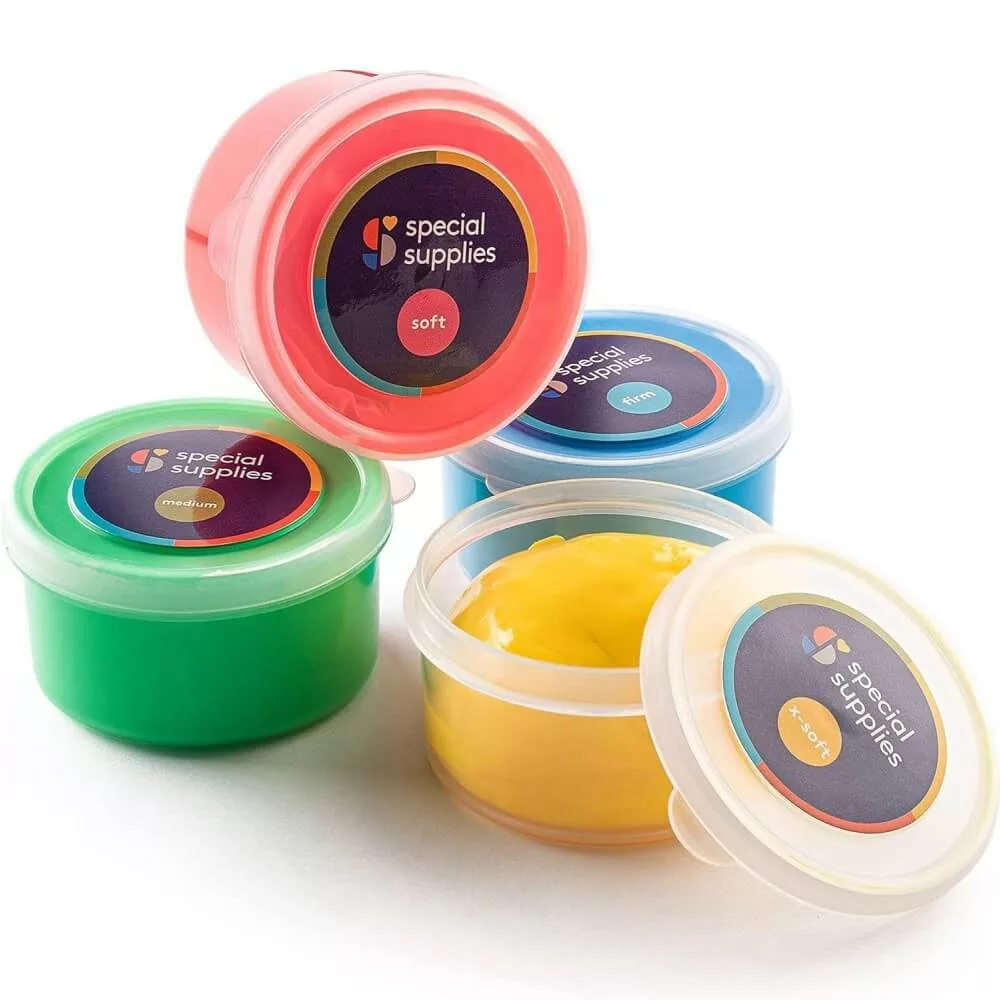
Therapy Putty: Rehab-Grade Hand Recovery & Grip Training?
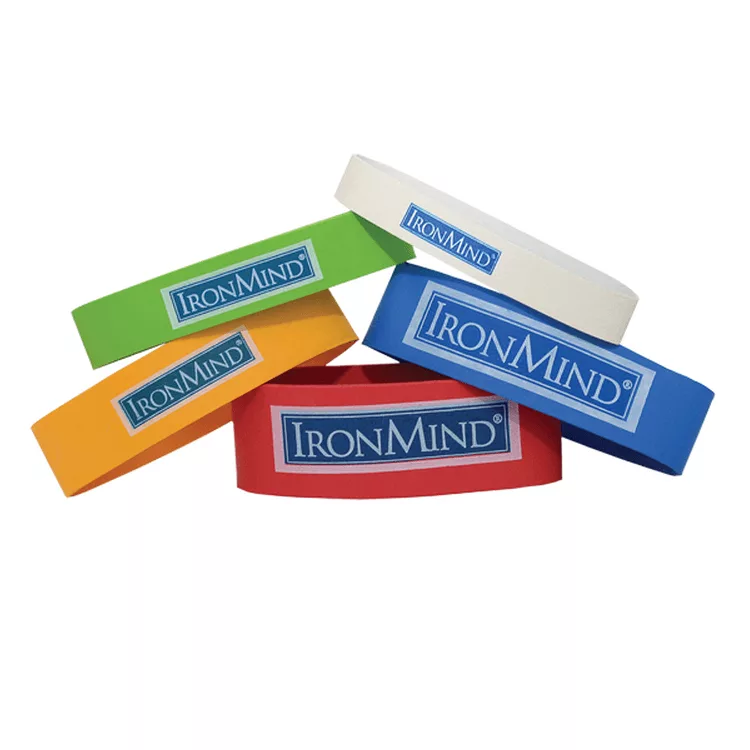
Why are Handbands Staple to Build Hand Muscle Balance?
The Fanwer Finger Therapy Ball, Therapy Putty, and Expand-Your-Hand Bands by IronMind are three examples of tools that can fit different parts of a gentle hand routine.
None of them are mandatory.
Choose the type of movement that actually fits your needs and leave out anything that simply adds more work.
5. Create Different Routines for Different Days
One of the best ways to make recovery sustainable is to stop expecting your hands to need exactly the same thing every day.
Your recovery routine can change according to the workload you’ve accumulated.
After a Hard Grip Training Session
After demanding grip work, recovery may be as simple as:- Gentle hand opening and closing
- Comfortable finger and wrist movement
- No additional hard gripping
- Normal food, hydration, and sleep
- Enough time before your next demanding session
The objective is to come down from the training workload rather than immediately add another challenge.
During a Normal Training Day
You may not need a dedicated recovery session at all.
Instead, use short movement breaks between periods of gripping, typing, gaming, or other repetitive work.
A few seconds of opening the hands, moving the fingers, or changing wrist position can be enough to break up long periods of repetitive activity.
After a Long Day of Typing, Gaming, or Manual Work
Your hands may already have accumulated substantial workload before you even begin a planned workout.
On these days, movement may make more sense than additional resistance.
You can also consider reducing or skipping a hard grip session if your hands are already unusually fatigued.
On a Recovery Day
A recovery day doesn’t have to mean doing absolutely nothing with your hands.
Gentle movement, light mobility, normal daily activities, and comfortable self-release can all fit.
But there should still be a meaningful difference between recovery work and training.
If your recovery day leaves your hands tired, you’ve probably made it too demanding.
6. Know When Your Recovery Routine Is Doing Too Much
It’s possible to overdo recovery just as it’s possible to overdo training.
This happens when every technique becomes another opportunity to apply resistance, accumulate repetitions, or chase a sensation that feels productive.
More Soreness Isn’t Automatically Better
Recovery shouldn’t be judged by how intense it feels.
A massage doesn’t need to hurt.
Mobility work doesn’t need to push aggressively into a stretch.
Light resistance doesn’t need to produce muscular exhaustion.
The goal is to finish feeling at least as comfortable as when you started, preferably better.
Watch for Accumulating Irritation
If a recovery exercise repeatedly produces discomfort that lasts afterward, reconsider it.
You can reduce the amount, change the movement, or leave it out.
There is no special benefit to forcing a recovery technique simply because it was recommended somewhere else.
Don’t Turn Every Tool Into a Workout
Therapy putty can be used gently or aggressively.
Finger bands can be used for a small amount of controlled extension or turned into a high-volume session.
A massage ball can provide gentle self-release or become an exercise in applying increasingly painful pressure.
The tool doesn’t determine the workload.
Your use of the tool determines the workload: Keep recovery work easy enough that it complements your overall training rather than competing with it.
7. Build a Routine You Can Actually Maintain
A recovery routine only helps if you actually use it.
That makes simplicity a feature, not a limitation.
Keep It Short
You don’t need a complicated protocol with ten exercises.
A few minutes of movement may be much easier to maintain than a long routine that you eventually stop doing.
Start small.
You can always add something later if you genuinely need it.
Attach It to an Existing Habit
A simple routine can become easier to remember when you connect it to something you already do.
You might move your hands after finishing a long computer session, during a break from manual work, or after your normal training cooldown.
The goal is to remove as much friction as possible.
Adjust It According to Your Workload
Your routine should respond to what your hands are doing.
A quiet day may require very little recovery work.
A day involving heavy grip training, climbing, grappling, lifting, or repetitive manual work may call for more attention to recovery and less additional resistance.
Track Trends Rather Than Individual Days
One uncomfortable day doesn’t necessarily tell you much.
Look for patterns.
Are your hands consistently more tired after training? Is a particular exercise repeatedly irritating them? Are you recovering normally between sessions?
These trends can tell you more than whether your hands felt slightly better or worse on one particular morning.
8. When Your Routine Isn’t Enough
A recovery routine is not a substitute for figuring out why persistent symptoms are occurring.
Sometimes the correct response is to reduce your workload and seek appropriate professional guidance rather than continuing to experiment with recovery techniques.
Persistent Pain
Pain that keeps returning or becomes progressively worse deserves attention, particularly if changing your workload doesn’t improve the situation.
Swelling or Significant Sensitivity
Noticeable swelling, unusual tenderness, or a significant change in how your hand functions shouldn’t simply be treated as another recovery problem to solve with a tool.
Numbness or Tingling
Persistent numbness, tingling, or other unusual sensations are another reason to seek professional evaluation rather than repeatedly adding exercises.
Loss of Strength or Function
A meaningful change in grip strength, coordination, or your ability to perform normal activities is worth taking seriously.
Your recovery routine should help you maintain your ability to use your hands, not become a reason to ignore changes in that ability.
Make Recovery Part of Training
You don’t need a complicated hand-recovery protocol.
You need a repeatable way to give your hands enough rest, comfortable movement, and flexibility to handle the work you ask of them.
Some days that may mean a few minutes of gentle movement.
After a hard session, it may mean doing almost nothing beyond normal recovery basics.
On a demanding workday, it may mean reducing your planned grip training rather than trying to compensate with more recovery exercises..
Recommended Next Reads
The most useful routine is the one that helps you reduce unnecessary workload,
keep your hands moving comfortably, & recognize when they need more recovery
Key Takeaway
A good hand recovery routine doesn’t add more work just for the sake of doing something.
It helps balance your total workload with rest, comfortable movement, and appropriately chosen recovery methods.
Keep it short, adapt it to what your hands have been doing, and remember that sometimes the best recovery strategy is simply to give your hands less to recover from.
Thanks for Reading!
Which Grip Exercise Has Made a Difference for You?
Share Your Thoughts in the Comments!