(Last Updated on October 11, 2026 by Henry)
Simple Self-Release Techniques to Recover More Comfortably
Your hands and forearms can accumulate a surprising amount of work throughout the day.
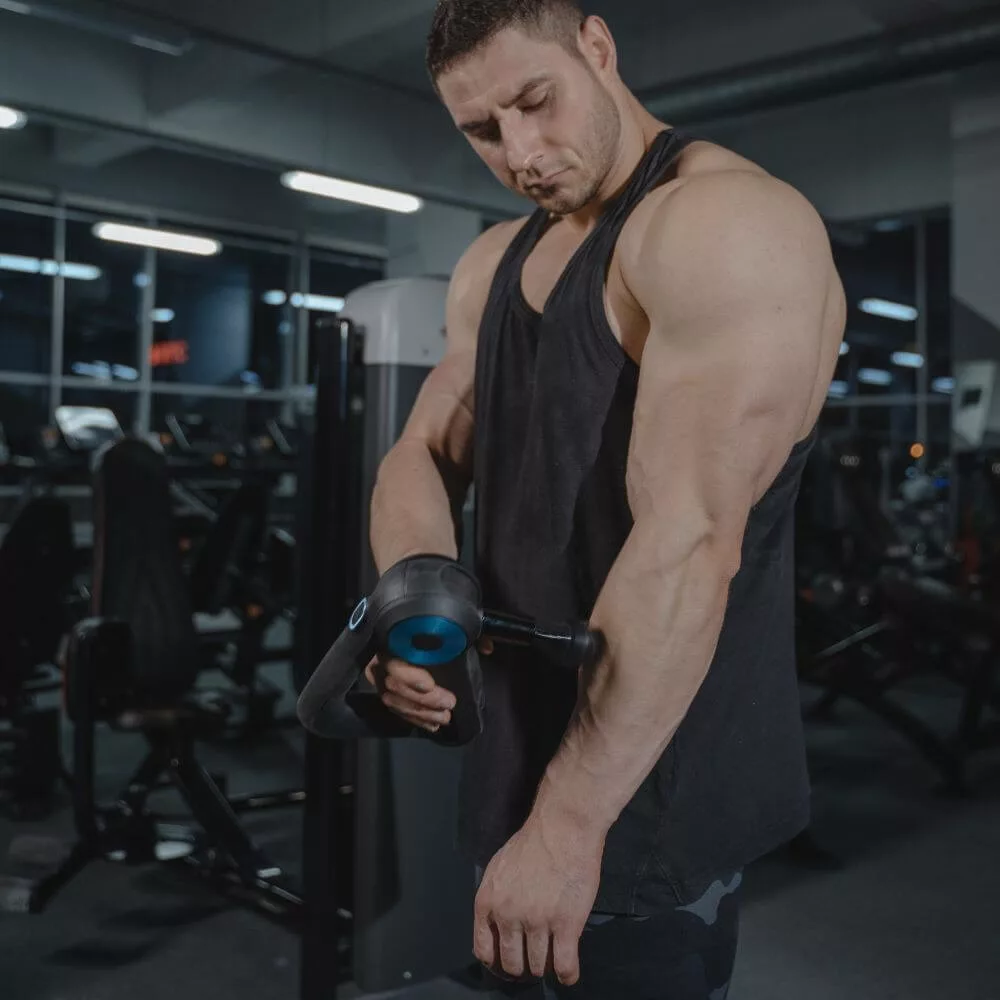
Grip training, lifting, climbing, gaming, typing, tool use, and repetitive manual tasks can all involve the same small collection of muscles and joints over and over again.
Even when that workload is manageable, your hands and forearms may sometimes feel tight, tired, or simply in need of some movement.
Massage and self-release can be useful additions to your recovery routine.
They aren’t magic fixes, and they shouldn’t be used to push through pain or ignore a problem. Instead, think of self-release as a simple way to introduce gentle pressure, movement, and awareness between harder activities.
The goal isn’t to attack every tight spot until it feels sore. It’s to help your hands and forearms feel more comfortable while supporting the bigger recovery habits that allow you to keep training consistently.
Do you have tight hands from sitting behind a computer all day or using your phone?
Here are some techniques for self-myofascial release to help your hands feel good.
6. Massage Tools: What Should You Actually Use?
You don’t need a drawer full of specialized equipment.
For many people, their hands are enough for basic massage, while a small ball or another simple tool can make forearm self-release easier.
Your Hands
Manual massage has one major advantage: you already have the equipment.
Your opposite thumb can provide precise pressure across the palm, fingers, and thumb, while your fingers can work across the forearm.
It’s also easy to adjust the pressure from one moment to the next.
Small Massage or Therapy Balls
A small ball can be useful when you want more consistent pressure.
It can be placed between your hand or forearm and a stable surface, allowing you to control the amount of pressure through your body position.
The smaller the area being worked, the more important it becomes to stay conservative with pressure.
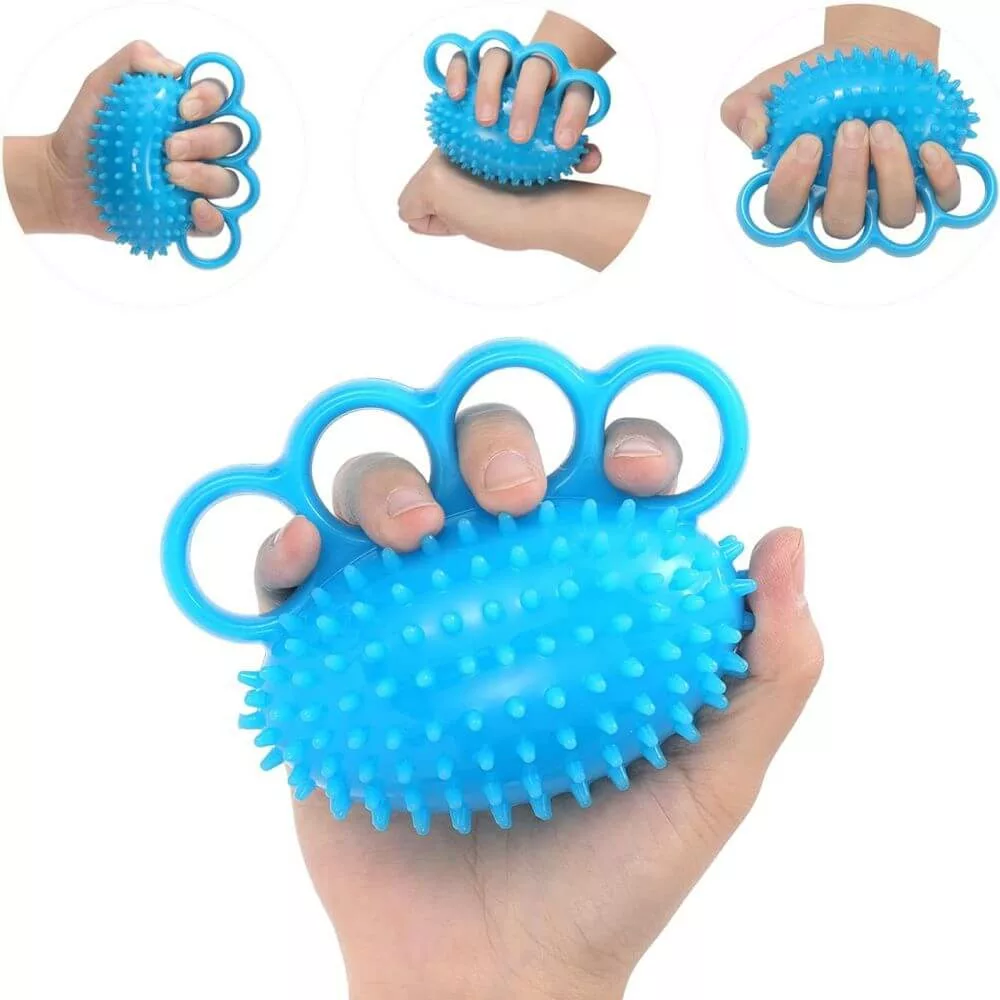
Therapy-Grade Stress Relief & Rehab Crush Grip Trainer
Therapy Putty
Therapy putty isn’t technically a massage tool.
Its value is different: it provides a soft, controllable resistance that can be used for gentle hand movement and light strengthening.
That makes it a useful complementary tool when you want to move from passive self-release toward controlled hand work.
The important distinction is to keep the purpose clear. If you’re using putty, you’re performing an exercise rather than simply massaging the hand.
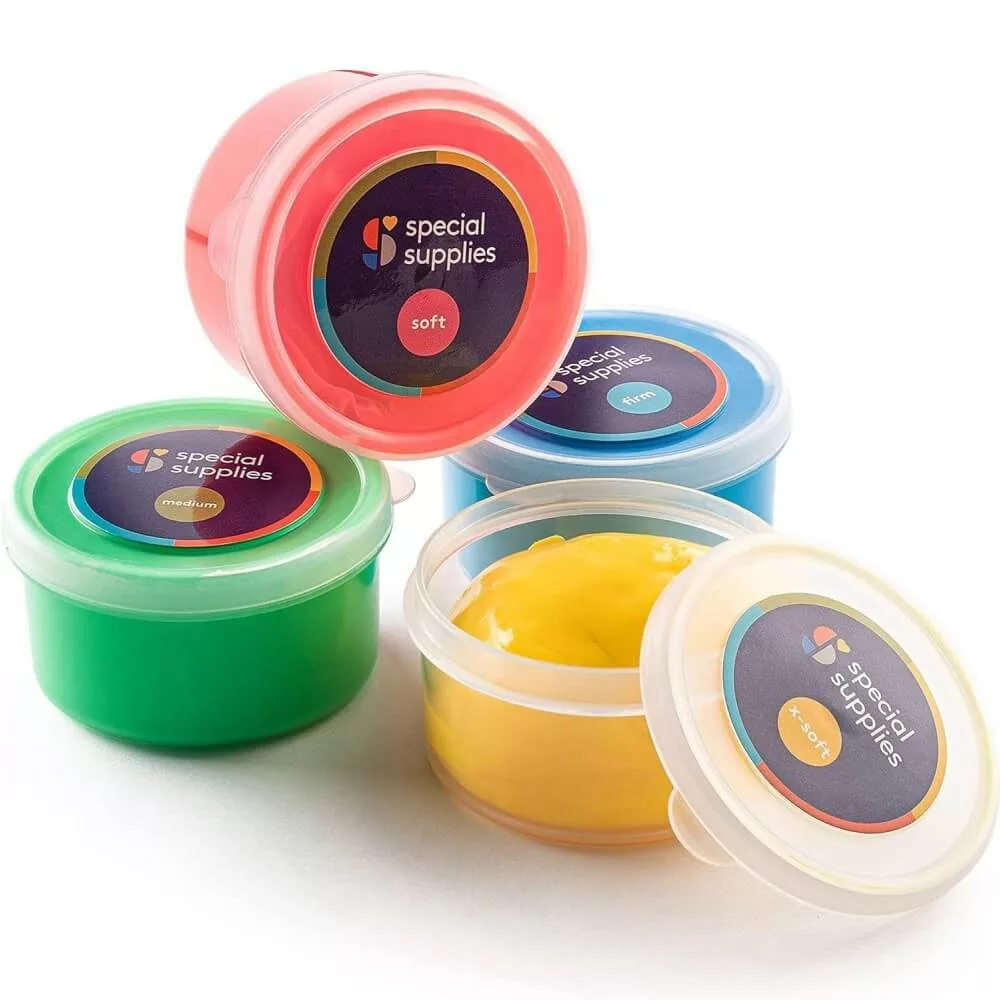
Therapy Putty: Rehab-Grade Hand Recovery & Grip Training?
Larger Massage Tools
Larger massage tools can be useful for bigger muscle groups, but they aren’t automatically better for the hands and forearms.
Because these areas are relatively small and contain many structures close together, a tool that gives you precise control can be more practical than a large, aggressive device.
Start with the simplest option that accomplishes what you need.
Keep Your Hands Moving, Not Just Massaged
Massage and self-release can be useful because they’re simple.
You can do them almost anywhere, adjust the pressure yourself, and finish within a few minutes. For someone who repeatedly uses their hands, that’s enough to make them worth keeping in the recovery toolbox.
But resilient hands need more than massage.
They need appropriate training, enough recovery, varied movement, sensible workload management, and attention to changes in how they feel and perform.
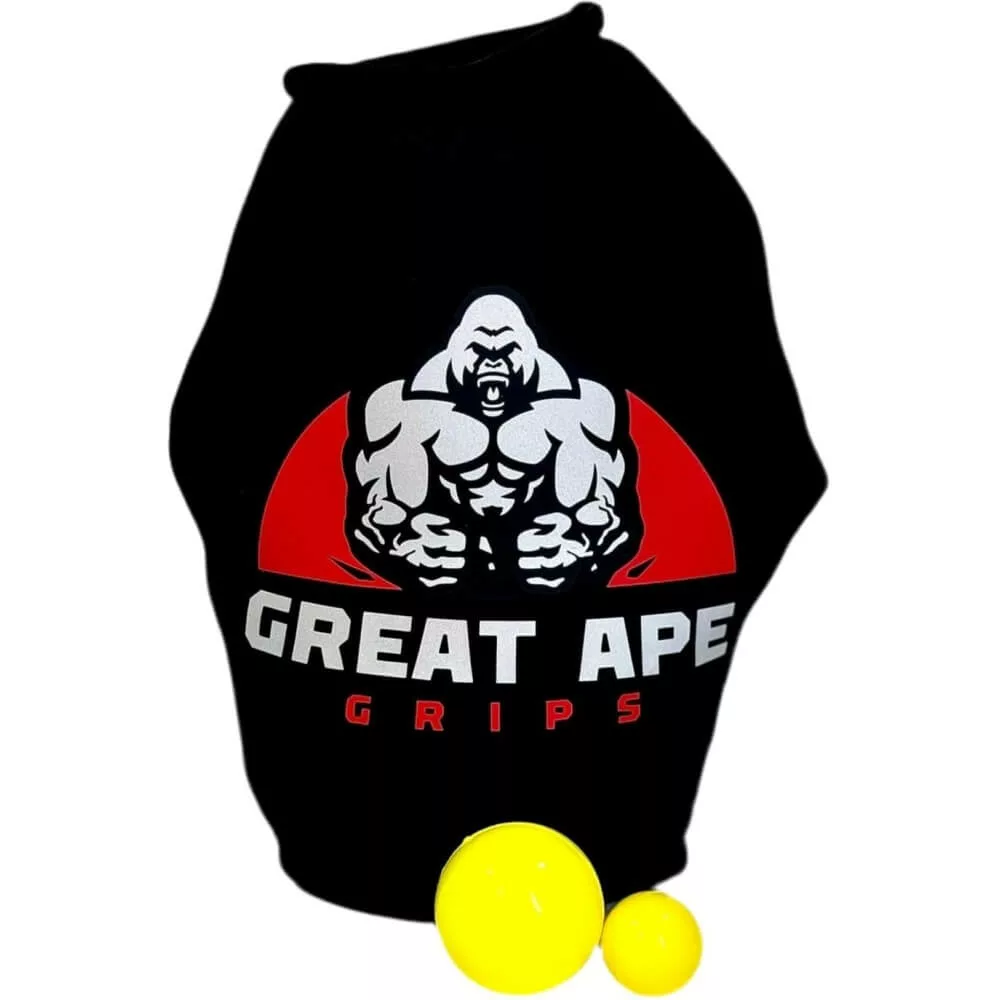
Modern Rice Bucket Gadget for Grip & Forearm Training?
Use self-release when it helps.
Don’t use it to justify ignoring persistent problems.
The strongest recovery routine isn’t necessarily the one with the most techniques.
It’s the one that helps you train, work, and use your hands consistently.
Key Takeaway
Massage and self-release can complement grip training recovery by providing gentle pressure, movement, and temporary comfort.
Keep them controlled and simple, and remember that workload management, movement, and adequate recovery remain the foundation.
Thanks for Reading!
How Do You Recover After Regular Training or Work?
Share Your Thoughts in the Comments!