(Last Updated on July 28, 2026 by Henry)

Why Grip Strength Matters More Than You Think

How many times have you used your hands today?

Take a moment and think about it.

You picked up your phone.

Opened doors.

Carried a cup of coffee.

Typed on a keyboard.

Brushed your teeth.

Perhaps you drove a car, shook someone’s hand, or carried groceries into the house.

Your hands have probably been working nonstop since the moment you woke up.

And yet, most people never think about their grip strength until something goes wrong.

Maybe a jar suddenly feels harder to open. Perhaps your hands tire quickly while working, or your grip gives out during exercise. These moments serve as reminders that grip strength isn’t just for athletes, but a fundamental part of everyday life.

Grip strength is one of the few physical qualities
that follows you everywhere you go.”

Unlike a bench press or a sprint time, your grip influences dozens, if not hundreds, of interactions every single day.

It helps you:

  • Hold objects securely.
  • Perform tasks safely.
  • Maintain independence.
  • Reduce accidental drops.
  • Participate in hobbies and sports.
  • Move through life with confidence.

The best part?

Most people can improve their grip strength significantly with simple, consistent practice.

By the end of this article, you’ll probably start noticing just how often your hands quietly support your life behind the scenes.

Everyday Tasks That Depend On Grip

Once you start paying attention, it’s almost impossible to ignore how often grip strength shows up throughout the day.

Some examples are obvious:

  • Carrying grocery bags.
  • Opening jars and bottles.
  • Holding onto railings.
  • Using tools.
  • Lifting boxes.
  • Carrying luggage.

Others are much easier to overlook.

Think about cooking dinner.

Your hands are constantly working, holding knives, stirring pots, opening containers, and carrying dishes from one room to another.

Even modern technology depends on grip.

Every time you hold a smartphone, use a computer mouse, type on a keyboard, or play a game controller, your hands are performing hundreds or even thousands of small movements. Individually, these actions don’t seem demanding, but over time they add up.

This is why grip strength isn’t just about power; it’s also about endurance and reliability.

Strong hands make everyday tasks feel easier.
Reliable hands make them feel effortless.
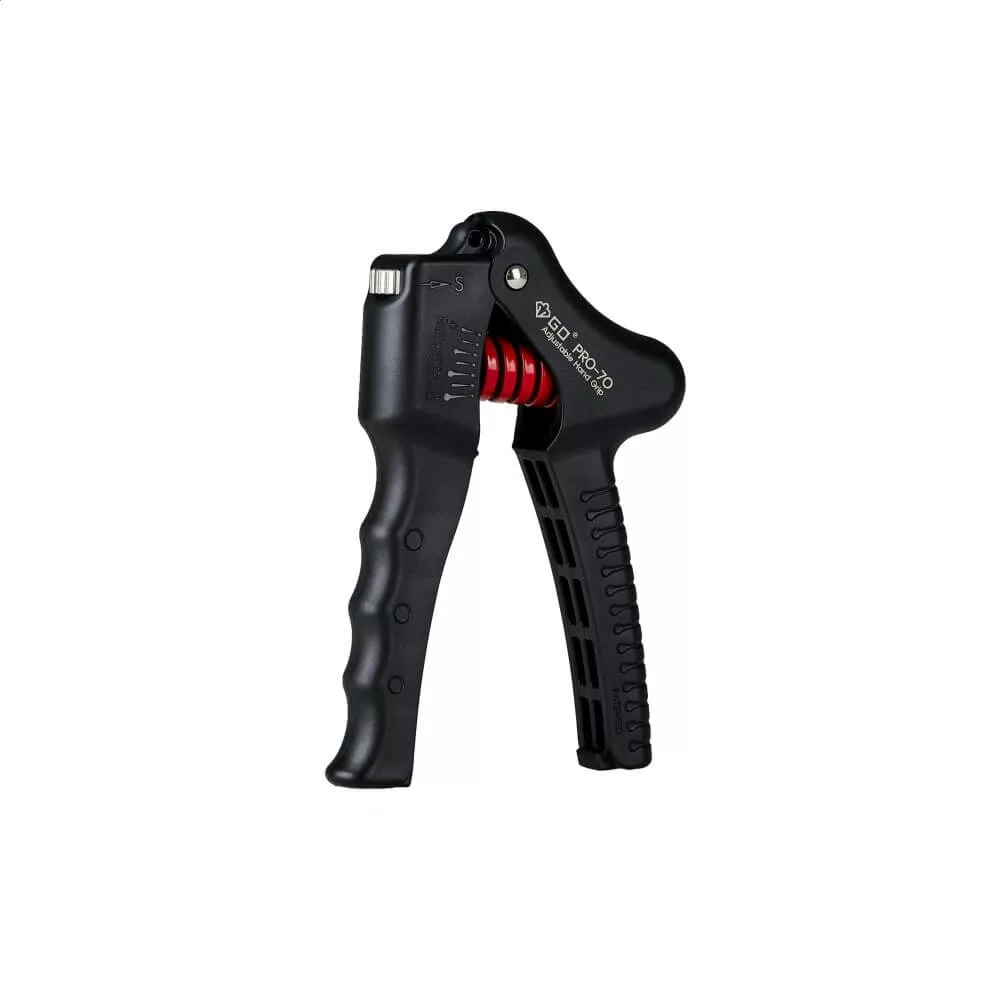
Many people don’t realize their grip has become a limitation until they experience one of these situations:

  • Their hands fatigue while carrying shopping bags.
  • They avoid opening stubborn containers.
  • They struggle to hold onto weights at the gym.
  • They notice frequent drops or slips.
  • Their hands feel tired after work.

Grip strength quietly supports our quality of life. And because we use our hands constantly,
even small improvements can produce surprisingly noticeable results.

Grip Strength Across Different Lifestyles

One of the things that makes grip strength so fascinating is that everyone uses it differently.
A stronger grip doesn’t mean the same thing to everyone.

Office Workers

Typing, clicking, and holding devices for hours can lead to fatigue and stiffness. Better grip endurance and movement variety can help support long workdays.

Gamers

Controllers, keyboards, and mice demand precision and endurance. Stronger hands can contribute to comfort, consistency, and reduced fatigue during longer sessions.

Parents

Carrying children, lifting strollers, hauling diaper bags, and performing countless daily tasks all rely on dependable hands.

Tradespeople

Carpenters, mechanics, electricians, and plumbers depend on grip every single day. For many, grip strength isn’t a luxury; it’s part of their livelihood.

Athletes

Whether it’s climbing, tennis, martial arts, weightlifting, or rowing, grip strength often determines performance and endurance.

Older Adults

Grip strength is strongly associated with maintaining independence. Everyday activities like opening containers, carrying items, and navigating stairs all become easier with stronger hands.

Hobbyists

Musicians, gardeners, knitters, photographers, and DIY enthusiasts all place unique demands on their hands.

Grip strength isn’t a niche skill.
It is a universal skill.”

This is one of the reasons grip training has such broad appeal.
It doesn’t matter who you are or what you do; stronger, healthier hands tend to improve your ability to do more of the things you enjoy.

And perhaps that’s the biggest takeaway:

Grip training isn’t about becoming stronger for the sake of strength itself.
It’s about becoming more capable.

Why Modern Life Weakens Hand Function

Here’s something many people don’t realize:
Modern life is incredibly convenient, and our hands are paying the price.

Previous generations spent much of their day performing physical tasks. They carried heavy objects, worked with tools, gardened, repaired things, and generally used their hands in more demanding ways.

Today, many of us spend our days:

  • Typing on keyboards.
  • Scrolling on smartphones.
  • Clicking computer mice.
  • Watching screens.
  • Sitting for extended periods.

There’s nothing inherently wrong with these activities, but they don’t challenge our hands in the same way.

As a result, many people are asking less of their grip than ever before.

This leads to a simple principle:
“Use it or lose it.”

If your hands rarely experience meaningful resistance or varied movement patterns, they may gradually become less capable over time. That can show up as reduced endurance, weaker grip strength, or increased fatigue during everyday activities.

Modern lifestyles can also contribute to:

  • Repetitive movement patterns.
  • Poor wrist positioning.
  • Reduced hand mobility.
  • Less overall physical activity.
  • Greater dependence on convenience.

Fortunately, the solution isn’t complicated.

You don’t need to move to a farm or start splitting firewood every morning.

You simply need to give your hands regular opportunities to do what they were designed to do: grip, carry, twist, support, and move.

Making Grip Training Part Of Your Lifestyle

The best grip training program is the one you’ll actually stick with.

Fortunately, improving your grip doesn’t require hours in the gym or expensive equipment. In many cases, you can build stronger hands simply by making small adjustments to your daily routine.

Simple Ways To Train Your Grip

  • Carry more often: Make fewer trips when bringing groceries inside.
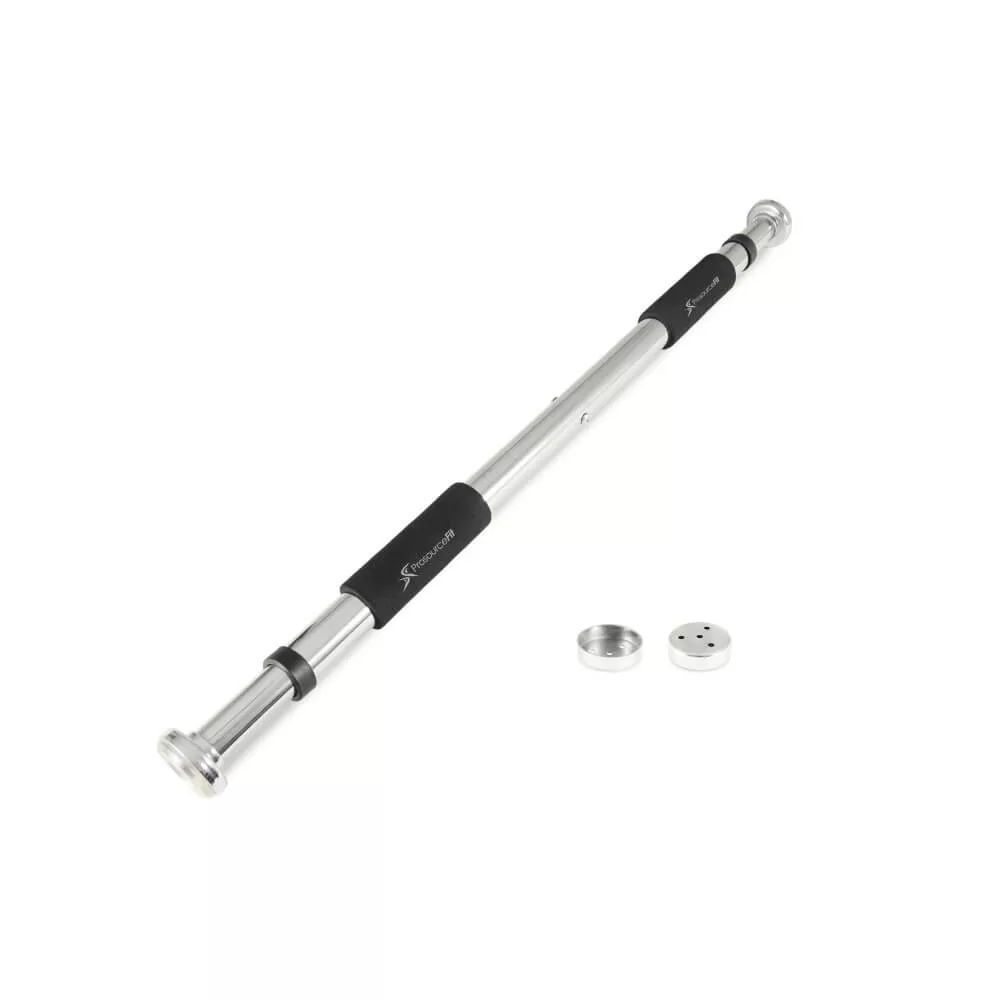
  • Hang regularly: Spend a few seconds hanging from a pull-up bar.
  • Use hand tools: Choose manual tools when practical.
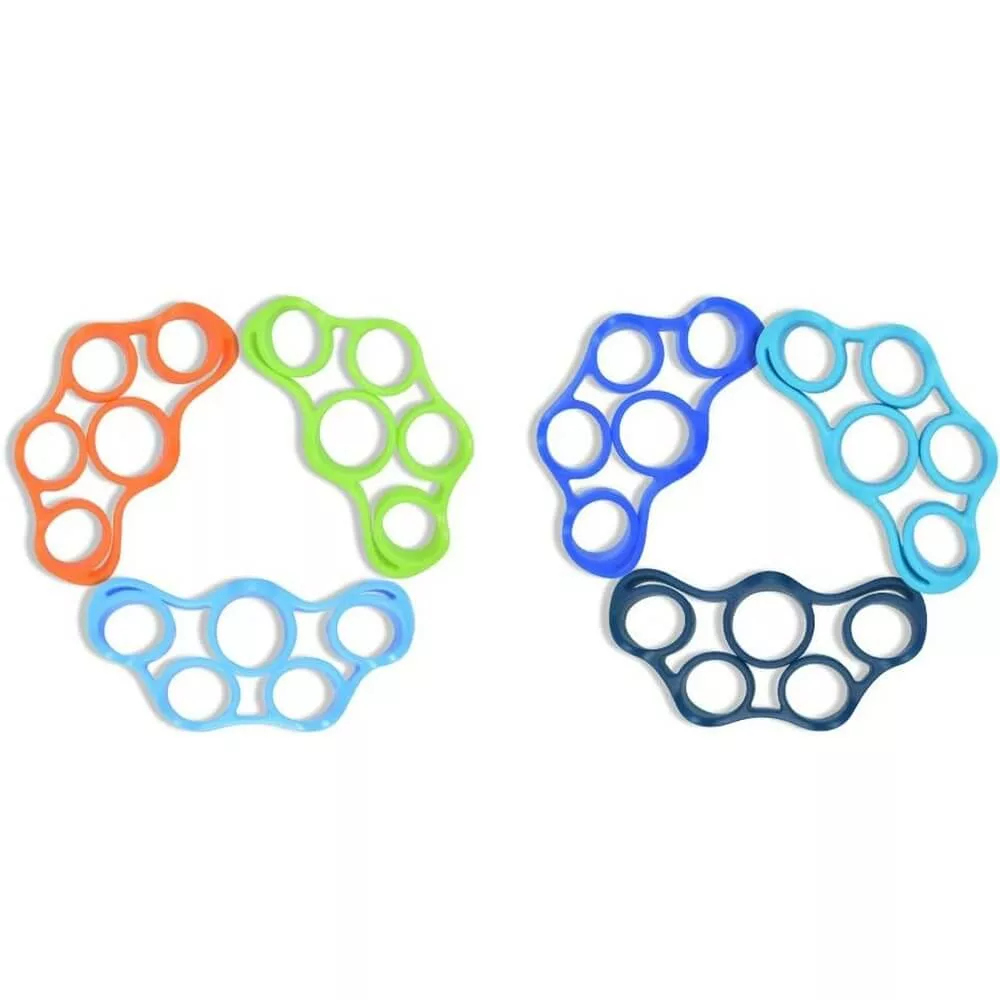
  • Add grip exercises: Include a few minutes of hand training several times per week.
  • Move your hands more: Stretch your fingers, rotate your wrists, and vary your movements throughout the day.
  • Challenge yourself: Look for small opportunities to use your hands in meaningful ways.

These changes may seem insignificant, but they add up quickly.

Remember, your hands don’t know whether they’re holding a specialized grip tool or a heavy bag of groceries. They simply respond to the demands placed upon them.

Everyday life can become your grip training program if you pay attention.

And perhaps that’s the biggest lesson of this entire article.

Grip strength isn’t something that exists separately from your life. It is your life.

It’s present when you work, play, cook, exercise, travel, and spend time with the people you care about.

The stronger and more reliable your hands become, the easier many of those experiences become as well.

Continue Learning

Ready for the final article in Stage 1?

  • Grip Strength Myths That Refuse To Die

Or revisit:

  • What Is Grip Strength And Why Does It Matter?
  • The 6 Primary Hand Movements Explained
  • Why Your Hands Fatigue So Quickly
  • How Strong Should Your Grip Be?

Remember: You may never think about your grip strength every day,
but your grip strength thinks about you every day.”

Need to Improve Your Grip? As a Fitness Enthusiast, I'm Here to Guide You: Looking to Get More Competitive Edge? Prehab, Rehab, Treating RSI or Just Seeking Fun? Find All the Relevant Tricks of the Trade You Need Right Here. Sharing My Insight to Help You to Improve Both Mentally & Physically, Offering You Various Ideas & Directions to Be on Top of Your Game.

Leave a Reply

Your email address will not be published. Required fields are marked *