(Last Updated on October 12, 2026 by Henry)
Why Do Your Hands Get Tired So Fast?
Have you ever stopped an activity, not because your body was tired, but because your hands simply refused to cooperate anymore?
Maybe it happened while carrying grocery bags, hanging from a pull-up bar, working with tools, gaming for several hours, or typing through a busy workday.

Whatever the situation, hand fatigue has a way of showing up at the most inconvenient times.
The truth is, your hands are often the first part of your body to wave the white flag.
And that’s perfectly normal.
Your hands & fingers rely on relatively small muscles that are designed for precision and coordination.
They perform thousands of movements every day, often without us even thinking about them.
Despite how capable they are, they simply don’t possess the same endurance as larger muscle groups like your legs or back.
If your grip can’t keep up with the rest of the body, this is why you might notice:
- Your grip loosening over time.
- Your fingers becoming clumsy.
- A burning sensation in your forearms.
- Difficulty maintaining a hold.
- Reduced control during repetitive tasks.
For beginners, this can be frustrating.
You may feel like your body is ready to continue, but your hands have other plans.
Fortunately, hand fatigue is usually something that can be improved with a combination of training, recovery, and realistic expectations.
Understanding why it happens is the first step toward building stronger and more reliable hands.
Your Grip Isn’t Failing Because Your Forearms Are Small.
It’s failing Because Your Brain is Panicking; You Need to Fix Neurological & Biological Shifts.
Hand fatigue isn’t always a sign of weakness.
Sometimes your hands are being asked to do more than they’re prepared for.
Improving Grip Endurance
The good news about hand fatigue is that endurance can be trained.
Just like your legs become more capable after walking regularly, your hands become more resilient when they’re exposed to consistent and appropriate challenges over time.
The most effective concept for improving grip endurance is time under tension:
- Hanging from a pull-up bar.
- Performing farmer’s carries.
- Holding weights for time.
- Carrying heavy objects.
- Sustaining pinch grip exercises.
These activities teach your hands and forearms to maintain force for longer periods, gradually increasing their capacity.
Balanced training also matters. Remember the six primary hand movements?
If you’re only training crush grip with a hand gripper, you’re leaving a lot of potential on the table.
Incorporating support grip, wrist work, finger extension, and rotational movements creates more balanced and reliable hands.
Consistency is where the magic happens.
You don’t need marathon training sessions. In fact, most beginners will see noticeable improvements with just two or three dedicated sessions per week.
The key is progressive overload. Ask your hands to do slightly more this week than they did last week, and they’ll gradually adapt to the increased demands.
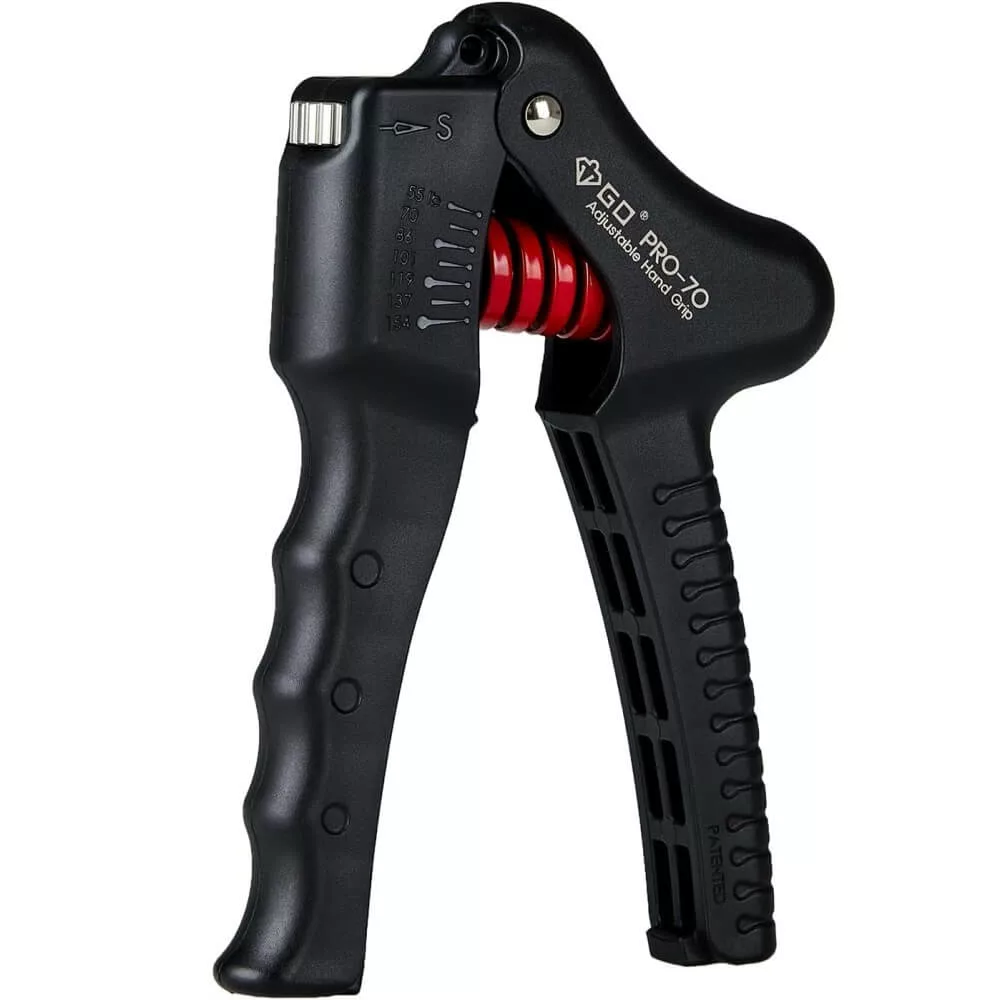
Adjustable Grip Trainer for Steady Strength Progression

Avoid Elbow Pain with Simple Finger Exerciser
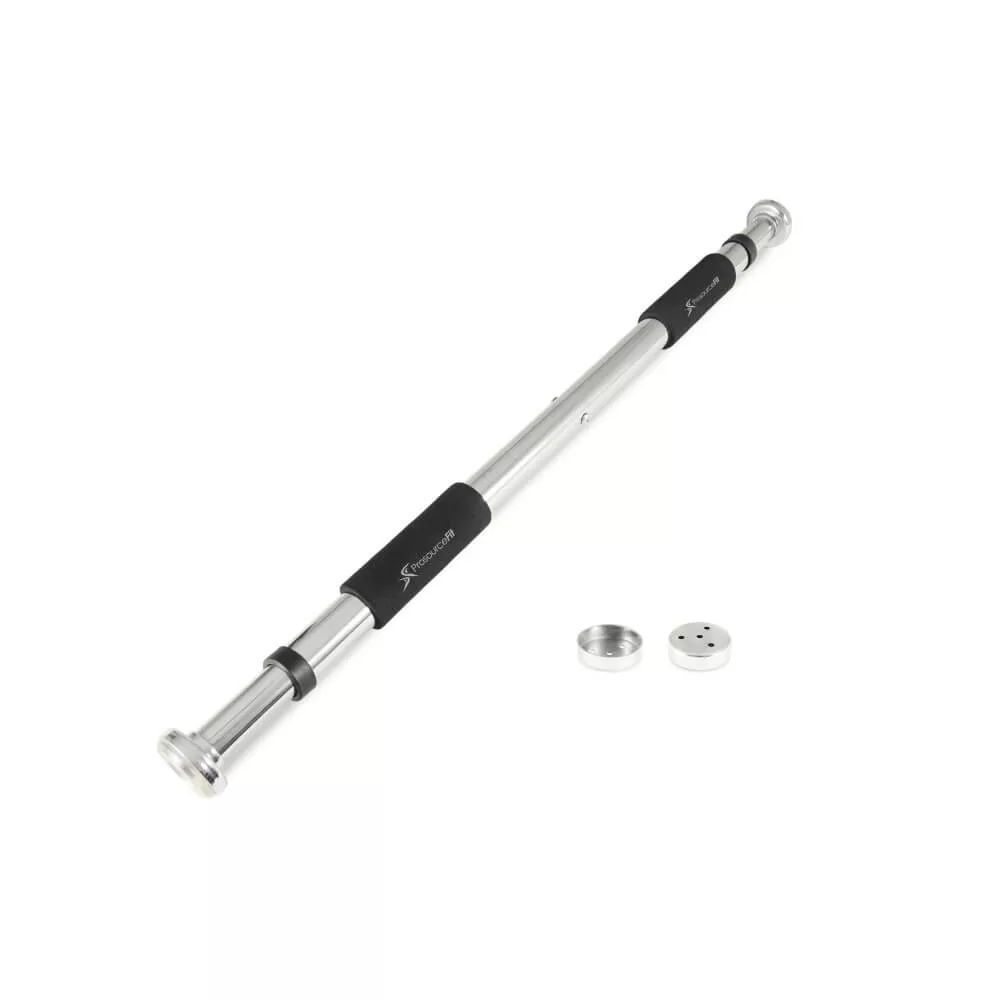
Basic Doorway Pull-Up Bar: Simple, Easy to Assemble
Reliable hands aren’t built in a day.
They’re built through thousands of small repetitions over time.”
Building More Reliable Hands
If there’s one thing to remember from this article, it’s this:
Hand fatigue is common, but it doesn’t have to be permanent.
Most people can dramatically improve their grip endurance by combining consistent training with adequate recovery.
The goal isn’t to eliminate fatigue completely; it’s to make your hands more capable and dependable over time.
Your Reliable Hands Checklist
- Train grip endurance regularly: Include carries, hangs, and timed holds.
- Strengthen your forearms: Remember, stronger forearms support stronger hands.
- Respect recovery: Sleep, hydration, and rest all contribute to better performance.
- Train multiple hand movements: Balanced hands are more resilient hands.
- Pay attention to fatigue: Your body is constantly providing useful feedback.
- Progress gradually: Small improvements compound over time.
Think about where you want your hands to be six months from now.
Would you like to carry groceries more comfortably? Last longer during workouts? Reduce hand fatigue at work? Improve your favorite sport or hobby?
Those goals are all achievable.
And perhaps the best part is that grip endurance improvements tend to carry over into everyday life faster than many other forms of training. When your hands become more reliable, countless activities begin to feel easier.
Key Takeaway
Remember: Your hands aren’t quitting because they dislike you but simply asking to become stronger, more enduring, & better prepared for the tasks you give them.
Thanks for Reading!
Which Grip Exercise Has Made a Difference for You?
Share Your Thoughts in the Comments!