(Last Updated on October 13, 2026 by Henry)
The Problem With Expecting Fingers To Adapt Too Quickly
If you’ve ever started grip training, you’ve probably noticed something frustrating.
Your motivation improves quickly.
Your workouts become more consistent.
Your forearms may even feel stronger.
Yet your fingers still seem to tire easily.
This often leaves beginners wondering whether they’re doing something wrong.
The reality is that your fingers simply adapt differently than larger muscles elsewhere in your body.
While muscles can become noticeably stronger within a few weeks, the tissues inside your fingers, including tendons, ligaments, and joint structures, develop much more gradually.
That’s actually a good thing. Your fingers are incredibly complex.
Every grip exercise relies on dozens of small joints, tendons, pulleys, ligaments, nerves, and connective tissues working together with remarkable precision. Building stronger fingers isn’t just about squeezing harder; it’s about allowing this entire system enough time to adapt safely.
One mistake many beginners make is assuming that discomfort automatically means progress. In reality, adaptation happens when you provide enough challenge to stimulate change while allowing enough recovery for those tissues to rebuild. Push too aggressively, and your fingers may become irritated long before they become stronger.
Understanding how finger adaptation works removes much of the guesswork from grip training. Instead of chasing rapid results, you’ll learn why gradual progression consistently produces stronger, healthier, and more reliable hands over the long term.
Doing Basic Stuff Can Get You Far.
Don’t Forget a Regular Warm-Up Once You Start a Training Session.
Stronger fingers aren’t built in a few workouts but through hundreds of
small adaptations that accumulate over weeks and months of consistent training.
Decoding Finger Tissues and Structures
Fingers are remarkable structures, made up of an intricate assembly of bones, muscles, tendons, and ligaments working in harmony. Understanding this anatomy helps us appreciate both their adaptability and their limitations during grip training.
Modern Rice Bucket Gadget for Grip & Forearm Training?
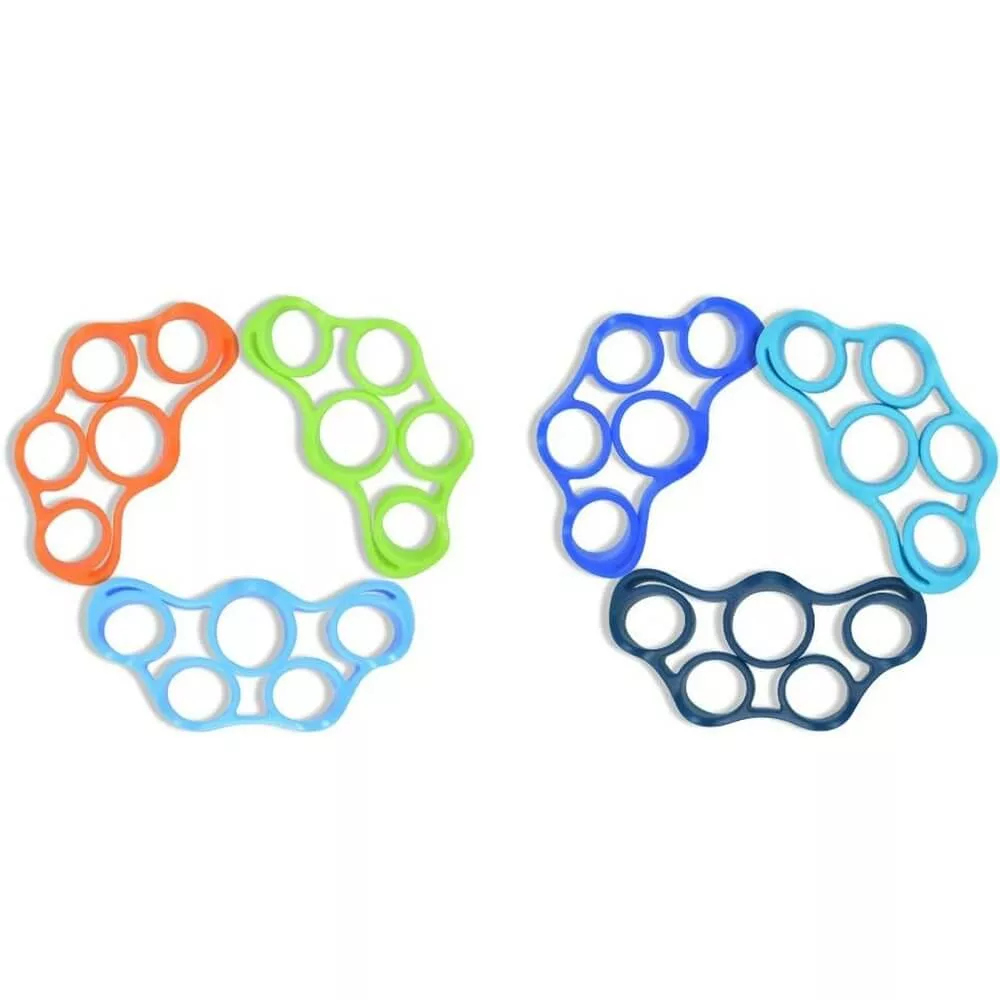
Avoid Elbow Pain with Simple Finger Exerciser
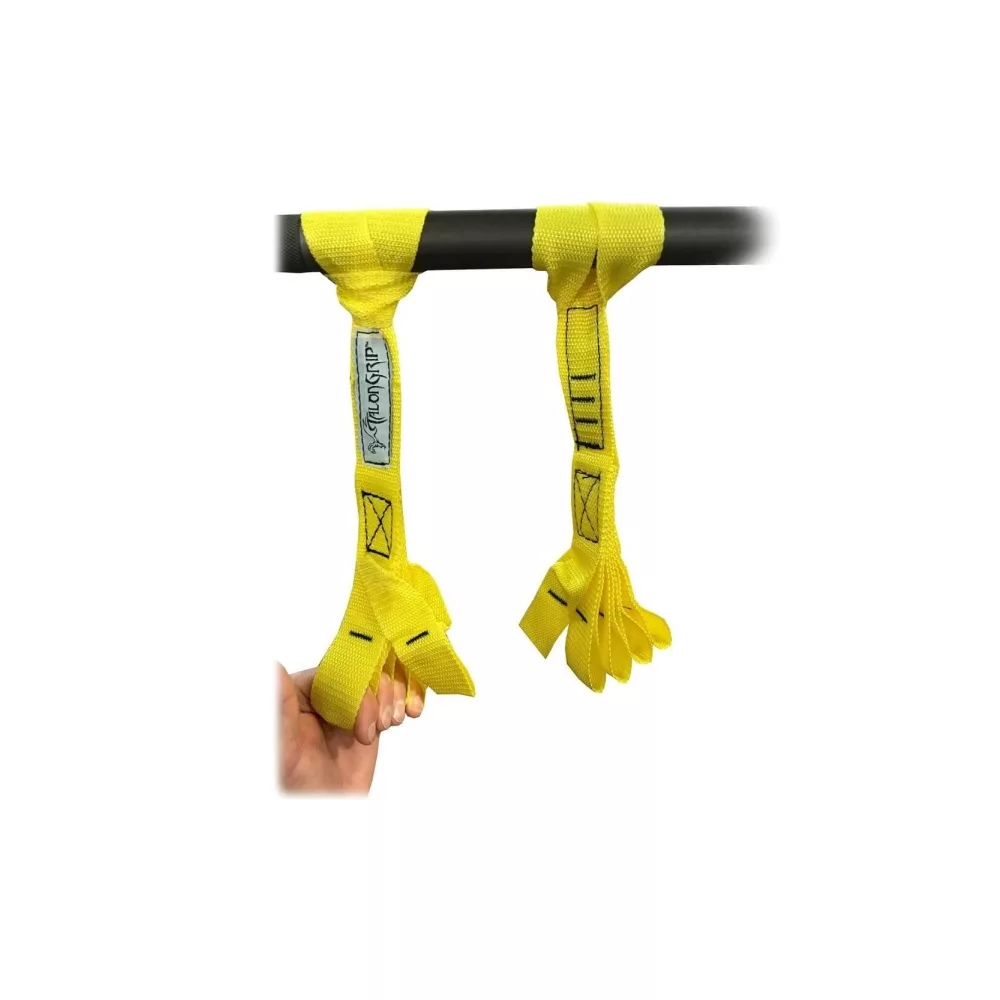
Finger Loops with Thumb Loop To Train Static Grip
Each finger contains three bones called phalanges, while the thumb contains two. These bones connect through multiple joints that provide flexibility, allowing your hands to grip, pinch, twist, support weight, and perform delicate movements with impressive precision.
The muscles responsible for moving your fingers are actually located mostly in your forearms and palms. They connect to your fingers through long tendons that transfer force every time you close or open your hand. Ligaments stabilize the joints, helping your fingers remain aligned under load while still allowing smooth movement.
Joint mobility is equally important. Healthy joints allow your fingers to move efficiently through a full range of motion, making both everyday tasks and grip exercises feel easier. Over time, appropriately dosed training can improve not only strength but also coordination and movement efficiency.
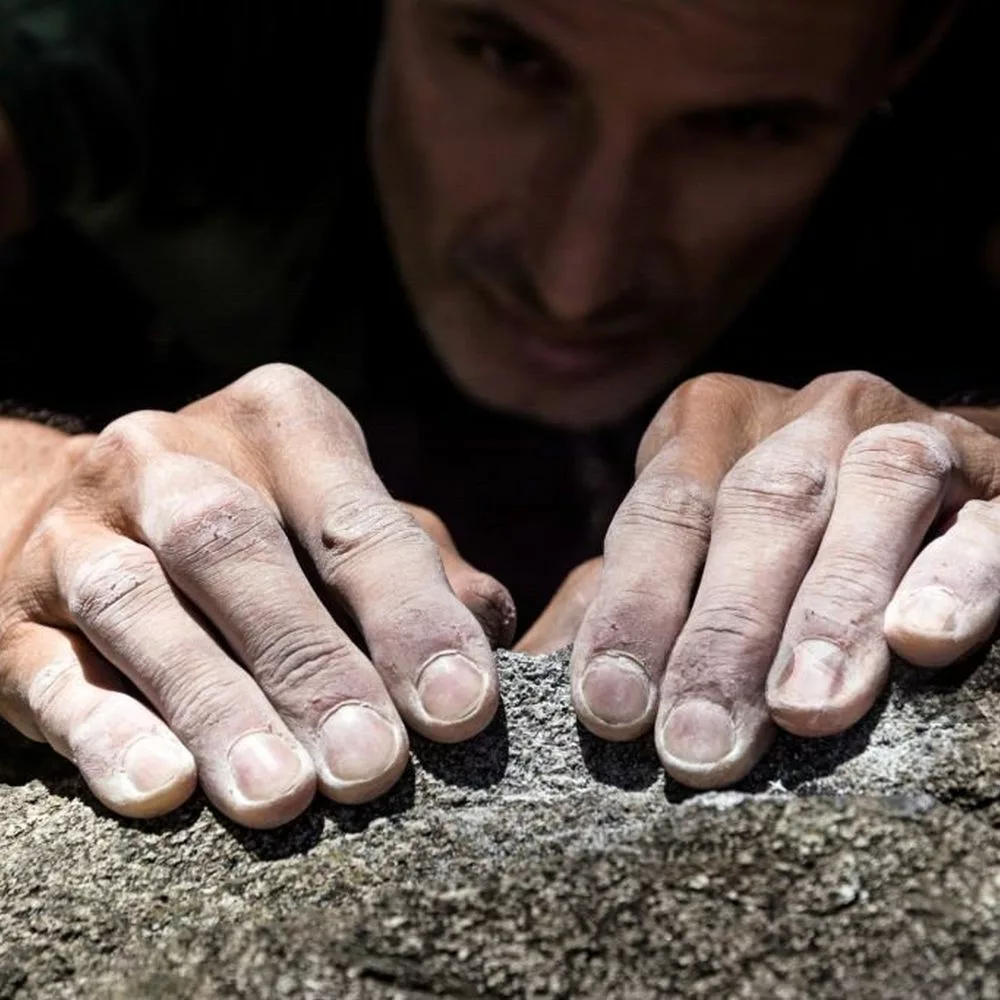
Age, occupation, and previous activity levels all influence how these tissues respond. Someone who spends years climbing, woodworking, or playing an instrument will naturally develop different finger adaptations than someone who primarily works at a computer.
Understanding these structures makes grip training much easier to approach intelligently.
Instead of thinking only about muscles, you’re learning to train an entire movement system.
Healthy finger adaptation depends on several structures working together:
- Bones provide the framework – The phalanges create the foundation that allows your fingers to produce force while maintaining precise control during gripping tasks.
- Muscles generate movement – Most of the muscles responsible for gripping are located in your forearms, producing the force that closes your hand.
- Tendons transfer force – Tendons connect muscles to bones, transmitting every squeeze, pinch, and hold directly to your fingertips.
- Ligaments stabilize joints – These connective tissues keep finger joints aligned during movement, helping reduce unnecessary stress.
- Nerves coordinate precision – Your nervous system constantly adjusts grip pressure, allowing you to hold everything from delicate objects to heavy weights.
- All tissues adapt together – Strong fingers develop when muscles, tendons, joints, and connective tissues improve as one integrated system.
Red Flags: Recognizing When You’re Pushing Too Hard
Improving finger strength requires challenging your body, but there’s an important difference between productive training stress and excessive overload. Learning to recognize that difference can prevent weeks or even months of unnecessary setbacks.
It’s important to recognize early signs that you might be overusing your fingers. Pushing too hard without giving your tissues enough time to adapt often leads to irritation rather than improvement. Common warning signs include persistent swelling, sharp pain, lingering stiffness, or a noticeable drop in grip performance from one workout to the next.
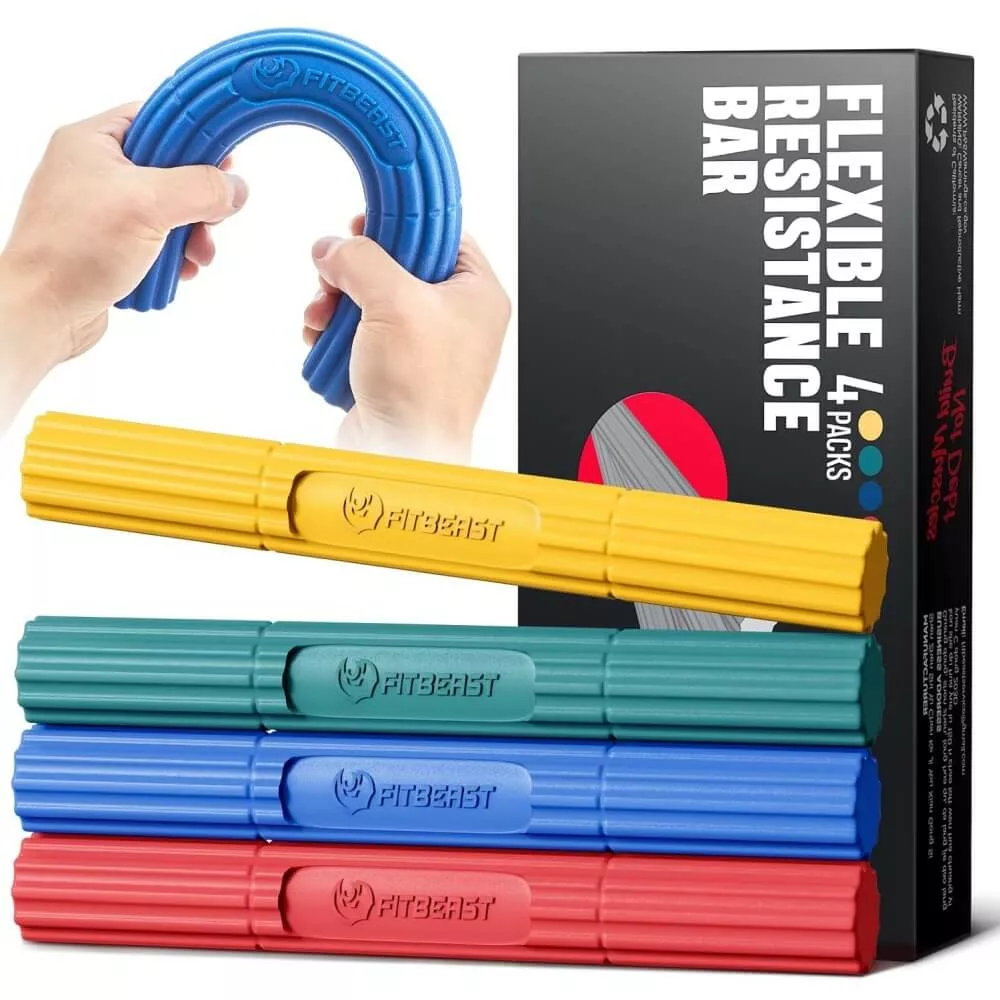
The Best Twist Bar for Hand, Wrist & Elbow Rehabilitation?
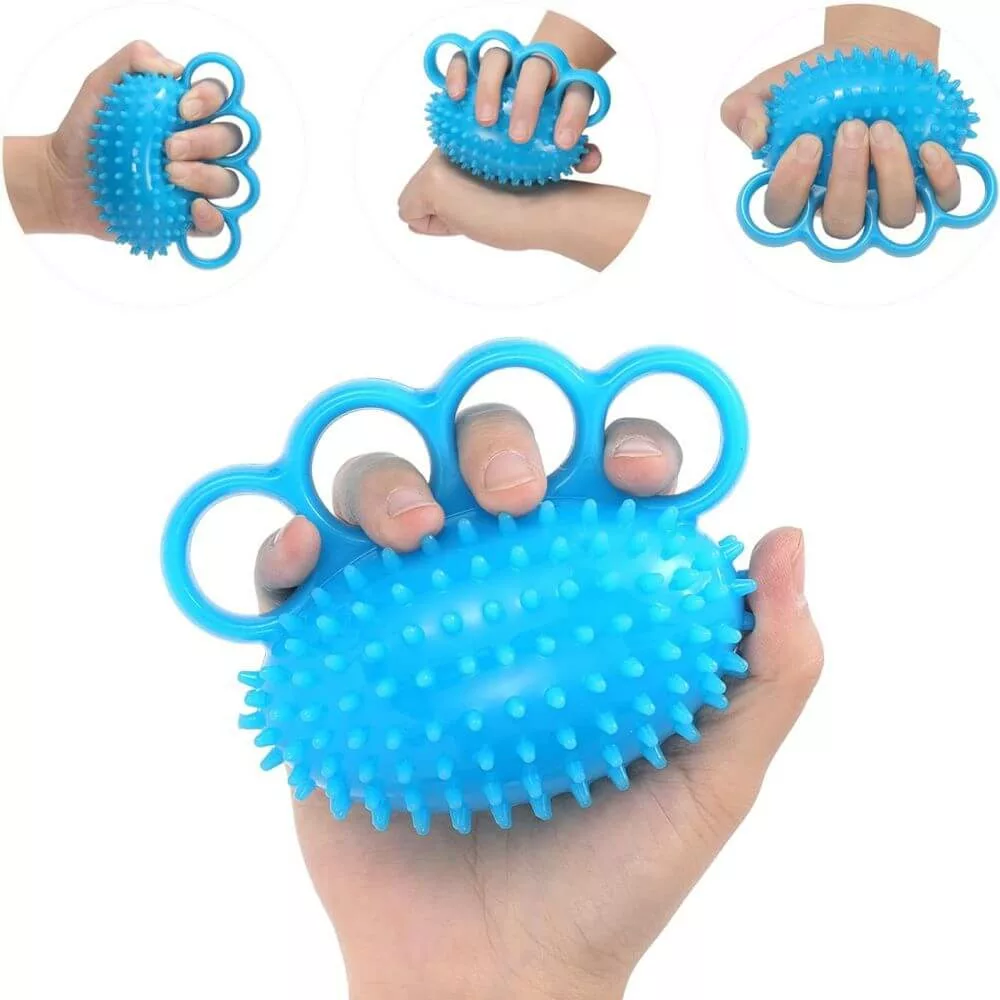
Therapy-Grade Stress Relief & Rehab Crush Grip Trainer
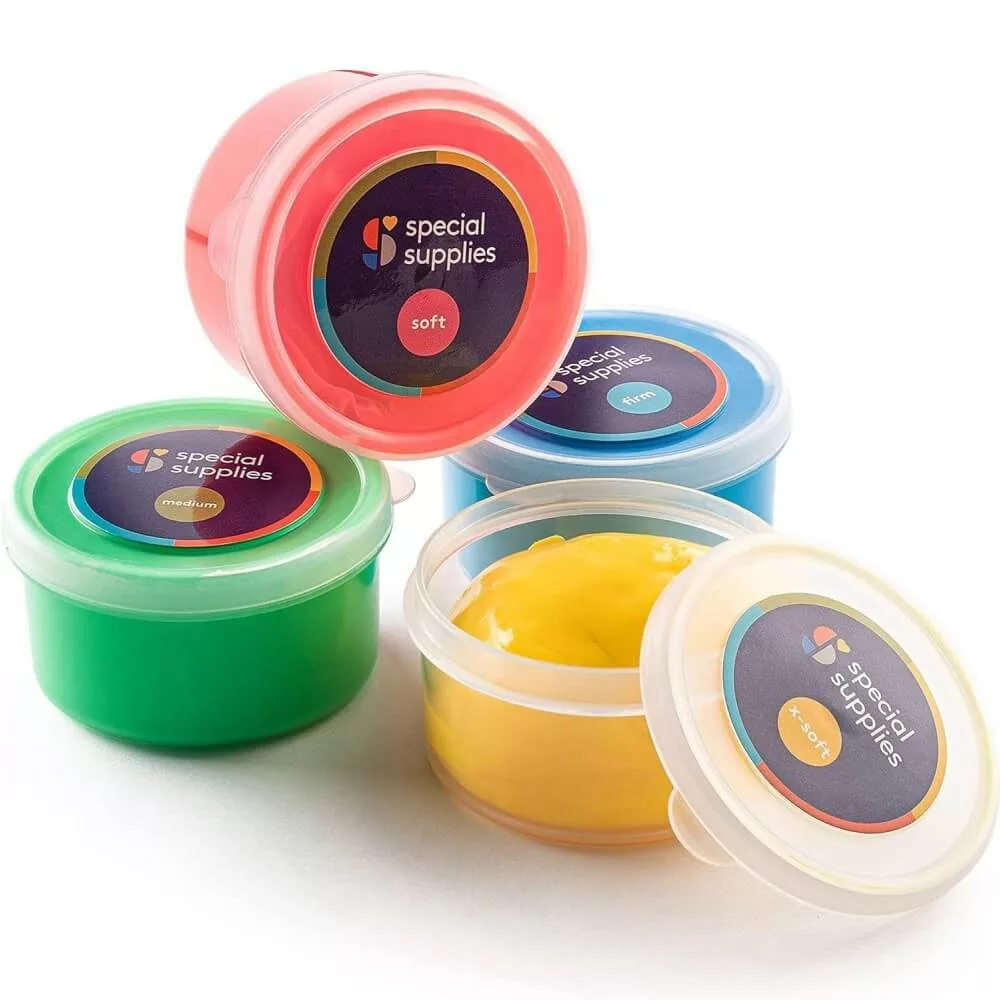
Therapy Putty: Rehab-Grade Hand Recovery & Grip Training?
Some discomfort after introducing new exercises is perfectly normal. Your muscles may feel tired, and your hands might feel worked. However, pain that continues during everyday activities or becomes progressively worse with each training session should never be ignored.
Over time, repeatedly training through pain can contribute to conditions such as tendinitis, pulley irritation, or chronic overuse injuries. While these issues are often treatable, they can significantly slow your progress if recovery isn’t prioritized.
Fortunately, most of these problems are preventable through gradual progression, proper technique, and paying attention to your body’s feedback.
Watch for these common warning signs:
- Pain that lasts beyond normal soreness – Mild fatigue is expected after training, but pain that continues for several days or interferes with daily activities deserves attention.
- Persistent swelling or stiffness – Ongoing inflammation often indicates your tissues haven’t fully recovered before being stressed again.
- Weaker grip instead of stronger grip – If your performance consistently declines despite regular training, accumulated fatigue may be exceeding your recovery capacity.
- Loss of finger mobility – Difficulty fully opening or closing your hand can signal irritated tendons or joints that need additional recovery.
- Sharp pain during specific movements – Sudden localized pain isn’t a normal part of adaptation and shouldn’t be ignored.
- Recovery taking longer each week – If soreness continues to accumulate instead of resolving between sessions, it may be time to reduce training volume temporarily.
Listening to these signals isn’t a sign of weakness.
It’s one of the smartest skills any grip athlete, or beginner, can develop.
By respecting your body’s feedback, you’ll spend far more time making progress and far less time recovering from avoidable injuries.
Strategies to Safely Build Stronger Fingers
Building stronger fingers isn’t about rushing into difficult exercises. Like every other part of grip training, finger development is most successful when you progress gradually and give your tissues time to adapt. The goal isn’t simply stronger fingers; it’s building fingers that remain healthy, reliable, and resilient for years.
One of the biggest mistakes beginners make is trying advanced finger exercises too soon. The muscles may feel capable, but the tendons, pulleys, and connective tissues often need much longer to adapt. Starting with manageable resistance allows your entire hand to strengthen together instead of creating weak links that eventually lead to pain or setbacks.
A balanced approach combines mobility, strength, and recovery instead of focusing on a single exercise. Your fingers benefit from being challenged in different ways while still receiving enough recovery between sessions.

Best Therapy Balls for Stress Relief, Fidgeting & Rehab
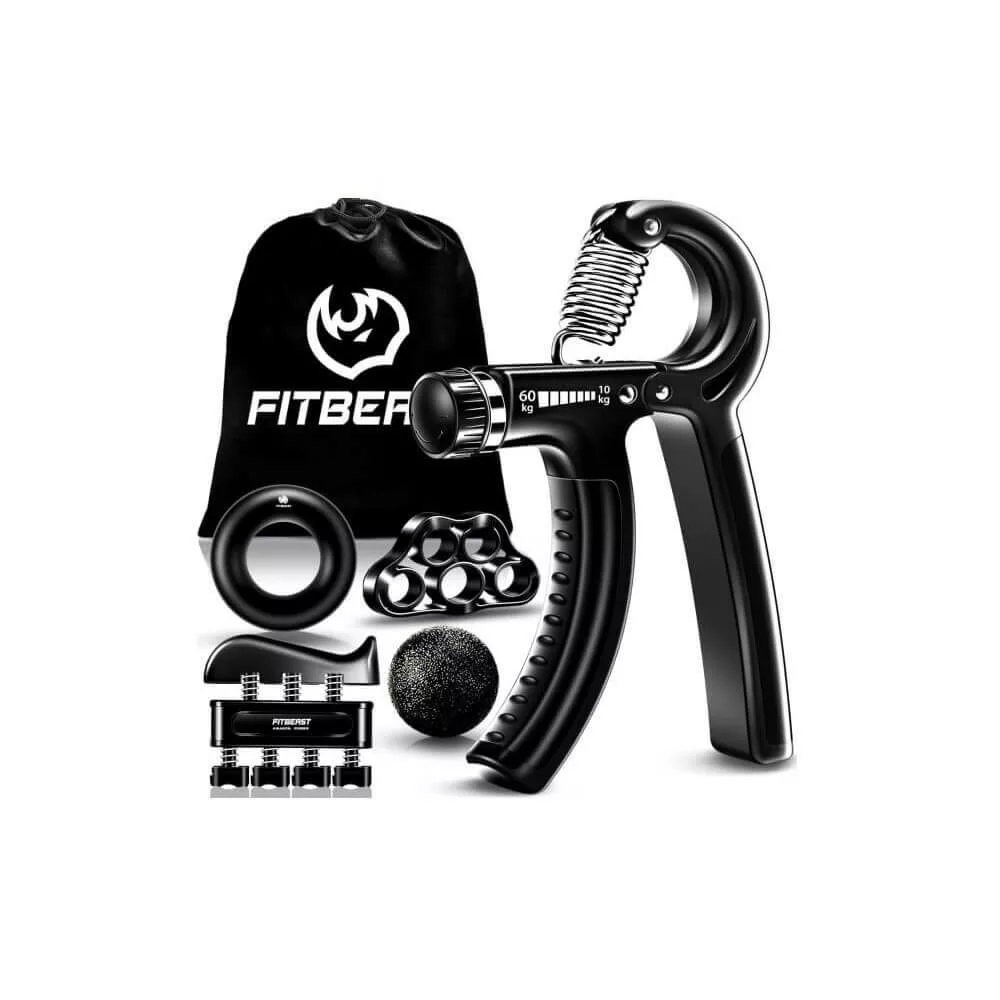
Budget Grip Strengthener Kit With 5 Trainers
Simple strategies that help fingers adapt safely include:
- Start with low-resistance exercises – Build tolerance before increasing intensity. Your connective tissues appreciate gradual progress far more than sudden overload.
- Train every movement pattern – Include crushing, supporting, pinching, extension, and wrist stability so no part of your hand becomes disproportionately weak.
- Prioritize quality over quantity – Slow, controlled repetitions develop coordination while reducing unnecessary stress on finger joints and tendons.
- Respect recovery days – Finger tissues continue adapting long after your workout ends. Rest allows collagen remodeling and tissue repair to occur.
- Progress one variable at a time – Increase either resistance, duration, or repetitions, not all three simultaneously.
- Stay consistent for months, not days – Finger adaptation is a long-term process. Small improvements repeated consistently produce surprisingly large results.
The good news is that finger tissues are remarkably adaptable. Given enough time, appropriate loading, and proper recovery, they become noticeably stronger, more coordinated, and more resistant to fatigue.
Dead Hang Is an Excellent Exercise to Build Finger Adaptation.
Avoid Common Mistakes to Progress Faster & Stay Injury-Free.
Your fingers don’t become stronger because you challenge them once but because
you do that consistently, recover properly, & allow biology enough time to adapt.
Understanding finger adaptation changes the way you approach grip training. Instead of chasing quick results, you begin working with your body rather than against it.
Every workout places a small demand on your muscles, tendons, joints, and nervous system.
Recovery then transforms that stress into stronger, more capable hands.
For beginners, this is one of the biggest mindset shifts you can make. Progress isn’t measured by how sore your fingers become after today’s workout; it’s measured by how much stronger, more coordinated, and more durable they become over the coming months.
By respecting the adaptation process, you’ll build hands that don’t just perform better during training, but also stay healthier throughout everyday life.

Gyro Ball is Amazing For Grip Training Warm-Up & Hand Rehab
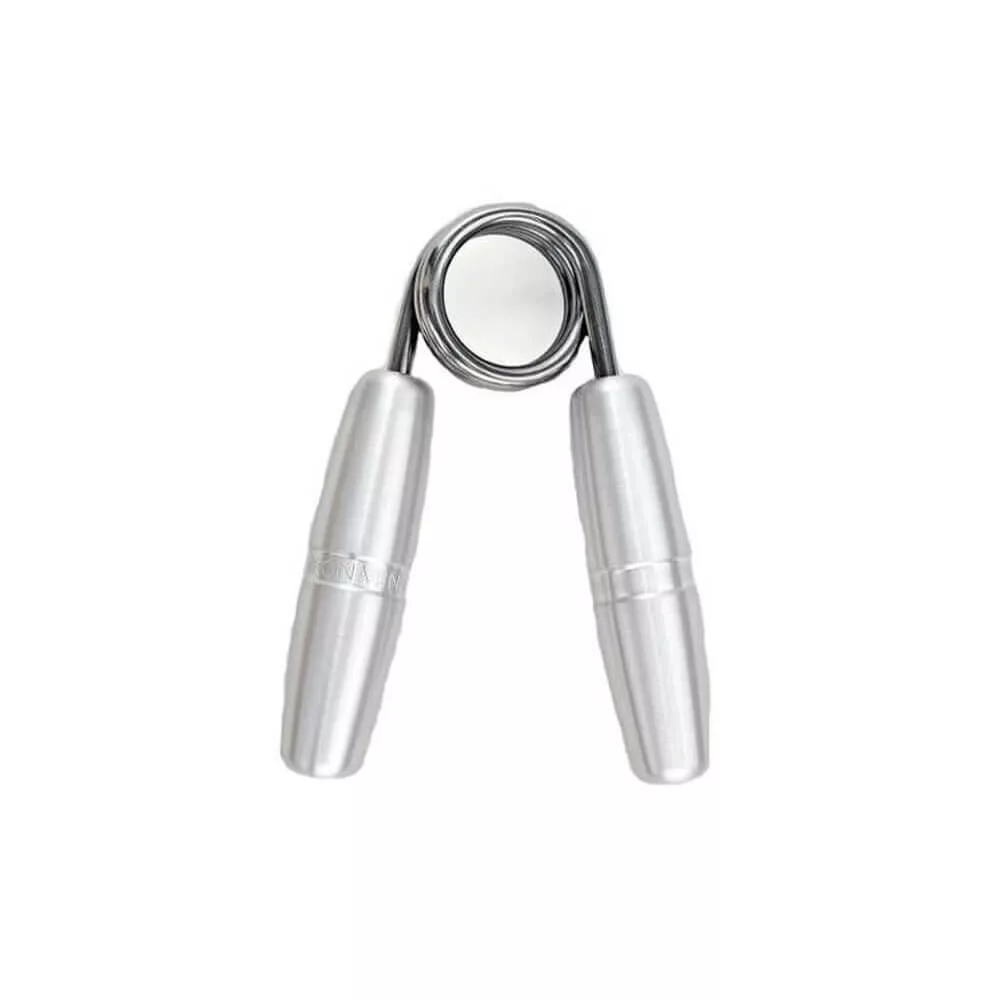
Smooth-Handle Gripper: Ideal For Rehab & Gentle Training
Key Takeaway
Finger adaptation is a gradual biological process, not an overnight transformation.
Muscles may respond fairly quickly, but tendons, ligaments, and connective tissues require patience, consistency, and intelligent training.
When you respect that timeline, you build stronger fingers that continue performing reliably for years instead of weeks.
Have you ever been surprised by how slowly your fingers adapted to a new activity like climbing, grip training, gaming, or a manual job?
Thanks for Reading!
How Easy or Difficult Has Finger Adaptation Been for You?
Share Your Thoughts in the Comments!
Recommended Next Reads
Ready to continue building your grip knowledge?