(Last Updated on October 13, 2026 by Henry)
Forearm Strength vs Hand Strength: What’s the Difference?
Many beginners use the terms hand strength and forearm strength interchangeably.
It’s an easy mistake to make because these structures work together every time you grip something.
Whether you’re carrying groceries, hanging from a pull-up bar, climbing, or simply opening a stubborn jar, your hands and forearms rarely work in isolation.
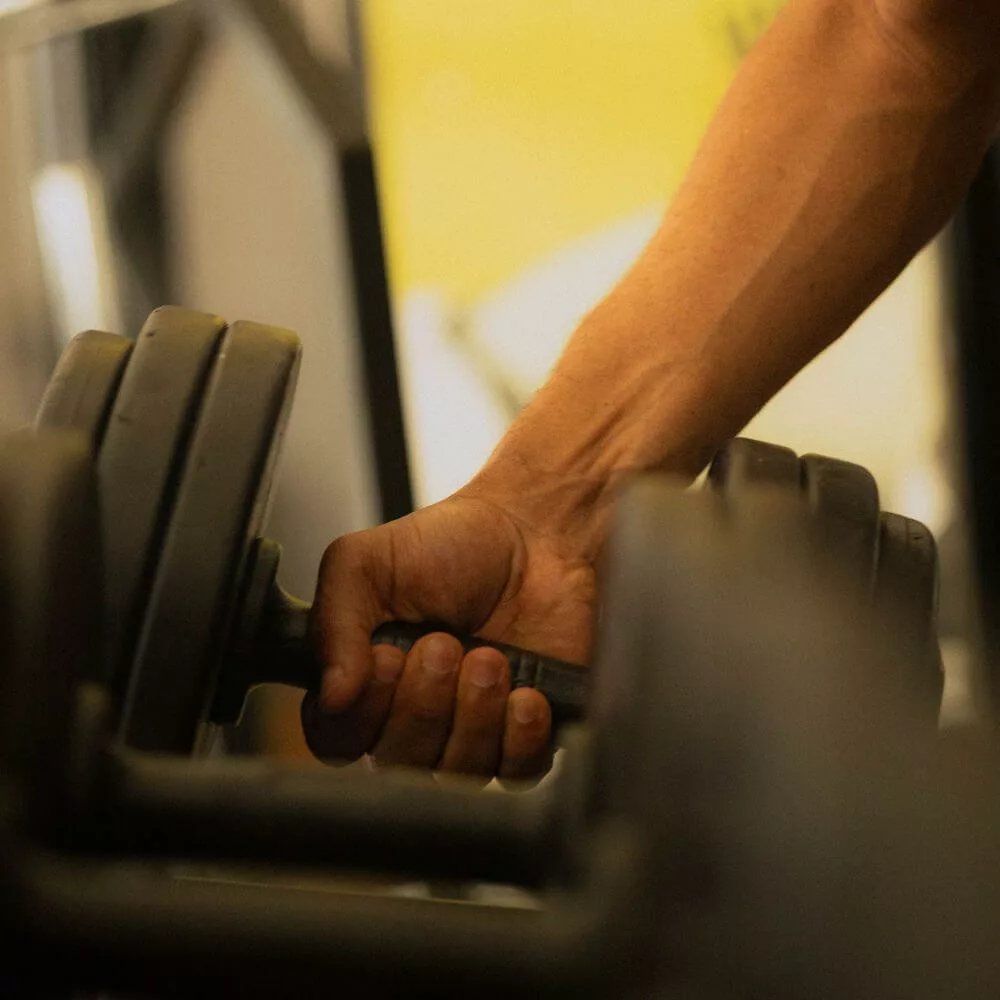
The reality is a little more interesting.
Your forearms generate most of the force that closes your fingers.
Meanwhile, your hands provide the control, stability, and precision needed to apply that force effectively.
One without the other creates a weak link.
You might have powerful forearms but struggle with pinch grip.
Or exceptionally strong hands that tire quickly because the forearms can’t support them.
Understanding the difference doesn’t just satisfy curiosity; it helps you train smarter. Once you know which part of the system is limiting your grip, you can choose exercises that target the real weakness instead of simply doing more random grip work.
For beginners, this knowledge often explains why progress sometimes feels inconsistent.
Many people spend months squeezing grippers while completely ignoring wrist strength, finger extension, or pinch work. Others train their forearms with heavy pulling exercises but never develop the smaller muscles responsible for fine grip control.
Learning how these two systems work together gives you a much better foundation for every stage of grip training that follows.
- Forearms generate most of your gripping force.
- Hands apply that force with precision.
- Different activities emphasize different structures.
- Weakness in either area limits overall grip performance.
- Balanced training develops stronger, healthier, more reliable hands.
There Are 8 Main Actions Forearm Muscles Perform:
The Confused Connection: Why People Mix Up Hand and Forearm Strength
People often think hand strength and forearm strength are one and the same, and it doesn’t help that movies, sports broadcasts, and social media usually show athletes gripping something fiercely, making it appear as though the power comes entirely from the hands. In reality, the forearms and hands perform different jobs while working together as one system.
Daily activities also contribute to this confusion. Think about carrying a heavy shopping bag. You feel tension from your fingertips all the way up toward your elbow, making it difficult to tell which muscles are actually doing most of the work. The same thing happens when using tools, climbing a ladder, or performing pull-ups. Everything feels connected because it is.
Professional sports blur the distinction even further. Watch a tennis player, rock climber, arm wrestler, or strongman competitor, and you’ll see powerful forearms and hands working together seamlessly. Since they function as a single unit, it’s easy to assume they’re being trained equally, even though many elite athletes specifically target each area with different exercises.
Understanding this relationship helps explain why some people plateau. You may spend months strengthening one part of the system while the other quietly becomes the limiting factor.
A balanced grip isn’t built by choosing between hand exercises or forearm exercises,
but by understanding how each contributes to the finished product.
The Biggest Differences
- Forearms produce most of the force – The large flexor muscles in your forearms generate the majority of the power used during gripping, pulling, carrying, and lifting heavy objects.
- Hands provide control and precision – The smaller muscles inside your hands stabilize your fingers and thumb, allowing you to grip objects securely and manipulate them accurately.
- Different activities shift the workload – Carrying heavy suitcases, deadlifting, climbing, typing, playing musical instruments, and using hand tools all place different demands on your hands and forearms.
- Weakness can hide in either area – Strong forearms won’t fully compensate for weak fingers, and excellent finger strength can’t overcome forearms that fatigue too quickly.
- Balanced training produces better long-term results – Developing both systems together improves strength, endurance, coordination, injury resistance, and overall grip reliability.
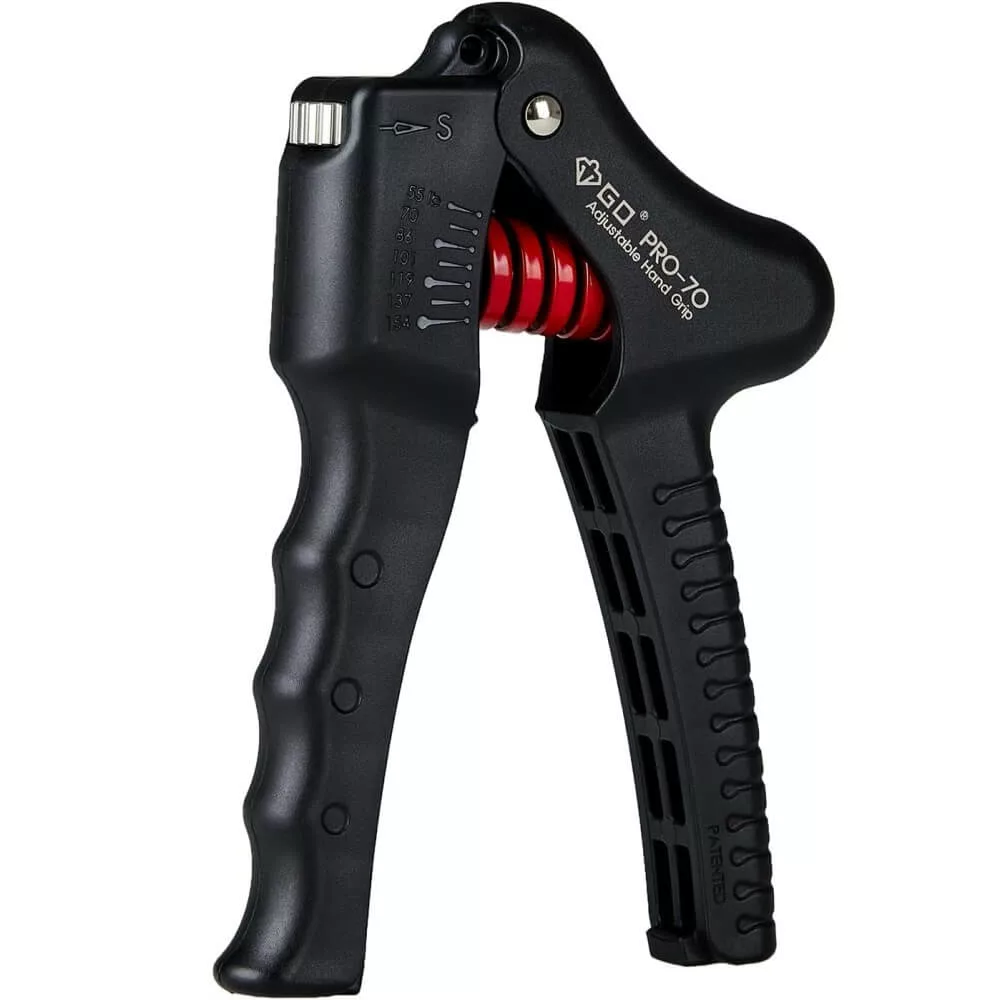
Adjustable Grip Trainer for Steady Strength Progression
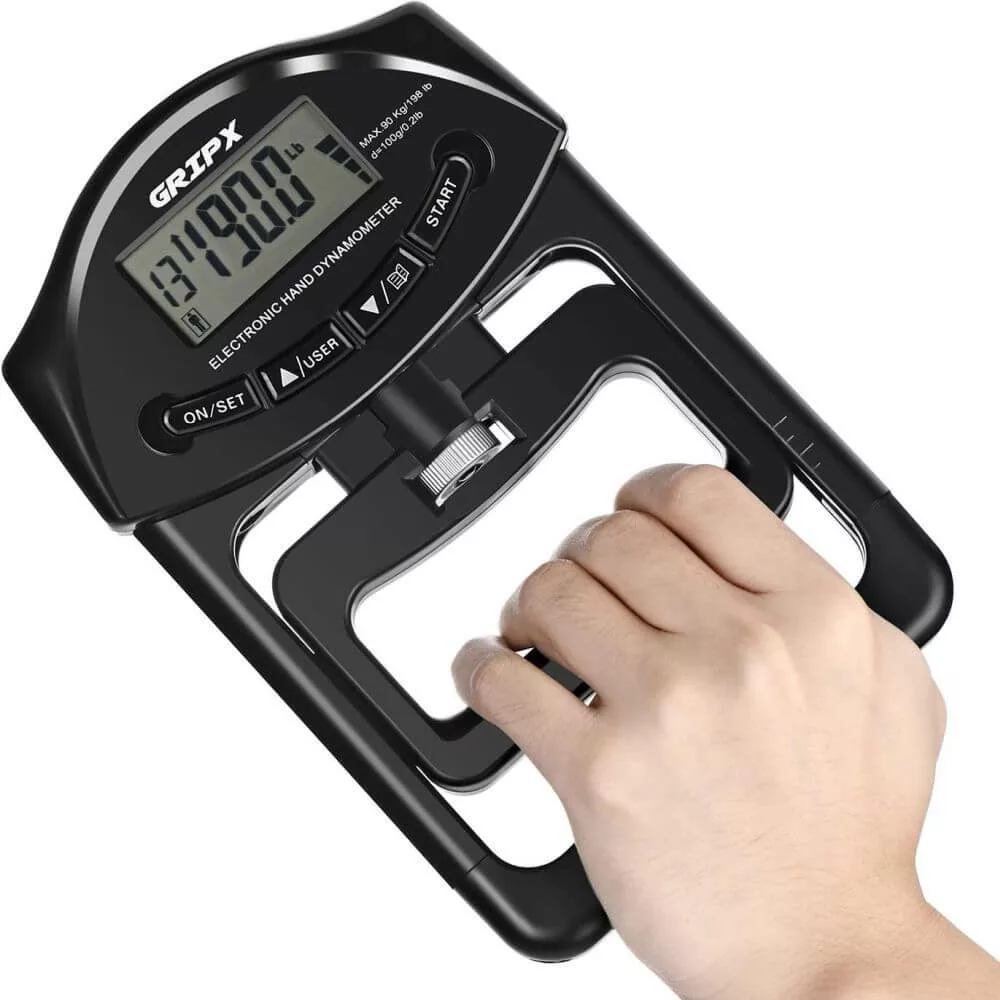
The Best Grip Dynamometer for Home, Sports, & Clinical Use?
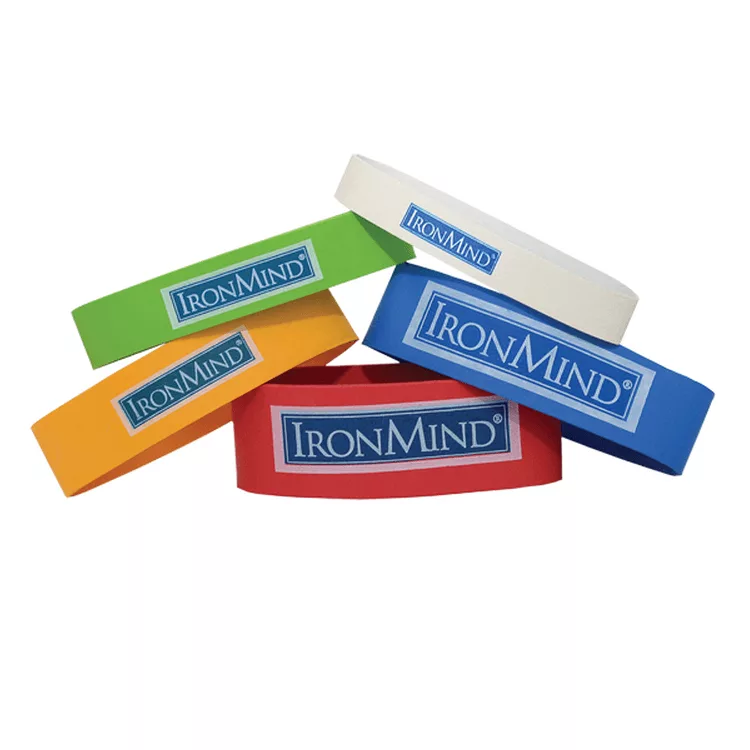
Why are Handbands Staple to Build Hand Muscle Balance?
The Engine Behind Your Grip: How Forearms Power Hand Strength
Forearm muscles play a crucial role in the strength of your grip. They essentially act as the engine that powers your hand’s ability to clench, hold, and lift. The muscles in your forearms are responsible for the movement and control of your wrist and fingers, directly influencing how strongly and firmly your hand can grab onto something.
Most people are surprised to learn that many of the muscles controlling finger movement aren’t actually located inside the hand at all. Instead, they’re found in the forearm, with long tendons running down into the fingers. Every time you close your hand around an object, these muscles contract and pull on those tendons to create gripping force.
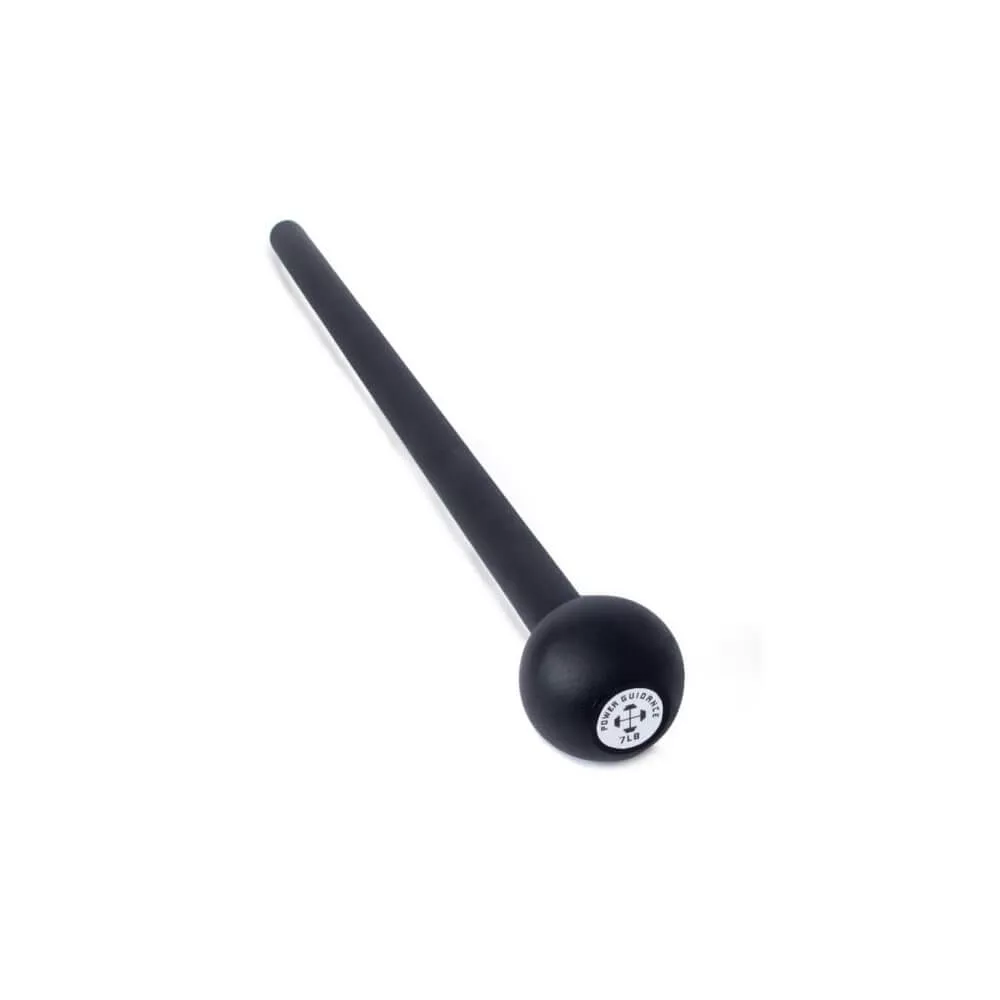
Use Steel Mace to Strengthen Your Wrists in a Dynamic Way
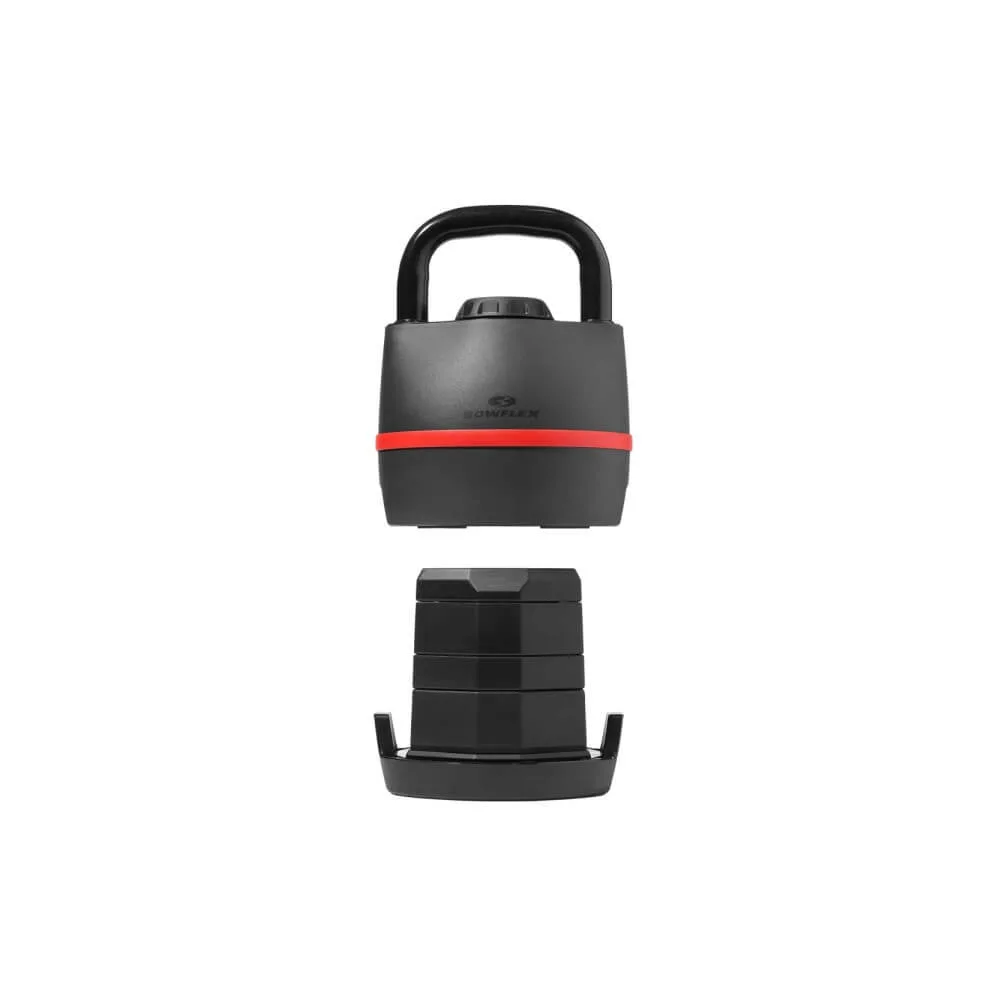
Train Smarter & Save Space with Adjustable Kettlebell
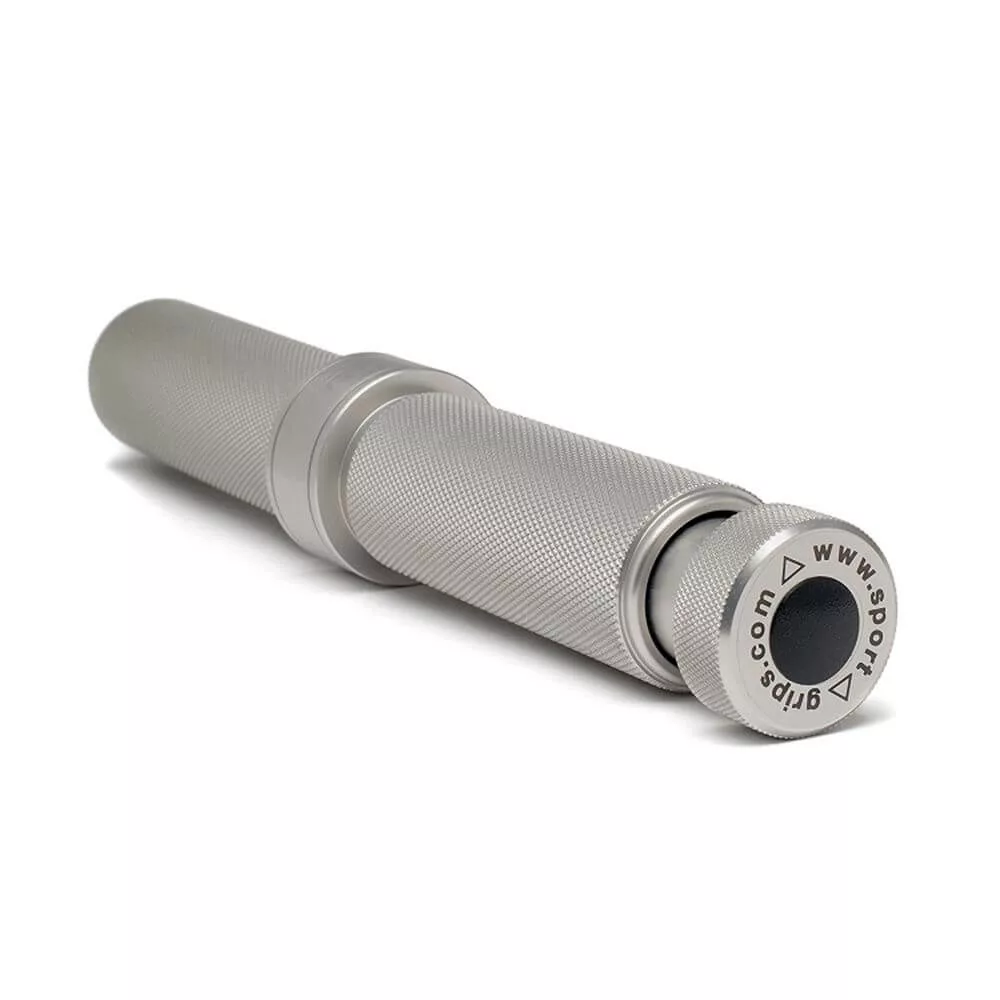
Modern, Rope-Less Wrist Roller: Sure Way to Get Strong Wrists
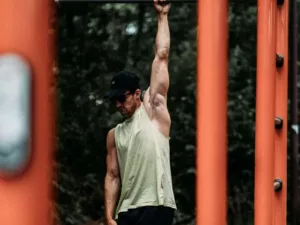
Activities like rock climbing, weightlifting, rowing, or carrying heavy loads rely heavily on this forearm power. When you’re hanging from a pull-up bar or deadlifting a heavy barbell, your forearms are working continuously to stabilize the wrist and maintain finger tension.
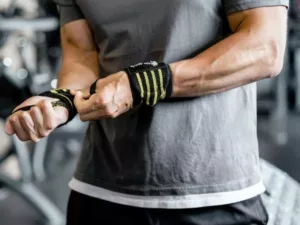
Wrist position is another often-overlooked factor. An efficient grip doesn’t simply depend on finger strength. Your forearms position and stabilize the wrist so your fingers can apply force effectively. A weak or unstable wrist can reduce grip efficiency even if your fingers themselves are relatively strong.
This is one reason compound pulling exercises often improve grip naturally; they train the forearms to support sustained force production while the hands maintain contact with the object being held.
Developing stronger forearms doesn’t mean neglecting the hands.
It provides the foundation that allows your hands to express their full potential.
Ways to Build Stronger Forearms
- Train through multiple wrist positions – Wrist flexion, extension, pronation, and supination all contribute to a more capable forearm.
- Use static holds regularly – Farmer’s carries, dead hangs, and loaded carries teach the forearms to sustain force over time.
- Don’t neglect wrist mobility – Healthy wrist movement allows the forearm muscles to operate more efficiently through different grip positions.
- Include rotational exercises – Twisting movements strengthen muscles that traditional gripping exercises often overlook.
- Progress gradually – Forearm muscles adapt well to consistent loading, but the tendons supporting them still need time to recover.
Recognizing Limits: When Hand Strength Becomes a Bottleneck
Sometimes, it isn’t your forearms holding you back; it’s your hands. While strong forearms generate the power behind your grip, your fingers, thumb, and small hand muscles ultimately determine how effectively you can apply that force. If these smaller muscles can’t keep up, they become the bottleneck that limits your overall grip performance.
If you’re finding that your grip fails during tasks like carrying grocery bags, holding onto a pull-up bar, or maintaining control on a climbing hold, it may indicate that your hand muscles need more attention. Many beginners assume their forearms are weak simply because they feel tired first, when in reality the fingers are quietly giving out before the larger muscles do.
Everyday activities often provide useful clues. Struggling to maintain a pinch grip on thin objects, dropping tools unexpectedly, or finding it difficult to maintain consistent pressure while writing, gaming, or using hand tools can all point toward underdeveloped hand strength rather than forearm weakness.
Improving hand strength doesn’t necessarily require complicated equipment. Exercises like finger extensions, pinch holds, grip squeezes, therapy putty work, or individual finger drills can strengthen the smaller muscles responsible for dexterity and control. As these muscles improve, you’ll often notice that your overall grip feels more stable during compound exercises as well.
Learning to recognize where the limitation exists saves time and makes your training more effective. Instead of simply working harder, you can focus on the area that actually needs improvement.
Signs Your Hands Are the Limiting Factor
- Thin objects feel difficult to hold – Keys, cards, pinch blocks, plates, or narrow tools slip even though your forearms don’t feel particularly fatigued.
- Your fingers tire before your forearms – During dead hangs, carries, or pulling exercises, your fingertips begin to fail while the rest of your arm still feels capable.
- Pinch grip feels noticeably weak – Holding weight between your thumb and fingers is much harder than crushing or wrapping your hand around larger objects.
- Fine motor tasks become inconsistent – Activities requiring precision, such as typing, using tools, or manipulating small objects, become difficult as fatigue builds.
- Individual fingers feel noticeably weaker – One or two fingers struggle to contribute during gripping tasks, creating imbalances across the entire hand.
- Endurance disappears quickly – You can produce a strong squeeze initially, but maintaining that grip for longer periods becomes challenging.

Therapy Putty: Rehab-Grade Hand Recovery & Grip Training?
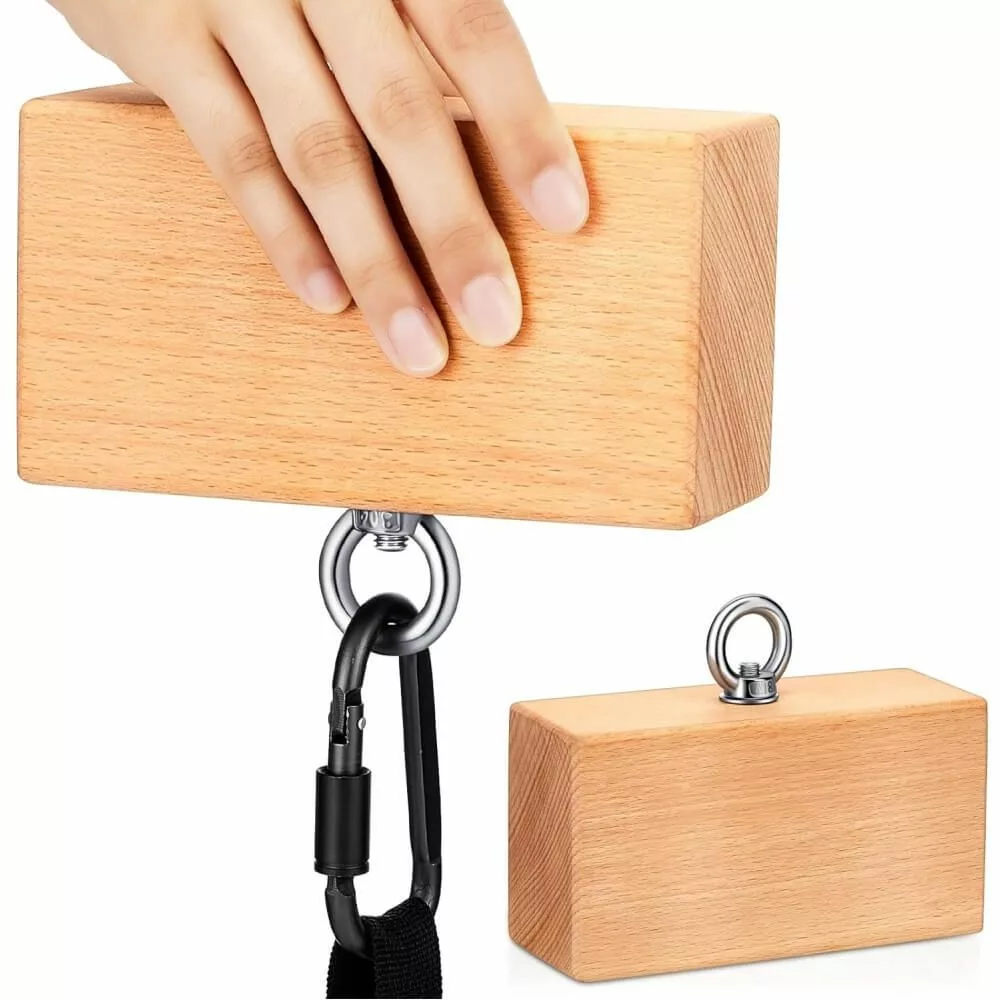
Train Your Thumbs with a Simple Pinch Block
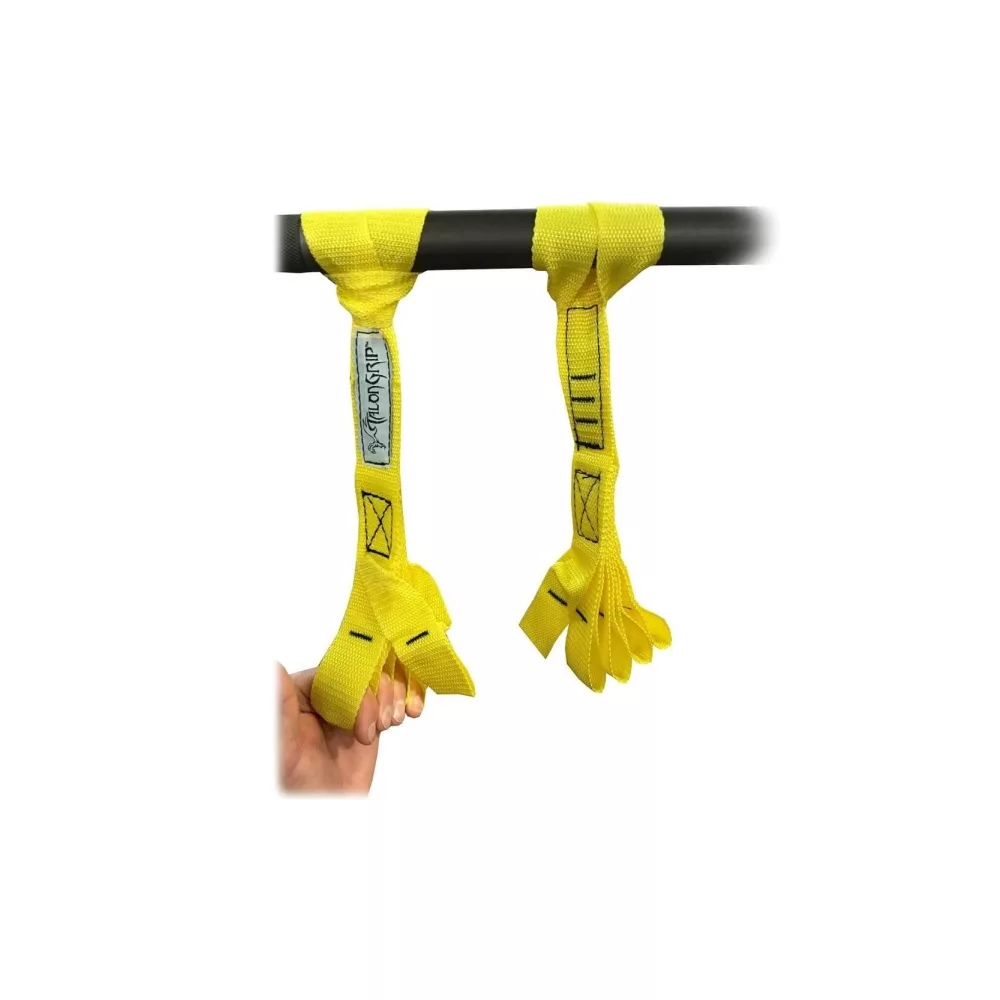
Finger Loops with Thumb Loop To Train Static Grip
Your grip is only as strong as its weakest link. Building both your forearms & hands together creates strength that’s more powerful, more reliable, & far more useful in everyday life.
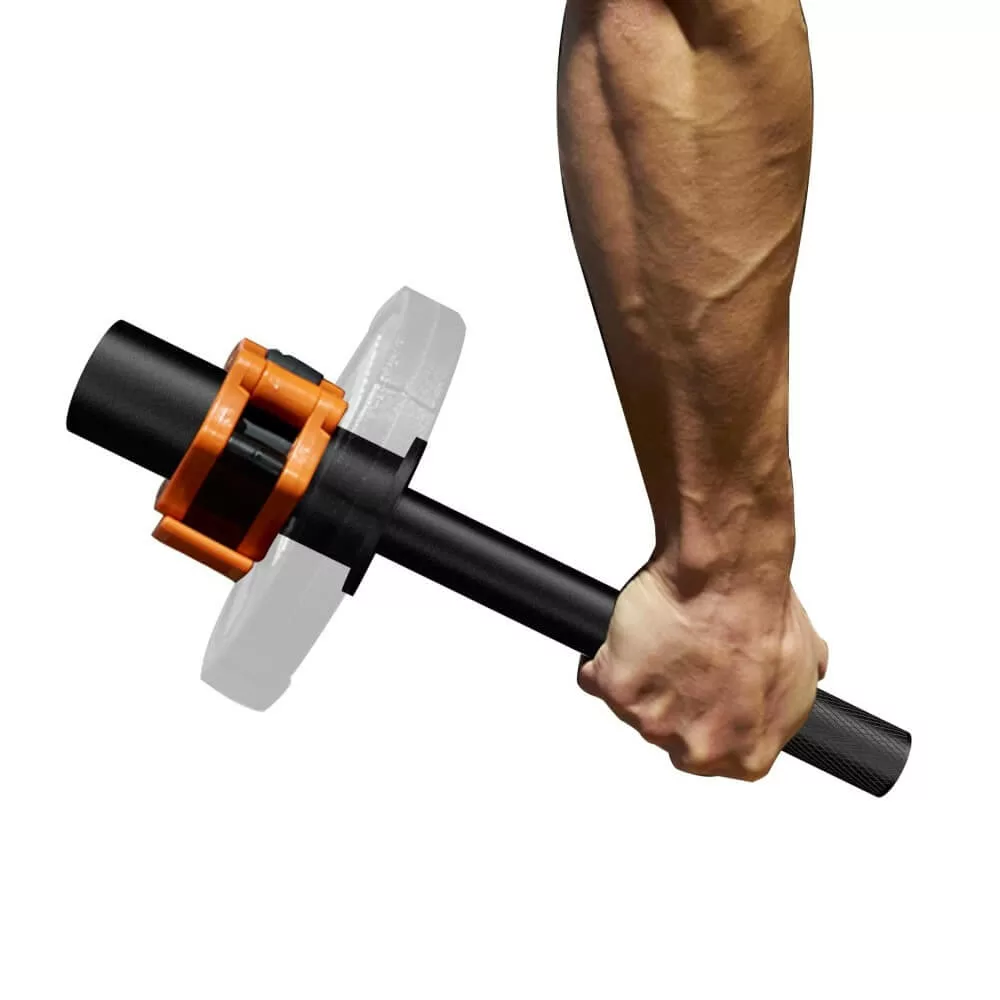
Wrist Strength Without Weak Links: Build Forearm Power & Control
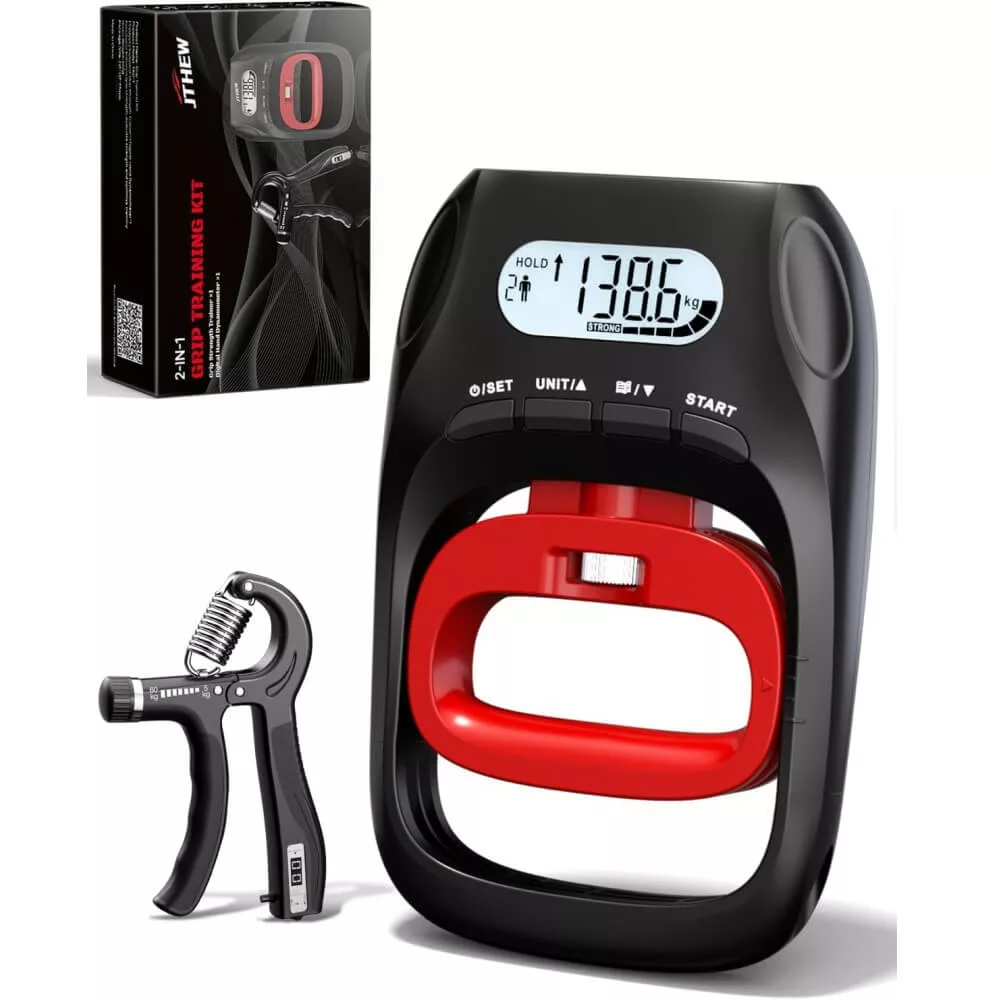
Don’t Guess: Use Grip Dynamometer for Accurate Progress Tracking

Modern Rice Bucket Gadget for Grip & Forearm Training?
Key Takeaway
Forearm strength and hand strength aren’t competitors; they’re partners.
Your forearms generate most of your gripping force, while your hands provide the control and precision that apply that force effectively.
Training both areas together, rather than focusing on only one, creates a stronger, more resilient grip that performs better during lifting, sports, work, and everyday tasks.
Thanks for Reading!
Which Part of Your Grip Limits You the Most?
Share Your Thoughts in the Comments!
Recommended Next Reads
These beginner-friendly guides are the next step to build a grip training foundation: