(Last Updated on October 5, 2026 by Henry)
Prepare Your Fingers and Forearms for More Comfortable Grip Training
Jumping straight into hard gripping isn’t always the best way to start a grip training session.
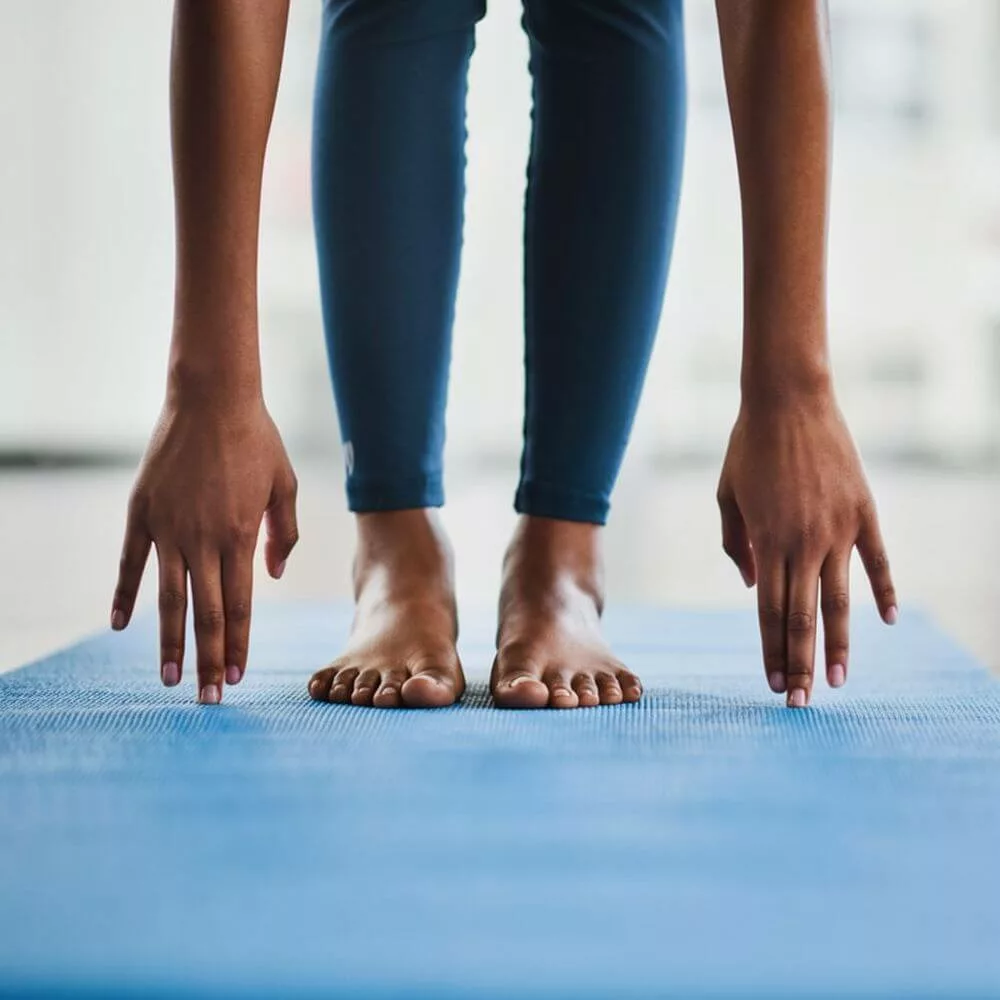
Your hands may already have spent hours typing, working, driving, lifting, gaming, or doing other repetitive tasks before you even pick up your first gripper.
Going from that everyday activity directly into heavy resistance can be a bigger jump than it seems.
A good warm-up helps bridge that gap.
The goal isn’t to make your hands tired before training.
It’s to gradually move your fingers, hands, wrists, and forearms from normal activity toward the demands of the session ahead.
Table of Contents – Explore What's Covered Below
ToggleA warm-up also isn’t a guarantee against injury.
It simply gives you an opportunity to prepare gradually, notice how your hands feel, and avoid making your first hard set your first exposure to meaningful resistance.
Here are 10 practical finger exercises for warm-up & mobility that require no equipment.
1. Why Warm Up Your Hands Before Grip Training?
A hand warm-up doesn’t need to be complicated. In most cases, it simply needs to help you move from everyday activity into the specific demands of your workout.
Move From Rest Into Training
Even when your hands don’t feel particularly stiff, the first few minutes of movement can help you transition into training.
Opening and closing your hands, moving your fingers individually, rotating your wrists, and gently moving your forearms all provide a simple way to get started.
You’re not trying to force a larger range of motion. You’re simply getting the structures involved in your upcoming session moving.
Gradually Increase the Demand
The bigger purpose of a warm-up is progression.
If your first working set involves a heavy gripper, hard pinch, weighted hang, or demanding wrist exercise, going from zero resistance directly to that workload creates a much larger jump than beginning with easier movement and lighter resistance.
A few gradual steps can make the transition more controlled.
Prepare the Movements You’ll Actually Use
Your warm-up should have some relationship to your training.
If you’re about to train crush grip, gradually squeezing something easier makes sense. If you’re doing pinch work, gentle pinching can prepare that movement. If you’re training your wrists, some light wrist movement can make a better transition than spending several minutes doing unrelated exercises.
The closer your warm-up is to the actual task, the more useful it tends to be.
Avoid Pre-Fatigue
This is one of the easiest mistakes to make.
A warm-up should prepare you for training, not become training.
If your hands are already tired before your first working set, you’ve probably done too much. Your warm-up should leave you feeling ready to train rather than wondering why your grip suddenly feels weaker.
2. Start With General Hand Movement
Before adding resistance, start with simple movement.
This is especially useful when you’ve been sitting at a desk, driving, gaming, doing manual work, or otherwise keeping your hands in relatively repetitive positions for a long period.
Open and Close Your Hands
Slowly open your fingers and then close your hand into a comfortable fist.
You don’t need to squeeze hard.
Think of this as a simple movement check. Notice whether both hands feel similar, whether any fingers feel unusually stiff, and whether the movement feels comfortable.
Spread Your Fingers
Open your hand and gently spread your fingers apart before relaxing them again.
This introduces movement in a direction that isn’t emphasized by most gripping exercises.
You can repeat the movement several times without turning it into a strength exercise.
Move the Fingers Individually
Try gently lifting or moving individual fingers while keeping the others relatively relaxed.
You don’t need perfect isolation. The point is simply to give the fingers some independent movement before asking them to work together under resistance.
Move the Thumb
The thumb plays a major role in many forms of grip.
Move it across the palm, away from the hand, and through comfortable positions without forcing the range.
This is particularly useful before pinch-focused training, where the thumb may be exposed to a different type of demand than during ordinary crushing exercises.
Add Gentle Wrist and Forearm Movement
Your hands don’t operate independently of your wrists and forearms.
Gentle wrist flexion and extension, comfortable wrist circles, and forearm rotation can help prepare the larger movement system involved in gripping.
For more detailed mobility work,
see Wrist Mobility for Grip Training and Hand Mobility for Grip Training.
The important distinction is that a pre-training warm-up doesn’t need to become a full mobility session.
Keep it comfortable and keep moving.
3. Add Light Resistance Before Heavy Resistance
Once you’ve moved through some general hand movement, you can gradually introduce resistance.
This is where your warm-up starts becoming more specific to grip training.
Start With Very Light Resistance
If you’re going to perform demanding squeezing, pinching, or finger work, begin with something substantially easier than your working resistance.
The purpose isn’t to build strength during the warm-up. You’re simply giving your hands a chance to experience resistance before asking them to produce much more force.
Use Short, Controlled Sets
A few easy repetitions or brief holds can be enough.
There’s no advantage to exhausting your hands before the actual workout. If the warm-up starts producing a noticeable pump, fatigue, or burning sensation, you’ve probably moved beyond what you need.
Finger Extension Can Be Part of the Warm-Up
Grip training tends to emphasize closing the hand against resistance. A small amount of easy finger-extension work can provide some movement in the opposite direction.
Finger extension shouldn’t be performed as a hard workout immediately before heavy gripping, though. Keep the resistance light and the volume modest.
For a closer look at this type of training, see Finger Extension for Recovery & Balance.
Simple Tools Can Make Light Activation Easier
You don’t need specialized equipment to warm up your hands, but a few simple tools can make light resistance easier to control.
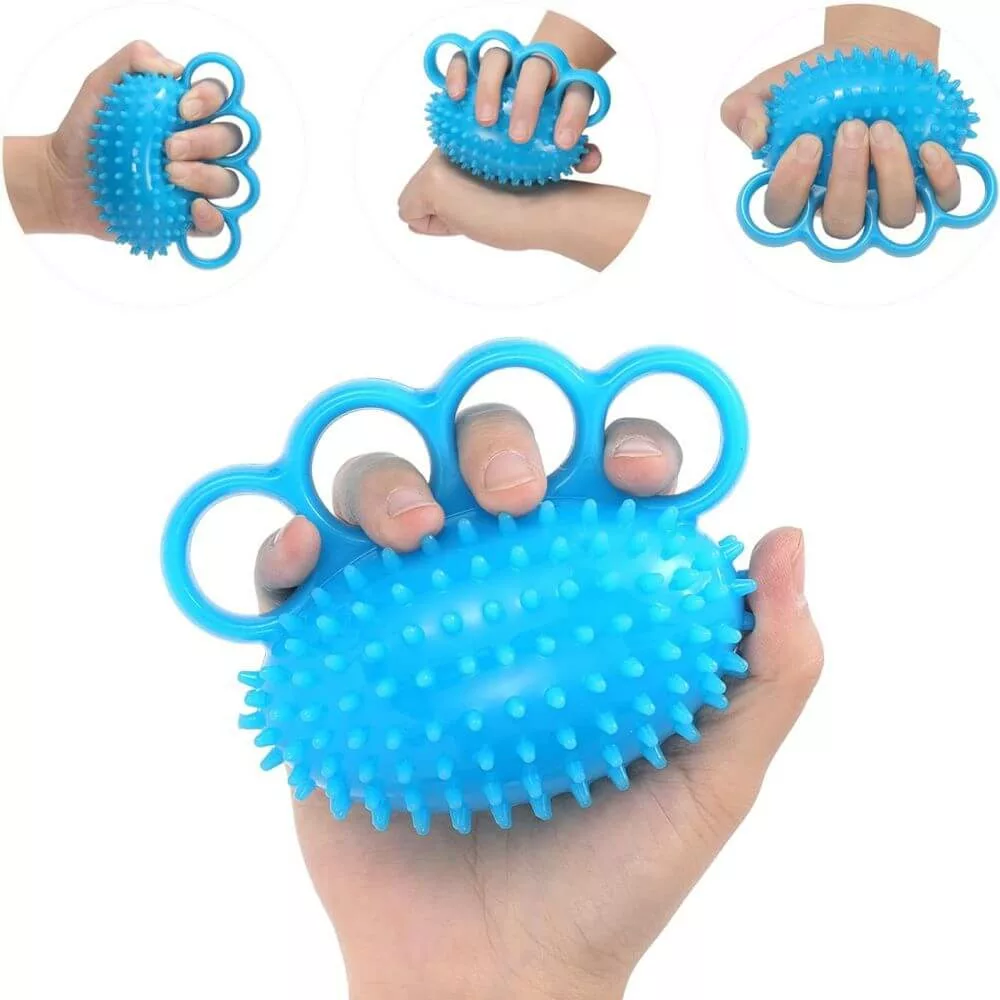
Therapy-Grade Stress Relief & Rehab Crush Grip Trainer
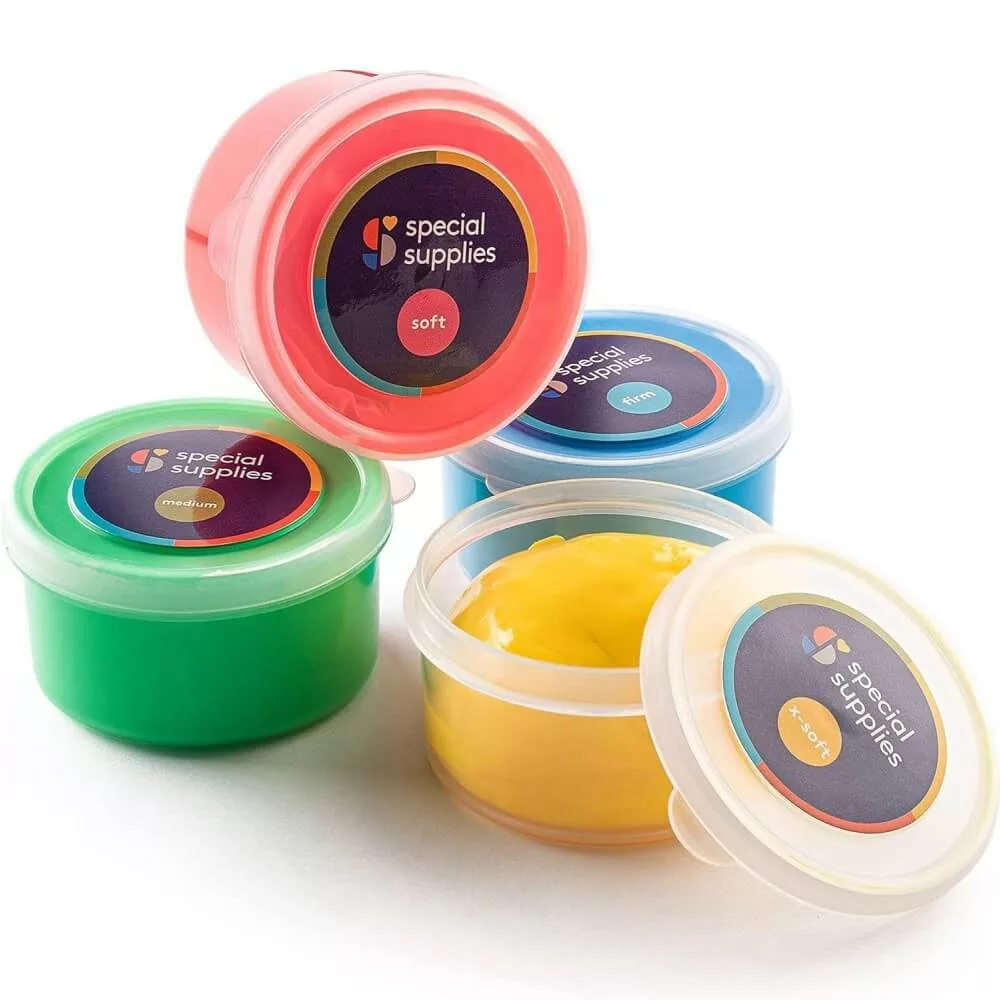
Therapy Putty: Rehab-Grade Hand Recovery & Grip Training?
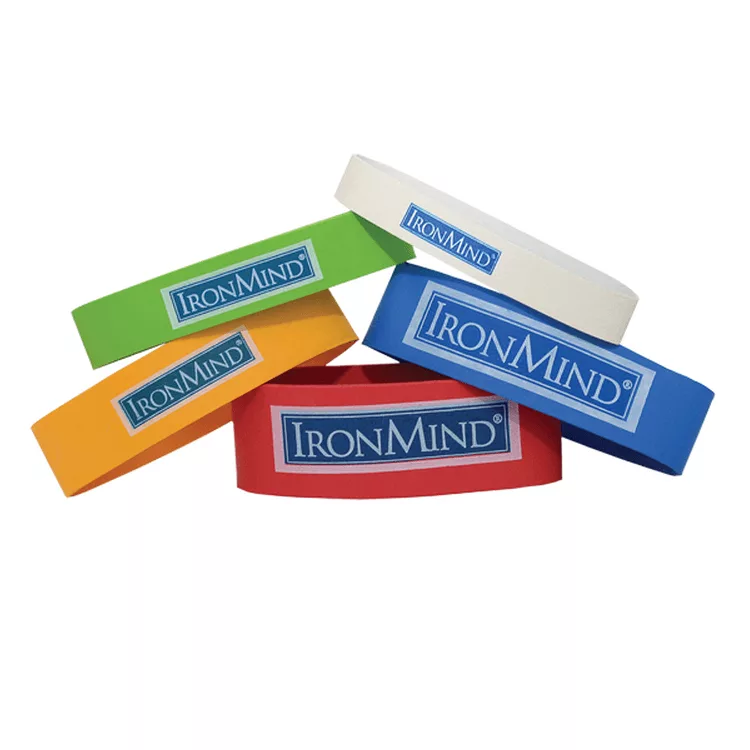
Why are Handbands Staple to Build Hand Muscle Balance?
A finger therapy ball, soft therapy putty, or light finger-extension bands can all provide relatively easy resistance when you want something between completely unloaded movement and your normal training equipment.
The important part is how you use them: lightly and progressively, rather than treating the warm-up as another strength session.
4. Warm Up for the Movement You’re Actually Training
There isn’t one perfect warm-up for every type of grip training.
The best approach depends on what you’re about to do.
Crush Grip
If you’re training with grippers or other crushing movements, start with a few easy squeezes.
If your normal working gripper is challenging, use an easier resistance first. Gradually increase the resistance rather than making your first serious squeeze your warm-up.
You can also perform a few slower repetitions with your working resistance before your harder sets, provided they remain comfortably below your maximum effort.
Pinch Grip
Pinching places a different demand on your fingers and thumb.
Begin with light pinch holds or an easier pinch load. Focus on establishing a comfortable position and controlled tension before moving toward your heavier work.
There’s no need to test your maximum pinch strength during the warm-up.
Support Grip
For hangs, carries, or other support-grip exercises, begin with a lighter version of the same movement.
That might mean an easier hang, a shorter hold, or a lighter load.
The goal is to let your hands experience the position and tension before you ask them to maintain it for longer or under heavier loading.
Wrist and Forearm Training
If your session includes wrist curls, wrist rollers, pronation, supination, or similar exercises, start with unloaded or very light movement.
This can be particularly useful because the wrist and forearm may already be contributing to other grip exercises in the same session.
Finger-Heavy Training
When your training places a lot of demand on individual fingers, be especially gradual.
Start with general finger movement and then introduce light resistance before progressing toward your working load.
Finger-heavy exercises can create substantial localized demand even when the overall workout doesn’t feel particularly long.
The general rule is simple:
Warm-up should resemble the upcoming workload without exhausting you before you begin.
5. Use Progressive Warm-Up Sets
For harder grip sessions, you can think of your warm-up as a gradual ramp rather than a single exercise.
Easy → Moderate → Training Load
A simple progression might look like this:
Watch out for these common mistakes:- General movement: Open and close your hands, spread the fingers, move the thumb, and gently move the wrists and forearms.
- Very light resistance: Perform a few easy squeezes, pinches, extensions, or wrist movements.
- Moderate resistance: If the session is demanding, take another step toward your normal training resistance.
- First working set: Begin your actual training once the movement and resistance feel familiar and controlled.
You don’t necessarily need every step for every workout.
An easy grip session may require very little preparation. A heavy session involving near-maximal effort deserves a more gradual transition.
The closer you get to your normal working resistance, the fewer repetitions you generally need. You aren’t trying to accumulate volume; you’re preparing for the volume that comes next.
6. What About Heat, Massage, or Recovery Tools?
Some people like using heat, massage, or other recovery methods before training.
These can have a place, but they shouldn’t become the foundation of your warm-up.
Heat Can Feel Comfortable
If your hands feel cold or stiff, gentle heat may make movement feel more comfortable before training.
That doesn’t mean heat is required for a good warm-up, and it doesn’t replace gradual loading.
For more on the differences between heat and cold, see Heat vs Ice for Hand Recovery.
Gentle Self-Release May Help You Feel Ready
A short period of gentle massage or self-release can also be part of a preparation routine if you find it comfortable.
The key word is gentle.
You don’t want to spend several minutes aggressively working your forearms and then discover that you’ve already made them tired before your grip session begins.
Massage & Self-Release for Hands and Forearms covers this in more detail.
Don’t Turn Preparation Into Another Workout
This is worth repeating because it is so easy to miss.
More warm-up work isn’t automatically better.
If heat, massage, mobility drills, resistance bands, therapy putty, and several sets of grip exercises all get added together, you can quickly create a surprisingly demanding pre-workout routine.
Your warm-up should prepare you for training.
It shouldn’t compete with the training itself.
7. Common Warm-Up Mistakes
A good warm-up is often more about avoiding unnecessary work than adding more exercises.
Watch out for these common mistakes:- Doing too much before training: If your hands are noticeably fatigued before your first working set, your warm-up has become part of the workout.
- Stretching aggressively: Your hands don’t need to be forced into extreme positions to be prepared for grip training.
- Starting with maximum resistance: A maximum-effort squeeze isn’t really a warm-up.
- Trying to warm through discomfort: Persistent or unusual pain isn’t simply a sign that you need more preparation.
- Using the same warm-up for every session: A light recovery-oriented workout and a near-maximal grip session don’t necessarily require the same preparation.
- Spending longer warming up than training: If preparation becomes disproportionately long, simplify it.
A warm-up should make the transition into training smoother, not make the session unnecessarily complicated.
8. How Long Should a Hand Warm-Up Take?
There’s no universal number of minutes that every grip session needs.
The right amount depends on what you’re doing and how your hands feel that day.
An easy training session may only need a short period of general movement followed by a few light sets.
A heavier session involving difficult grippers, hard pinch work, weighted hangs, or near-maximal efforts may deserve a more gradual progression.
Cold or stiff hands may also need a little more time before demanding work feels comfortable.
On the other hand, if you’ve already been physically active and your hands are moving normally, you may not need much preparation at all.
Think in terms of readiness rather than a stopwatch.
Your warm-up is doing its job when your movements feel comfortable, the training-specific pattern feels familiar, and you can begin increasing resistance without making a sudden jump from zero to maximum demand.
9. When a Warm-Up Isn’t the Answer
Sometimes the problem isn’t that your hands need more warming up.
If you notice persistent pain, swelling, numbness, tingling, unusual weakness, or a meaningful change in hand function, don’t assume that continuing to warm up will solve the problem.
The same applies if symptoms become more noticeable as you start moving or adding resistance.
A normal warm-up should generally make movement feel more prepared, not progressively worse.
If something feels consistently wrong, reduce or stop the aggravating activity and consider getting appropriate professional evaluation rather than repeatedly testing whether another warm-up will make it disappear.
A warm-up can help you transition into training.
It shouldn’t be used to override warning signs.
Warm Up to Train, Not to Get Tired
The best hand warm-up is usually simpler than people expect.
You don’t need a long sequence of exercises, complicated equipment, or an exhausting pre-workout routine.
You need a gradual transition from everyday movement into the demands of your session.
Move → Activate → Gradually Load → Train
Start with comfortable hand, finger, thumb, wrist, and forearm movement. Add a small amount of easy resistance when appropriate. Then progressively approach the workload you’re actually planning to train.
That approach gives you something valuable before every session: a chance to see how your hands feel before asking them to work hard.
And remember that warming up is only one part of sensible grip training. Your total workload, progression, recovery, and response to training all matter too.
Recommended Next Reads
The goal isn’t to warm up as much as possible.
The goal is to be ready to train.
Key Takeaway
A good hand warm-up prepares you for grip training without tiring you out first.
Start with comfortable movement, add light resistance, progressively approach your training load, and adjust the warm-up to the demands of the session.
Thanks for Reading!
Do You Have a Warm-Up Routine That Works Well?
Share Your Thoughts in the Comments!