(Last Updated on October 5, 2026 by Henry)

What Does a Grip Aid Actually Change When You Use One?

Grip aids can be any tool or substance that helps you hold onto something better, whether it’s because it’s sweaty, slippery, or just plain awkward. Picture chalk, tacky substances, gloves, and straps. They’re all about helping your grip rather than improving hand strength directly.

These aids aren’t just for athletes. Climbing, lifting heavy things, handling tools at work.

Many situations call for a little grip help. It’s not about making your hands stronger right away.

Instead, these aids focus on making the task less demanding on your hands right now.

It’s crucial to separate grip aids from grip-training gear. The latter is all about upping your hand’s game over time, like those stress balls or grip strengtheners you probably see at the gym.

Table of Contents – Explore What's Covered Below

Grip aids, on the other hand, change the task dynamics so your hands don’t have to work as hard. The key takeaway here is straightforward: grip aids adjust the conditions under which your hand operates.

They aren’t magic; they won’t suddenly boost your grip strength.
They simply help you get a better hold on things, altering how difficult the job is for your hands.

A grip aid doesn’t make your hand stronger.
It changes the conditions your hand has to work under.

That distinction is important because the same tool can be useful for one task while being unnecessary, or even counterproductive, for another.

Grip aids are useful because they can change the balance between your hands and the task in front of you. To understand when they help, it first helps to look at exactly what changes when you use one.

Grip aids are about assistance, not adaptation. They can help you perform a task now,
while grip training is what helps your hands become more capable over time.

1. What Counts as a Grip Aid?

1. What Counts as a Grip Aid?

A grip aid is anything that helps you hold, control, or maintain contact with an object without directly being the thing that develops your grip strength.

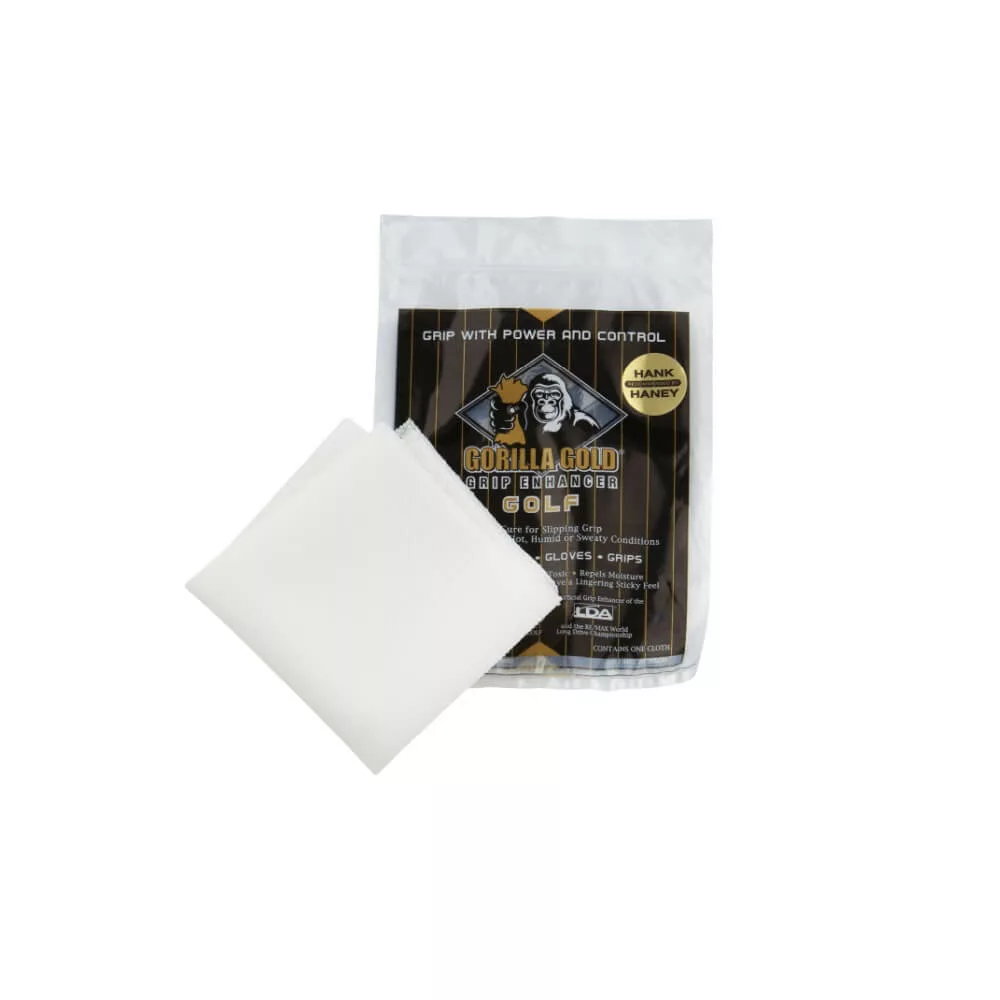
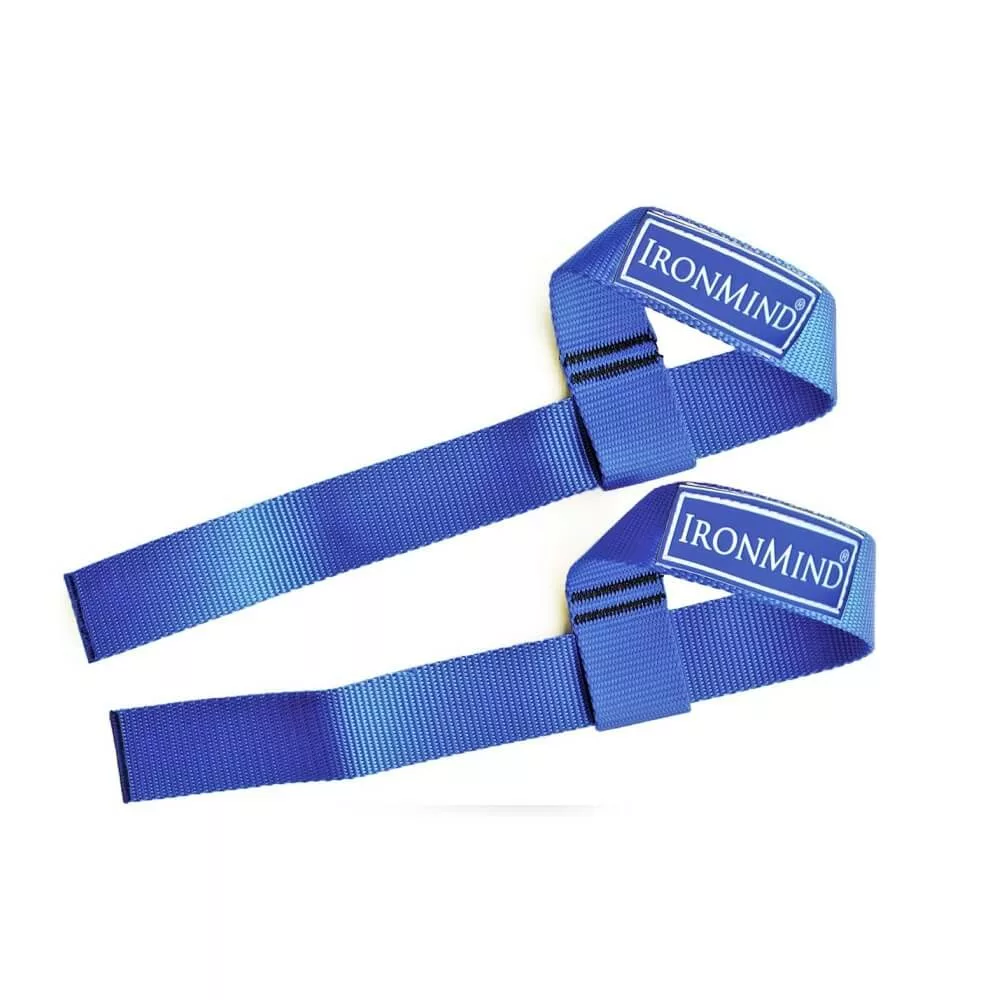
That can include substances such as chalk or tacky grip enhancers, as well as physical tools such as lifting straps or gloves.

The important part isn’t what the aid looks like. It’s what role it plays.

Grip Aids Change the Task

Grip aids work by changing the conditions under which your hand has to operate.

Chalk can help improve friction between your hand and a bar. Tacky substances can increase adhesion between your hand and a surface. Straps can help secure your connection to a heavy object when your fingers would otherwise become the limiting factor.

In each case, the aid is helping you deal with the task as it exists right now.

It isn’t directly telling your muscles, tendons, or nervous system to become stronger.

Grip Aids Aren’t Grip-Training Equipment

This distinction is easy to miss because both categories can appear in the same gym bag.

Grip-training equipment is designed to challenge your hands so they adapt over time. Grippers, pinch blocks, extension bands, wrist-training tools, and similar equipment deliberately create resistance or other forms of demand.

Grip aids do almost the opposite.

They are used to reduce, modify, or manage a particular grip demand so you can perform the task more effectively.

That doesn’t make them bad for your grip. It simply means they’re solving a different problem.

A Simple Way to Tell the Difference

  • Grip training: “How can I make my hands more capable over time?”
  • Grip aid: “How can I perform this task more effectively right now?”

Both can have a place in a well-rounded approach to grip training and performance.

Three Common Types of Grip Aid

  • Friction aids: Chalk and similar products help improve traction between your hand and the object you’re holding.
  • Adhesion aids: Tacky substances can create a stronger-feeling connection with a surface, particularly during demanding pulls or holds.
  • Mechanical aids: Straps and similar equipment can help secure the hand to a load when maintaining the grip itself would otherwise become the limiting factor.

These categories overlap in purpose, but they don’t solve the same problem. Understanding that difference becomes much more important when you start choosing an aid for a specific task.

2. What Actually Changes When You Use a Grip Aid?

2. What Actually Changes When You Use a Grip Aid?

Grip aids tweak the rules of the game when you’re trying to hold onto something. They don’t make your muscles stronger, but they do change what’s required to keep your grip on an object.

This is all about control rather than brute strength.

Friction Changes First

Consider friction first.

It’s like trying to hold onto a greasy pan versus a textured handle; one clearly needs less effort to maintain a secure hold.

A grip aid can increase that traction, so you’re not spending all your energy just keeping things from slipping.

This can be particularly useful when sweat, moisture, smooth surfaces, or repeated movement make it harder to maintain contact.

Force Can Be Distributed Differently

Then there’s force distribution.

Imagine holding a bar directly in your palm versus with some padding. Padding can spread the force more comfortably and evenly, which means less concentrated stress on any single part of your hand.

The total external load hasn’t necessarily changed, but
where and how that load is experienced by your hand can change.

Your Grip May Last Longer

Grip aids can also extend the time before your grip becomes the weak link.

Without an aid, your fingers might tire out quicker, but a little help can give them a bit more mileage. This can be useful when trying to get the most out of your strength without grip getting in the way.

That doesn’t mean your grip has become stronger during the task. It means the task is no longer demanding the same amount of grip effort from you.

The Load Doesn’t Magically Become Lighter

Finally, why does the same weight feel so different with a grip aid?

It’s about reducing the grip demand.

The actual load doesn’t change, but handling it becomes less of a drag, allowing you to focus on other parts of the task.

Using aids like straps lets you think less about grip and more about lifting, pulling, or maneuvering freely.

What You’re Really Changing

Your grip’s potential is limited by what’s required in the moment, not simply by how strong your hands are overall.

A task may be perfectly manageable from a strength perspective but still become difficult because of friction, fatigue, awkward positioning, or the amount of time you have to maintain the hold.

Using aids isn’t about taking the easy way out.
It’s about changing the dynamics so you can tackle the task more efficiently.

Assistance Doesn’t Mean More Strength

This is one of the most important ideas to keep in mind.

A grip aid can make a task easier to perform without making your hand stronger.

That’s why grip aids and grip-training equipment should be judged by different standards. A gripper should challenge your grip. Chalk should help you maintain it.

The goal isn’t for every tool to make your hands work harder.
The goal is to understand what you want the tool to accomplish.

3. The Five Main Ways Grip Aids Help

3. The Five Main Ways Grip Aids Help

Grip aids do more than just stop things from slipping out of your hands. They serve multiple roles, each serving a particular need depending on the situation.

Understanding these functions gives you a useful framework for thinking about grip aids without getting caught up in individual products.

1. Increasing Friction

Increasing friction is often the top reason folks reach for a grip aid.

Whether dealing with sweaty palms or slick surfaces, a bit of extra grippiness can keep the object in place.

Think of it as boosting the stickiness between you and whatever you’re holding.

Chalk is a familiar example. It doesn’t make your hand stronger, but by helping manage moisture, it can improve the consistency of your contact with a bar or other surface.

2. Improving Contact and Security

Improving contact and security comes next.

Some aids are designed to make sure the item stays put in your hand without slipping around.

Imagine using a glove or a strap that helps secure the object to your grip, ensuring it doesn’t shift despite movement or pressure changes.

The goal is greater control over the connection between your hand and the object.

3. Reducing Grip Demand

Reducing grip demand might be another goal.

Think of how lifting straps can take some of the weight off your fingers, allowing bigger muscles to do more of the heavy lifting.

This lets your hands focus less on just holding on and more on being stable and ready for action.

For a heavy pulling movement, that difference can determine whether your grip is the limiting factor or whether you can continue training the larger movement you actually came to perform.

4. Redistributing Load and Pressure

Redistributing load and pressure can make a big difference, too.

Some aids spread out the stress over a larger area of your hand, reducing pinpoint strain and making the task feel manageable over longer durations.

This doesn’t necessarily remove the load. Instead, it can change how that load is experienced.

That distinction matters when you’re comparing assistance with actual strength development.

5. Helping Maintain Position During Extended or Intense Tasks

Last but not least, helping maintain position during extended or intense tasks might be the key role for some aids.

When you’re doing repetitive work or holding heavy items for long periods, these aids can help make sure fatigue doesn’t catch up too quickly.

That can be useful in training, climbing, lifting, or physical work where maintaining a secure connection is important for longer than your bare-hand grip can comfortably manage.

The Functional Framework

  • Friction: Helps prevent slipping when contact is the problem.
  • Security: Helps keep the object stable in your hand.
  • Grip demand: Reduces how much your fingers have to contribute.
  • Load distribution: Changes where pressure is concentrated.
  • Position maintenance: Helps you sustain control when fatigue builds.

Grip aids don’t just make holding something easier; they change how your hand engages with the task.

Knowing which function is being served helps you understand why an aid is useful before you ever decide which particular product to use.

4. What Grip Aids Don't Do, and Why That Matters

4. What Grip Aids Don’t Do, and Why That Matters

Grip aids can be handy, no doubt, but they aren’t the solution to everything.

It’s important to remember that they don’t magically increase grip strength.

Your hand isn’t actually stronger just because you’re using an aid; it’s merely operating under changed conditions.

They Don’t Replace Grip Training

While aids can help you hold onto things longer or more securely, they don’t replace grip training.

If you skip out on strengthening exercises, thinking aids will cover it, you might be missing out on developing your grip over time.

Grip training creates a reason for your body to adapt.
A grip aid changes the task so you can perform it under different conditions.

Those are two very different jobs.

They Don’t Solve Every Grip Problem

Using a grip aid doesn’t solve every grip issue out there.

Grip failure can occur for lots of reasons: fatigue, improper technique, uncomfortable or awkward hand positioning, or even pain and skin condition.

A grip aid might not address these problems, so understanding why your grip is slipping is crucial.

If the problem is poor positioning, adding more assistance may simply hide the issue rather than solve it.

If the problem is fatigue, an aid might help, but it may also be worth considering why fatigue is occurring in the first place.

More Assistance Isn’t Automatically Better

More assistance doesn’t inherently equal better results.

Over-relying on aids without understanding your actual needs could prevent you from addressing the root cause of grip challenges.

This makes it vital to use aids as a complement to, not a substitute for, addressing underlying issues.

A useful question is: What problem am I trying to solve with this aid?
If you can’t answer that, more assistance may not be the answer.

Using a Grip Aid Doesn’t Mean You Have a Weak Grip

There’s a common misconception that relying on grip aids means you have a weak grip.

Not true.

Sometimes, it’s simply about easing stress on the hands so you can focus on other elements of your workout or work tasks.

A strong athlete may use straps because the goal of a particular exercise is to challenge the back rather than the fingers.

A worker may use an aid because the task is repetitive.
A climber may use chalk because moisture is interfering with friction.

The aid is responding to the task, not necessarily compensating for weakness.
Grip aids work best when they’re used deliberately.

Use Assistance With Clear Intent

  • Identify the problem: Know whether you’re dealing with friction, fatigue, load, contact, or something else.
  • Know the limitation: Understand what the aid can change and what it cannot.
  • Keep the bigger goal visible: Make sure assistance supports your training, work, or performance rather than replacing something that needs attention.
5. When Does a Grip Aid Make Sense? Match Assistance to the Task Goal

5. When Does a Grip Aid Make Sense? Match Assistance to the Task Goal

The key is to figure out if grip is the main issue or just a roadblock in achieving something bigger.

If holding onto something is hindering you from focusing on the primary goal, consider using a grip aid.

When Friction Is the Problem

Friction problems are a common reason to reach for an aid.

If you’re in situations where things get slippery, whether it’s sweat, rain, or a smooth surface, a grip aid can give you that extra security to keep going.

In this situation, the goal isn’t necessarily to make your hands stronger.

It’s to make the connection between your hand and the object more reliable.

When the Load Is High

High-load tasks are another instance where aids come in handy.

When you’re lifting heavy or doing long carries, it’s not always about building grip strength but executing the movement safely and effectively.

If the exercise is intended to challenge another part of your body, allowing your grip to fail first may prevent you from getting the intended training effect.

When the Session Is Long

Grip aids can also shine during long sessions.

If you’re handling tools or lifting repetitively, these aids let your hands last longer without tiring out prematurely.

It’s about maintaining function without pushing beyond safe limits.

That doesn’t mean fatigue is always something to avoid. Fatigue is part of training.

But when fatigue isn’t the thing you’re trying to train, assistance can make sense.

When Grip Is Becoming the Bottleneck

Sometimes, you simply need to train another aspect of movement without grip becoming a bottleneck.

In these scenarios, aids allow you to focus on the muscle groups or techniques you’re actually aiming to enhance.

This can be especially useful when your hands are capable enough for the task but become the first limiting factor.

When an Aid Is Not the Answer

Keep in mind that while grip aids are useful, they shouldn’t become a crutch that prevents you from addressing underlying issues like technique or grip strength.

Use them as a thoughtful addition to your tools, not a default reliance.

A Simple Decision Framework

  • What is actually limiting me? If friction, fatigue, or grip demand is stopping the task, assistance may help.
  • What am I trying to train or accomplish? If grip isn’t the target, reducing grip interference can be useful.
  • Would assistance hide a problem I should address? If technique, positioning, pain, or another issue is involved, an aid may not be the real solution.

Assess each situation and decide if using an aid will truly support your goals or just sidestep issues that ought to be tackled directly.

6. Grip Aid or Grip Training? Decide What You're Actually Trying to Improve

6. Grip Aid or Grip Training? Decide What You’re Actually Trying to Improve

When thinking about grip aids, consider what you’re trying to achieve with them.

Are you aiming for immediate performance enhancement, or do you want long-term grip strength development?

This distinction will guide your decisions on when and how to use these tools.

Performance Support Is About the Task

Performance support is about focusing on the task at hand.

If your goal is to lift heavier or to sustain effort without cutting it short, using grip aids can offer that immediate help.

They enable you to focus on tasks that require attention beyond just hand strength.

The important point is that the aid supports performance under the current conditions.

Grip Training Is About Adaptation

On the flip side, grip training is all about adaptation and building up.

This involves dedicating time to exercises targeting grip strength specifically, ensuring your hands grow more robust over time.

Regular training means you might rely less on aids for everyday activities as your natural grip gets stronger.

But the purpose of training isn’t simply to eliminate the need for every aid.

It’s to give you more capacity and more options.

Why Both Can Have a Place

Mixing both approaches wisely makes a lot of sense.

You could use aids for demanding tasks while also scheduling regular dedicated grip-training sessions to work on overall hand strength.

This creates a useful distinction between training the grip and using the grip.

Sometimes you want your hands to work hard because that’s the point of the exercise.

Other times, you want them to work efficiently so another part of the task can receive the attention.

Performance and Strength Are Different Goals

The core takeaway here is that understanding whether you’re prioritizing performance or strength-building can help determine when to use aids and when to train without them.

This balance keeps your training purposeful, supporting clear, achievable goals.

And once you understand that distinction, the next question becomes much more practical:

Which grip aid actually makes sense for the task you’re trying to perform?

That’s where choosing between chalk, tacky products, straps, and other forms of assistance becomes important.

Use Grip Aids With a Purpose

Grip aids aren’t shortcuts to stronger hands.
They’re tools for changing the conditions under which your hands have to work.

Sometimes that means improving friction. Sometimes it means securing a load. Sometimes it means reducing grip demand so another part of the task can take priority.

The important thing is knowing what you’re changing and why.

Used thoughtfully, grip aids can complement grip training rather than compete with it. They can help you perform demanding tasks more effectively while still leaving room for your hands to develop their own capacity.

Recommended Next Reads

The smartest use of a grip aid isn’t simply getting more assistance.
It’s using the right amount of assistance for the job you’re actually trying to do.

Key Takeaway

A grip aid changes the task, not the fundamental strength of your hand.

If friction is the problem, improve friction.
If grip demand is limiting a larger movement, reduce that demand.
If you’re trying to build grip strength, train the grip itself.

Thanks for Reading!

Which Grip Aid Are You Using Regularly?
Share Your Thoughts in the Comments!

Need to Improve Your Grip? I'm Here to Help. As a fitness enthusiast, I explore grip strength, hand training, performance, injury prevention, & recovery to help you train smarter. Whether you're chasing a competitive edge, getting back from an injury, or simply looking for better ways to use & strengthen your hands, you'll find practical ideas & useful tools right here.

Leave a Reply

Your email address will not be published. Required fields are marked *