(Last Updated on October 21, 2026 by Henry)
How Do You Know Which Grip Aid Is Actually Right for You?
Choosing a grip aid based on its popularity often leads to disappointment.
Many folks get caught up in what’s trending or what top athletes are using, without considering that their own needs might be different.
The real key is spotting what’s actually holding you back.
Recognizing whether you’re struggling with things like weak grip strength, low friction, tiredness over time, pain, or difficulty maintaining your hold on something heavy can steer you in the right direction.
It’s also important to distinguish between a grip problem and something that’s more about your technique, programming, or even your equipment.
For instance, if your hands constantly slip off the bar, it may be more about slickness than strength.
Try paying attention to when the limitation comes into play.
Is it happening during really heavy pulls, towards the end of long sets, or specifically when you’re doing hanging exercises?
Understanding when and why your grip becomes the limiting factor can guide your choices and make training a lot more effective.
The right grip aid isn’t necessarily the strongest or most popular one.
It’s the one that addresses the specific limitation getting in the way of what you’re trying to accomplish.
Choosing a grip aid becomes much easier once you stop asking, “Which one is best?” and start asking, “What exactly do I need this aid to change?”
Match the aid to the problem first. Then consider the training goal,
activity, and amount of assistance you actually need.
Choose the Aid That Solves the Right Problem
Choosing a grip aid doesn’t have to mean finding the most popular product, the strongest assistance, or whatever someone else happens to use.
The better approach is to identify the limitation first.
Once you know whether you’re dealing with friction, grip demand, fatigue, discomfort, stability, or something else, you can choose an aid that actually changes the part of the task that’s holding you back.
Start With the Problem, Not the Product
A useful grip aid should have a clear job.
It should solve a problem without unnecessarily removing the training stimulus, changing the skill you’re trying to develop, or masking something that needs to be addressed directly.
And remember that your ideal amount of assistance can change from one session to the next.

Strongman Grip Aid: Easy to Use & Competition-Tested
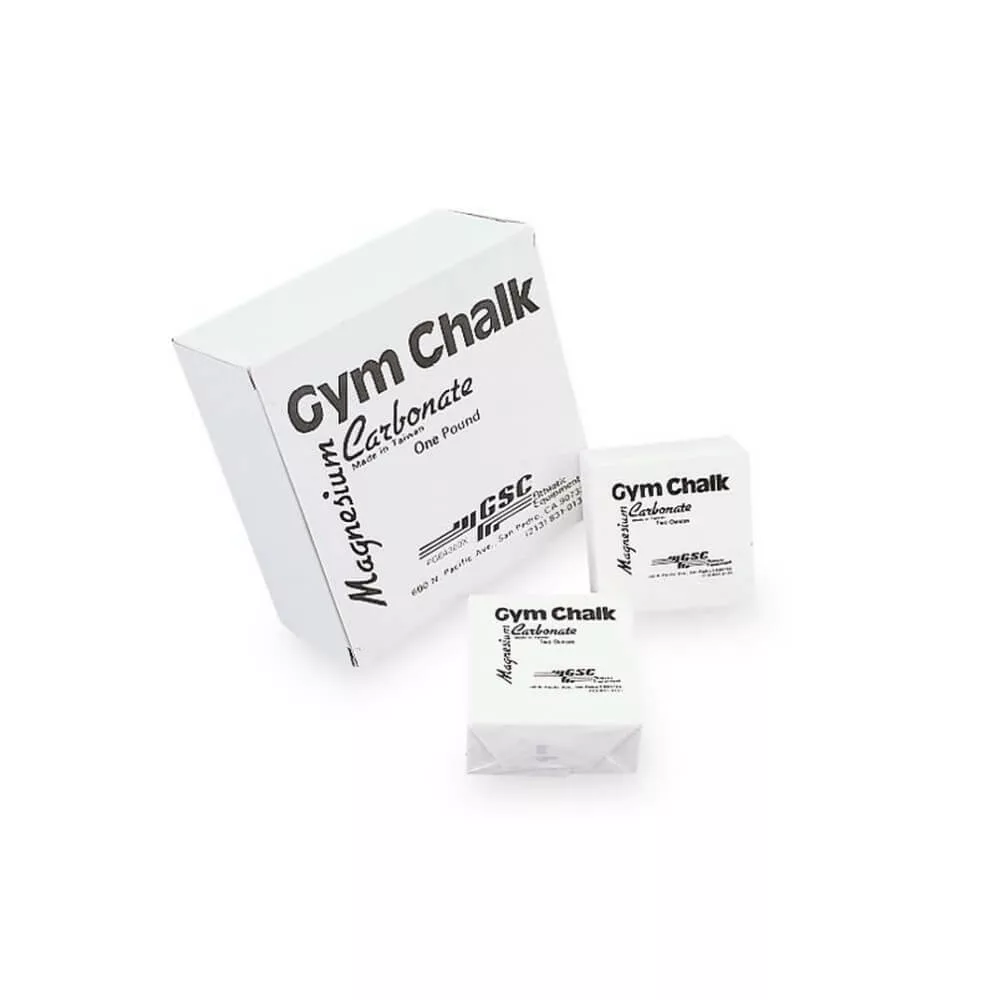
Brittle Gym Chalk, but is Easy Application Worth it?
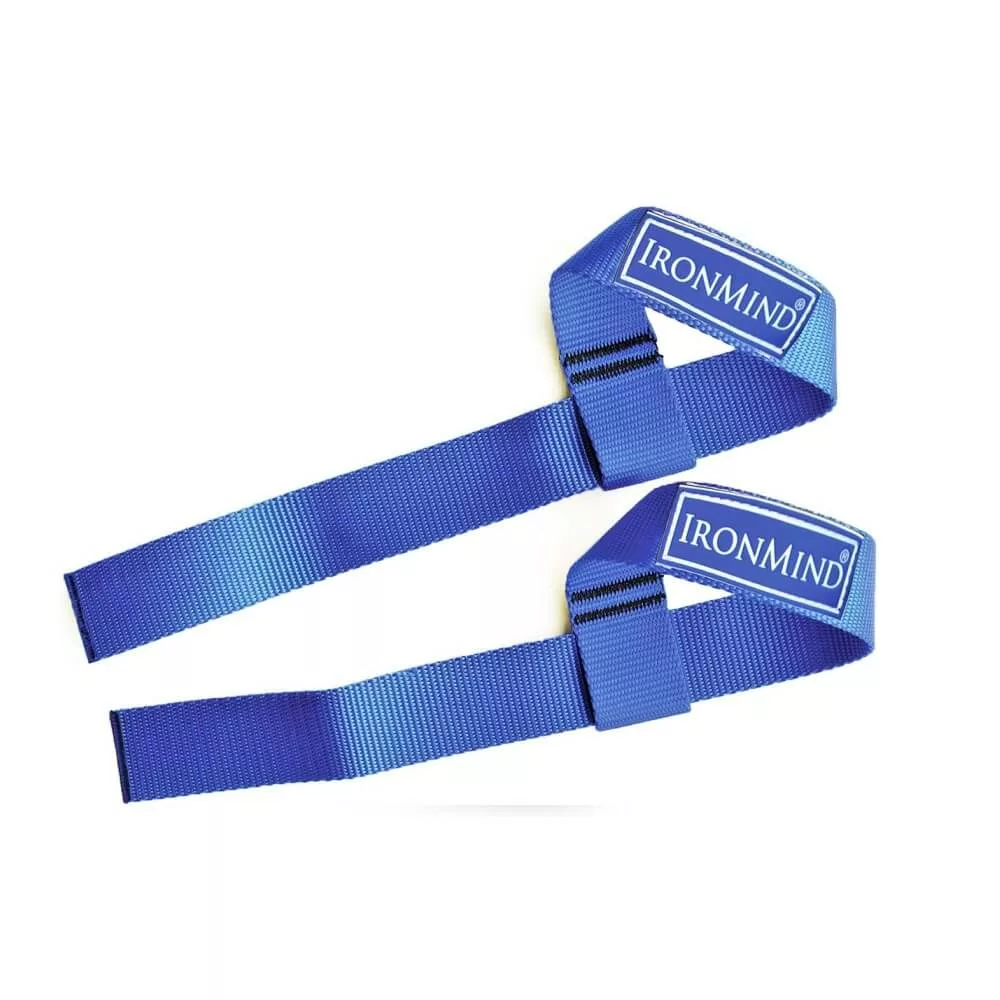
Fantastic General-Purpose Lifting Straps with Proven Results
Key Takeaway
The right grip aid is the one that addresses the actual limitation without unnecessarily taking away from what you’re trying to develop.
Identify the problem.
Match the aid to the function you need.
Consider the goal of the session.
Then use only as much assistance as necessary.
That approach gives you something much more useful than a universal “best grip aid”:
A decision process that can adapt to your training, sport, work, and your progress.
Thanks for Reading!
Which Grip Aid Do You Prefer in Your Sport?
Share Your Thoughts in the Comments!