(Last Updated on October 21, 2026 by Henry)
Are You Getting Stronger, or Just Getting More Help?
You put on lifting straps, your grip stops giving out, and suddenly you can complete more reps.
Your back gets more work, sets last longer, and your training session feels more productive.
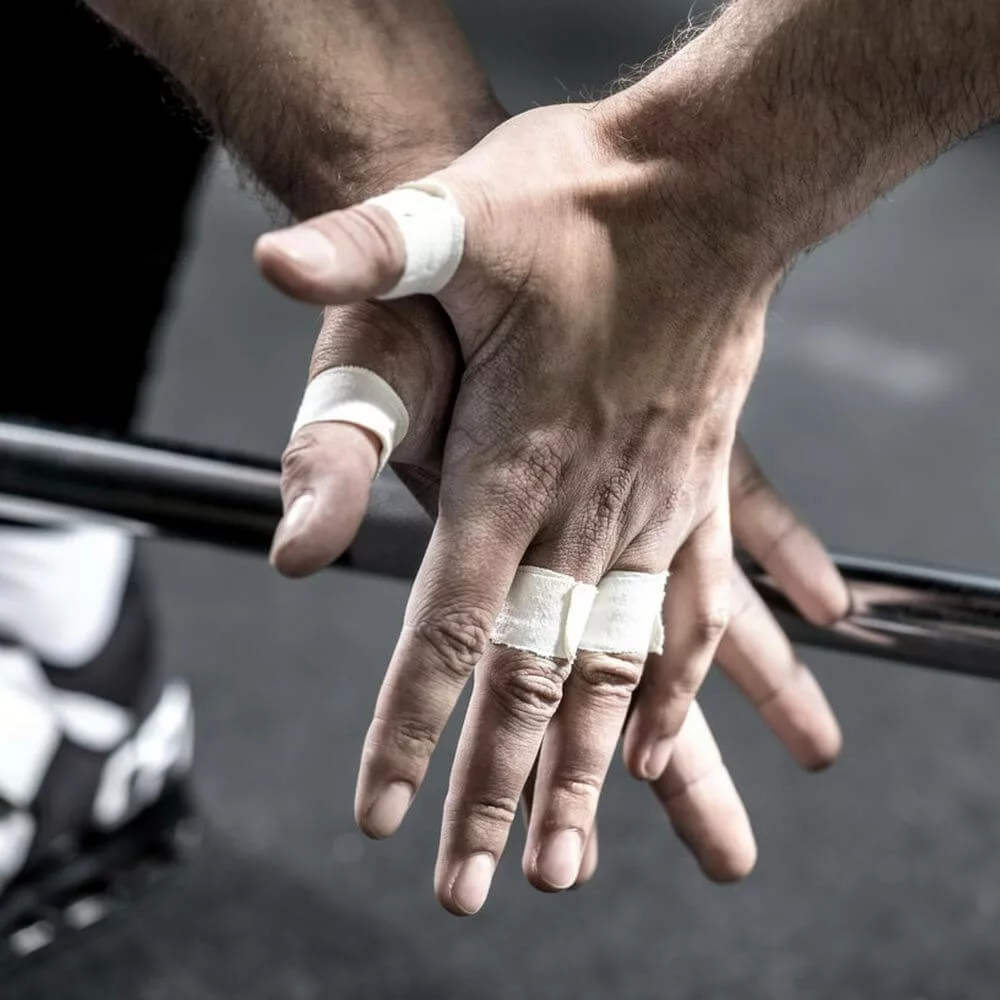
But does that mean your grip has become stronger?
Not necessarily.
A grip aid can help you perform better by changing how much your hands need to contribute to a task.
That improvement can be valuable, but it doesn’t automatically prove that your unaided grip strength has increased.
The distinction matters because better performance and greater grip capacity are related, but they are not the same outcome.
If your goal is to train your back, reducing grip limitations may help you get more from the exercise. If your goal is to develop your grip, you also need to consider whether your hands are receiving the challenge you intend.
Neither approach is inherently better.
The important question is whether the assistance you’re using matches what you’re trying to achieve. A grip aid can help you do more without necessarily making your unaided grip stronger.
The key is understanding what the aid changes, and what you still need to train.
Before deciding whether grip aids belong in your training, it helps to separate three things: what you can accomplish today, what your hands are capable of doing without assistance, and how that capability changes over time.
Improved performance tells you that you completed a task more effectively.
Improved grip means your ability to produce or sustain the required gripping force.
One can contribute to the other, but neither automatically proves the other.
Improve Performance Without Losing Sight of Adaptation
A grip aid can help you lift more, hold an object more securely, or complete a task that your grip would otherwise limit. Those are legitimate benefits, even when the aid doesn’t directly increase your unaided grip strength.
The distinction matters because performance support and physical adaptation are different outcomes. If your goal is to train another muscle group, reducing grip limitations may help you get more from the exercise. If your goal is to develop grip strength or endurance, you’ll also need to consider whether your training challenges the relevant ability.

Strongman Grip Aid: Easy to Use & Competition-Tested
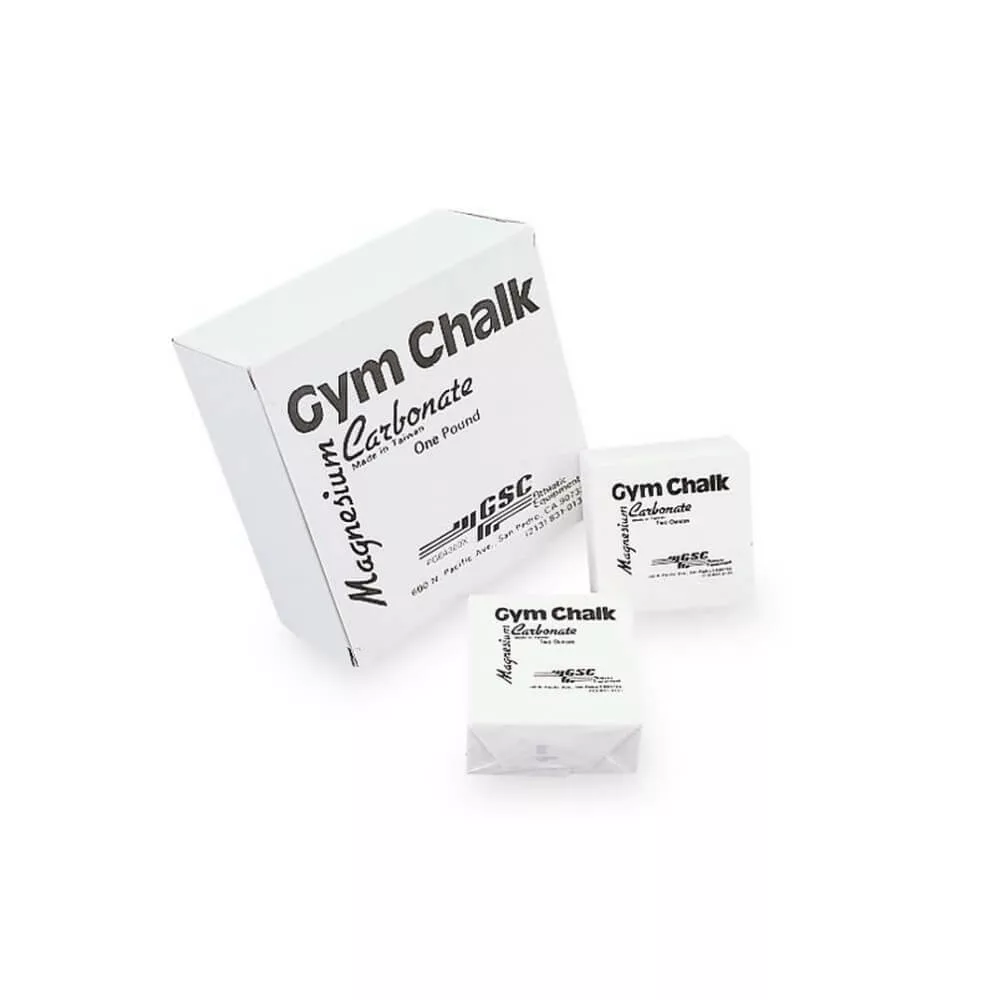
Brittle Gym Chalk, but is Easy Application Worth it?
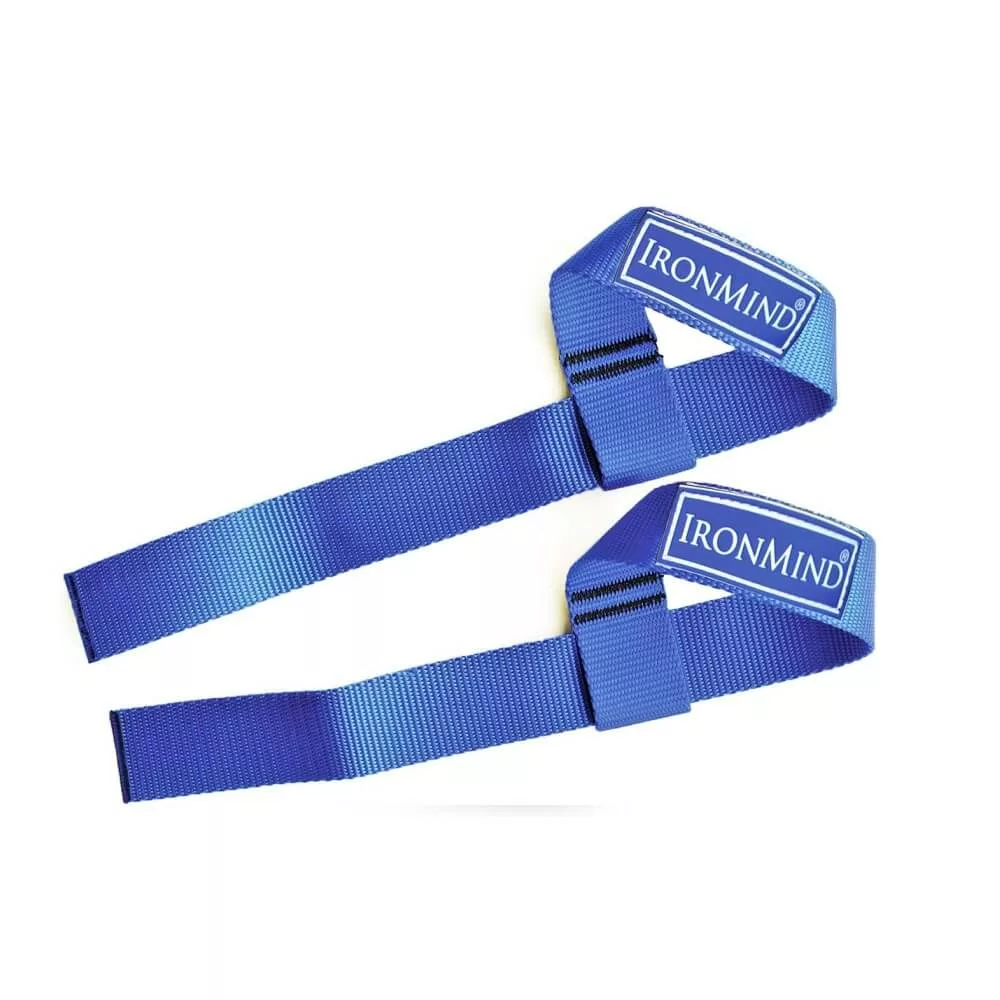
Fantastic General-Purpose Lifting Straps with Proven Results
You don’t have to reject assistance to build a stronger grip, and you don’t have to prove your unaided strength during every exercise. Instead, use each tool intentionally, assess progress against the goal that matters, and make sure your overall approach reflects what you want your hands to be capable of doing.
Key Takeaway
Use grip aids to support the task, & train grip deliberately when grip development is the goal. Judge the aid by what it helps you accomplish,& judge grip development by changes in the capacity you’re actually trying to improve.
Thanks for Reading!
How Do You Use Grip Aids In Your Own Training?
Share Your Thoughts in the Comments!