(Last Updated on October 21, 2026 by Henry)
What’s Actually Causing Your Grip to Give Out Before You Finish the Task?
You’re halfway through a set, carrying something heavy, or trying to hold on during a demanding activity, and your grip gives out before the job is done.
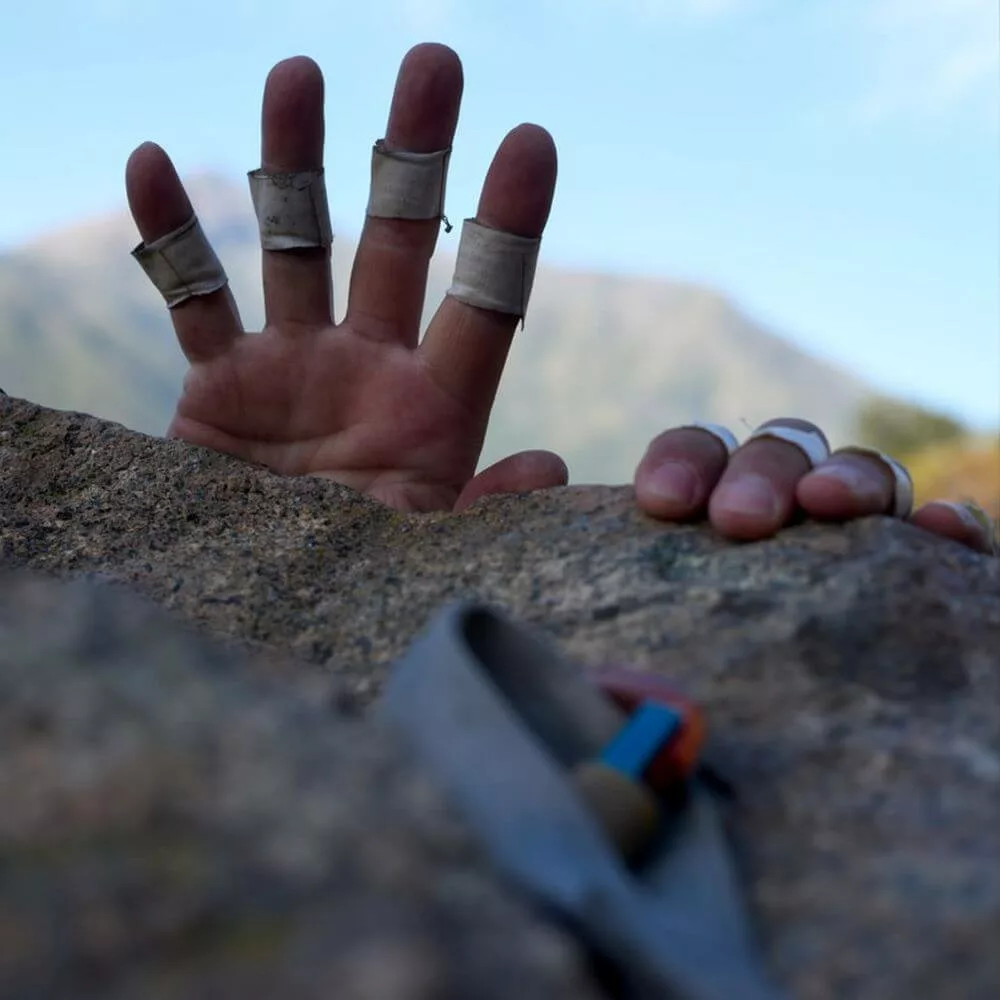
It’s tempting to assume your hands simply aren’t strong enough.
Sometimes that’s true.
But grip failure can have several different causes, and the distinction matters because the right solution depends on what’s actually limiting you.
Your fingers might lack the force needed to maintain the hold.
Your grip might be strong enough initially but fatigue too quickly.
The object could be slipping despite your effort, your hand position might be inefficient, or the task itself might demand more than you can currently manage. Discomfort and inadequate recovery can complicate the picture, too.
Before trying to strengthen your grip, identify why it’s failing. That gives you a better chance of choosing a solution that addresses the problem rather than simply working harder at the wrong thing.
Grip performance depends on more than raw squeezing force. The surface you’re holding, the shape of the handle, your position, the duration of the effort, and your current level of fatigue can all influence how long you maintain a secure hold.
Start with the failure pattern: Does the object slip?
Do your fingers gradually give out? Does your grip fail only under heavier loads?
Does changing your hand position help? Or does discomfort force you to stop?
Each pattern points toward a different set of possible solutions.
Solve the Problem Behind the Failed Grip
When your grip gives out, the most productive response isn’t always to squeeze harder or add another grip exercise. First, work out what is limiting the task.
If you lack the required force, build the relevant strength. If your hands fatigue too quickly, consider endurance, workload, and recovery. If the object slips, look at friction and equipment. If your position makes the hold awkward, review your technique. And if pain is involved, don’t treat it as a problem that must be overcome through more effort.
The goal is to improve your ability to perform the tasks that matter to you, not to assume that every failed hold has the same cause.

Breathable Wristwrap Gloves with Durable Leather Palm
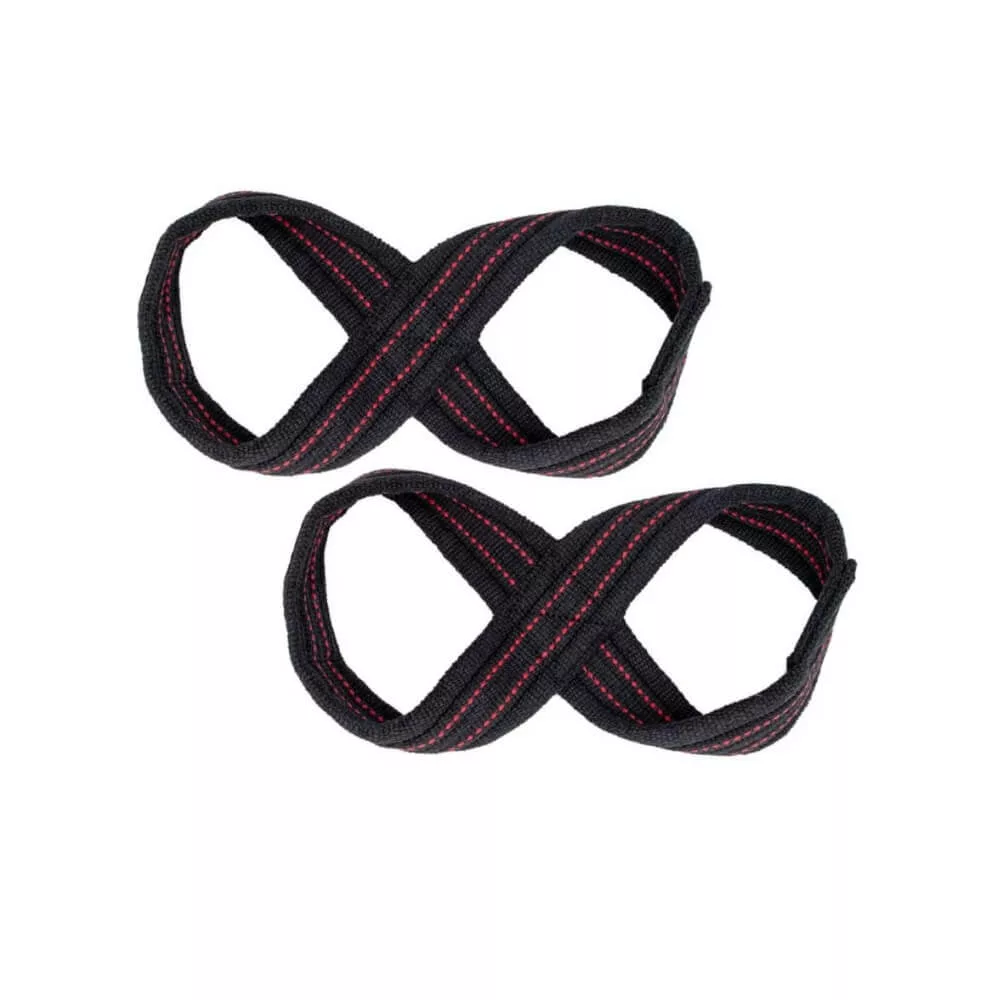
Figure 8 Lifting Straps: Excellent to Lock Your Grip on Barbell

Fine Chalk for Grip: Is It Really the Best Option?
Key Takeaway
Your grip doesn’t always fail for the same reason.
If force is the problem, build the relevant strength.
If fatigue is the problem, address endurance and recovery.
If slipping is the problem, improve friction and contact.
If position is the problem, review technique and equipment.
If pain is the problem, don’t push through it; address the cause.
Thanks for Reading!
What Usually Makes Your Grip Fail First?
Share Your Thoughts in the Comments!
Recommended Next Reads
- Grip Aids vs Grip Strength: What Are You Really Improving?
- How to Choose the Right Grip Aid for Your Training
- Why Does Joint Protection Matter for Your Hands & Wrists?