(Last Updated on October 16, 2026 by Henry)
How Can You Protect Your Hands Without Holding Them Back?
Your hands and wrists handle an enormous variety of demands. They grip weights, operate tools, support your body, control sports equipment, and perform countless repetitive tasks throughout the day. These activities rely on your ability to apply force, maintain control, and tolerate repeated loading.
But being capable of performing a task doesn’t mean your hands can tolerate every amount of force, repetition, or duration indefinitely.
When demands exceed what your tissues can comfortably manage, discomfort and irritation may develop.
Poorly managed training loads, repetitive work, awkward positions, and inadequate recovery can all contribute to problems.
Joint protection is about managing those demands intelligently.
It isn’t about avoiding every challenge, wearing support for every activity, or treating your hands as fragile. It’s about recognizing what your hands and wrists need to perform reliably over time, and making sensible adjustments before a manageable problem becomes a persistent one.
Protecting your hands and wrists doesn’t mean avoiding useful effort. It means managing force, repetition, position, and recovery so your hands can keep doing the things that matter to you.
Whether you’re lifting weights, working with your hands, playing sports, or simply trying to stay comfortable during everyday activities, the underlying principle is similar:
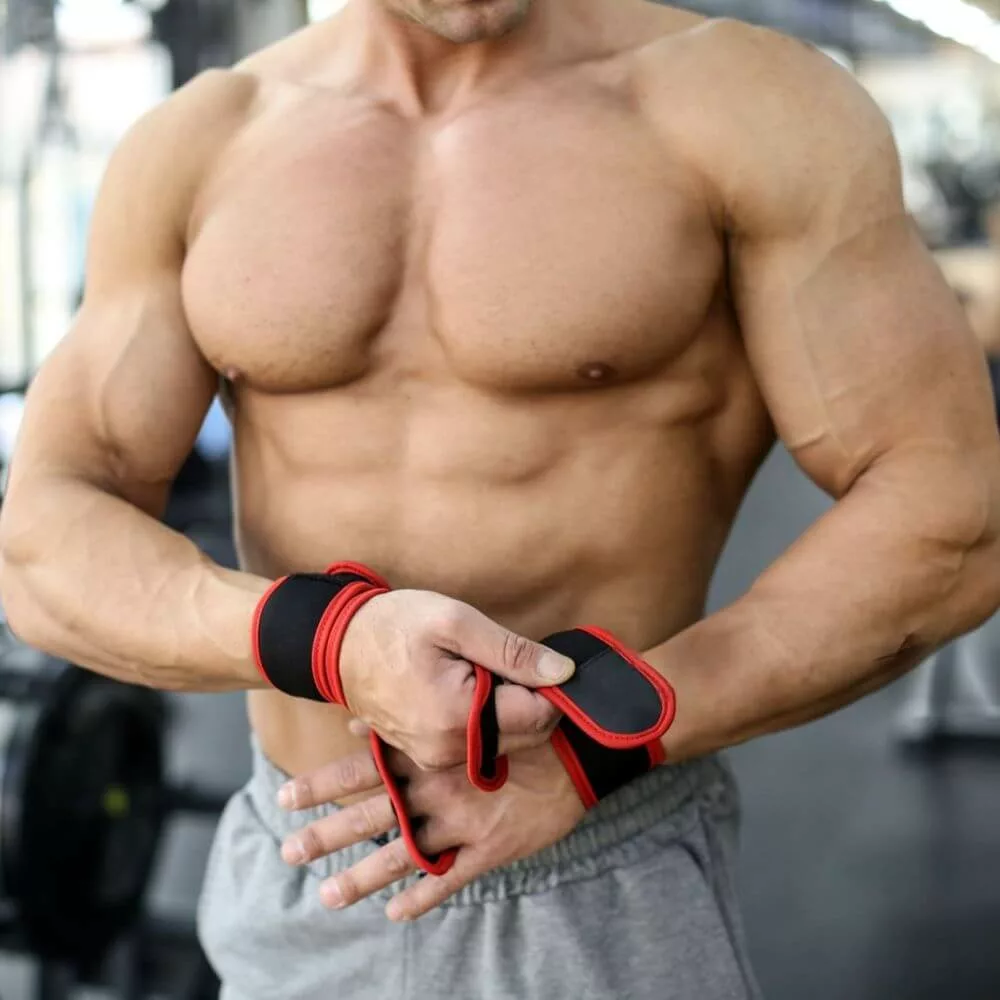
External support is only one part of the picture, but it can help:
Joint protection includes sensible loading, appropriate technique,
equipment choices, recovery, & recognizing when symptoms need attention.
Protect your ability to perform by managing the demands placed on your hands,
not by assuming that more support is always better.
Protect Your Hands Without Holding Them Back
Your hands and wrists need to tolerate a wide range of demands, from forceful gripping to repetitive daily tasks. Protecting them doesn’t mean avoiding every challenge or relying on external support whenever a task becomes difficult.
It means understanding the demands involved, progressing at a sensible pace, using appropriate technique and equipment, allowing recovery, and recognizing when discomfort deserves attention.
Strength remains valuable, but it isn’t the only factor that matters. Long-term hand and wrist health also depends on how you manage the activities you perform and how you respond when your current approach isn’t working.
The most useful protection strategy is the one that helps you remain active while respecting your current capacity, and that changes when your needs change.
Key Takeaway
Joint protection isn’t about avoiding effort. It’s about managing demands intelligently.
Progress loads and repetition gradually.
Use suitable technique and equipment.
Allow time for recovery.
And don’t mistake persistent pain for a weakness you simply need to push through.
Thanks for Reading!
What Helps You Keep Your Hands & Wrists Comfortable?
Share Your Experience in the Comments!
Recommended Next Reads
- How to Choose the Right Support for Your Hands & Wrists
- Joint Support vs Joint Strength: What Are You Really Improving?
- Why Do Your Hands & Wrists Hurt During Training? Common Causes & Solutions