
(Last Updated on October 21, 2026 by Henry)
Weightlifting gloves have become a staple in many gym bags, reflecting a growing trend among strength-training enthusiasts. Their popularity isn’t without reason; people often reach for them to protect their palms from rough bars and to avoid the discomfort of potential skin tears and calluses.
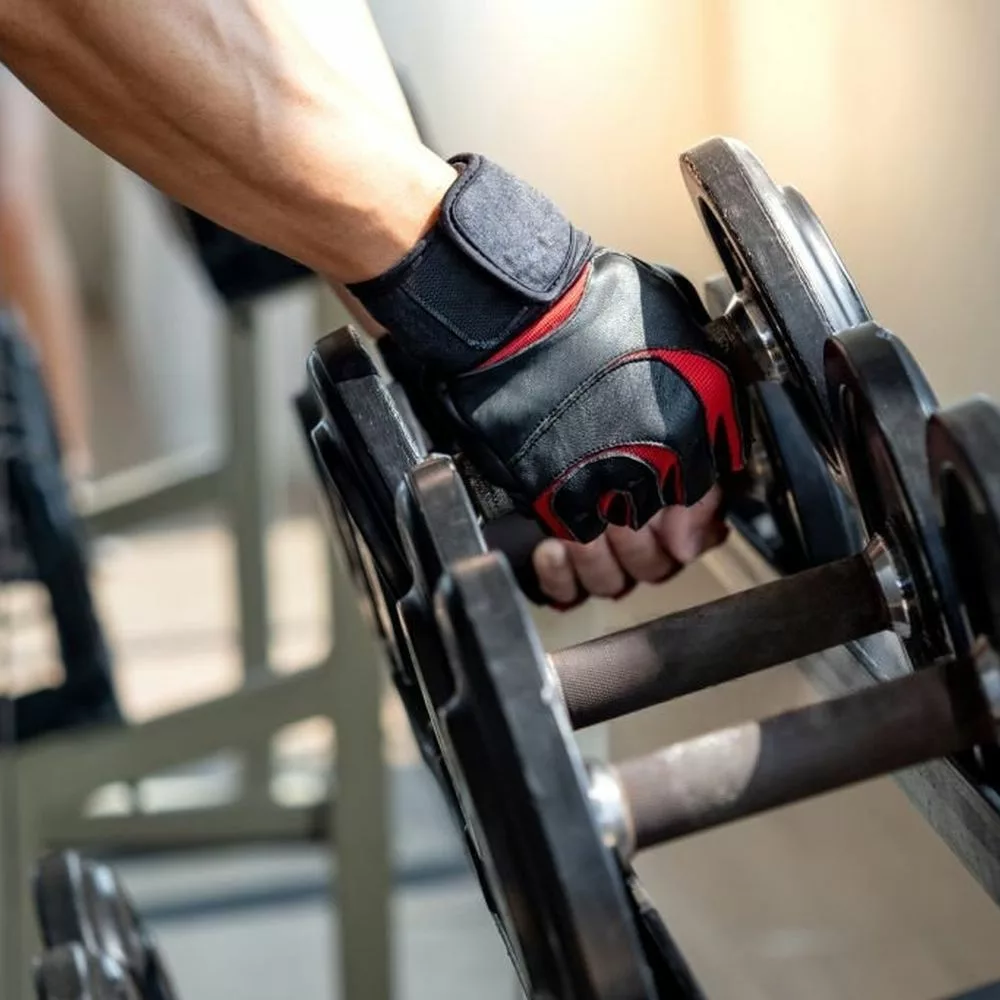
For many lifters, gloves provide an immediate solution to common training annoyances while making workouts feel more comfortable and approachable.
Gloves offer an added layer of comfort, making them attractive for those just starting out or for those who prefer a bit of padding between their hands and weights.
This approach can help maintain consistency in training by reducing pain or minor skin issues that might otherwise discourage regular training.
In some cases, improved comfort can help beginners focus more on learning proper exercise technique rather than worrying about hand discomfort.
Yet, the use of gloves in strength training isn’t without its fair share of debate, especially when it comes to grip development. Critics argue that gloves can inhibit the natural connection between hands and the barbell, impacting the development of true grip strength and neural adaptation with regular use.
Because gloves create a barrier between the hand and the implement, some lifters feel they reduce tactile feedback and make it harder to develop a strong, confident grip on the bar.
The discussion becomes particularly important for athletes whose sports or goals depend heavily on hand strength. Grip-focused athletes, climbers, arm wrestlers, manual laborers, and strength enthusiasts often place a higher value on direct hand-to-bar contact because grip strength itself is a performance factor.
when you grip, so that may mean that it’s harder for you to hold on to a bar.
A balanced, practical approach to using gloves in strength training looks at both sides of the argument. It’s about finding a middle ground where gloves can be employed strategically without compromising long-term grip development and overall lifting performance.
Rather than viewing gloves as inherently good or bad, it’s more useful to understand when they provide genuine benefits and when they may interfere with building stronger hands, forearms, and grip endurance. The key is matching the tool to the training goal while keeping long-term hand strength development in mind.
The Mechanics of Weight Lifting Gloves
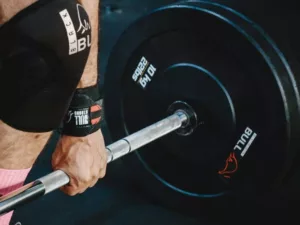
Weight-lifting gloves aren’t just a fashion statement. At their core, they change how your hands interact with the weights. The first thing to note is how they alter the friction between your hands and the bar. By adding a layer of material, gloves can make the bar feel less abrasive, which is great for comfort but may reduce some of the direct sensory feedback that contributes to grip development.
The relationship between your hands and the implement is a critical part of strength training. Small changes in friction, texture, and bar feel can influence how hard your fingers and forearms must work to maintain control.
Then there’s the padding, which has a significant effect on hand-bar contact. It cushions the palms, lessening the impact over time and potentially reducing the formation of calluses. For lifters who experience frequent skin irritation, this can make training more comfortable and sustainable.
However, while padding offers immediate comfort, it can dull the direct feedback you get from the bar. Over time, this reduced sensory input may limit some of the neural adaptations that occur when training with direct hand-to-bar contact.
Gloves also play a role in managing sweat and protecting the skin. They absorb moisture and can help prevent the bar from slipping in sweaty conditions. This makes them particularly useful during long training sessions, high-volume workouts, or in warm environments where grip security can become an issue.
For some lifters, maintaining a secure grip during a workout is more important than maximizing direct skin contact, especially when hand discomfort would otherwise limit training quality.
Protection versus performance is the trade-off to consider here. While gloves provide a
protective barrier, they may also interfere with some aspects of grip development
by reducing the demands placed directly on the hands and skin.
This doesn’t necessarily make gloves a bad choice. Instead, it highlights the importance of matching equipment to your goals. Someone focused primarily on general fitness may prioritize comfort and protection, while an athlete aiming to maximize grip strength may benefit from spending more training time gripping bars with bare hands.
Understanding how gloves affect friction, feedback, skin adaptation, and grip demands allows you to make an informed decision rather than simply following gym trends. The best approach is often a strategic use: employing gloves when they solve a specific problem without becoming dependent on them for every exercise.
Situations When Gloves Are Beneficial
There’s no doubt that weight-lifting gloves can be genuinely useful in certain situations. While they may not be ideal for maximizing grip development, there are times when the benefits clearly outweigh the drawbacks.
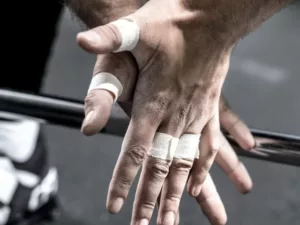
If you’re dealing with hand injuries, torn calluses, blisters, or irritated skin, gloves can provide a valuable layer of protection. This barrier helps reduce further aggravation and allows you to continue training while the affected areas recover.
Maintaining training consistency is often more important than
adhering rigidly to a “never use gloves” philosophy.
Some lifters also experience significant hand discomfort when handling heavily knurled barbells or high-volume training programs. In these cases, gloves can improve comfort enough to keep workouts productive and enjoyable.
For beginners, especially, reducing excessive discomfort can help build training adherence. A workout routine that you can perform consistently is far more valuable than an ideal routine that you abandon because your hands are constantly sore.
When training involves frequent high-volume sessions, your skin may not have sufficient time to fully recover between workouts. Gloves can help protect vulnerable areas while allowing you to continue training without repeatedly reopening the same calluses or skin tears.
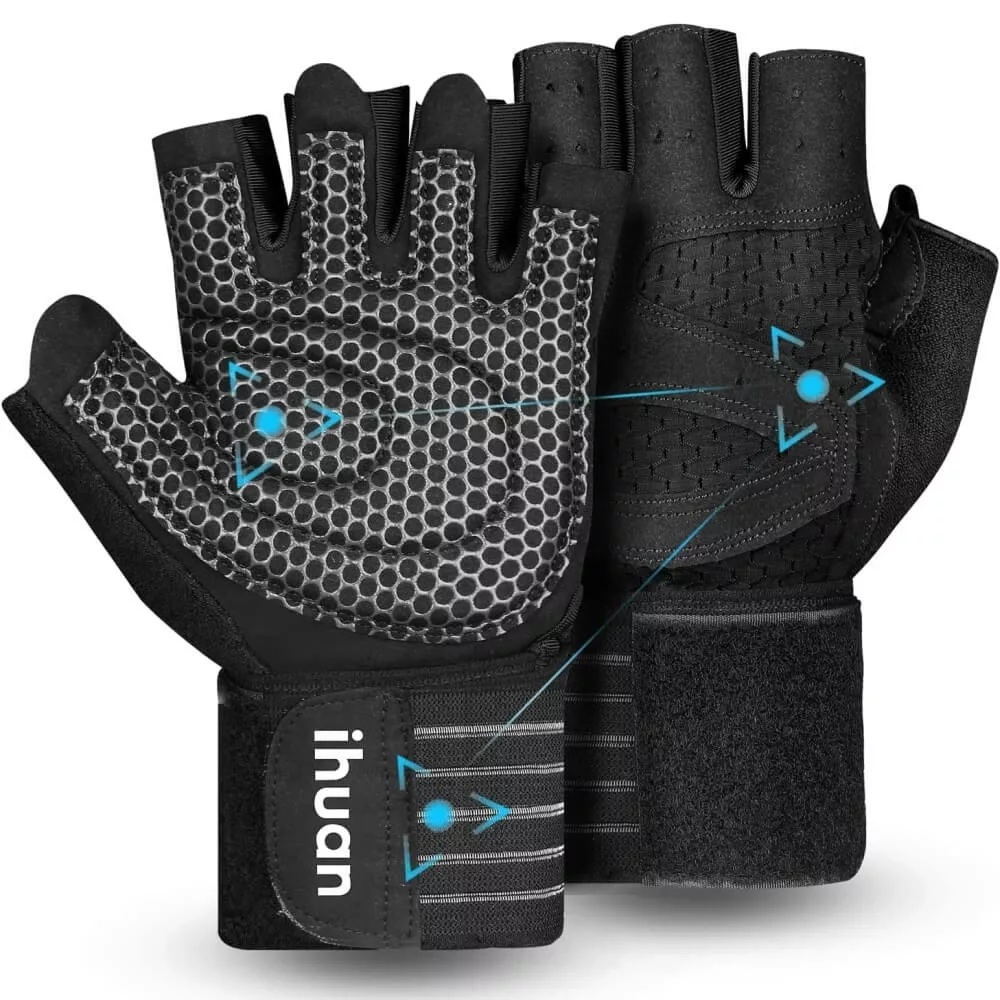
Ventilated Gym Gloves With Wrist Wraps For Maximum Comfort?

Simple Neoprene Grip Pads: Durable & Effective to the Point?
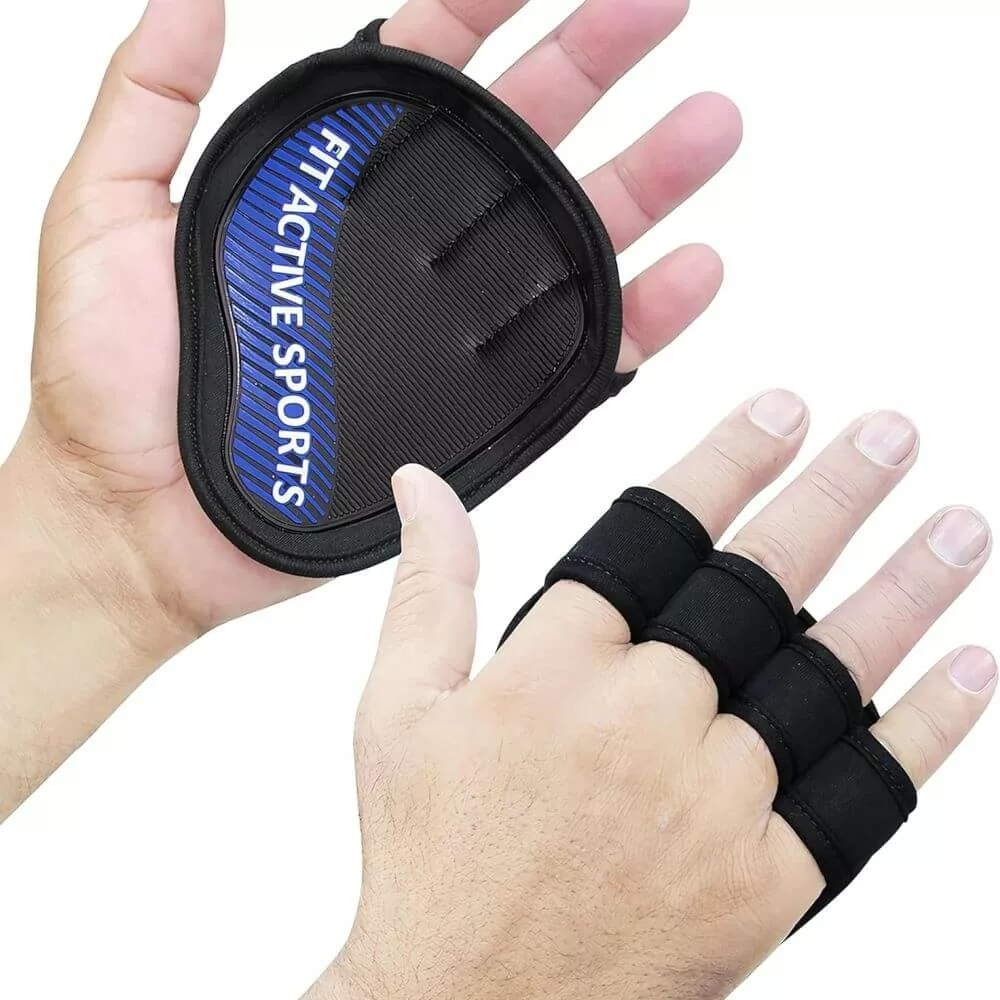
Simple Grip Pads, are They Worth it for Regular Workouts?
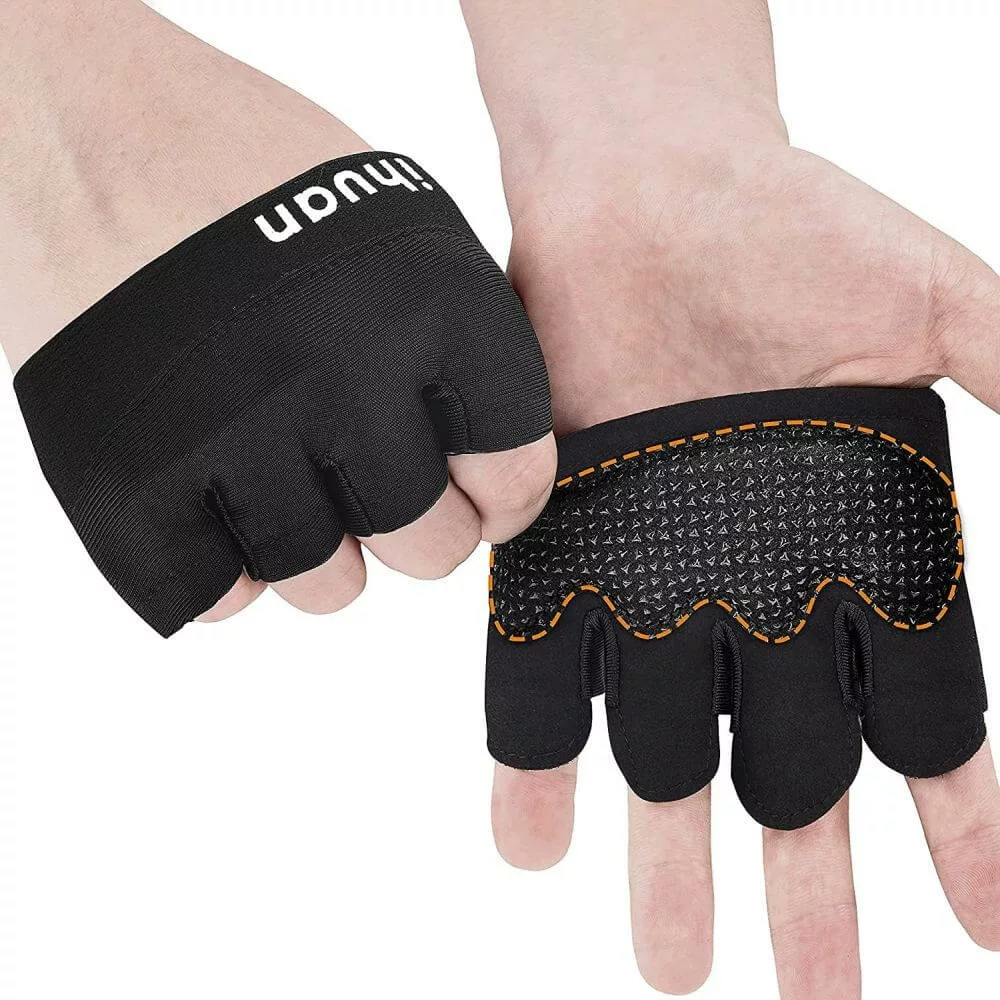
Minimal Grip Protection with Partial Fitness Gloves?
Weight-lifting gloves are often debated in strength training, but in specific situations, they serve a practical and protective role. When used intentionally rather than habitually, they can help maintain training consistency while reducing unnecessary hand stress.
- Training with torn calluses or healing skin
Gloves reduce direct friction on damaged areas, allowing irritated skin to recover while still letting you continue your training routine without interruption. - Returning from a hand injury
After time off or recovery, gloves provide extra protection and confidence, helping you gradually reintroduce load without overwhelming sensitive tissues. - High-volume pulling or rowing workouts
Repeated sets increase cumulative stress on the palms and fingers, and gloves can help reduce skin breakdown during long training sessions. - Long gym sessions with multiple grip-intensive exercises
When total hand fatigue builds across multiple lifts, gloves can help manage overall wear and prevent early grip failure caused by skin fatigue. - Hot environments that increase sweating and irritation
Heat and moisture reduce grip consistency and increase friction-related discomfort, where gloves can provide added stability and comfort. - Occupations where hand damage affects daily work
If your hands are exposed to physical work outside the gym, gloves help reduce training-related wear that could interfere with job performance. - Temporary phases of increased training frequency or volume
During overload blocks or intense training cycles, gloves can help manage recovery demands while maintaining consistent performance.
That said, it’s important to distinguish between temporary use and permanent reliance. Gloves work best as a tool to solve a specific problem rather than as standard equipment for every workout.
Using them strategically allows you to protect your hands during challenging periods while still giving your grip, skin, and forearm muscles opportunities to adapt naturally through bare-hand training.
A practical compromise is to perform certain exercises without gloves while reserving gloves for movements that create excessive skin stress. For example, some lifters may train deadlifts, carries, and grip-specific work barehanded while using gloves during higher-volume accessory exercises.
Balancing glove use with regular bare-hand training helps preserve grip endurance, hand toughness, and grip strength development without sacrificing the comfort needed to stay consistent in your training. In most cases, moderation provides the best of both worlds: protection when necessary and continued grip progress over the long term.
Gloves for Managing Calluses and Encouraging Hand Recovery
When it comes to managing calluses, gloves can be a valuable tool during recovery periods. The friction generated by barbells, dumbbells, pull-up bars, and cable handles can repeatedly irritate healing skin, slowing the recovery process and increasing the likelihood of further damage.
By creating a protective barrier between your hands and the equipment, gloves help reduce friction and allow vulnerable areas to recover more comfortably.
Gloves can also help prevent additional tearing when you’re already dealing with damaged skin. This protection is especially useful when a torn callus or irritated area would otherwise interfere with your ability to train effectively.
Rather than missing workouts entirely, some lifters use gloves temporarily to maintain training consistency while their hands heal.

60% Urea Cream: An Aggressive Solution for Serious Skin Damage?

Razor Sharp Callus Shaver to Maintain Grip Health?

SandBar Callus Remover: Grip-Friendly Hand Care for Lifters
Finding the right balance between protection and grip engagement is crucial. The goal should not be to eliminate all hand stress but rather to manage it intelligently. Your hands still need exposure to direct gripping if long-term grip strength, grip endurance, and skin adaptation are priorities.
Using gloves strategically allows you to protect healing areas while continuing to challenge your grip through carefully selected exercises.
Incorporating gloves as part of a broader hand-care strategy can be highly effective. Healthy hands are built through a combination of smart training, proper recovery, and routine maintenance.
Regular callus management helps prevent large ridges that are more likely to catch and tear during heavy lifting. Keeping calluses smooth and controlled can often reduce the need for protective equipment altogether.
The most effective approach is not choosing between gloves and bare hands exclusively. Instead, use gloves when they solve a specific recovery problem and return to direct gripping whenever possible. This balanced strategy protects your hands when needed while still allowing the grip, skin, and forearms to develop the resilience required for long-term strength gains.
Conclusion: Smart Glove Use for Optimal Grip Progression
Understanding when gloves help versus when they hinder your progress is one of the most important aspects of smart strength training. Weight-lifting gloves can be a valuable tool in the right circumstances, particularly when managing hand injuries, protecting healing calluses, or maintaining training consistency during periods of high volume.
However, problems often arise when convenience turns into dependence. If gloves are used for every exercise and every workout, they may gradually reduce the opportunities your hands have to adapt to direct gripping demands.
It’s all about intentional, limited use. Gloves work best when they solve a specific problem rather than becoming standard equipment regardless of the situation. Using them strategically allows you to gain the benefits of protection and comfort while still giving your grip, skin, and forearms the chance to develop naturally.
The most successful lifters view gloves as a tool rather than a requirement.
Prioritizing grip development should remain a central focus, especially if your goals involve strength sports, climbing, arm wrestling, manual labor, or overall athletic performance. A stronger grip contributes not only to lifting performance but also to better control, endurance, and confidence across a wide range of physical activities.
By balancing glove use with dedicated grip work and regular barehanded lifting, you preserve the natural adaptations that lead to stronger hands and forearms over time.
It’s also important to remember that gloves are only one part of a much broader training strategy. They cannot compensate for poor technique, insufficient recovery, weak grip muscles, or ineffective programming. When these elements are in place, gloves become a helpful accessory rather than a crutch.
Ultimately, the goal isn’t to determine whether gloves are universally good or bad. The real objective is understanding how they fit into your individual training needs. Used strategically, they can help protect your hands and support consistency. Used excessively, they may limit some aspects of grip development.
The best approach is a balanced one: protect your hands when necessary, train your grip deliberately, and ensure that comfort never completely replaces the adaptations that come from gripping the bar with your own hands. This mindset promotes stronger grip strength, healthier hands, and better long-term lifting performance.
Thanks for Stopping By!
How Often Do You Use Fitness Gloves & For What Purpose?
Share Your Experience Below!





)